Elder Millennials, gather round!
Do you remember the time when playing video games asked everything of us? Who else gave it all, gladly?
Eight-hour gaming sessions weren’t excessive during those days; they were expected. We’d start playing mid-afternoon, glance up, and realize it was 2 am with zero regrets. Whether it was chasing high scores, grinding levels, or replaying the same final boss fight until you nailed it, gaming wasn't something to be crammed into a schedule. It was what we built our days around.
And now? Most of us regret staying up past 10 pm, never mind into the early hours of the morning! Plus, factor in full-time jobs, partners, in-person friendships, and whatever else life throws at you, and we’re lucky to even get 45 minutes of play a few times a week.
In 2026 and beyond, can we still be the gamers we were at the height of the console era? Honestly, no. But that doesn’t mean we can’t game anymore.
Why Our Gaming Habits Have Had to Change
The biggest factor behind this shift isn’t games, hardware, or access. It’s Time with a capital T.
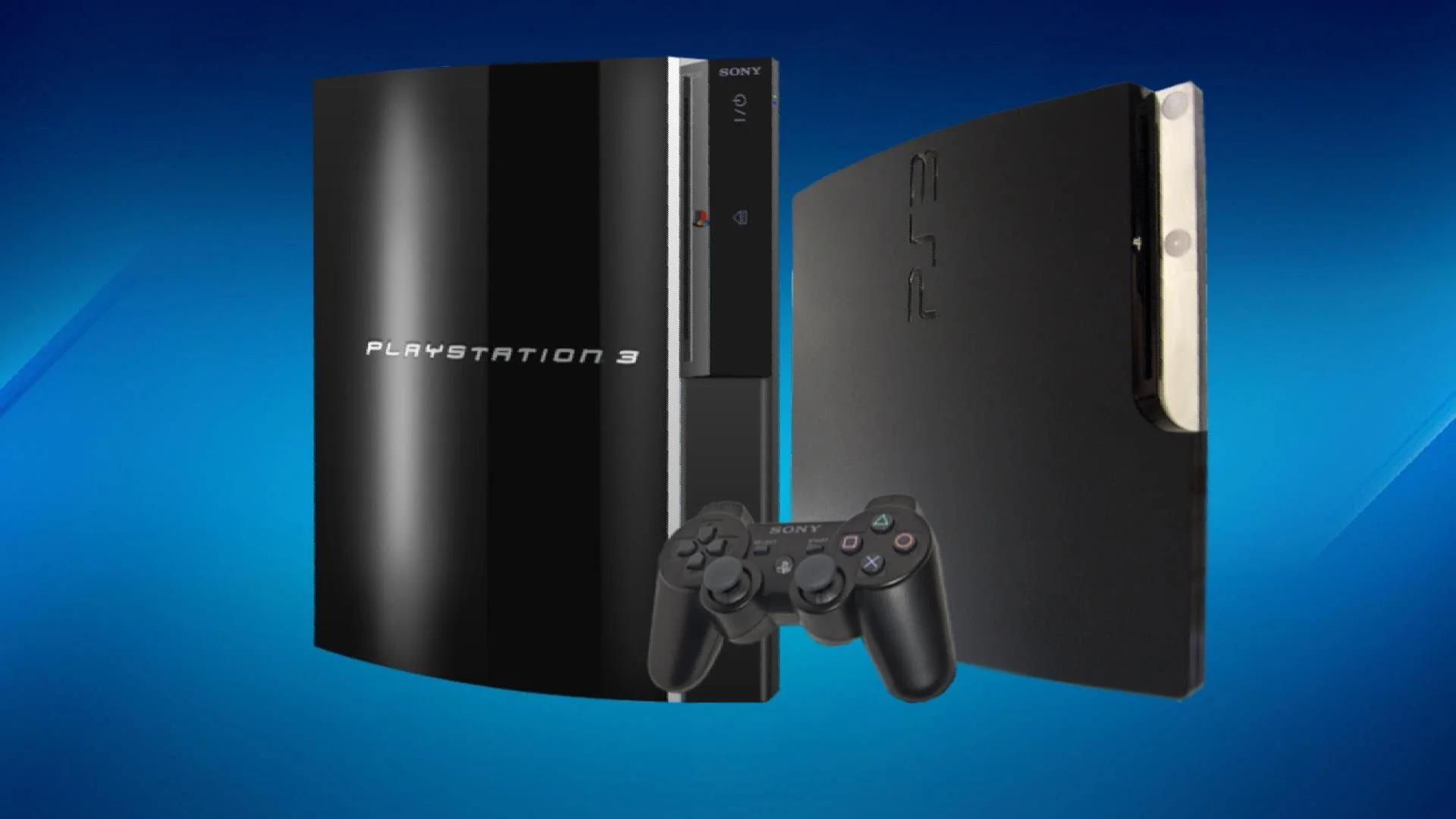
We all grew up alongside the industry, watching it evolve from cartridge to live-service ecosystems, from four people plugged into a PS3 to always-on persistent worlds. But while time helped gaming to expand, it also expanded our lives. Careers, health, finances, relationships…the list of priorities didn’t just grow; it exploded.
All of this means that the old model of gaming, where it was just you and your console, simply doesn’t fit anymore.
Annoyingly, modern games haven't exactly made this any easier to accept. Open-world titles demand hundreds of hours, while multiplayer ecosystems behind hits like PUBG and World of Warcraft reward consistency over occasional play. It’s no wonder we all feel like we’ve been left behind!
Rethinking What Gaming Means
Interestingly, though, it’s not gaming itself that’s become less accessible. Instead, we’re all out here trying to approach it the wrong way. Since we can’t re-enact the 2000s and 2010s, we need to rethink what gaming can look like for us, right here, right now.
That all starts with being open to different kinds of gaming experiences. And guess what? We’re spoilt for choice these days.
While we remember the console age with rose-tinted glasses, objectively, we were a bit shortchanged when it came to gaming options. We could only play what we had, and oftentimes, we didn’t have all that much. Today, though, it’s a different story—the sheer variety of gameplay experiences is staggering.
Say we were to treat today’s gaming landscape like a taster menu. That would look like dipping into shorter-form indie games, experimenting with genres we’ve never touched before, or even exploring corners of digital gaming that weren’t accessible during the days when we first picked up our controllers.
Remember what it was like to boot up Casino Kid on the NES and wish that the stakes and wagers were real? Well, arguably one of the biggest advantages of being a Millennial gamer is that suddenly, a whole world of options is open to you, in ways you could never have imagined before!
Indeed, casino gaming is now firmly part of the digital ecosystem. Online platforms are stacked with countless options: there are new slot games delivering accessible formats in every imaginable theme and genre, with bonus rounds and interesting new mechanics to boot. Even glancing across the catalog will give you some sense of how vast this universe is, and what’s more, it fits well with the time constraints we were just discussing. You no longer have to worry about whether you’ve really got time to game right now: playing a few new slot games fits into even a very short gaming window. That’s one of the reasons that this has become such a popular genre.
And if you’re not sure that slots can really tick the gaming box for you... well, they’re not the simple, spin-the-reels games that you might be thinking of. Today’s slots go all-out in terms of character, setting, and mechanics to create varied, dynamic gameplay. It’s really quite a spectacular experience. Rather than replacing traditional gaming, these formats sit alongside AAA blockbusters and mobile gaming apps, expanding what play actually looks like for many people.
Playing Smarter, Not Longer
Surprisingly, time—despite being both a catalyst for evolution in gaming and the biggest barrier between us and a Grand Theft Auto marathon—can actually become an ally in our grand gaming quest. How? Because it forces us to be efficient and smart with both what we play and how we play it.
As mentioned above, the digital gaming ecosystem runs from casual classic spinners right the way through to Rockstar Games blockbusters. But it’s not just games themselves that vary in complexity and accessibility; gaming hardware does too.
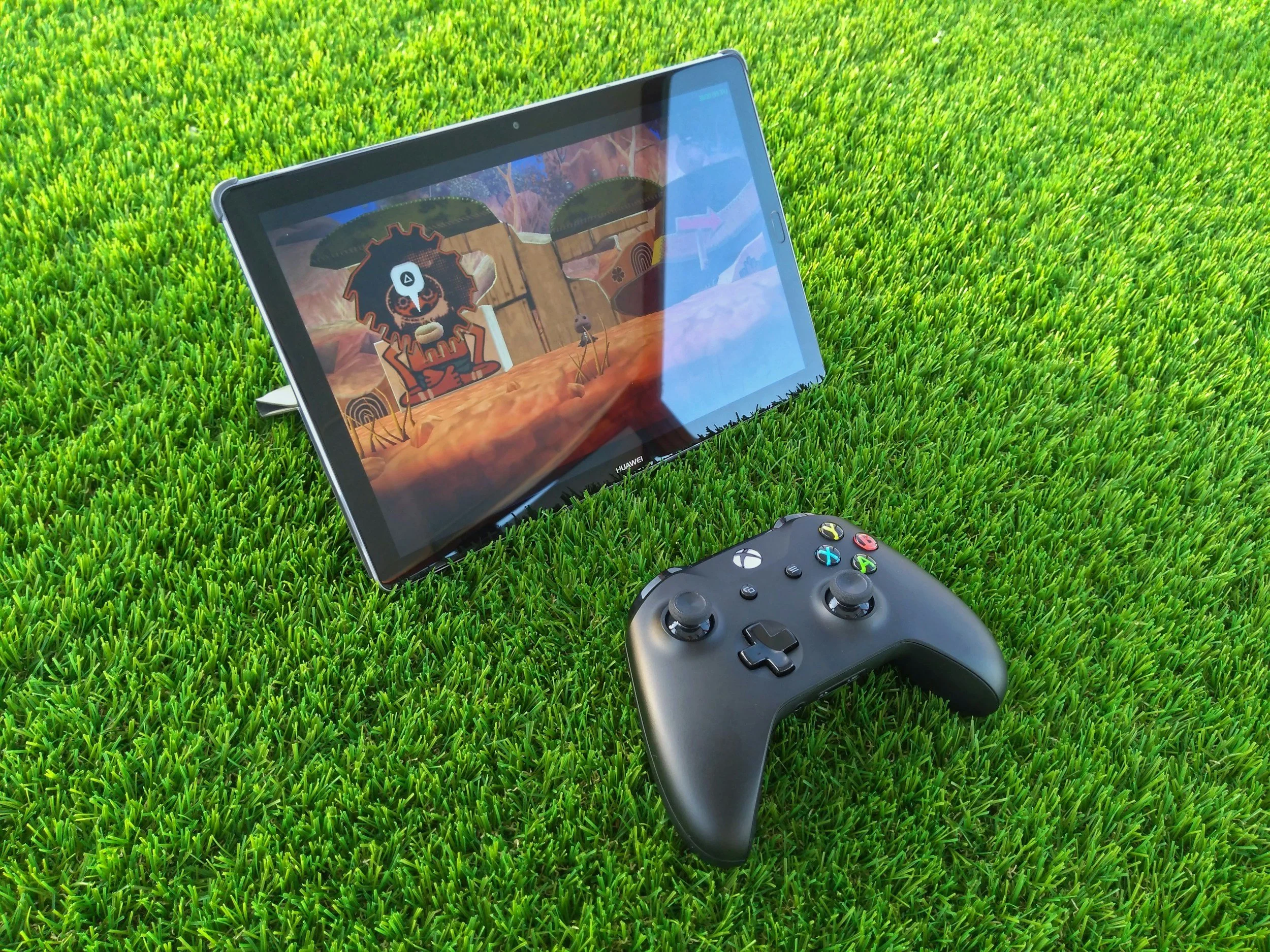
In this modern era of gaming, you don’t have to be tied to just the one device (or genre, or way of engaging). Consoles, PCs, mobile… they all feed into the same ecosystem. You can even start a game on one platform and switch to a more in-depth one when circumstances allow.
The great thing about all of this is that you don’t have to commit regular hours to make progress. You can jump into a title like Castlevania, achieve something meaningful, then jump out again without losing momentum. That’s a fundamental change from the SEGA Genesis days, where stopping mid-sesh often meant losing all your progress.
Letting Go of the “Old You”
We get it; there’s a real sense of nostalgia attached to the way we used to play. But holding onto that version of ourselves can actually block all sorts of amazing gaming experiences from reaching us. Titles like Journey and Animal Crossing: New Horizons don’t want you to unlock every achievement and finish in a single sitting. This pressure to play “like you used to” is entirely self-imposed.
So, while we can’t be the gamers we were in the console age, we can be better ones—no, not in terms of skill or dedication, but in how we approach and appreciate the experience. Gaming didn’t leave us behind; it evolved. If we’re willing to evolve with it, there really has never been a better time to play!