The Little Nightmares series has always held a special place in the hearts of players who love atmosphere and tension without the jump scares and gore of traditional horror. Its signature blend of haunting world design and tiny, fragile protagonists wandering through a giant, twisted reality makes for a uniquely unsettling experience. But with Little Nightmares 3, the question looms—does this long-awaited sequel live up to its eerie legacy, or does it get lost in its own shadows?
Gameplay & Story
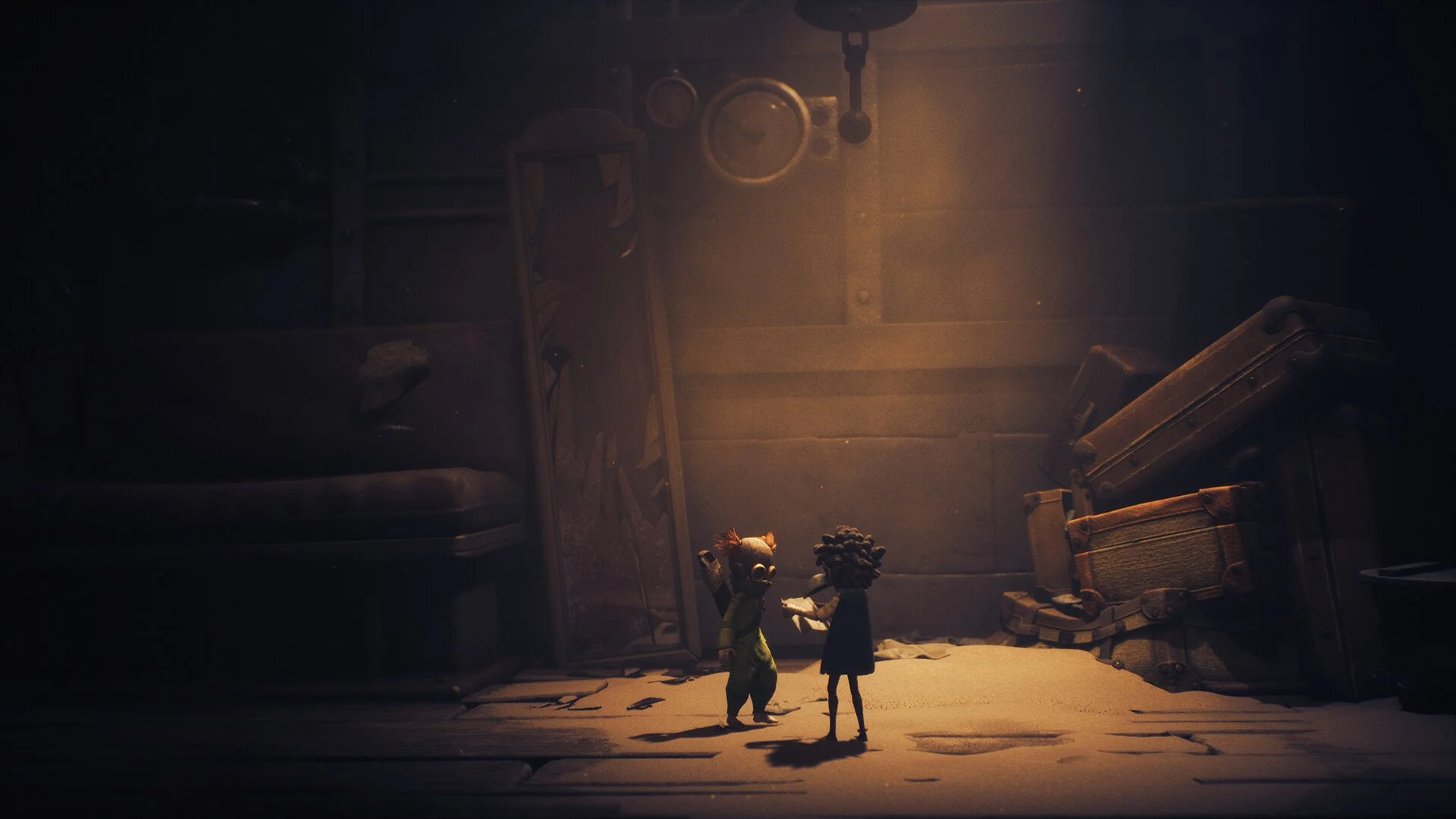
At its core, Little Nightmares 3 retains the series’ side-scrolling charm but introduces a major twist—this time, it’s designed around multiplayer co-op. You take control of two entirely new characters, Low and Alone, two best friends navigating a nightmarish world where they truly have nothing but each other.
In typical Little Nightmares fashion, there’s no dialogue. The story unfolds through visual storytelling and emotional expression, relying on tone and animation to speak volumes. Watching the relationship between Low and Alone evolve—and unravel—is surprisingly powerful. For a story told without a single spoken word, it manages to feel heartfelt, tragic, and hauntingly human.

Gameplay-wise, co-op is the backbone of this installment. Low wields a bow and arrow for ranged interaction, while Alone carries a wrench used for smashing obstacles or activating heavy switches. Most puzzles require teamwork—Low hits distant buttons or distracts enemies, and Alone finishes the job with precision strikes. It’s a clever design choice that reinforces cooperation, but over time, the formula starts to show its seams. The repetitive rhythm of “shoot button, smash obstacle” can dull the sense of discovery, especially in longer sessions.
Playing solo changes the experience entirely. The AI companion can sometimes handle puzzles automatically, but it’s inconsistent—one moment they’re a perfect partner, the next they’re standing idle while you do all the work. The result? A diminished sense of tension and collaboration. When the AI executes a perfect escape sequence while you stumble behind, it’s less thrilling and more isolating. The magic of shared panic—the laughter, the screaming, the frantic coordination—is lost.
That’s why Little Nightmares 3 truly shines in online co-op. When played with a friend, every chase, puzzle, and quiet emotional beat feels more alive. And the inclusion of a Buddy Pass—allowing a friend to join without owning the game—is a must.
Graphics & Design

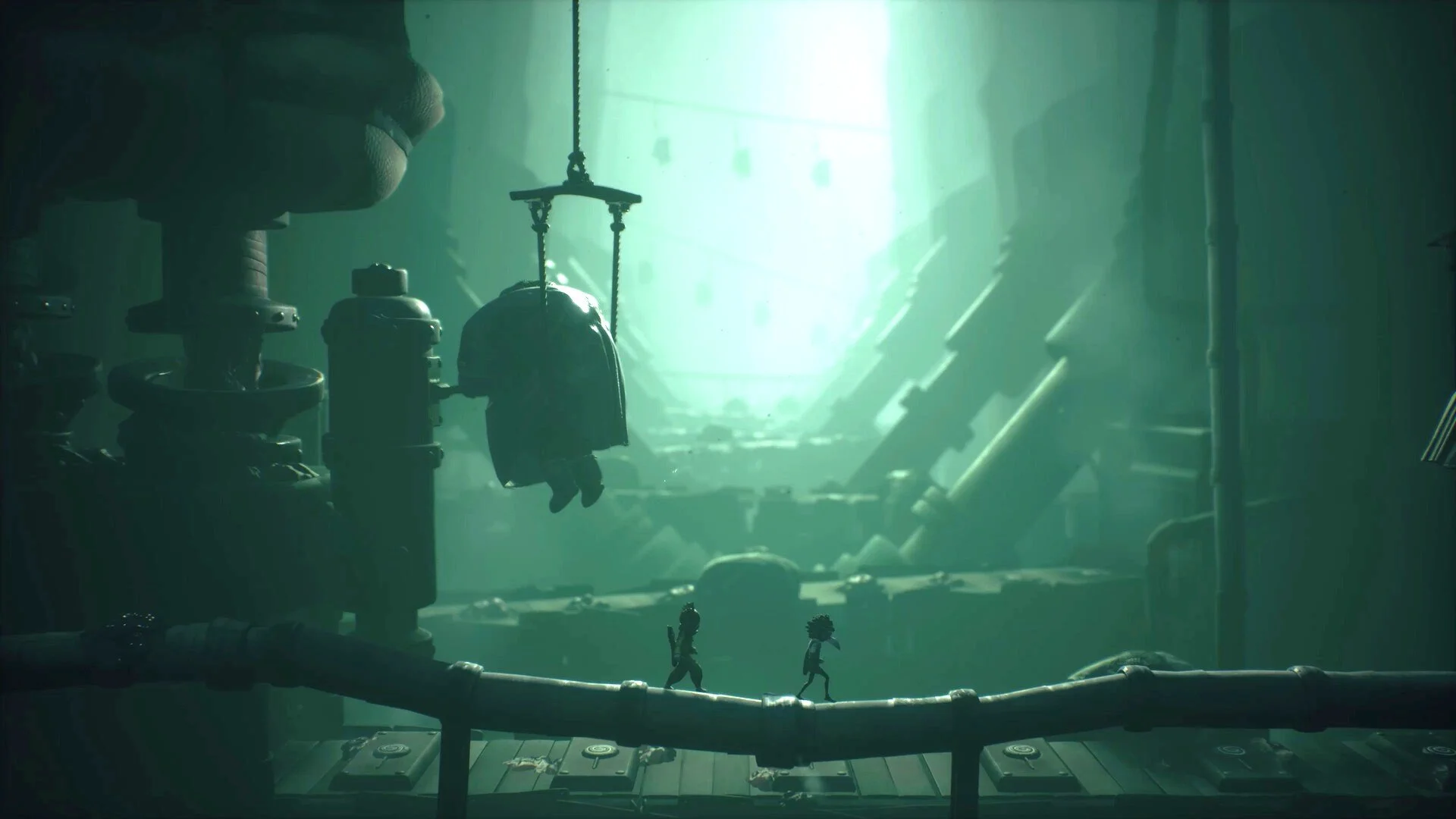
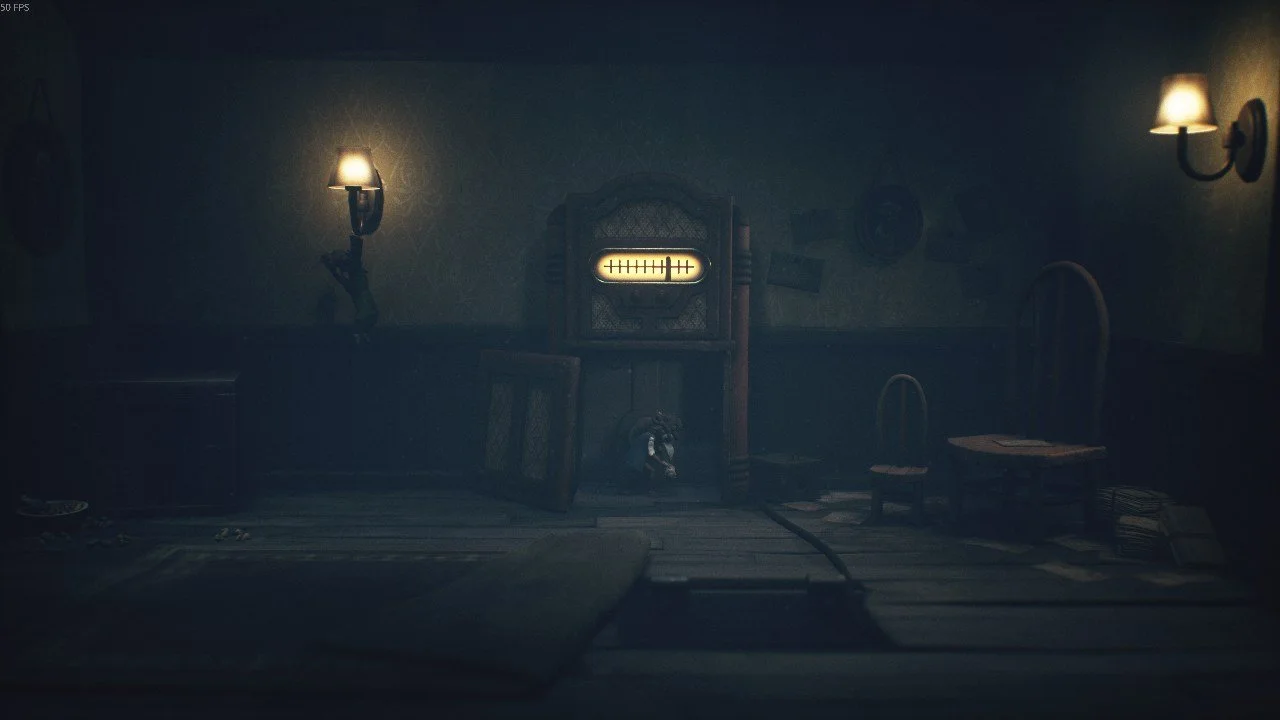
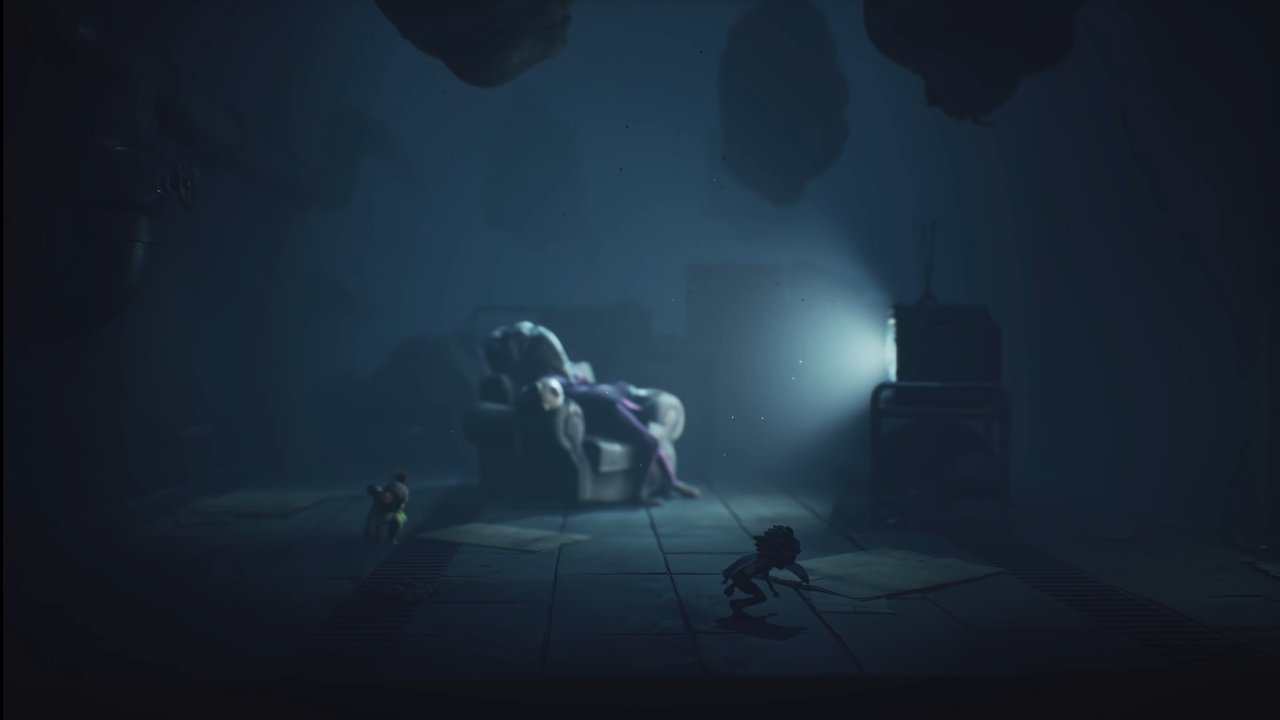
If there’s one thing this series consistently nails, it’s the art direction. Little Nightmares 3 looks stunning. The environments are grotesque yet beautiful, layered with unsettling details that make every scene worth pausing to take in. The sense of scale is true as ever, despite the side-scrolling perspective, you always feel dwarfed by the world around you.
Low and Alone themselves are beautifully crafted. Their designs balance innocence and dread perfectly, making their journey all the more emotional. Their bond—conveyed entirely through animation and body language—feels genuine, and by the time the credits roll, you’ll likely find yourself attached to them.
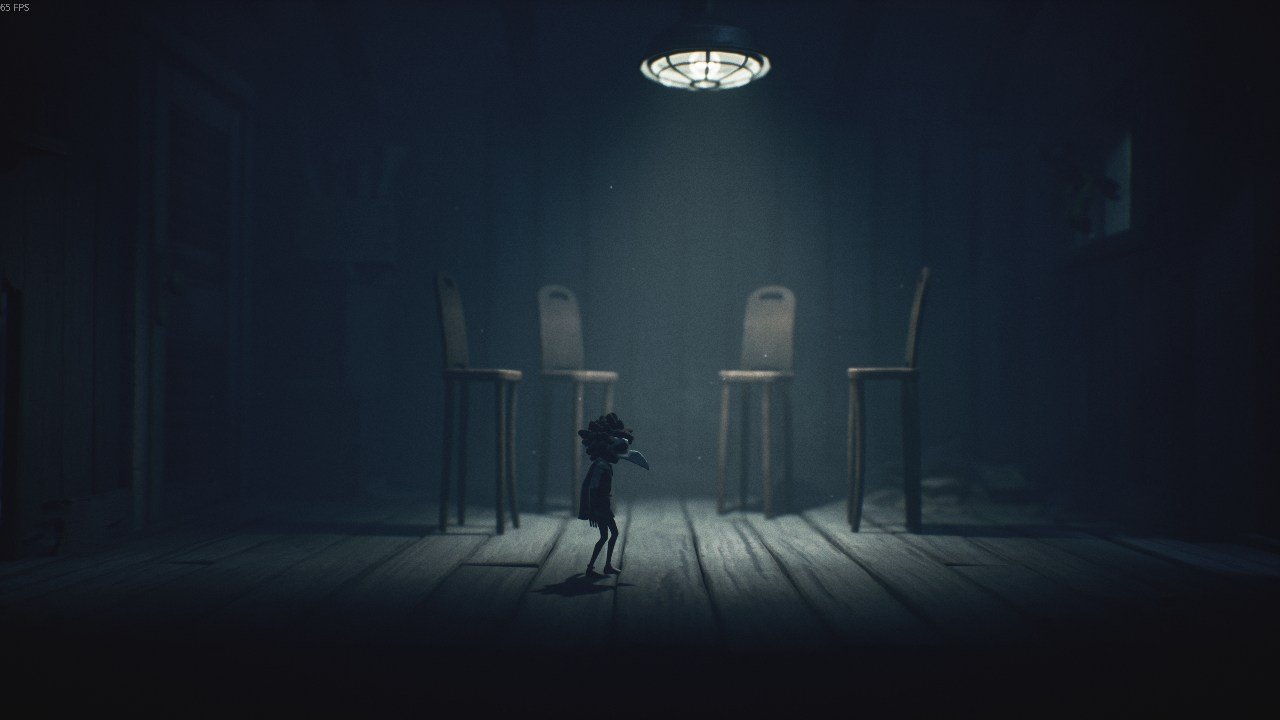
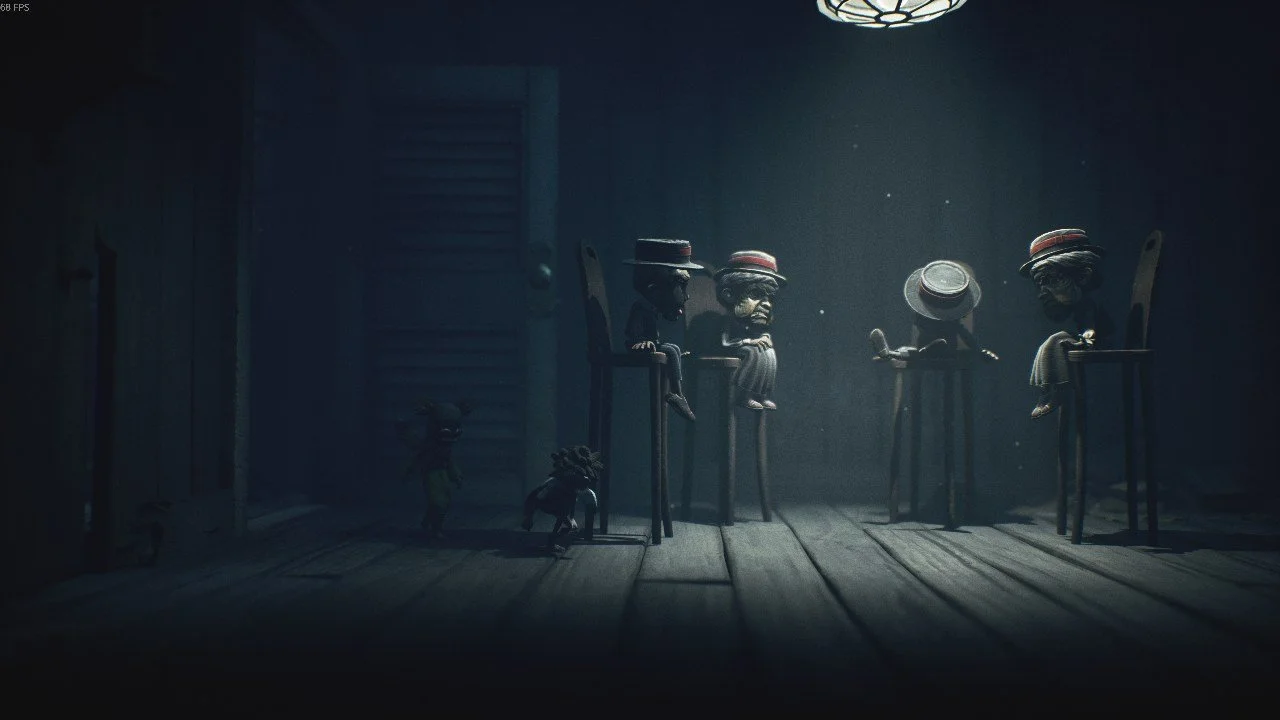
Each environment tells its own story, dripping with atmosphere. Whether it’s the creaking floorboards of an asylum or the eerie glow of a factory corridor, the visual storytelling remains the series’ strongest suit.
Feedback
Here’s where my admiration meets frustration. As much as I love this franchise, Little Nightmares 3 doesn’t quite hit the highs of its predecessors. The short runtime is the biggest issue—it ends just as it feels like it’s picking up momentum. Even worse, some portions feel padded out, with empty hallways and uneventful transitions that don’t serve much purpose beyond extending playtime. A few of those stretches could’ve been trimmed or replaced with tighter set pieces to keep tension high.
That’s not to say there’s no suspense—when the pacing works, it really works. The game uses silence and repetition to toy with your expectations, building anticipation for moments that may never come. When it pulls that off, it’s classic Little Nightmares brilliance. But when it doesn’t, it risks dragging.
The AI experience also needs refinement. While the solo mode is appreciated, it often feels like a “lite” version of the full experience—functional, but missing the emotional and mechanical synergy that co-op provides. This imbalance could make the game less enjoyable for players without a partner, and that’s a shame.
Still, when you’re playing Little Nightmares 3 as intended—with a friend—the emotional weight, tension, and artistry come together well.
Final Verdict
Little Nightmares 3 doesn’t quite reach the legacy that Tarsier left behind, but it is an atmospheric and emotionally resonant addition to the series, even if it stumbles in pacing and replay value. It’s a game that feels big in scope but small in content—a nightmarish dream that ends too soon.
My score could definitely dip lower depending on how the AI and pacing land with you—but thanks to its co-op focus, powerful emotional storytelling, and the welcome inclusion of the Buddy Pass, Little Nightmares 3 still earns its place as a worthy successor in the franchise’s eerie legacy.
Little Nightmares 3 is available this Friday on PC via Steam, Xbox Series X|S, PlayStation 5, and Nintendo Switch!