Introduction
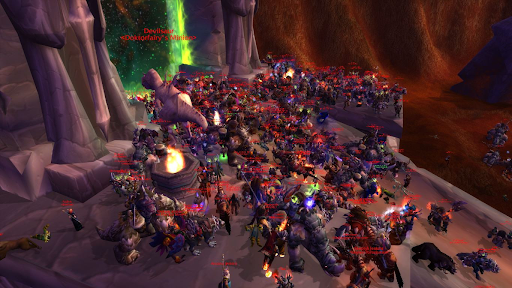
The Dark Portal has opened again. WoW TBC Anniversary servers went live, and within hours the queues were brutal, the chat was chaotic, and Outland felt alive in a way it hasn't in nearly two decades. For a certain generation of gamer — late 20s, early 30s, probably with a mortgage or at least a demanding job — the feeling hit like a freight train made entirely of nostalgia.
But here's the thing nobody warned us about: the game didn't age with us. The servers are the same. The design philosophy is the same. The grind is absolutely, unforgivingly the same. And while our love for WoW Classic hasn't dimmed, our available hours per week certainly have.
So how do players on Fresh Classic realms actually stay competitive in 2026?
The Unforgiving Nature of the TBC Arena System
If you played TBC back in 2007, you probably remember the arena system fondly — or maybe you've selectively forgotten how punishing it actually was. There are no modern catch-up mechanics here. No daily catch-up currency. No "log in after two weeks and get a bundle." Miss your weekly Arena Points cap, and you are simply behind. The gear curve doesn't wait.
Phase 1 PvP gear — especially the weapons — sits behind a wall of rating and points that requires consistent weekly effort. The math is simple and merciless: fall behind two or three weeks in a row, and you're showing up to matchmaking rating (MMR) brackets in gear that gets you killed before you finish your opener.
Then there's the human element. Finding reliable partners is its own full-time job:
LFG partners who rage-quit after one bad loss
Players who go offline mid-session with no explanation
Teammates who insist on running the same broken comp they saw on a YouTube video from 2008
Schedule conflicts that turn a planned two-hour session into forty minutes of waiting in LFG
The TBC arena system was designed for a world where the hardcore player had unlimited time. That world doesn't exist for most of us anymore.
The Modern "Time-Hack" for Busy Adults
So what do working adults actually do? How do the players who can only log in on Friday nights end up in full Season 1 gear, ready to rip through Karazhan or dominate a weekend battleground session?
The answer the WoW Classic community has quietly settled on is outsourcing the grind. It's become surprisingly normalized — not just among casual players, but among veterans who simply prioritize their limited game time differently.
The logic is straightforward. If your job, your family, and your commute eat up the weekday hours when arena sessions happen, and you only have real playtime on weekends, then your character's gear progression essentially stalls. Weeks pass. The MMR gap widens. By the time you log in on Saturday, your friends are already geared and you're the liability.
For players who just want the Phase 1 weapons but have zero time during the week, securing your required arena rating by having professionals handle the sessions while you're at work is increasingly seen as the smartest shortcut available on Fresh Classic realms. Not a cheat, not an exploit. Just a practical allocation of resources in a game that was built for a lifestyle most of its current players no longer have.
It's the same reason people use grocery delivery or hire someone to walk their dog. Time is the resource. Spend it on the parts of the game you actually enjoy.
Returning to the Fun Parts of Outland
Here's what this actually looks like in practice. You log into WoW TBC Anniversary on a Friday evening. Your weekly Arena Points have accumulated. Your matchmaking rating is where it needs to be. You walk up to the vendor, buy the shoulders or the weapon you've been eyeing for three weeks, and then you go do literally whatever you want.
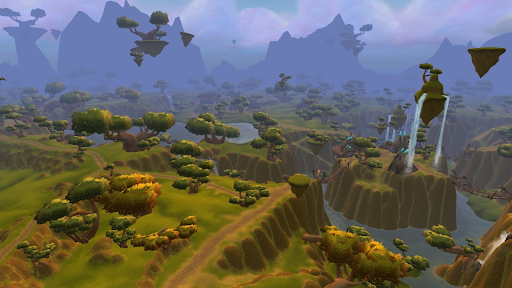
Maybe that's Karazhan with your guild — the raid that, honestly, still holds up better than most content released in the last decade. Maybe it's casual battlegrounds, where having competitive PvP gear means you're an asset instead of a target. Maybe it's just world PvP in Nagrand, the kind of chaotic open-world fighting that no modern MMO has quite managed to replicate.
That's the version of Outland people came back for. Not the weekly obligation of finding partners, managing MMR anxiety, and watching the points cap slip away because a Tuesday session fell apart.
The gear is the gateway. Once you have it, the game opens up in exactly the way you remembered it.
Conclusion
WoW TBC Anniversary is genuinely special — a reminder of why an entire generation fell in love with this world in the first place. But the design assumptions baked into that 2007 game don't map onto 2026 adult life, and pretending otherwise just leads to burnout and frustration.
The players thriving on Fresh Classic realms right now are the ones who figured out how to play smart. They're protecting their weekend sessions and spending their actual playtime on the content they enjoy. And for those whose ultimate goal isn't just gear, but absolute prestige, bypassing the sweatiest brackets by achieving the seasonal Gladiator title is the ultimate way to claim the legendary 310% speed mount without the stress.
The grind is optional. The fun isn't.