The gaming industry has always been at the forefront of technological innovation, from early arcade cabinets to cloud-based streaming services. Now, blockchain technology is carving out its own space in the ecosystem, promising players true ownership of digital assets and new ways to earn while they play. With the global blockchain gaming market projected to reach over $301 billion by 2030, according to industry analysts, this is no longer a fringe movement. For gamers who have been watching from the sidelines, 2026 may be the year to start paying attention.
How Blockchain Technology Is Changing Game Economies
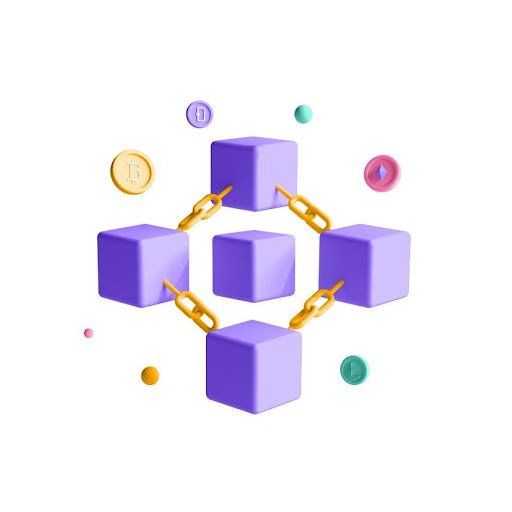
Traditional games operate on closed economies. You might spend hundreds of hours collecting rare items, only to find they hold zero value outside the game itself. Blockchain changes this dynamic by recording in-game assets on a decentralized ledger, giving players verifiable ownership through tokens or NFTs.
This shift means that a legendary sword you earned in one game could theoretically be traded, sold, or even used in another compatible title. Interoperability between games remains an ambitious goal, but several projects are already demonstrating proof of concept. For players accustomed to losing everything when a game shuts down, blockchain offers a fundamentally different proposition.
The growth of crypto platforms has also expanded beyond gaming itself. Many gamers are exploring broader crypto ecosystems, including sites that function as a new crypto casino, where blockchain-based transparency and provably fair systems appeal to the same audience that values trustless game mechanics.
Play-to-Earn vs. Play-and-Earn: Understanding the Models
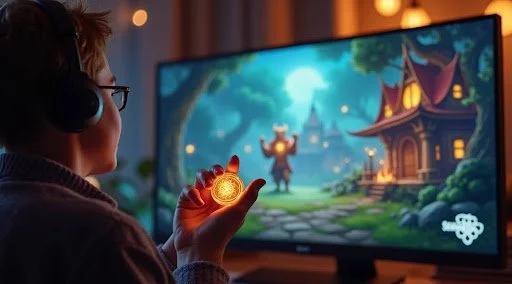
The early days of blockchain gaming were dominated by the play-to-earn (P2E) model, where players could generate income simply by participating. Titles like Axie Infinity attracted millions of users, particularly in Southeast Asia, where some players earned more from the game than from traditional employment. However, the P2E model proved unsustainable for many projects, as token values crashed when new player growth slowed.
The industry has since evolved toward what many developers call "play-and-earn," a model where gameplay quality comes first and crypto rewards serve as an added bonus rather than the primary motivation. This approach addresses one of the biggest criticisms of early blockchain games: that they prioritized financial incentives over actual fun. Studios entering the space in 2026 are investing heavily in graphics, storytelling, and game mechanics that can compete with traditional AAA titles.
The Role of Wallets, Tokens, and Layer-2 Networks
One of the steepest barriers to blockchain gaming adoption has been the technical complexity of setting up crypto wallets and managing tokens. Research indicates that a significant majority of non-crypto-native gamers abandon blockchain games during the wallet setup phase, highlighting the need for more seamless onboarding experiences.
Layer-2 scaling solutions such as Immutable X, Polygon, and Arbitrum are tackling the performance side of the equation. These networks process transactions faster and at lower cost than main blockchain networks, making microtransactions viable for gaming. Gasless transactions and embedded wallet solutions are also becoming standard, allowing players to interact with blockchain elements without even realizing they are using crypto infrastructure.
Gamers interested in understanding the fundamentals behind these systems can explore resources that break down how decentralization is reshaping game development and what it means for player agency in the long run.
| Feature | Traditional Gaming | Blockchain Gaming |
|---|---|---|
| Asset Ownership | Developer-controlled | Player-owned via tokens |
| Item Trading | Limited to in-game marketplace | Open marketplace across platforms |
| Revenue Model | Purchases and subscriptions | Play-and-earn with token rewards |
| Transparency | Opaque drop rates | Verifiable on-chain mechanics |
| Account Persistence | Tied to single platform | Wallet-based, cross-platform potential |
| Transaction Costs | Platform fees apply | Gas fees (reduced via Layer 2) |
Security Considerations for Gamers Entering Crypto
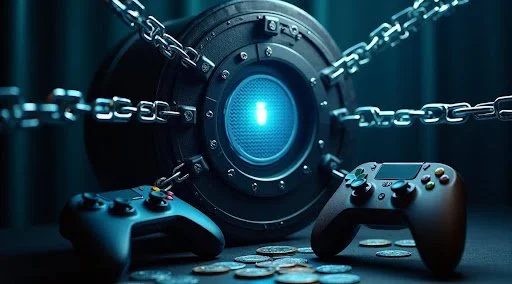
Entering the crypto gaming space requires a baseline understanding of security practices. Phishing attacks, fake token launches, and compromised smart contracts remain real risks. Gamers should treat their crypto wallets with the same caution they apply to banking credentials, using hardware wallets for significant holdings and enabling two-factor authentication wherever possible.
Smart contract audits are another important factor. Reputable blockchain games undergo third-party security audits before launch, and players should look for this information before investing time or money into any project. The gaming community has already seen high-profile exploits that resulted in millions of dollars in losses, making due diligence essential rather than optional.
Industry research from Grand View Research projects the blockchain gaming market at over $301 billion in projected market value by 2030, driven by demand for secure, transparent, and player-centric gaming ecosystems.
What Mainstream Adoption Actually Looks Like in 2026
Mainstream adoption does not mean every gamer is suddenly trading NFTs. Rather, it means blockchain elements are being integrated into games so seamlessly that players may not even notice. Fiat onboarding options let users purchase in-game items with credit cards while the underlying transactions happen on-chain. Embedded wallets create accounts automatically, removing the friction of manual setup.
Major publishers are also paying attention. While many remain cautious, several have launched pilot programs or partnered with blockchain studios to explore integration. The key indicator of genuine adoption is not the number of dedicated blockchain games but rather how many traditional games begin incorporating blockchain features as optional layers within their existing ecosystems.
Regulatory Landscape and What It Means for Players
Regulation remains one of the most significant uncertainties in blockchain gaming. Over 60% of gaming studios cite unclear crypto regulations as the primary barrier to adoption, particularly concerning how in-game tokens are classified and taxed across different jurisdictions. For players, this means that the rules governing their digital assets may vary significantly depending on where they live.
The European Union has moved forward with its Markets in Crypto-Assets (MiCA) framework, providing clearer guidelines for crypto-related activities. Meanwhile, regulators in the United States and Asia continue to develop their approaches. Gamers should stay informed about the regulatory environment in their region, particularly if they plan to convert in-game earnings to fiat currency.
Frequently Asked Questions
Do I need cryptocurrency to play blockchain games?
Not necessarily. Many modern blockchain games offer fiat payment options and embedded wallets, so you can start playing without owning any crypto. However, having a basic understanding of how tokens work will help you make the most of in-game economies.
Are blockchain games safe to play?
Reputable blockchain games that have undergone third-party smart contract audits are generally safe. As with any online activity involving financial elements, players should practice good security hygiene, use strong passwords, and avoid clicking suspicious links or connecting their wallets to unverified platforms.
Can I actually make money playing blockchain games?
Some players do earn meaningful income, but it depends on the game, the current token economy, and the time invested. The shift toward play-and-earn models means earnings are typically supplementary rather than a primary income source. Approach any blockchain game as entertainment first and a potential earner second.
What happens to my items if a blockchain game shuts down?
Because your assets are stored on the blockchain rather than on the game developer's servers, you retain ownership even if the game ceases to operate. The practical utility of those assets may diminish, but their existence on the ledger persists, and interoperable projects may allow them to be used elsewhere.
Key Takeaways
Blockchain gaming is transitioning from speculative play-to-earn models to quality-focused play-and-earn experiences.
Layer-2 networks and embedded wallets are removing technical barriers that previously discouraged mainstream gamers.
True asset ownership is the core value proposition, allowing players to trade, sell, or transfer in-game items freely.
Security awareness and regulatory literacy are essential for anyone entering the crypto gaming space.
The blockchain gaming market is projected to exceed $301 billion by 2030, signaling significant industry confidence.
References
https://www.grandviewresearch.com/industry-analysis/blockchain-gaming-market-report
https://gametyrant.com/news/blockchain-game-development-the-trojan-horse-of-mass-adoption
https://www.cubix.co/blog/blockchain-gaming-trends-for-2025/