Crypto gaming is one of the most exciting growing industries, as it blends traditional gaming techniques with decentralized innovation. Instead of limiting users, crypto gaming offers them full control over their in-game assets and benefits from play-to-earn technologies.
Another great thing about crypto games is that players can exchange their gaming tokens or rewards for real cryptocurrencies and turn them into fun profit. However, since gains from P2E platforms aren’t particularly significant, gamers can maximize their earnings by checking the latest crypto predictions on assets like Ethereum and Solana, whose contributions to decentralized gaming have been consistent. This strategy can help them exchange coins at the best rates and lower losses.
But the awesome part about crypto gaming is the development process, which is in a state of continuous innovation, bridging the gaps between developers, blockchains, and crypto enthusiasts. Luckily, the sector continues to evolve and will bring considerable additions in 2026, so let’s explore some of them.
The introduction of AI in blockchain gaming
Artificial intelligence is a growing trend across industries, but it is most efficient in entertainment sectors like gaming, where automation of vast processes is needed to reach peak productivity. AI is helpful in numerous parts of the development process in gaming, from enhancing the security of the game to building the multiverse, but here are some features to be wary of in the near future:
AI-powered creation for animation, dialogue, and even level design. Producing environments and characters is easier with generative AI as it offers lower costs and faster creative processes;
Adaptive gameplay can be achieved through NPCs (non-playable characters) that adapt to player activity in real time. Future games will be more personalized and will adapt in a dynamic way;
Testing will be automated to detect bugs and manage difficulty tuning. AI can help studios polish the final product at a rapid pace, a massive advantage in the competitive gaming industry;
The responsibility of sustainable games
Another great feature of building decentralized games is the opportunity to represent values such as responsibility and sustainability. As crypto games will eventually become a real competitor in the industry for traditional games, developers will consider the following when planning a new project:
Prioritizing energy efficiency to reduce carbon footprints in engines and server operations;
Following accessibility guidelines for more than compliance, and including adaptive difficulty, customizable UIs, and color-blind modes;
Assessing themes like education and climate awareness to support engagement in games with socially positive narratives;
Crypto-based games can be more sustainable by requiring fewer resources to operate. At the same time, decentralized solutions can enhance green computing by taking advantage of renewable energy, from solar to hydropower.
The development of cross-chain compatibility
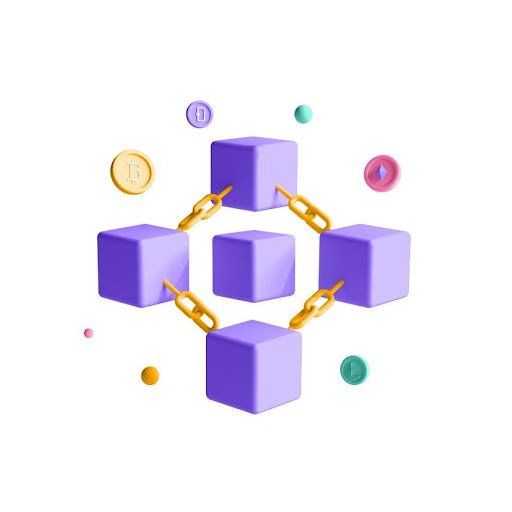
Crypto games require blockchain technology to provide customers with safety, efficiency, and innovation. However, without cross-chain compatibility, developers cannot access the same benefits of combining the various features of blockchains. For example, Ethereum has a vast array of tools and decentralized apps, while Solana abounds in research and technological support. Together, they can support brand new collaborations built on trust and data safety through cross-chain compatibility. This feature is also helpful for moving digital assets between networks in a stable gaming system.
The benefits that come with multiple blockchains communicating with each other include the following:
Enhanced liquidity by increasing the number of users who can move coins between blockchains;
Reduced fragmentation of barriers by connecting networks and allowing them to interact;
Innovative support by offering developers numerous tools to create robust decentralized applications;
Cross-chain technology currently works through cross-chain bridges that enable the use of Bitcoin in applications on other blockchains, for example. Atomic swaps that rely on smart contracts and interoperability protocols are as useful in supporting data sharing and contract execution without boundaries.
How difficult is it to develop a crypto game?
Designing and writing a decentralized system is not as different as creating a traditional one, but the technologies and knowledge might require an upgrade, considering the different mediums for the gaming infrastructure. Blockchain games can also be different in:
Play-to-earn support for earning tokens with in-game tasks;
Move-to-earn technology for earning assets based on real-world actions;
Play-and-own refers to winning and owning NFTs (non-fungible tokens);
Upon deciding which type of game is easier to plan and develop, the stages of creating it are as follows:
Researching the market for current trends, such as popular mechanics or player preferences;
Developing the concept based on the target audience and adapting NFT mechanisms and tokenization;
Choosing a blockchain between prominent ones like Ethereum, BNB Chain, Solana, etc.;
Working on the game logic through smart contracts for the gameplay and the integration of transactions;
Backing up the frontend development to support crypto wallets and allow integrations;
Testing the game and shaping the final development stages, such as bugs;
The beta launch should consist of a restricted beta release to collect feedback and refine marketing and promotion for collaborations and advertising campaigns.
What are some interesting games for 2026?
Web3 gaming makes blockchain and crypto integrations easier to approach, which is why 2026 sets the tone for the industry’s innovation through interesting games. Such an example is Earth Version 2 (EV2), a looter-shooter game powered by Avalanche. This free-to-play project includes features such as player-owned NFTs, enhanced abilities, and crafting weapons to enhance combat.
Another exciting game is the upcoming Axie Infinity development called Atia’s Legacy. This is an MMO for PC and mobile in the Lunacia world that will allow players to explore forests and dream realms while building and engaging in real-time fights. Gamers will unlock new abilities through an innovative cross-platform mobile feature that supports social coordination and allows player-owned assets.
Conclusion
Cryptocurrency-based games are the future of the gaming industry, as they open the way towards Web3 gaming, where decentralization and user-owned tokens rule. Developing such games can be complex, but the timeline of creating and marketing it is similar to games provided by centralized companies. The difference lies in the opportunities offered by blockchains that communicate with each other, as well as in the growth of sustainability and automation enabled by artificial intelligence.