Not long ago, competitive gaming was mostly limited to small tournaments held in internet cafés, local gaming clubs, or fan conventions. Today, esports has transformed into a global phenomenon that fills massive arenas, attracts millions of online viewers, and offers prize pools that rival those of traditional sports. Professional teams, dedicated training facilities, and international leagues have become standard in the world of competitive gaming. As the popularity of esports continues to grow, it is not only changing how games are played but also influencing how they are designed, marketed, and experienced by audiences around the world.

From Casual Competition to Professional Esports
Competitive gaming did not begin on massive stages or in sold-out arenas. In its earliest form, it was a grassroots activity fueled by passionate players gathering in local internet cafés, university clubs, and small LAN events. Gamers would bring their own computers, connect through local networks, and compete for little more than pride, recognition, and sometimes small prizes. Despite the modest beginnings, these early competitions laid the foundation for what would eventually become one of the fastest-growing sectors in the global entertainment industry.
As internet connectivity improved and online gaming platforms became more sophisticated, competitive gaming started to expand beyond local communities. Players from different countries could face each other in real time, and tournaments began attracting larger audiences. Titles like strategy games, shooters, and multiplayer battle arenas quickly became the backbone of early esports competitions. At the same time, streaming platforms allowed fans to watch matches live, transforming competitive gaming into a spectator experience.
With growing popularity came professionalization. Esports organizations began signing players to contracts, forming structured teams, and investing in coaching staff, analysts, and training facilities. What was once a hobby gradually evolved into a career path for skilled players. Major tournaments began offering prize pools worth millions of dollars, while sponsors and technology brands recognized the marketing potential of esports audiences.
Behind the scenes, the esports ecosystem also became more organized. Tournament operators, league systems, and digital platforms emerged to manage competitions, track performance statistics, and support large communities of players and fans. Similar management structures can be found in other digital industries where complex networks require structured coordination. For example, platforms such as Team Cash demonstrate how organized systems can help manage partner networks and track activity across large digital environments.
Today, professional esports stands as a global industry that rivals traditional sports in audience engagement and cultural influence. From grassroots tournaments to international championships watched by millions, the journey of competitive gaming illustrates how a passionate community can transform a simple pastime into a thriving professional ecosystem.
Streaming Platforms and Global Audiences
The rise of streaming platforms has played a crucial role in transforming esports from a niche hobby into a global entertainment industry. In the early days of competitive gaming, tournaments were mostly experienced by the players themselves or by small groups of spectators gathered in local venues. Today, millions of fans can watch matches live from anywhere in the world, turning esports events into international spectacles with audiences comparable to traditional sporting competitions.
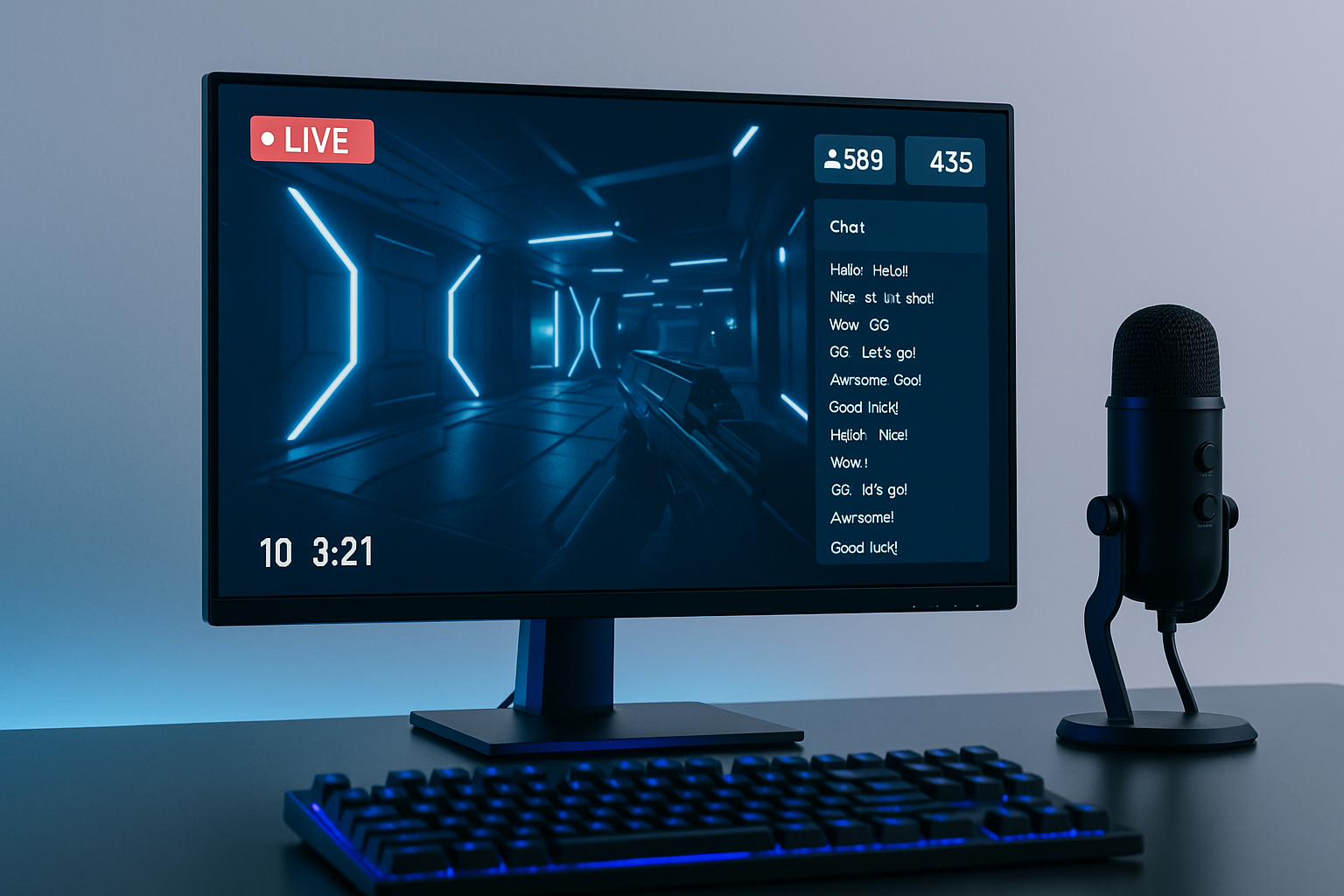
Platforms such as Twitch, YouTube Gaming, and other streaming services have made it possible for tournaments to reach global audiences instantly. Fans can follow their favorite teams, watch professional players compete at the highest level, and engage with communities that share their passion for gaming. Live chats, fan discussions, and interactive broadcasts create a dynamic viewing experience that brings spectators closer to the action than ever before.
Streaming has also helped elevate esports athletes into global personalities. Professional players now build large fan bases through their personal channels, sharing gameplay, strategies, and behind-the-scenes moments with viewers. This constant interaction strengthens the connection between players and fans while helping teams and organizations expand their global reach.
At the same time, the growing audience has attracted sponsors, advertisers, and digital platforms interested in reaching esports communities. Structured partnership networks have become an important part of the ecosystem, helping organizations connect with brands and expand their influence across different markets. Platforms such as MelBet Partners demonstrate how digital partnership systems can support large online communities by tracking engagement and managing collaborations across multiple regions.
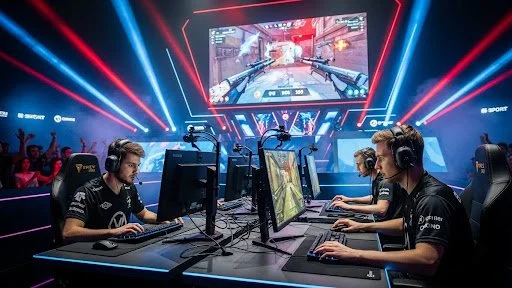
As esports continues to grow, streaming platforms will remain central to its development. They allow fans from different countries, cultures, and time zones to experience the excitement of competitive gaming together, reinforcing esports as one of the most globally connected forms of entertainment in the modern digital era.
The Impact on Game Development
The rapid growth of esports has had a profound influence on how modern video games are designed and developed. In the past, competitive play often emerged organically from multiplayer titles that were not originally built with professional competition in mind. Today, many developers approach game creation with esports potential as a key objective from the very beginning. This shift has changed the priorities of development teams, pushing them to focus on balance, fairness, and long-term competitive depth.
One of the most important aspects influenced by esports is game balance. Competitive titles require carefully designed mechanics that ensure no single character, weapon, or strategy becomes overwhelmingly dominant. Developers regularly analyze player data, tournament results, and community feedback to fine-tune gameplay. Frequent updates and balance patches have become a standard part of maintaining a healthy competitive environment where skill, strategy, and teamwork remain the deciding factors.
Spectator experience has also become a critical design element. Since esports events attract large audiences through streaming platforms and live broadcasts, games must be visually clear and engaging to watch. Developers often design user interfaces, camera perspectives, and visual effects specifically to make matches easier to follow for viewers. The ability to understand what is happening in a fast-paced match is essential for both casual spectators and dedicated fans.
Another major change involves long-term game support. Competitive titles are rarely static products; instead, they evolve continuously through updates, seasonal content, and new gameplay features. Developers treat successful esports games as living platforms that grow alongside their communities. This ongoing development keeps players engaged and ensures that professional competition remains dynamic rather than predictable.
Ultimately, esports has pushed game developers to think beyond simple entertainment. Modern competitive titles must function as balanced digital ecosystems that support players, teams, spectators, and tournament organizers. By designing games that can sustain long-term competition and global audiences, developers are helping shape the future of interactive entertainment.
The Future of Competitive Gaming
Competitive gaming has already transformed from a niche hobby into a global entertainment industry, but its evolution is far from complete. As technology continues to advance and gaming communities expand, esports is entering a new phase of growth that could reshape how audiences experience competition, media, and digital interaction. What once existed primarily online is increasingly becoming a fully integrated part of global entertainment culture.
One of the most important drivers of esports’ future will be technological innovation. Improvements in internet infrastructure, cloud gaming, and streaming quality are making competitive matches more accessible to players and viewers around the world. Lower latency connections and powerful gaming hardware allow professional players to perform at extraordinary levels while ensuring that tournaments can run smoothly even across international networks.
Another factor shaping the future of competitive gaming is the continued expansion of global audiences. Esports tournaments are already filling stadiums and attracting millions of online viewers, but new markets in regions such as Southeast Asia, Latin America, and the Middle East are rapidly increasing the scale of the industry. As more fans discover competitive gaming, esports organizations are likely to invest further in international leagues, regional competitions, and cross-border events.
Education and professional development are also beginning to play a larger role. Universities and training academies are launching esports programs that help players develop not only mechanical skills but also strategic thinking, teamwork, and communication. This growing institutional support is helping legitimize esports as a professional career path for talented players and industry specialists alike.
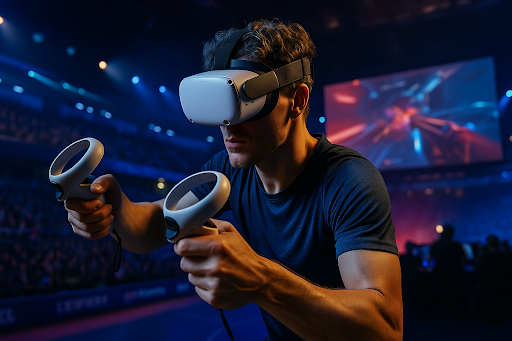
Looking ahead, competitive gaming may become even more deeply integrated with emerging technologies such as virtual reality, advanced analytics, and interactive broadcasting. As these innovations reshape how games are played and watched, esports will continue to evolve as one of the most dynamic and rapidly growing sectors of modern entertainment.