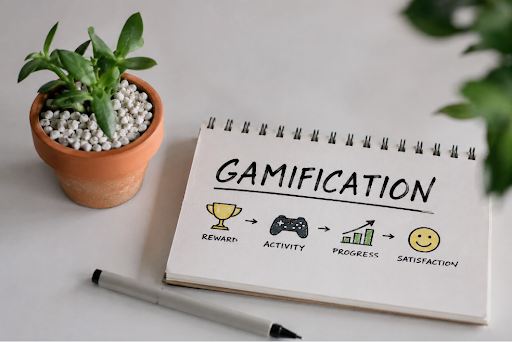
As video games become more popular and more mainstream, other apps and platforms have tried to emulate the experience users get from them and have subsequently gamified their own. Making the experience that users have more similar to games they play will make the apps and platforms feel like a more familiar format and will feel more accessible, especially because the format is being used more and more. Even lottery platforms have embraced this approach, presenting information such as euro lotto odds, results and prize breakdowns through interactive, game-style interfaces that keep players engaged.
Turning Romantic Connection into a Game
Dating apps, which require the users to swipe left and right, like Tinder, Bumble, and Hinge, are some of the clearest examples of gamification in everyday life. From the moment you swipe, the app uses feedback loops to keep you engaged with the format that they have created. Every swipe is a tiny action that could result in a match, which triggers a small reward in the brain. The anticipation of that notification is similar to the excitement people feel when they are completing a level in a game.
Many dating apps also use scarcity and intermittent rewards to maintain interest. Users will often check back regularly because they receive updates about likes on their profiles or information about the sort of people that may be seeing their account displayed. Badges, profile completion levels, and even streaks for daily activity are there to add additional layers, making the experience feel like progressing through a game.
Even the layout of these apps contributes to how gamification has happened. Throughout the apps, bright visuals, animated heart icons, and progress indicators subtly reinforce the feeling of achievement that people get from using the app. The competitive element of matching with someone before others can add tension similar to multiplayer games.
Making Money Management Interactive
Banking apps like Revolut have entered a new type of banking for their customers and are yet another area where gamification has become central to their design. Money management is traditionally seen as boring or stressful, but by adding game-like elements, apps make saving, spending, and budgeting feel more interactive and even enjoyable.
Revolut, for instance, uses progress bars, goals, and achievement notifications for things like a customer’s savings goal and watching the bar fill as you deposit money gives a sense of accomplishment. Spending analytics presented as colourful charts, challenges to save a certain amount in a week, and instant feedback for transactions all transform mundane financial tasks into a rewarding, interactive experience.
Some apps even include “round-up” features, where spare change is collected automatically. This small, almost invisible mechanic encourages users to participate without thinking too much, yet still produces a sense of progress when the total grows. By presenting financial decisions in a playful way, apps increase engagement while helping users achieve real-world goals.
Likes, Comments, and Endless Feedback
Social media platforms are arguably the gamified spaces that we spend the most time in. Apps like Instagram, Facebook, and TikTok use likes, views, comments, and follower counts as constant feedback loops so that users can see how their posts are performing. Every notification is a mini reward, and the unpredictable nature of engagements on posts makes users check back to see if there are any updates.
Features like streaks, story views, and badges for activity create additional layers of engagement. Social comparison is also a powerful tool: seeing what friends or followers are doing adds an element of competition. Even the general interface design, which has bright icons, swipe gestures, and progress bars for story completion, contributes to the gamified experience.
Making Studying Feel Like Entertainment
Apps like Duolingo have fully made the app feel like a game and not like education. Because the lessons are structured just like levels in a video game, including the use of points and badges awarded for completing exercises, users remain invested in the courses provided. The use of Duo as a character in the game, rather than just a logo, means that users engage with the character, too, as they do in a game. Streaks for daily practice encourage consistency, while the gradual increase in difficulty mimics the way games reward skill improvement.
Tracking Progress and Creating Community Within Fitness
Strava is a fitness and sports tracking app which has tried to make the interface more familiar to people who are used to the way that games are formatted. There are challenges that have been integrated into the app where users can, for example, set one section of a run or a cycle as a race and users can track their speed and race virtually amongst themselves.
It is also encouraged to interact directly with one another, in the comments, or by giving ‘Kudos’, which is the equivalent of a ‘like’ on other social media platforms.
Gamification of The Lottery
The Lottery has moved far beyond where it came from, and the paper slips that players would have to look after. Even waiting for televised draws feels like a distant memory as game-like features on digital platforms have taken over. They are there to try to make the experience more visual and also easier to understand. The new features also take inspiration from the way that popular apps are developed, while the base gameplay remains the same, and the format is completely based on chance and nothing else.
Some Lotto platforms have started to use sound effects to punctuate when numbers appear or when matches are found. These are similar to feedback sounds used in other games; the sounds are usually brief and soft. Using this kind of feedback is to confirm actions to the player, rather than create strong emotional reactions within them. Most platforms also give users the option to turn off sounds, this means that the user keeps the ultimate control, avoiding unwanted elements of the design.
A lot of platforms now also let players tap or swipe on their screens to check their results. This brings the lottery format into the 21st century and uses technology and design which is more comfortable to the player.