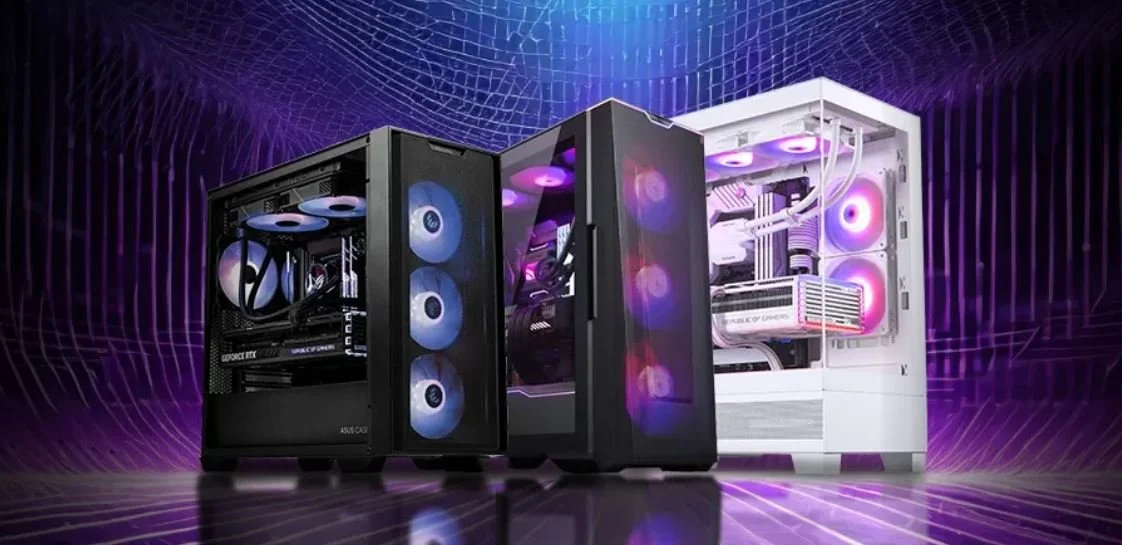
Technology customization has become an important part of personal computing habits. People enjoy adjusting visual elements, interface layouts, and virtual items to match their interests. These adjustments can improve satisfaction and make interaction more engaging when applied carefully. At the same time, device speed and stability remain essential for smooth usage. Understanding how personalization affects performance facilitates customers make higher picks. With aware selection of subject matters, cosmetic upgrades, and device settings, it will become viable to create a setup that feels unique at the same time as nonetheless preserving reliable and green operation.
Why Personalization Requires a Balance with System Stability
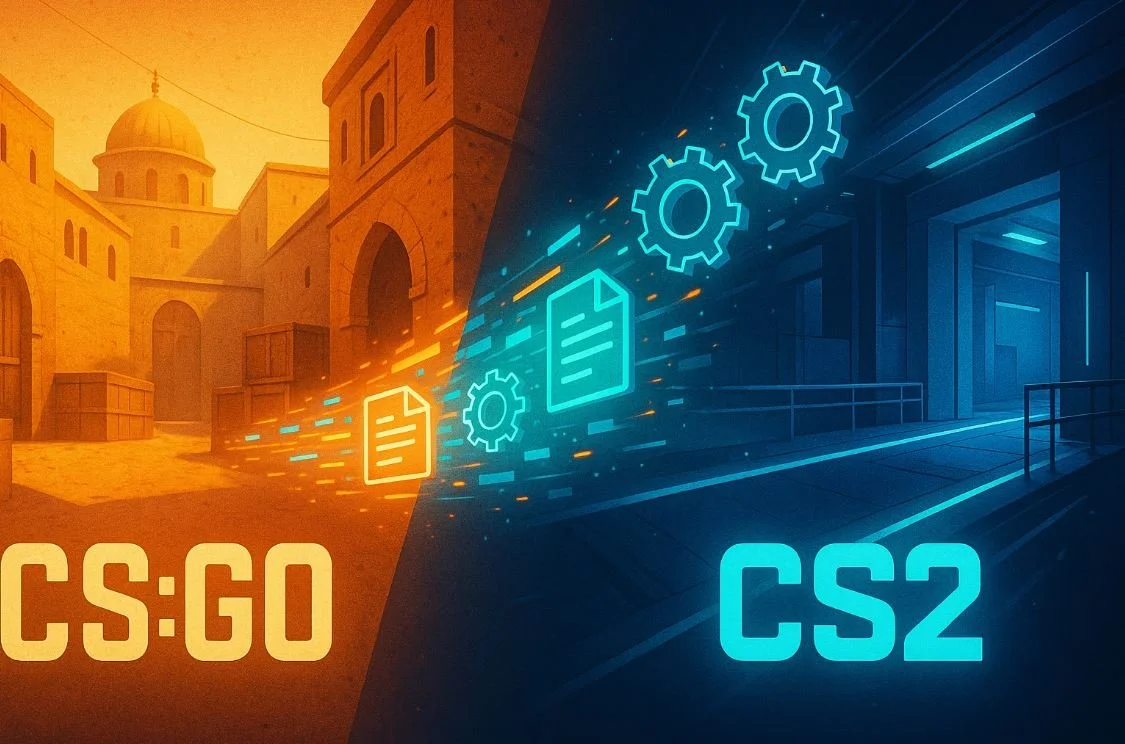
Personalizing a tech setup has become a meaningful way to reflect while keeping gadgets responsive. Many customers revel in adjusting visuals, layouts, and interactive elements to fit their preferences, in particular within gaming environments. These modifications regularly include interface subject matters, show results, and collectible visuals that enhance engagement. However, personalization must never overpower clean operation. When coping with beauty property, smart choices make certain that processing velocity, memory usage, and stability remain intact. A thoughtful approach allows creative freedom while protecting system health. Within this balance, options like trade cs2 skins often appear as part of broader customization habits, where visual value meets mindful performance planning.
What are the Elements of a Strong Virtual Visual Identity?
Creating a strong visual identity helps users feel connected to their devices and games. These choices go beyond surface decoration and can shape how enjoyable daily interaction feels.
Interface Color Optimization: Improves recognition and reduces ocular strain during long sessions.
Animated Effects Management: Adding flair while avoiding heavy CPU/GPU resource drain.
Texture Detail Scaling: Providing uniqueness without demanding excessive graphic processing power.
Ergonomic Layout Adjustments: Supporting clarity and quicker access to critical software features.
Subtle Visual Accents: Maintaining aesthetic style while preserving smooth system behavior.
Understanding Performance Awareness and Hardware Limits
System performance acts as the backbone of each personalized setup. When visuals end up too complicated, they are able to quietly drain processing electricity and reminiscence. Understanding hardware limits helps users decide which enhancements are appropriate. Monitoring load stages, frame stability, and response time guarantees that personalization remains supportive rather than disruptive. By deciding on optimized visuals and adjusting settings thoughtfully, customers hold interactions fluidly. This focus builds self-belief, allowing experimentation without risking lag or sudden slowdowns.
Best Practices for Smart Technical Customization
Smart customization focuses on choice rather than quantity. A refined setup often feels better than an overloaded one.
5 Strategies for Low-Impact Personalization
Lightweight Asset Selection: Using optimized files to support consistent speed across different tasks.
Resolution Balancing: Adjusting settings to find the equilibrium between clarity and resource demands.
Background Effect Limitation: Preventing unnecessary strain on the processor during active use.
Usability Prioritization: Keeping the focus on essential visuals for better enjoyment.
Iterative Testing: Making gradual changes to identify optimal settings without performance drops.
How to Achieve a Sustainable Resource Balance
Balancing resources requires attention to how memory, processing power, and graphics capacity interact. Each added visual element consumes a portion of these resources. By spreading usage wisely, users prevent bottlenecks. Tools that track performance metrics can reveal which custom elements cause strain. Removing or replacing heavy visuals with simpler alternatives often restores smooth operation. This balance ensures that personalization supports both creativity and reliability.
Effective Management of Custom Digital Assets
Managing custom assets carefully helps maintain order and speed within the system.
File Organization: Reducing clutter to shorten loading times during use.
Regular Asset Updates: Ensuring compatibility with current OS and software versions.
Unused Visual Removal: Freeing up memory for active background processes.
File Compression: Limiting storage pressure and improving data access speed.
Capability Reviews: Keeping customization aligned with current system hardware capabilities.
Enhancing the User Experience through Functional Aesthetics
A nicely balanced setup enhances delight by blending look with feature. Smooth navigation, short responses, and appealing visuals create a cohesive experience. When customization feels convenient, customers interact longer and with more enjoyment. This harmony supports focus and reduces frustration caused by delays or crashes. By respecting system limits at the same time as expressing individuality, users reap a setup that feels each non personal and reliable.
Achieving Balanced Outcomes in Tech Customization
Successful personalization comes from informed decisions and ongoing adjustment. Reviewing system feedback, refining visual choices, and staying mindful of resource use lead to lasting results. When users integrate cosmetic elements thoughtfully, performance remains steady while style shines. Approaches such as trade cs2 skins fit naturally into this mindset, offering visual variety without compromising stability. The right balance delivers a setup that feels expressive, responsive, and ready for continuous enjoyment.