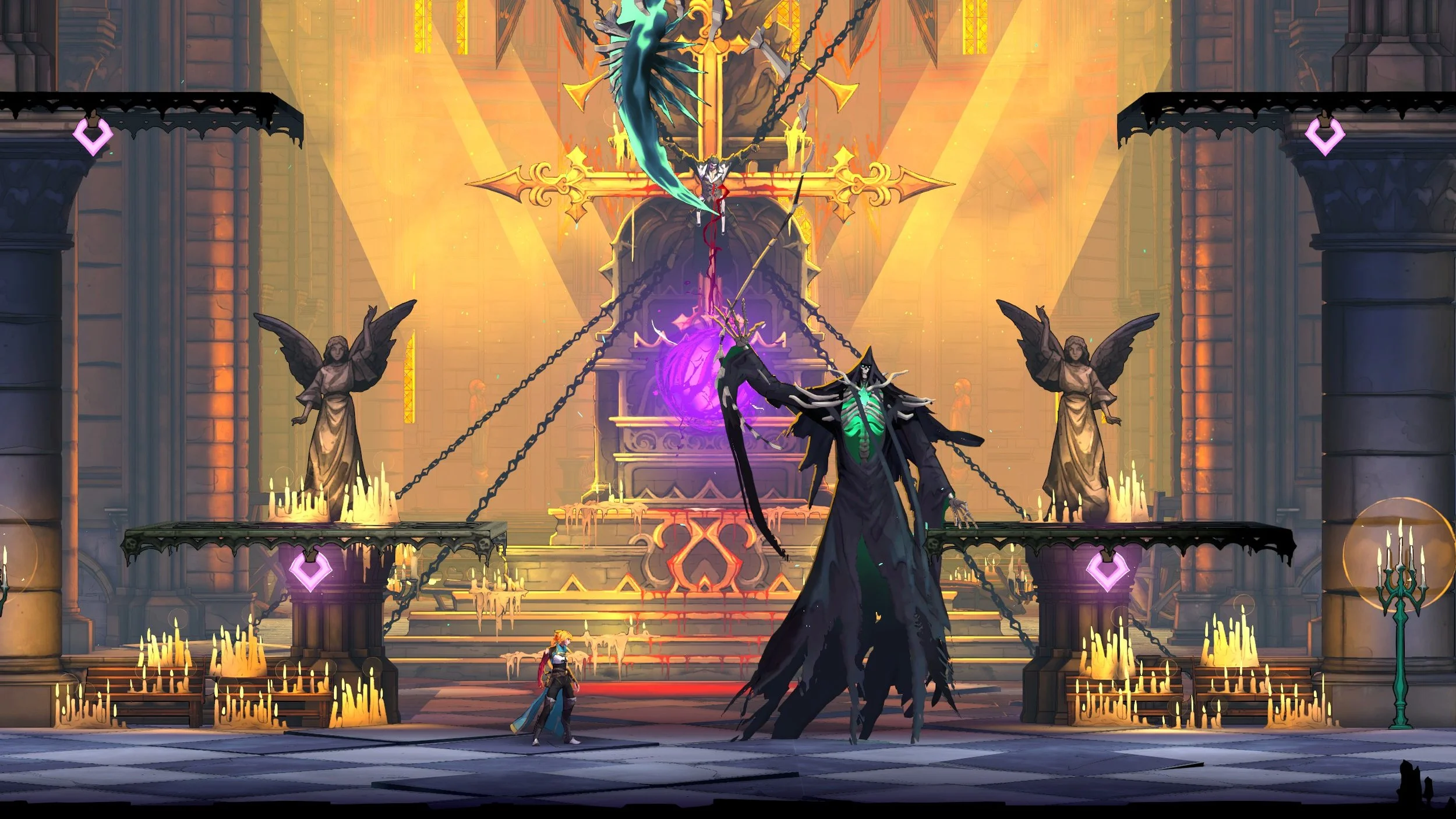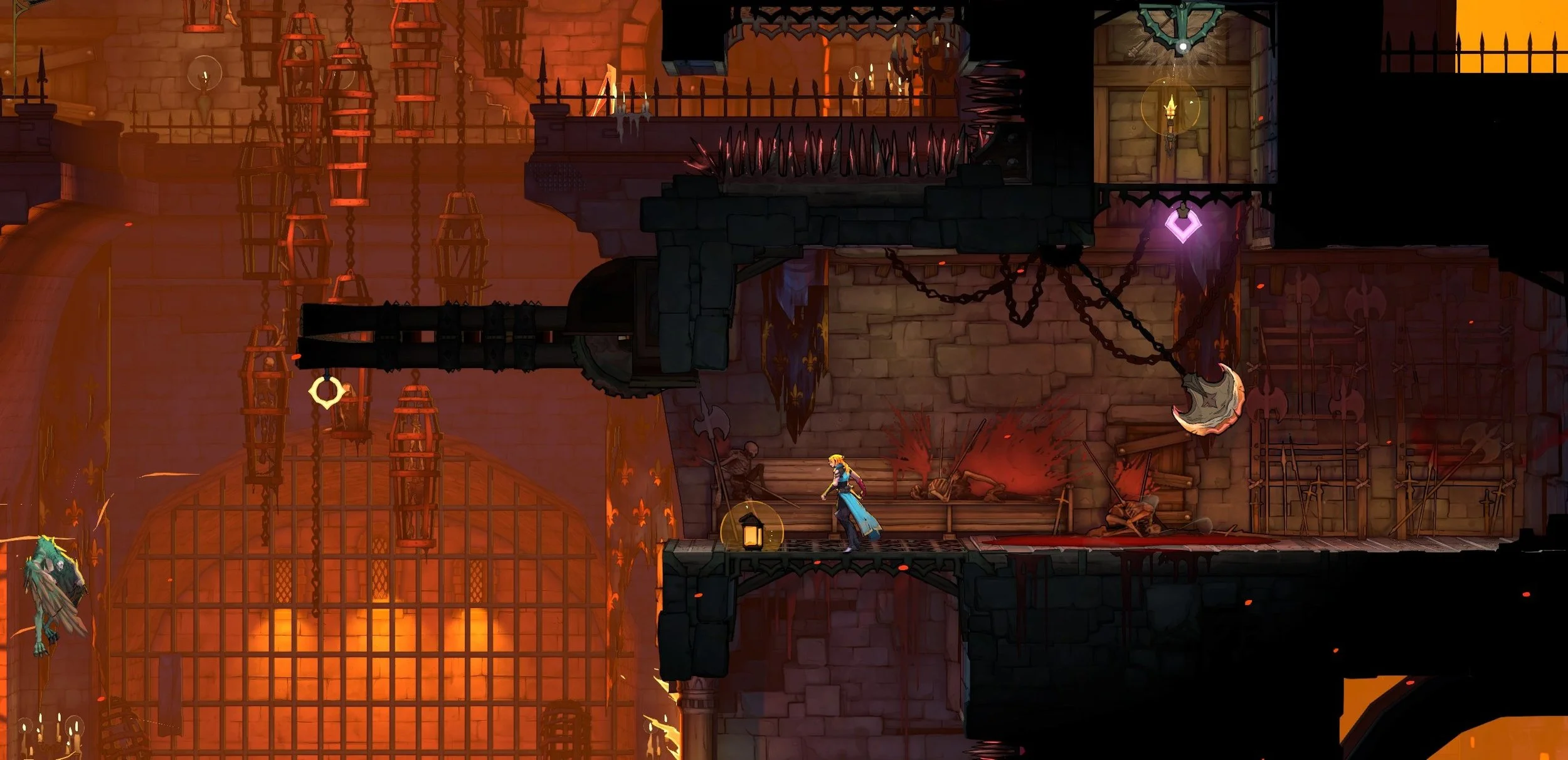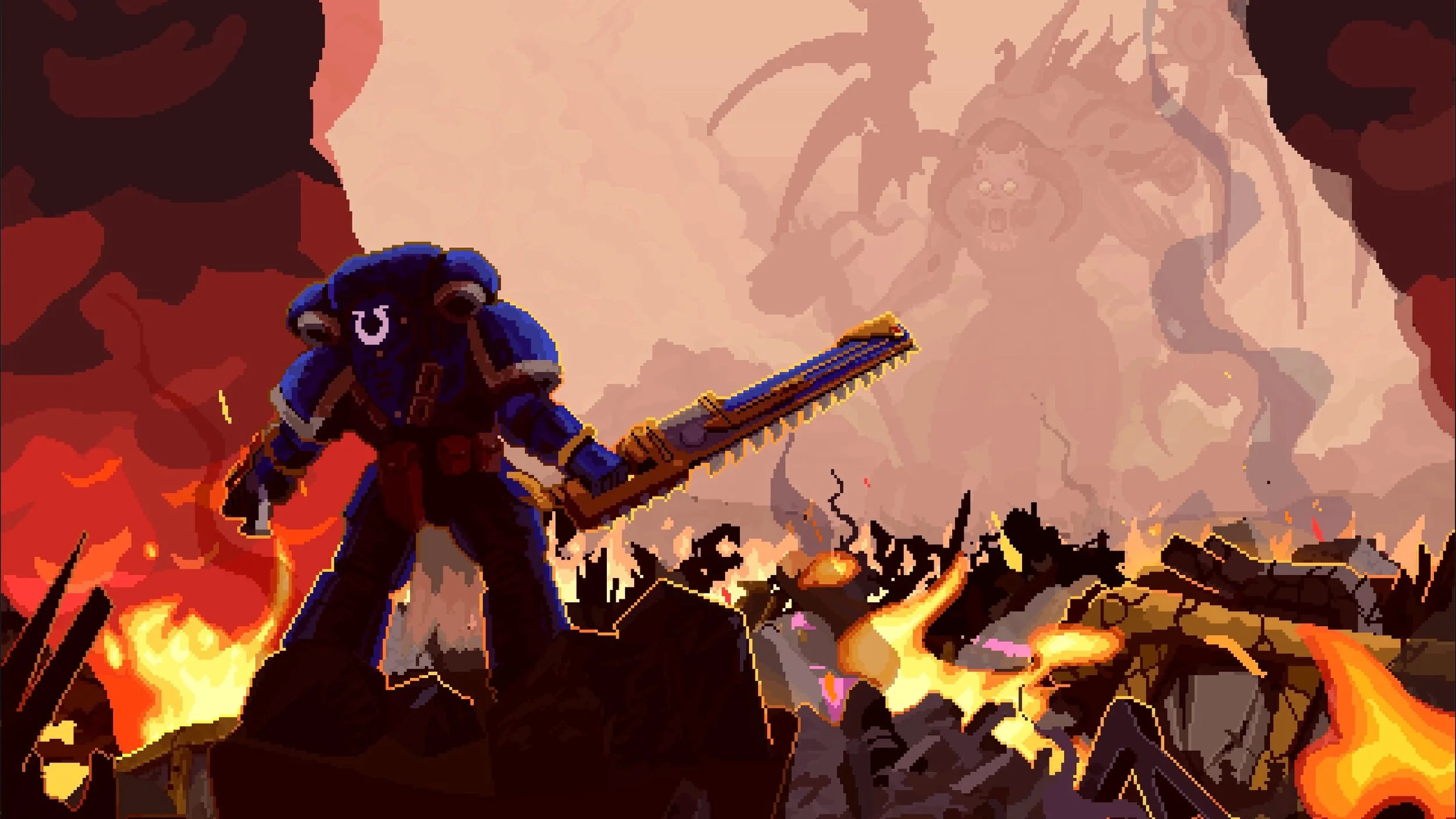
Video gaming is in a weird place right now!
On the one hand, the industry is obsessed with driving us into a future of ray tracing, cloud streaming, and endless live-service ecosystems. On the other? The rise (again!) of retro gaming.
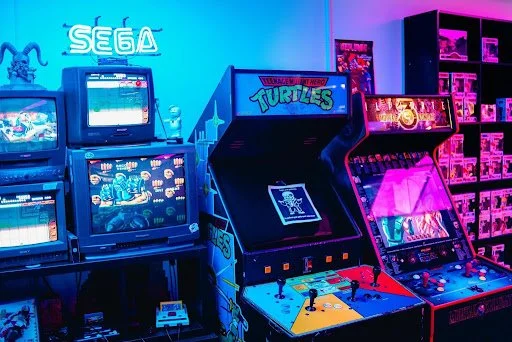
Gamers the world over are going crazy for retro games—and we’re not just talking about CRT preservation, dusty cartridges, or thirtysomethings chasing childhood memories through emulation forums! Retro is honestly one of the industry’s most commercially influential genres...
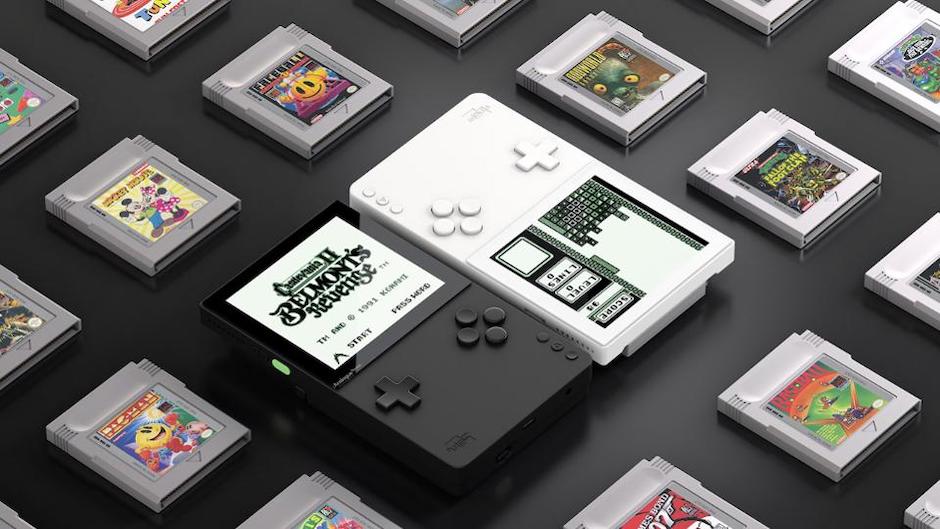
Just look at the wave of new hardware arriving over the next year alone. Devices like THEC64 Handheld and The Spectrum Handheld aren’t just cynical plug-and-play nostalgia boxes tossed onto shelves in time for the festive season—they’re fully up-to-date reinterpretations of classic home computers. Even Lao Zhang’s flash Android-based Yoo Y1 packs in as much sophistication as a comparable fifth-gen portable.
But why are players going wild for them? And what does all this say about where modern gaming is at here in 2026? Let’s find out!
Nostalgia or Something More?
Nostalgia, right?
Actually, no!
Sure, it’s been studied to death, and there's no denying the fact that we do get that ol’ bittersweet feeling of booting up a classic from our carefree days. Pinning it all down to a hankering for the past, though... that would actually do retro gaming a disservice.
It’s all too easy to reduce this genre to aesthetics: pixel art, catchy chiptunes, familiar boot screens. That stuff still matters culturally, but it’s surface-level. The deeper appeal of a retro game comes from its structure.
You play 2020s triple-A blockbusters, right? Don’t you find them a bit, well, exhausting?
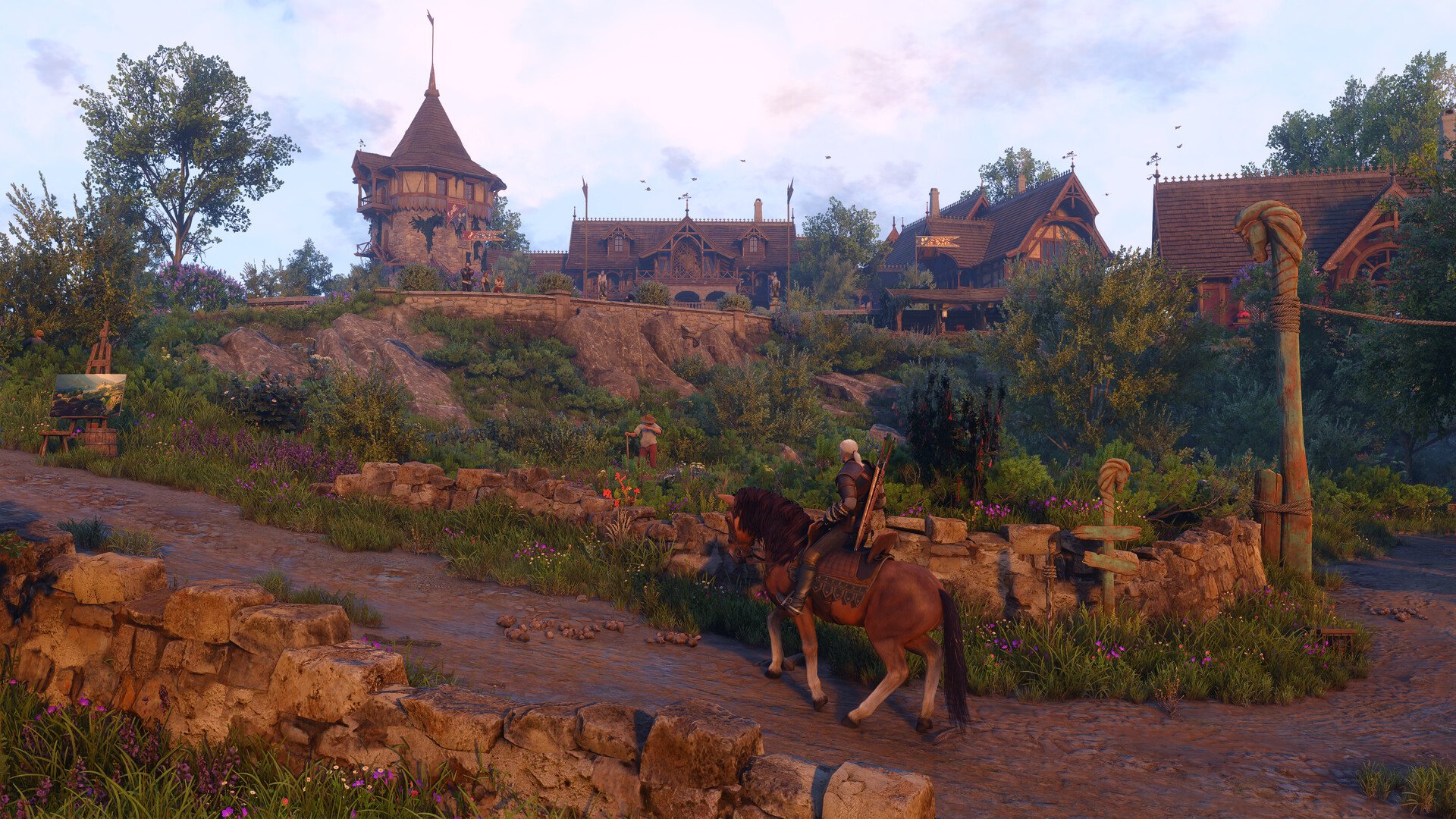
Don’t get us wrong; this isn’t a criticism of modern games! Some of the world’s most groundbreaking gaming experiences ever made arrived over the last half-decade. Technology really is astonishing… but gaming has also gotten bigger and louder, and it’s a lot to keep up with.
More downloads. Expansive maps. Bigger interfaces. Then, when you’re finally underway, you’re negotiating battle passes, endless notifications, and progression systems layered on top of progression systems. Sometimes, it feels like being a gamer revolves more around plugging into an ecosystem than it does just having a grand old time with your favorite console.
Retro games—and by extension, retro gaming systems—offer space to breathe. And there’s something that’s just so darn refreshing about games that trust players to engage without constantly demanding attention.
It’s More Than Just Preservation
So, we’re clearer on the why. Now, let’s dig into the how.
There’s no denying that modern tech has made some necessary changes to retro gaming. For years, this way of gaming revolved around preservation—hunting down original cartridges or maintaining aging hardware. And all of that takes time, investment, and a pretty deep commitment.
However, this new wave of vintage-inspired games and handhelds is making it easy to engage. Modern retro hardware doesn’t just imitate what systems and consoles used to be; it both reimagines them for a digitally sophisticated world and preserves the identity of the past at the same time.
Check out games like Shovel Knight and Sea of Stars to see what we’re talking about. These titles don’t succeed because they could pass for a 1980s NES game. They succeed because they understand why older games resonated in the first place: clarity of design and readable systems.
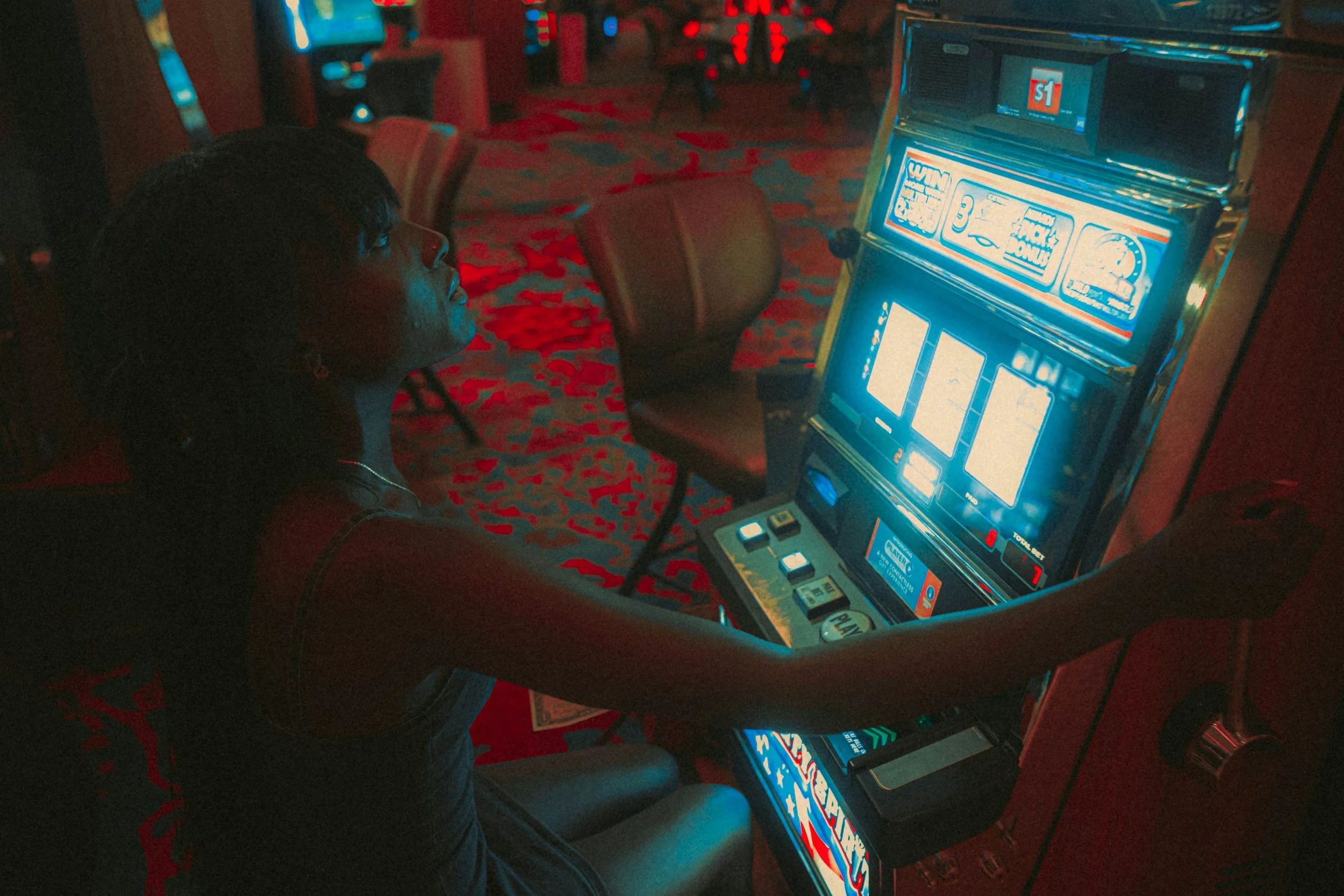
Of course, that’s echoed in other areas of the gaming industry, with the online casino sector being a great example. Why are games that are (in some cases) several hundred years old proving to be so relevant for today’s gaming audiences? Well, when you look at the technical specs of popular online casino games, it soon becomes clear. These titles, be they blackjack or a MEGAWAYS slot, are built around recognizable arcade-inspired aesthetics, while prioritizing accessibility and playability.
Indeed, accessibility is a key hallmark of casino games. These have been available to players across the board for years now because they don’t demand high specs, they don’t demand downloads, and they don’t demand bespoke hardware. Just boot up a browser (or, if you prefer, find the app), and you’re away. Whether you like traditional blackjack or a modern twist on a poker classic, you’ll find it in the online casino games universe. No wonder they’ve survived – and thrived – even in today’s crowded gaming market.
Basically, the sector is exemplary at delivering thoughtful integration of cutting-edge tech to both retain the soul of these classics and bring them bang up to date.
The Handheld Rebellion
It’s not just about gaming software, though, is it? So, why are we so fascinated with retro handhelds?
That’s easy! Take a closer look at what developers are actually selling. Clue: it’s more than just nostalgia… That’s right, frictionless gaming!
No mandatory onboarding, no system overloads, and no notifications demanding your attention before you’re even past the load screen.
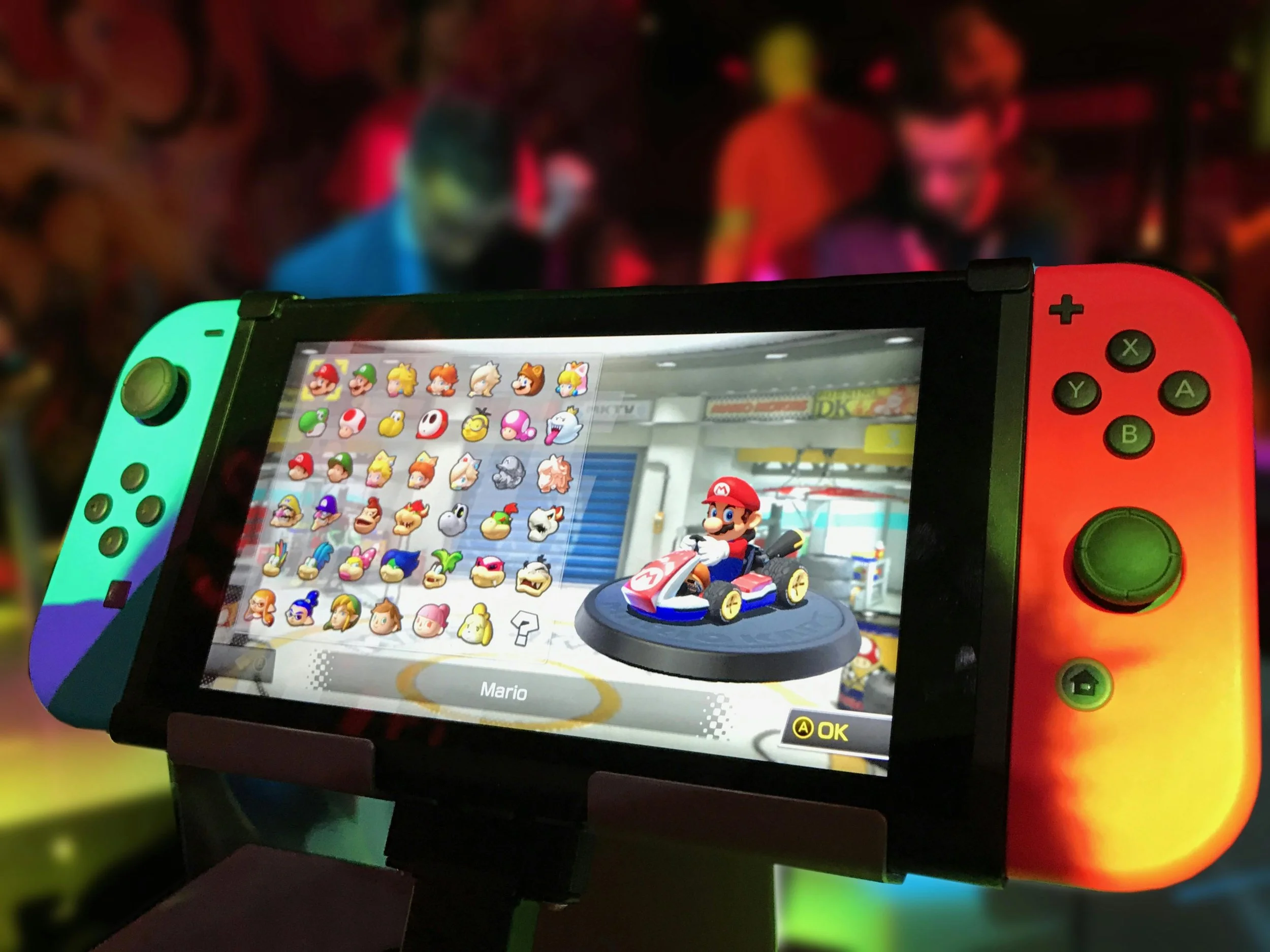
This relates back to all that system bloat we mentioned earlier. When turning on a PS5 or running GeForce Now can involve navigating updates before you even reach the game you want to play, anything that offers even a hint of simplicity is a welcome relief.
Immediacy is what’s fuelling the handheld rebellion, and we couldn’t be happier! Boot the device, load the game, and play. That’s it. Even SONY seems to understand this, which is why rumours are circulating about a PS6 handheld being released in the years to come.
In many ways, there’s a strange irony at play here, with retro gaming being shaped by contemporary innovation. The thing is, now the genre feels like less of a trend and more of a course correction. So, we’ll take it, irony and all!