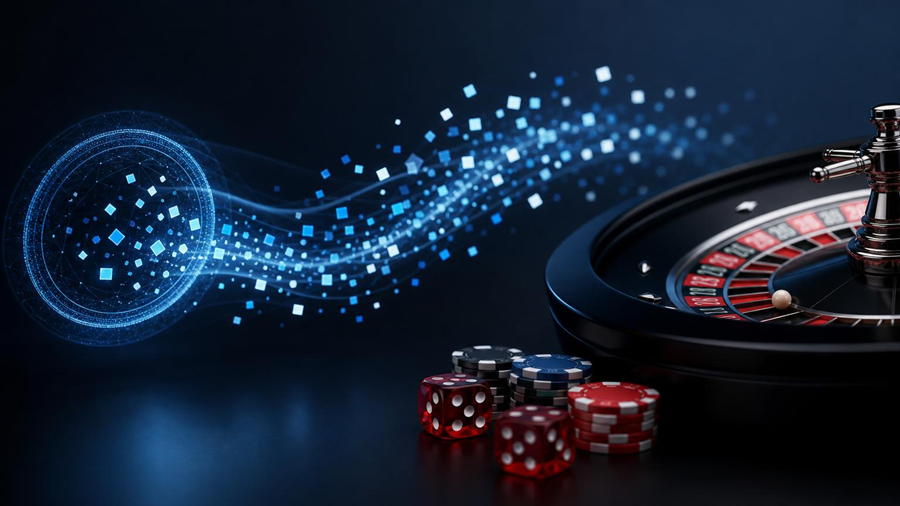
Video games borrow heavily from casino mechanics, and players often don’t notice the crossover. Random number generators, or RNGs, drive everything from loot drops to critical hit chances. This technology, refined by the gambling industry, now powers the rewards systems in many of today’s biggest titles. If you enjoy that rush of uncertainty in games, you might also appreciate how platforms like the best canadian online casino RocketPlay apply similar algorithms to create engaging slot experiences. The link between these worlds runs deeper than most gamers realize.
Key Facts About RNG in Gaming
Here are five surprising statistics that reveal how deeply casino-style RNG influences modern video game design:
In 2026, over 70 percent of top-grossing mobile games use gacha mechanics, which rely on weighted RNG systems identical to slot machines.
A 2023 study from the University of British Columbia found that loot box spending correlates directly with dopamine release patterns seen in casino slot players.
The global video game RNG market is projected to reach $4.2 billion by 2026, driven by live service games and randomized rewards.
Over 60 percent of players in a 2024 Statista survey admitted they purchase loot boxes specifically for the thrill of the random reveal.
Game developers at major studios now employ former casino mathematicians to design their progression systems, a trend that started in 2020.
Why Randomness Creates Addictive Gameplay Loops
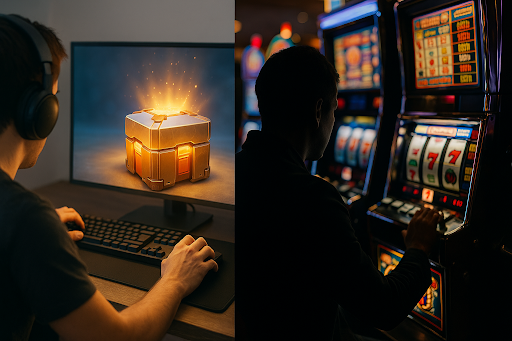
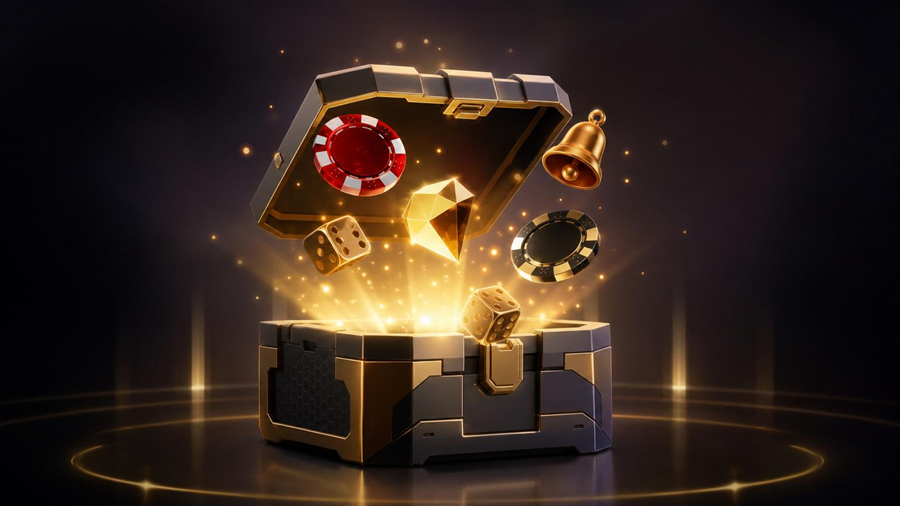
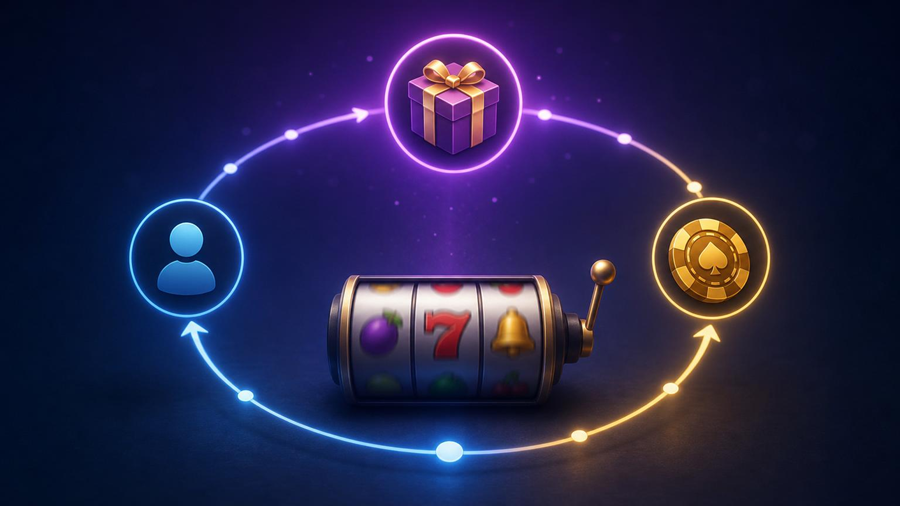
Random rewards trigger the brain’s reward center more effectively than predictable outcomes. When you open a loot box in *Overwatch* or spin a wheel in *FIFA Ultimate Team*, your brain releases dopamine at levels similar to hitting a jackpot. This design principle comes straight from slot machines, where variable ratio reinforcement keeps players engaged. Game designers intentionally space out big wins to maintain player interest over long sessions. The unpredictability makes each click or button press feel meaningful, even when the odds are stacked against you.
Slot Mechanics in Action: From Loot Boxes to Progression
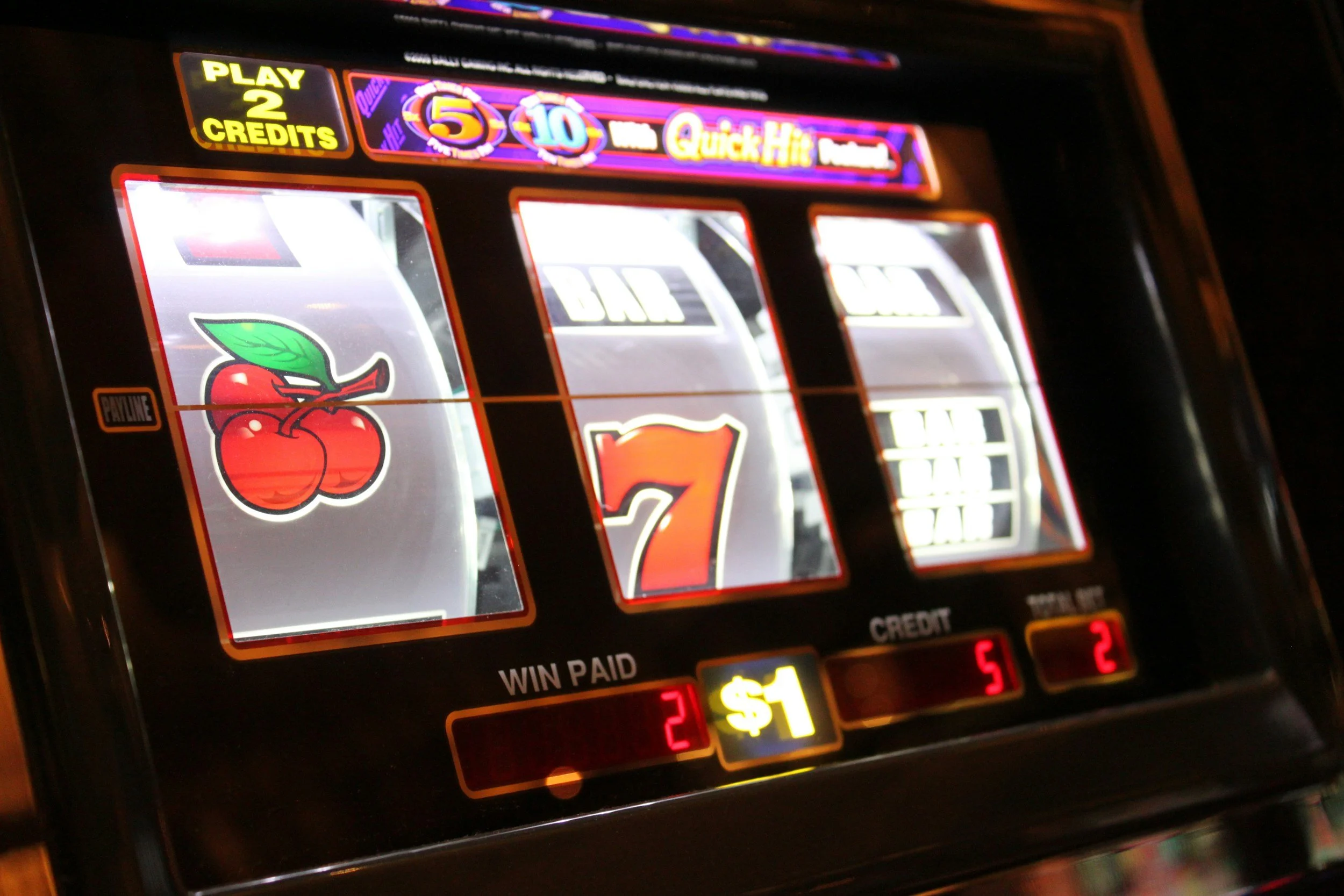
Many modern games now feature mini-games that look and feel like slot machines. *Genshin Impact* uses a wish system where players spend currency for a random chance at rare characters. *Call of Duty: Warzone* includes gacha-style weapon blueprints. These systems use the same RNG algorithms found in digital slots. The key difference? Video games wrap these mechanics in story and gameplay, making the randomness feel earned rather than purely transactional. Developers carefully tune drop rates to keep players chasing the next reward without feeling cheated.
The Ethical Debate Around Random Rewards
Critics argue that casino-style RNG in video games exploits psychological vulnerabilities, especially among younger players. The World Health Organization recognized gaming disorder in 2018, and many researchers link loot box spending to problem gambling behaviors. Belgium and the Netherlands already classify certain loot boxes as gambling. Game studios defend these systems by calling them “surprise mechanics,” but the underlying math remains identical to slot machines. Players should understand the odds before spending money on randomized content. Transparency around drop rates, like the one implemented by Apple’s App Store guidelines, helps reduce harm.
Final Thoughts
Casino-style RNG is not going anywhere in video game design. It provides the uncertainty that keeps players coming back for more. Understanding how these systems work gives you control over your spending and playtime. Whether you enjoy the thrill of a random drop in a video game or the spin of a digital slot, the same mathematical principles apply. The best approach is to play for fun, set limits, and recognize when the system is designed to keep you hooked. Smart players know the odds and make informed choices.