For the past few decades, game development has been funneling into two extremes: AAA and indies.
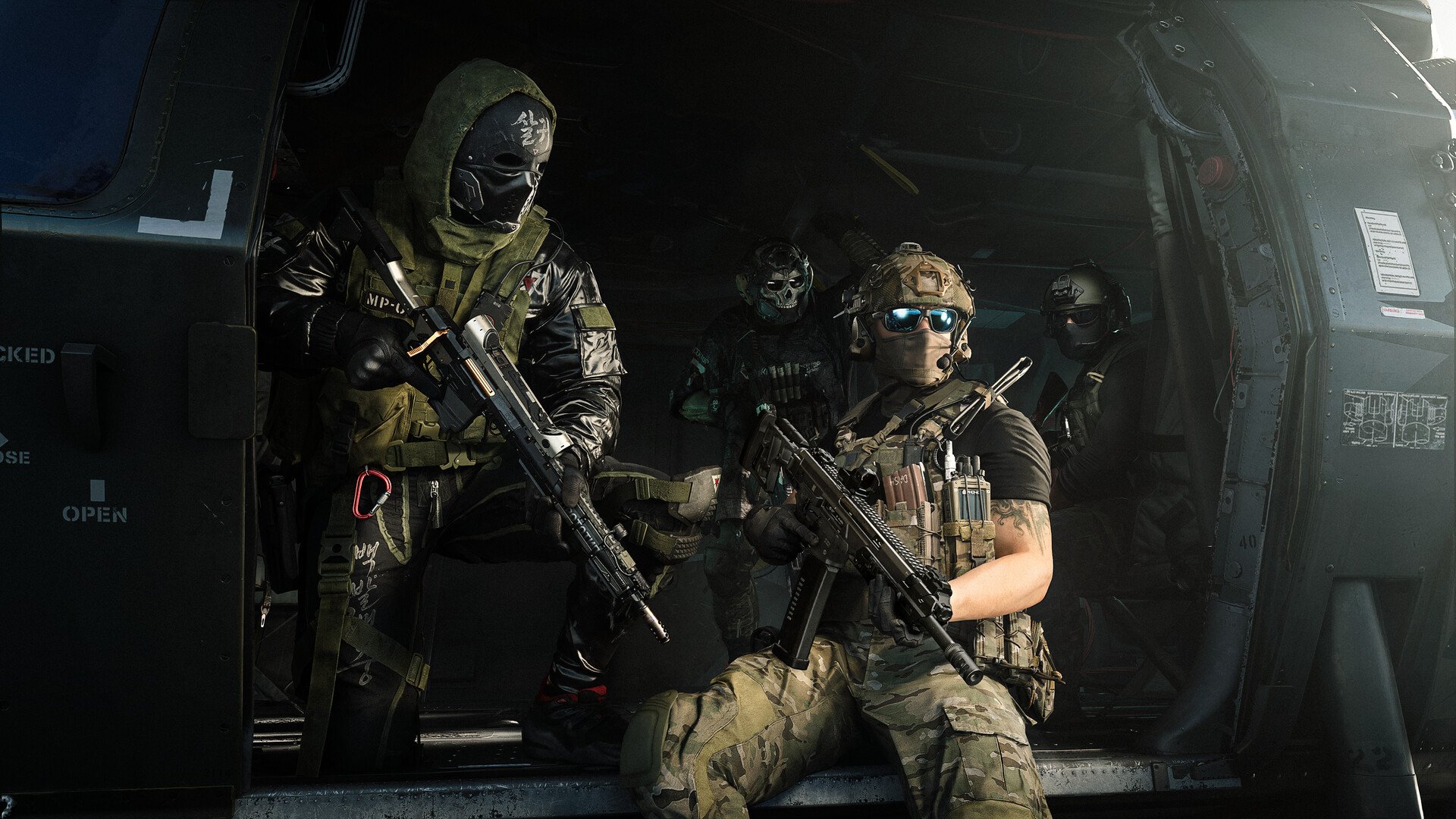
On one end of the spectrum, behemoth AAA blockbuster titles with equally huge budgets are being pushed out by major studios. These take years to develop and come with massive advertising campaigns which make the game’s various trailers feel inescapable.
On top of this, these projects carry an enormous amount of responsibility to deliver on the publisher’s return on investment. These games simply cannot fail and the bar of success set by corporations is always astronomical due to the fact they have investors they need to keep happy.
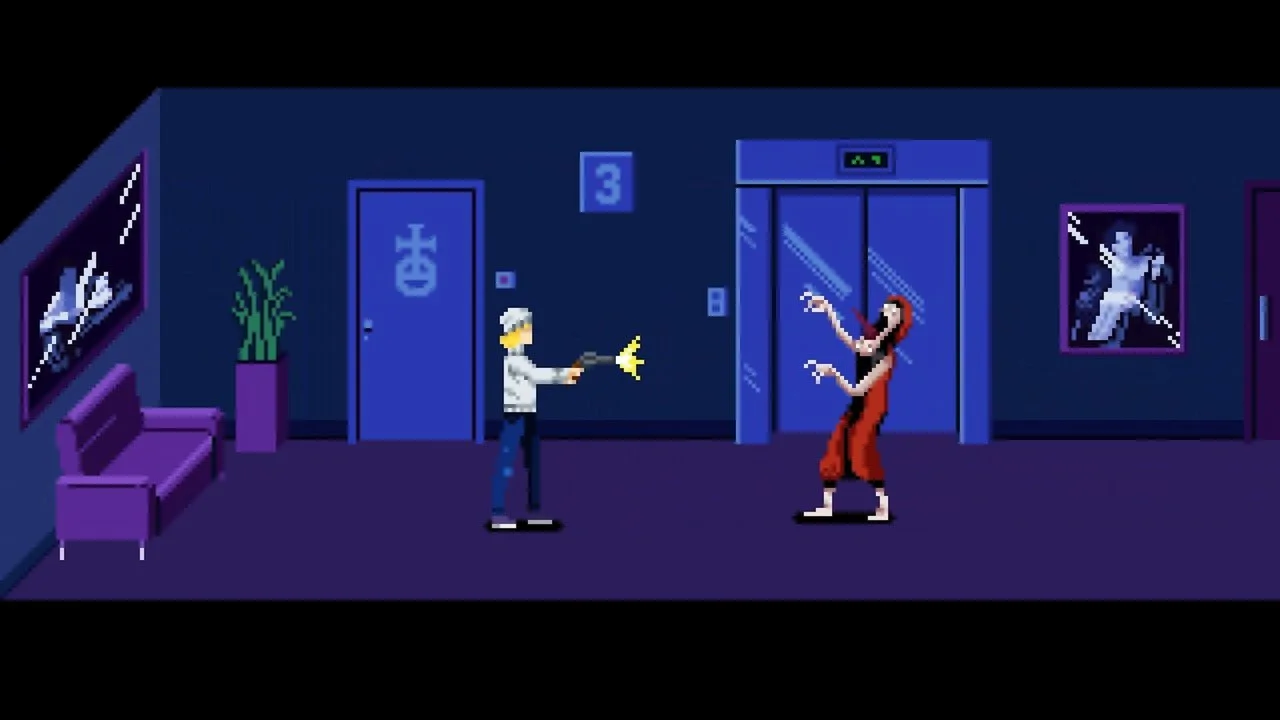
The other end of the market is occupied by small indie developers — passionate creators who tend to be more focused on creating something artistically fulfilling rather than chasing a financial goal. This allows for more creative risks to be taken during development and theoretically means the game can be created without a money-hungry corporation breathing down the developer’s neck.
However, there is a third sector to the industry that all but disappeared when game development costs shot up. The mid-tier all but fell away for over a decade, meaning that an entire generation of gamers grew up without experiencing the gutsy creativity that those of us who came up playing obscure PS2 titles were lucky enough to witness.
Every game developed by studios like THQ, Midway, and Codemasters wasn’t necessarily a masterpiece, but they had an experimental identity to them that was sorely missed in the console generations that followed.
But as game development budgets continued to increase, publishers became quickly interested in exclusively backing projects that were considered a ‘sure thing’. This resulted in a gaming landscape that felt more streamlined, with every game in a specific genre feeling more and more homogenized; if you played one FPS, you had sort of played them all.
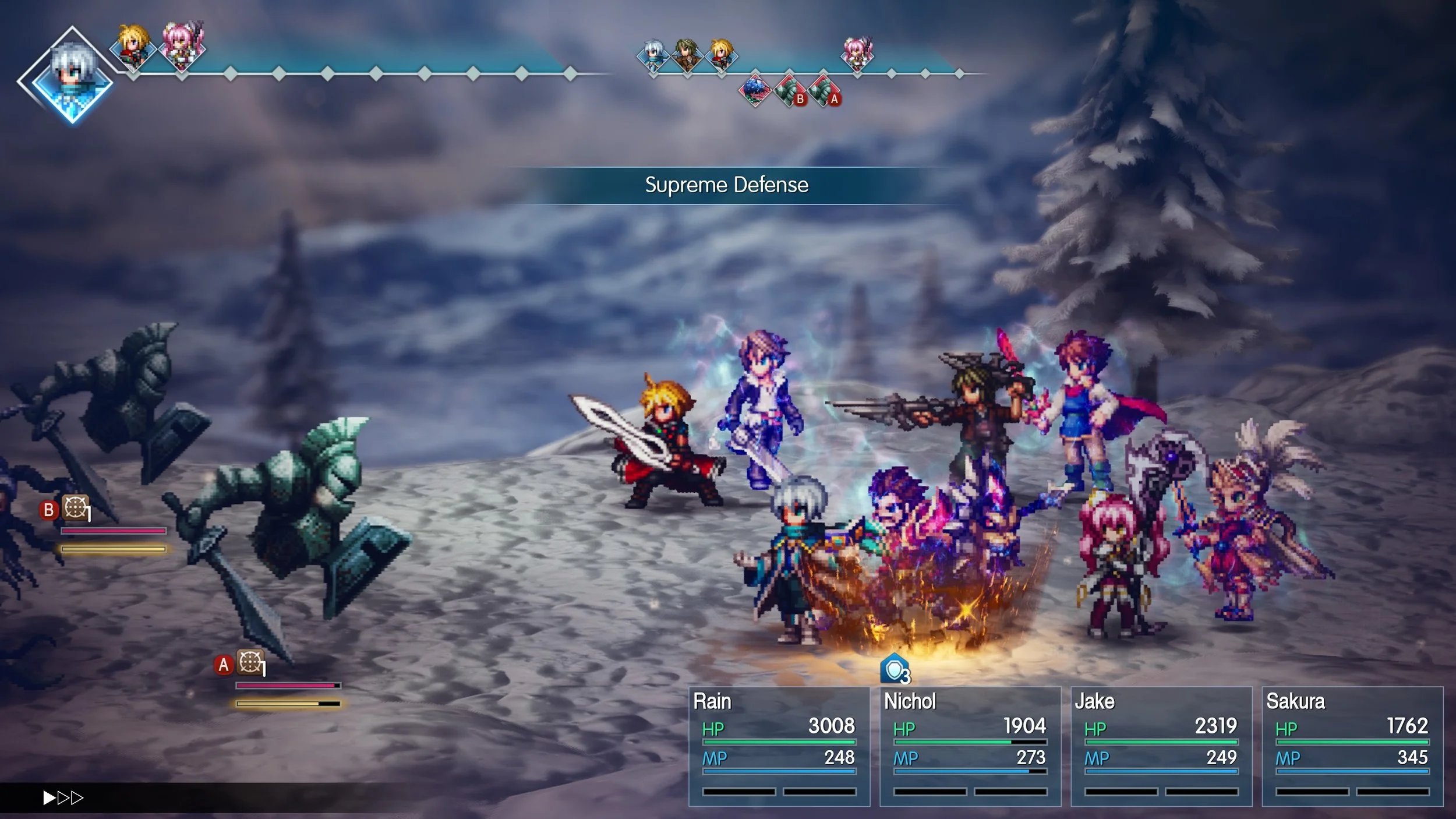
Thankfully, though, the past few years have seen the rise of AA games. These underdog titles have come more into favor due to the perceived collective failure of big releases with AAA budgets in recent years in the eyes of the gaming audience.
Atomfall dropped last year and reminded industry leaders like Bethesda and CD Projekt Red that open world RPGs created by a smaller team can compete with and even exceed the quality of projects released at a more significant scale. A couple of years prior, Trepang2 did something similar for fun first person shoot ‘em ups.
That being said, the biggest success story was the release of Clair Obscur: Expedition 33 in 2025. That game went on to win Game of the Year at the Game Awards ceremony, beating out several massive AAA titles in order to lift the crown. All because it understood exactly what type of experience it wanted to deliver and it was able to do so without over-reaching or relying on crunching its developers.
This does not mean that ambitious blockbuster projects should not be pursued, but big studios should look at these smaller success stories and learn from them. Above all else, video games should be fun, and that fun is derived from creative talent, not from a checklist of game mechanics implemented by a committee of analysts.
Every game deserves a chance to succeed and creative risks need to be taken for true magic to exist within this interactive space we all enjoy. Often the most memorable experiences come from talented creatives who simply have a good idea and the freedom to execute it. Clearly the mid-tier is not dead and buried like we once thought; though it is evidently waiting for publishers to wake up and realise there is still an audience hungry for it.