Decades ago, I saw a TV ad for one of Nintendo’s latest games. To be honest, I don’t recall much of it. My memory is frail at times. But I do remember the color green, an open field, and a little boy running around. That game was Ocarina of Time.
I’ve talked extensively about how much this game means to me, so I won’t bore you with my emotional dump (who am I kidding, of course I will). Still, this year’s Ocarina of Time remake quickly became my most anticipated release of the year. Heck, it became my most anticipated game of the decade. And with such hype also came fear: the fear of disappointment.
After all, how can you honestly hope to reach the quality of what is considered the best video game of all time without summoning the Goddesses or striking a deal with Ganondorf, potentially netting yourself Lon Lon Ranch while you’re at it? I was scared of this remake.
That fear didn’t last long. In fact, it didn’t last a single frame. As soon as I saw the moon appearing in the top-right corner of the screen and heard the arpeggiated F major seventh chord, I knew I was signed up for a trip down memory lane. A road filled with nostalgia, tears, novelty, and, in the end, excellence.
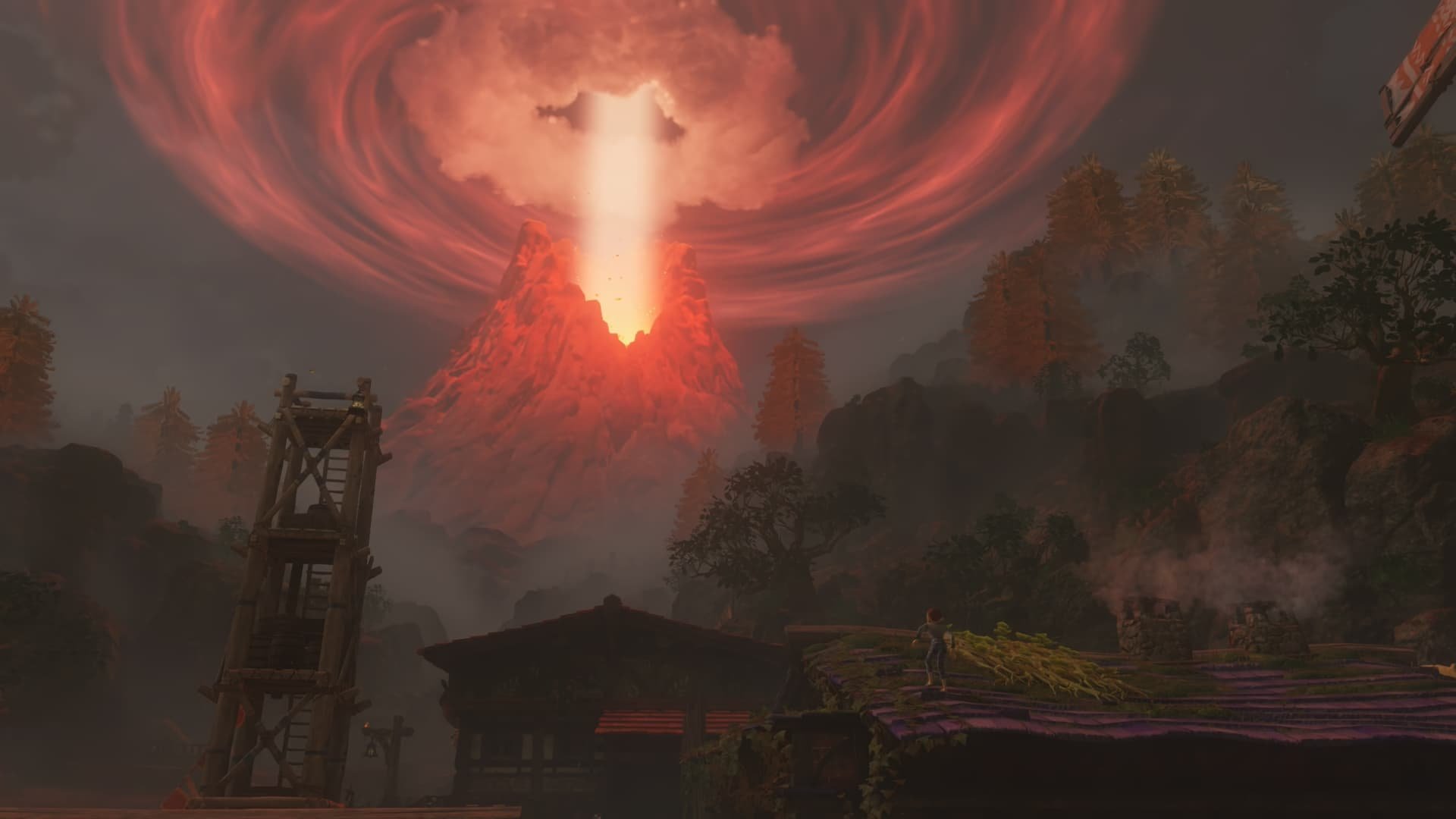
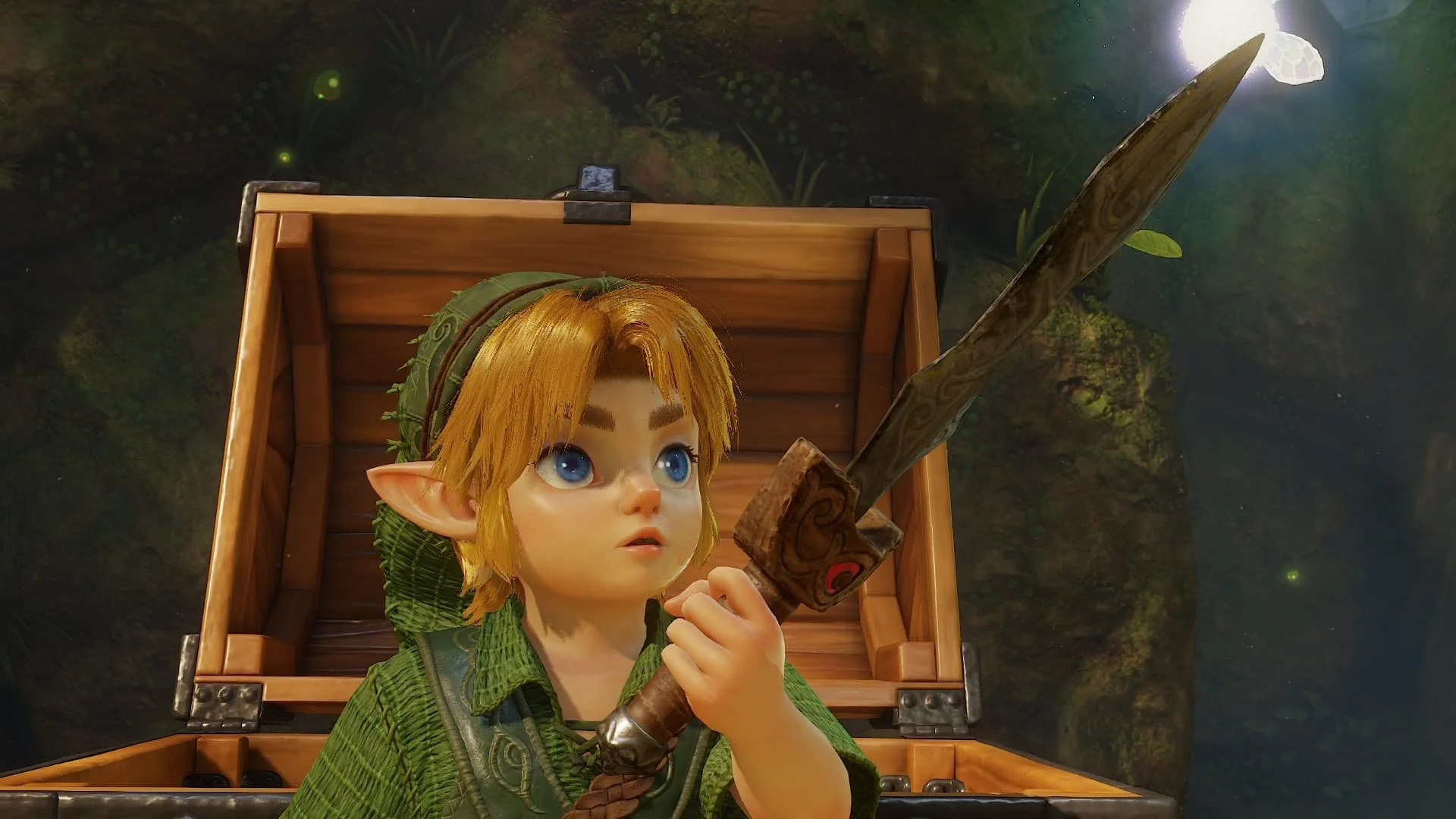
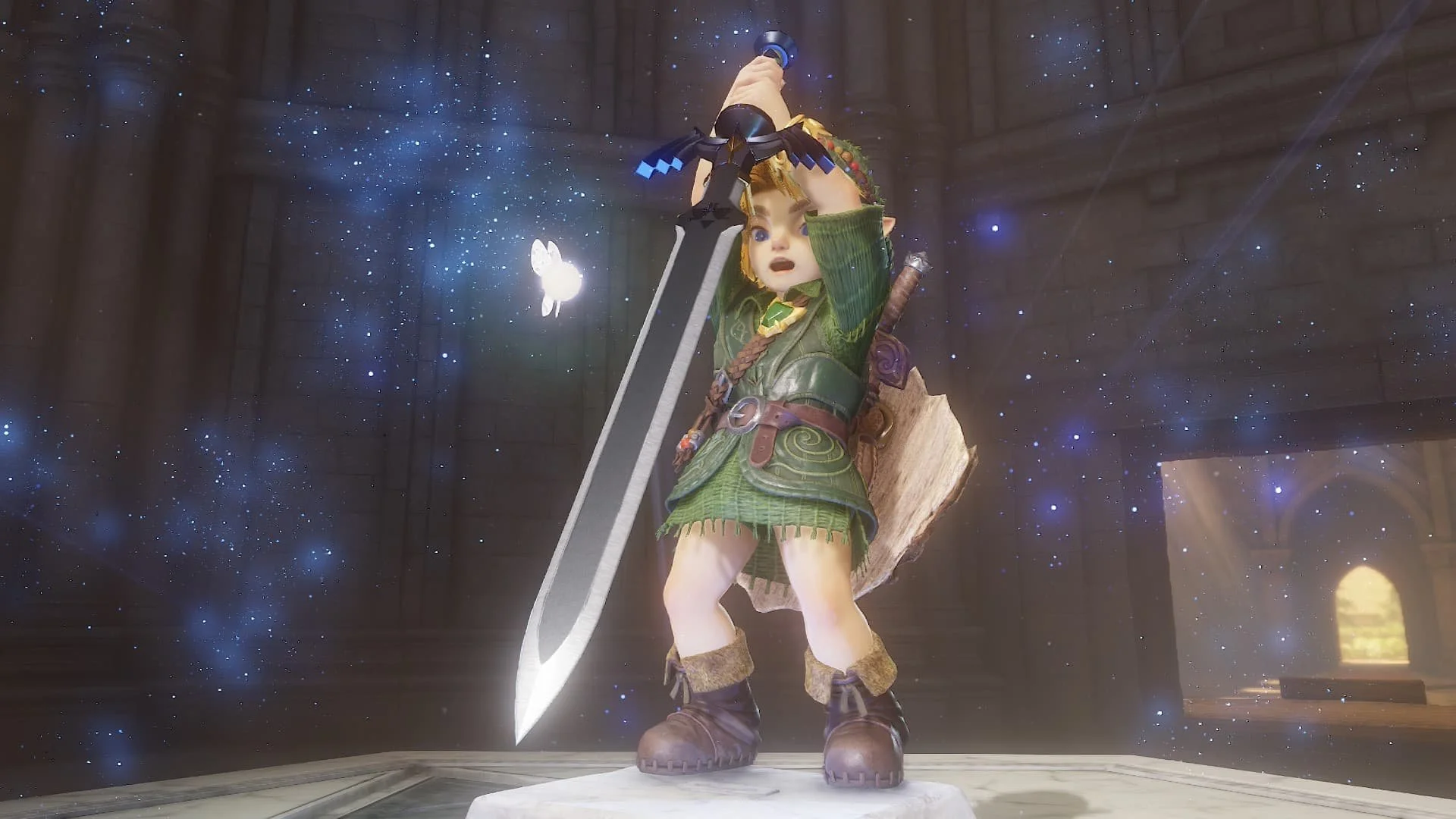
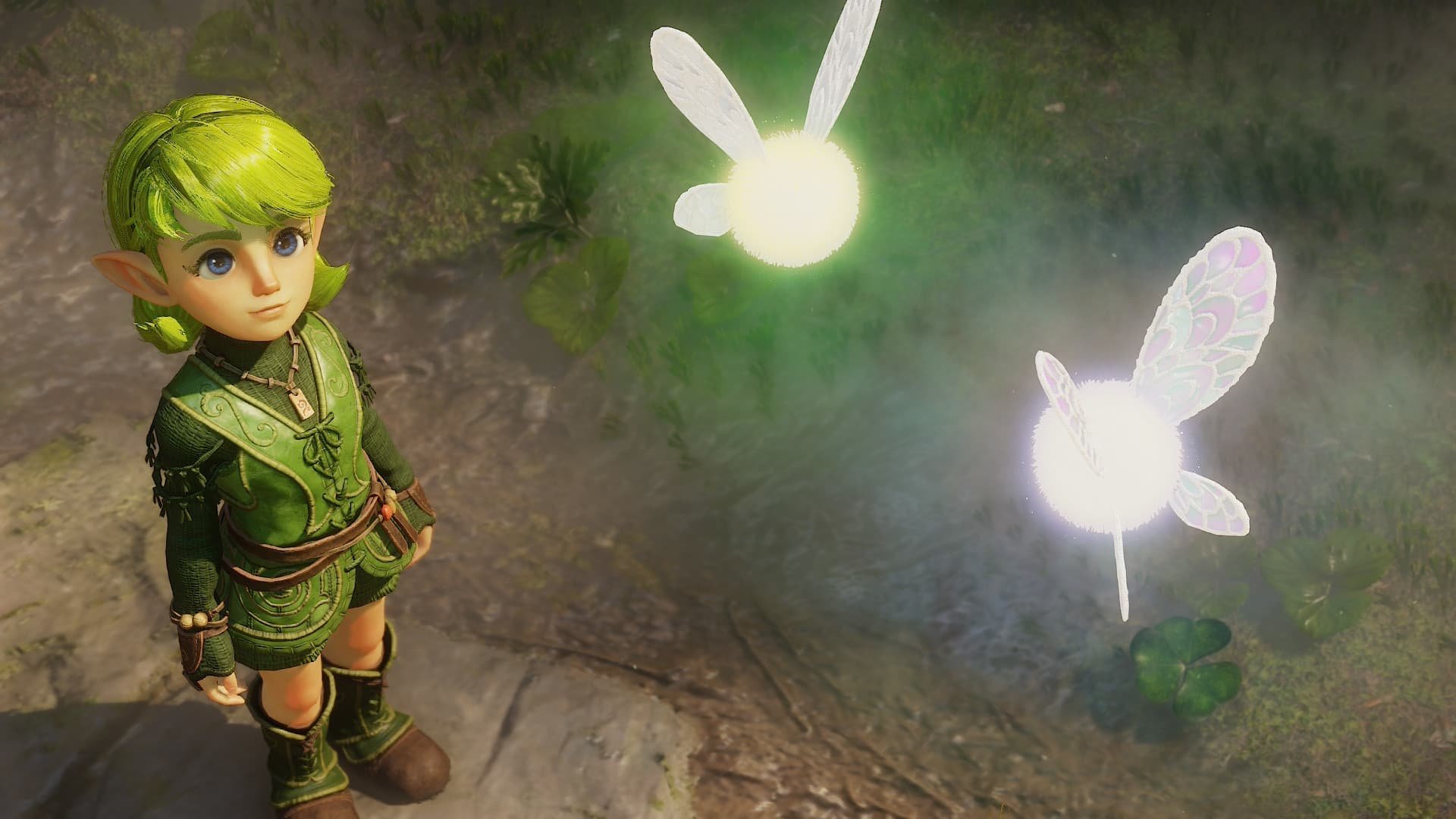
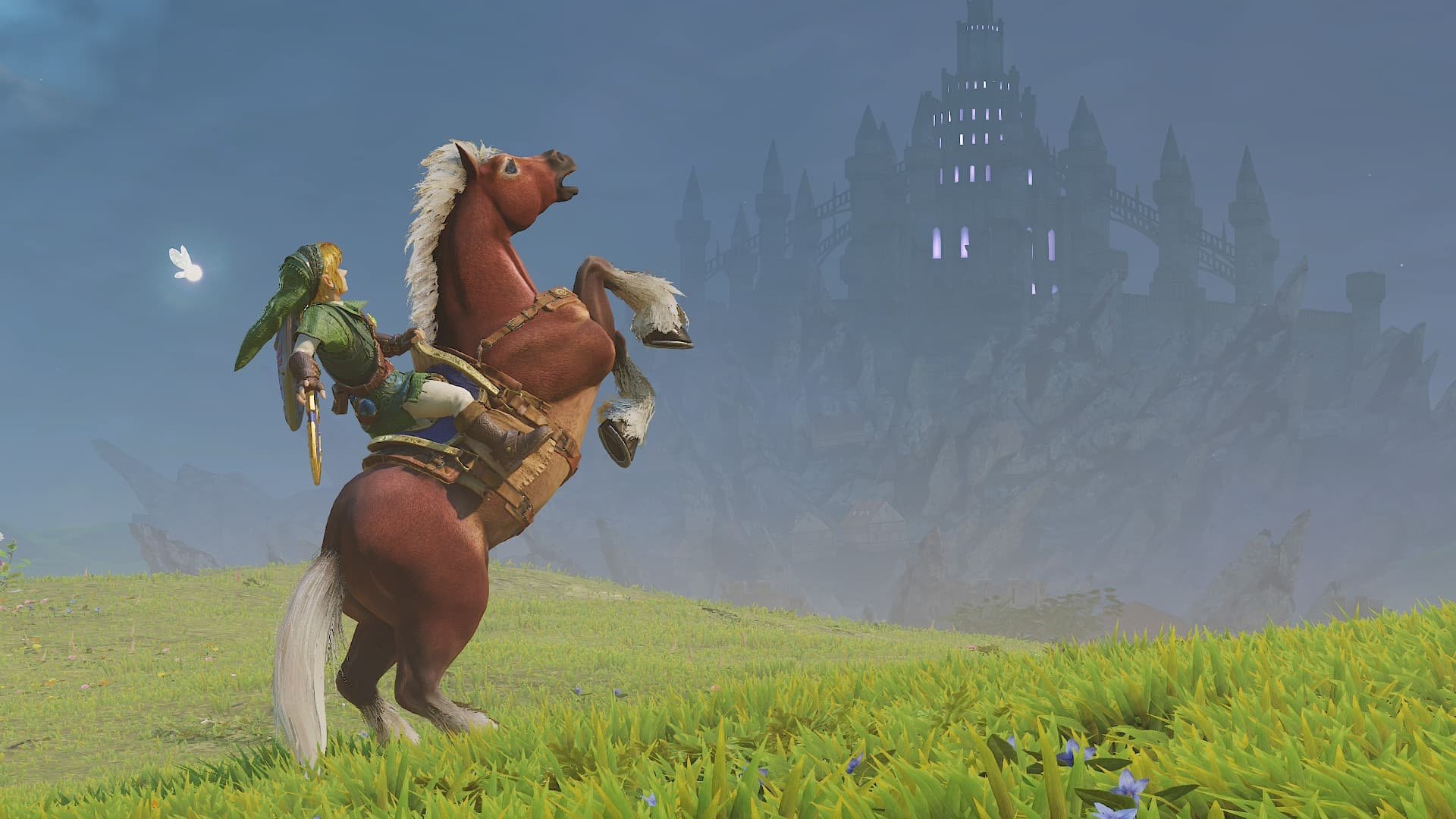
Let’s start with the most talked-about aspect of the game: how it looks. Half of the internet freaked out when Nintendo showed us what Kokiri Forest looked like when they revealed the game’s graphics during the 2026 Zelda Direct. Unreal Engine 5 allegations (which were proven to be false) and “they hired the guy” jokes flooded the murkiest parts of X and Reddit, and even I was skeptical of how the game looked.
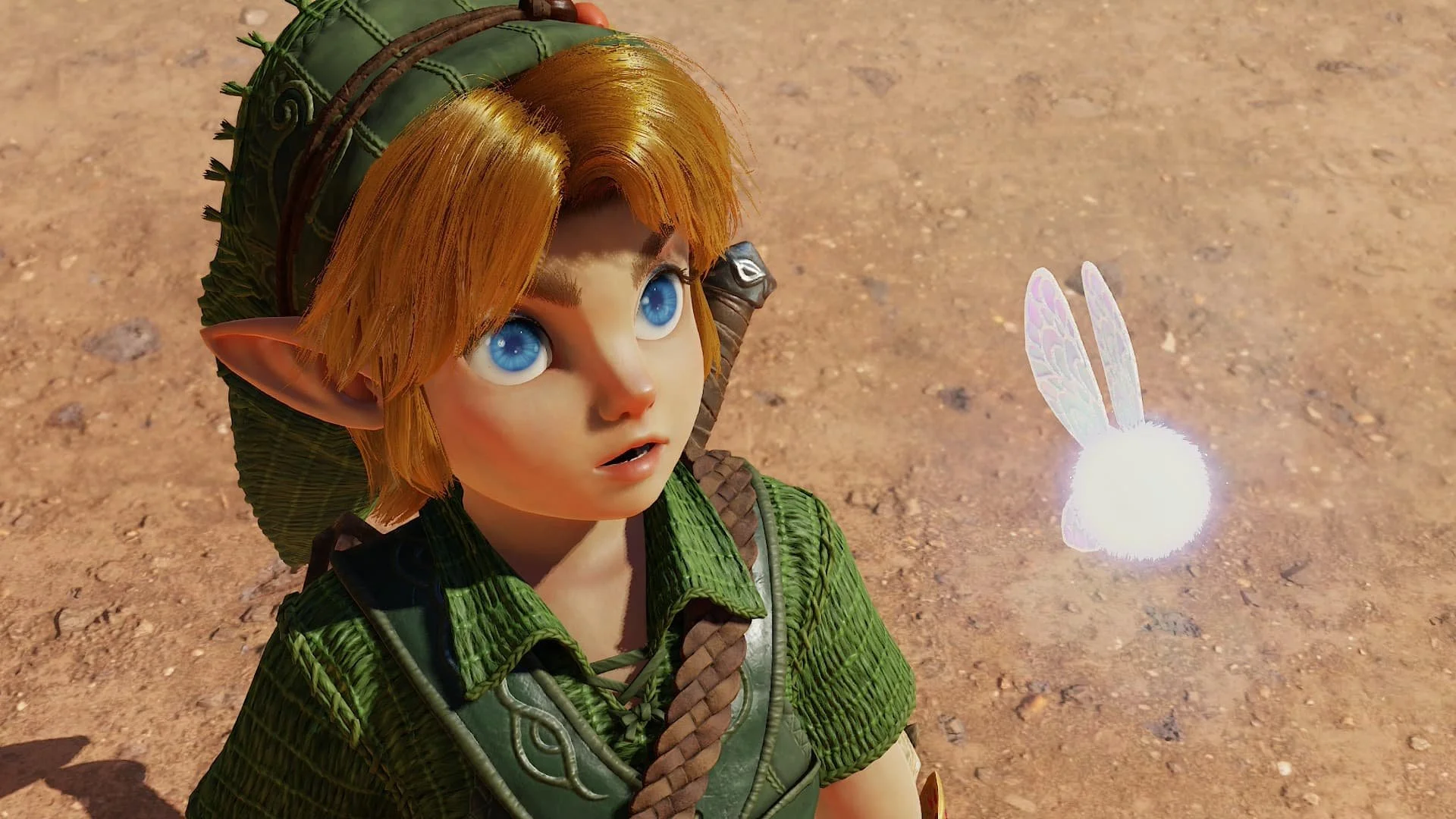
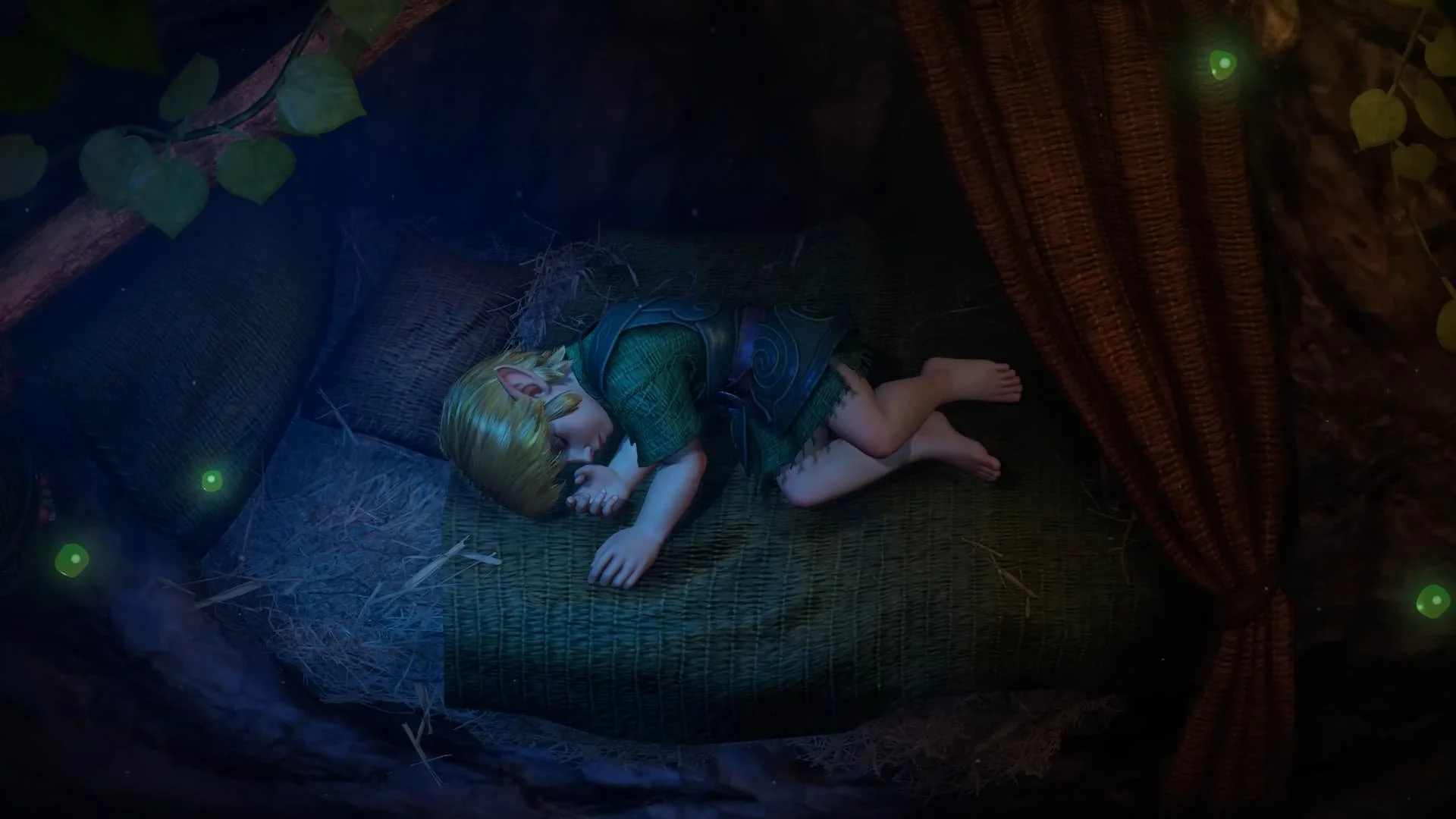
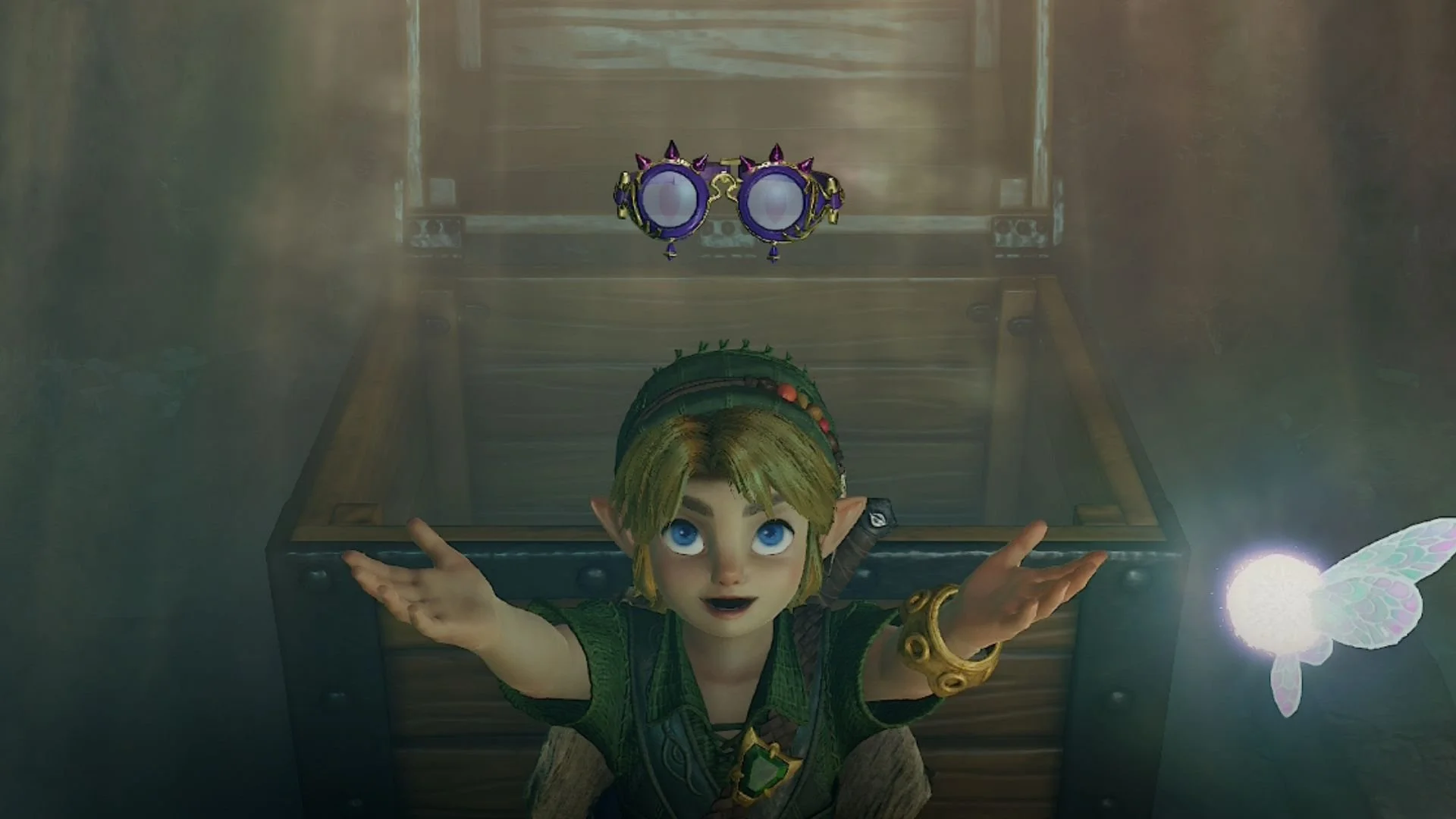
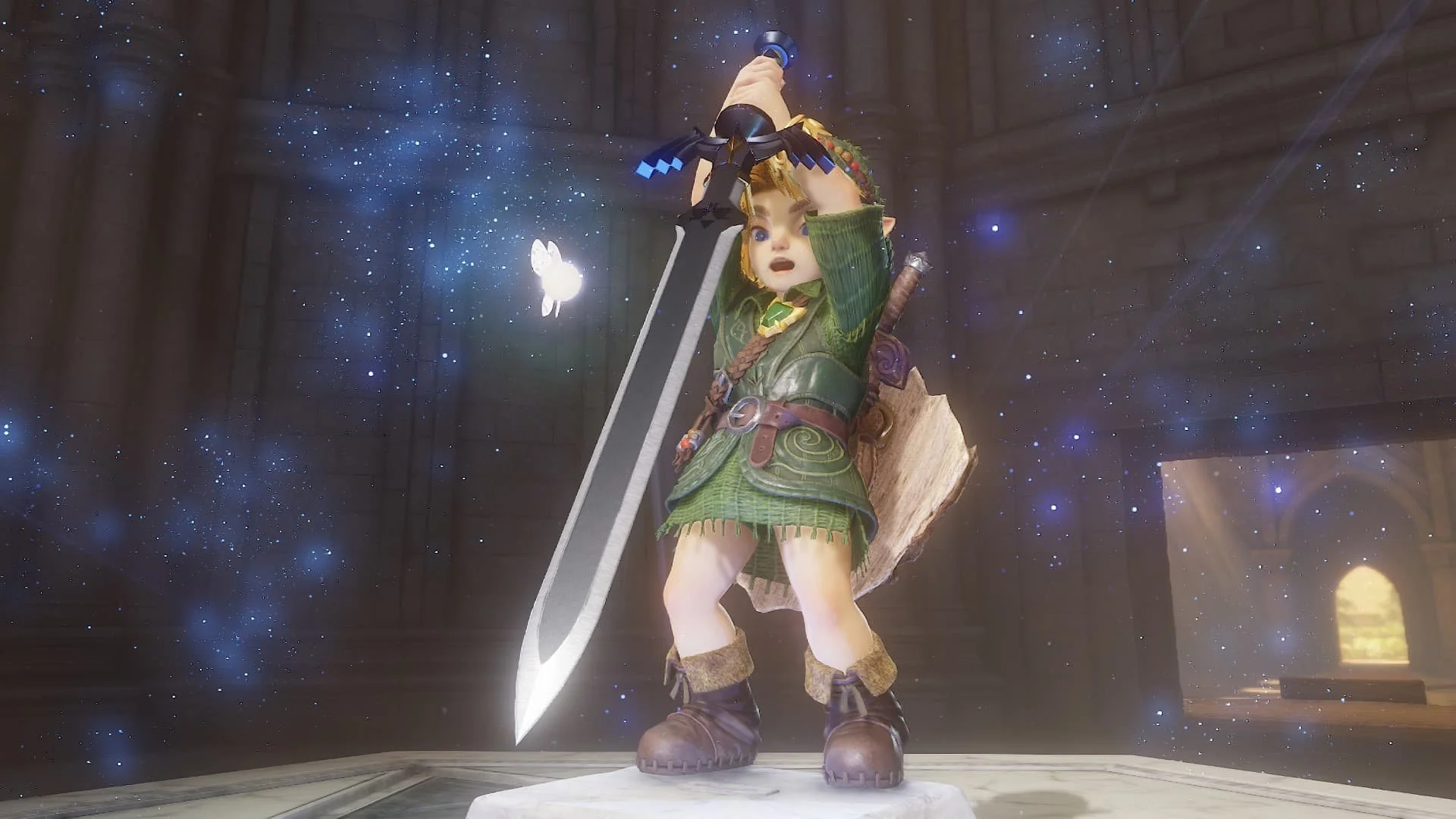
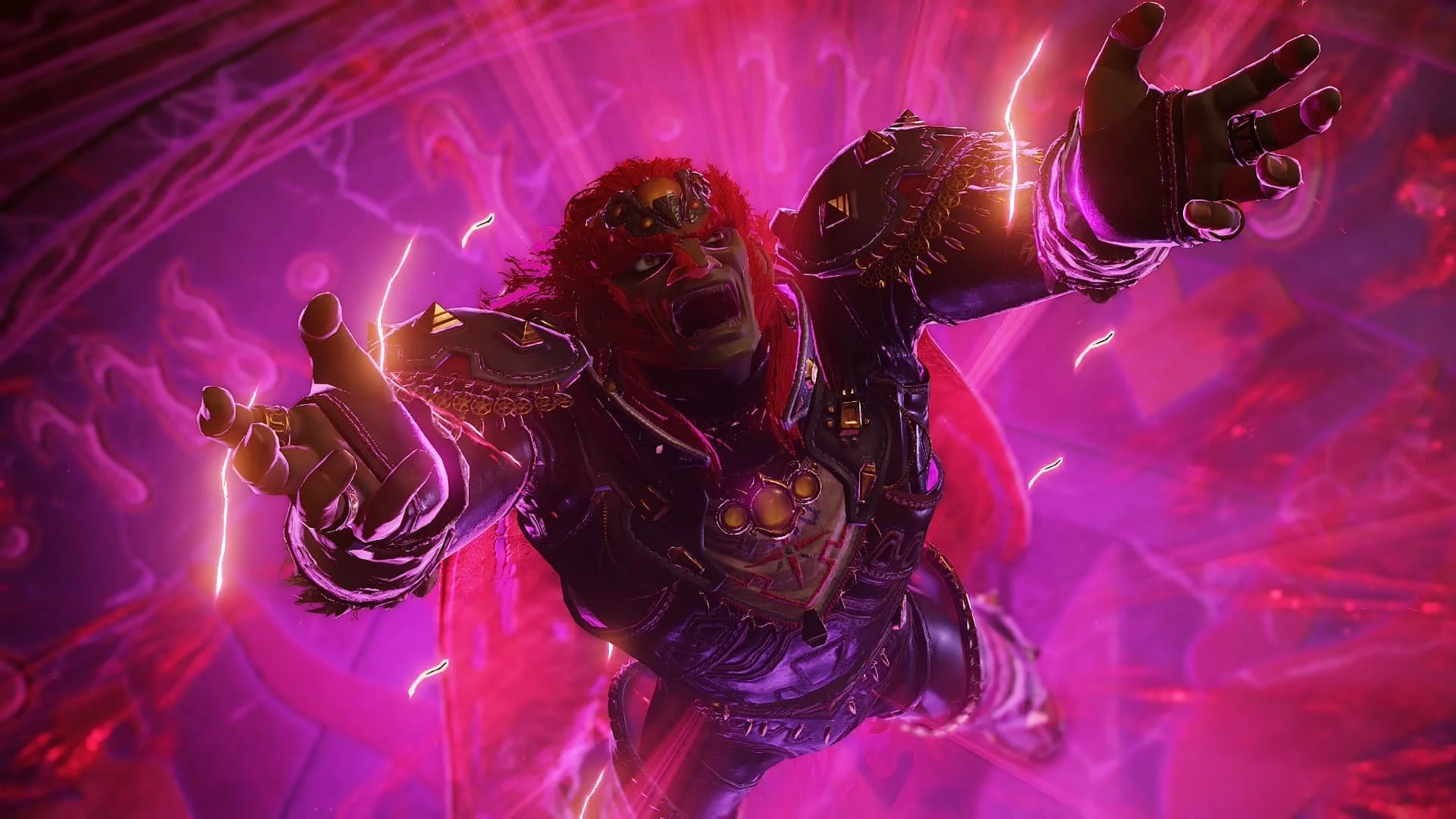
However, this remake is one of those games where you just need to play it to fully understand each of its aspects. In a way, having the controller makes it all make sense, including the graphics. Young Link is adorable. Zelda, while off-putting at first glance, also carries the magic. Ganondorf? An increasingly unhinged man whose face is able to concoct the most disturbing expressions mankind has seen.
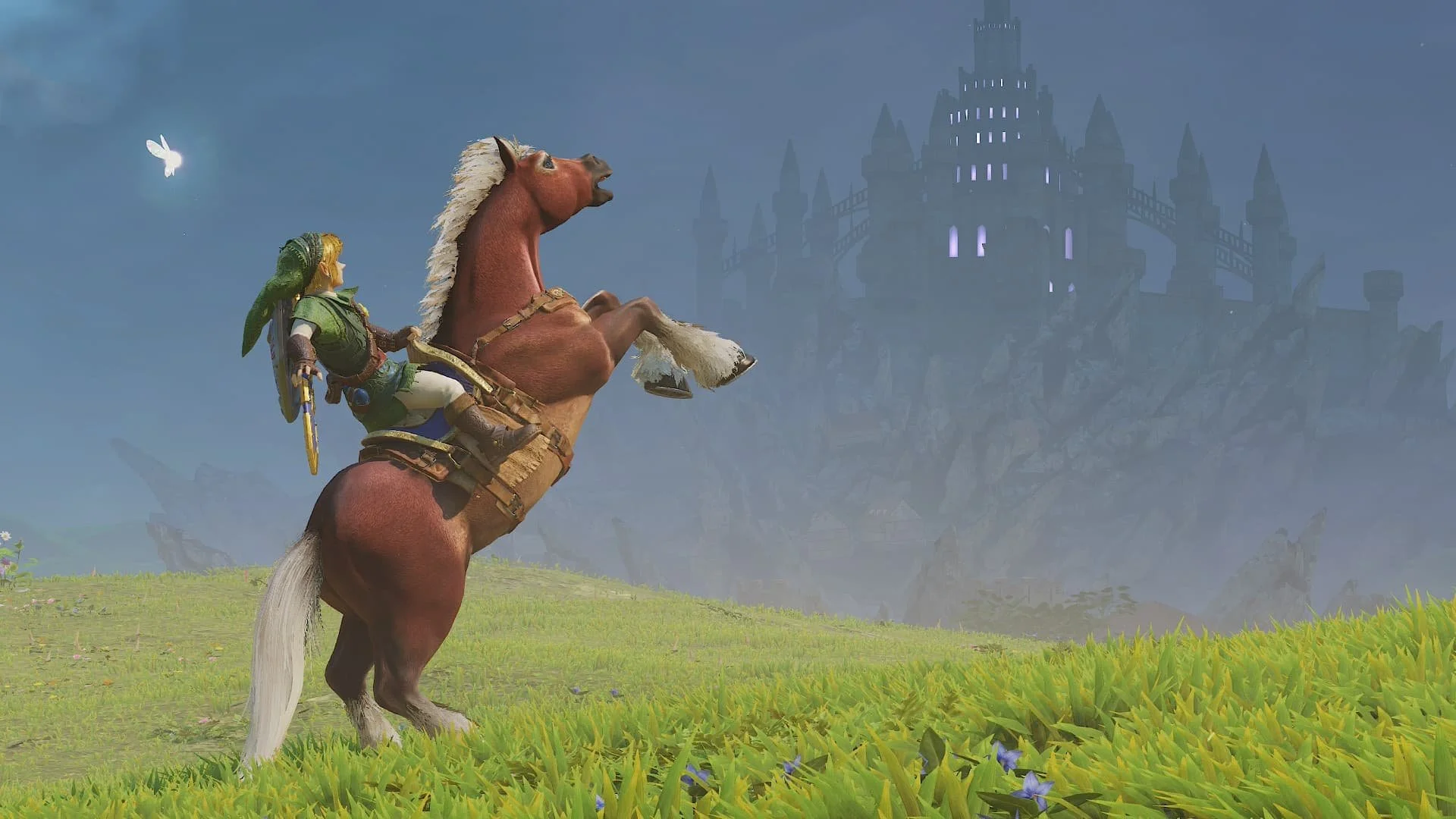
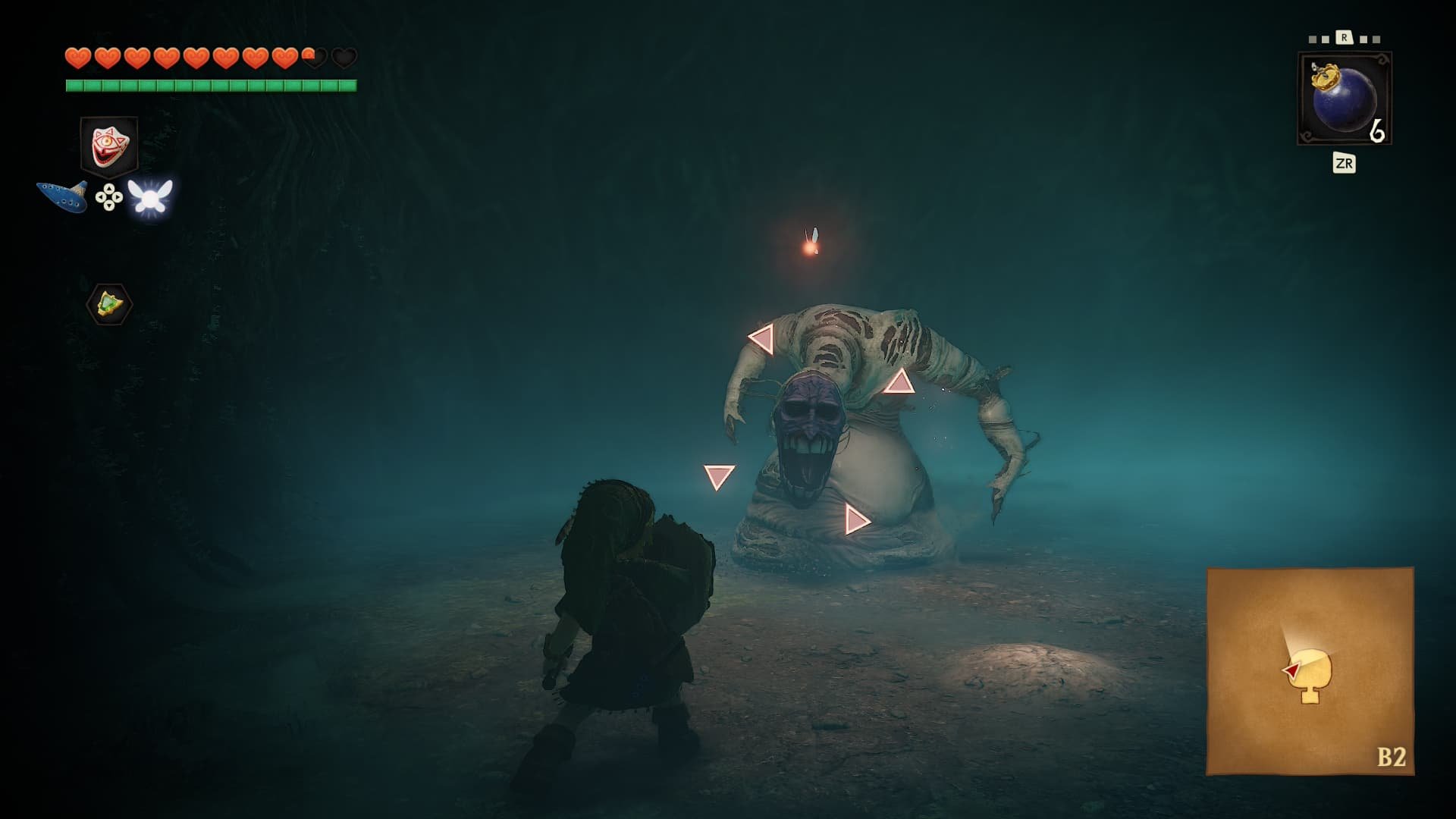
Hyrule looks beautiful, too, and every creature lurking in the dark has its charm. And then you visit the Royal Family’s Tomb and the Bottom of the Well, and you get traumatized for life by the ReDeads and Dead Hand, respectively. This game has it all, and the new aesthetic serves it very well.
Koji Kondo’s OST also receives a fully orchestrated makeover. The game has never felt this epic and touching, and new music composed by Masato Ohashi treats Kondo’s work with respect and dignity. It is an elegant interpretation of the original soundtrack.
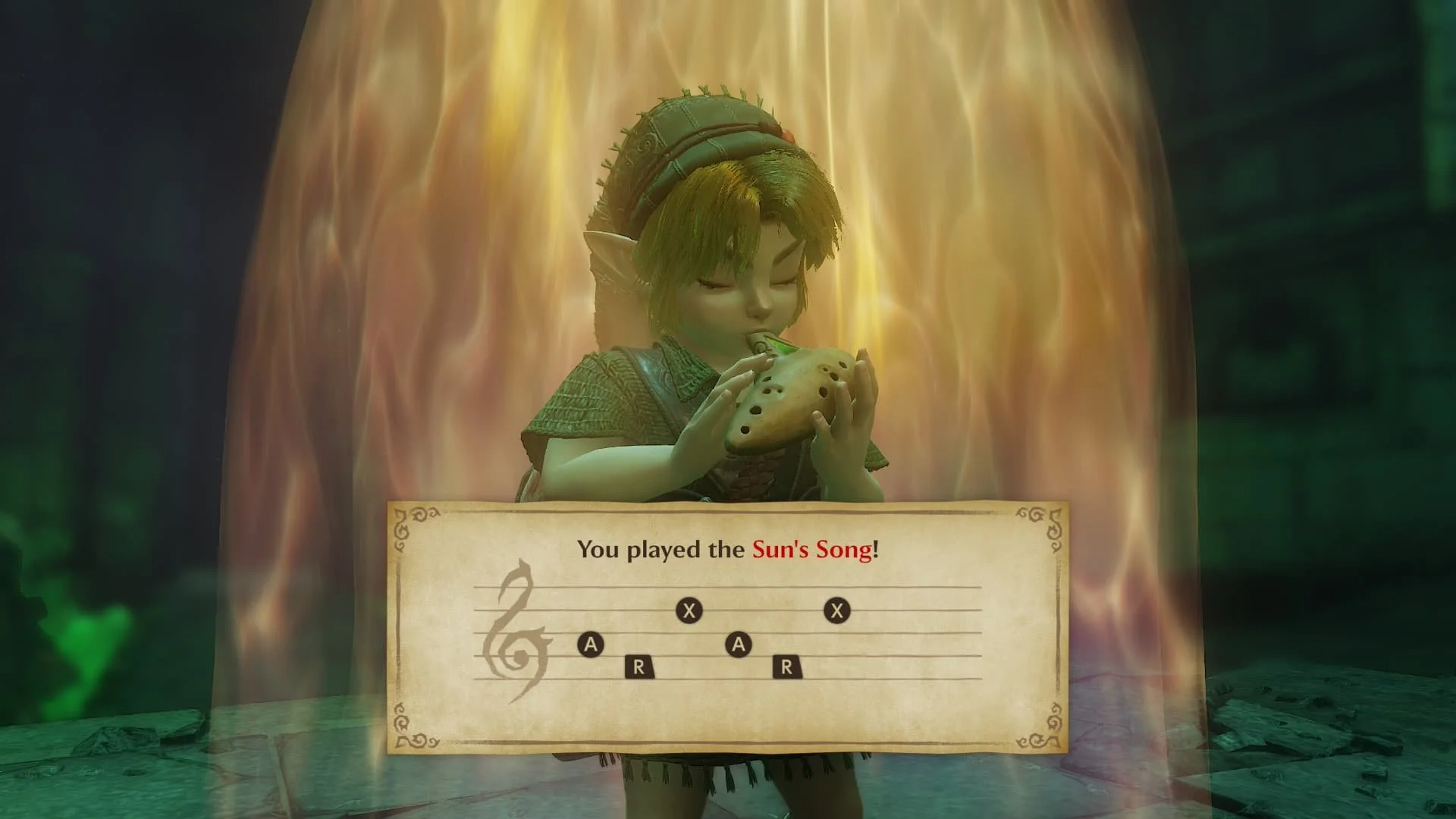
Ocarina of Time makes its long-awaited leap toward modernity. Yes, the 3DS version brought many quality-of-life improvements, but since I never owned a 3DS and I am a fervent opposer of the light-ridden, on-the-go versions of both Ocarina of Time and Majora’s Mask. Let’s pretend those didn’t happen.
The Nintendo 64 version of Ocarina of Time, while a timeless classic everyone should play, has aged notoriously in every possible way. The main culprit? The controls. Thankfully, the remake fixes this with an approach that evokes Breath of the Wild and Tears of the Kingdom gameplay. Movement is buttery smooth, sword fighting is as engaging as ever, and you can control the camera freely with the right analog stick.
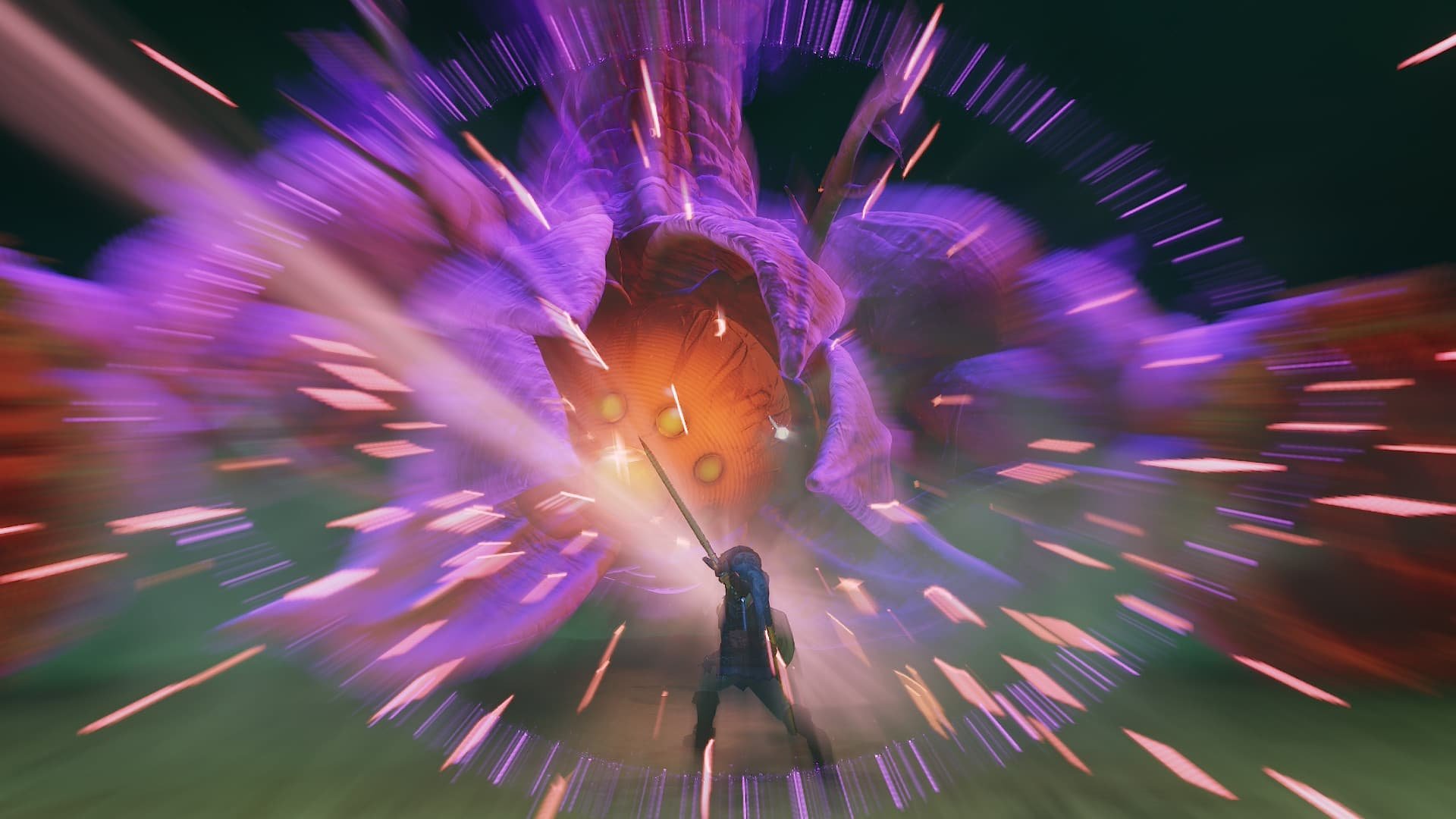
The remake also introduces other cool additions to the table. Link can now jump, sprint, and even aim and fire ranged weapons while moving. So long are the days of pausing the menu to equip those godforsaken Iron Boots. Now you have a dedicated button for your ocarina, Navi, mask/Lenses of Truth, and footwear.
You can even whistle, sing, hum, or use an instrument to perform the ocarina tunes, and the game will pick it up! Finally, those cheap ocarinas we all bought 25 years ago and attempted to learn how to play (and failed miserably) serve a purpose!
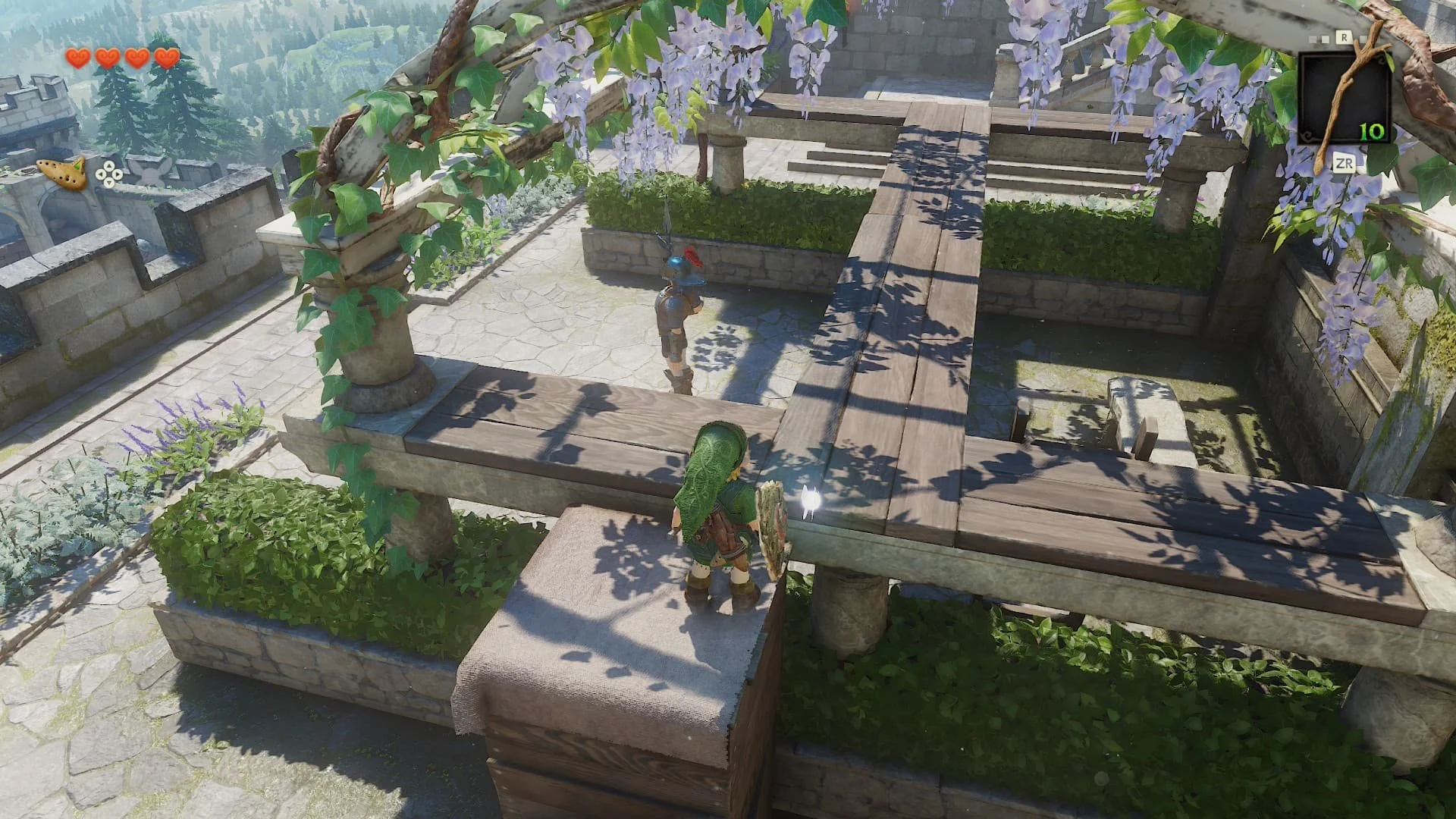
Level design was also changed in this remake, albeit subtly. The core of the OG Ocarina of Time remains, but some areas are different. One example of this is the whole sneaking into Hyrule Castle sequence. While the guard sections do follow what the original did, there is also added verticality and even a whole new setting, moving the indoor stealth shenanigans outdoors.
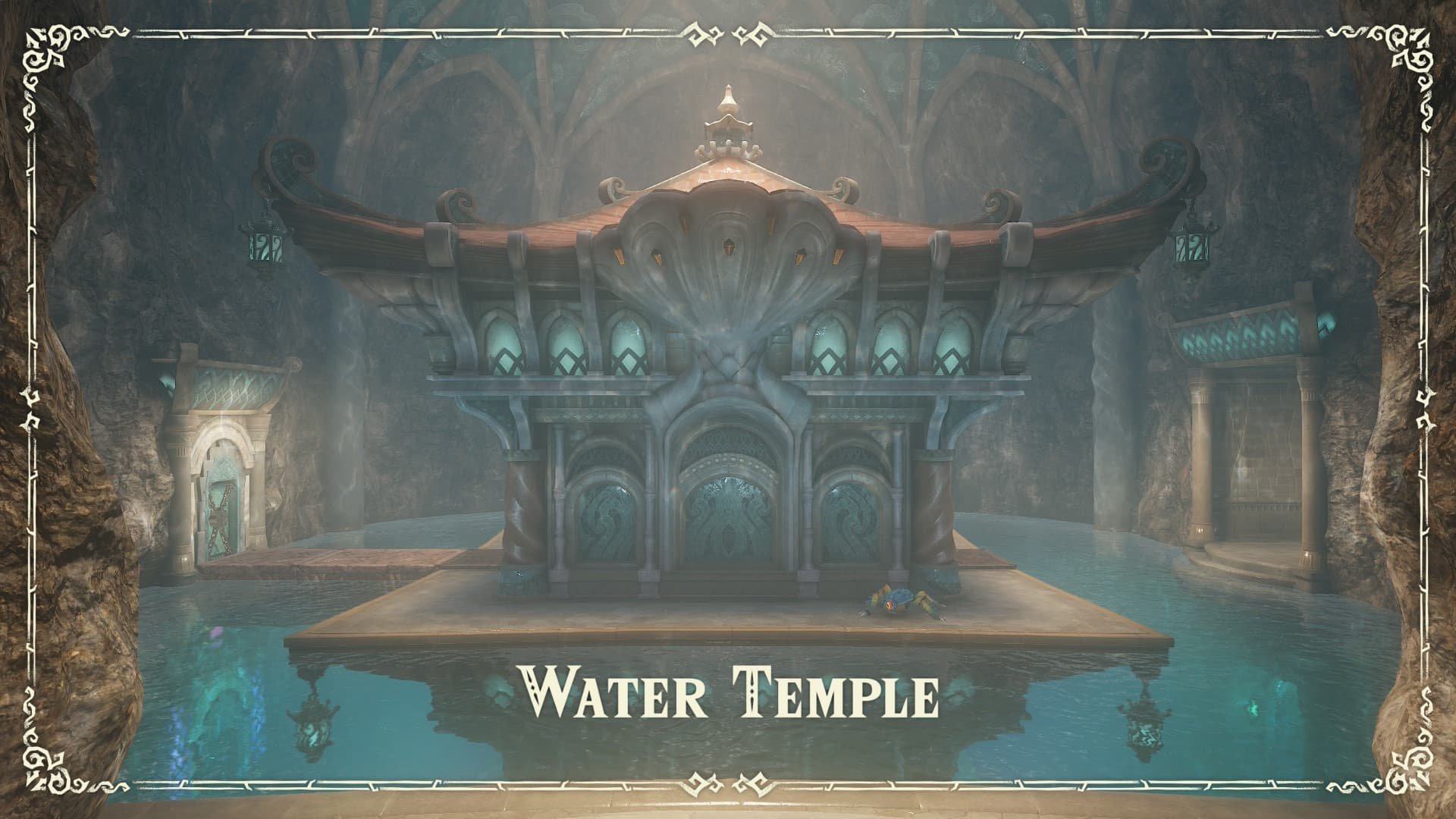
And yes, some dungeons are far less confusing than before, mainly the Water Temple. Back in the day, the Lake Hylia dungeon almost made me quit the game for good, and I admit that I had to use a guide to complete it (all thanks to that elusive key at the bottom of the main structure). This time around, things were less confusing, although I did play Zelda’s Lullaby a bit more than necessary.
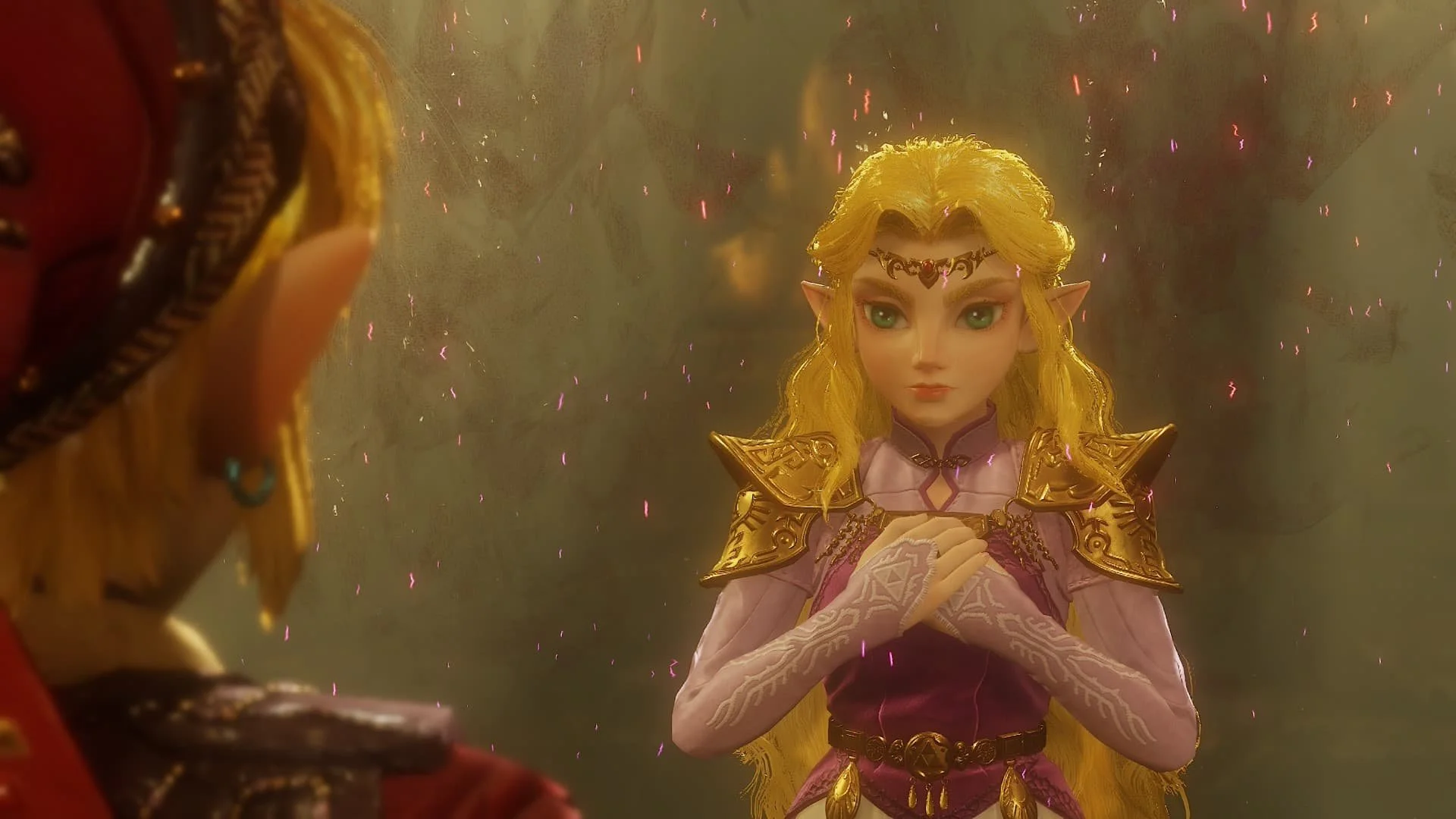
I would argue that the most important addition to the Ocarina of Time Remake isn’t the gameplay or the graphics. It is the cutscenes. I wasn’t very sure that fully voiced scenes would work in Ocarina of Time, as I always thought the way text was presented in the original provided lots of emotional weight to the story. I was completely wrong.
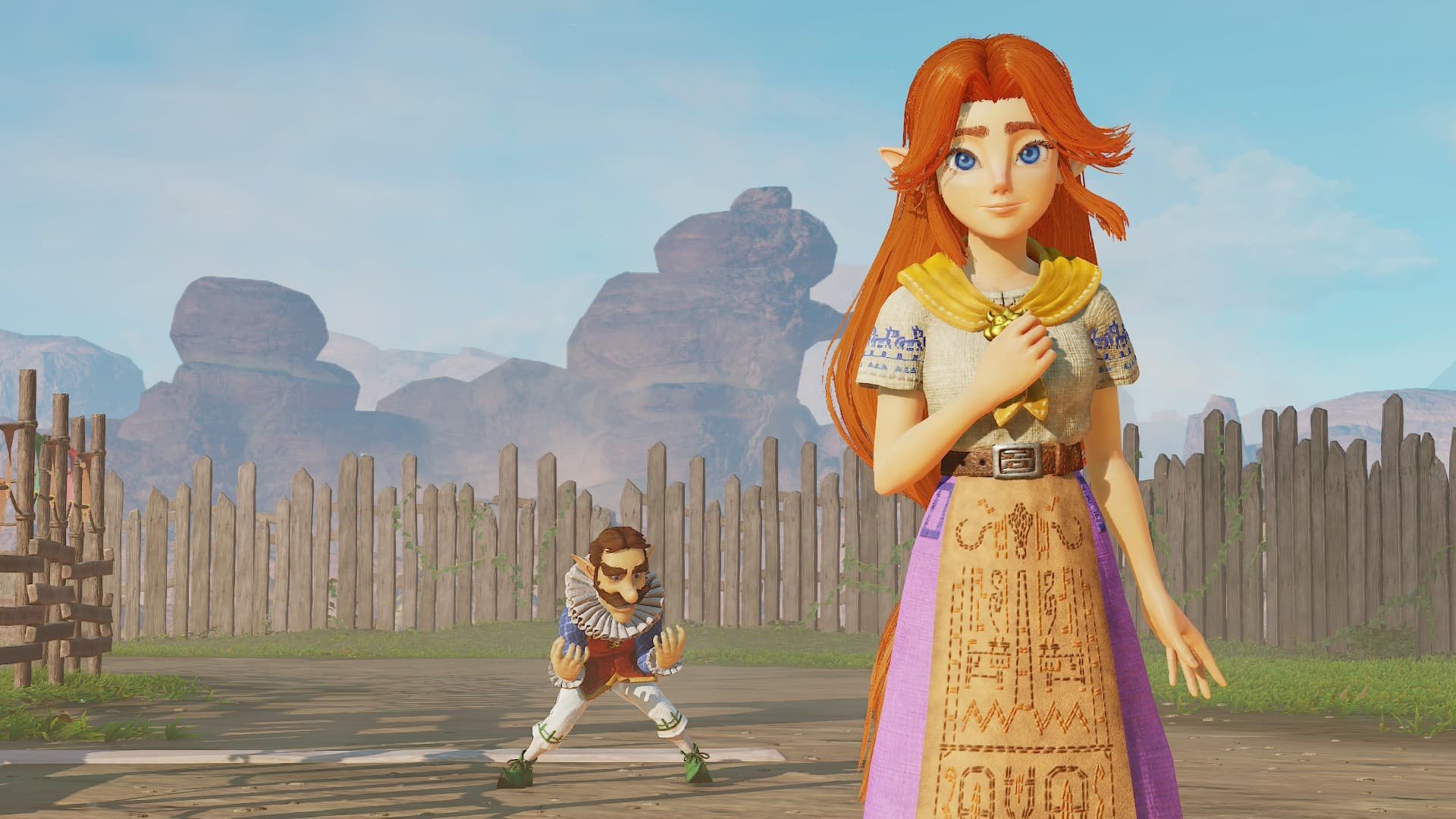
Having voice acting and also character animation makes the experience way more compelling and moving. Not only do the cutscenes help the original story stand out even more for a modern audience, but new scenes (voice-acted or not) provide far greater character depth. My main standout is Saria and Mido, two characters that, while iconic, were borderline one-dimensional in the original. This time around, they caused tears to stream down my cheeks.
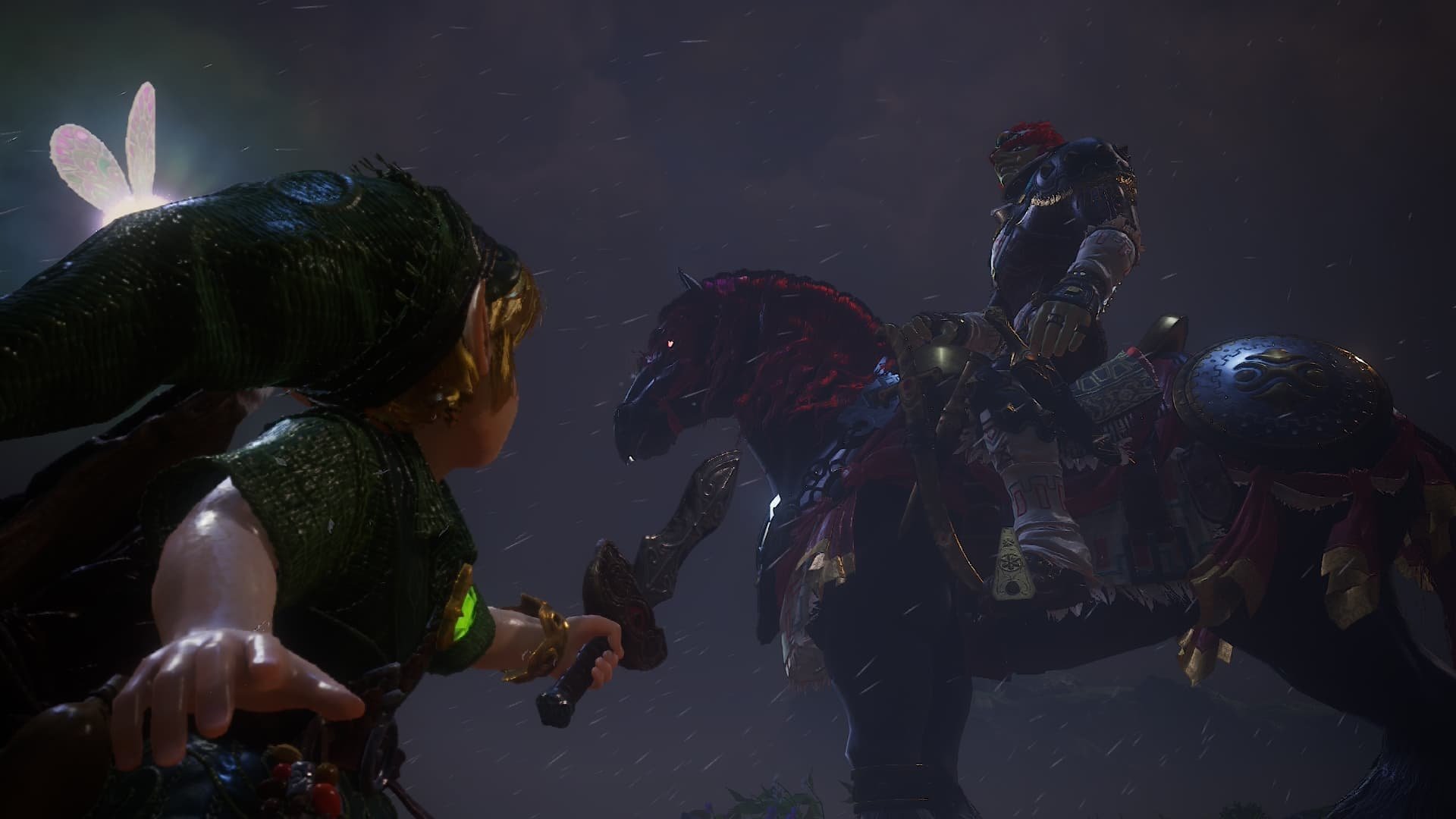
Ultimately, these cutscenes elevate the original Ocarina of Time story even more. In a remake review like this, the story usually doesn’t carry much weight in the copy. However, I still wanted to point this out, as many will have the fortune of experiencing this game for the first time, and I can’t find a better way to experience the Hero of Time story than with this remake.
Verdict
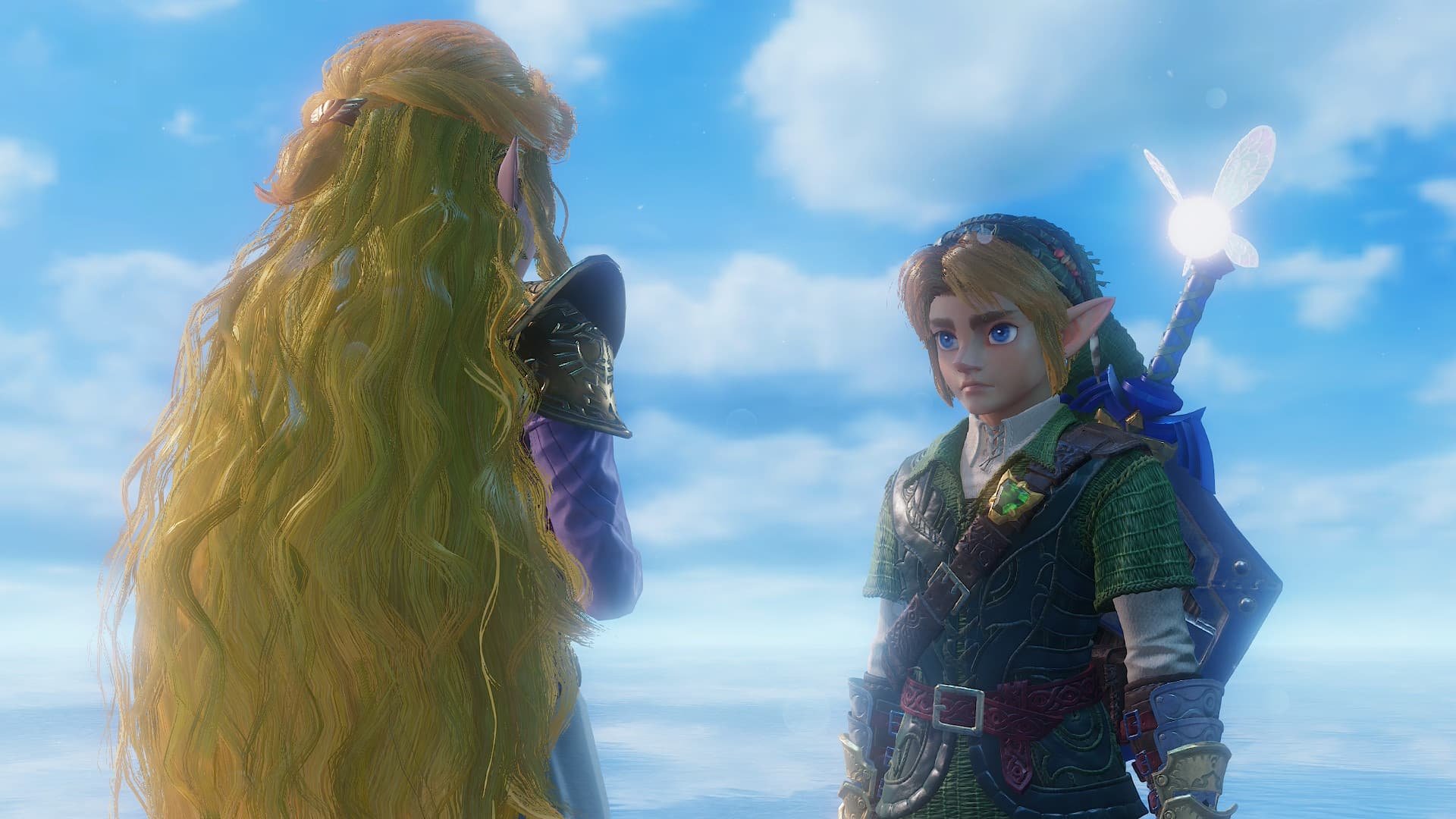
The gameplay additions, subtle level design changes, and the cutscenes made Ocarina of Time Remake feel new and exciting. This complemented the base of the game perfectly, as I also felt like I was meeting up with an old friend. This is the type of remake that will evoke both feelings at the same time, something that few remakes manage to accomplish.
Maybe I'm guilty of being an Ocarina of Time fanboy, which I am. And yes, having a more expansive remake would have been interesting. But at the end of the day, this remake managed to transport me back to my childhood years playing the original, á la Anton Ego in Ratatouille. Pulling the Master Sword, meeting Princess Zelda, saying farewell to Saria, and even the menu sound effects pulled my heartstrings in a way that almost felt cathartic.
I look forward to playing Ocarina of Time Remake time and time again throughout the upcoming years, just as I did with the original. I have no complaints. This is the best remake of all time.