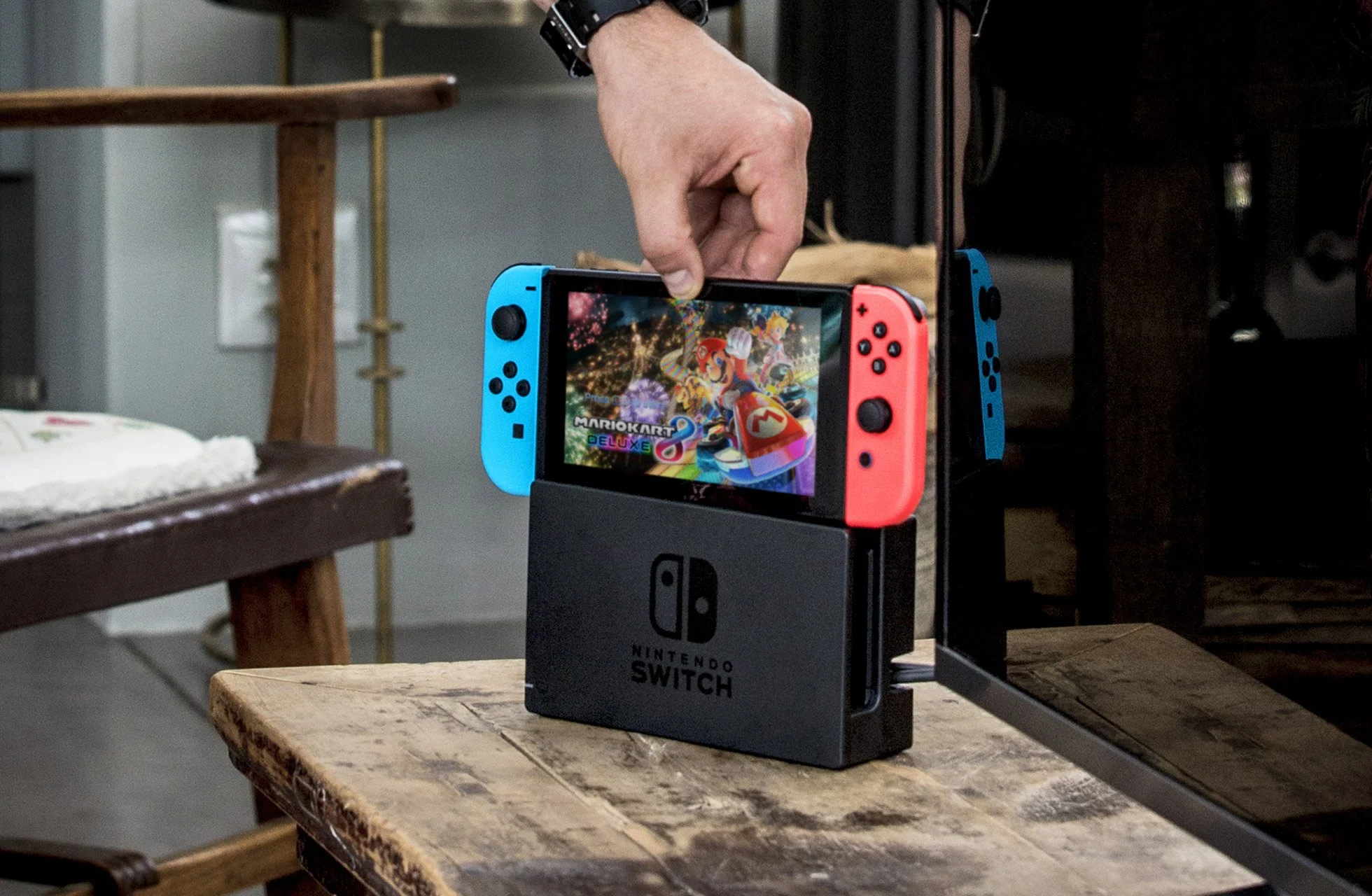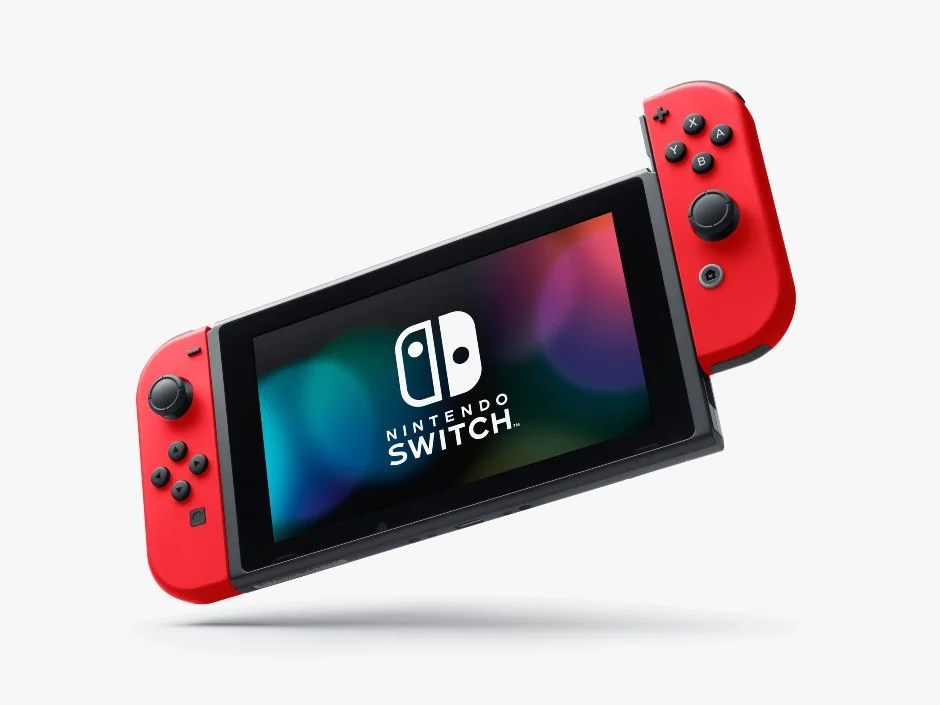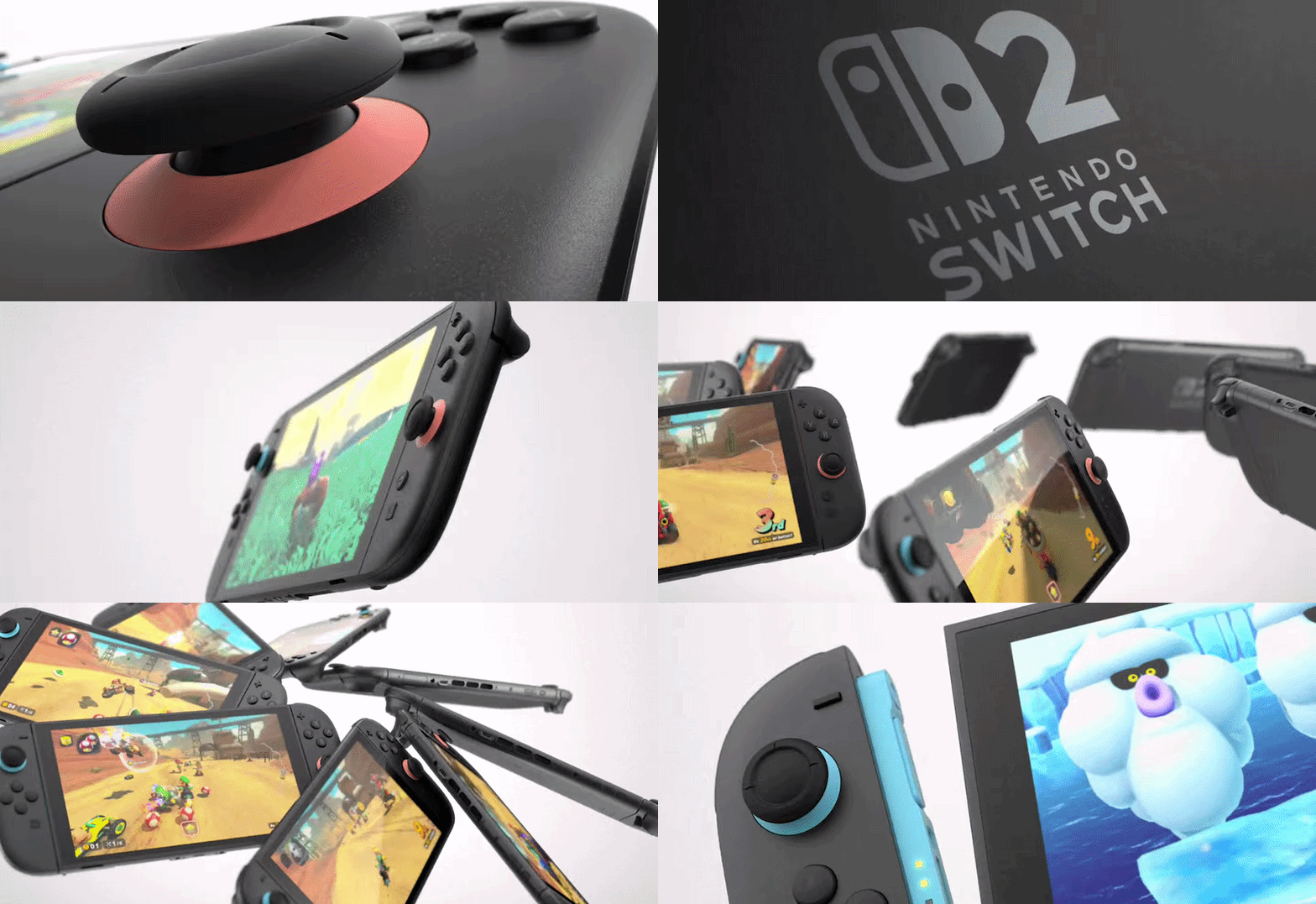
When the Nintendo Switch 2 first released, I was completely against upgrading.
I convinced myself that there simply were not enough games to justify buying another console. I also doubted that major modern games could perform particularly well on Nintendo’s new hardware. Even as more releases were announced, I remained convinced that my original Switch was good enough.
Now that I have spent time with the Nintendo Switch 2, I am ready to admit that I was wrong.
This was not a fear-of-missing-out denial or a case of getting swept up in the launch hype. I genuinely believed the Switch 2 would not offer enough of an improvement to justify its price. However, after getting the system in my hands and seeing the amount of detail Nintendo put into both the hardware and its games, my opinion has completely changed.
The Nintendo Switch 2 is worth buying now, especially for players who want Nintendo’s latest exclusives, stronger third-party support, and a much better way to experience some of the original Switch’s biggest games.
Are There Enough First-Party Switch 2 Games?
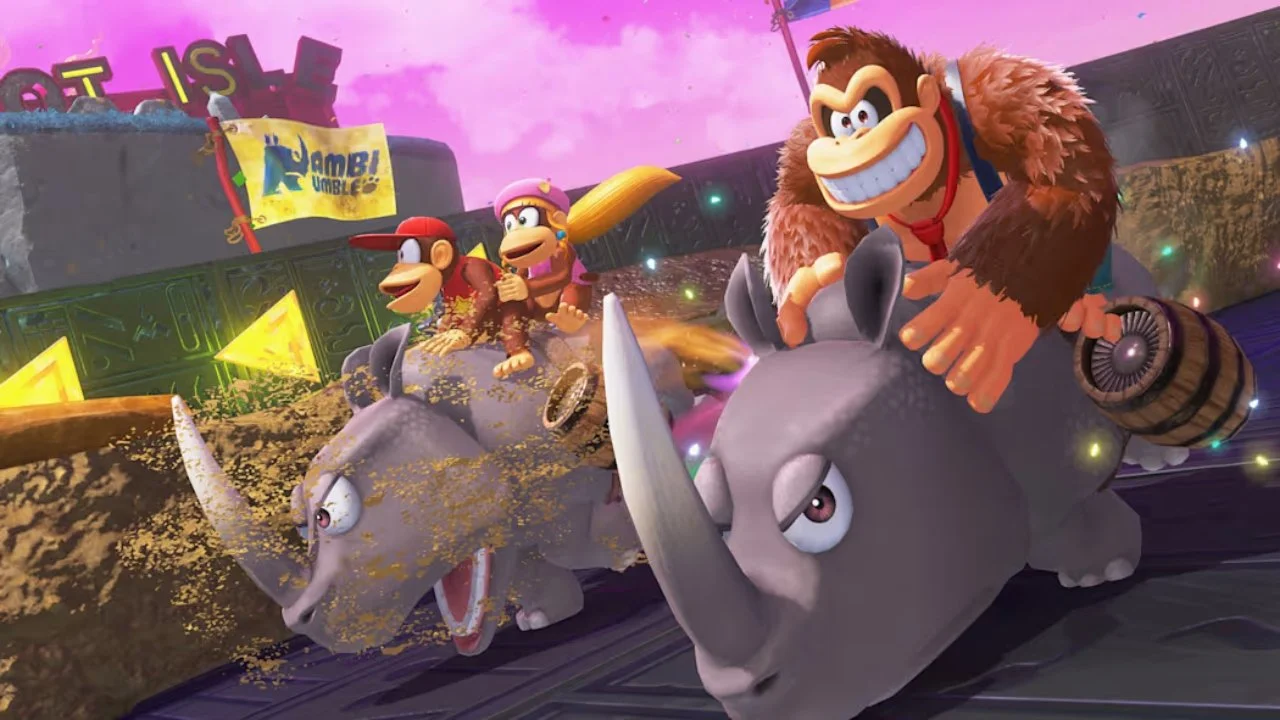
The biggest concern surrounding any new Nintendo console is always its first-party lineup. Nintendo systems live and die by games such as Mario, Zelda, Pokémon, Donkey Kong, and Splatoon, so the Switch 2 needed more than improved hardware to justify an upgrade.
Thankfully, its exclusive library has developed into something genuinely impressive.
Donkey Kong Bananza, Mario Kart World, Mario Tennis Fever, Pokémon Pokopia, Splatoon Raiders, and Yoshi and the Mysterious Book are all incredibly well-made games. The Legend of Zelda: Ocarina of Time is also returning as a Switch 2 exclusive, giving the system another major release to look forward to. Nintendo officially announced the new version of Ocarina of Time during its June 2026 Nintendo Direct.
Personally, I would rate every one of those first-party releases at least a 9 out of 10, with several potentially reaching a perfect score. They may not all appeal to the same audience, but each one demonstrates the level of polish, personality, and creativity that Nintendo continues to bring to its major franchises.
If there is one thing Nintendo consistently does well, it is make games.
The first-party library may still look smaller than the original Switch’s massive catalog, but that is an unfair comparison. The original Switch had years to build its library. The Switch 2 already has several excellent exclusives, with more games continuing to arrive.
Nintendo has also started expanding beyond the expected launch franchises. Splatoon Raiders offers a single-player-focused treasure-hunting adventure, while Pokémon Pokopia takes the series in a more relaxed town-building direction. That variety makes the lineup feel more substantial than a collection built entirely around sequels and familiar multiplayer games.
There might not be dozens of essential Switch 2 exclusives yet, but the games that are available are consistently fantastic. For players who already want several of these titles, the first-party lineup is strong enough to justify buying the console.
How Do Third-Party Ports Perform on Switch 2?
Third-party support was one of the original Switch’s biggest weaknesses.
Developers managed to bring some shockingly ambitious games to the system, but those releases often required major visual sacrifices. Games such as The Witcher 3 and Doom running on the original Switch felt miraculous, but they rarely looked or performed as well as they did elsewhere.
The Switch 2 feels completely different.
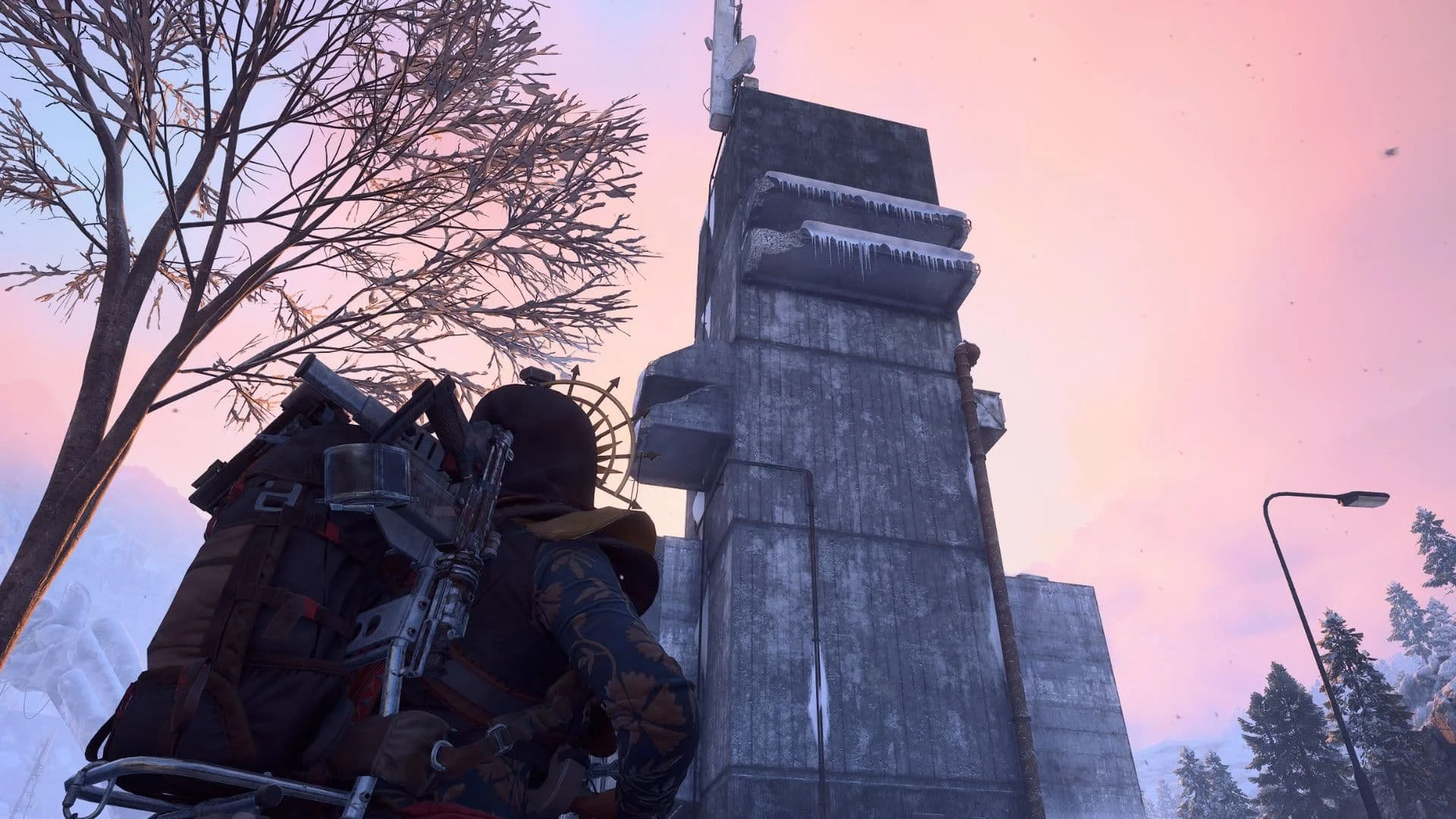
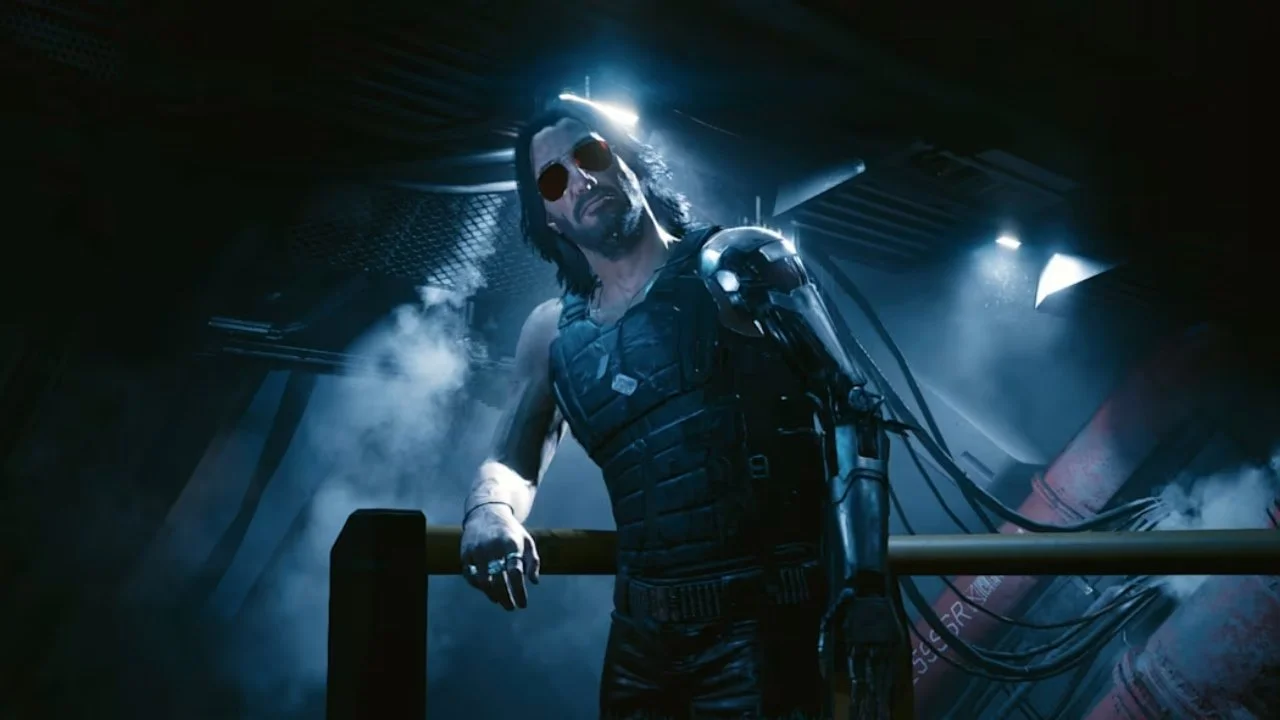
The system has recently received ports from franchises such as Fallout, while demanding games like Cyberpunk 2077 have demonstrated just how significant the hardware upgrade really is. These are no longer merely impressive games “for a Nintendo handheld.” Many of them are legitimately strong versions that I would be comfortable recommending.
Cyberpunk 2077 is an especially important example. CD Projekt Red did not simply force the game onto weaker hardware and call it finished. The Switch 2 version includes features such as cross-progression, gyro aiming, and mouse-style controls while delivering a portable version that would have been nearly unimaginable on the original Switch.
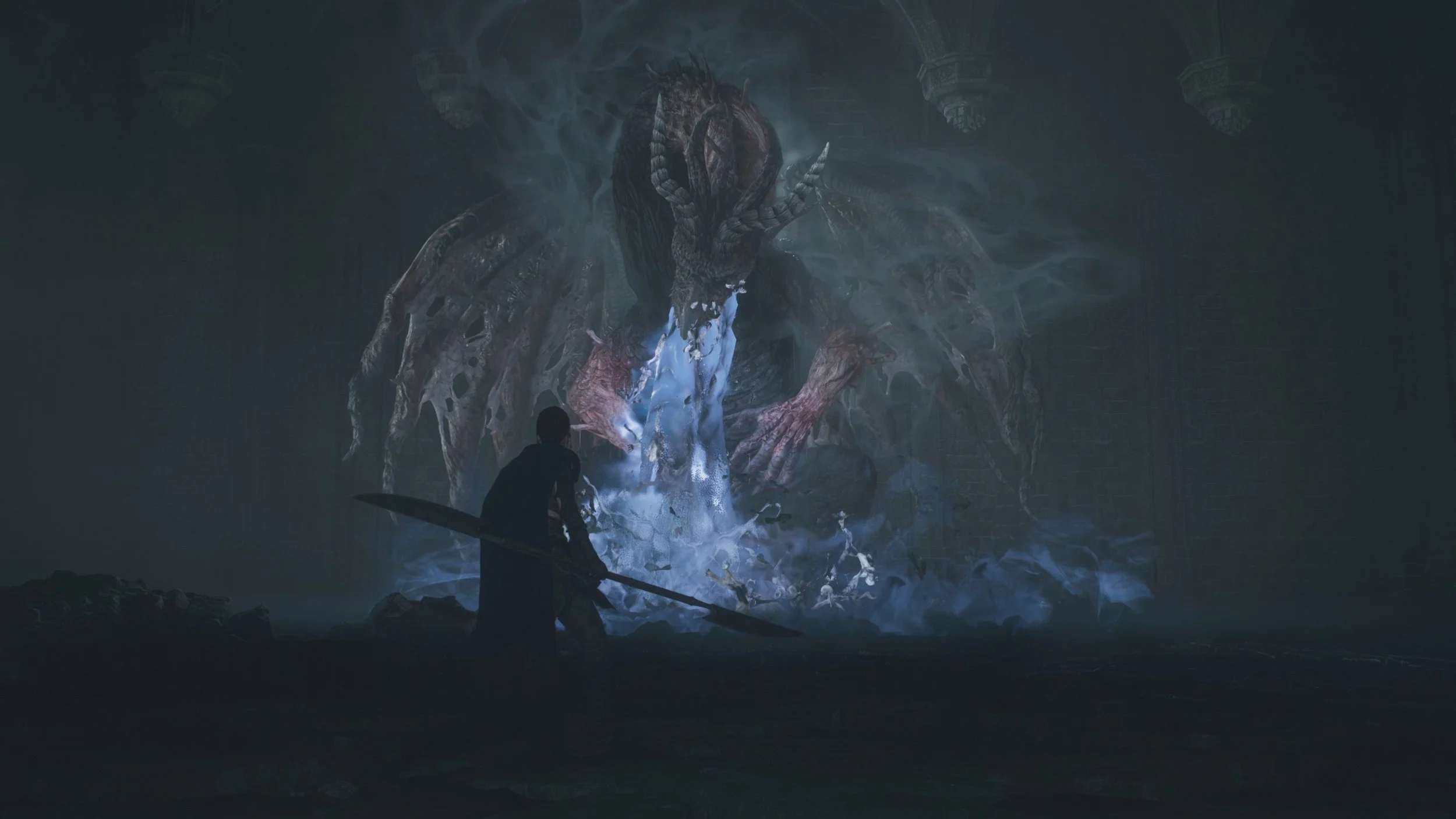
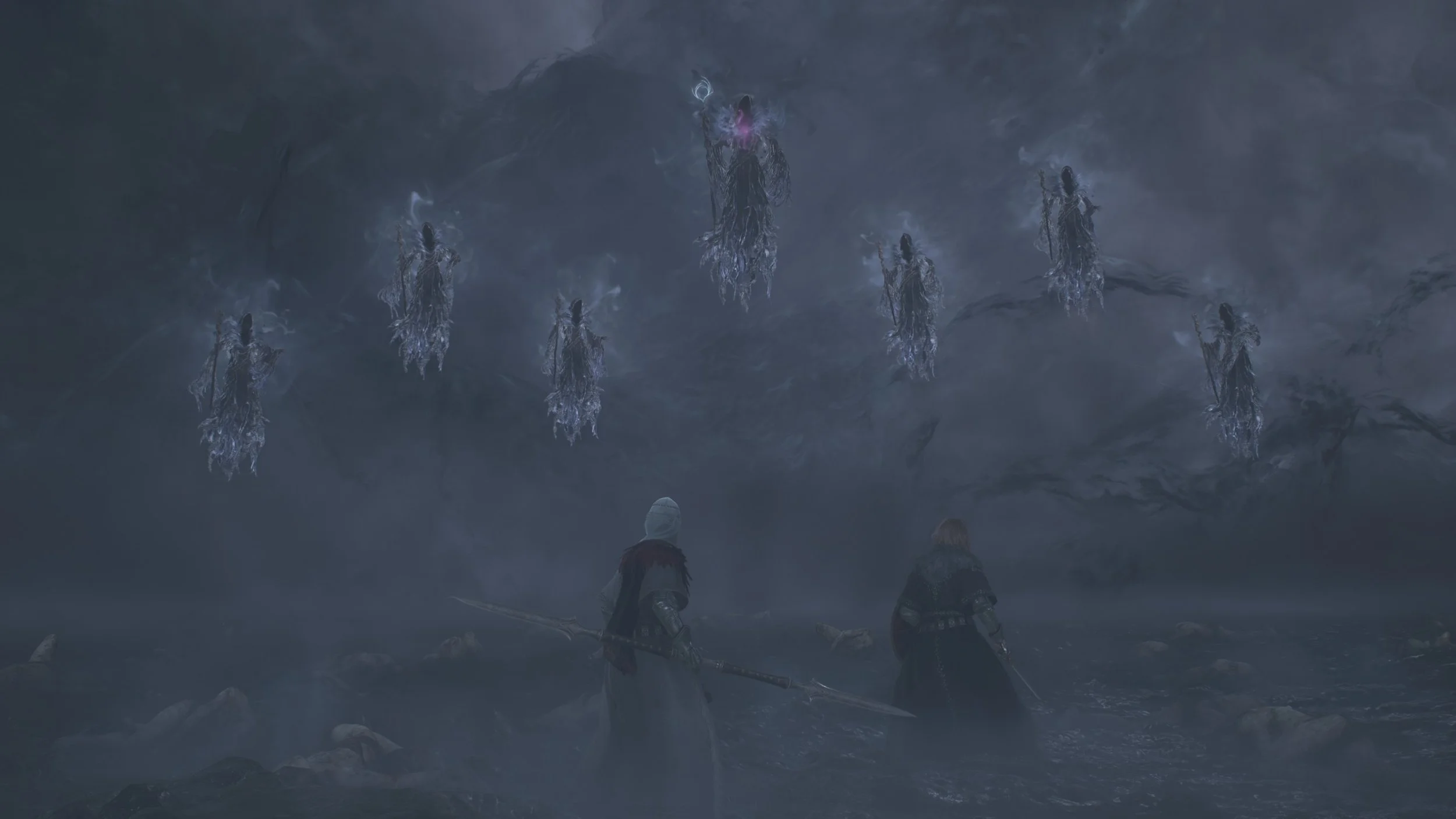
Other major ports have followed the same pattern. Star Wars Outlaws and Final Fantasy VII Remake were received as promising examples of what developers can accomplish on the system, while games such as Lies of P offer multiple visual modes and can target 60 frames per second while docked.
There will always be compromises when comparing a handheld console to a powerful gaming PC, PlayStation, or Xbox. Resolutions may be lower, graphical settings may be reduced, and certain games may target 30 frames per second.
However, the difference is that the compromises no longer define the entire experience.
The Switch 2 makes these games feel portable without making them feel barely functional. It is clear as day how much more powerful this system is than the original Switch.
For players who primarily use another console, these ports might not be enough reason to repurchase games they already own. For anyone who values portability, though, being able to play large modern releases comfortably on a handheld is one of the Switch 2’s strongest selling points.
Do Switch 2 Upgrades Make Up for the Lack of New Games?
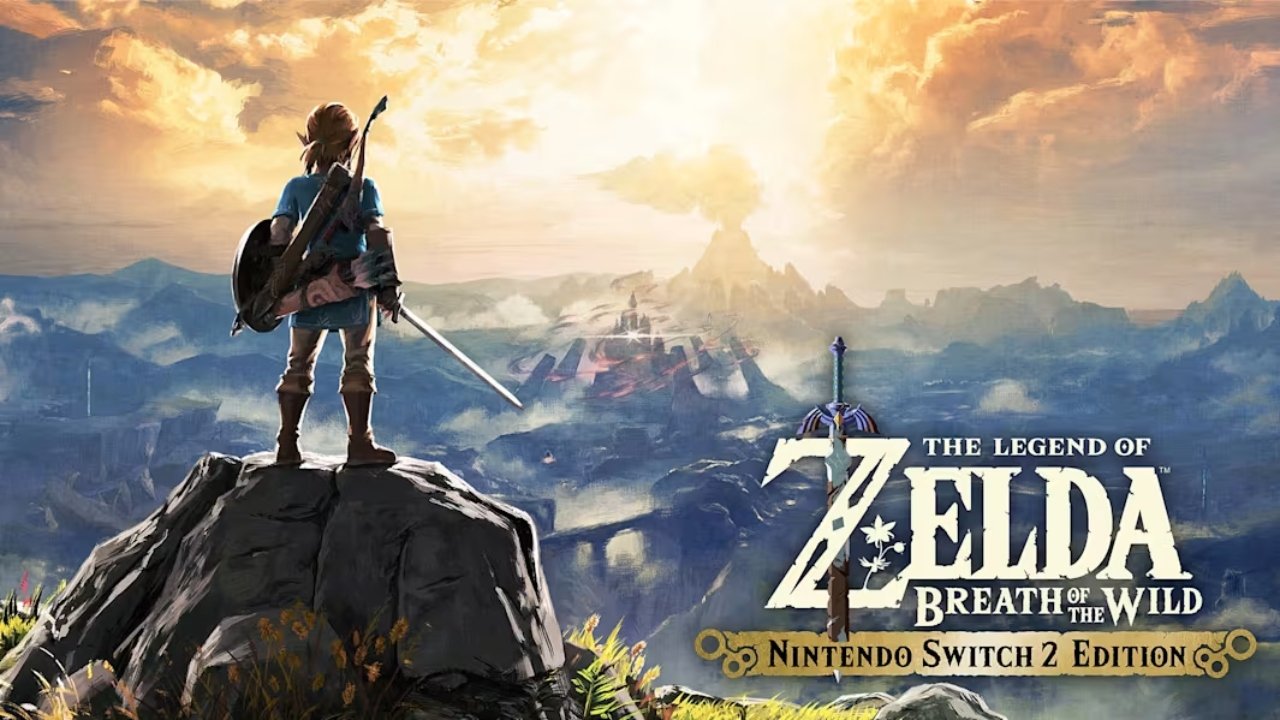
Nintendo has also released Switch 2 upgrades for several original Switch games. These updates generally improve elements such as resolution, frame rate, loading speeds, and overall image quality, with some packages also adding new content.
My feelings about these upgrades are more mixed.
The Legend of Zelda: Breath of the Wild and Tears of the Kingdom are the only upgrades that have truly felt essential to me. Both games benefit significantly from the Switch 2 hardware, and their improved performance makes returning to Hyrule feel noticeably better.
Those upgrades are also relatively inexpensive compared to purchasing an entirely new game. The Zelda upgrade packs launched at $9.99, while more substantial upgrades containing additional content, such as Kirby and the Forgotten Land and Super Mario Party Jamboree, have been priced at $19.99.
Outside of Zelda, many of the upgrades feel more like pleasant bonuses than reasons to purchase the console. Sharper visuals and smoother frame rates are always welcome, but they do not completely transform every game.
Thankfully, most of these upgrades are cheap enough that purchasing them does not feel particularly painful, especially when you already own the original game.
The upgrade program does not completely make up for a lack of new first-party releases. Players buying a Switch 2 should not do so solely to replay their existing library with slightly better graphics. However, backward compatibility and affordable upgrades make the transition much easier.
Instead of leaving an entire generation of games behind, you can carry your original Switch collection forward and gradually improve some of your favorites. That makes the Switch 2 feel less like starting over and more like moving your existing Nintendo library onto better hardware.
Is the Nintendo Switch 2 Worth the Upgrade?
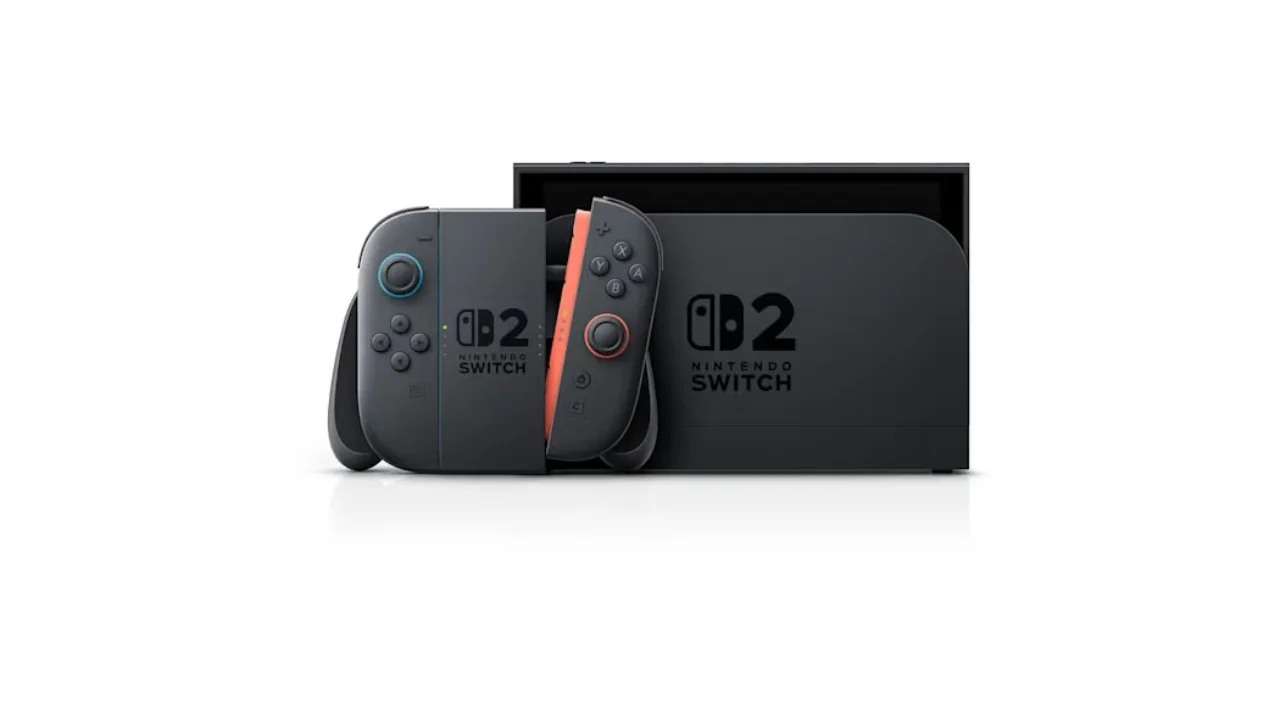
After being so strongly against upgrading, I did not expect my opinion to change this dramatically.
I thought there were not enough games. I thought the hardware improvements would be minor. I thought third-party games would struggle to run well enough for me to take the system seriously.
I was wrong on all three counts.
The first-party library may not be enormous yet, but the games Nintendo has released are consistently excellent. The system’s improved hardware has allowed developers to bring over major third-party games without the extreme compromises associated with the original Switch. Its upgrade packs are not all essential, but they provide an affordable way to improve some of the best games from the previous generation.
The Switch 2 is not a necessary purchase for everyone. Players who are satisfied with the original Switch and only use it occasionally can comfortably wait for more exclusives. Similarly, anyone who primarily plays third-party games on a powerful PC or console may not need portable versions of games they already own.
For regular Nintendo players, however, the Switch 2 has reached the point where it feels like a worthwhile upgrade.
Having the console in my hands allowed me to appreciate the details that were difficult to understand by looking at trailers and specification sheets. The games are smoother, the visuals are cleaner, ambitious ports are finally practical, and the new exclusives already provide several fantastic experiences.
I went into the Switch 2 generation fully prepared to skip the console.
Now, I can confidently say that the Nintendo Switch 2 is worth buying.
For more guides, reviews, lists, tech, and all kinds of other articles check out our 2026 Video Game and Tech release calendar.