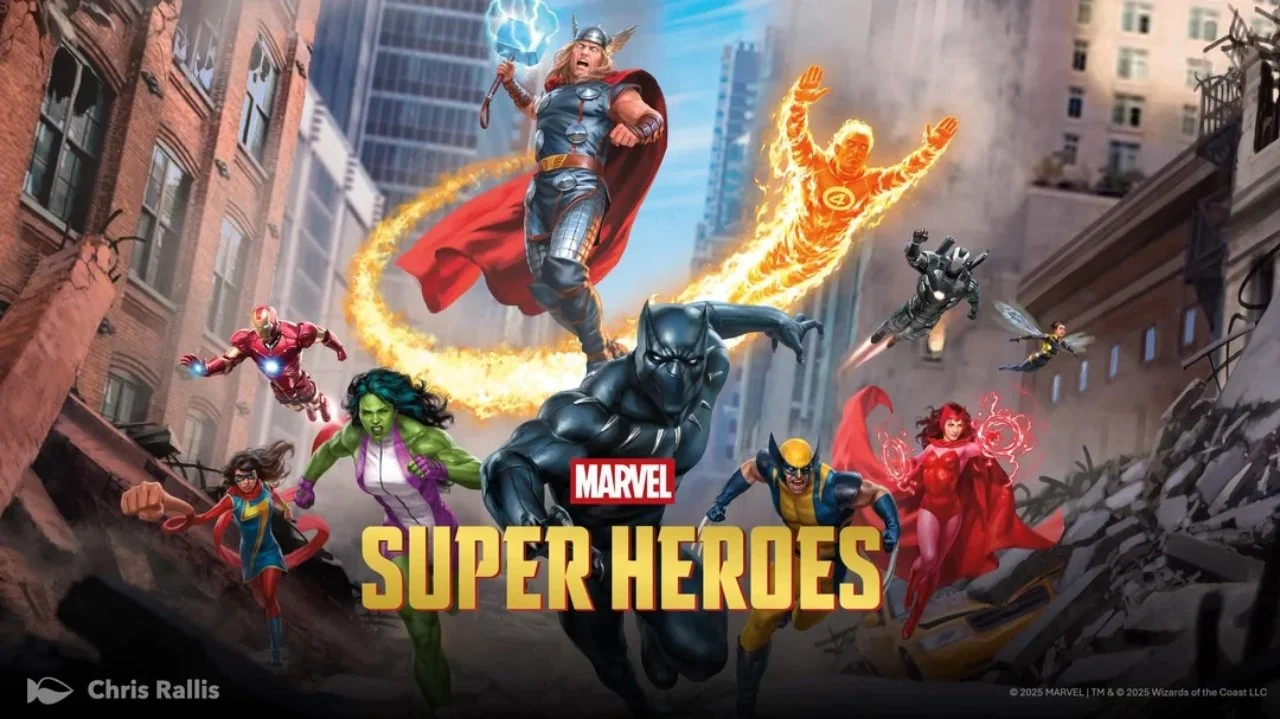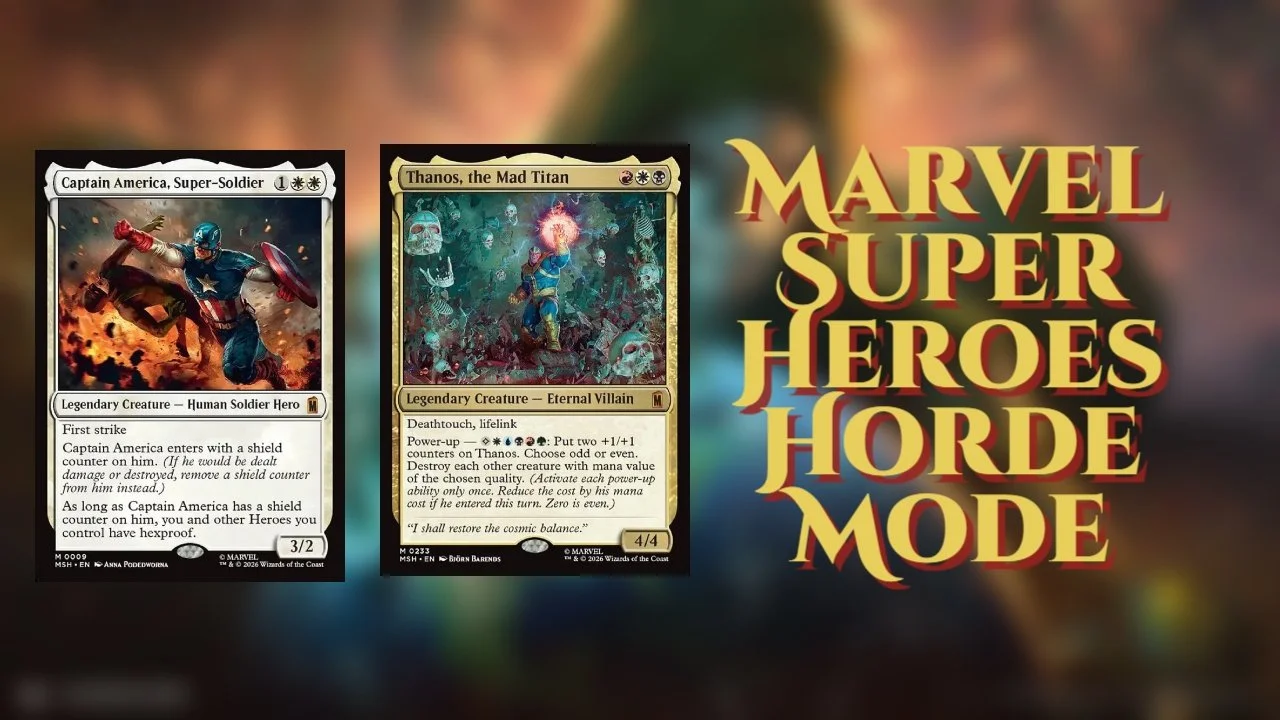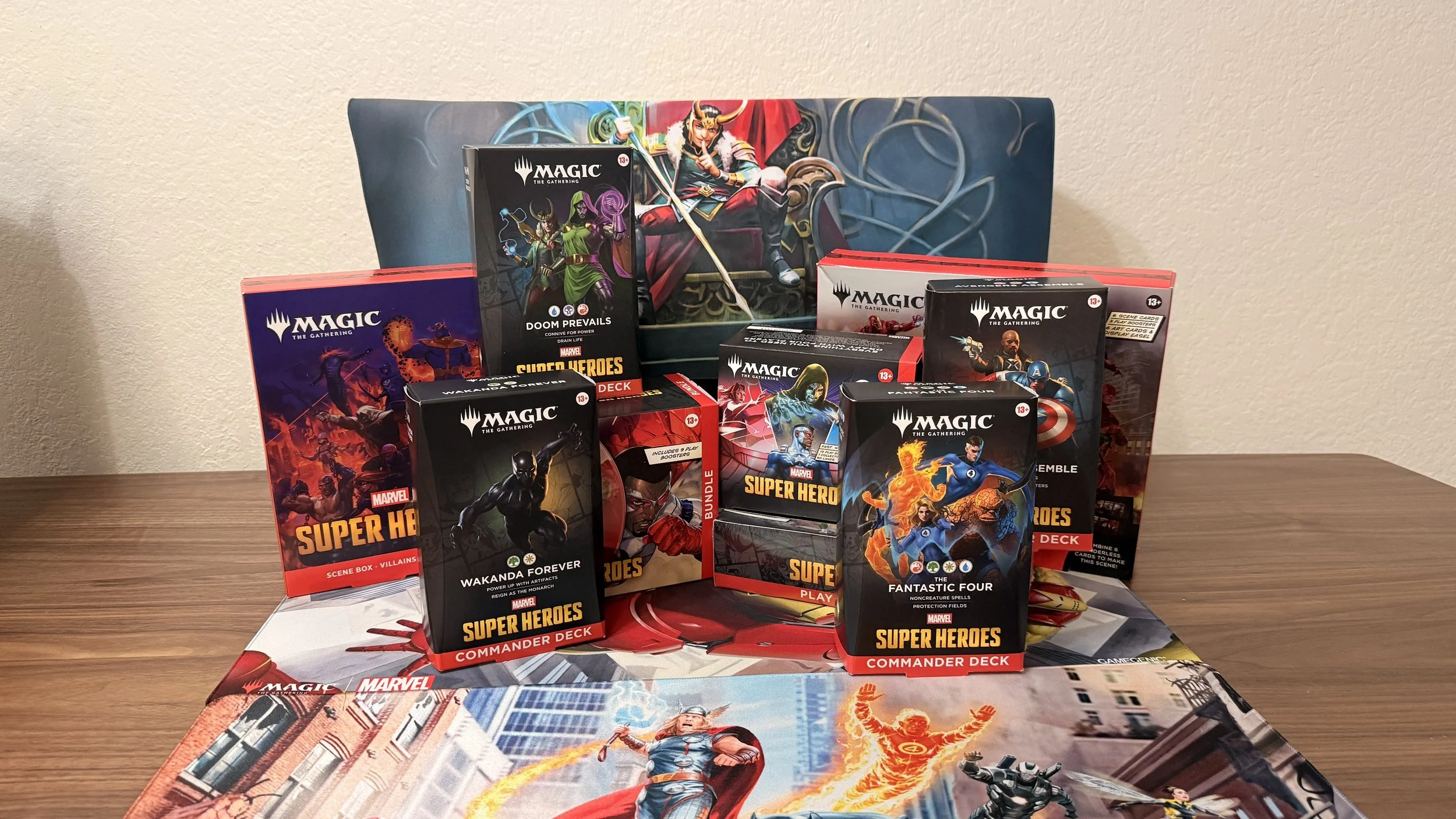
Here we are: four Magic: The Gathering sets into the year, and we’ve reached our second Universes Beyond release with Marvel Super Heroes.
With four Universes Beyond sets coming this year compared to three in-universe releases, we’re officially more than halfway through Magic’s 2026 lineup and exactly halfway through its Universes Beyond offerings. So, the big question is: how does Marvel Super Heroes stack up against everything else we’ve gotten this year? More importantly, how does it compare to previous Universes Beyond releases and Marvel’s first Magic set?
Thankfully, Marvel Super Heroes is a pretty big improvement.
What is Magic: The Gathering Marvel Super Heroes?
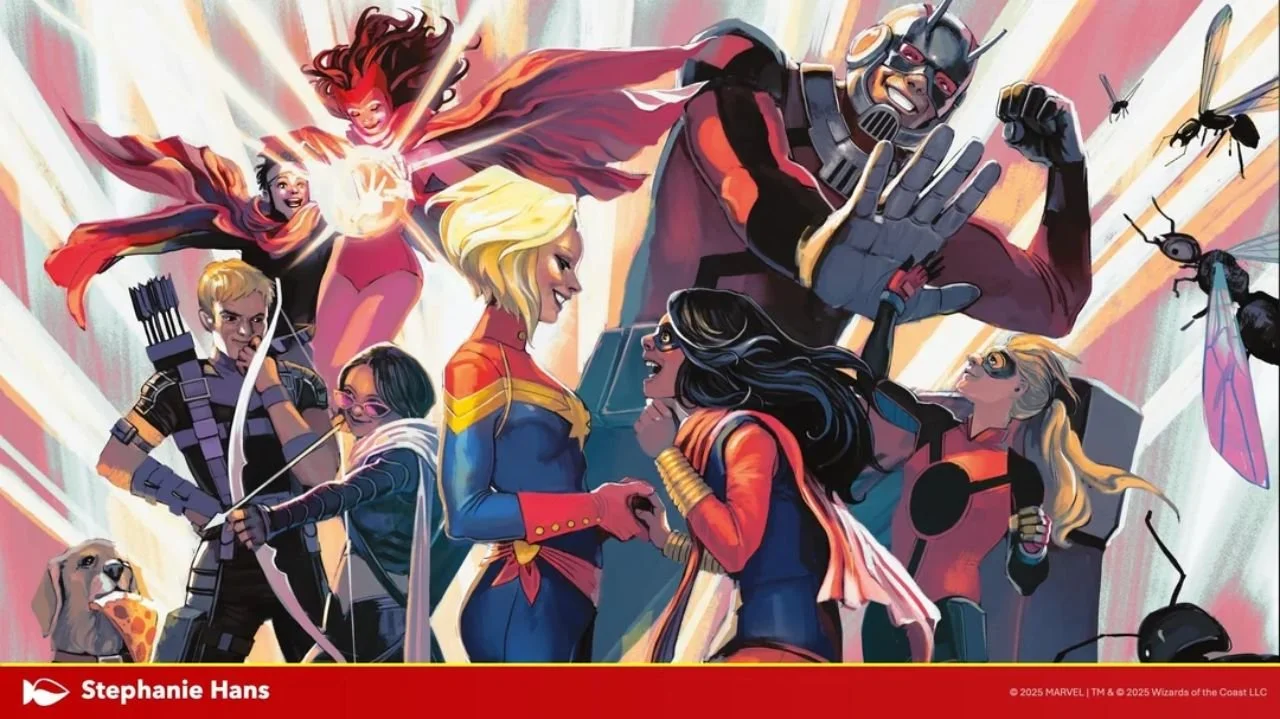
Marvel Super Heroes is the second full Marvel set released for Magic: The Gathering following Marvel’s Spider-Man. Assuming Wizards of the Coast plans on eventually bringing all six Infinity Stones into Magic, we could still have several Marvel releases ahead of us.
If Spider-Man was the introduction, Marvel Super Heroes feels like Wizards throwing open the doors.
This is essentially Avengers+. You’ve got the Avengers, Fantastic Four, X-Men characters, villains, and plenty of other familiar Marvel faces packed into one release. It’s a fantastic collection of characters, although there are definitely a LOT of them.
Key Mechanics in Marvel Super Heroes
Marvel Super Heroes introduces several mechanics that prioritize flavor while still creating some interesting gameplay opportunities. Some are much stronger additions than others, but overall this feels like a set where Wizards clearly wanted the cards to feel like superheroes.
New Mechanics
There are three new mechanics introduced in Marvel Super Heroes: Power-Up, Teamwork, and Worthy.
Power-Up
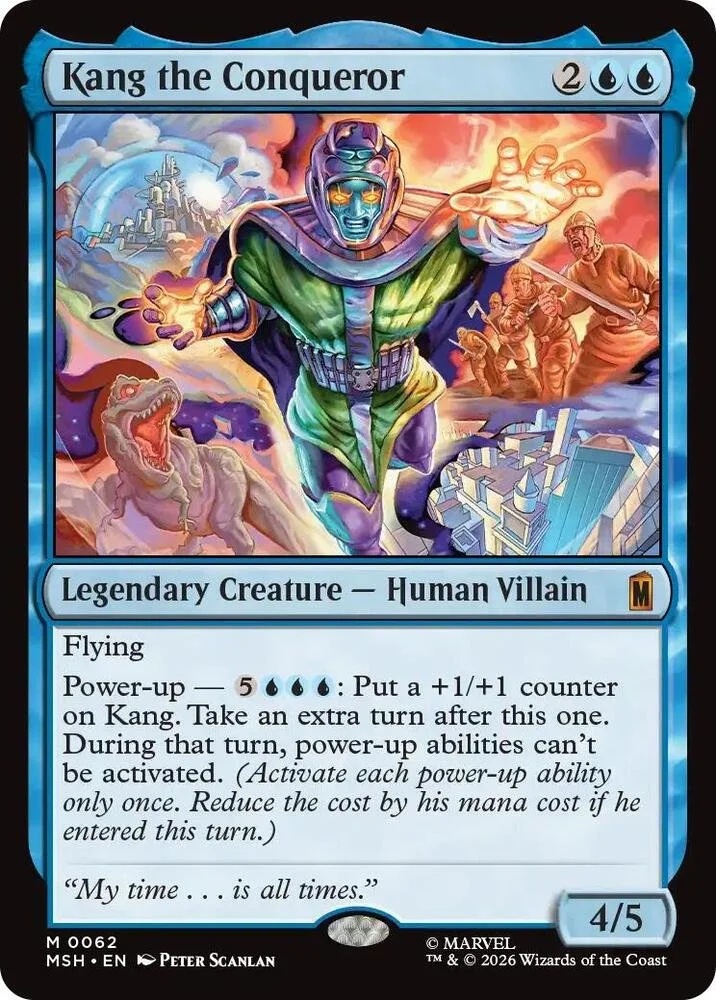
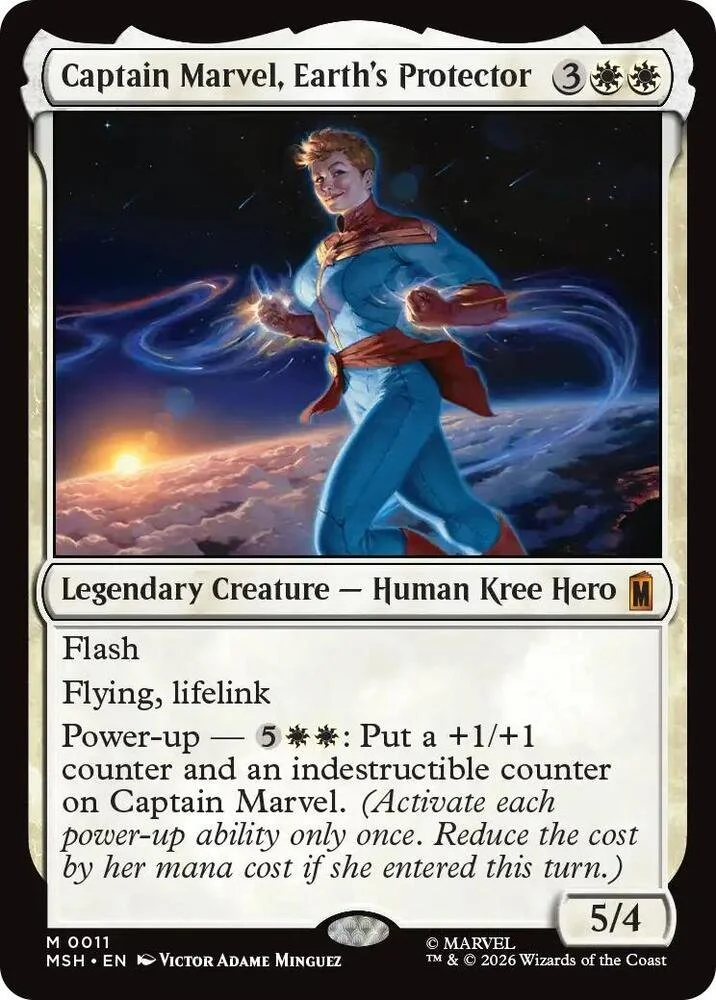
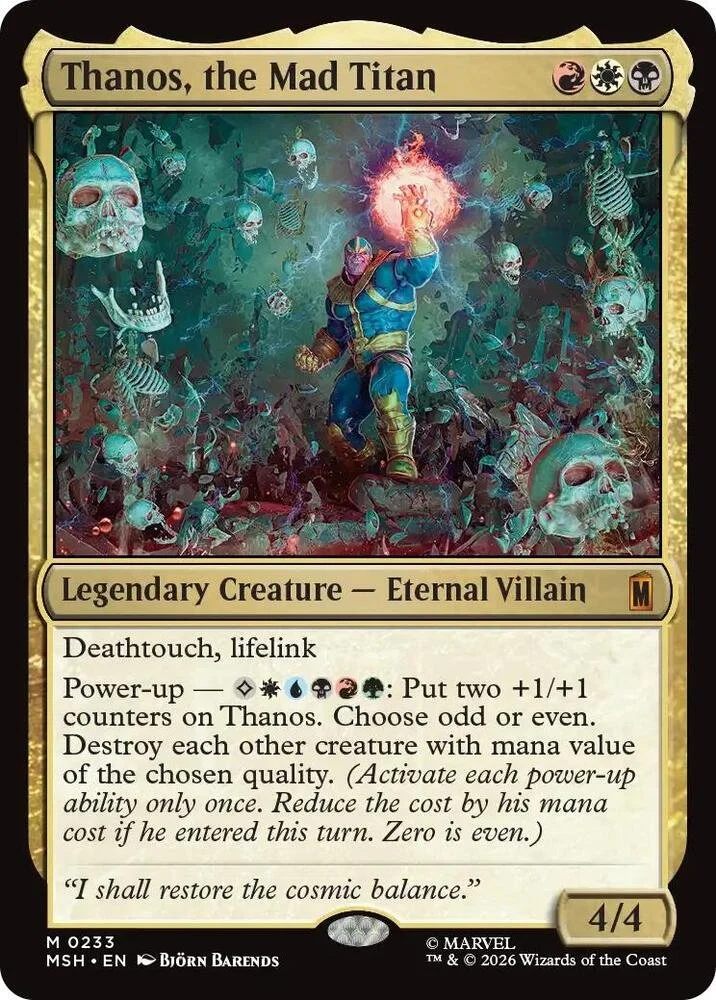
Power-Up might be the most successful new mechanic in the set.
The idea is wonderfully thematic: this is the moment when a hero or villain stops holding back and unleashes everything they have. Power-Up abilities are generally one-time effects that strengthen the creature or impact the board in some significant way.
The interesting part is how the cost works. If you activate Power-Up on the same turn you cast the creature, the activation receives a discount based on that creature's mana cost.
It almost feels like Kicker crossed with Exhaust. Kicksaust, if you will.
Mechanically, I really like Power-Up. It captures the superhero fantasy while also being extremely strong in Limited, where knowing exactly when to unleash your Power-Up can completely change a game.
Teamwork
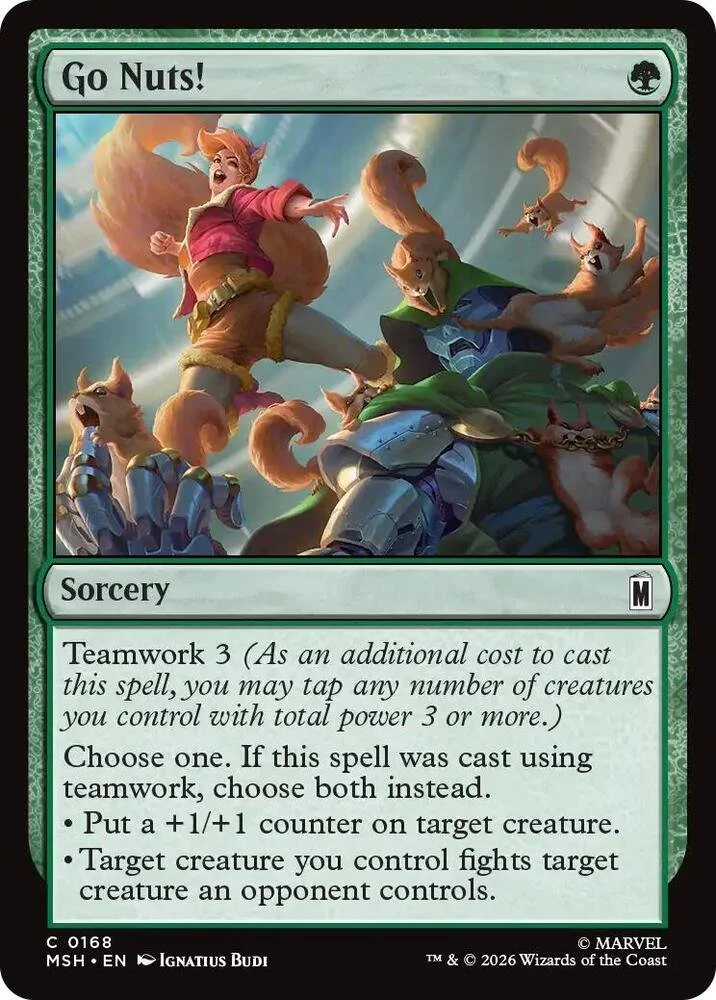
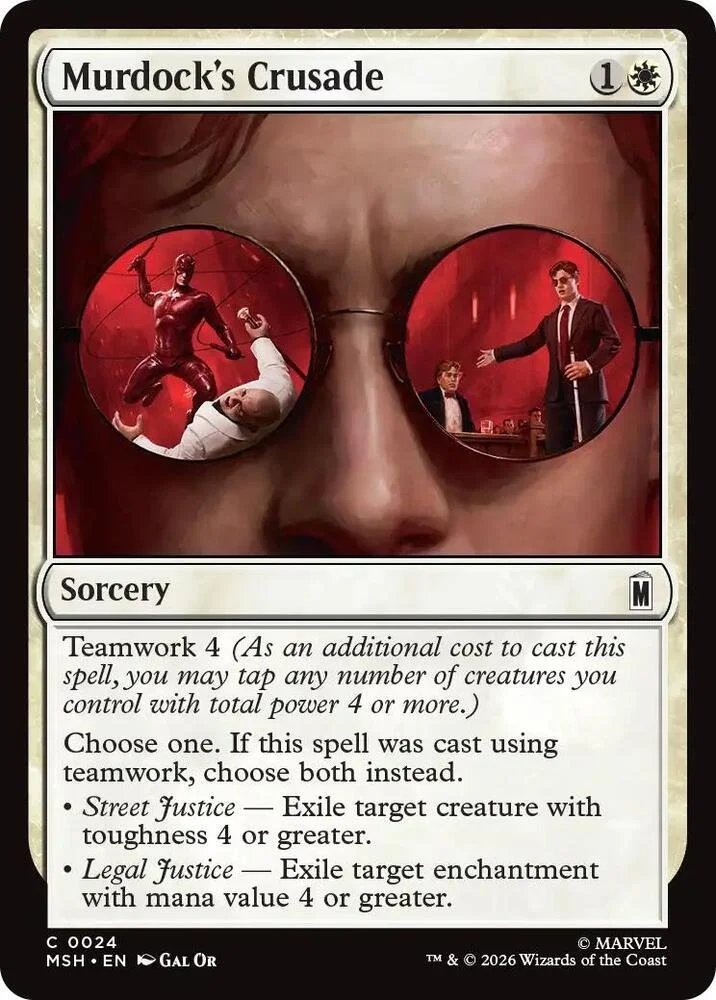
Teamwork is another mechanic that succeeds primarily because of its flavor.
Certain instants and sorceries have an optional Teamwork cost that lets you tap creatures with enough combined power to unlock an additional effect. Normally these spells make you choose between two abilities, while paying the Teamwork cost gives you both.
I really like the idea. Having your heroes literally work together to make your spells stronger feels perfect for Marvel.
My biggest issue is simply that there isn't enough of it.
I've especially enjoyed Teamwork in Commander, including a Captain America, Living Legend deck I built around it, and I wish Wizards had pushed the mechanic harder throughout the set.
Worthy
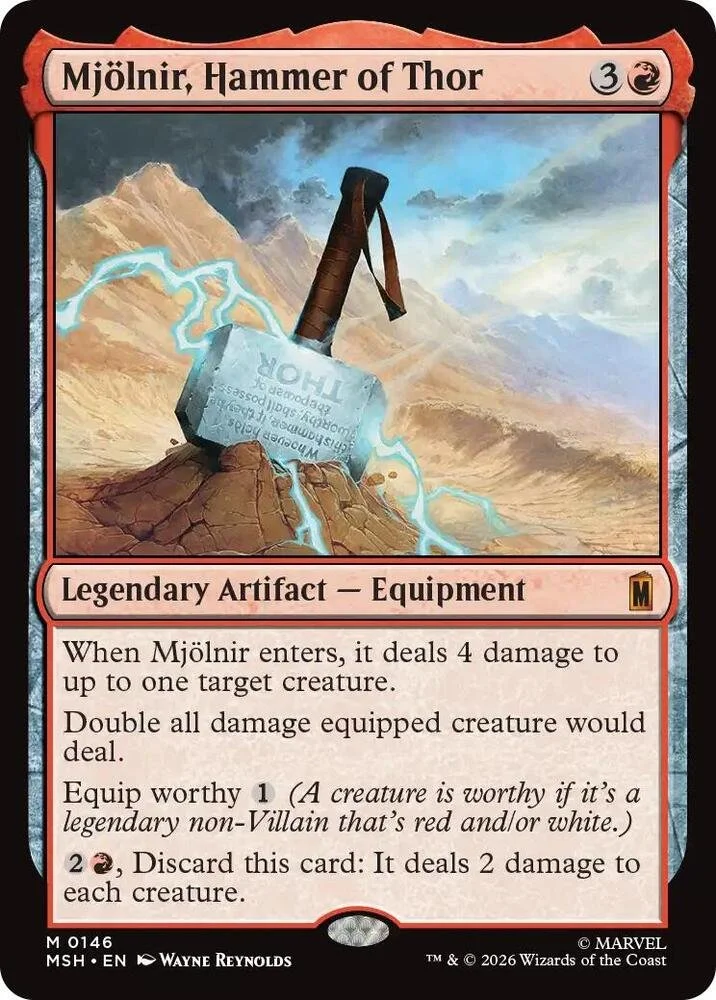
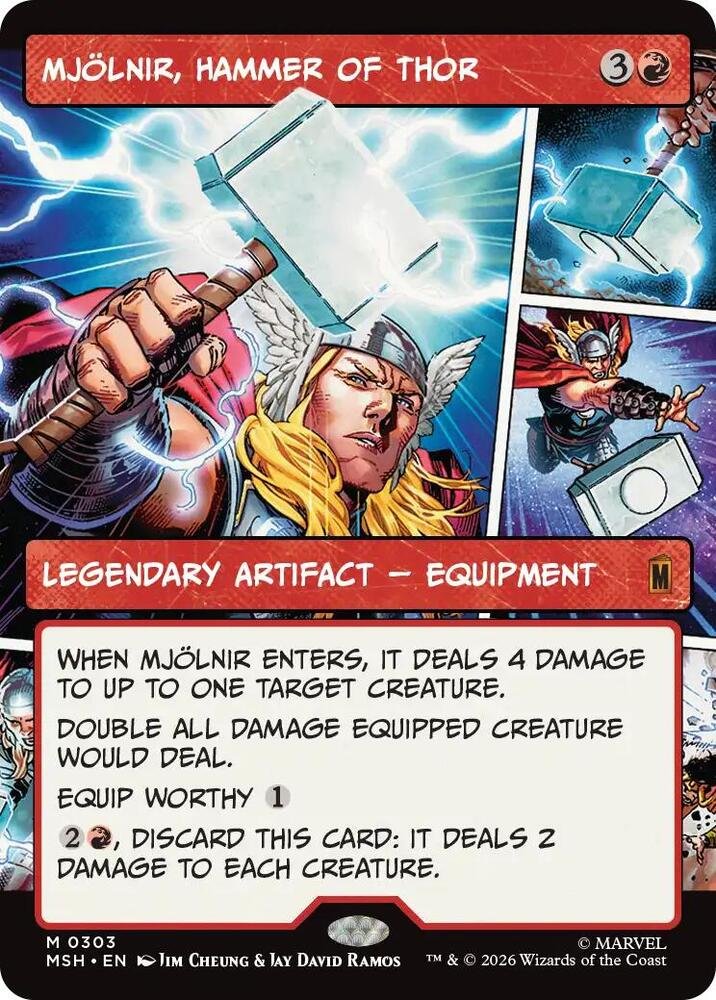
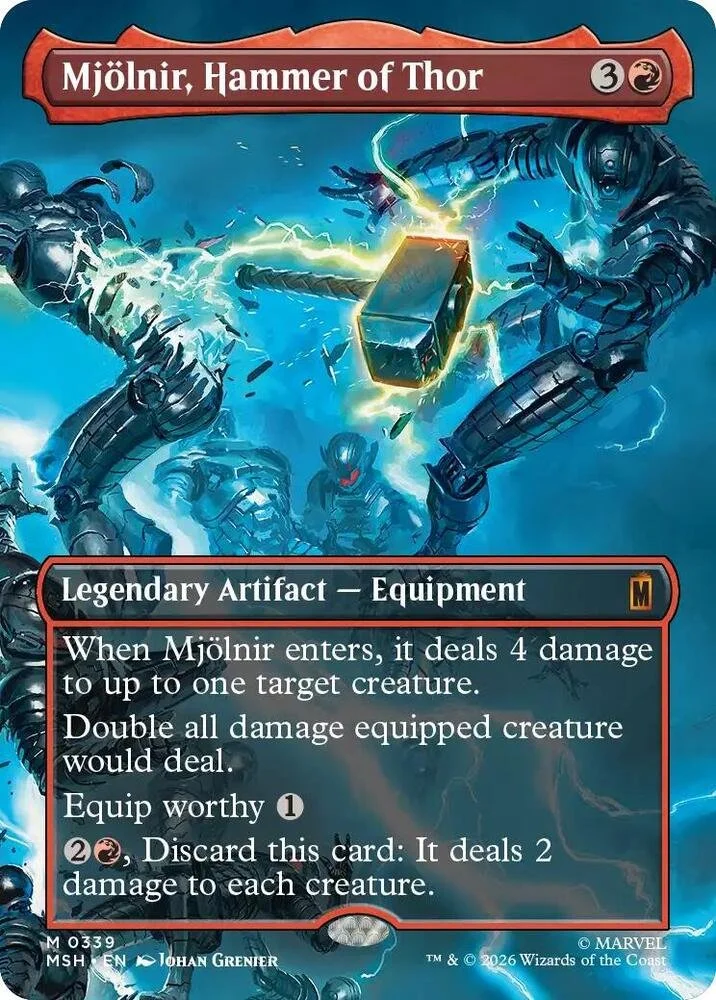
Worthy might be one of the most hilariously specific mechanics Magic has ever introduced.
It appears on exactly one card: Mjolnir.
Worthy acts as an additional requirement that determines whether a creature can wield Thor's hammer. It's an incredibly flavorful inclusion and exactly the kind of unnecessary-but-awesome mechanic I want from Universes Beyond.
It also creates some pretty funny situations when Magic's rules decide which creatures are apparently worthy of Mjolnir.
Yes, that includes Bill the Pony.
Returning Mechanics
Marvel Super Heroes also brings back several mechanics and card types, including Connive, Hero and Villain creature types, transforming double-faced cards, and Sagas.
Connive
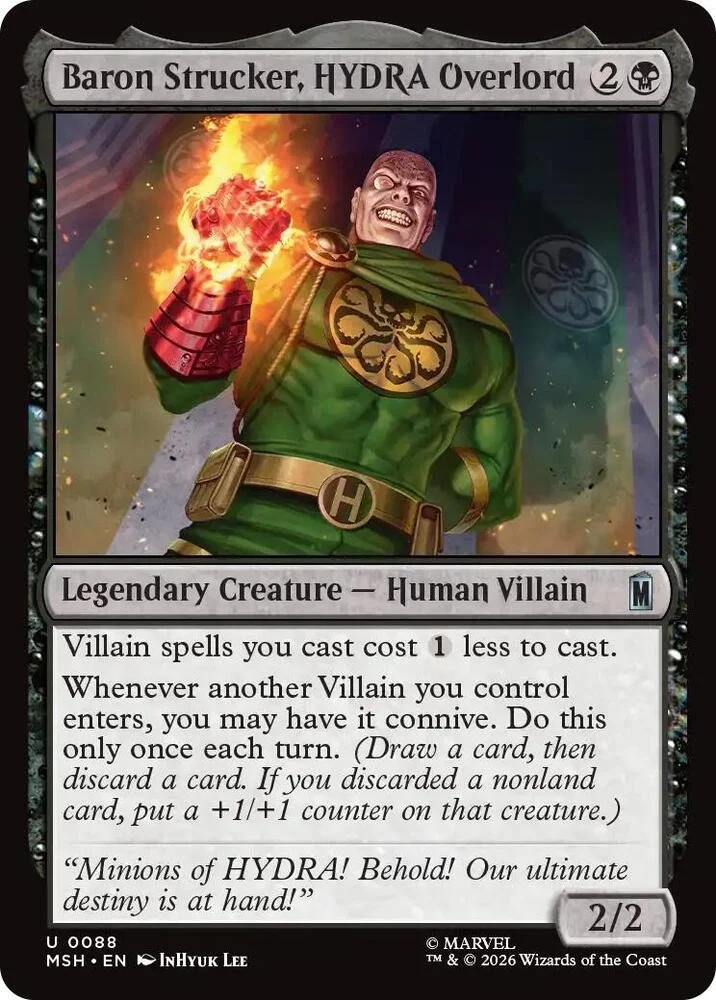
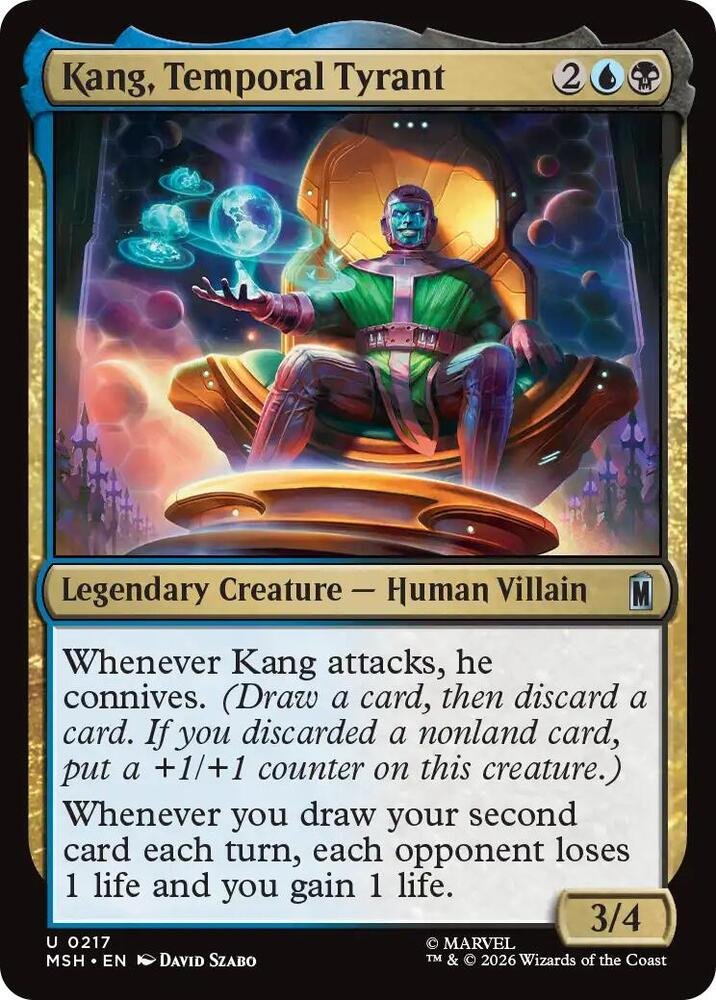
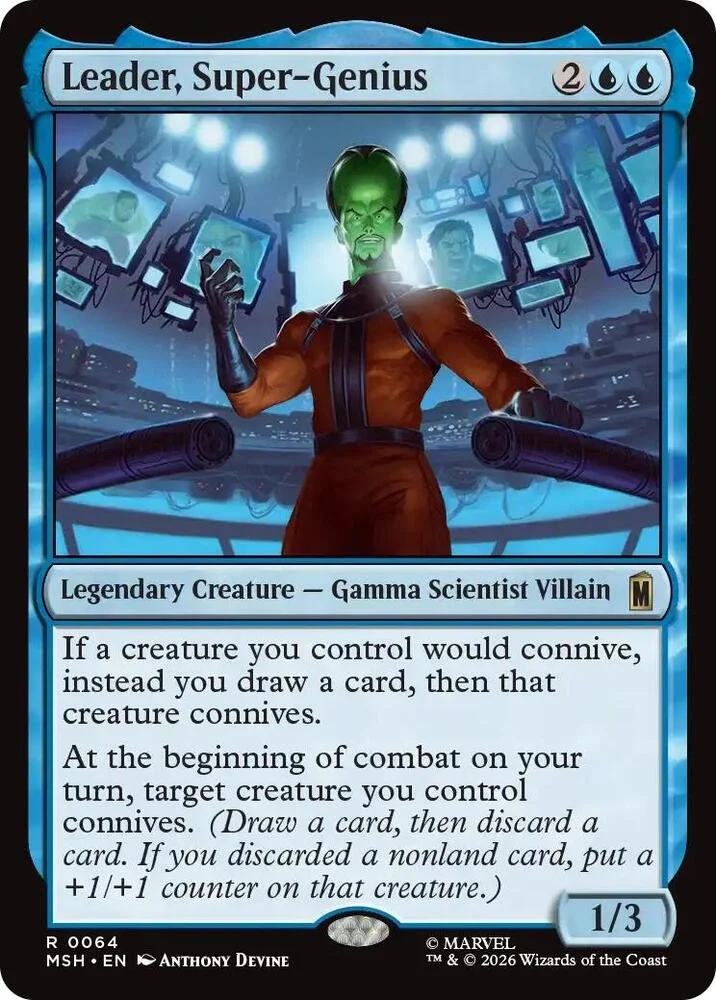
Connive returning from Marvel's Spider-Man makes perfect sense.
One of the major villain archetypes revolves around the mechanic, and from a flavor perspective, of course Marvel's villains are going to be conniving.
Connive lets you draw a card and then discard a card. If you discard a nonland card, the conniving creature receives a +1/+1 counter.
I've always liked Connive, especially because I have several decks that actively benefit from discarding cards. It's also wonderfully villainous: you're essentially throwing away disposable resources to gain an advantage.
Hero and Villain Creature Types
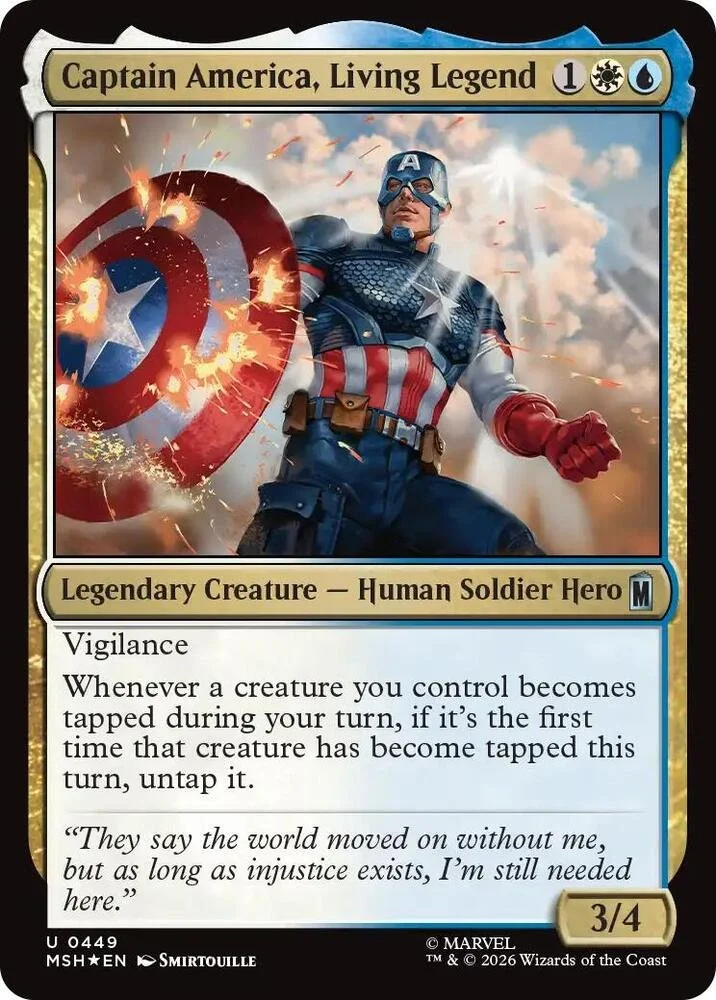
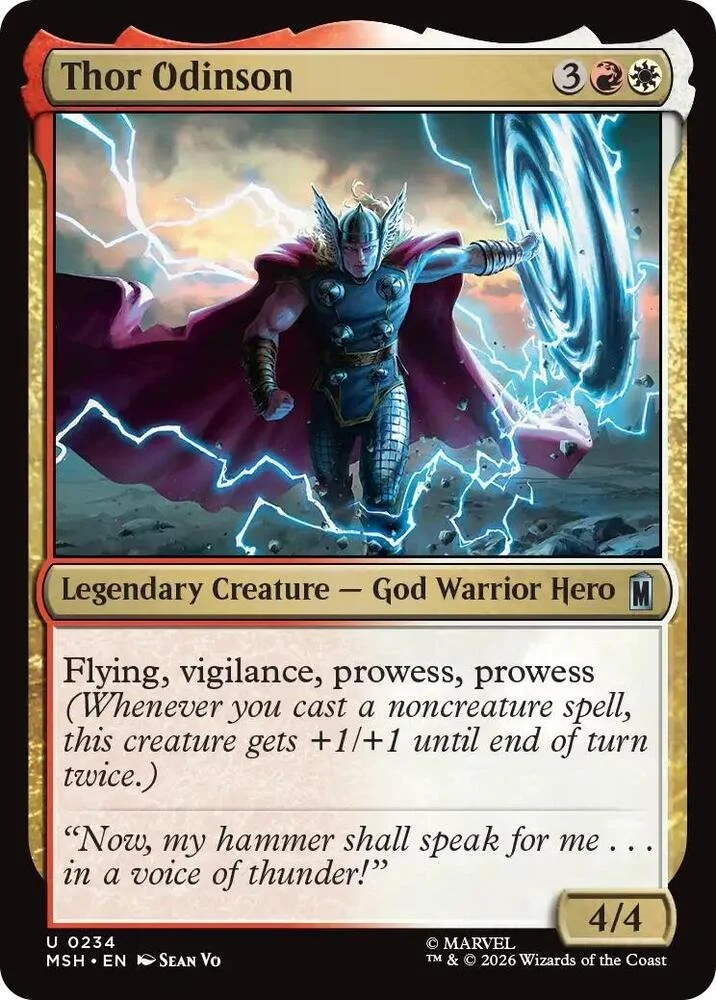
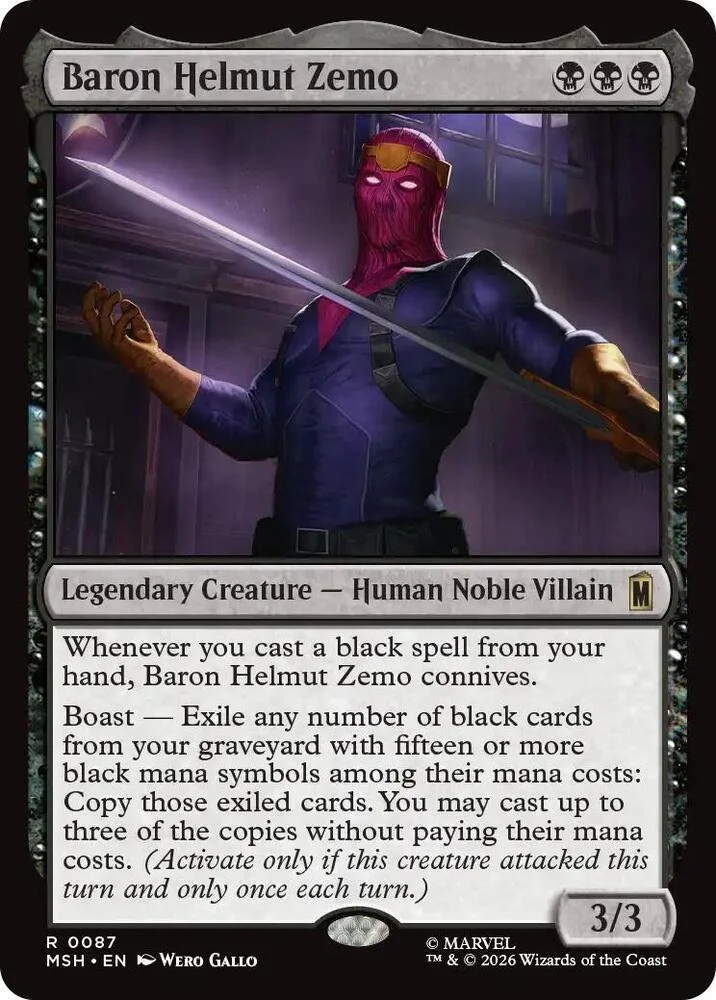
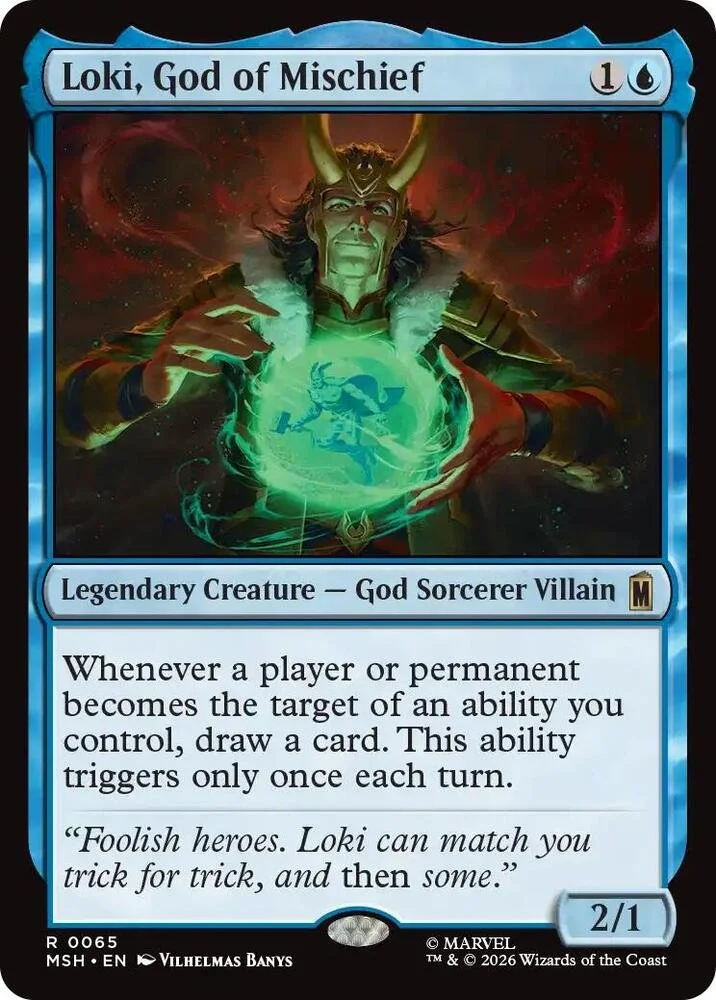
Of course Heroes and Villains are back.
Marvel is fundamentally built around its heroes and villains, so I can't imagine another Magic x Marvel release happening without these creature types playing a major role.
Transforming Double-Faced Cards
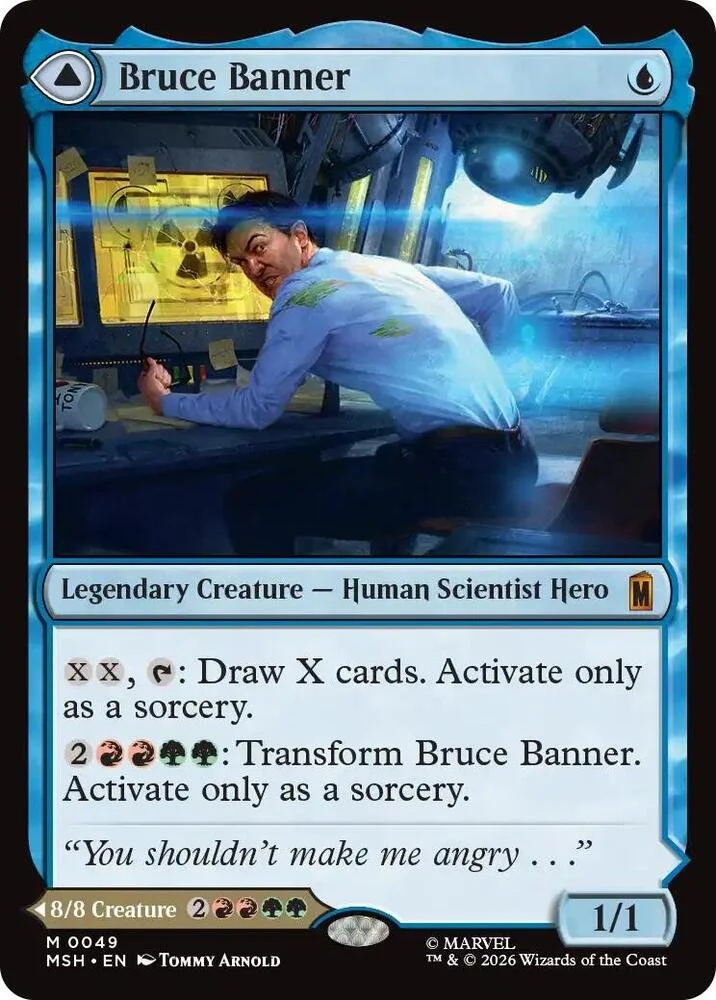
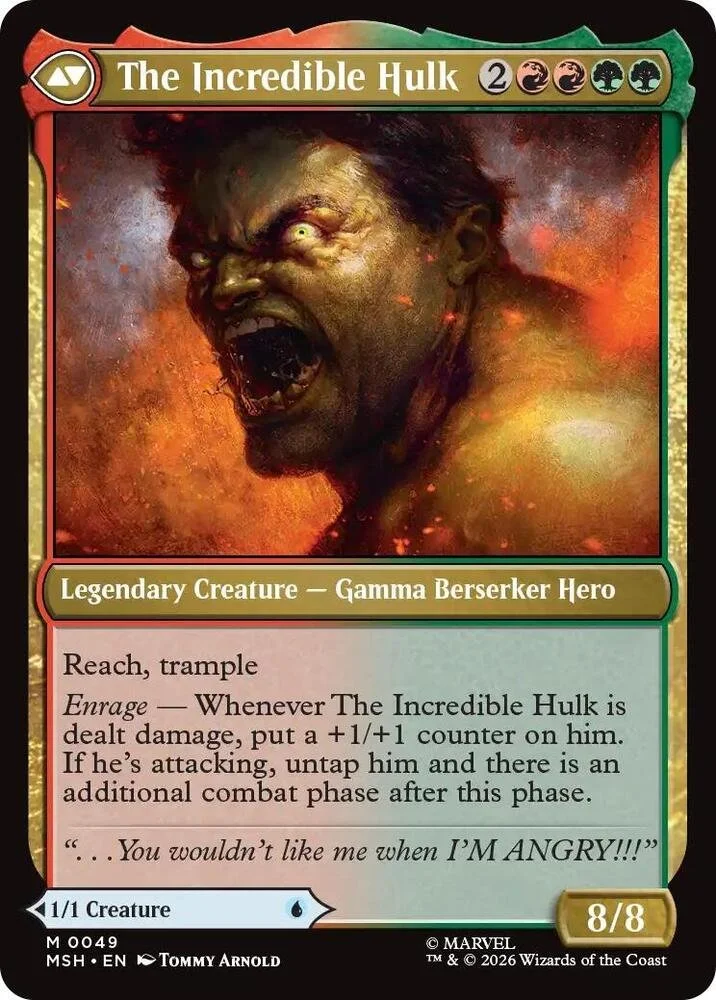
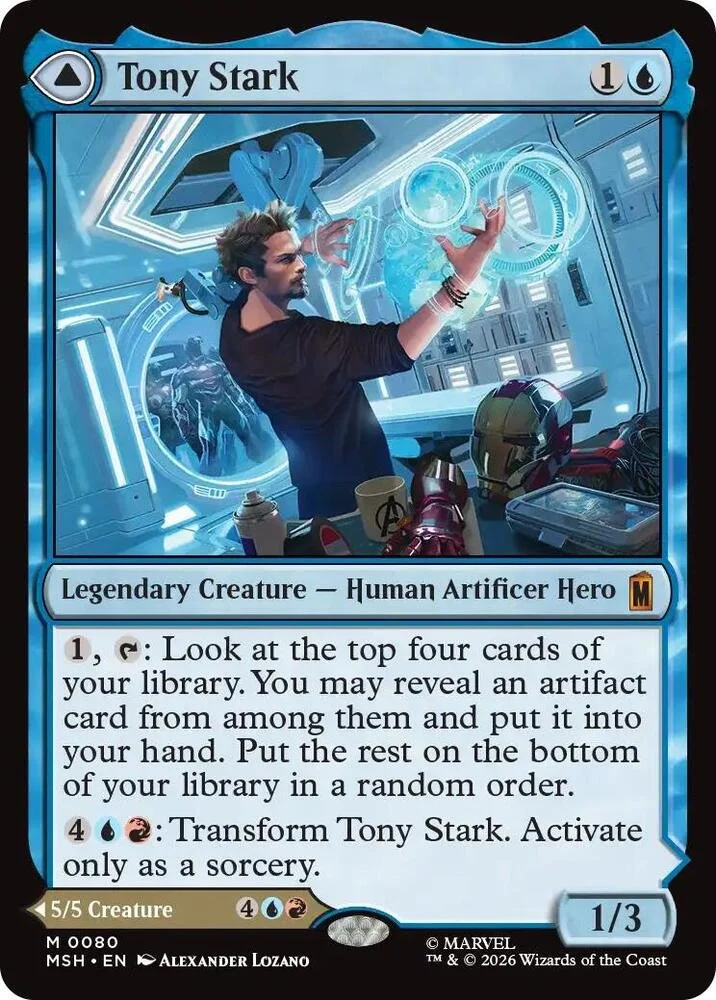
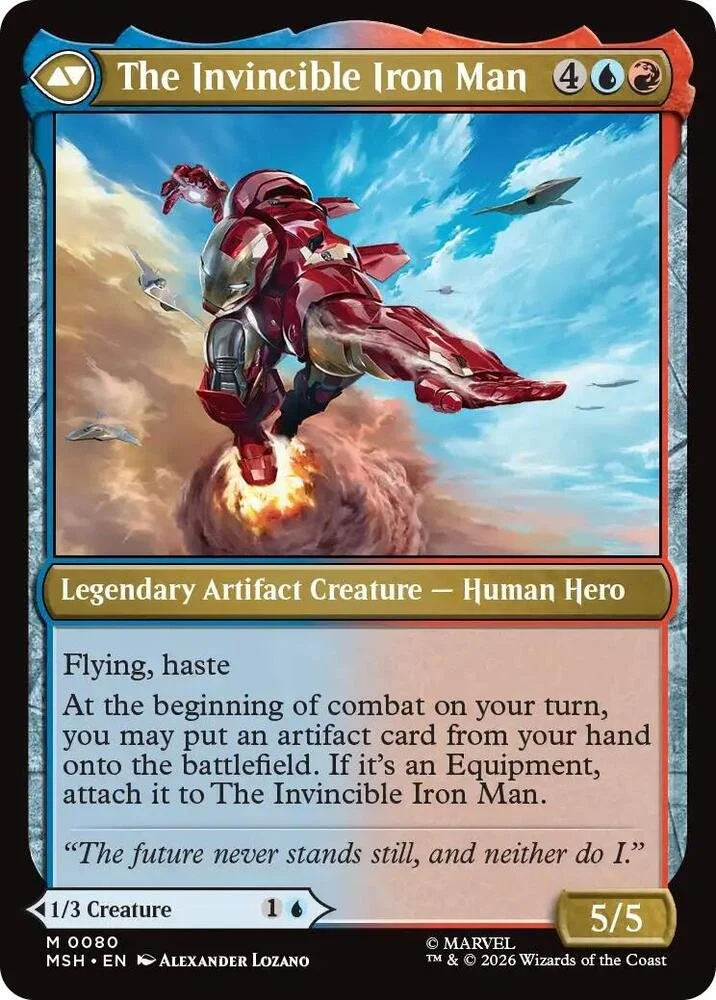
I'm a sucker for these.
I collected all of the transforming cards from Marvel's Spider-Man for my Cosmic Spider-Man Commander deck, and now I'll probably end up doing the same thing for my Nick Fury deck.
They're some of the most flavorful cards in these Marvel sets because they can actually show the transformation from an ordinary alter ego into a superhero.
Sagas
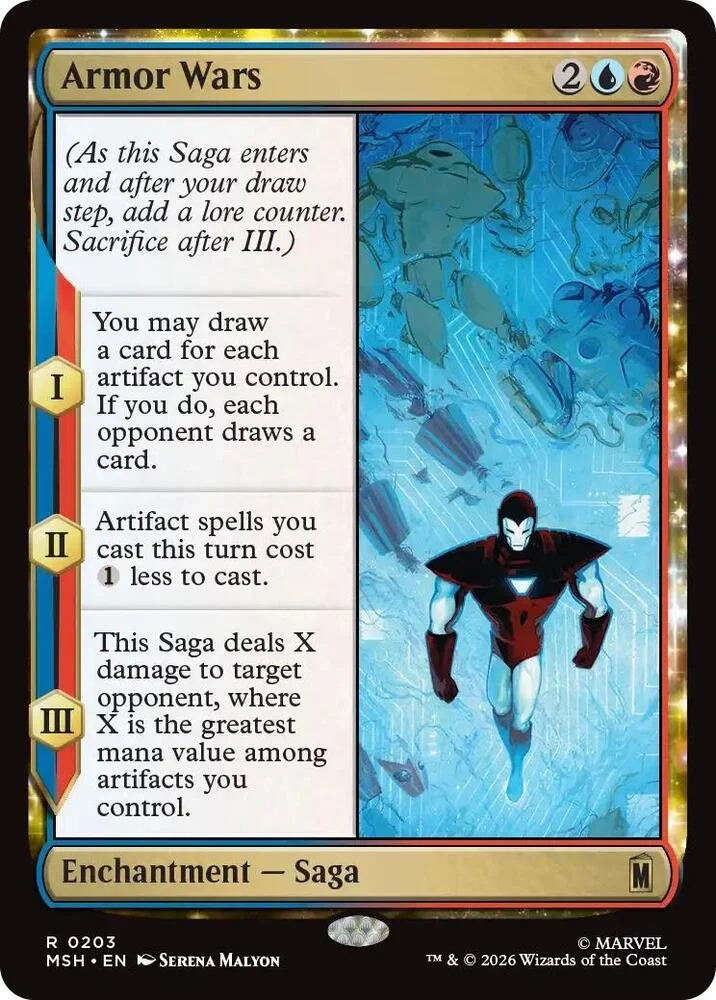
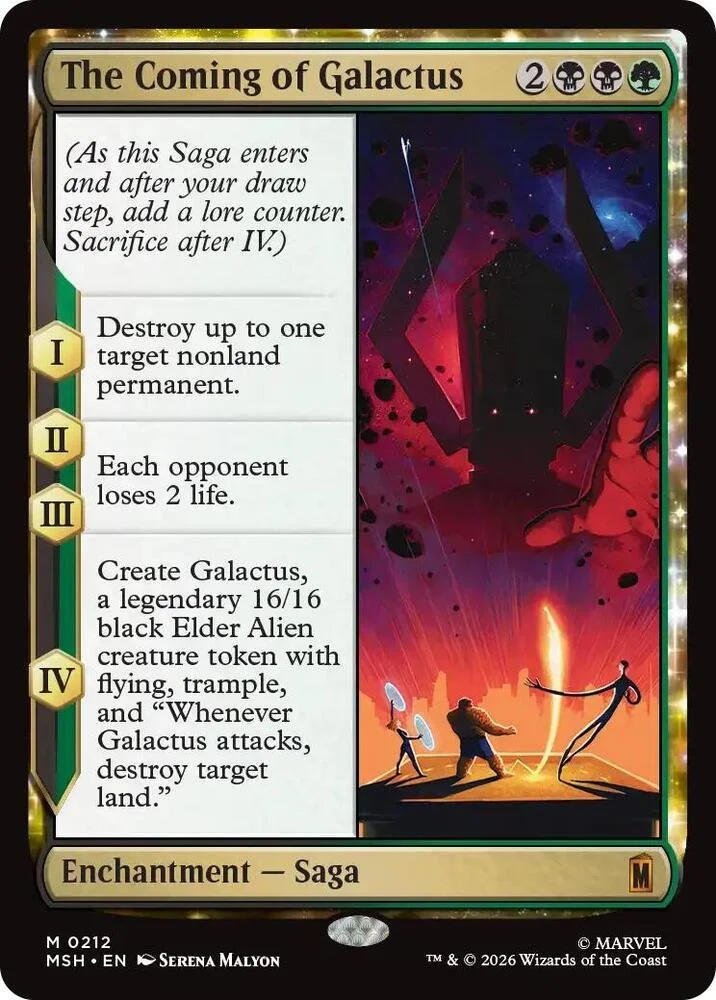
What would Marvel be without its stories?
Sagas are another perfect fit for Universes Beyond because they give Wizards a way to adapt major story moments that can't necessarily be communicated through normal creature cards.
Favorite Mechanics
Connive remains one of my favorites simply because it's such a strong and versatile mechanic, and I have a soft spot for the transforming cards because they're just cool.
Of the new mechanics, Power-Up is probably the standout.
Teamwork is the mechanic I wanted to see more from. There simply aren't enough Teamwork cards here for something that feels like it should have been one of the defining mechanics of an Avengers-heavy set.
What is the Best Marvel Super Heroes Product to Buy?
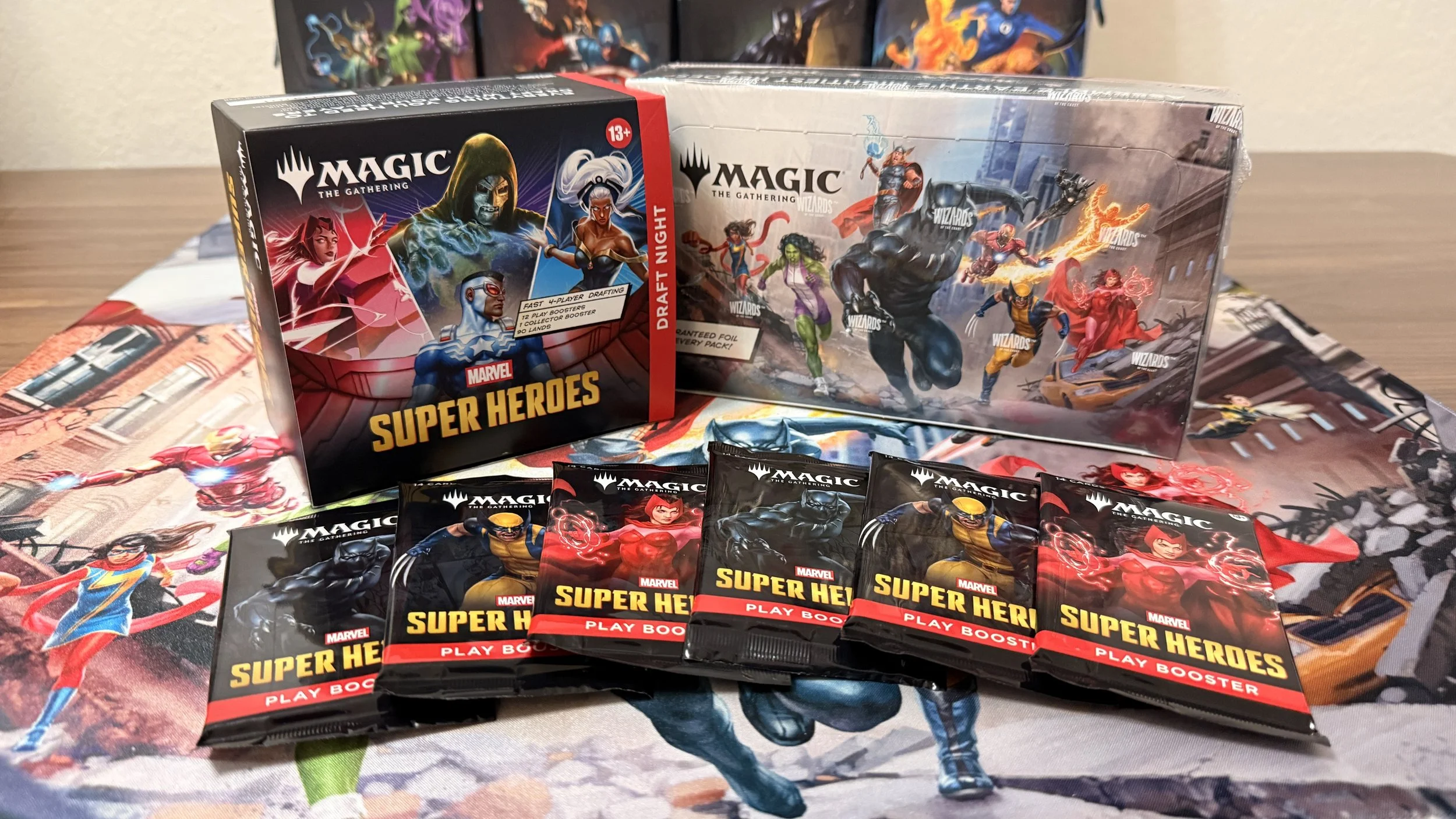
For me, the answer depends entirely on how you play Magic.
Marvel Super Heroes drafts extremely well, so if you've got a regular playgroup, I actually think a Play Booster Box is one of the better ways to experience the set.
If you're primarily a Commander player, though, the four preconstructed decks are all fun and, more importantly, they play pretty well against each other right out of the box.
Marvel Super Heroes Commander Precon Analysis
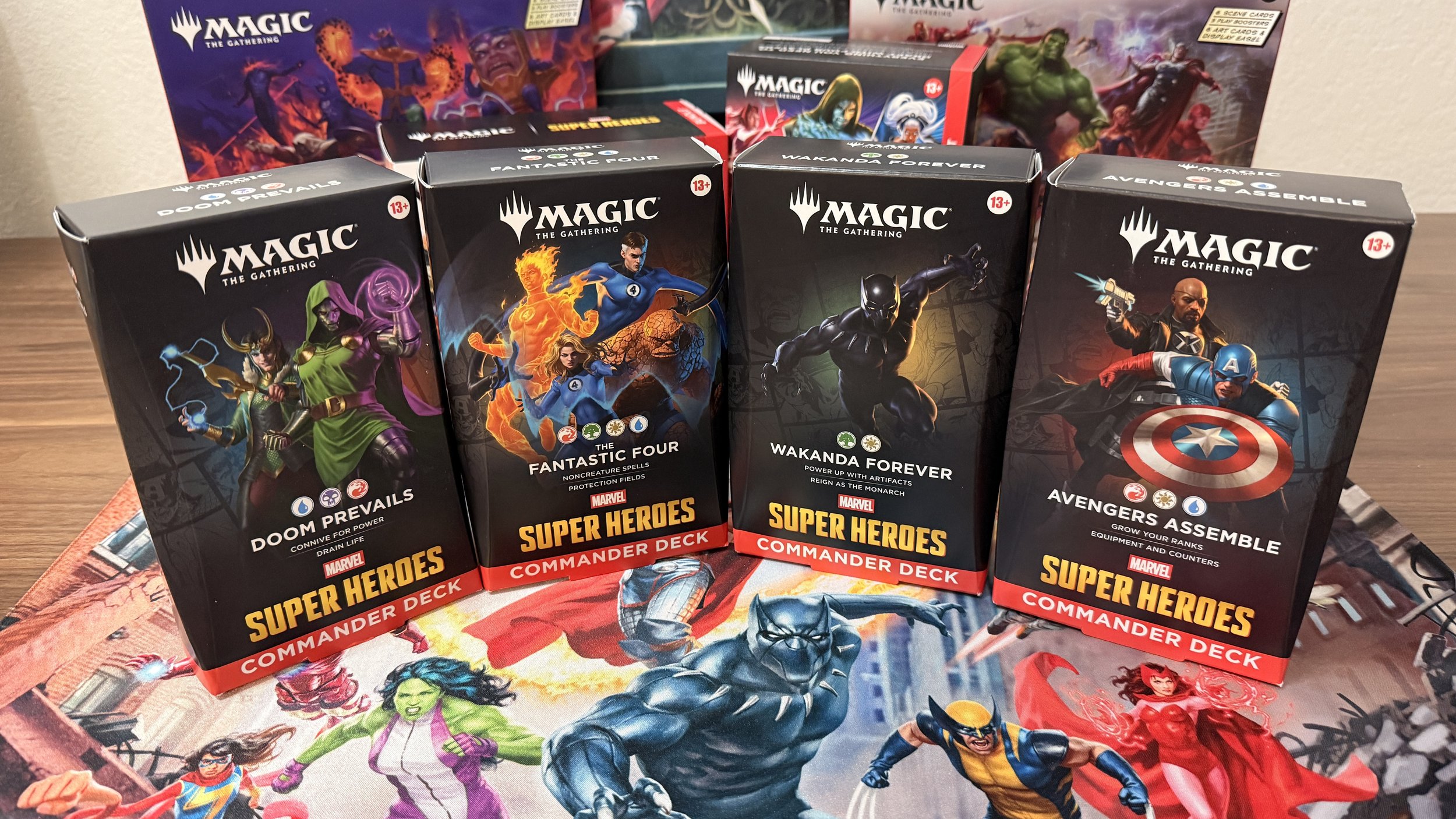
Marvel Super Heroes is a massive set, and alongside it we get four Commander decks: Avengers Assemble, Doom Prevails, Fantastic Four, and Wakanda Forever.
Avengers Assemble
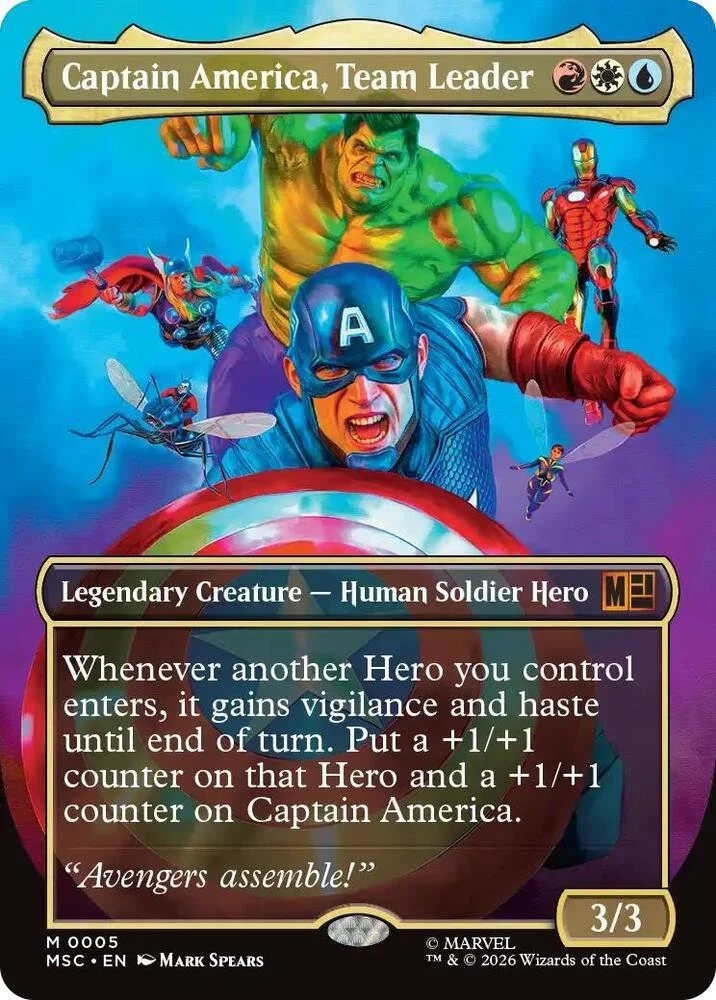
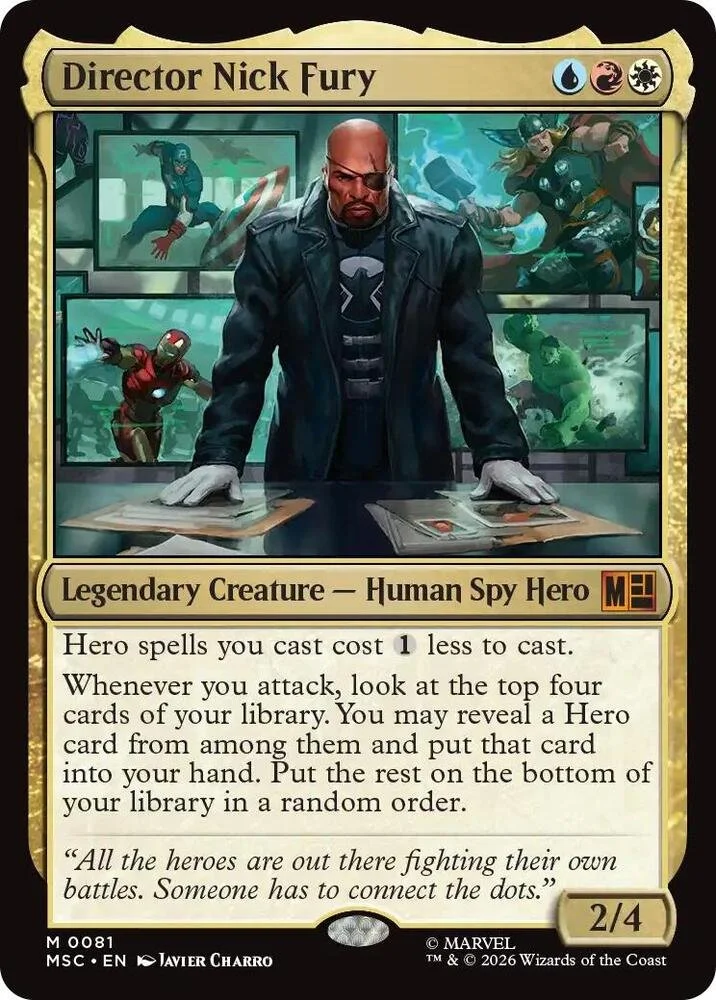
Avengers Assemble feels like dumping out an entire toybox of superheroes and sending them into battle.
The deck is led by Captain America, Team Leader, a Jeskai Human Soldier Hero who begins as a 3/3 but can become a serious problem extremely quickly.
The primary strategy is essentially Hero typal, backed up by a +1/+1 counter theme. It isn't the most inventive secondary strategy in the world, but I'll give the deck credit: it works.
I've taken players out before turn six with this deck multiple times. Once Avengers Assemble gets moving, your board gets very large and very scary very quickly.
There's also an incredible amount of fan service here. Almost every card feels like another Marvel reference waiting for you when you draw it.
There are obviously characters here beyond the traditional Avengers roster, but I actually think that was the right decision. Having the deck consist of different versions of the same handful of Avengers would have been far less interesting.
For overall flavor and playability, Avengers Assemble is probably my second favorite deck of the four.
I just wish its secondary theme was something a little more exciting than +1/+1 counters.
Doom Prevails
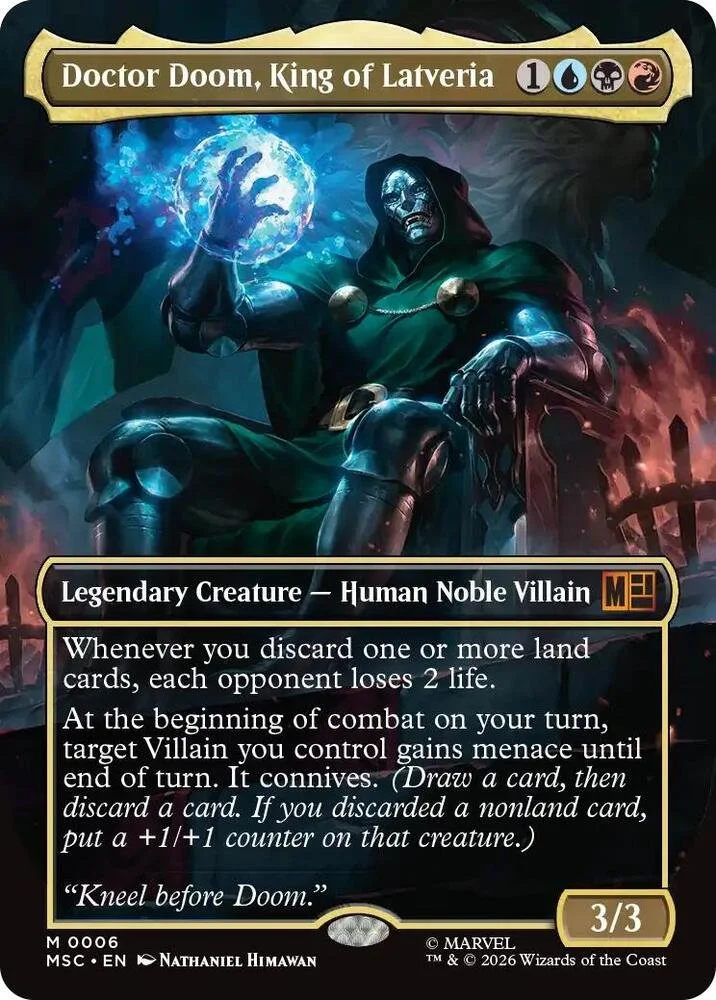
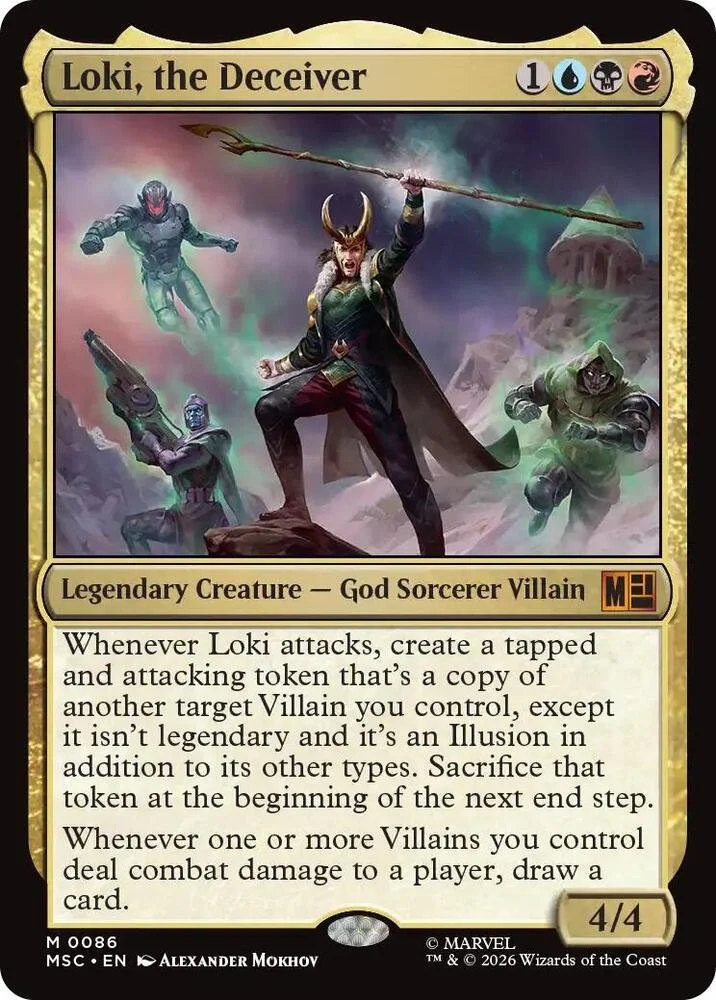
If Avengers Assemble is the superhero toybox, Doom Prevails is the villain version.
Naturally, that means the two decks are begging to be thrown against each other for one giant superhero battle.
Just don't expect Doom Prevails to win that fight by going punch-for-punch with the Avengers.
Where Avengers Assemble wants to get aggressive quickly, Doom Prevails wants to sit quietly, Connive, build resources, establish an engine, and eventually drain the rest of the table.
It's much more methodical.
Unfortunately, it's also probably the deck that needs the most upgrades.
As much as I love Doctor Doom, this is my least favorite of the four precons. Doctor Doom, King of Latveria is a cool commander, but the deck doesn't feel quite conniving enough to completely sell the supervillain fantasy, and it doesn't have enough raw power to consistently go toe-to-toe with some of the other decks.
It's still fun. It's still playable.
It just falls a little short compared to the competition.
Kind of like most villains do.
Fantastic Four
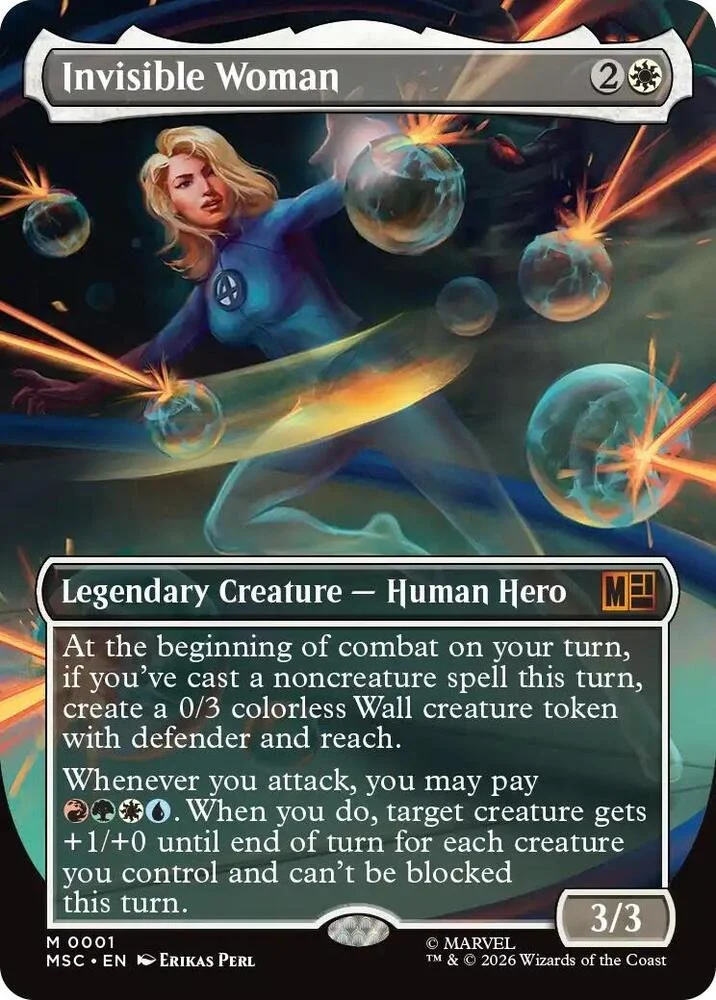
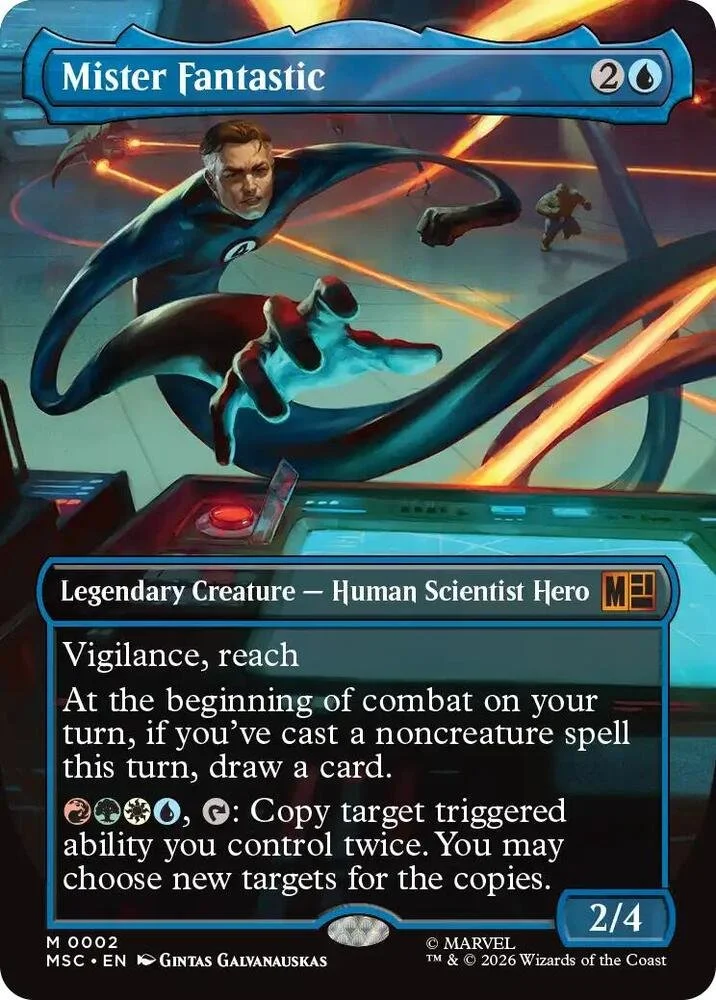
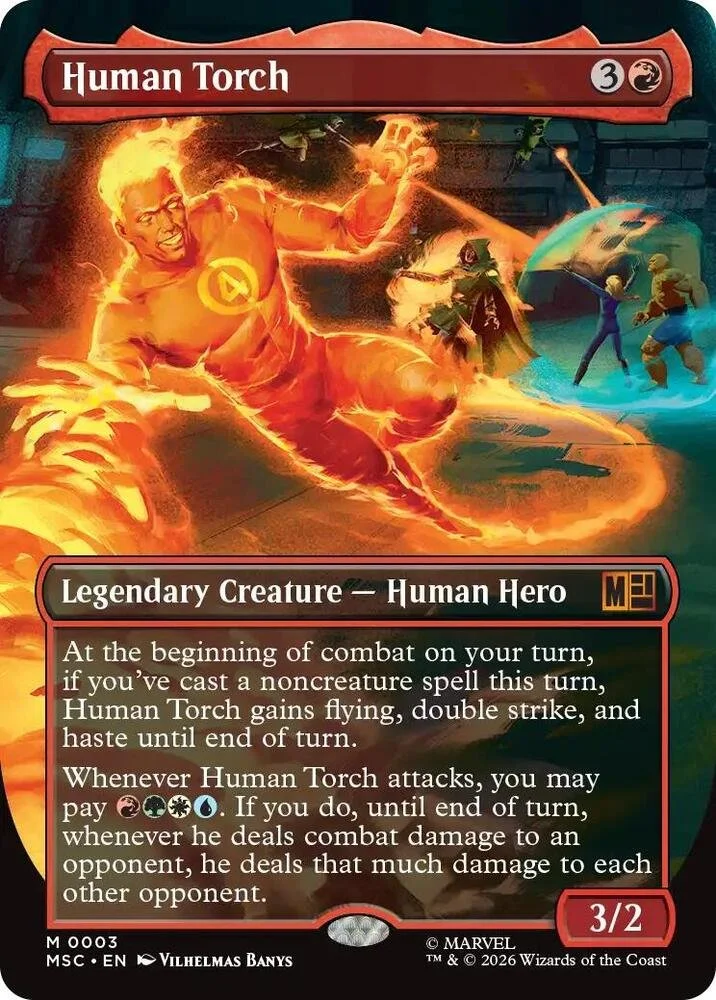
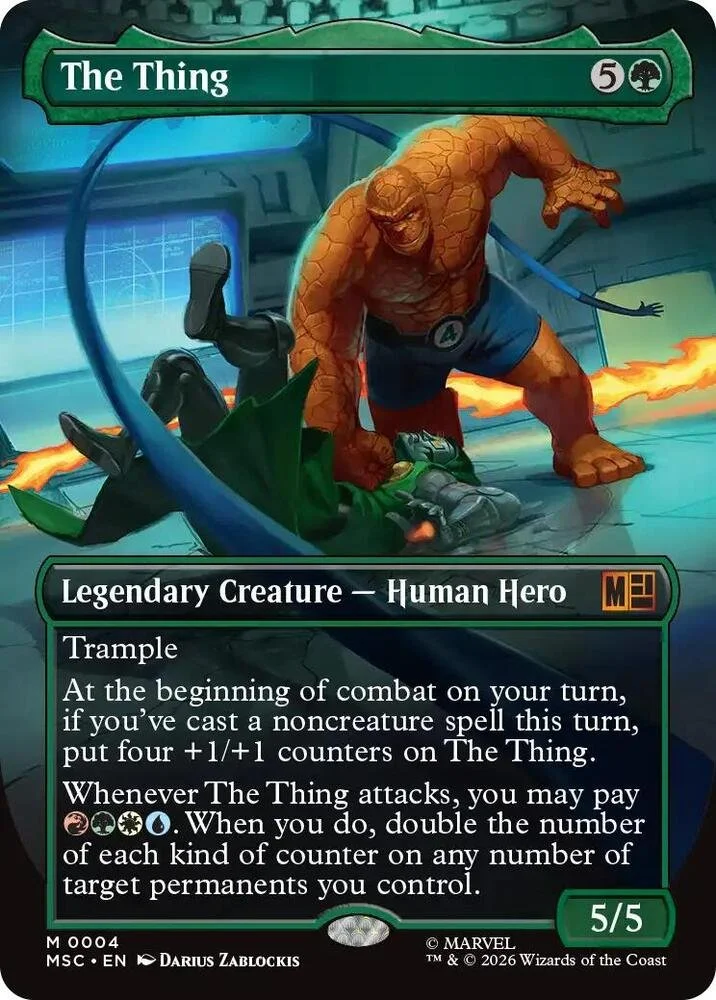
Fantastic Four is the noncreature-spell deck of the group, rewarding you for repeatedly casting instants, sorceries, and other noncreature spells.
What makes this deck particularly interesting is that you essentially get four commanders to experiment with: Invisible Woman, Mister Fantastic, Human Torch, and The Thing.
I love this design choice.
Wizards could have easily made another Partner-style mechanic or thrown all four members onto a single card, but allowing players to actually choose which member of the Fantastic Four leads the deck gives it significantly more personality.
Invisible Woman feels like the frontrunner, and she's who I focused on for my upgrade guide by leaning further into token generation.
When I'm just playing casually, though, I like randomly choosing one of the four and seeing where the game takes me.
Overall, Fantastic Four lands right in the middle of the precons for me. I like it more than Doom Prevails, but Avengers Assemble still edges it out.
Wakanda Forever
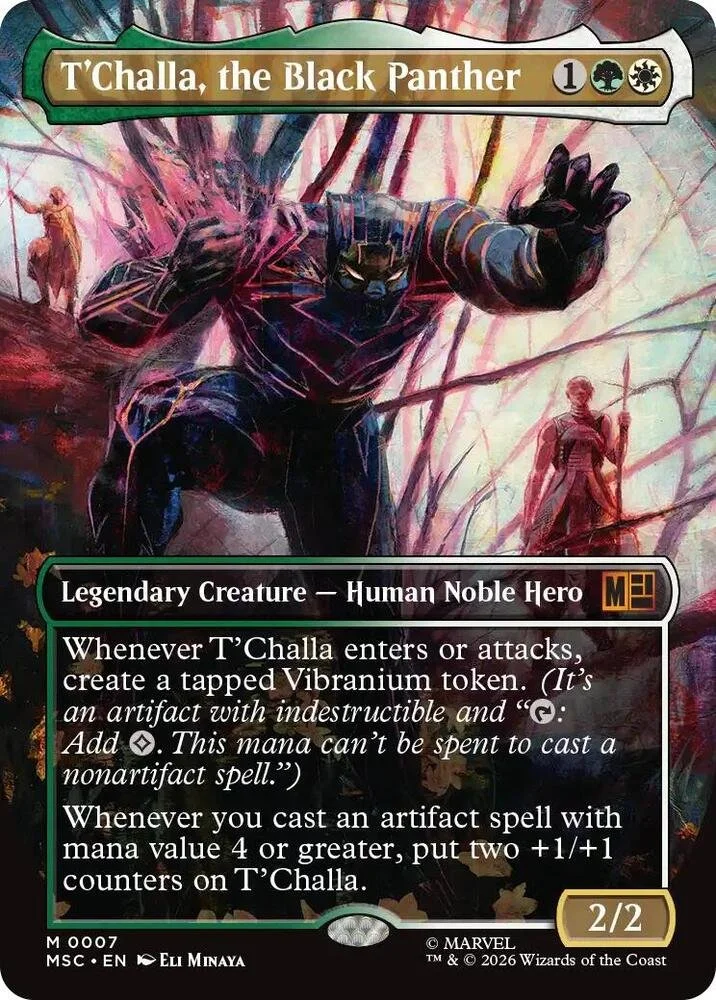
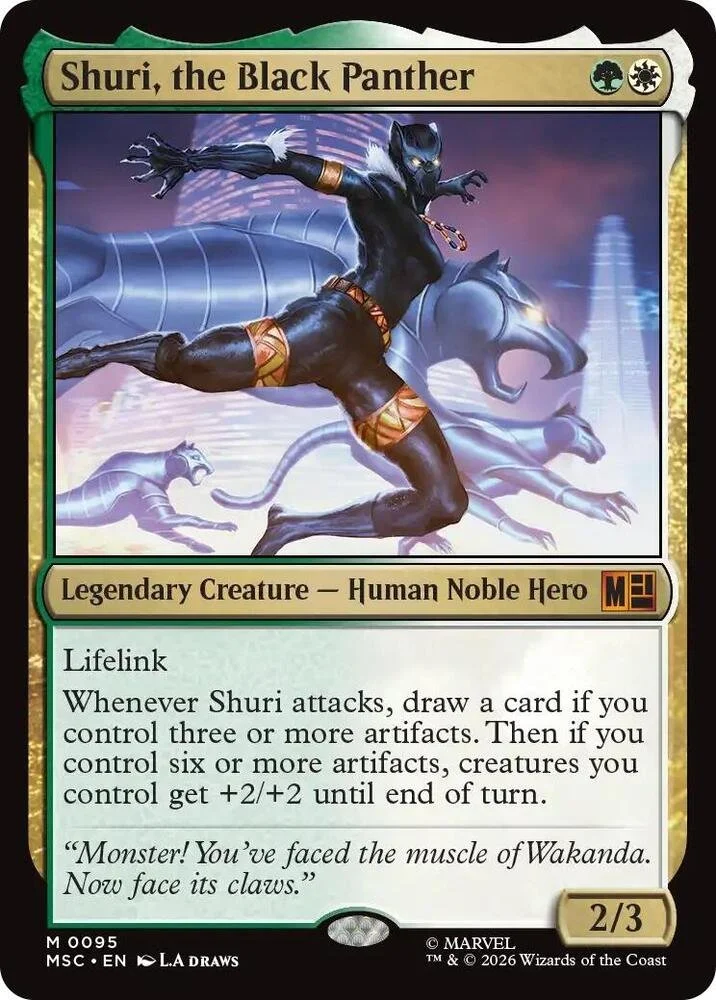
Last but absolutely not least is Wakanda Forever, a Selesnya Artifact deck led by T'Challa, the Black Panther.
Yes, you read that correctly.
Selesnya Artifacts.
And I absolutely LOVE this deck.
Wakanda Forever wants you to generate Vibranium tokens and use them to get expensive artifacts onto the battlefield way ahead of schedule. When the deck works, you can rapidly build up a huge resource advantage and overwhelm your opponents before they've really gotten started.
I was slightly worried about how smoothly this strategy would actually function when the deck was first revealed.
Turns out I didn't need to be.
It works incredibly well right out of the box.
I've since added cards like Doubling Season and The Mind Stone, and the upgraded version can quite literally threaten wins around turn six.
It's green. It's stompy. It's full of artifacts.
I love it.
Wakanda Forever is easily my favorite precon from Marvel Super Heroes.
Best Cards From Marvel Super Heroes
The Mind Stone feels like an obvious inclusion in almost any Commander deck that can run it, but Marvel Super Heroes is loaded with powerful cards beyond just one standout artifact.
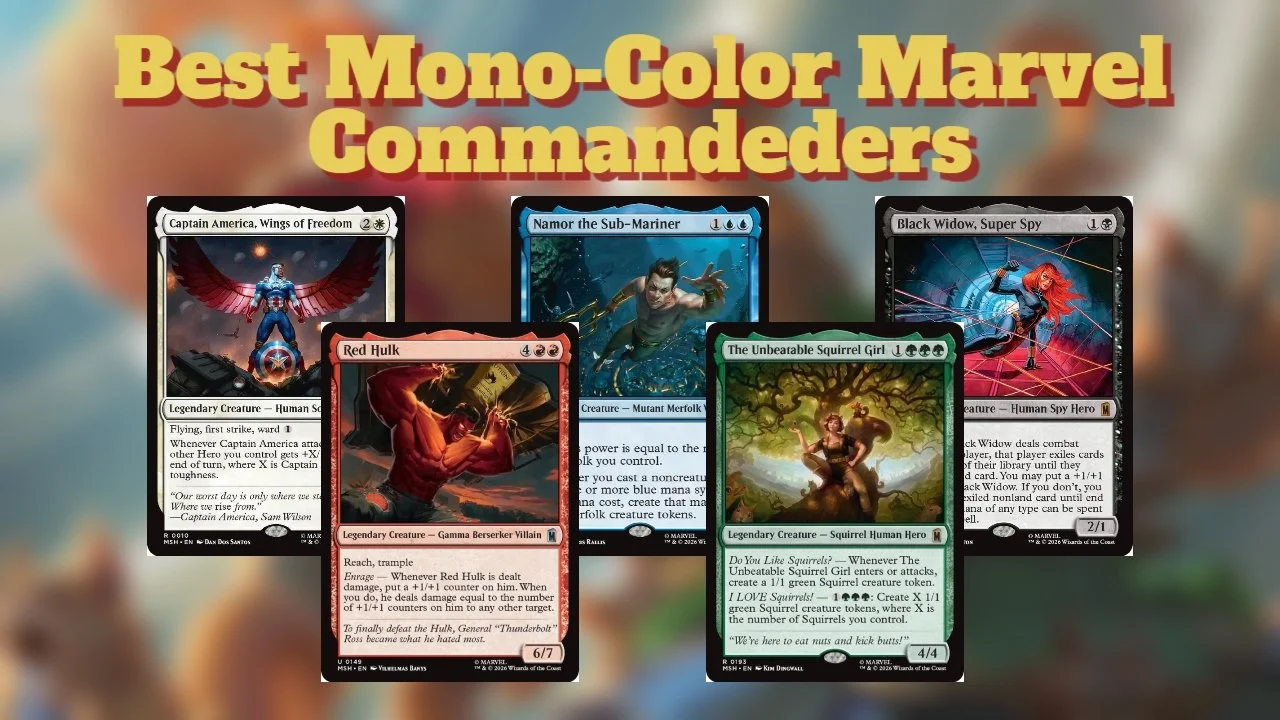
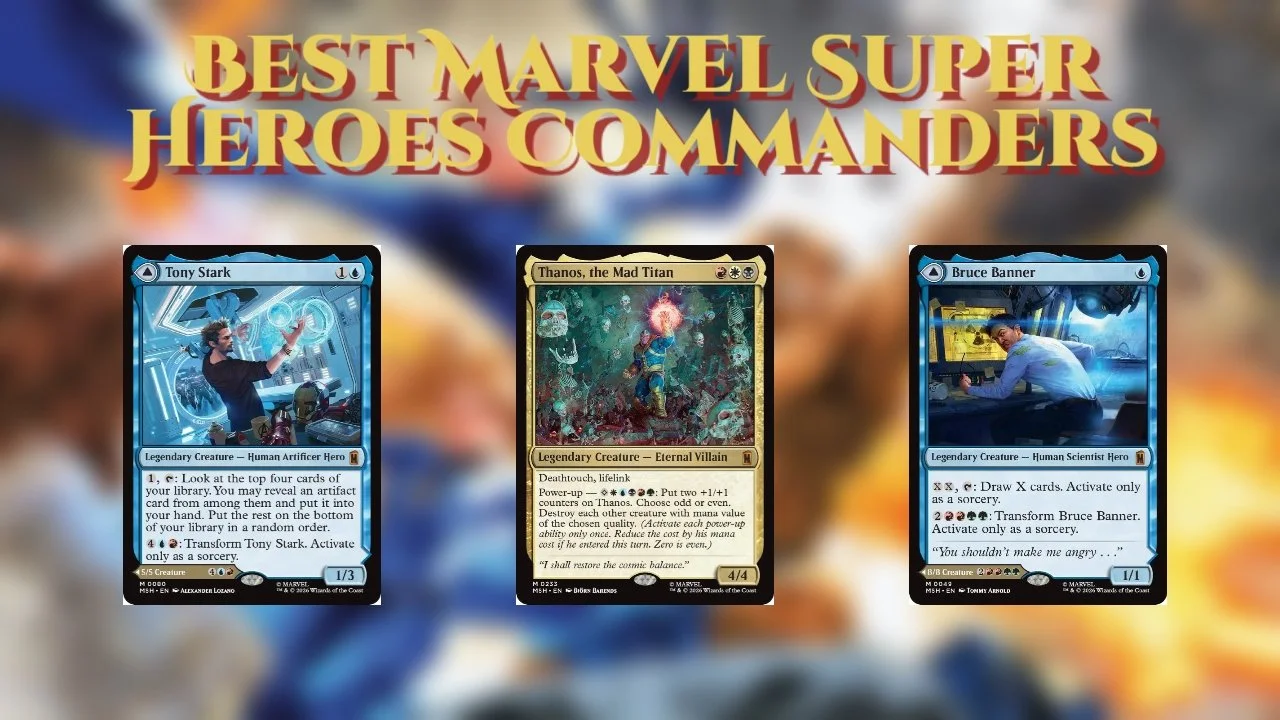
The biggest strength of the set might actually be the sheer number of potential commanders.
Thanos, Tony Stark, Hulk, and many of the other major heroes and villains can all become legitimate build-around options.
From a raw power perspective, Marvel Super Heroes is a very strong set.
Limited Draft and Sealed Environment
This was probably my biggest surprise.
Marvel Super Heroes drafts really well.
That's especially notable because Limited was one of my biggest problems with Marvel's Spider-Man.
Spider-Man's relatively small card pool combined with its large number of legendary creatures could make Limited awkward. Pulling multiple copies of the same legendary creature isn't particularly exciting when the Legend Rule prevents you from keeping both on the battlefield.
Marvel Super Heroes largely avoids that problem.
Every creature at uncommon rarity or higher might be legendary, but the overall card pool is large enough that you don't constantly see duplicates. There's also enough common creature support and enough noncreature cards at higher rarities to keep the Limited environment healthy.
I played in the Marvel Super Heroes prerelease fully expecting the legendary creature count to become a problem.
It really didn't.
Instead, the prerelease was one of the more enjoyable ways I've experienced this set.
Who is MTG: Marvel Super Heroes Good For?
Marvel Super Heroes feels like a top-down design set built equally around being recognizably Marvel and still functioning as a genuinely good Magic set.
There's an enormous amount of fan service here, but importantly, the fan service doesn't come at the expense of the gameplay.
These are actually good Magic cards.
That being said, there is absolutely no hiding who the primary audience is.
This set was made for Commander players.
The enormous number of legendary creatures, flashy treatments, recognizable characters, and potential build-around commanders make it incredibly obvious that Wizards wants these cards sitting in Command Zones and Commander decks.
At the same time, products like Jumpstart and the Beginner Box make Marvel Super Heroes a pretty easy entry point for Marvel fans who have never played Magic—or possibly any TCG—before.
That's where I think this crossover works particularly well.
What Could Marvel Super Heroes Do Better?
Marvel Super Heroes has a TON of powerful creatures.
The problem is that powerful creatures can't simply be cheap and powerful without completely destroying Magic's balance.
Because of that, a lot of the biggest threats in this set either have expensive mana costs or come down relatively early but require expensive abilities before they reach their full potential.
Commander gives you enough time and resources to play around with those kinds of cards.
Competitive formats like Standard aren't always as forgiving.
There are a lot of massive bombs here that I expect to become Commander staples without necessarily making much of an impact on Standard because they're simply too slow.
That's another example of just how Commander-focused Marvel Super Heroes feels.
On the opposite end of the spectrum, a couple of cards also generated immediate discussion around much older formats. Fantasticar and Hawkeye's Bow drew plenty of attention from players worried about their potential impact in formats like Vintage.
That's a strange balance.
Marvel Super Heroes simultaneously has a collection of giant, expensive Commander bombs and a few cards powerful enough to make players question their impact on Magic's most powerful formats.
It makes the set feel like Commander was clearly front-and-center during development, while some of Magic's more niche competitive environments weren't necessarily the primary concern.
Final Thoughts
Marvel Super Heroes is the Marvel Magic set I wanted the first time around.
Marvel's Spider-Man had some great cards and fantastic individual designs, but its smaller card pool and overwhelming concentration of legendary creatures made parts of the set—especially Limited—feel more restrictive than they should have.
Marvel Super Heroes fixes a lot of those problems.
The larger card pool gives Limited significantly more breathing room, the Commander decks are fun and distinct, and mechanics like Power-Up successfully capture the superhero fantasy without sacrificing interesting gameplay.
More importantly, this feels like a Marvel set that actually works as a Magic set, rather than simply being a collection of Marvel characters printed onto Magic cards.
It's definitely still Commander-heavy. Some mechanics, especially Teamwork, deserved more support, and the overall power distribution feels a little strange when you start looking beyond Commander.
But when Marvel Super Heroes works, it really works.
Between the excellent Limited environment, huge selection of potential commanders, flavorful designs, and some genuinely great preconstructed decks, this is one of the stronger Universes Beyond releases and easily the better of Magic's two Marvel sets so far.