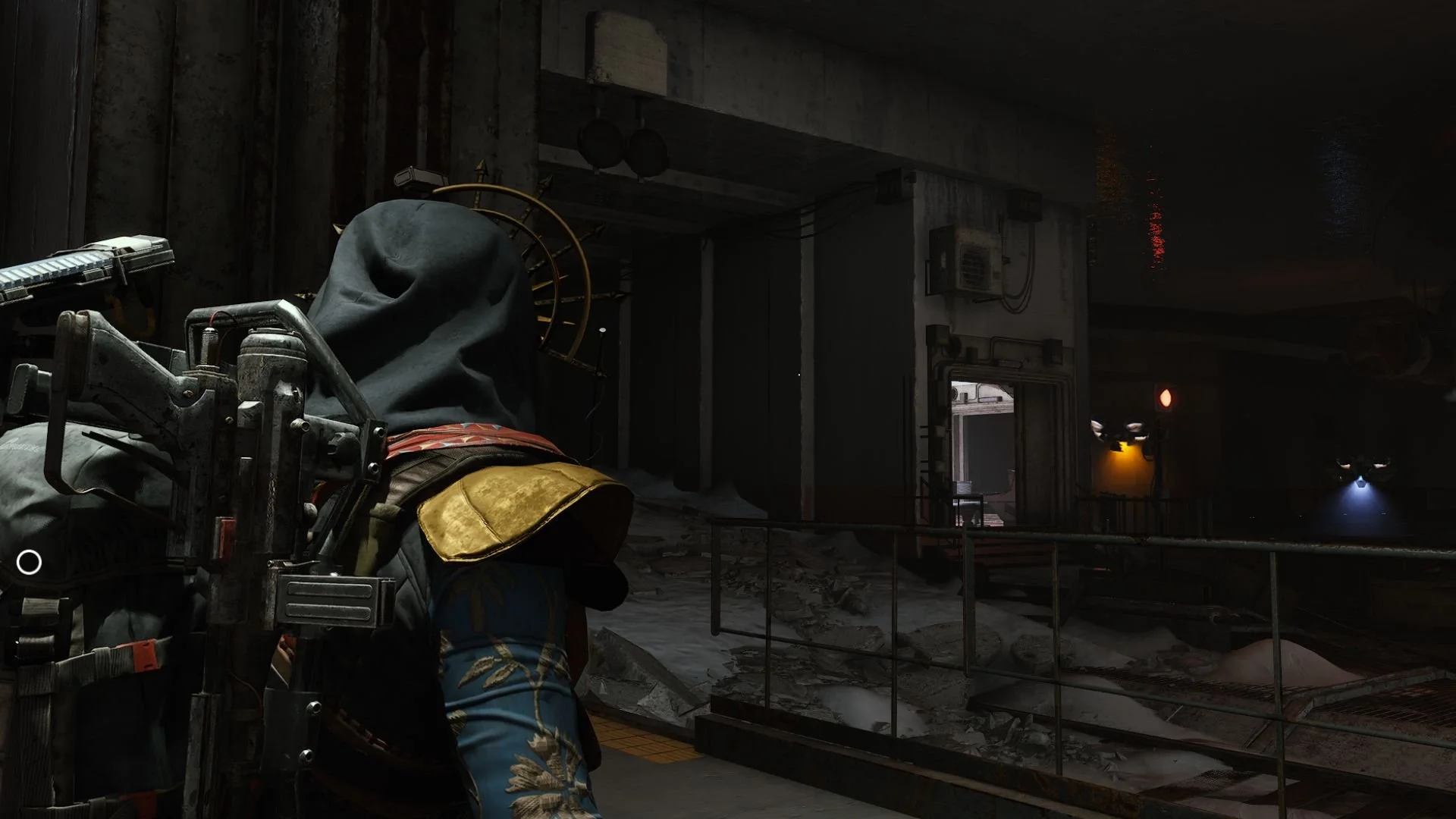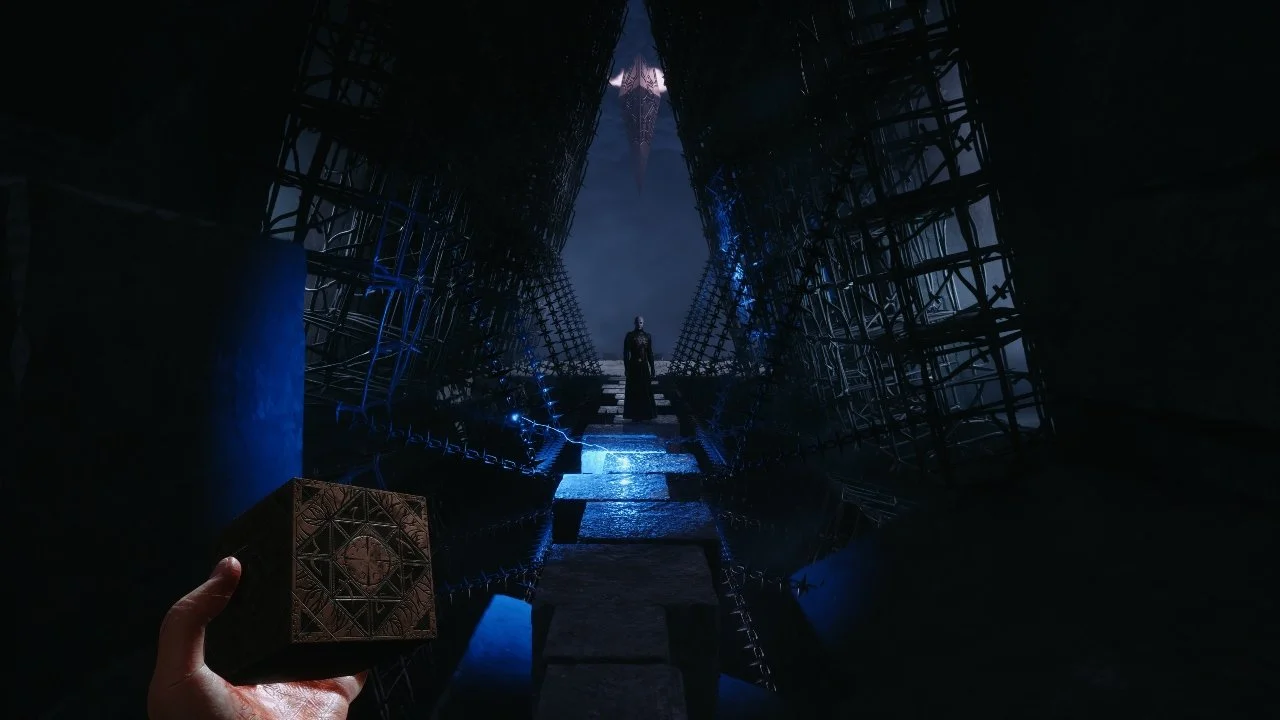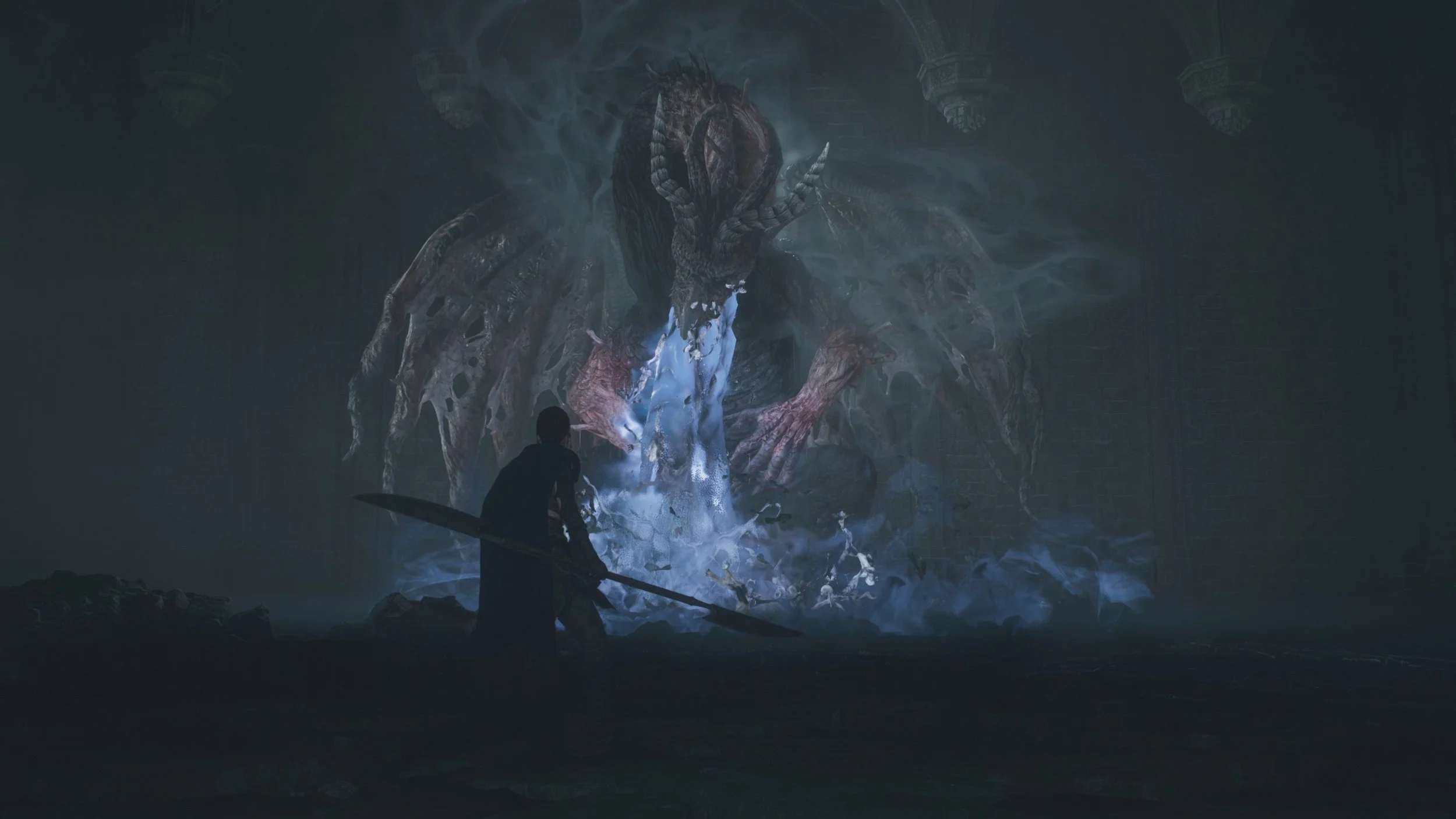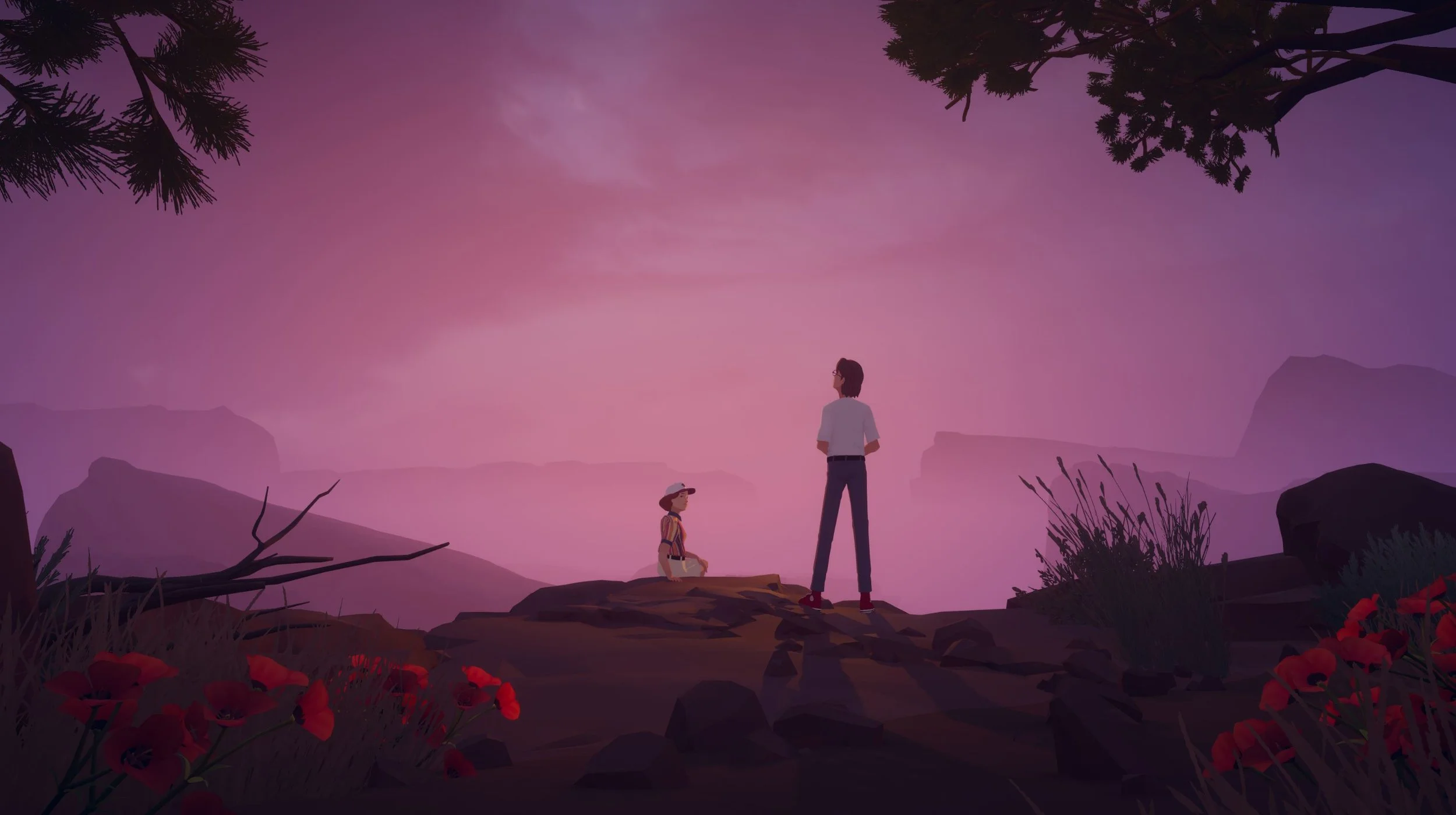
If you think the most exciting things in gaming only come out of massive studios in North America or Japan, you haven't been paying attention to what's happening down under. Australian indie developers are quietly reshaping how the world thinks about niche genres and creative game design – and 2026 is going to be their breakout year.
With reportedly more than 150 Australian-developed games announced for 2026 and beyond, according to Checkpoint Gaming, the pipeline is absolutely staggering. Behind closed doors, industry insiders have been watching this scene build momentum for years. Now the rest of the world is finally catching on.
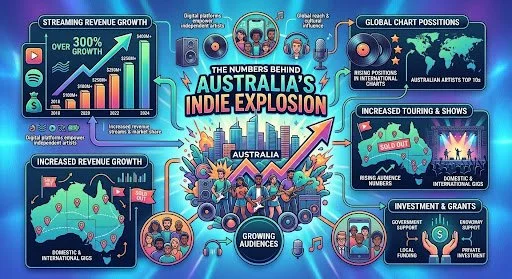
The Numbers Behind Australia's Indie Explosion
As the global games market grows more saturated, innovation is increasingly coming from smaller teams. Australia’s indie scene is a clear example of how niche genres can drive that creative momentum.
A Sector That Has Doubled and Then Some
Let's talk scale. According to a February 2026 overview from JuegoStudio, the Australian game development sector has expanded by 200% since 2016. More than 400 active studios now operate across the country, employing over 2,400 full-time developers. What most people don't realize is how much of that growth has been driven by small, scrappy teams working on genres that bigger publishers wouldn't touch with a ten-foot pole.
Australia’s broader digital entertainment ecosystem – spanning indie game storefronts, mobile platforms, and other regulated online services – has benefited from a cultural willingness to embrace niche digital products. This extends to areas like online gambling, where a gambling platform for Australians typically operates within strict local regulations and relies on comparison tools to help users navigate the market. While very different from indie development, this same openness to specialized digital experiences is helping fuel creative risk-taking across the board.
Government Support as a Secret Weapon
One factor that doesn’t always get the spotlight is Australia’s Digital Games Tax Offset (DGTO). Introduced in 2022, it offers eligible studios a 30% refundable tax offset on qualifying development costs, giving teams more room to reinvest and grow.
It’s not a universal safety net. Strict eligibility requirements mean it mainly supports more established teams. Still, its presence signals a growing recognition of games as a serious creative industry, and that added stability can make it easier for studios to take risks and pursue unconventional ideas.
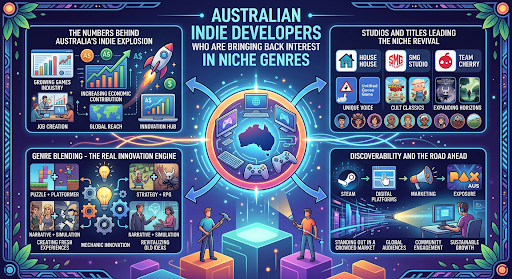
Studios and Titles Leading the Niche Revival
A growing number of Australian studios are gaining attention for projects that highlight a more focused and deliberate approach to game design.
From Point-and-Click to Musical Narratives
What’s striking about Australian indie development right now is how comfortably it moves between nostalgia and reinvention. Developers aren’t just reviving old genres, they’re reshaping them with a more modern, distinctly local voice.
A good example is Beethoven & Dinosaur, whose upcoming title Mixtape, published by Annapurna Interactive, blends music, memory, and coming-of-age storytelling into a cinematic narrative experience that’s been turning heads at industry showcases like SXSW Sydney.
Meanwhile, studios like Hipster Whale show that minimalist design still has real staying power. Their approach to mobile games focuses on simplicity and clarity – proof that small, focused ideas can still cut through in a crowded market.
Together, these examples highlight a broader shift: Australian studios are finding strong creative identities not by scaling up, but by working smart within smaller, more intentional frameworks.
Genre Blending – The Real Innovation Engine
Much of the current momentum in the scene comes from how developers are reworking established ideas, experimenting with structure and player expectations rather than sticking to traditional formats.
Why Hybrids Are Winning
Australian indie developers are not simply resurrecting old formats wholesale. The dominant creative strategy in 2026 is genre fusion. Developers are combining roguelikes with deck-builders, mashing coin-pushers into card games, and inventing categories that didn't exist three years ago.
Games like Cult of the Lamb and Unpacking reflect this hybridization trend perfectly. Why does this matter? Because it solves a fundamental problem. Pure genre revivals often feel like museum pieces. Hybrids feel fresh.
The Rise of Friendslop and Social Play
One trend that industry insiders have been tracking closely is the rise of chaotic, low-budget social co-op games – sometimes referred to as “friendslop,” a term that emerged online to describe titles built around shared, low-stakes experiences. These games prioritize warmth over winning, and Australian studios are leading the charge.
Social deduction and party games have also been identified as commercially viable goldmines for indie developers in 2026, proving that niche doesn't have to mean unprofitable. The audience appetite is clearly there.
| Category | Example Studio / Title | Genre Approach | Team Size |
|---|---|---|---|
| Point-and-Click Revival | Blackwater Lantern / Saltmarsh | Classic adventure with Australian setting | Small team |
| Narrative Music Game | Beethoven & Dinosaur / Mixtape | Music-themed storytelling | Small studio |
| Meta-Gaming | Nic Taylor Games / Game Quest Beta Demo | Solo indie experiment | 1 person |
| Minimalist Mobile | Hipster Whale | Streamlined mobile design | Small studio |
| Genre Hybrids | Various Australian studios | Roguelike-deck builder fusions | Varies |
Discoverability and the Road Ahead
Beyond creative output, the Australian indie landscape is increasingly defined by how studios navigate visibility, market saturation, and emerging technology shifts.
The Biggest Challenge Nobody Talks About
For all the creative brilliance on display, there's a storm cloud that can't be ignored. Discoverability remains the single biggest obstacle facing indie developers in 2026. The sheer volume of releases means that even exceptional games risk getting buried.
As analysis from Infinite Lives highlights, indie developers dominate creative output right now, but the response to worsening discoverability has been pragmatic: quick iteration, rapid releases, and genre blending rather than prolonged development cycles. It's a survival strategy as much as an artistic one.
VR and What Comes Next
Looking further ahead, VR represents a frontier where Australian indie developers could carve out even more space. With projected annual growth in the 20-30% range through 2033, the sector offers room for exactly the kind of small-scale experimentation that Australian studios excel at – especially with the DGTO reducing financial risk. Certainly, not every experiment will pay off. But that's the point. The freedom to fail cheaply is what breeds innovation.
The Australian indie scene in 2026 isn't just reviving niche genres for the sake of nostalgia. It's reimagining them, blending them, and proving that games don't need hundred-million-dollar budgets to be meaningful. If you're a player who craves something different – something with genuine personality and creative ambition – start paying attention to what's coming out of Australia. You'll be glad you did.