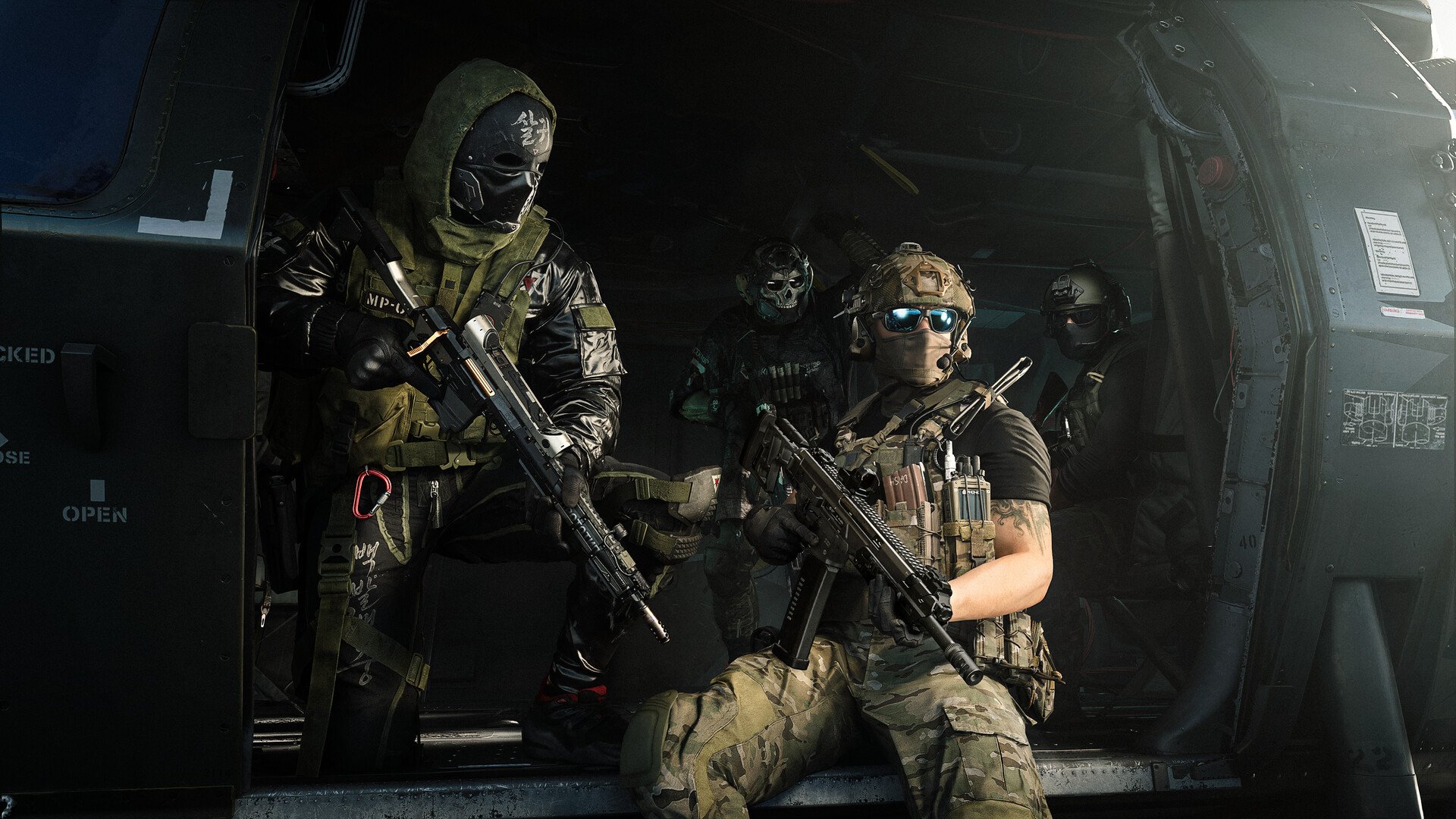
In cases when the gameplay becomes buggy during raid missions or when the legendary skin does not materialize in the inventory, the last thing the player will do is wait for the response to the complaint ticket. They seek instantaneous resolutions. While text-based chatbots have become the industry standard for speed, they often lack the "human" reassurance required to de-escalate a frustrated gamer. The shift toward audio localization in support, where AI doesn't just reply, but speaks in the player’s native tongue and tone, is proving to be the missing link in establishing long-term player trust.
The Psychological Effects of the ‘Voice’ in the Gaming Industry
Gamers are a distinct market; they invest dozens of hours in high-fidelity audio environments. The transition from the rich audio environment of the gaming world to the help environment, if it is flat text only, may well result in the feeling of an immersion break, exposing the player to the reality of the outside world. The introduction of voice capabilities closes this gap.
Statistics from 2025 show that voice is considered by 65% of consumers the fastest way to solve a customer service problem. Voice, specifically one that recognizes the unique terminology of each region, whether it is Brazilian Portuguese "ganks" or "buffs" in the Korean language, automatically breaks down the defensive wall between the developer and the gamer. By incorporating conversational AI for customer service, the developer can offer the gamer an experience that is akin to the high production values of the game, thereby emphasizing that the developer cares about the time and culture of the gamer.
Moving Beyond the "Uncanny Valley" of Support
Player distrust of automated support stems from the "robotic" quality of these systems, and this was one of the main issues until now, as current AI technology has moved past text-to-speech functionality. In fact, contextual audio is a new age of AI, where tone can shift according to the type of problem a player may have. Here’s what changed:
Empathetic Modulation: If it’s a player reporting a lost account, the AI can have a serious and helpful tone. But if it’s a player asking a question regarding a new event, the tone can be cheerful and energetic.
Dialectical Accuracy: Secondly, the players have ears very sensitive to so-called "generic" accents. It’s more than merely translating English to Spanish; it concerns the use of the appropriate dialect for Mexico City versus Madrid.
Reduced Cognitive Load: Hearing the localized message alongside playing or browsing the menu is much more convenient for the gamer than alt-tabbing to view the textual information.
As reported in a Zendesk report in 2025, 64% of consumers find AI easier to trust when they perceive human-like qualities, such as friendliness and empathy. In gaming, which is as much about community as content, this aural empathy is a powerful loyalty feature.
Verifiable Gains in Resolution and Retention
The addition of localized audio is far from a nice-to-have, as it is an immediate factor in determining Key Performance Indicators (KPI) for game publishers. In current case studies, companies with cutting-edge conversational AI technologies observed a 60% reduction in resolution times for their inquiries. For game developers, this indicates reduced numbers of escalated issues and a lower churn rate, meaning that users are leaving a game out of frustration.
Moreover, the First Call Resolution (FCR) rate, a kind of holy grail for the support team, significantly increases if the language barrier does not exist. It becomes easier for a player who speaks French to describe a complex technical issue in his/her own language if he/she can hear a verbal localized description of how the solution can be achieved. This significantly reduces the likelihood of follow-ups.
Localization as a Tool for Global Fairness
In the global gaming community, the concept of trust is closely related to accessibility. The players in the Tier 2 and Tier 3 markets feel underserved when the support offered is only optimized for the English-speaking population. With the quality audio localization process, the message is clearly one of inclusion.
This applies especially where, like the Indian or Southeast Asia market, the regional language contributes immensely to growth. A report published in 2024 stated that 65% of consumers believe brands can work more closely with regional language solutions. When a gamer in a non-English speaking country hears a customer service bot speaking like a local gamer instead of like a translated machine, the trust gap has been bridged.
Conclusion: The New Sound of Support
As we enter the always-on gaming future, the bar for support is evolving. The bot response can no longer simply be right; it has to be felt. This is achieved by going beyond text and engaging with regional audio. This not only turns what could potentially be a negative experience, such as a bug or an issue with payments, into something positive, but it also enhances the brand.