When games entered the blockchain space everyone was thrilled, and the intersection of the two sectors has been quite exciting for both game passionates and crypto enthusiasts. Blockchain has evolved since its inception and is no longer used solely for financial applications. Projects like Cardano are emerging as an ideal ecosystem for decentralized gaming ecosystems. Cardano is known in the crypto sector for its scalability, academic rigor, and energy efficiency, and has gained itself the position of a platform that can host next-generation games that promote player ownership, transparency, and decentralized governance.

Why is Cardano a great environment for gaming?
Cardano is a popular choice among crypto audiences and the number of people searching for an ADA price prediction during bull runs is higher every time the market enters an upturn. Cardano is a third-generation blockchain platform that stands apart in the sector through its scientific approach, layered architecture, and peer-reviewed protocols. Due to this list of features, developers interested in building decentralized applications like blockchain-based games, see it as quite attractive.
In the following lines we unveil a couple of reasons why Cardano is becoming an appealing platform for game developers.
· Low Transaction Fees: Cardano's Ouroboros consensus mechanism is highly efficient, enabling low-cost transactions, which is crucial in gaming environments with frequent microtransactions.
· Sustainability: Unlike proof-of-work blockchains such as Bitcoin, Cardano uses a proof-of-stake protocol that consumes significantly less energy, aligning with the values of many environmentally conscious developers and players.
· Scalability: With features like Hydra (a Layer 2 scaling solution), Cardano can potentially handle a large volume of transactions per second, which is essential for games with real-time interactions and large user bases.
· Native Tokens: Cardano allows the creation of native tokens without smart contracts, simplifying the development of in-game currencies and assets.
· Security and Interoperability: Cardano’s Haskell-based Plutus smart contract language and its layered architecture provide strong security guarantees and future interoperability with other blockchains.
The most notable games in the Cardano ecosystem
A number of projects have been launched or are in development on the Cardano blockchain, exploring a series of gameplay styles and genres. Cardano is in its early gaming days compared to Ethereum or Polygon, but it has been cultivating a range of quite interesting games.
Cornucopias: The Island Metaverse
Here we have one of the most ambitious gaming projects on Cardano, a play-to-earn, learn-to-earn, build-to-earn metaverse game that encourages the players to explore farm resources, floating domes, craft non-fungible tokens, and engage in economy-driven gameplay. Every dome represents a different biome with unique gameplay features and characteristics. Cornucopias integrates Cardano NFTs and emphasizes player ownership and decentralization. The developers are building the game using Unreal Engine 5, which promises AAA-level graphics and immersive experiences. Land plots, vehicles, and characters are all tokenized as NFTs, giving players tangible ownership over in-game assets.
Drunken Dragon: Inns & Quests
Drunken Dragon is a pixel-art, tavern-themed strategy game that requires players to manage fantasy inns and recruit heroes to take part in quests. Drunken Dragon: Inns & Quests also integrates collecting non-fungible tokens characters and furniture. The public loves this game because it promotes community-driven development and focuses on aesthetics and storytelling. At the moment the game is in an early-access phase, but it proves that blockchain can enhance traditional indie game formats by enabling verifiable scarcity and persistent ownership of in-game items.
Cardano Warriors
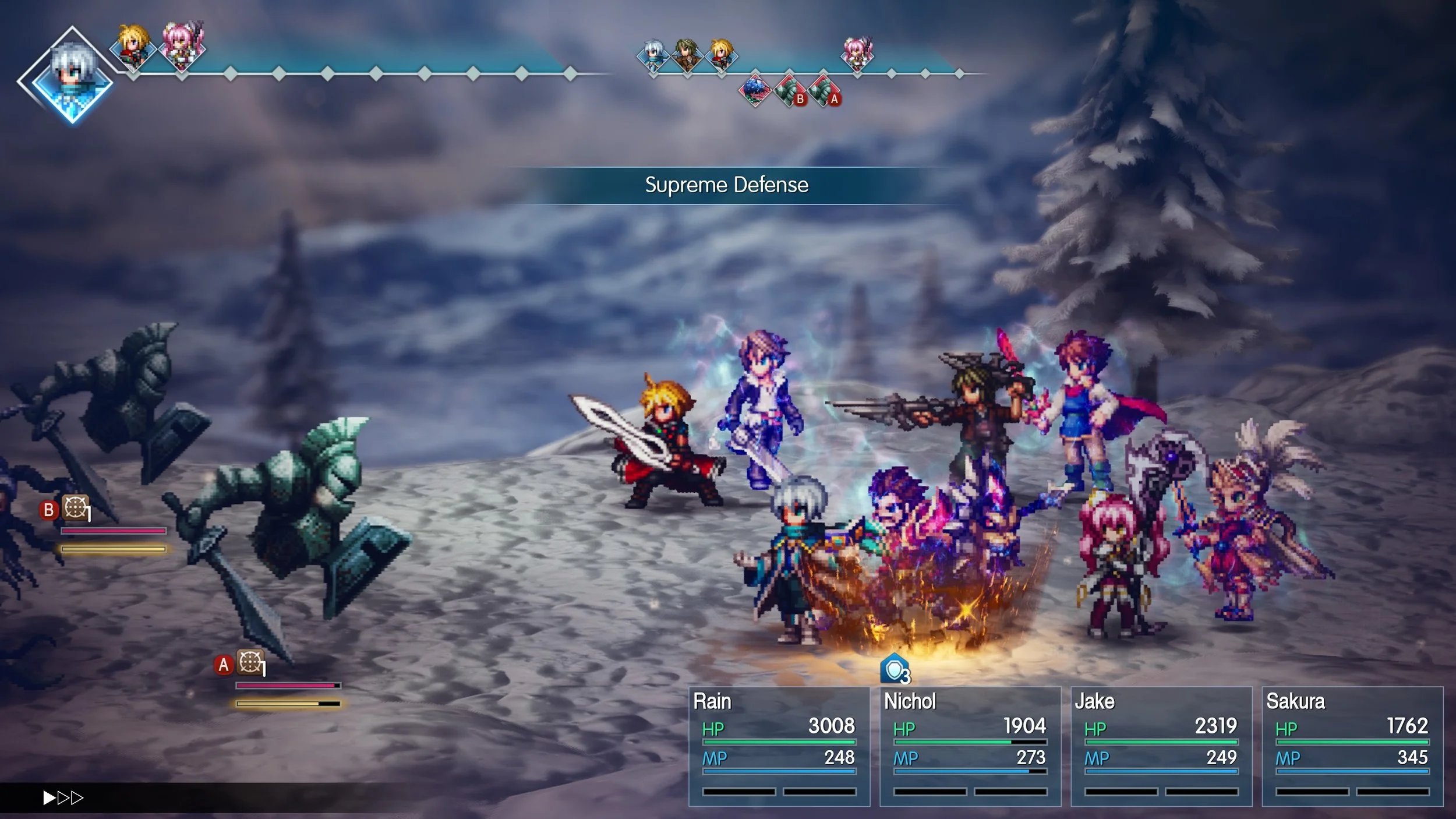
Cardano Warriors is a retro-style RPG that draws inspiration from classic 8-bit and 16-bit adventure games, which requires players to collect rare items, explore a fantasy world, and fight enemies while using NFT-based game tools. This game taps into nostalgia while leveraging blockchain technology to create a unique player-driven economy. NFTs in Cardano Warriors can be traded, sold, or used within the game, providing a new level of depth and strategy.
AdaQuest
AdaQuest is a turn-based role-playing game (RPG) that uses collectible hero cards. Set in a fantasy world called Ada, the game combines classic tabletop RPG mechanics with blockchain technology, and the players can acquire and use NFT character cards to build teams and engage in tactical battles. The project has a strong community focus and plans for expanding gameplay features and lore as the ecosystem grows.
GameFi and NFTs on Cardano
GameFi is the short for Game Finance and represents the integration of financial incentives into gaming with the help of blockchain technology. Cardano-based games usually use tokens and NFTs to reward players for their time and effort, and encourage a play-to-earn economy. The Cardano ecosystem makes it easier to mint NFTs due to the platform’s native token functionality. It differs from Ethereum in that it requires a smart contract for each new token, Cardano handles non-fungible tokens natively, a process that lowers complexity and reduces costs. This has led to the rise of NFT marketplaces such as JPG Store, where players and collectors can trade assets from games like Cornucopias, Drunken Dragon, and more.
Cardano-based games also face challenges and limitations
Even if Cardano’s potential as a platform to power blockchain is significant, it’s still in a nascent stage, and therefore has to deal with several hurdles. The competition is far from small in the sector with more established blockchains excelling at hosting metaverse games. Here are the challenges Cardano has to overcome to become more competitive in the sector:
· Smart Contract Maturity: Cardano's smart contract capabilities, while secure, are relatively new and can be more complex to develop compared to Ethereum's Solidity-based environment.
· Tooling and Developer Support: Although improving rapidly, the ecosystem still lacks the robust game development libraries and middleware available on other blockchains.
· User Experience: For mass adoption, the onboarding process—including wallet setup, token management, and NFT trading—needs to be simplified to appeal to non-technical gamers.
· Game Quality and Scale: Most Cardano games are still in development or early access. Reaching mainstream appeal will require more fully-fledged, polished titles that can compete with traditional games in depth and production quality.
Yes, Cardano games are still in their early stages, but they have a great contribution to the decentralized gaming future. With innovative projects like Cornucopias, Drunken Dragon, and AdaQuest leading the way, Cardano is proving itself as a capable and sustainable platform for blockchain gaming.