One thing you can always count on with Universes Beyond sets is a flood of Legendary Creatures ready to lead Commander decks. Teenage Mutant Ninja Turtles is no exception. There are a ton of viable commanders here — and many of them open the door to genuinely fun, unique builds.
One of the more interesting design quirks of TMNT is that there are almost no three-color Legends. Instead, the set leans heavily into mono-color and two-color options. Because of that, I included multiple commanders from the same color identities — but I tried to make sure each one represents a distinctly different archetype or playstyle.
Table of Contents
- Mono-White: Leonardo, Sewer Samurai
- Mono-Blue: Donatello, Mutant Mechanic
- Mono-Blue: Kitsune, Dragon's Daughter
- Mono-Black: Rat King, Verminister
- Mono-Black: Super Shredder
- Mono-Red: Raphael, Ninja Destroyer
- Mono-Green: Michelangelo, Improviser
- Gruul: Raph & Mikey, Troublemakers
- Boros: Old Hob, Alleycat Blues
- Boros: The Neutrinos
- Dimir: Krang & Shredder
- Rakdos: Tokka & Rahzar
- Simic: Mikey & Don
- Golgari: Pizza Face
- Orzhov: Dark Leo & Shredder
- Esper: Splinter, Radical Rat
- Final Thoughts
Mono-Color commanders in Teenage Mutant Ninja Turtles
I’ve selected six mono-colored commanders total — one from each color, with two from blue and black. But even those commanders play very differently from one another.
Mono-White: Leonardo, Sewer Samurai
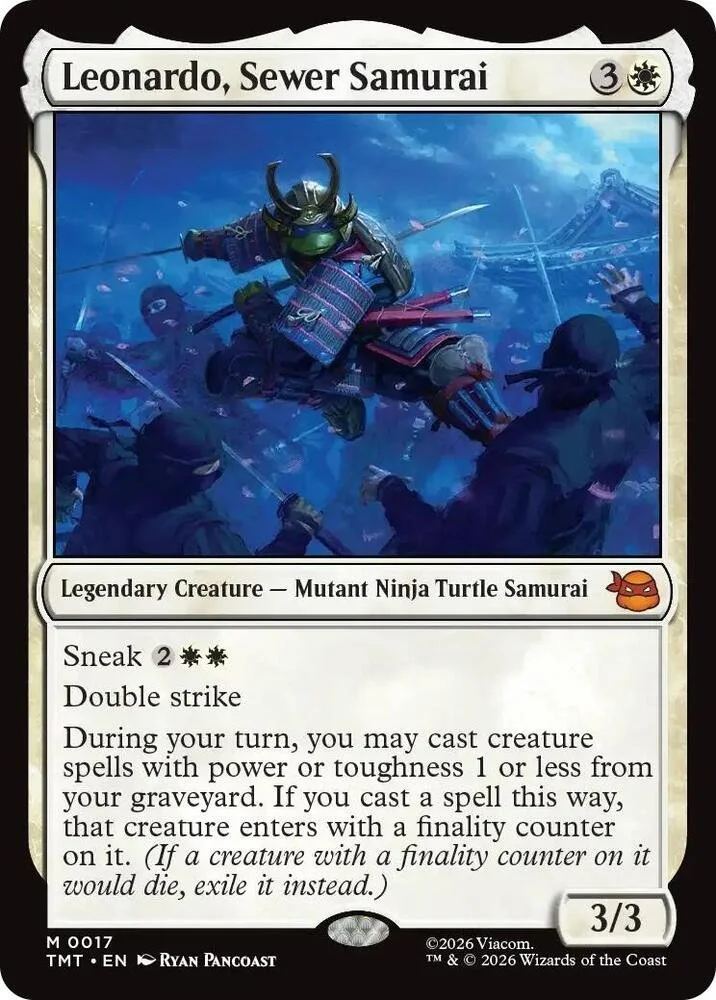
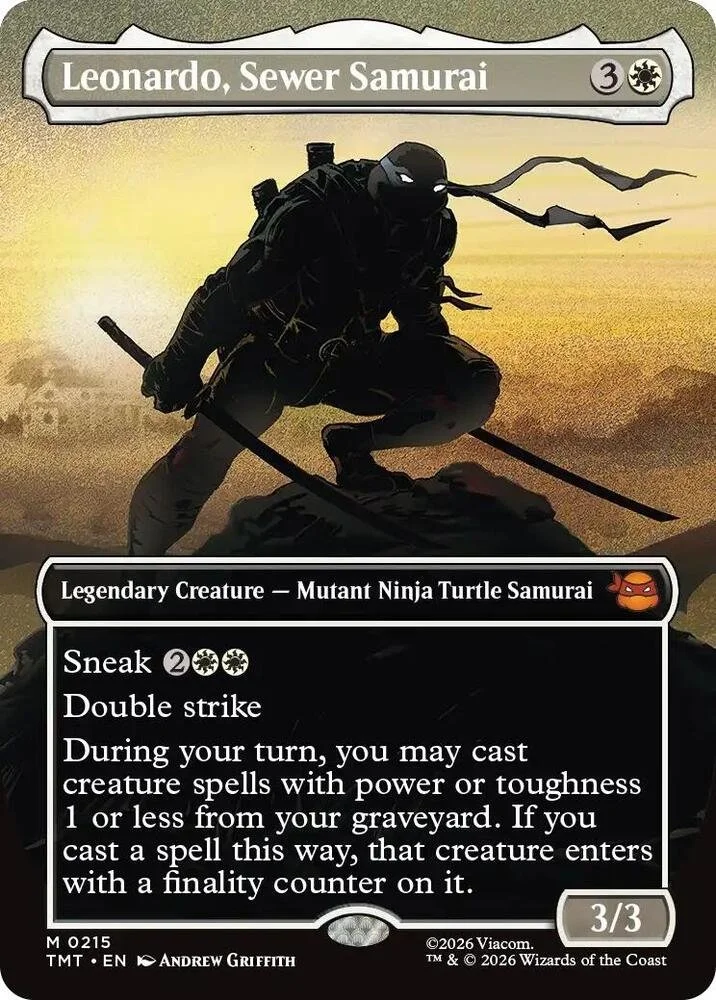
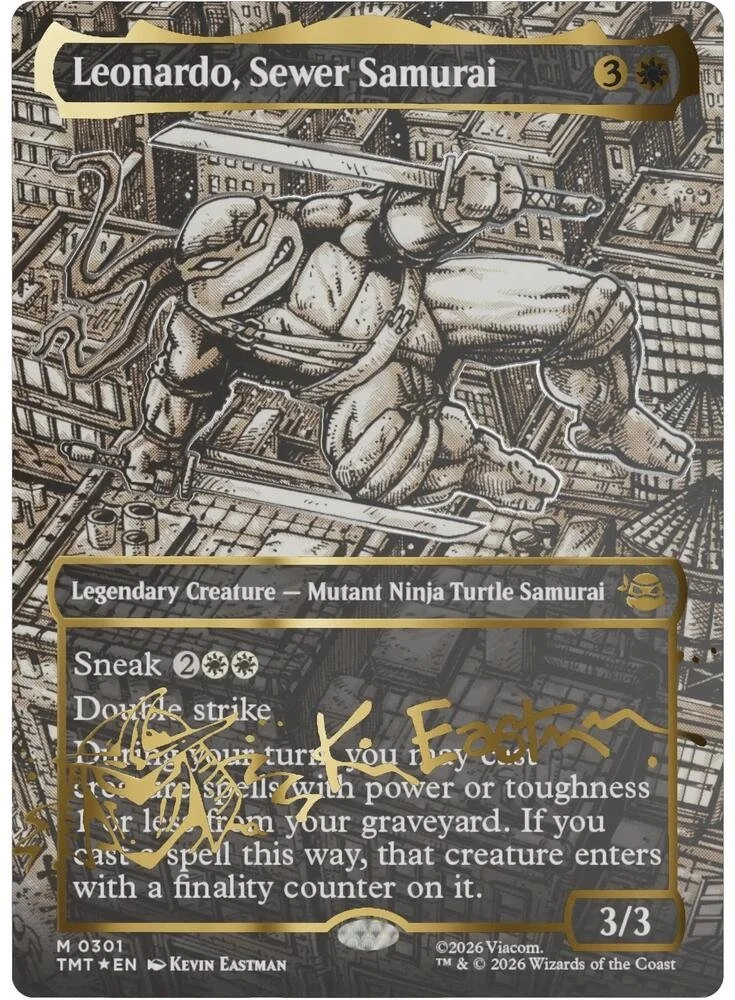
One of the new mechanics introduced in TMNT is Sneak, and I really like the idea of having Sneak sitting in the command zone. It creates this looming, ever-present threat your opponents constantly have to account for (and yes, you still have to pay commander tax).
For mono-white, I landed on Leonardo, Sewer Samurai.
While Sneak is a strong part of his identity, it’s not even the most important piece. A surprise 3/3 with Double Strike can absolutely chunk someone out of nowhere. But Leonardo’s real power comes from his ability to cast creature spells with power or toughness 1 or less from your graveyard, giving them a finality counter.
That “or” is huge.
There are plenty of creatures with 1 power and high toughness — and vice versa. That dramatically expands your pool of viable recursion targets. And since Leonardo allows you to cast those creatures from your graveyard, you can also Sneak them back in.
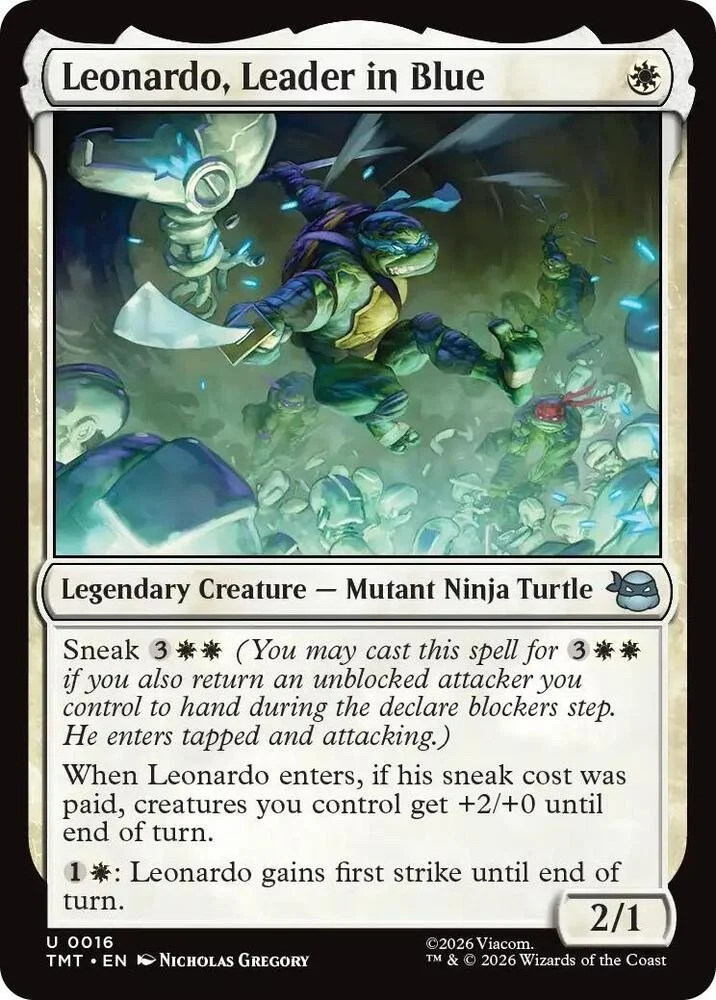
If you want to lean further into the turtle synergy, adding Leonardo, Leader in Blue gives your attacks extra punch and helps your board snowball quickly.
How the Deck Plays
The core strategy is simple:
Fill your deck with creatures that have power or toughness of 1 or 0
Prioritize strong ETB effects so you can reuse them
Leverage graveyard recursion to grind value
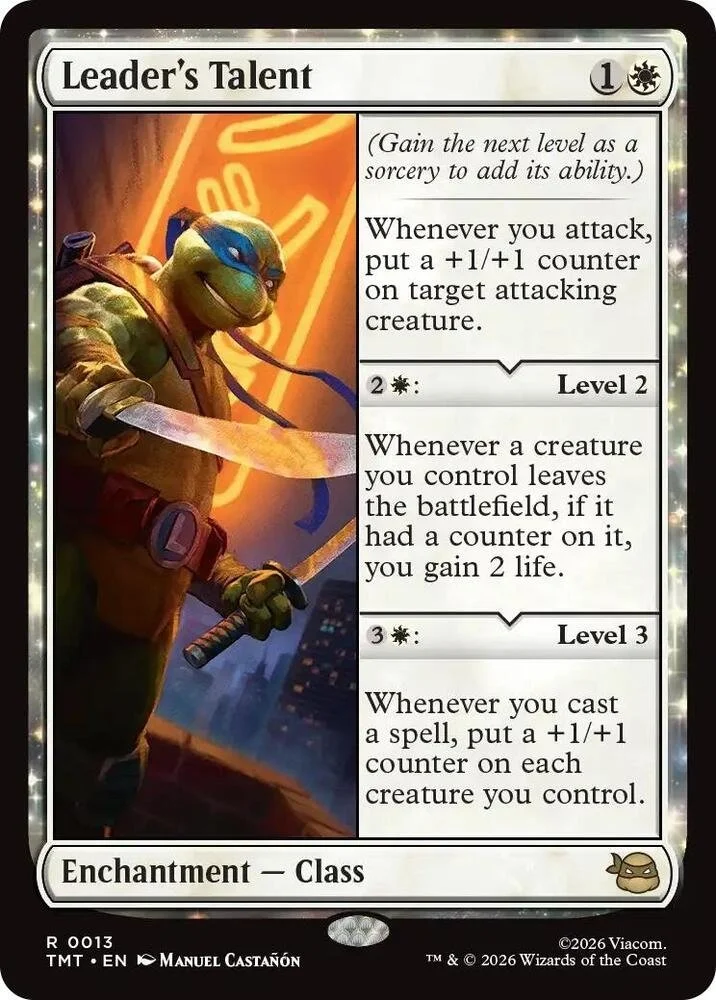
Cards like Leader’s Talent fit perfectly here. Since you’ll be attacking often thanks to Sneak, you’ll level it up quickly. At level three, every spell you cast buffs a creature, and at level two, you gain life whenever one of your creatures with counters (like finality counters) leaves the battlefield. That adds up fast in this build.
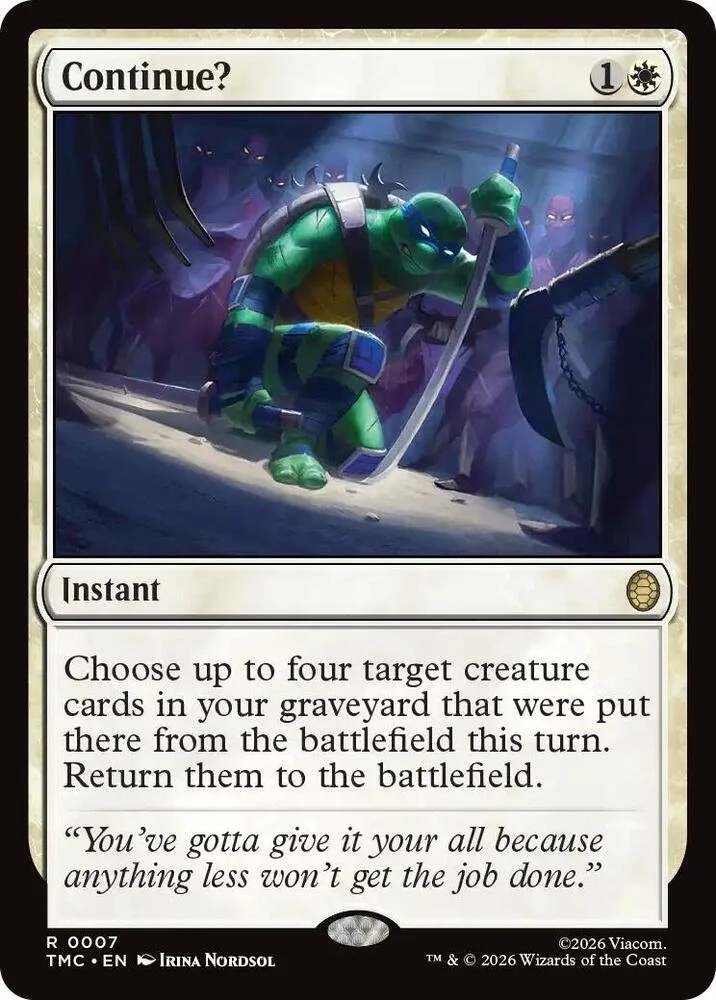
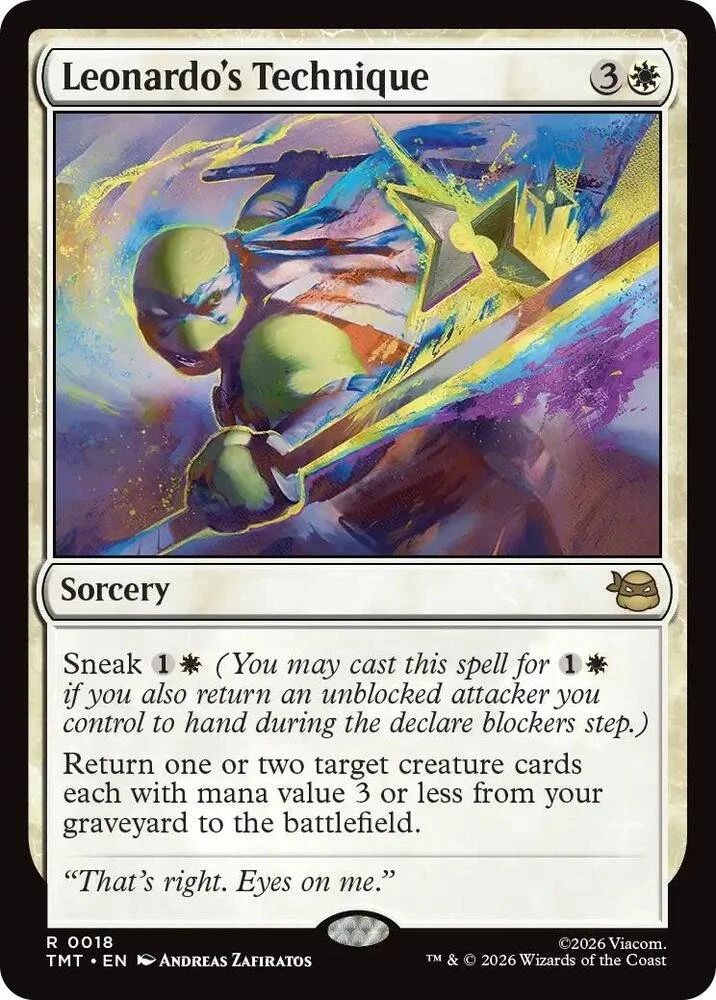
For creatures that don’t naturally meet the 1 power/toughness restriction, cards like Leonardo’s Technique and Continue? let you reanimate bigger threats anyway.
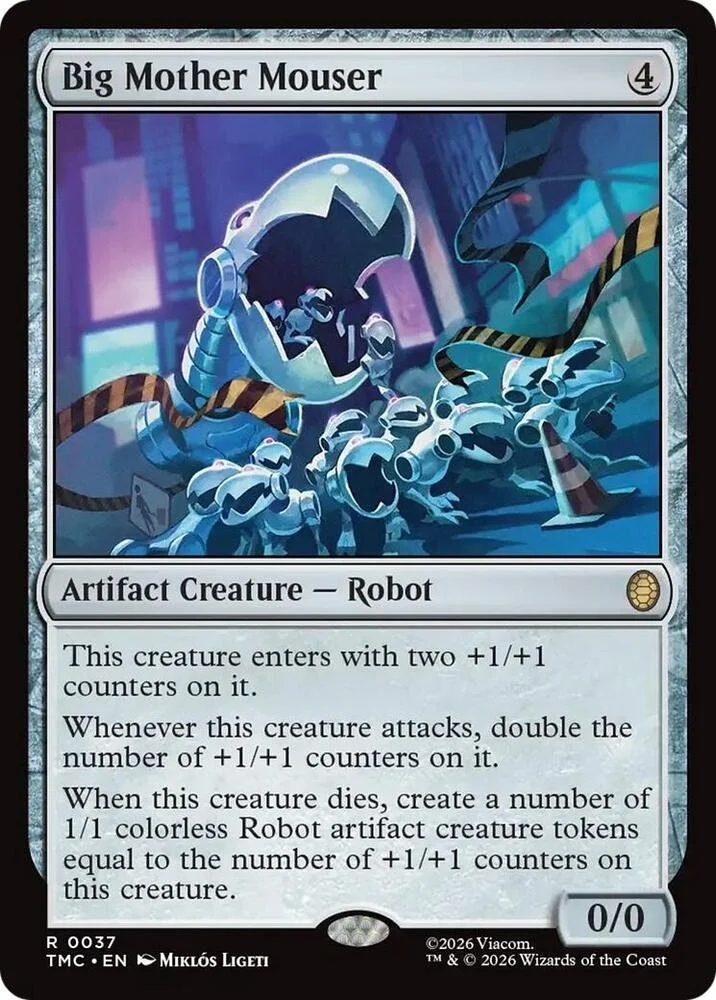
Then there’s Big Mother Mouser, which technically has both 0 power and 0 toughness. That means it qualifies for Leonardo’s recursion and can spiral out of control quickly — often forcing opponents to burn multiple removal spells just to keep it in check.
TL;DR Strategy
Load the deck with creatures that have power OR toughness of 1
Focus on repeatable ETB value
Abuse Sneak and graveyard recursion
Grind incremental advantage until your board snowballs
It’s a straightforward concept, but one that scales beautifully depending on how optimized you want to make it.
Mono-Blue: Donatello, Mutant Mechanic
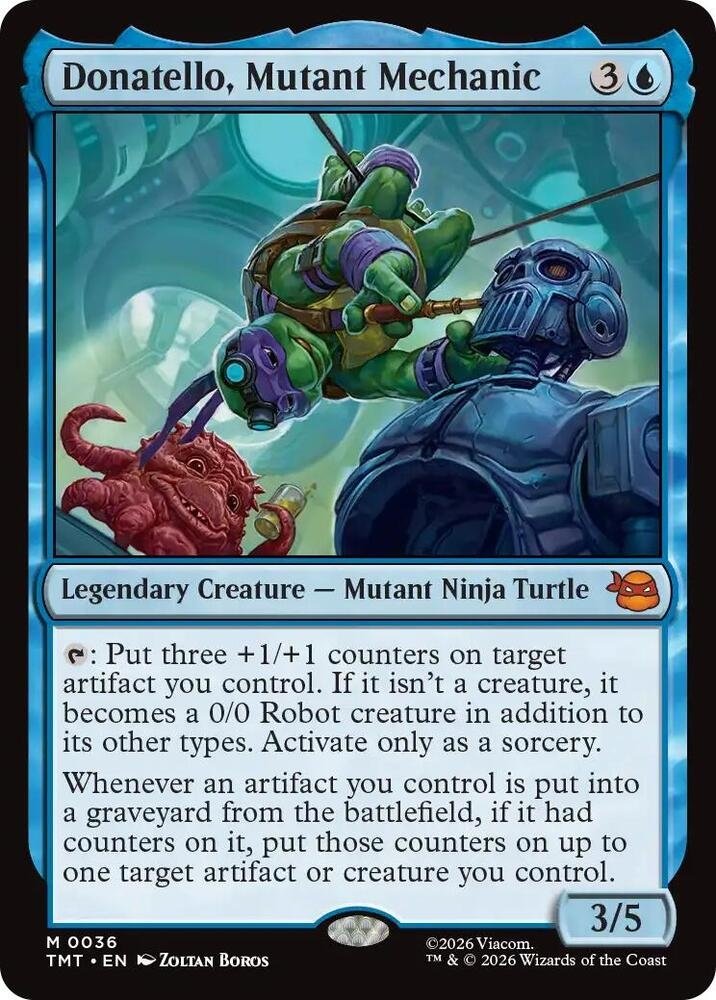
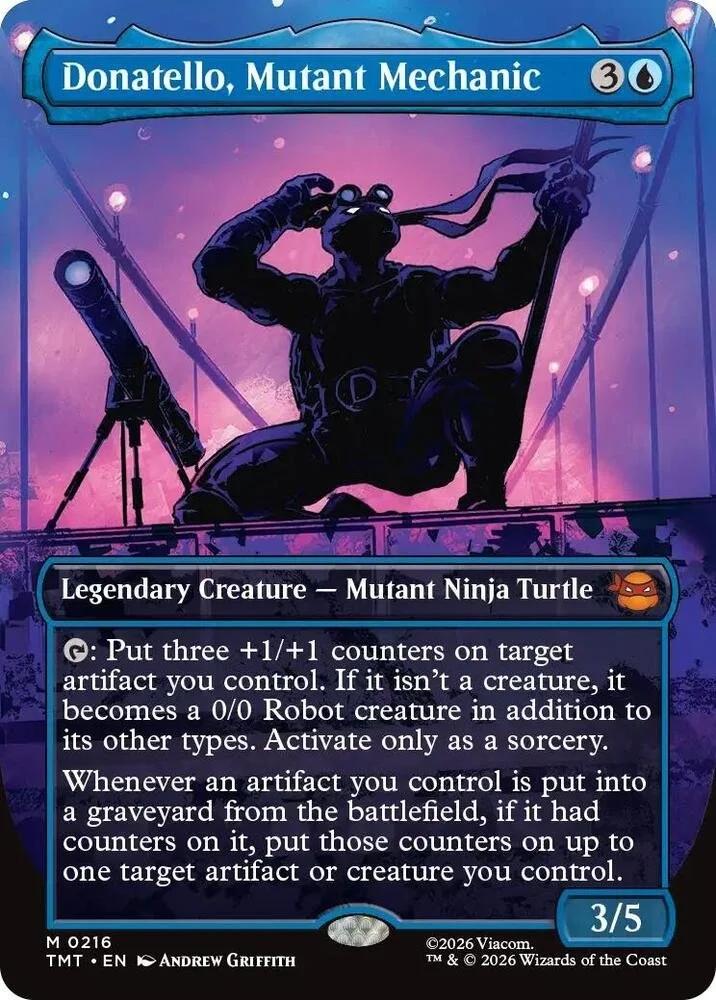
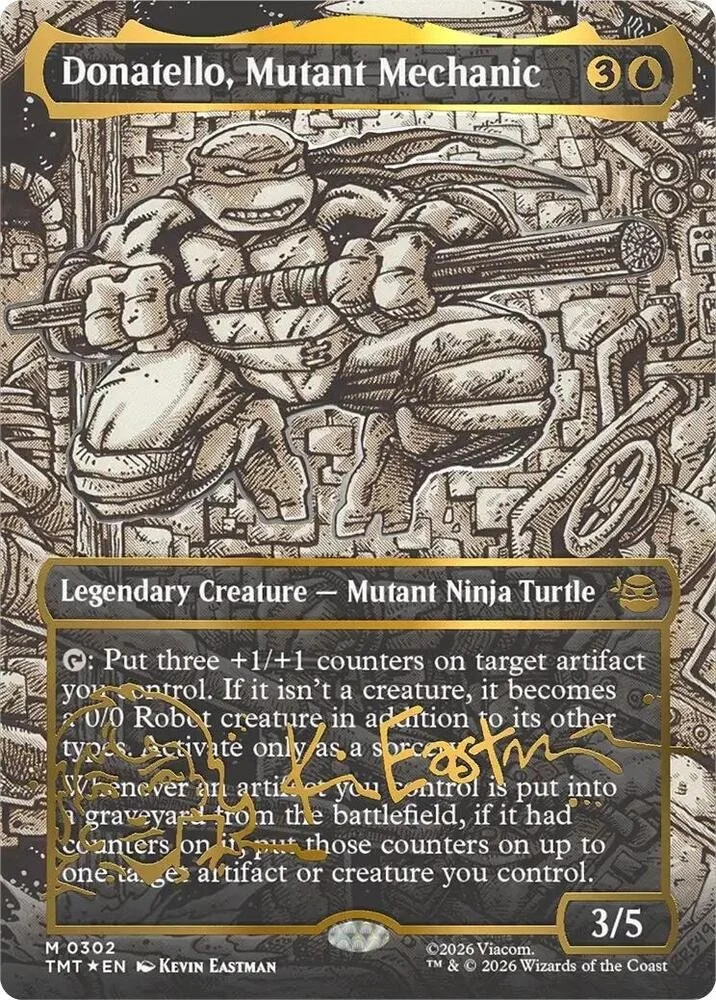
For my first mono-blue pick, I landed on Donatello, Mutant Mechanic — a commander that naturally leans into artifacts and counter manipulation.
At a glance, Donatello’s game plan is pretty straightforward: play artifact creatures, stack counters on them, and move those counters around when needed. But the way this deck actually plays feels less like traditional Voltron and more like a “pass the torch” strategy.
Instead of loading up one creature and praying it survives, you build up massive threats knowing the counters can be redistributed if that creature gets removed.
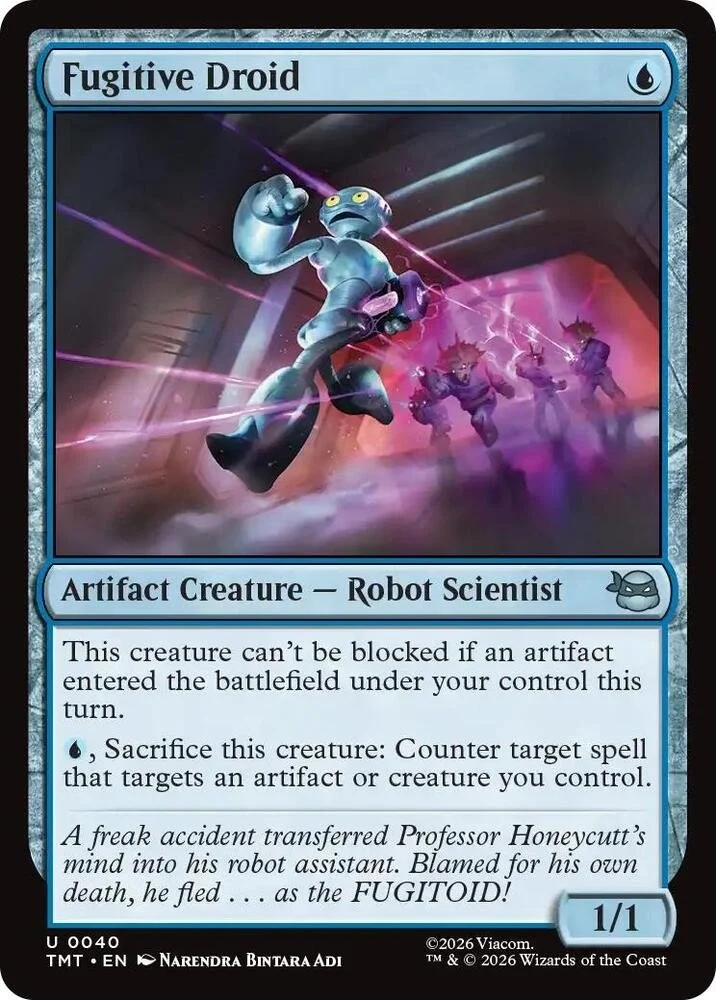
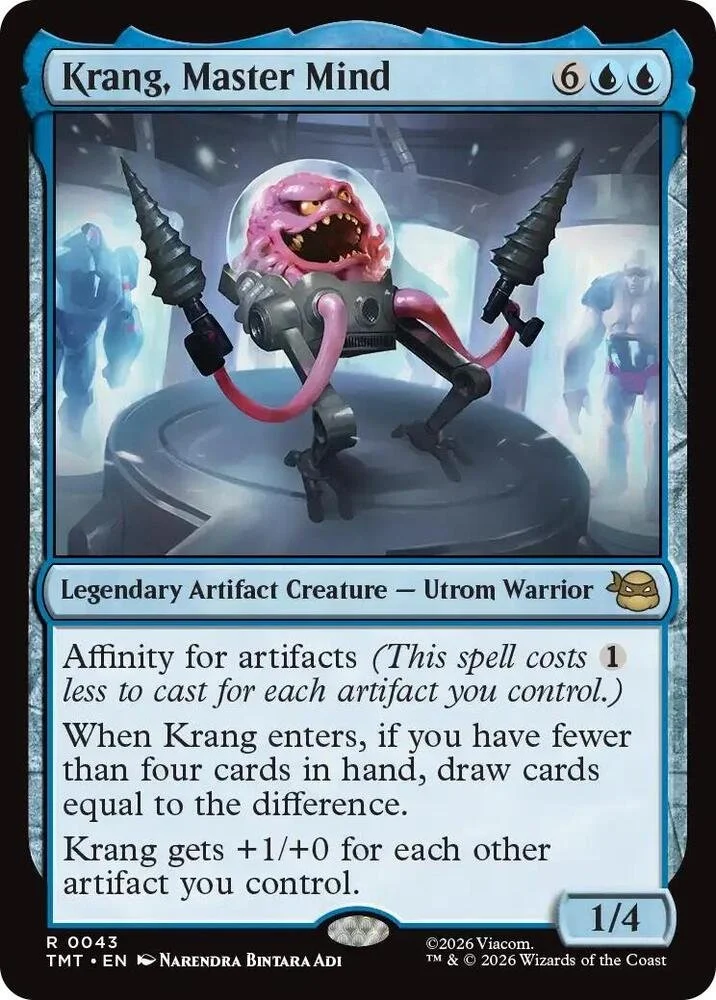
Cards like Fugitive Droid let you repeatedly stack counters while sneaking in damage. Meanwhile, creatures such as Krang, Mastermind and Krang, Utrom Warlord become terrifying late-game threats once your battlefield is full of artifacts.
Then there’s Technodrome, which honestly feels tailor-made for Donatello. You can let it grow safely over time until it’s ready to swing in as a legitimate win condition.
I also like running The Ooze here as a functional stand-in for The Ozolith. Since Donatello is already moving counters around, The Ooze adds even more value to the process instead of simply storing them.
How the Deck Plays
The strategy is clean and resilient:
Play artifact creatures and stack counters aggressively
Protect Donatello at all costs
Move counters when creatures die
Repeat until something sticks
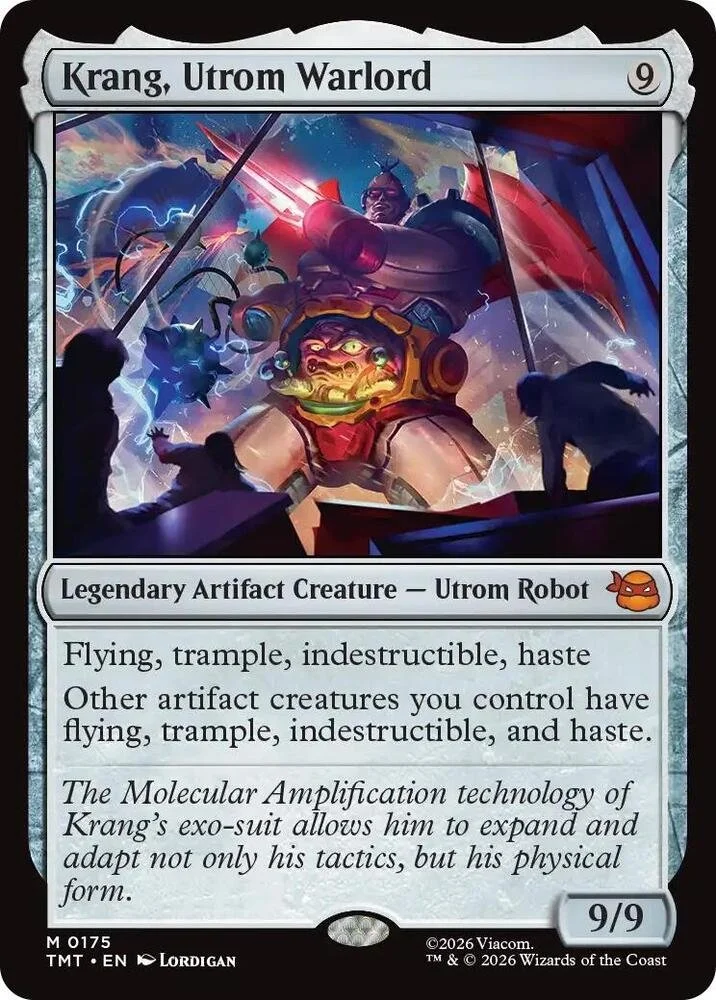
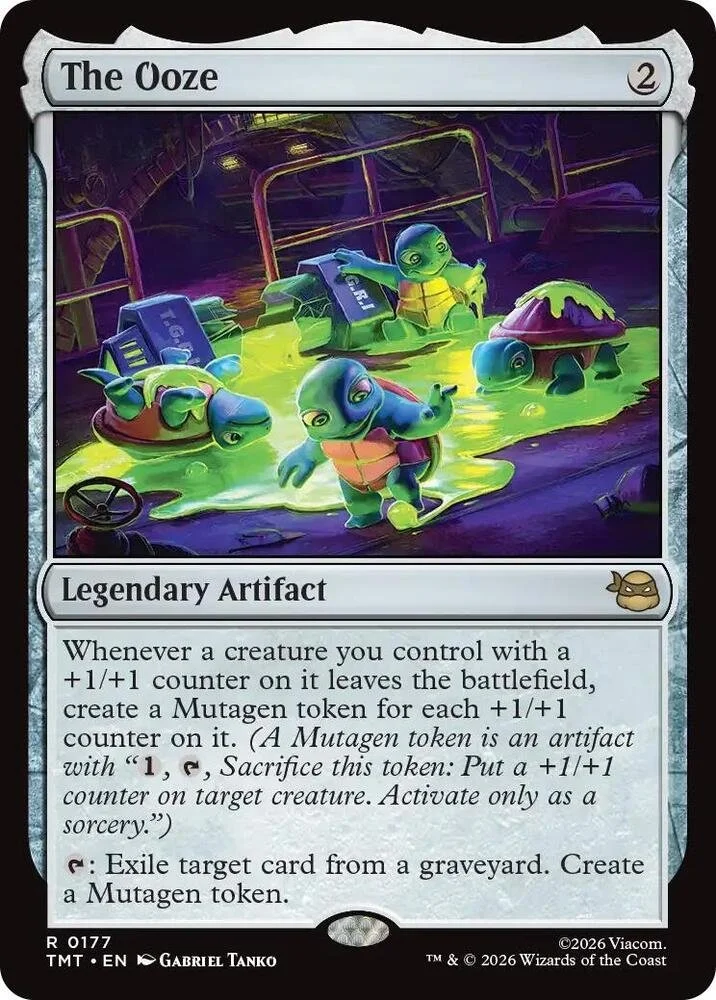
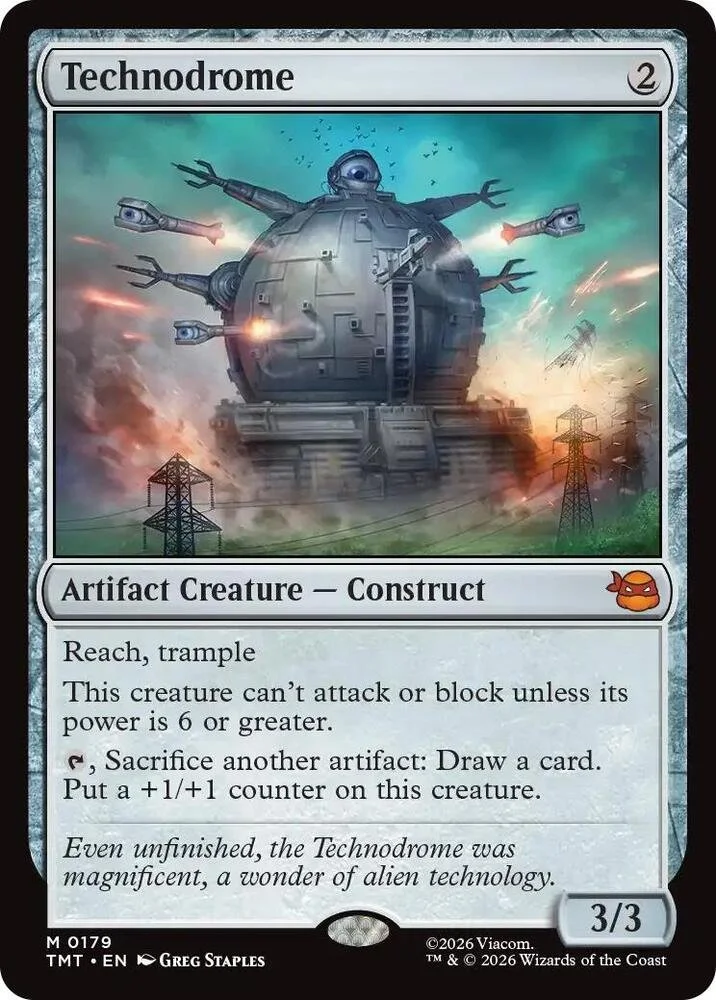
Your goal is to constantly grow your board into massive threats. When one creature inevitably eats removal, you simply transfer the counters and keep the pressure going.
Because the entire engine revolves around Donatello, you’ll want to pack counterspells and some enchantment removal to protect him. If he gets shut down, the deck can hit a serious wall.
TL;DR Strategy
Load up artifact creatures
Stack and redistribute counters
Protect Donatello
Grind value until one giant threat closes the game
It’s a methodical, snowball-style build that rewards careful sequencing and patience.
Mono-Blue: Kitsune, Dragon's Daughter
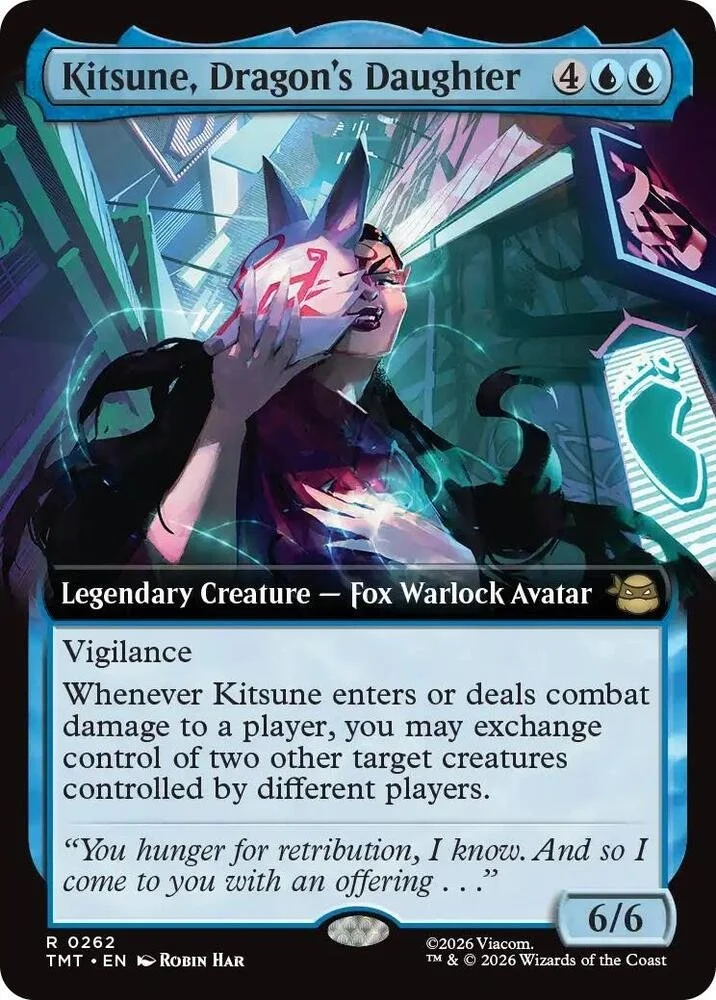
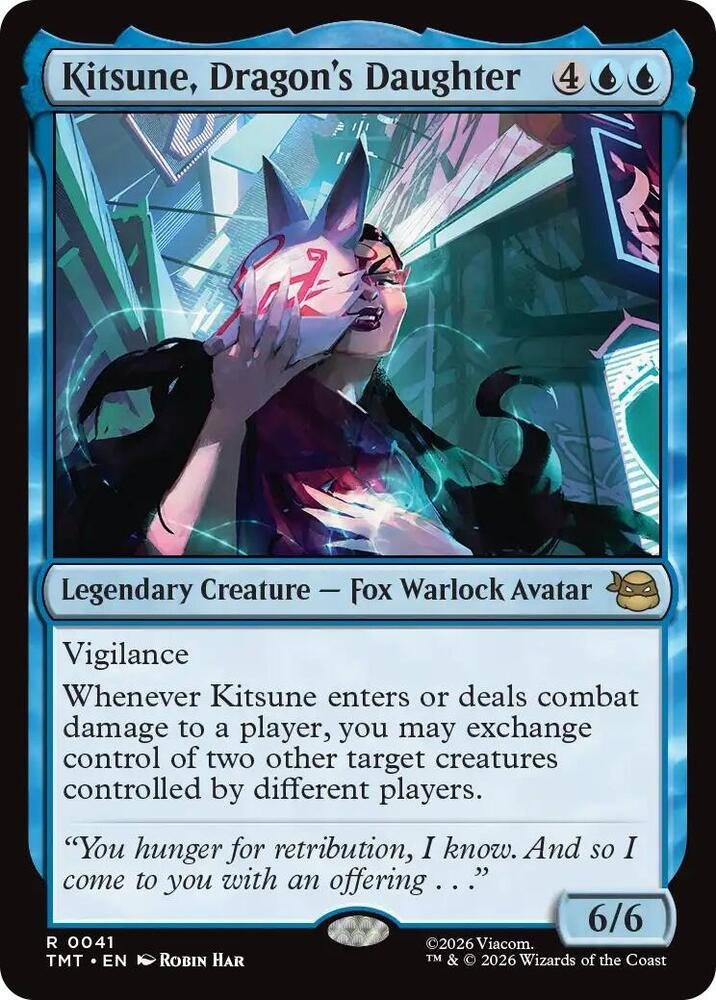
If Donatello is the engineer, Kitsune, Dragon’s Daughter is the table villain. This build is weird. It’s political. And it’s just a little bit sinister.
The core concept here is a thieving sacrifice deck — but with a twist. Since mono-blue doesn’t have many built-in sacrifice outlets, you’ll likely need to rely on colorless options like Altar of Dementia, Ashnod’s Altar, Carnage Altar, or Phyrexian Altar. Carnage Altar is the most budget-friendly, though the others offer free sacrifice options.
How the Deck Plays
The plan revolves around creature manipulation:
Give opponents weak or useless creatures
Steal or benefit from creatures you don’t own
Sacrifice strategically
Blink to reset the board in your favor
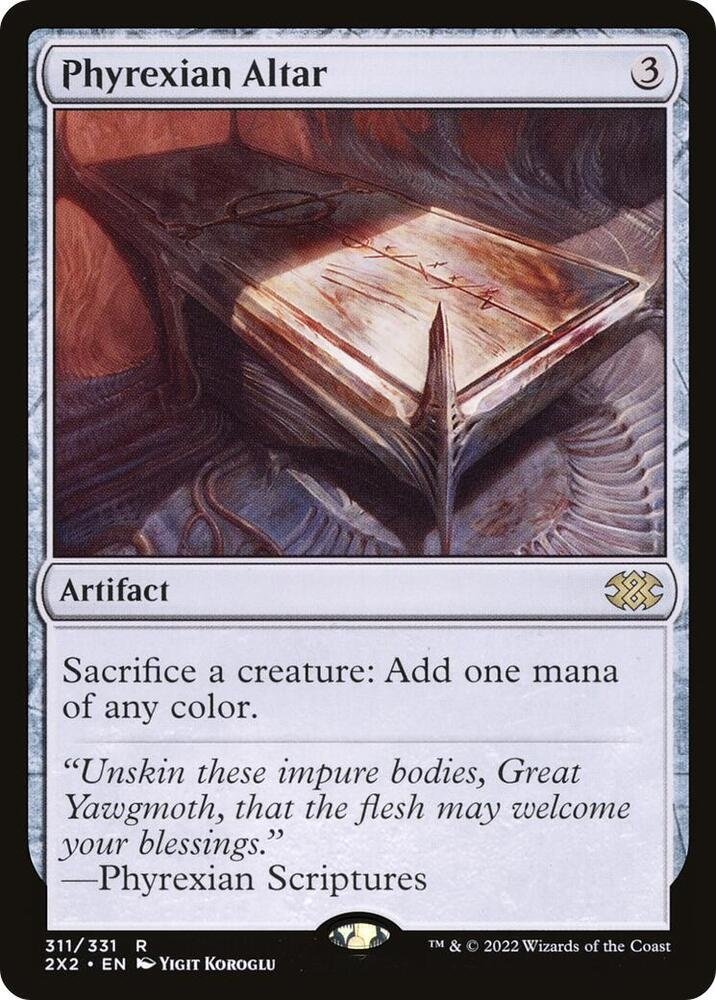
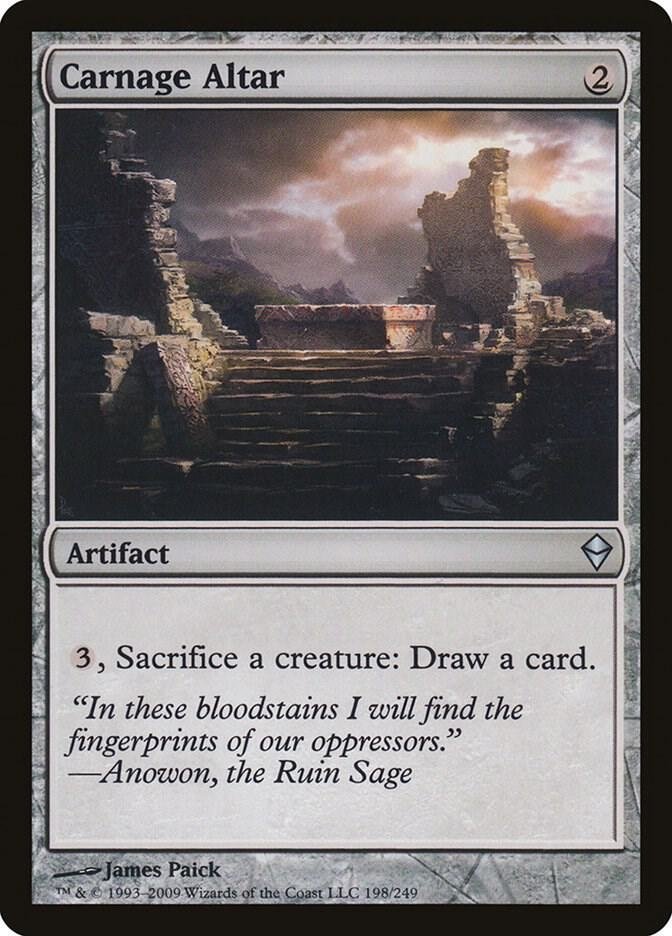
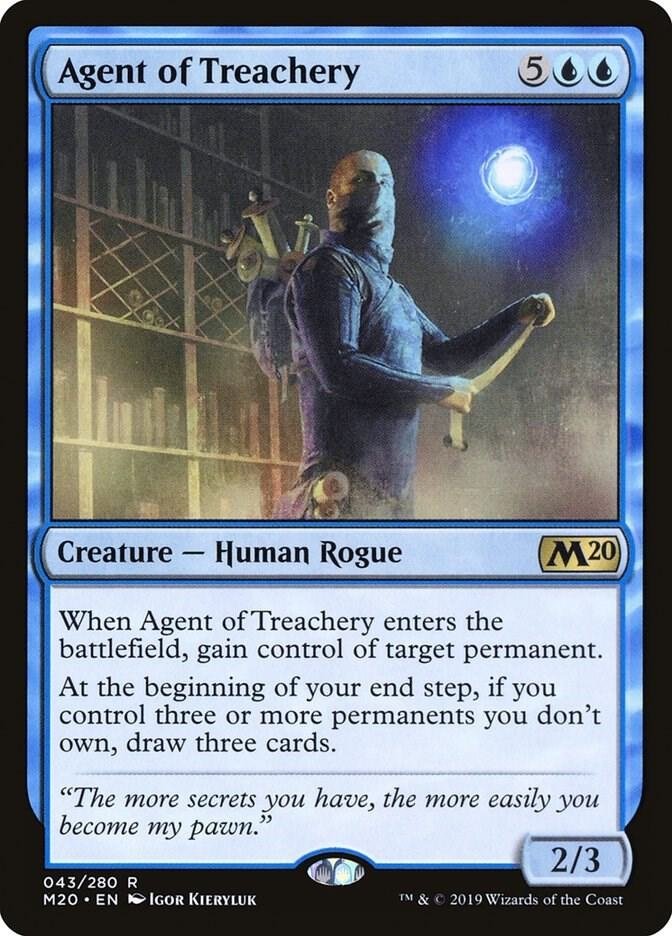
You’ll want to include creatures that can’t attack or block, low-impact vanilla creatures, or creatures with ETB effects you’ve already benefited from. These become “gifts” you hand to your opponents.
Then you add payoff cards like Agent of Treachery, which reward you for controlling creatures you don’t own. Even removal like Pongify, which normally feels bad because it replaces a threat with a creature, becomes upside here. You destroy something important and generate swap fodder in the process.
Kitsune also opens up strong political lines. You can temporarily strengthen an ally’s board, make deals, or shift power around the table — all while quietly setting up your own advantage.
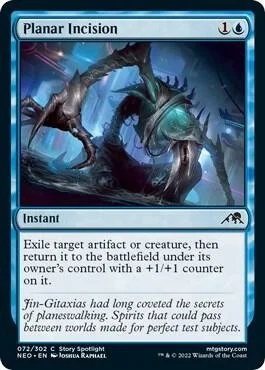
Finally, blink effects like Planar Incision let you exile creatures you own that are under an opponent’s control, returning them to your battlefield refreshed. Your opponent loses the creature entirely, and you get it back stronger.
TL;DR Strategy
Donate weak creatures
Profit from creatures you don’t own
Use sacrifice outlets to control the board
Blink to reclaim what’s yours
It’s chaotic, interactive, and absolutely the kind of deck that makes the whole table nervous — which is exactly the point.
Mono-Black: Rat King, Verminister
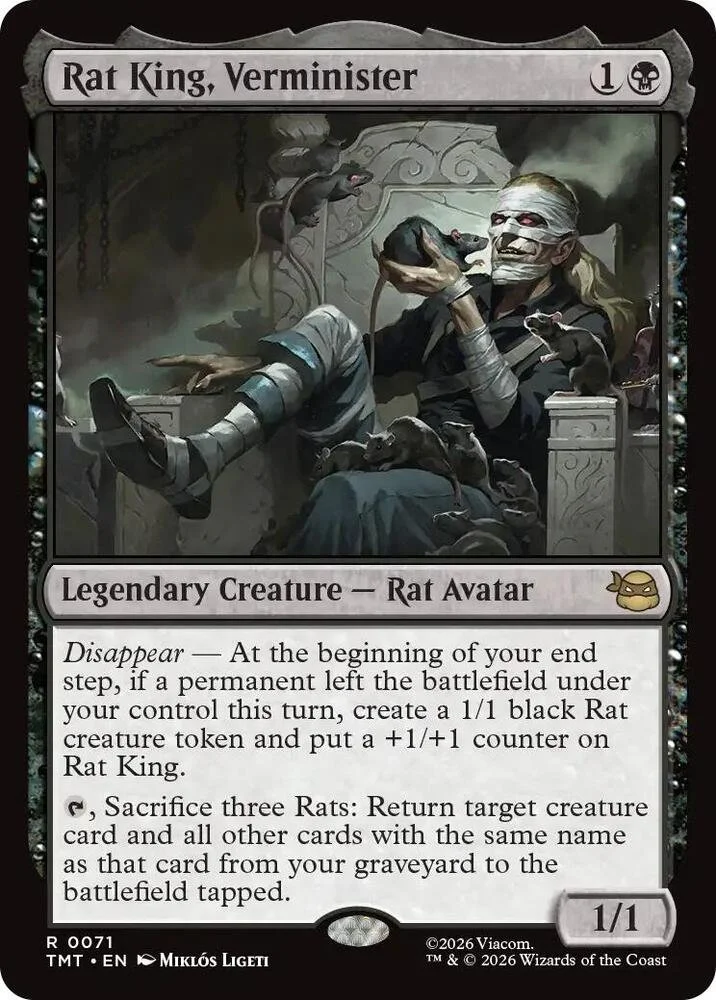
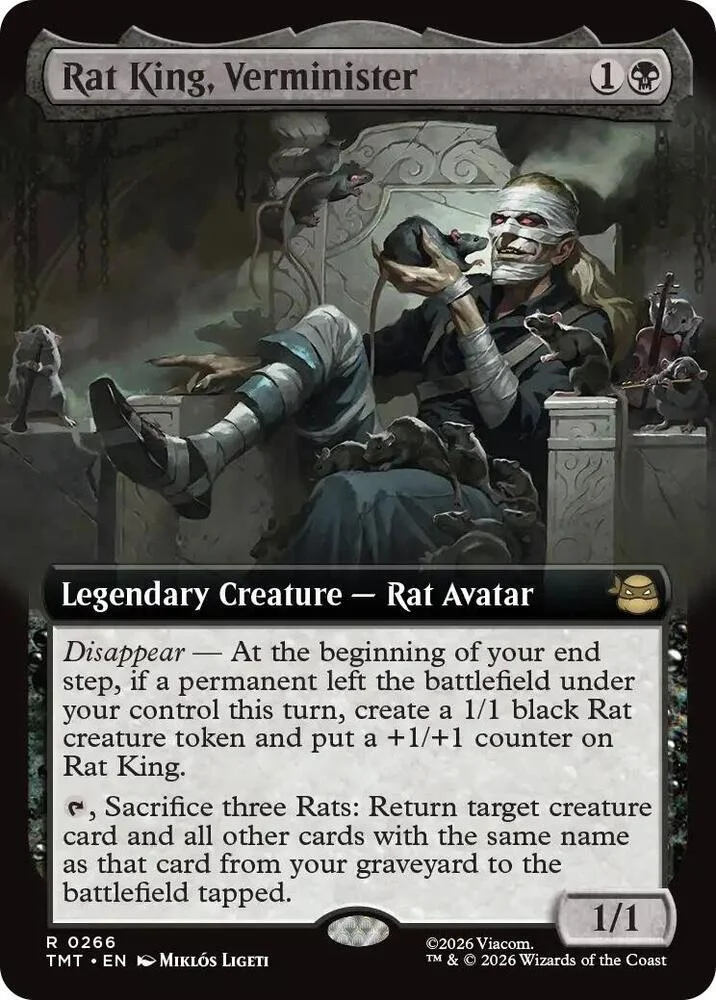
Just like blue, mono-black gave me two very different—and very fun—commander options. The first is Rat King, Verminister.
The more I look at TMNT, the more I see echoes of Kamigawa—ninjas, sneaky combat tricks, and of course, rats. There’s a surprising amount of overlap in themes, so it felt only right to spotlight a Rat commander from this set.
Interestingly, I didn’t choose Splinter for this role. Rat decks tend to lean a little… evil. Splinter doesn’t quite headline that vibe. Rat King, on the other hand, fully embraces it with built-in rat synergy and sacrifice support baked right into the card.
How the Deck Plays
If you’ve ever built Rat tribal or aristocrats, you already know the blueprint:
Flood the board with Rats
Sacrifice them for value
Drain the table
Repeat until everyone is overwhelmed
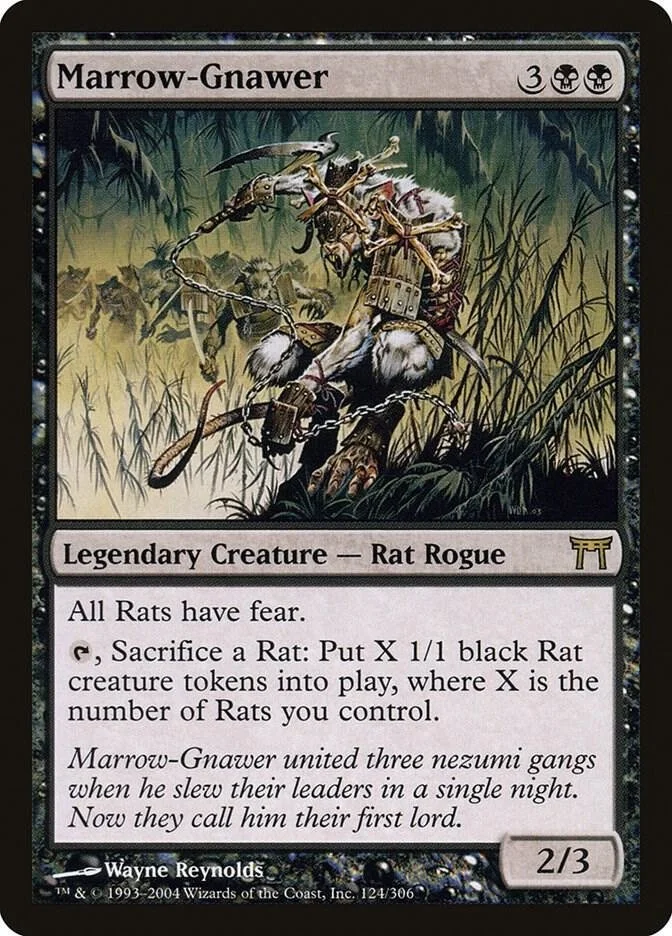
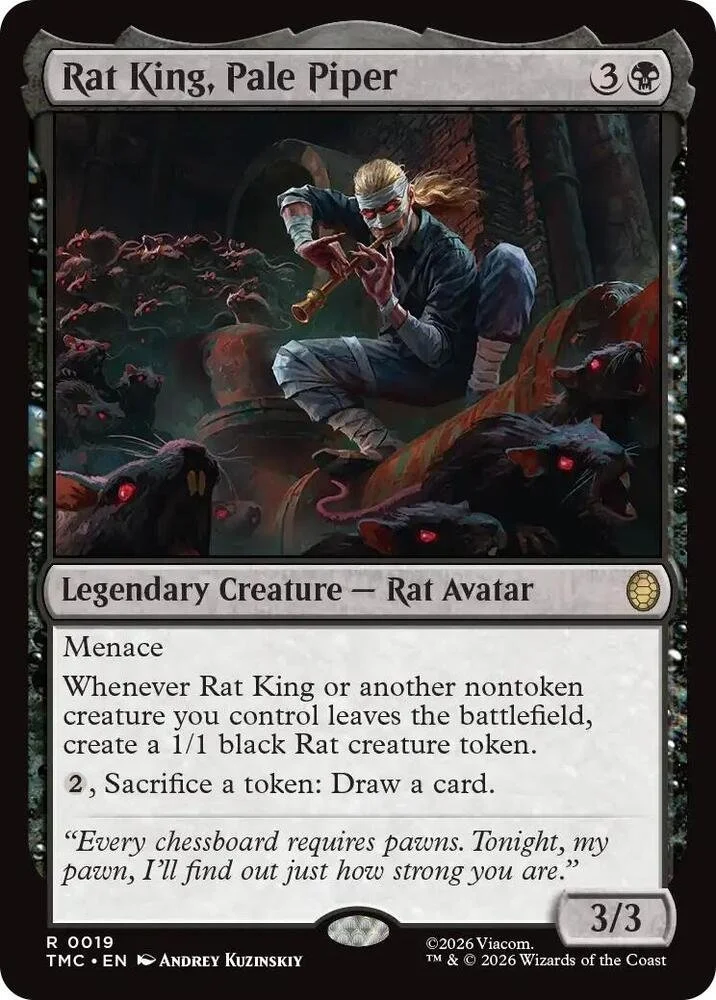
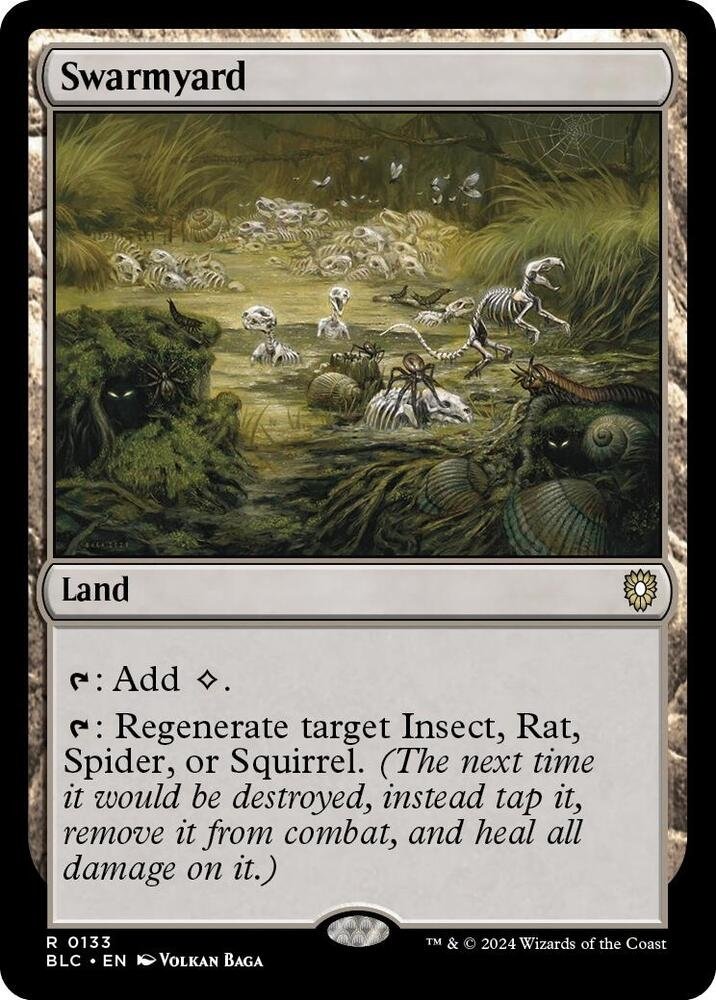
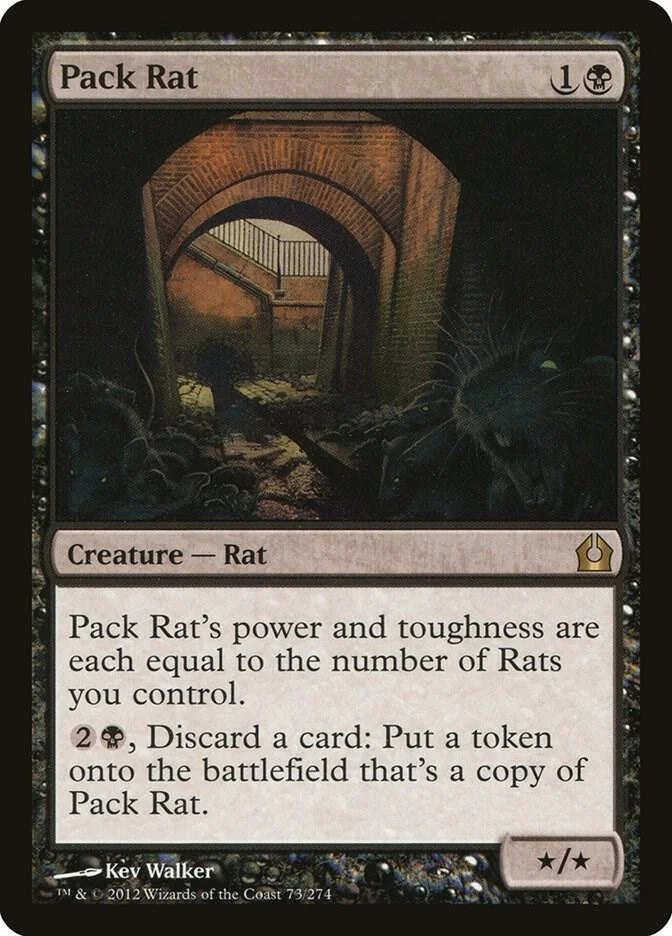
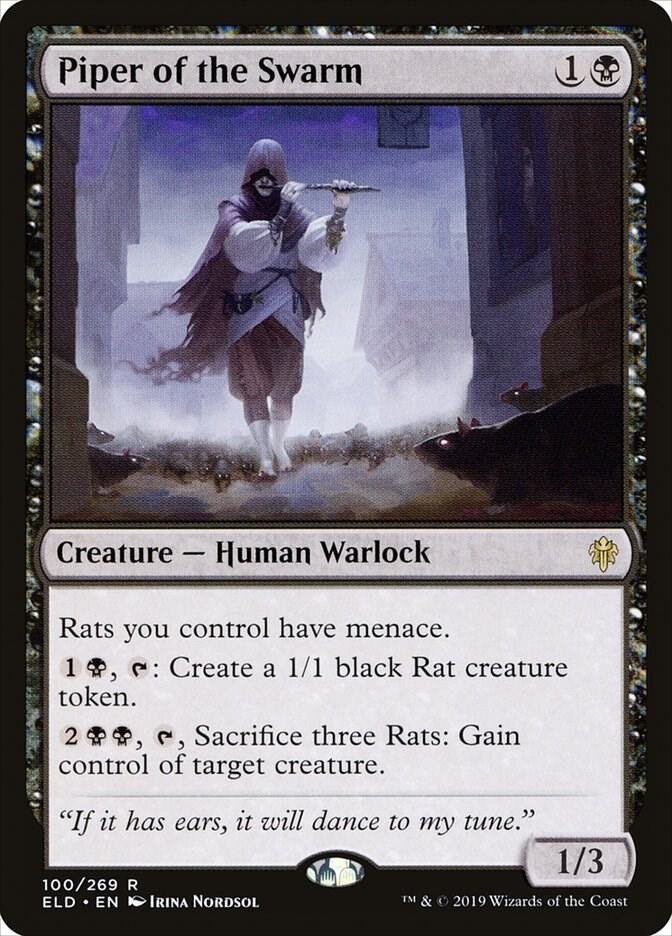
Classic pieces like Marrow-Gnawer multiply your board presence, while cards like Grave Pact turn every sacrifice into a punishment for your opponents.
Rat King doesn’t reinvent the archetype — and that’s honestly part of the appeal. It’s streamlined, synergistic, and does exactly what a mono-black Rat deck wants to do.
TL;DR Strategy
Play Rats
Sacrifice Rats
Profit from death triggers
Slowly grind the table into dust
It’s familiar territory — but if you love aristocrats-style decks, this is a clean and satisfying commander to helm it.
Mono-Black: Super Shredder
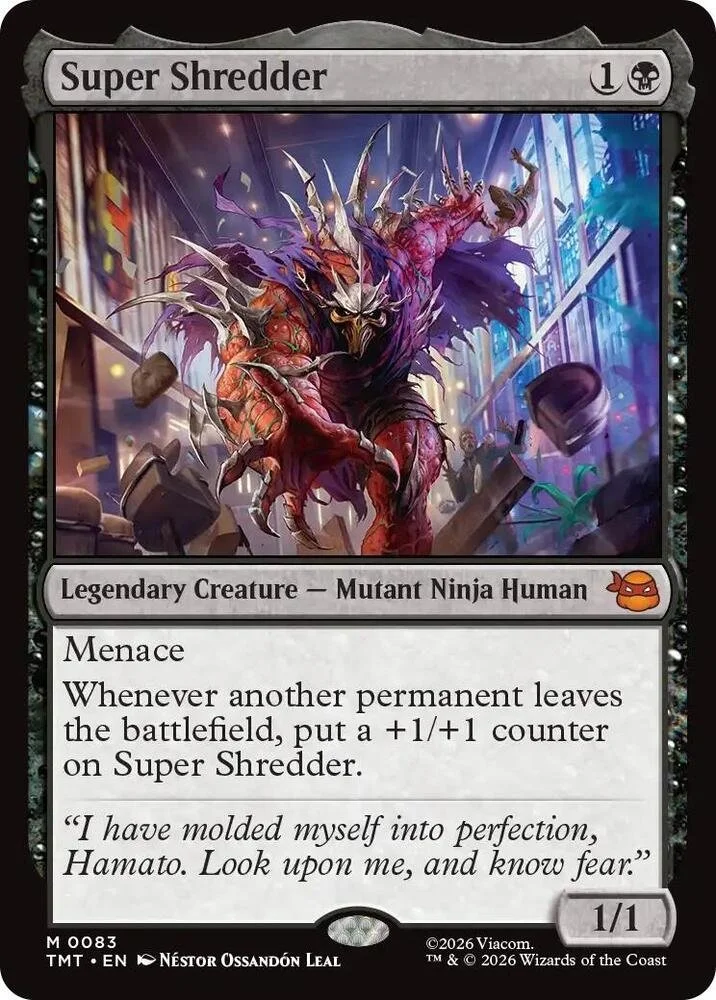
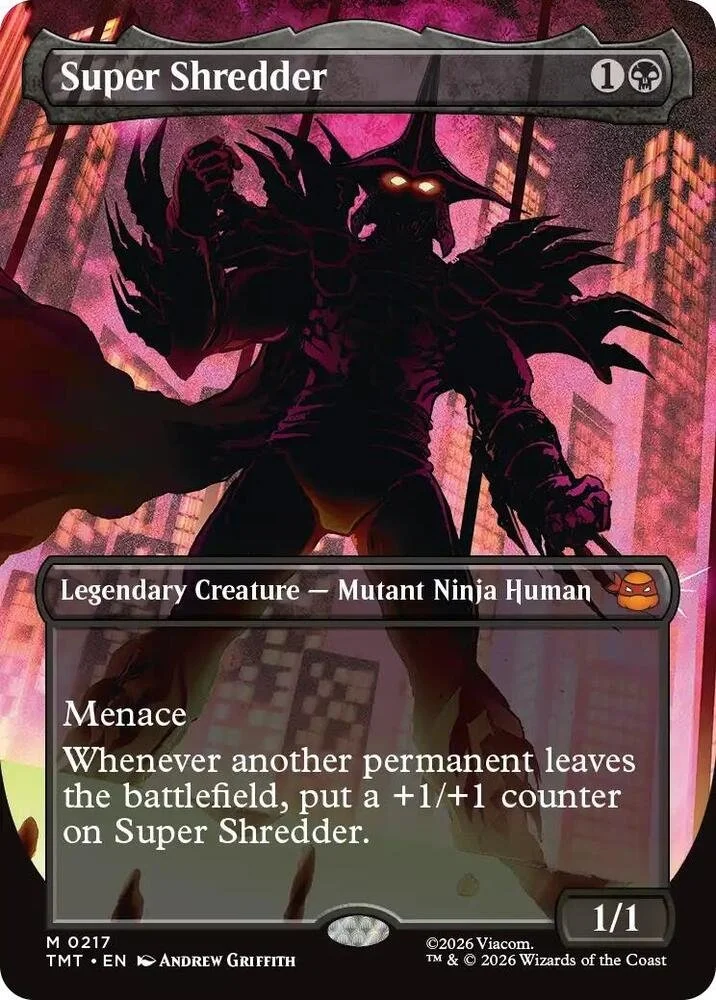
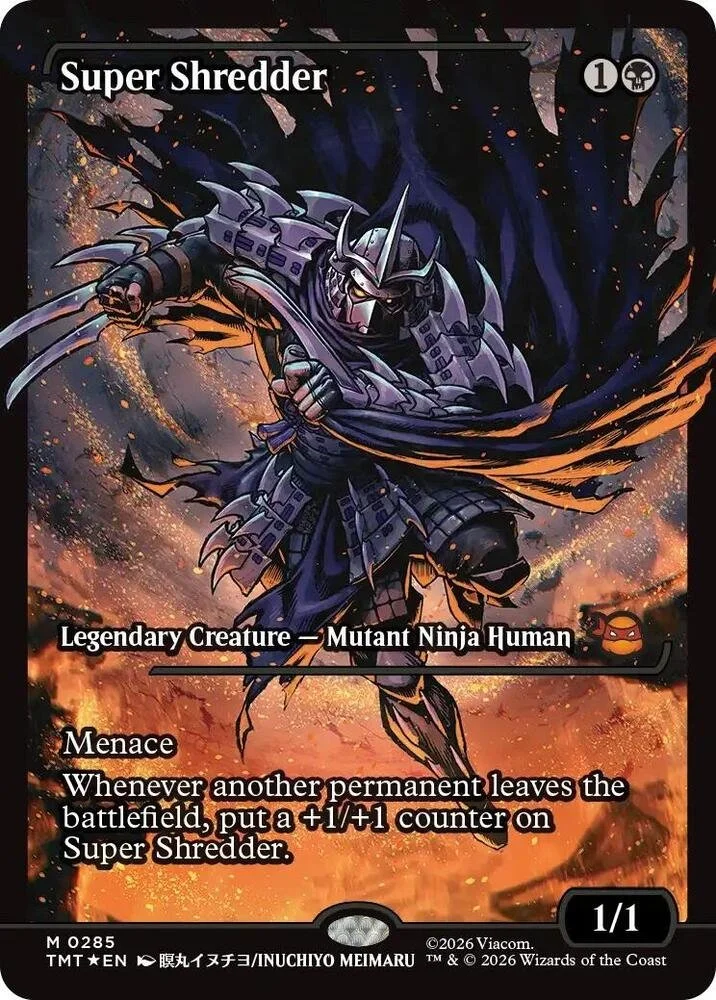
As much as I love Rats, I’ll be honest — Super Shredder is the more exciting mono-black option.
At first glance, he looks small. A 1/1 with Menace. Not exactly terrifying. But then you read the text: He gets a +1/+1 counter whenever a permanent leaves the battlefield. Not dies. Leaves. That one word opens up a ton of creative deckbuilding space.
How the Deck Plays
This doesn’t have to be just another sacrifice deck. Because Super Shredder triggers off any permanent leaving the battlefield, you can lean into mechanics like:
Warp
Sneak
Ninjutsu
Mobilize
Fetch lands
Sagas
The focus here is value through temporary presence.
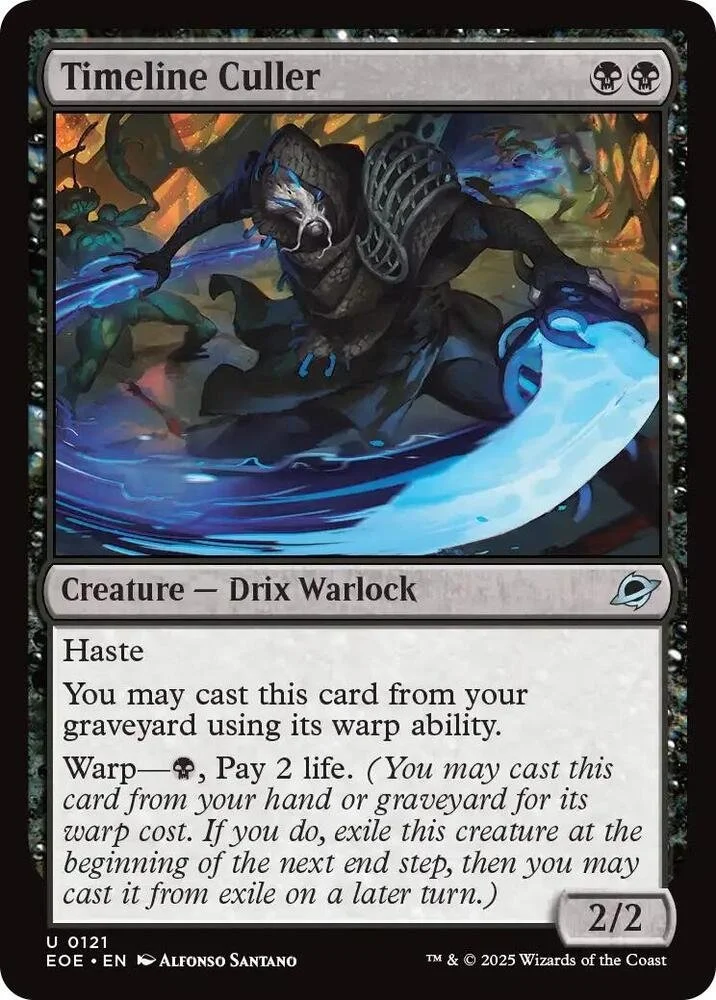
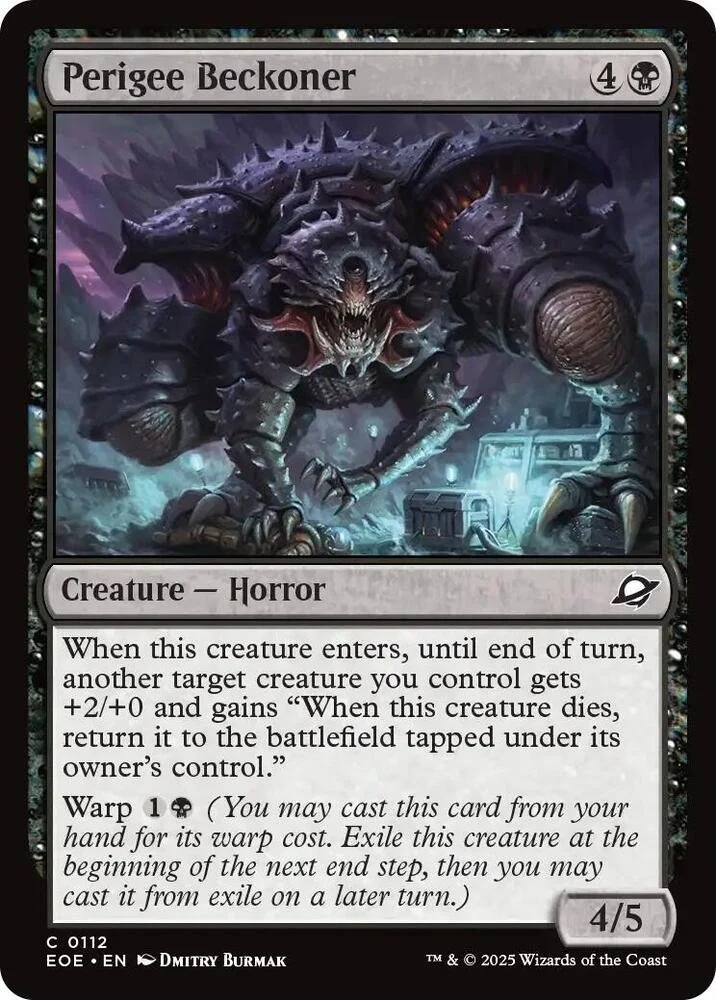
Creatures like Timeline Culler and Perigee Beckoner have Warp, letting you cast them cheaply before they exile themselves — triggering Shredder in the process. Timeline Culler even loops from the graveyard, meaning you can stack multiple counters over time. Sticking with that synergy, Alpharael, Stonechosen pairs extremely well with Warp and Sneak lines, pressuring opponents early while fueling Shredder’s growth.
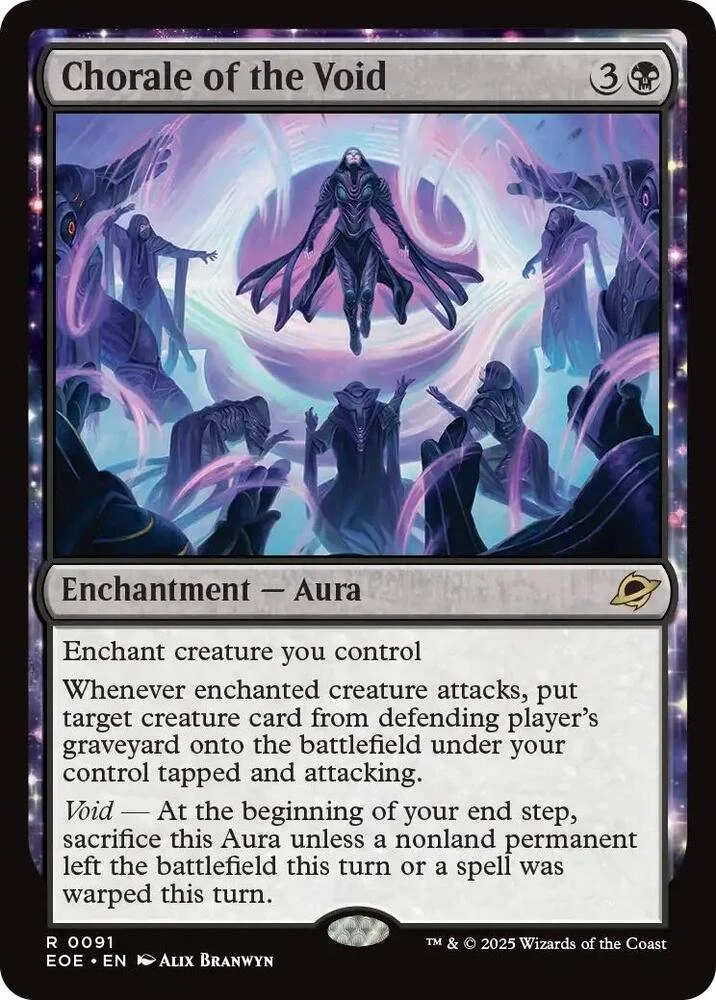
Then there’s Chorale of the Void, which steals creatures from your opponents’ graveyards and requires you to warp or remove permanents to maintain control — naturally triggering Shredder along the way.
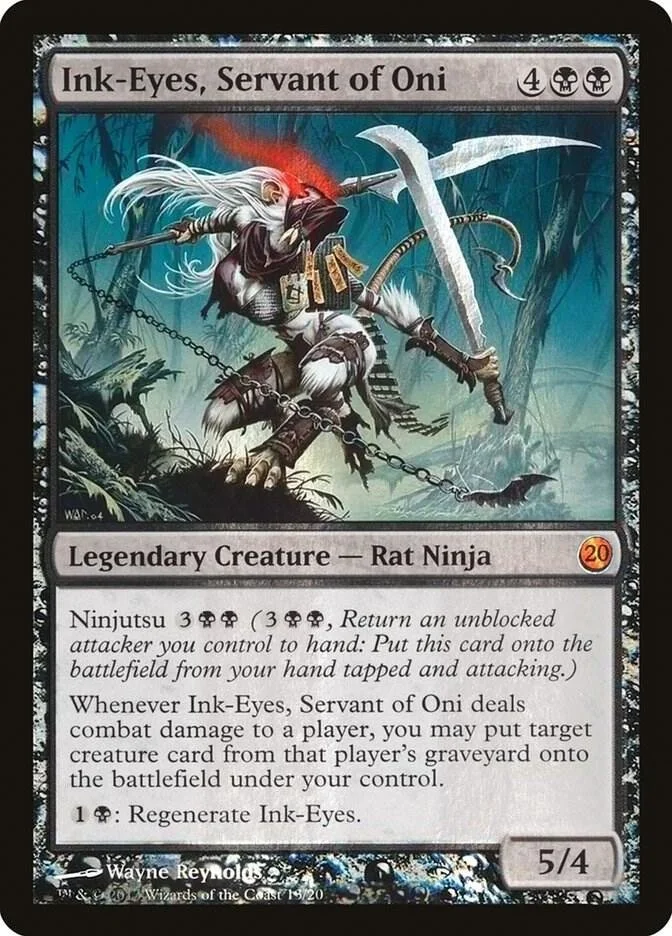
If you want to lean further into the graveyard theft plan, Ink-Eyes, Servant of Oni is a must-include. Ninjutsu triggers Shredder, it reanimates opposing creatures, and regenerate keeps it coming back for more.
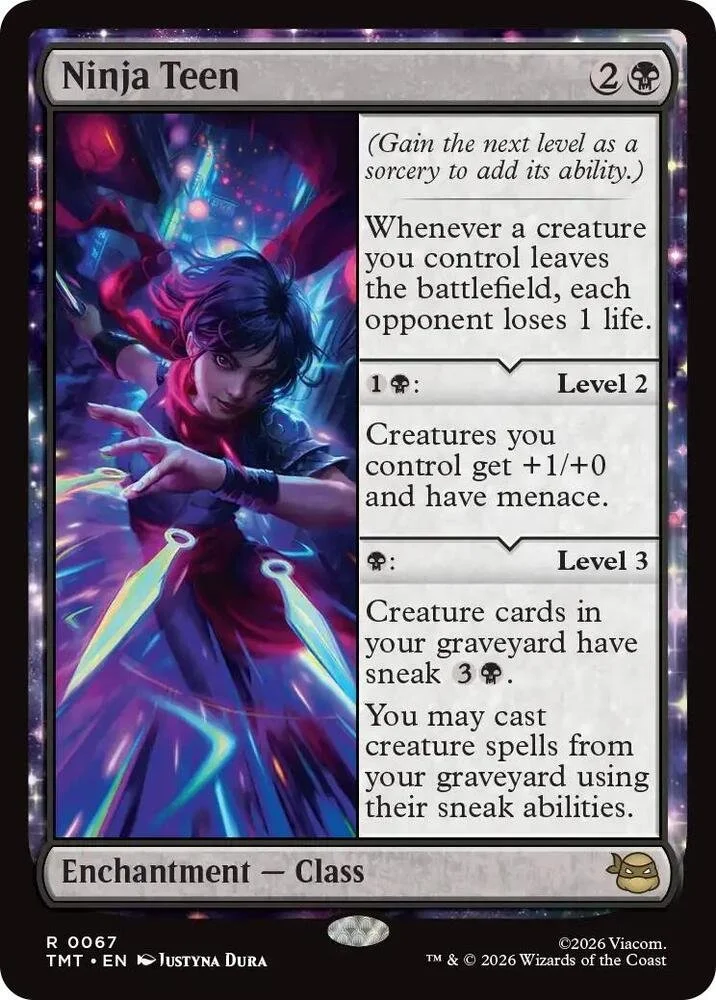
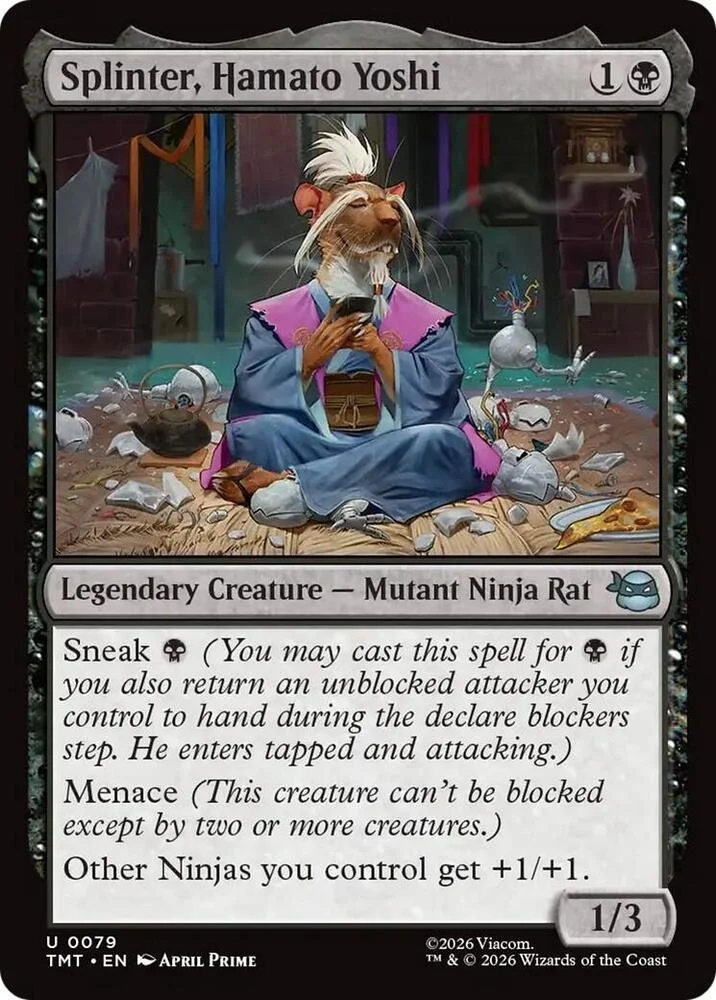
Support pieces like Ninja Teen and Splinter, Hamato Yoshi help buff your board, with Ninja Teen pushing you even deeper into graveyard synergy.
And if you really want to maximize triggers. Fetch lands (yes even in a mono-color deck). Sac lands. Even Sagas. Super Shredder doesn’t care what leaves — only that something does.
TL;DR Strategy
Build around permanents leaving the battlefield
Abuse Warp, Sneak, and Ninjutsu
Steal from graveyards
Let Shredder grow into an unstoppable threat
Instead of sacrificing your own board over and over, this deck feels more dynamic — constantly blinking, warping, swapping, and reusing resources while Shredder quietly becomes enormous.
It’s explosive, flexible, and way more creative than it looks at first glance.
Mono-Red: Raphael, Ninja Destroyer
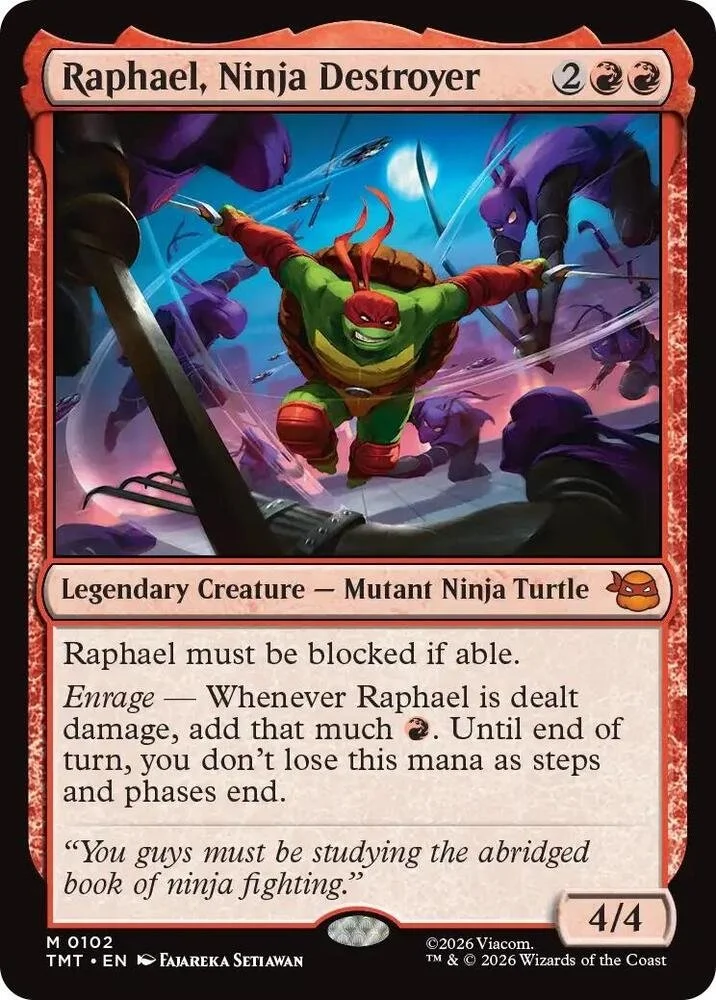
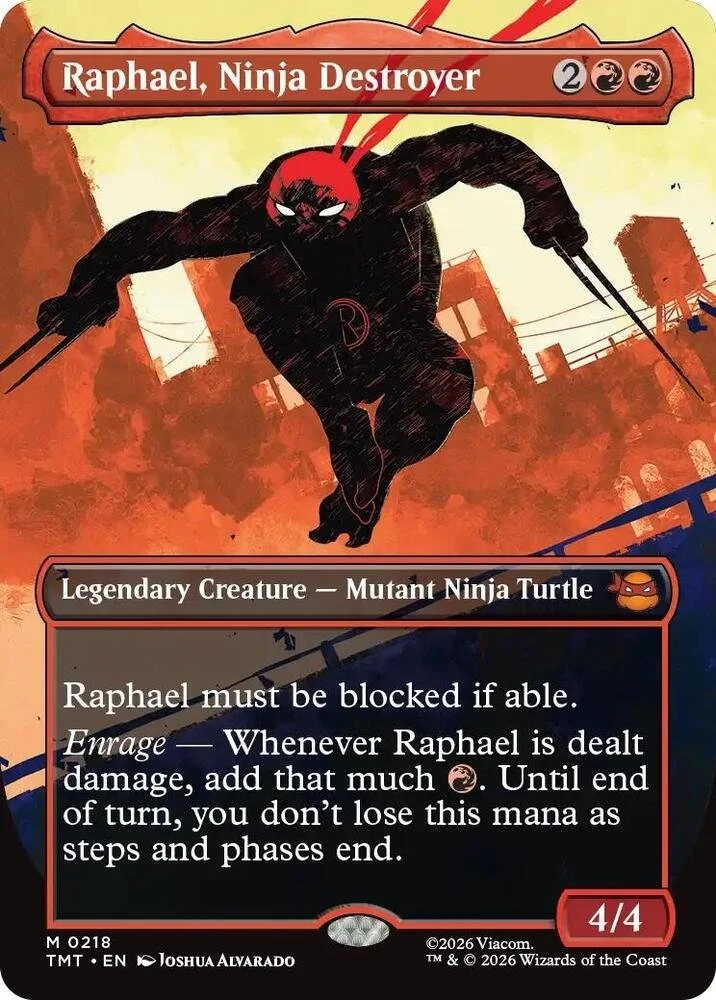
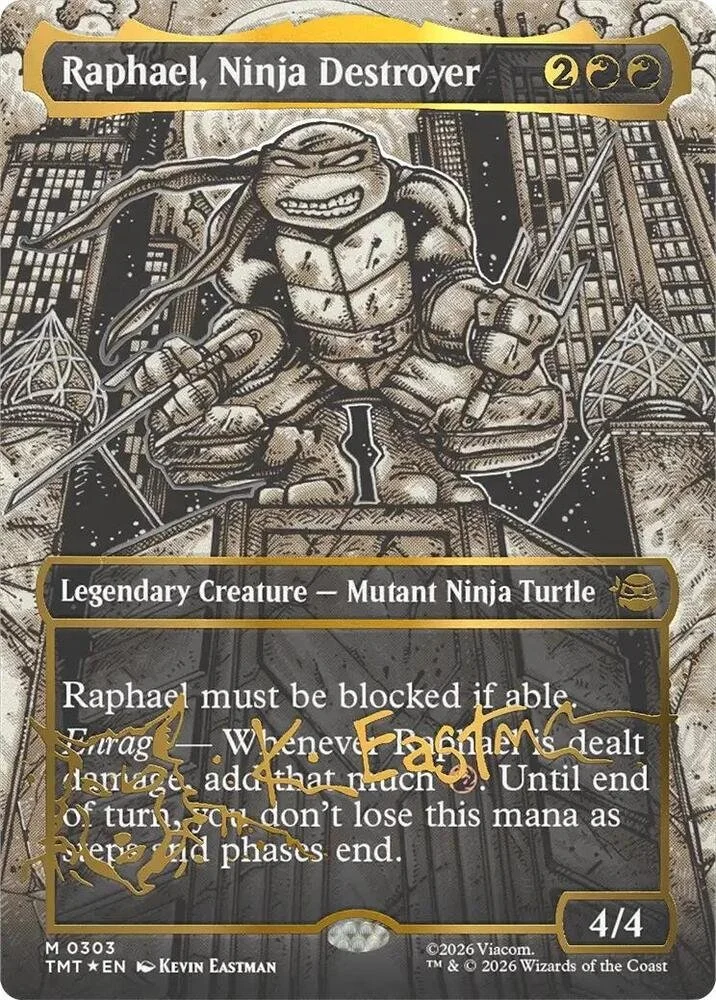
For mono-red, the answer was pretty clear: Raphael, Ninja Destroyer.
At face value, Raphael looks like a perfect mono-red Voltron commander. Load him up with equipment, protect him, and swing hard. But while that plan works perfectly well, I wanted to explore something a little more interesting.
Raphael’s Enrage ability generates one red mana for every point of damage he takes. The key detail here is that the damage isn’t prevented — meaning if we can keep him alive, we can turn incoming damage into massive bursts of mana.
So instead of building purely Voltron, the idea here is to combine Voltron protection with a damage-based mana engine.
How the Deck Plays
The strategy revolves around three core elements:
Increase Raphael’s toughness so he can absorb damage
Redirect or deal damage to him intentionally
Turn that damage into huge bursts of red mana
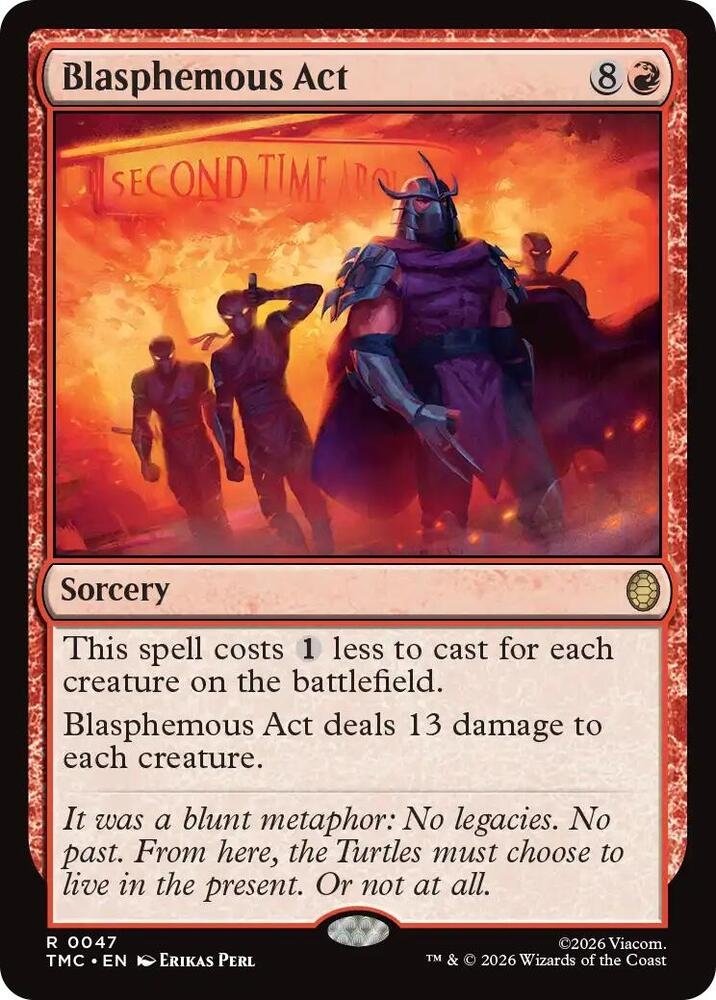
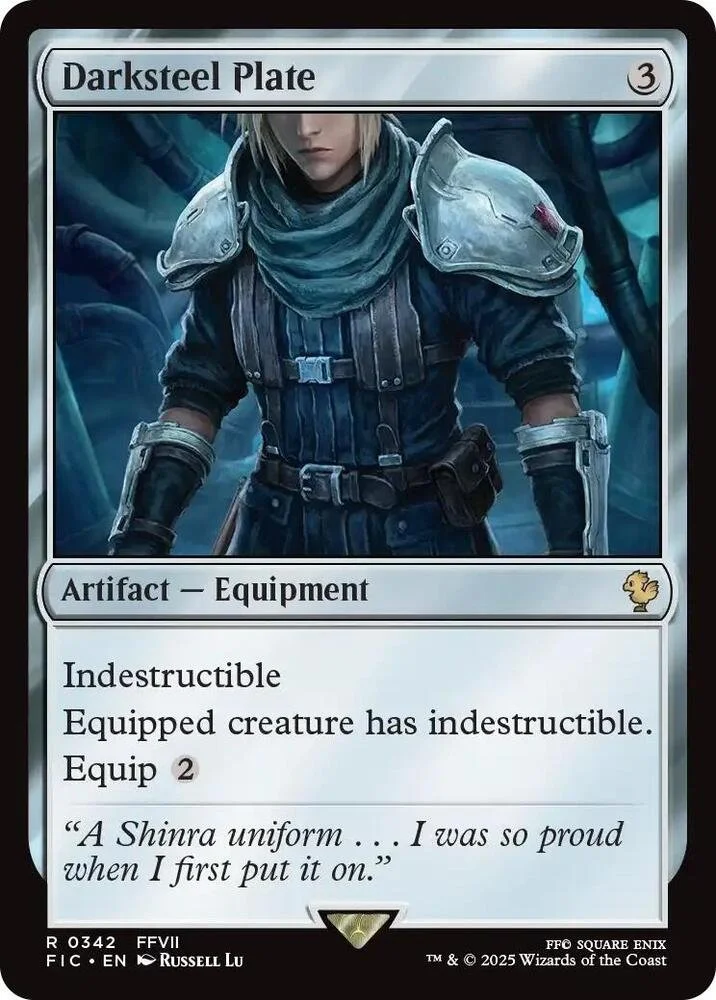
Since Raphael needs to survive the damage, protective equipment is essential. Mithril Coat and Darksteel Plate are perfect here, giving him indestructible so he can tank huge damage events without dying.
Once Raphael is protected, you can start converting damage into mana. Cards like Blasphemous Act become incredible here. If Raphael’s toughness is above 13, you wipe the board while generating a massive pool of red mana in the process.
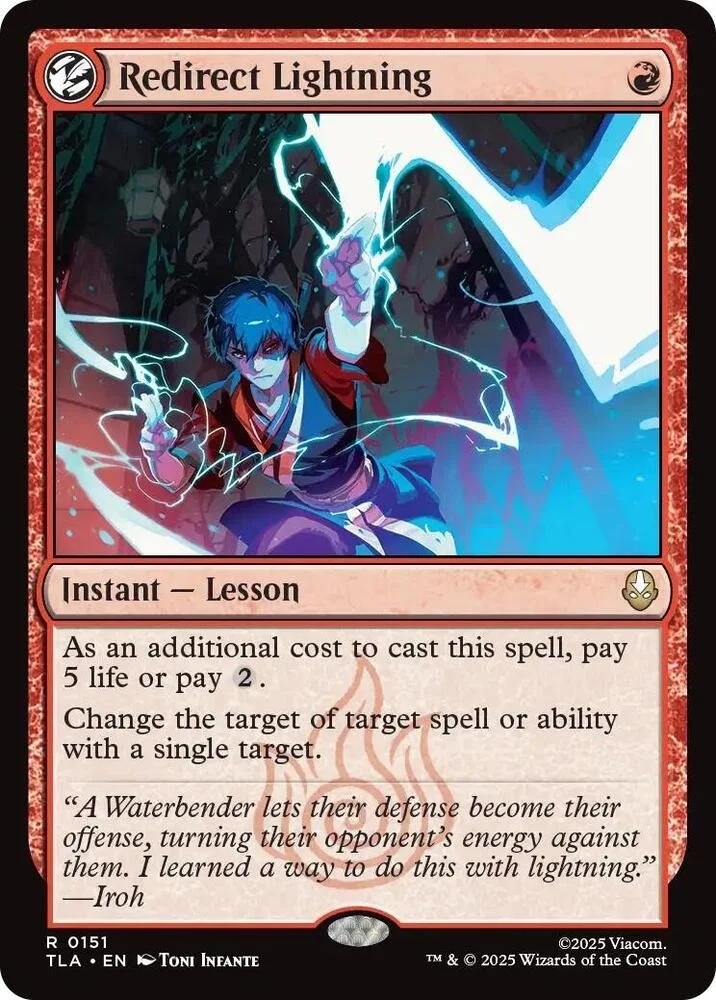
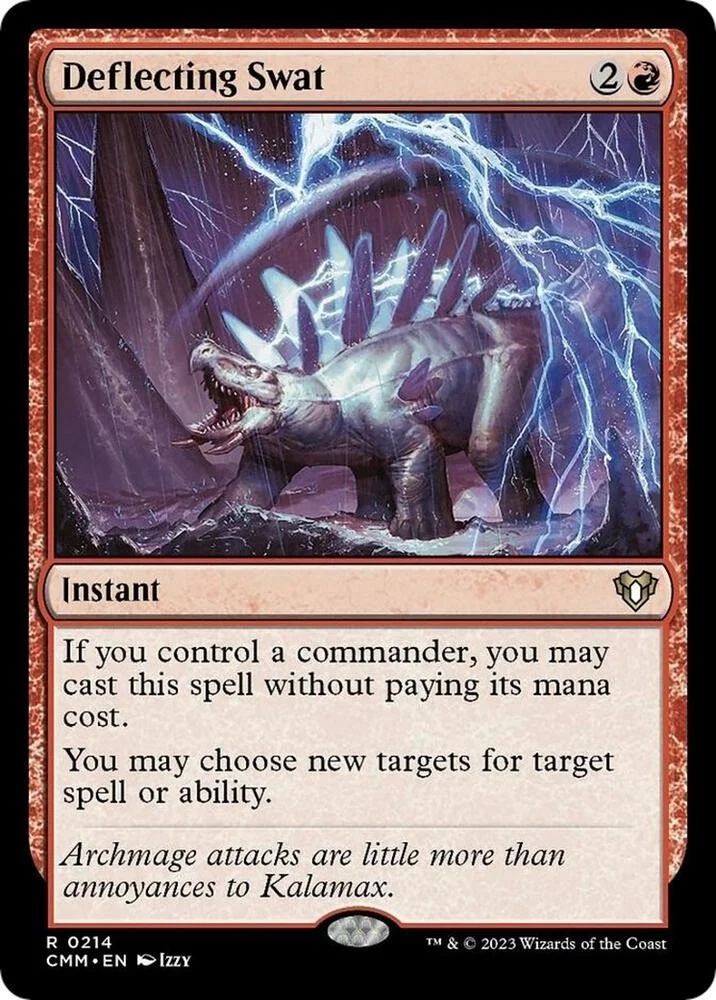
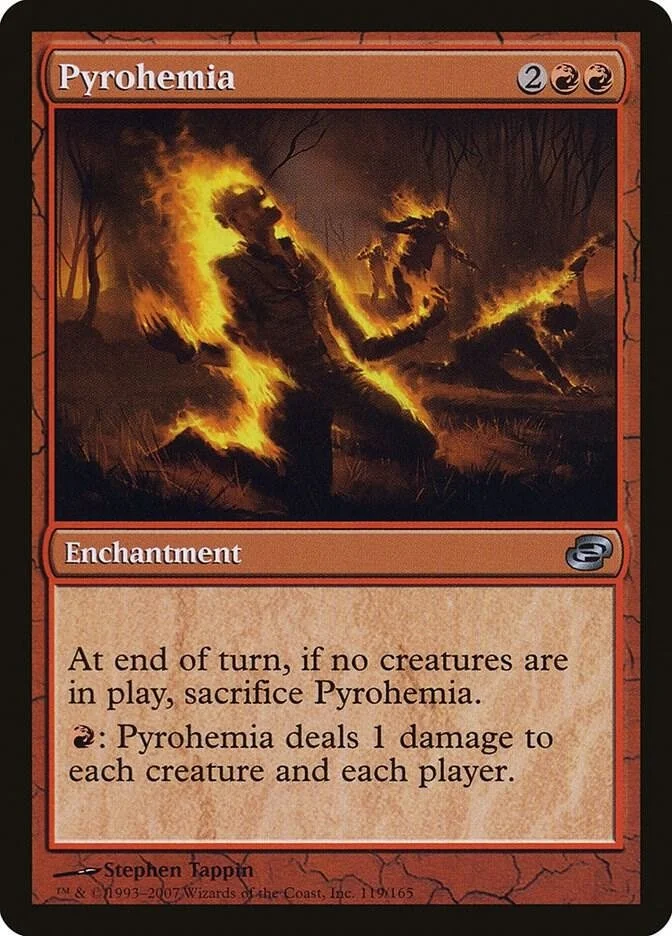
Other cards help fuel the engine even further. Pyrohemia deals repeatable damage each turn, guaranteeing you at least one red mana every activation while clearing out smaller creatures. You can also intentionally redirect damage toward Raphael with cards like Deflecting Swat or Redirect Lightning, letting him absorb damage that would otherwise hit you or your board.
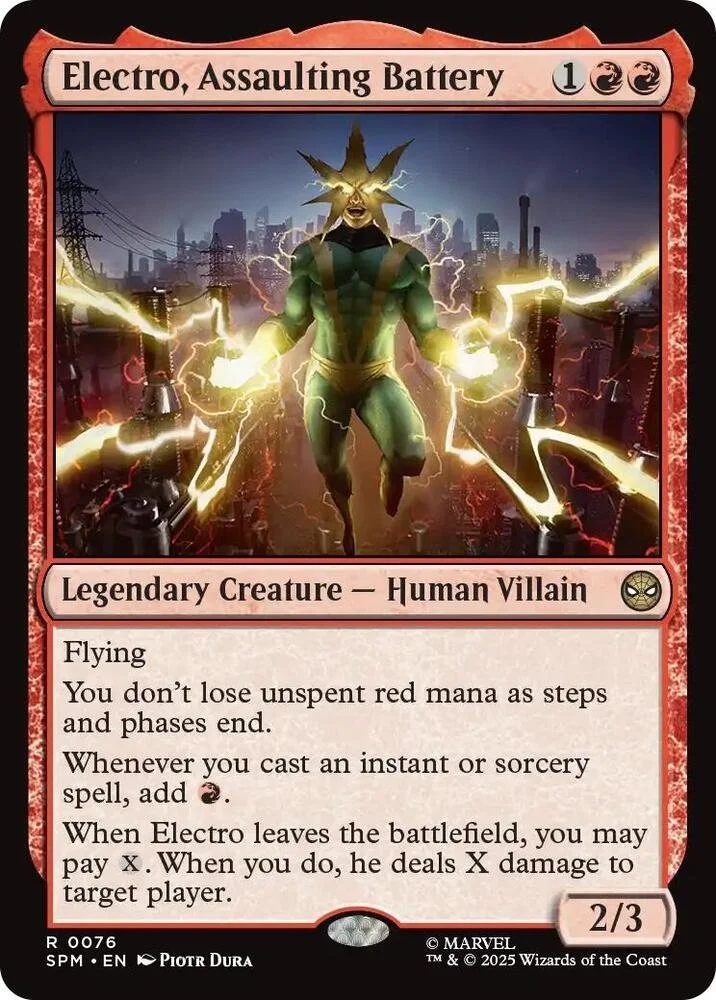
Then there are cards that reward you once that mana starts piling up. Electro, Assaulting Battery can turn those red mana bursts into a devastating payoff.
Turning Mana into Mayhem
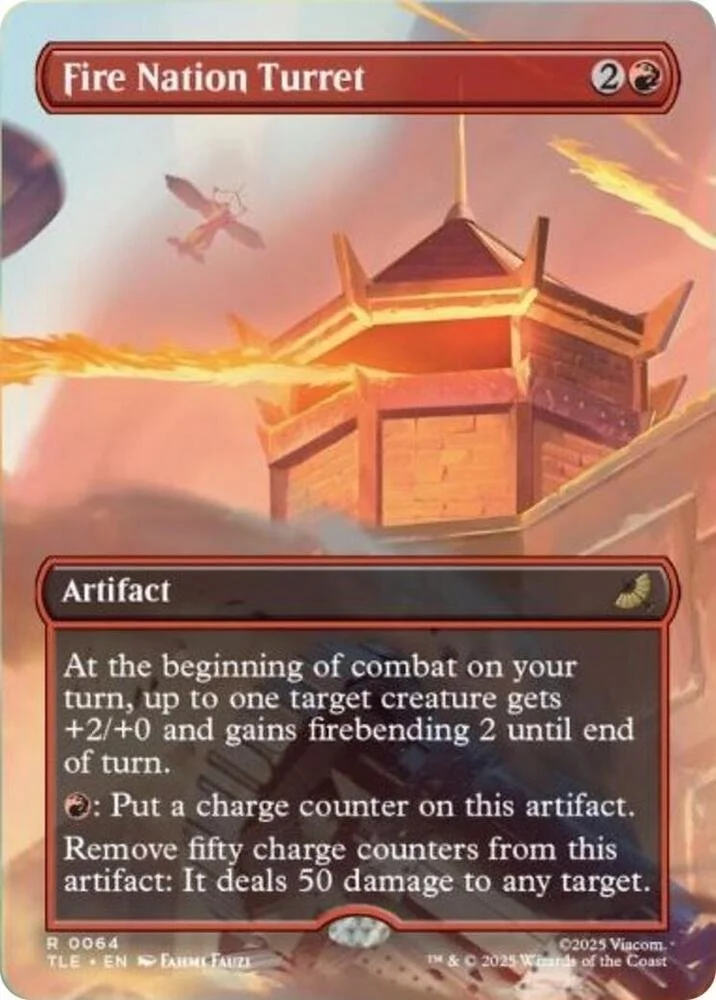
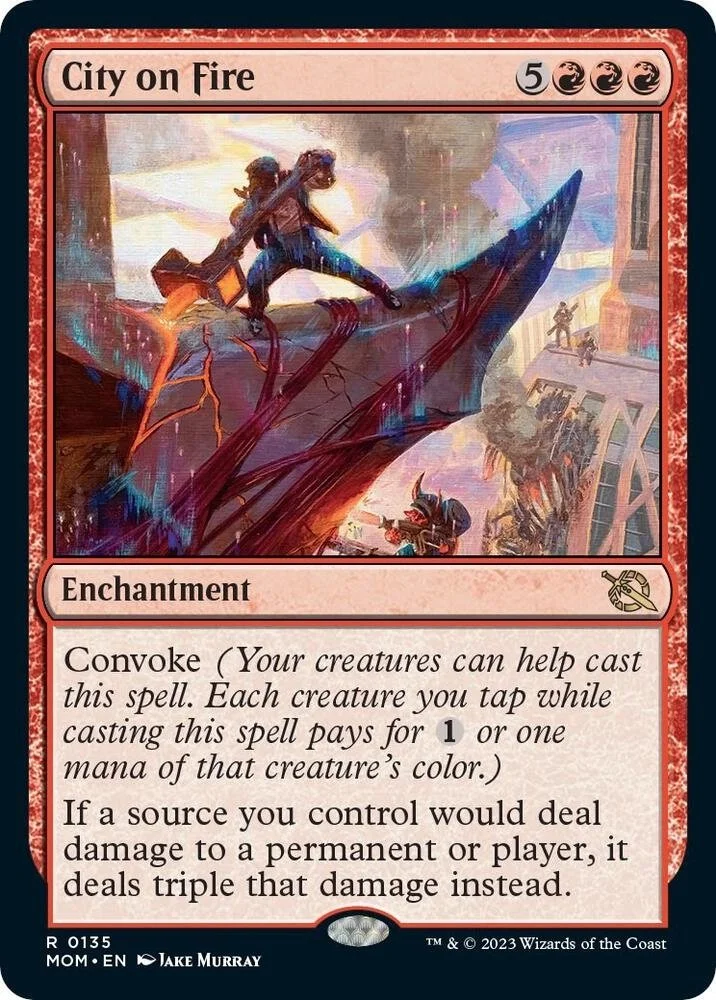
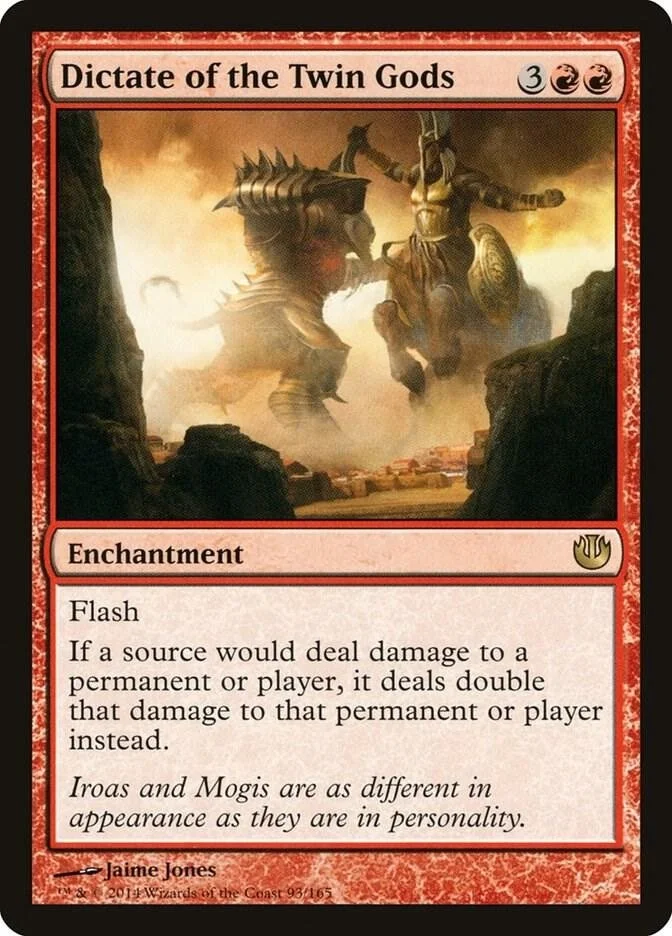
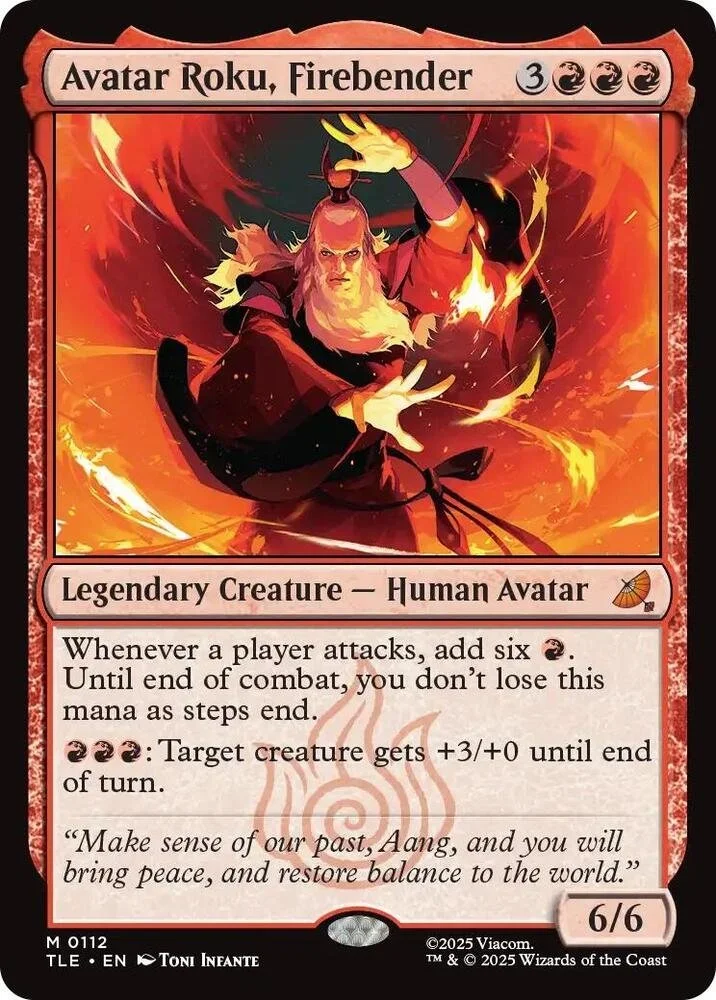
Once Raphael starts generating mana, the goal is simple: turn that mana into overwhelming damage. Cards like Ruby Medallion help stretch your mana even further, while damage multipliers like City on Fire or Dictate of the Twin Gods turn your spells into table-ending threats.
You can also take advantage of mechanics like Firebending, letting you bank extra red mana instead of losing it the way you normally would. At that point, you’re free to dump massive amounts of mana into explosive red spells and enchantments that push your damage output through the roof.
TL;DR Strategy
Protect Raphael and boost his toughness
Redirect or deal damage to him intentionally
Convert that damage into huge amounts of red mana
Use that mana to fuel devastating red spells
It’s aggressive, explosive, and extremely on-brand for Raphael. Once the engine gets going, the deck snowballs quickly into the kind of chaotic damage output that mono-red players live for.
Mono-Green: Michelangelo, Improviser
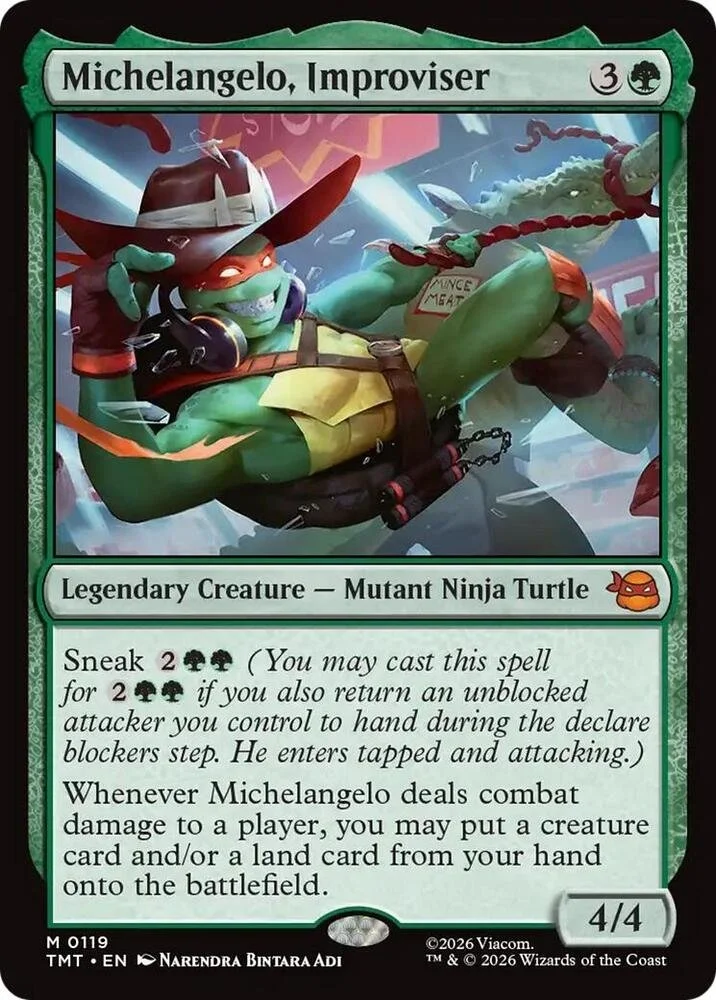
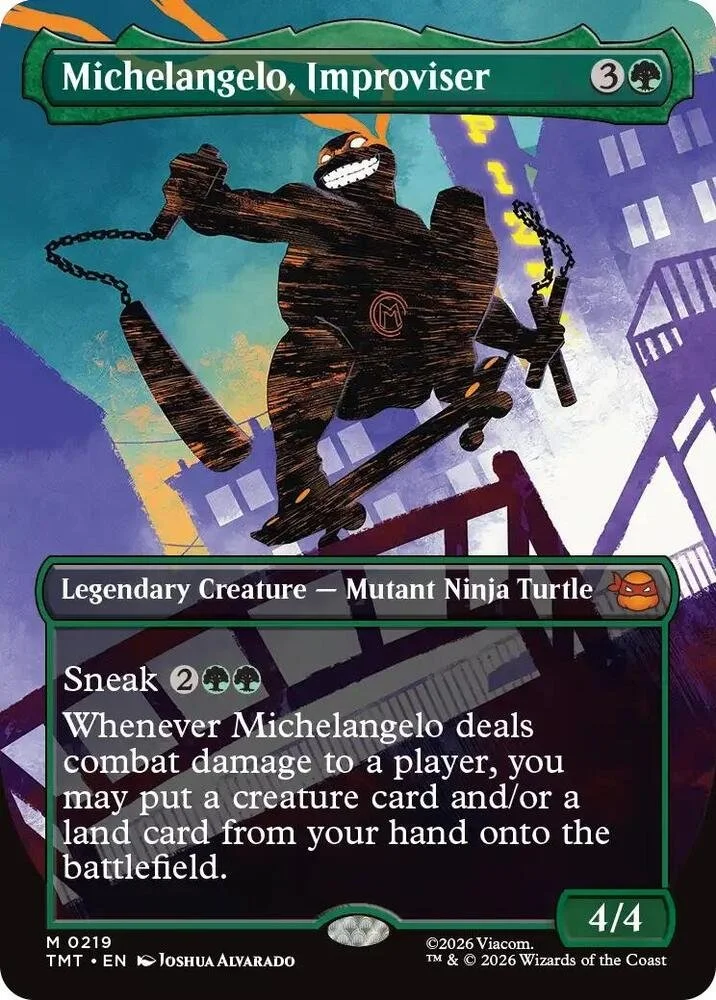
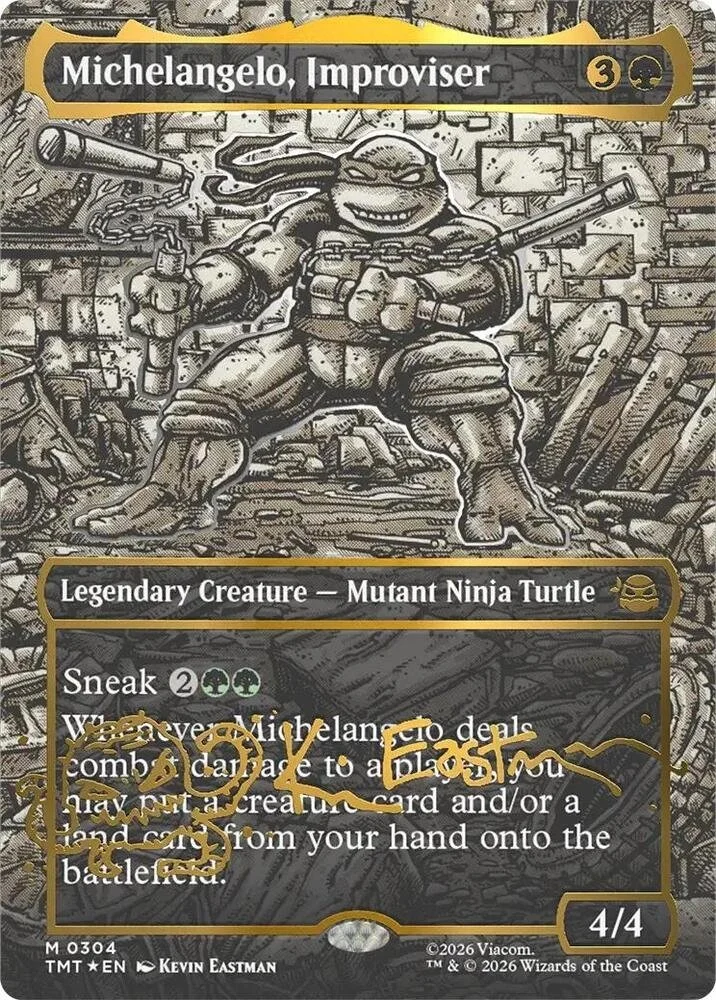
I’m happy to report that each of the four Turtle brothers has a mono-colored commander option. For green, the choice was Michelangelo, Improviser — and honestly, he might be one of the most mono-green commanders I’ve seen in a while.
Ramp. Big creatures. Combat damage. Repeat.
Michelangelo’s ability lets you put a land and a creature from your hand directly onto the battlefield whenever you deal combat damage. That means the entire deck naturally revolves around landing hits and turning those hits into massive board development.
It’s simple, powerful, and extremely on-brand for green.
How the Deck Plays
The game plan is straightforward:
Land combat damage with Michelangelo
Drop a land and a creature for free
Ramp into increasingly bigger threats
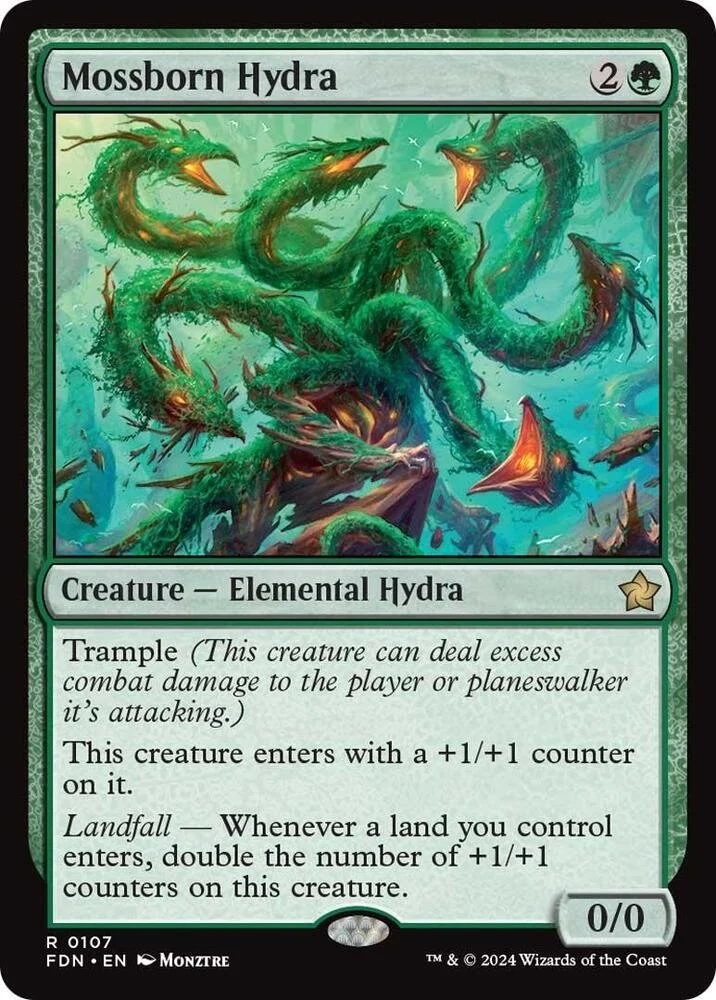
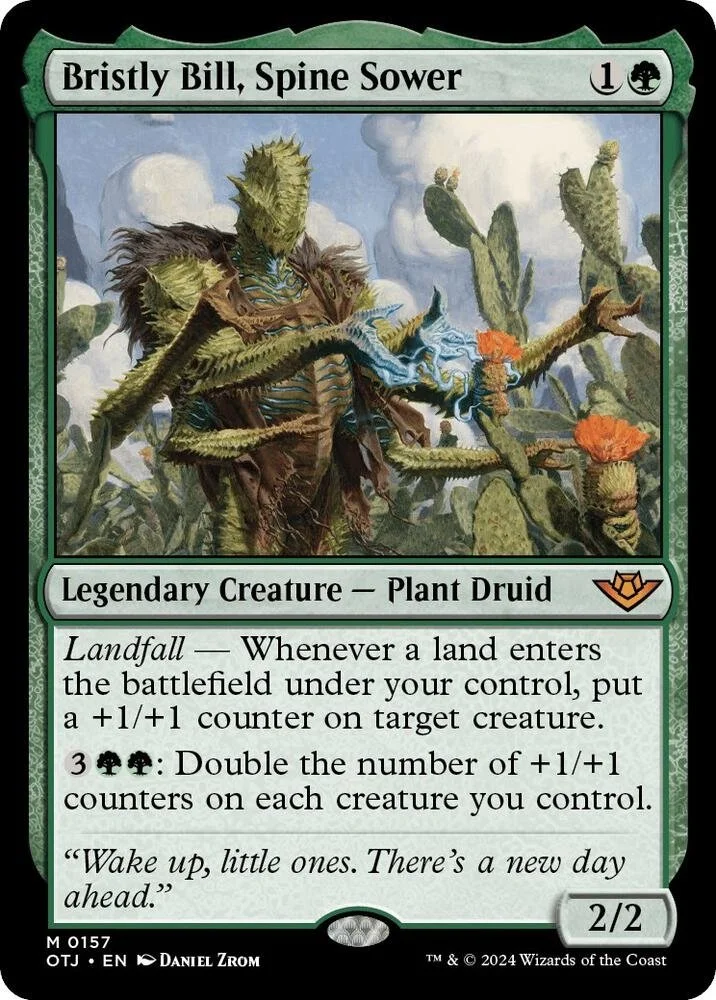
Because you’re getting free land drops, landfall creatures become incredibly valuable. Cards like Mossborn Hydra and Bristly Bill, Spine Sower scale quickly once those extra lands start hitting the battlefield.
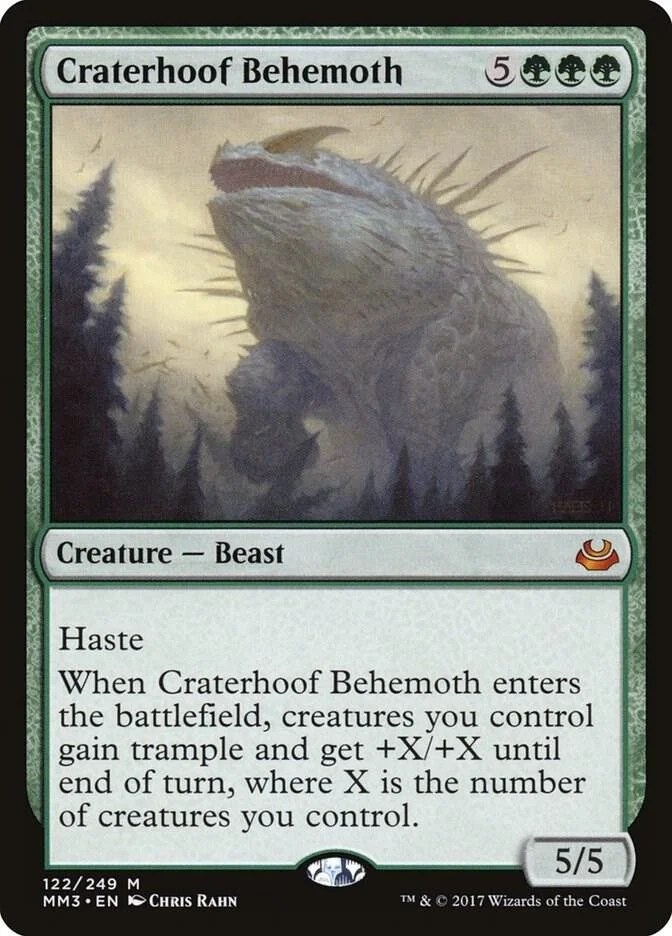
And of course, there’s always room for Craterhoof Behemoth, which somehow continues to find its way into nearly every big-green strategy.
Really, almost any massive creature you enjoy playing can find a home here. Michelangelo doesn’t restrict your creature choices — he simply accelerates them onto the battlefield faster than normal.
Making Sure Mikey Connects
The key to the deck is consistently dealing combat damage. If Michelangelo connects, the engine runs.
There are several ways to make that easier:
Sneak creatures into play for surprise attacks
Use Ninjutsu to bypass blockers
Add creatures or equipment that grant Trample
As long as Michelangelo lands a hit, your battlefield grows rapidly.
TL;DR Strategy
Deal combat damage with Michelangelo
Drop lands and creatures for free
Ramp into massive green threats
Overwhelm the table with sheer board presence
It’s not the most groundbreaking strategy in the world — but sometimes classic mono-green ramp and stompy gameplay is exactly what you want. Michelangelo just happens to be the Ninja Turtle leading the charge.
Dual-Color commanders in Teenage Mutant Ninja Turtles
Beyond the mono-colored options, Teenage Mutant Ninja Turtles also brings several strong dual-color commanders to the table.
For this list, I picked out eight dual-color commanders in total. Most represent different color combinations, though I did end up including two Boros commanders simply because they both looked too fun to ignore.
A few of these — especially the Turtle team-ups — overlap somewhat with the mono-color commanders we already talked about. Because of that, I won’t dive quite as deeply into those. They function similarly, just with a few tweaks to the mechanics.
That said, they’re excellent upgrades or replacements depending on the direction you want your deck to go. And since the mono-color versions of the turtles slot perfectly into these color pairs, don’t be afraid to mix and match them within the same deck.
Gruul: Raph & Mikey, Troublemakers
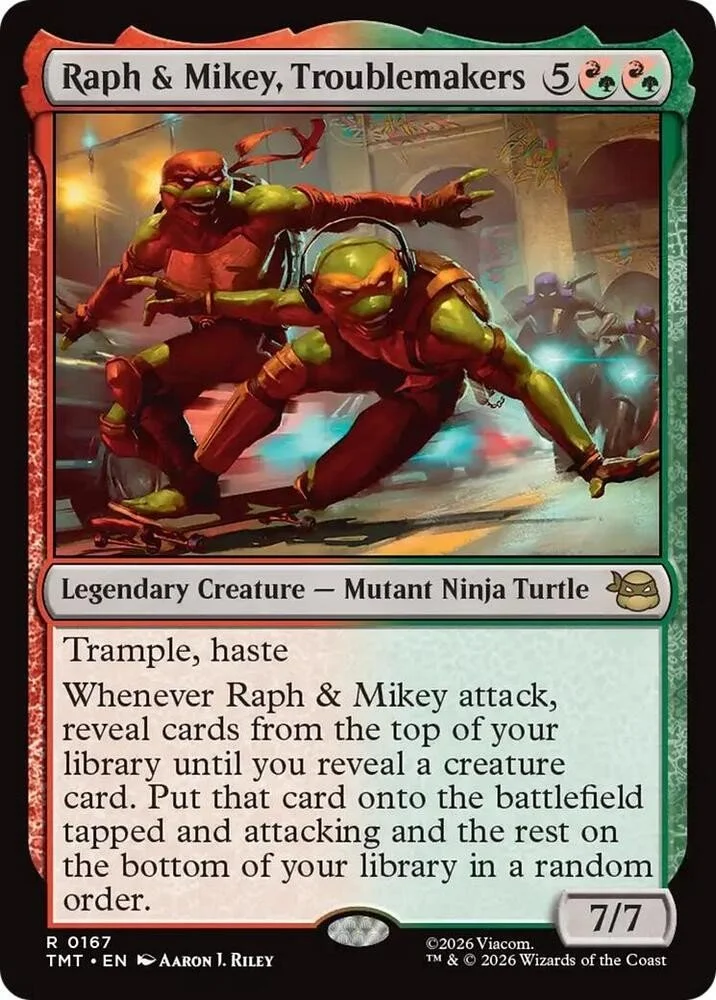
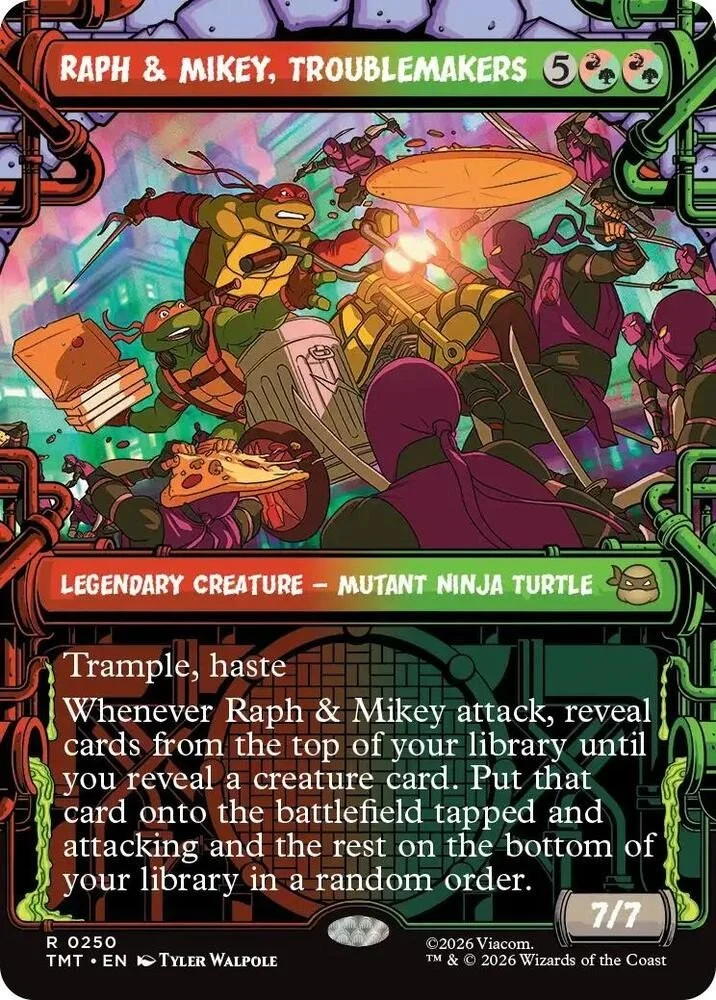
As you might expect, the dual Turtle commanders essentially combine the identities of their mono-color counterparts. Raph & Mikey, Troublemakers blend the aggressive style of Raphael with the big-creature energy of Michelangelo.
While this Gruul pairing doesn’t generate mana like Raphael, Ninja Destroyer, their overall gameplay feels much closer to Michelangelo’s strategy.
Instead of rewarding combat damage specifically, their ability triggers whenever you attack, letting you put creatures directly onto the battlefield. The main difference is that the creatures come from your library rather than your hand, and you don’t get the additional land drop.
So while the mechanics are slightly different, the end result feels very familiar.
How the Deck Plays
The strategy is classic Gruul:
Attack early and often
Cheat big creatures onto the battlefield
Overwhelm the table with raw power
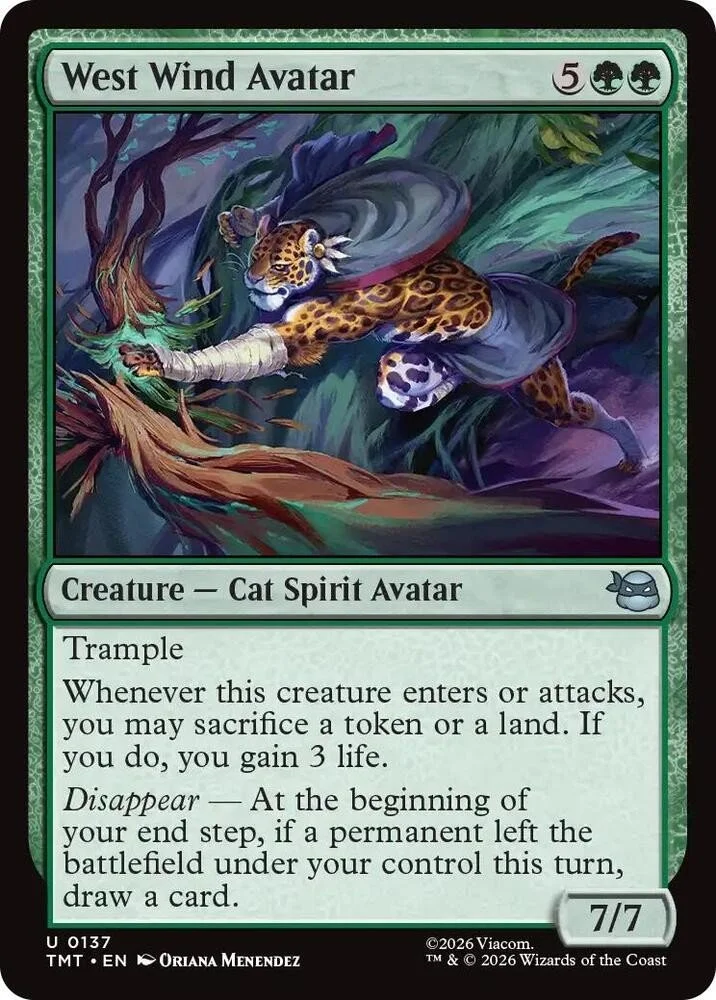
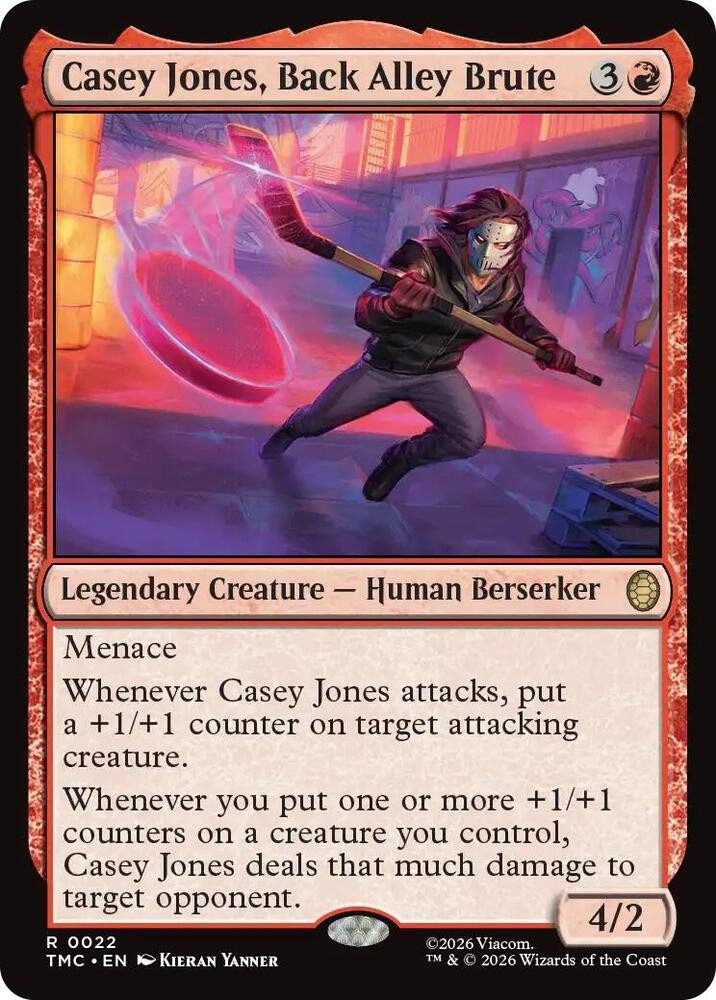
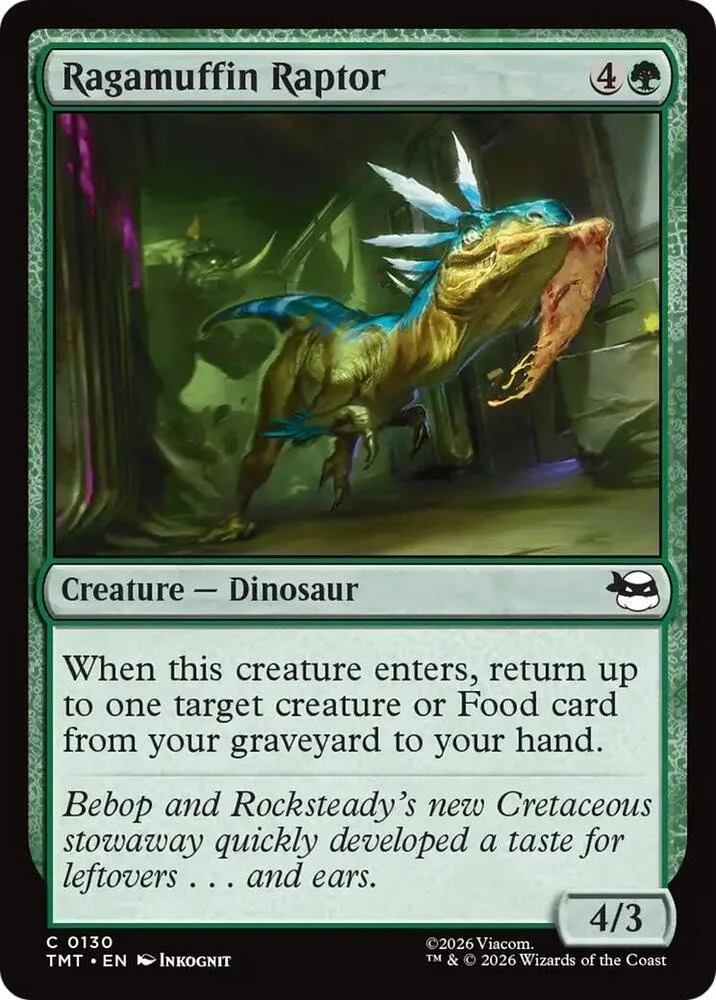
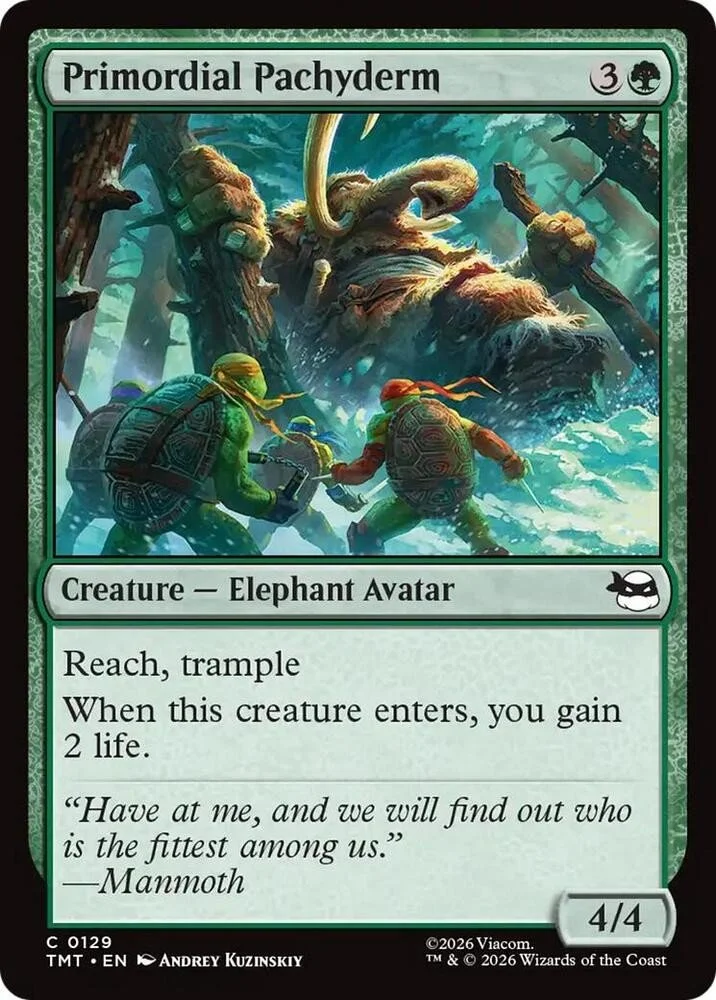
Because the ability triggers on attack rather than damage, you don’t even need to connect with opponents to start generating value. As long as you’re turning creatures sideways, your board will keep growing.
That makes the deck extremely consistent at deploying threats.
TL;DR Strategy
Attack every turn
Cheat big creatures into play from your library
Keep the pressure on opponents
It’s the quintessential Gruul stompy strategy — big creatures, constant aggression, and overwhelming combat power. If you like smashing face with giant monsters, Raph and Mikey deliver exactly that.
Boros: Old Hob, Alleycat Blues
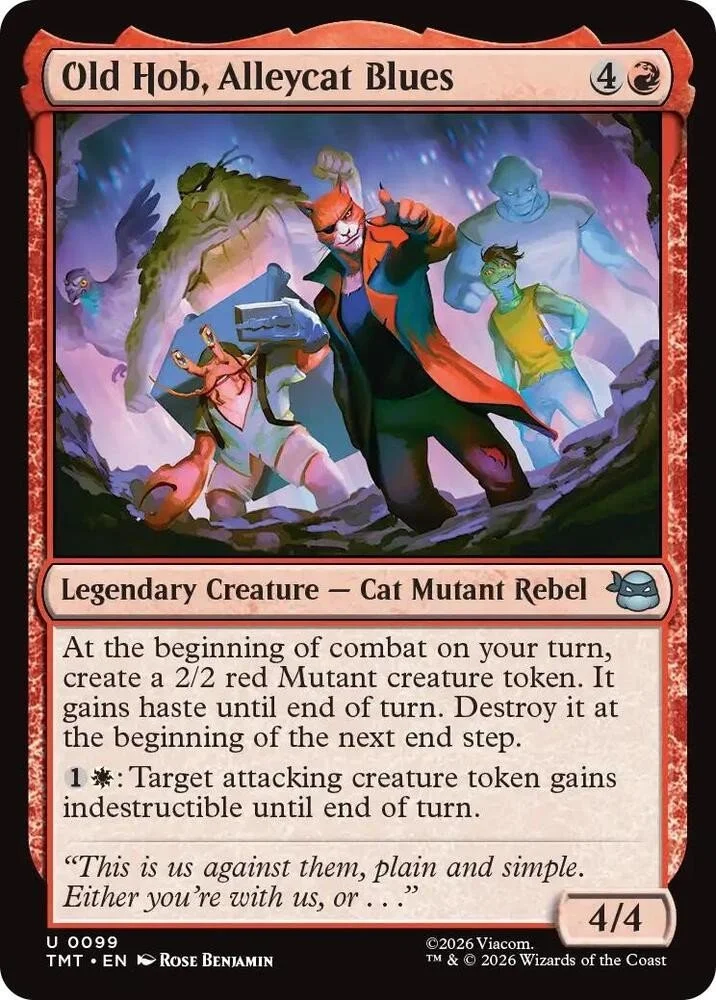
When it came to Boros commanders in the set, I honestly couldn’t pick just one. Both options looked like a blast to build around. The first is Old Hob, Alleycat Blues.
At first glance, Old Hob reminded me a lot of the Boros draft archetype from Tarkir: Dragonstorm, and it wouldn’t surprise me at all to see this card show up in decks like Zurgo, Thunder’s Decree. But for now, we’re focusing on what Old Hob brings to the table as a commander.
At its core, this deck revolves around tokens, Alliance triggers, and combat buffs.
How the Deck Plays
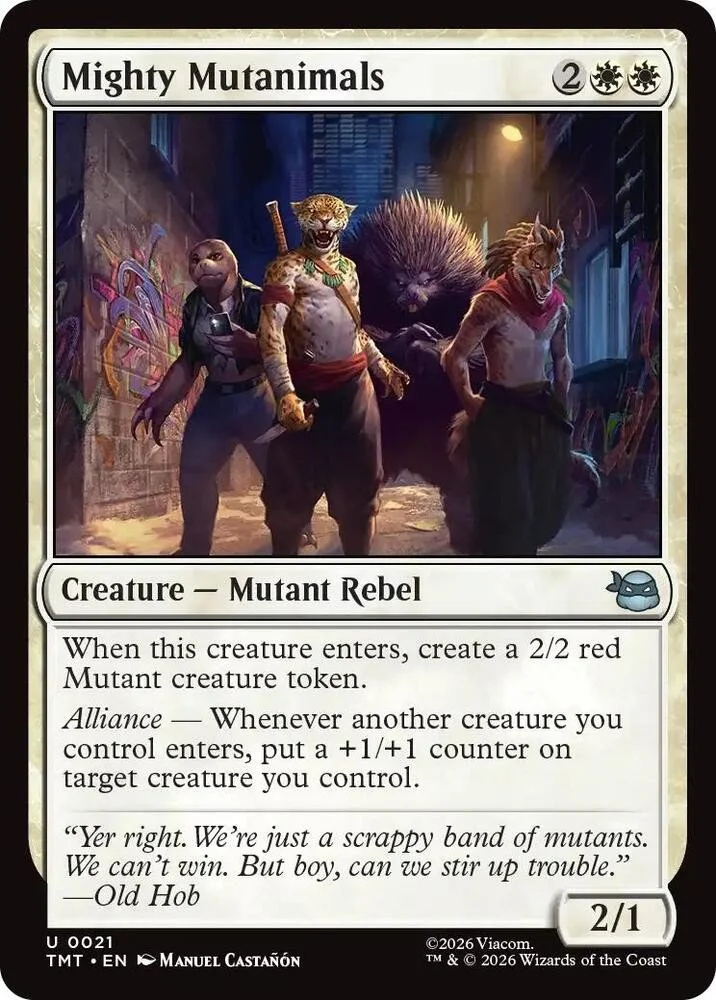
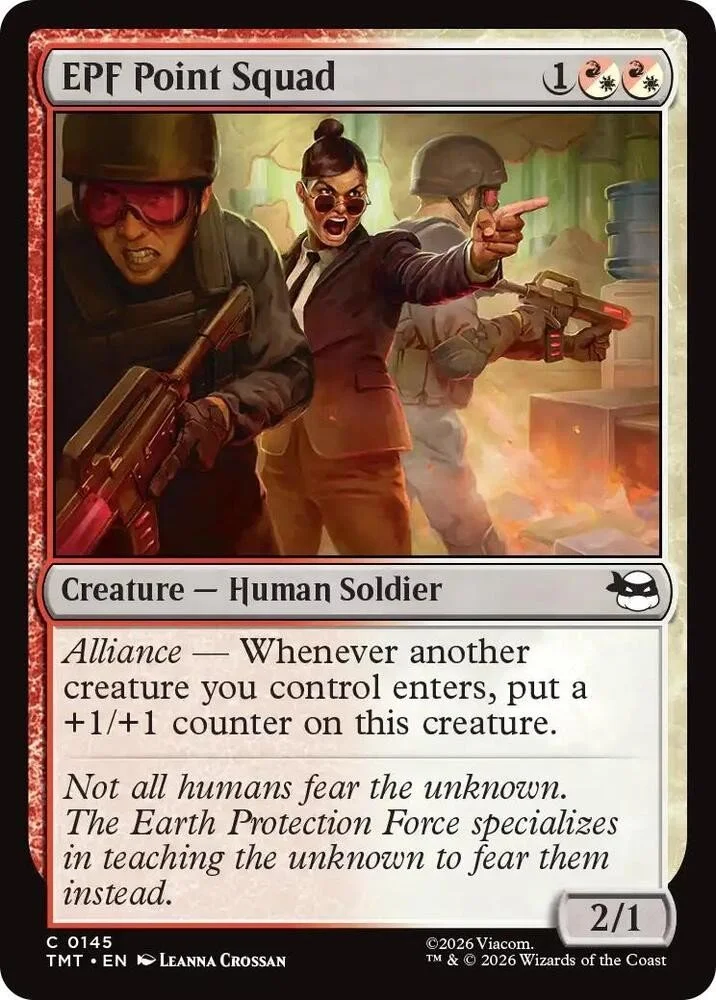
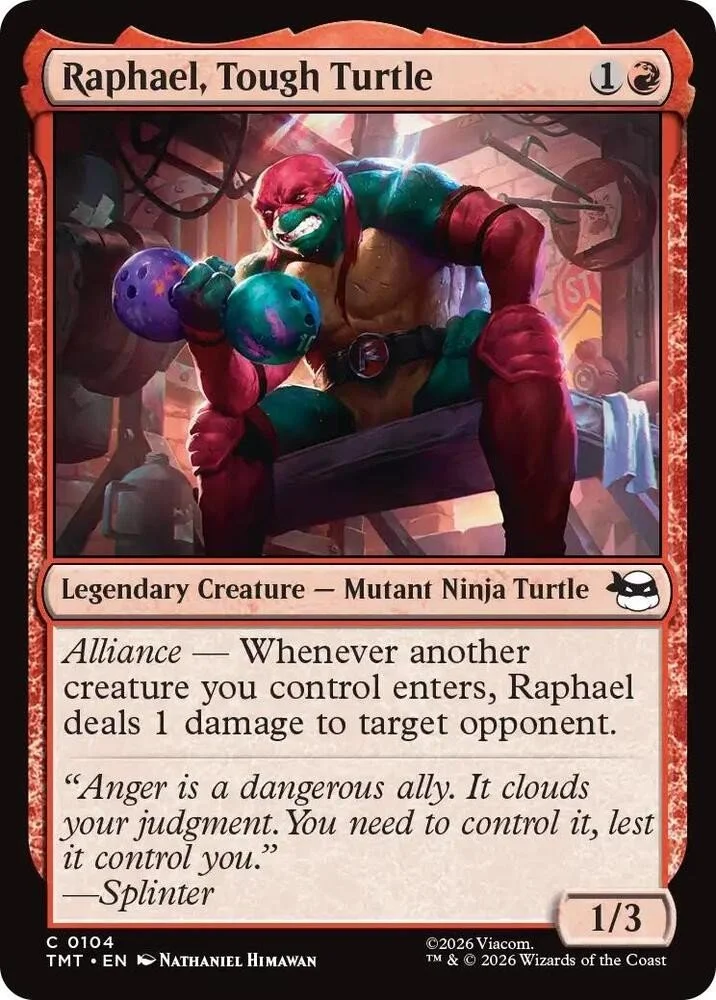
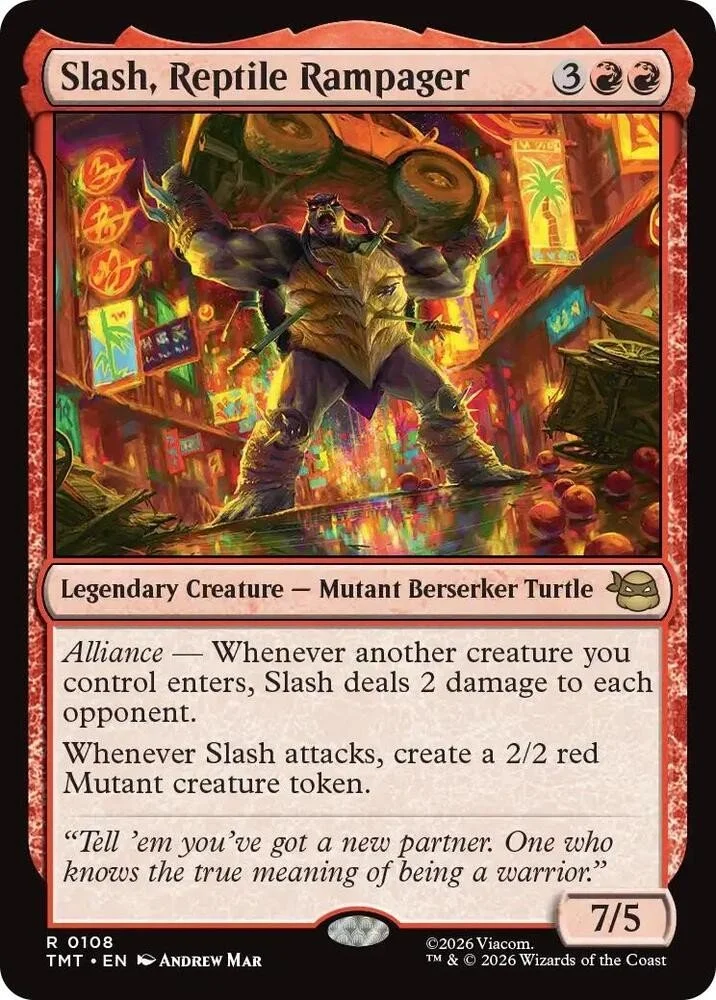
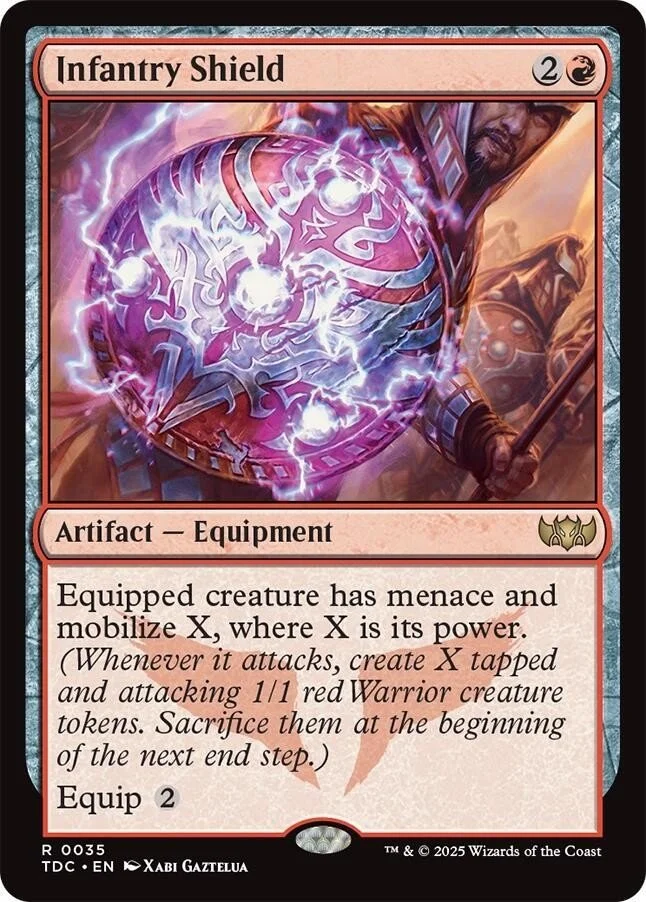
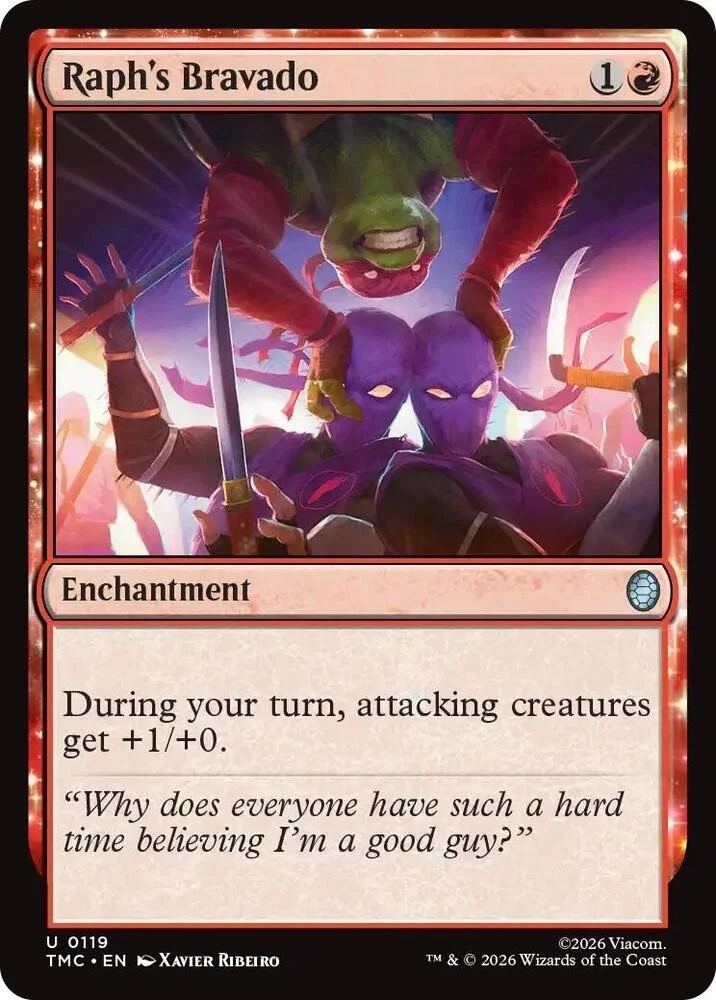
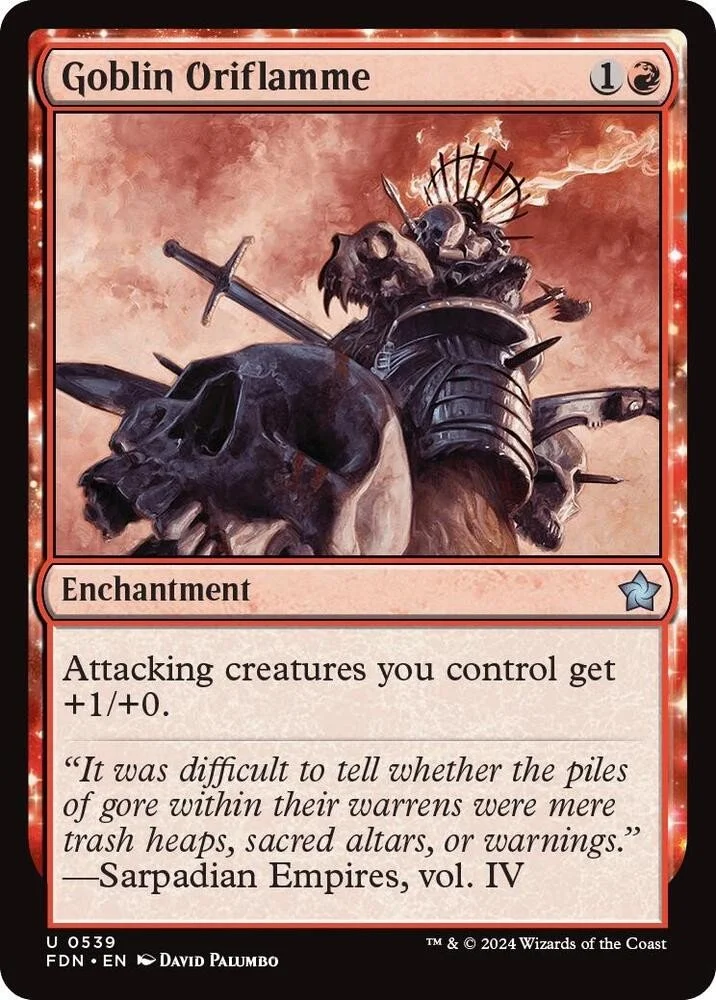
The plan is to flood the battlefield with creatures and turn every creature entering into additional value.
Cards like Mighty Mutanimals and EPF Point Squad reward you whenever a creature enters the battlefield by stacking buffs across your board. Meanwhile, creatures like Raphael, Tough Turtle and Slash, Reptile Rampager deal extra damage whenever another creature enters.
Slash, Reptile Rampager is especially strong here since it creates additional creatures whenever it attacks, naturally feeding the token engine.
Because Alliance can trigger multiple times each turn, the more creatures you produce in one turn, the more value you generate.
Turning Tokens into a Threat
One of the most explosive ways to build this deck is by combining token production with Mobilize.
Equipping something like Infantry Shield is a perfect example. If you place it on a creature with seven power — say Slash — that creature gains Mobilize 7, creating seven attacking 1/1 tokens. Those tokens entering immediately trigger your Alliance effects seven times.
Since the deck is constantly attacking, enchantments like Raph’s Bravado and Goblin Oriflamme can slowly scale your token army into a real threat. What starts as a handful of small creatures quickly becomes overwhelming combat pressure.
A Hidden Strength
One detail that makes Old Hob particularly dangerous is his activated ability. For two mana, you can make a target attacking token indestructible until end of turn. The important part is that It’s repeatable and not restricted to sorcery speed.
That means you can protect key attackers mid-combat or force opponents into awkward blocking situations where removal suddenly stops working.
TL;DR Strategy
Generate as many tokens as possible
Trigger Alliance abilities repeatedly
Use Mobilize to create explosive combat turns
Buff your token army and overwhelm opponents
It’s classic Boros combat pressure — fast, aggressive, and capable of snowballing extremely quickly once the engine gets going.
Boros: The Neutrinos
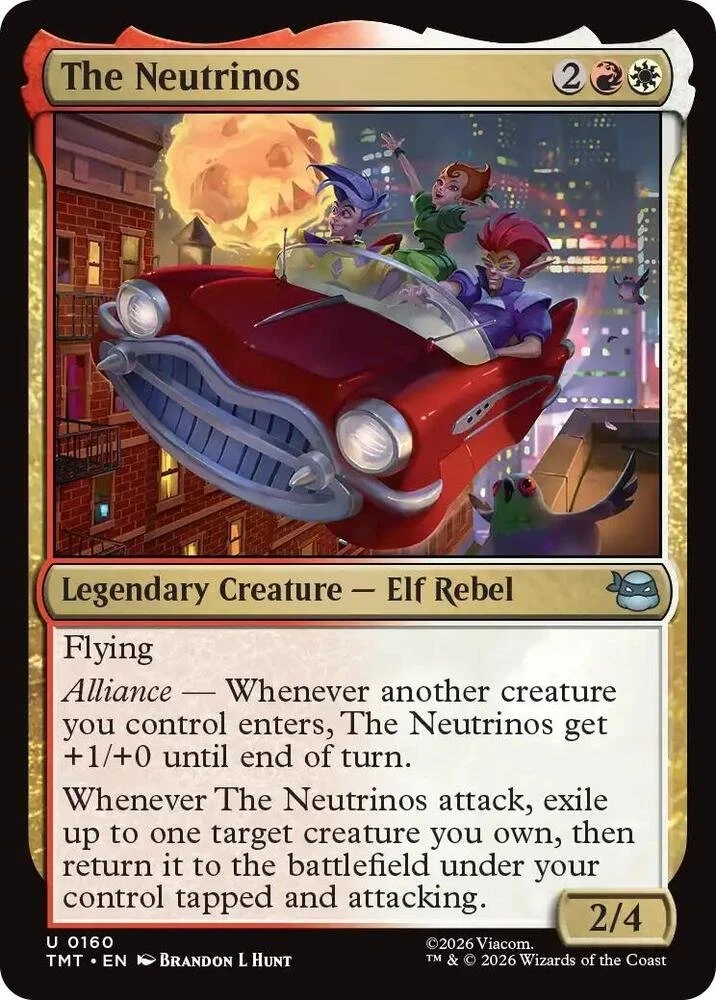
The second Boros commander I chose is The Neutrinos.
While they still benefit from token creation and Alliance triggers, The Neutrinos play a little differently than Old Hob. Instead of pushing constant aggression, this deck leans into a more value-oriented, blink-focused strategy.
Their ability allows you to blink creatures whenever you attack, which means the deck naturally revolves around triggering enter-the-battlefield and leave-the-battlefield effects over and over again.
How the Deck Plays
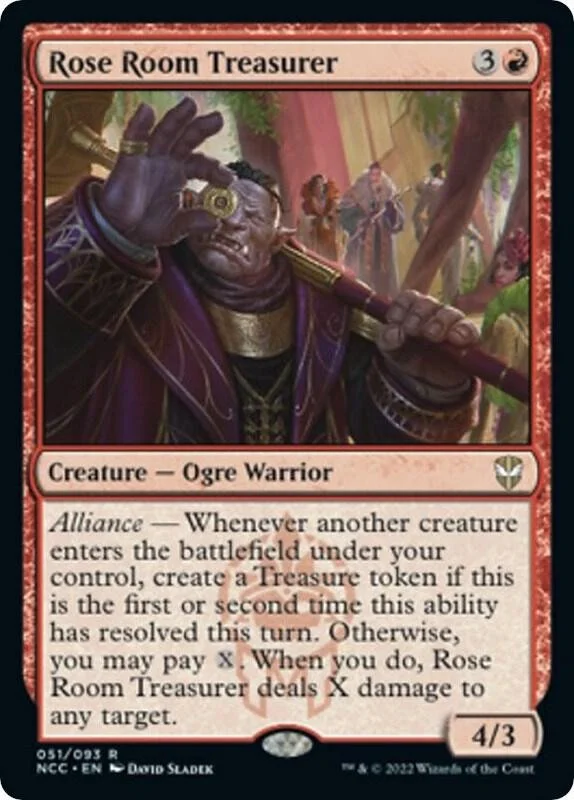
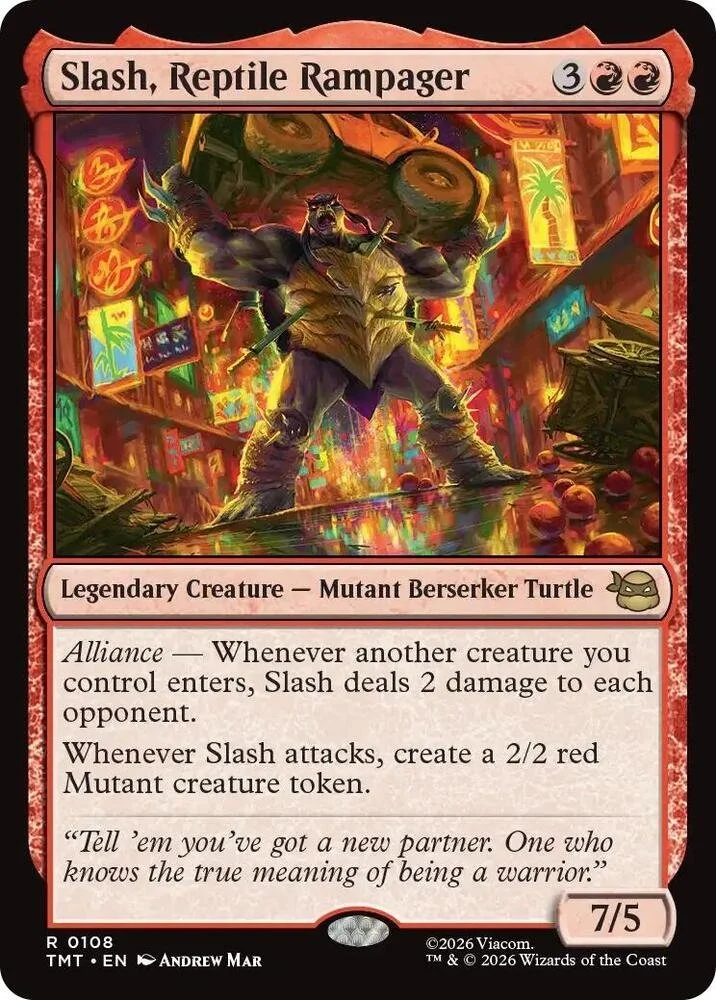
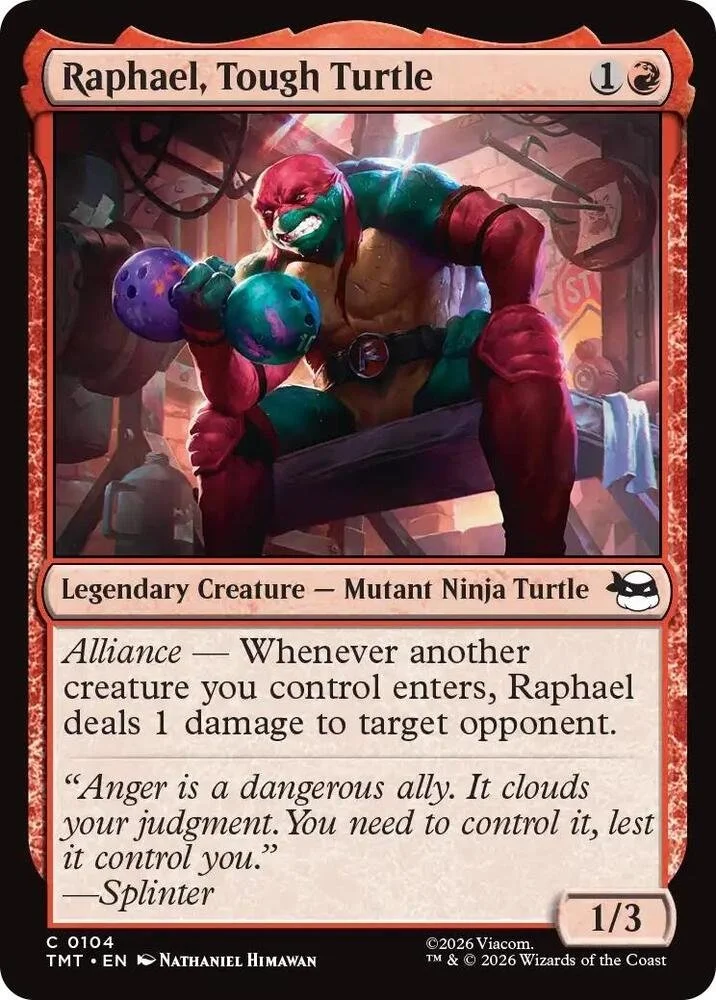
The core strategy is to generate value every time creatures enter or leave the battlefield.
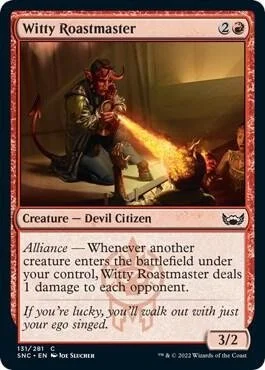
Cards like Raphael, Tough Turtle, Slash, Reptile Rampager, Rose Room Treasurer, and Witty Roastmaster become incredibly strong here. Since many of them rely on Alliance triggers, blinking other creatures repeatedly allows you to keep stacking damage or value throughout the game.
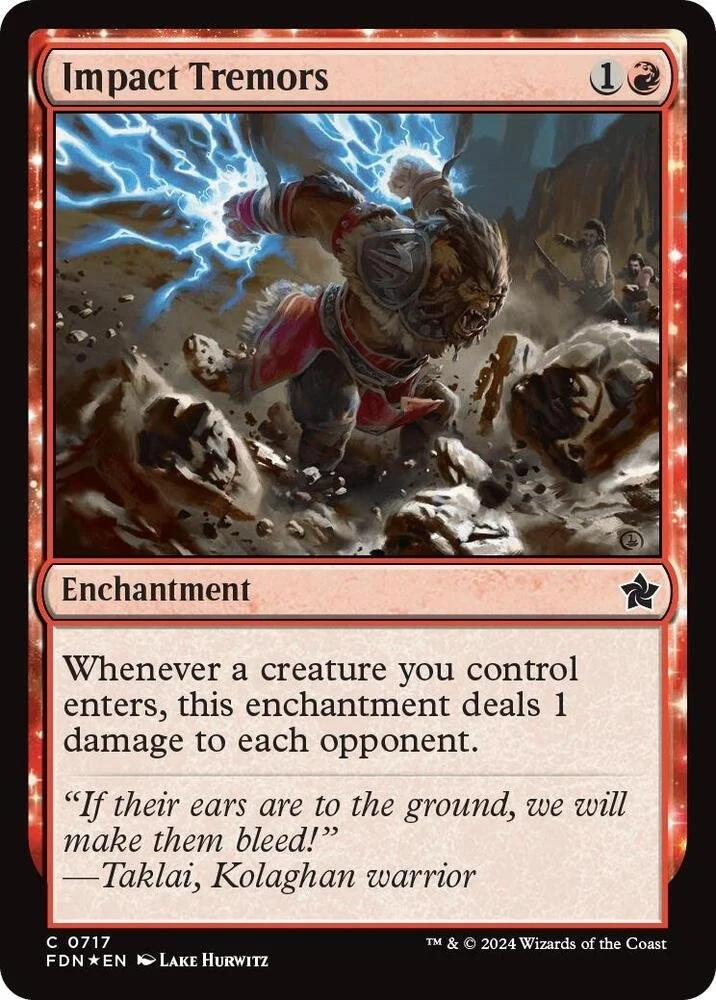
To push that engine even further, enchantments like Impact Tremors can convert every creature entering the battlefield into direct damage.
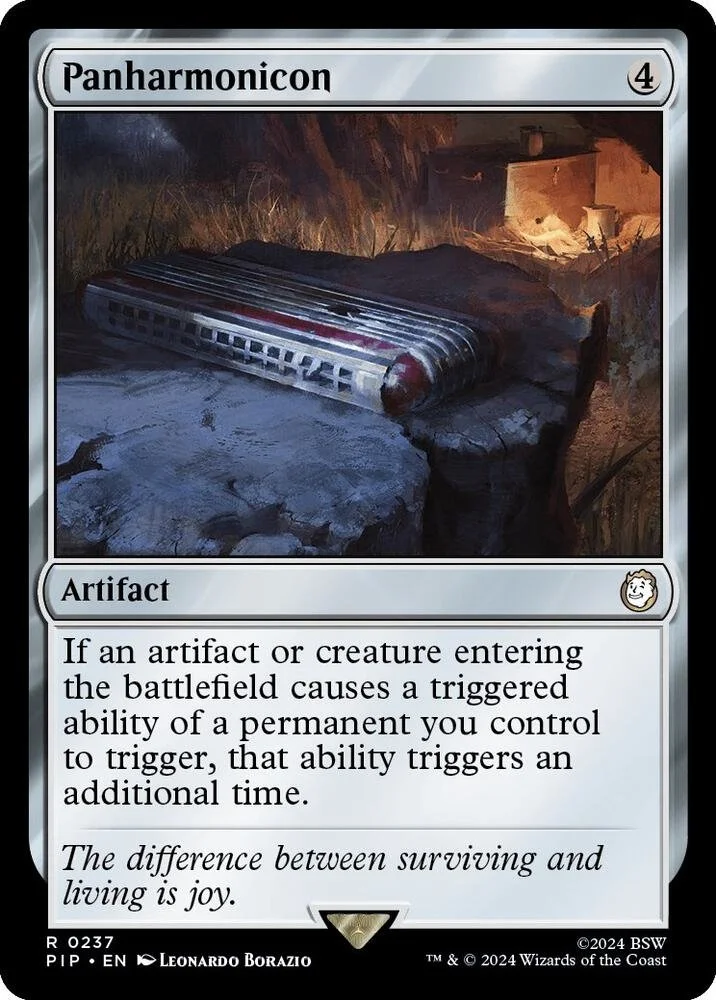
Artifacts such as Panharmonicon take the strategy to another level by doubling your ETB triggers, letting you squeeze even more value out of every blink.
Maximizing Blink Value
Because the deck already wants creatures moving in and out of play, you can also take advantage of strong enter and leave effects.
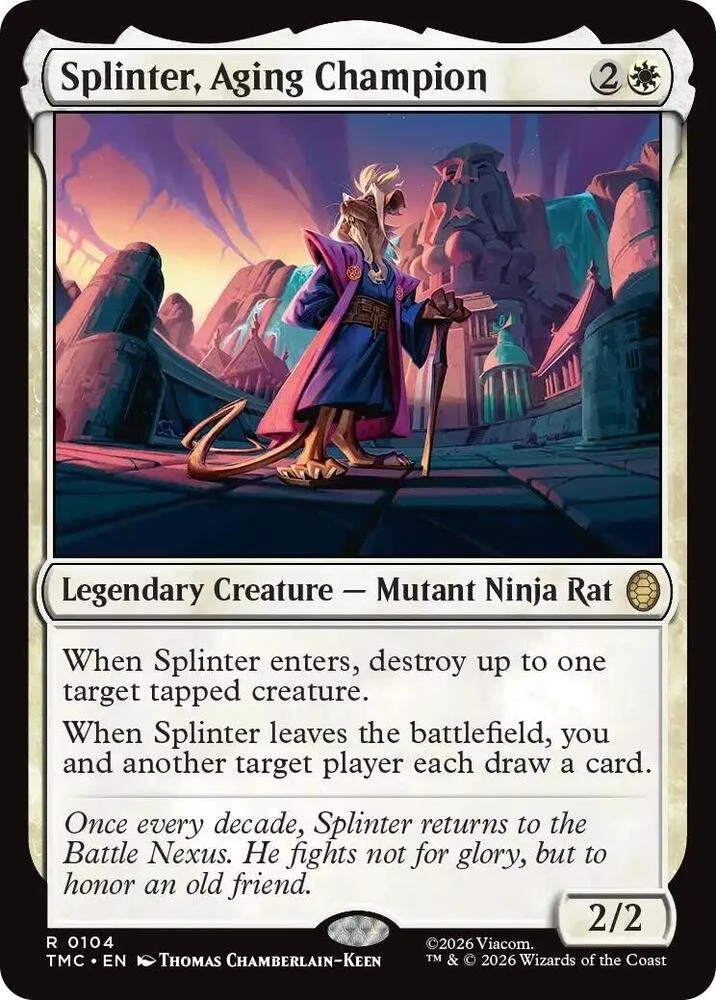
A great example is Splinter, Aging Champion, who destroys a creature when he enters the battlefield and draws you a card when he leaves. With blink effects constantly cycling your creatures, cards like this quickly become engines of removal and card advantage.
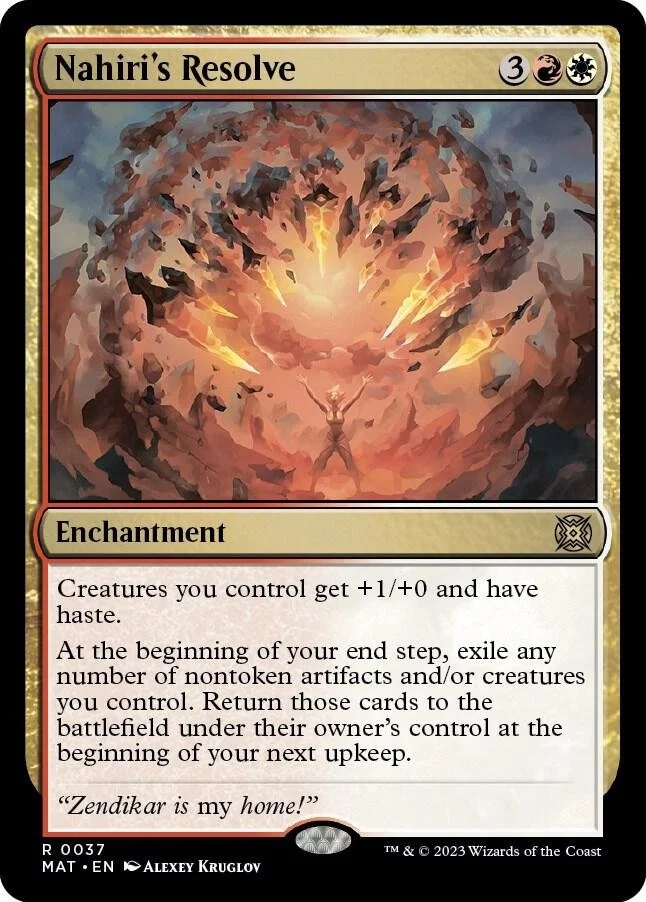
Another standout enchantment for this strategy is Nahiri’s Resolve. It allows you to exile and return all of your creatures and artifacts at the end of each turn, effectively retriggering:
ETB effects
Leave-the-battlefield effects
Alliance triggers
With the right board state, this can generate a huge amount of value every single turn cycle.
TL;DR Strategy
Blink creatures repeatedly through attack triggers
Stack Alliance and ETB effects
Convert creature entries into damage and value
Snowball advantage through repeated blink loops
The end result is a very “bouncy” Boros deck that plays differently from the typical all-out aggression the color pair is known for. Instead of pure combat pressure, The Neutrinos generate steady value while slowly burning the table down — and honestly, that sounds like a lot of fun.
Dimir: Krang & Shredder
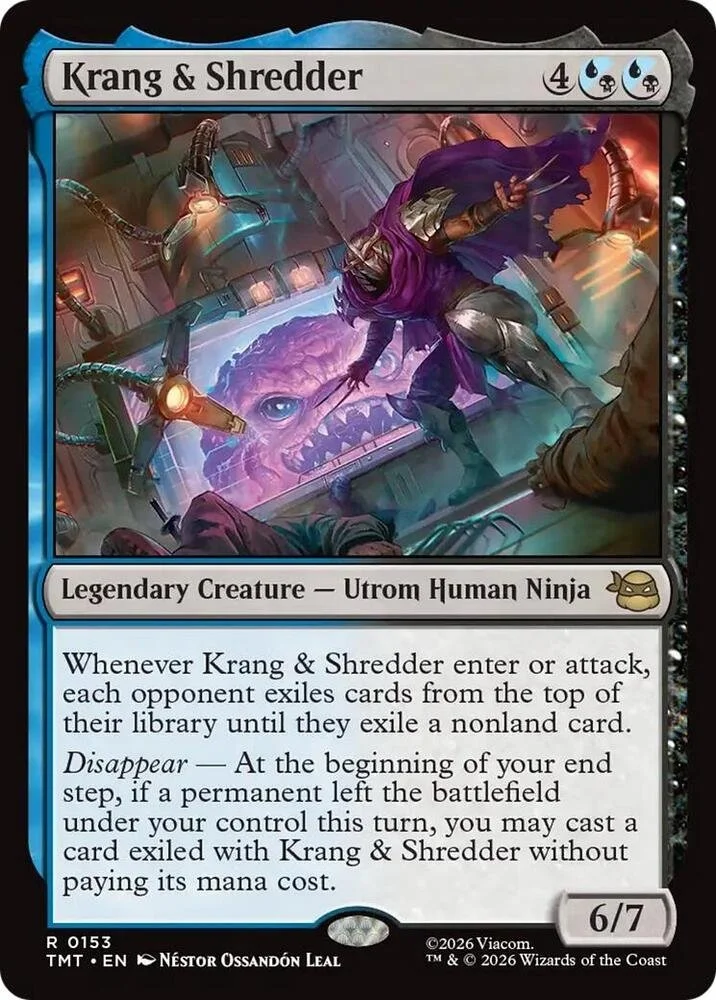
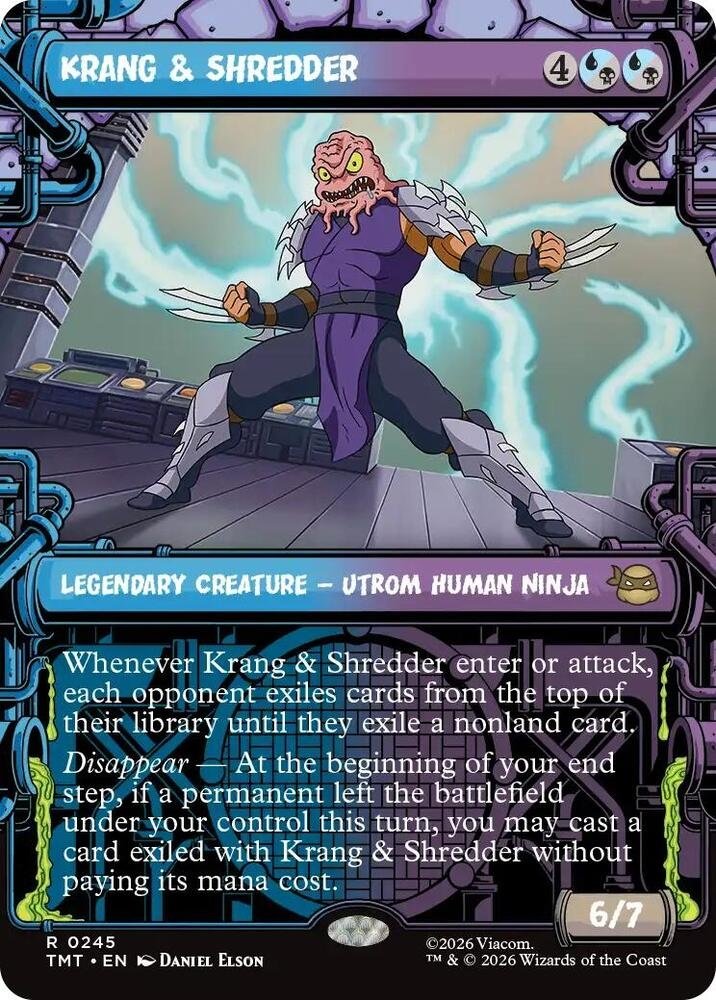
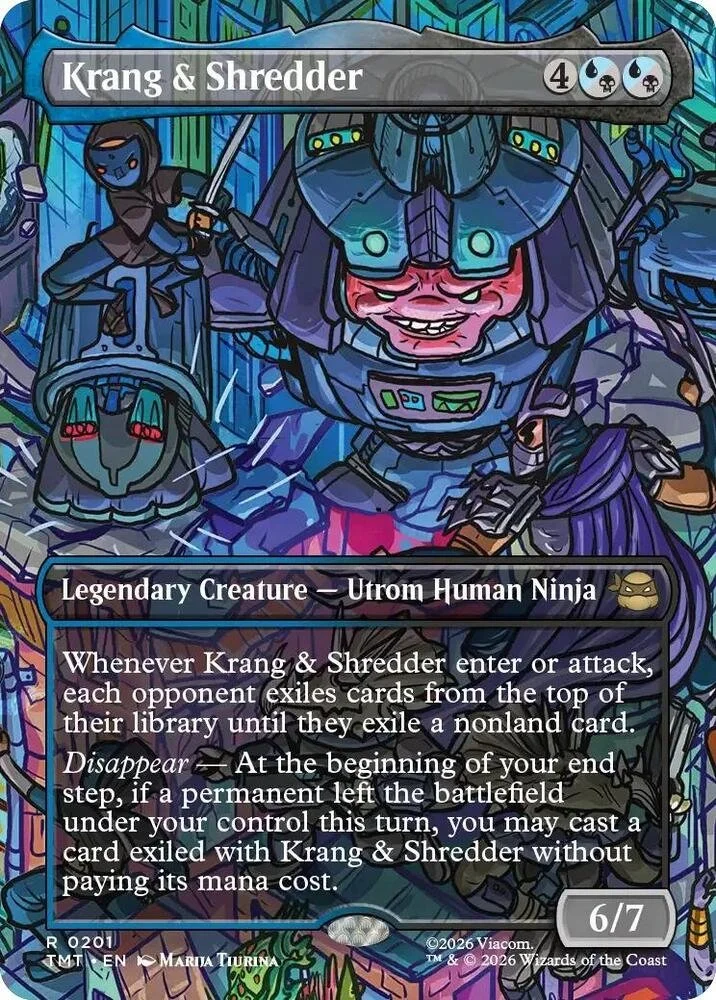
Among the dual-color commanders, Krang & Shredder might require the most creative deckbuilding. Unlike many of the other commanders in the set, they don’t have a huge amount of direct in-set support. That means you’ll likely need to build around their ability more intentionally. But if you do, the payoff is a delightfully villainous strategy.
Krang and Shredder combine sacrifice mechanics with card theft, creating a deck that feels perfectly on-theme for two of TMNT’s biggest antagonists.
How the Deck Plays
Krang & Shredder have an enter-the-battlefield and attack trigger that exiles cards from the top of each opponent’s library until a nonland card is revealed. The twist is that you can only cast those cards if one of your permanents leaves the battlefield that turn.
That condition turns the deck into a carefully orchestrated engine built around permanents constantly leaving play. Cards with Sneak are perfect for this strategy. They naturally enter and leave the battlefield in the same turn, triggering the condition you need to cast those stolen cards.
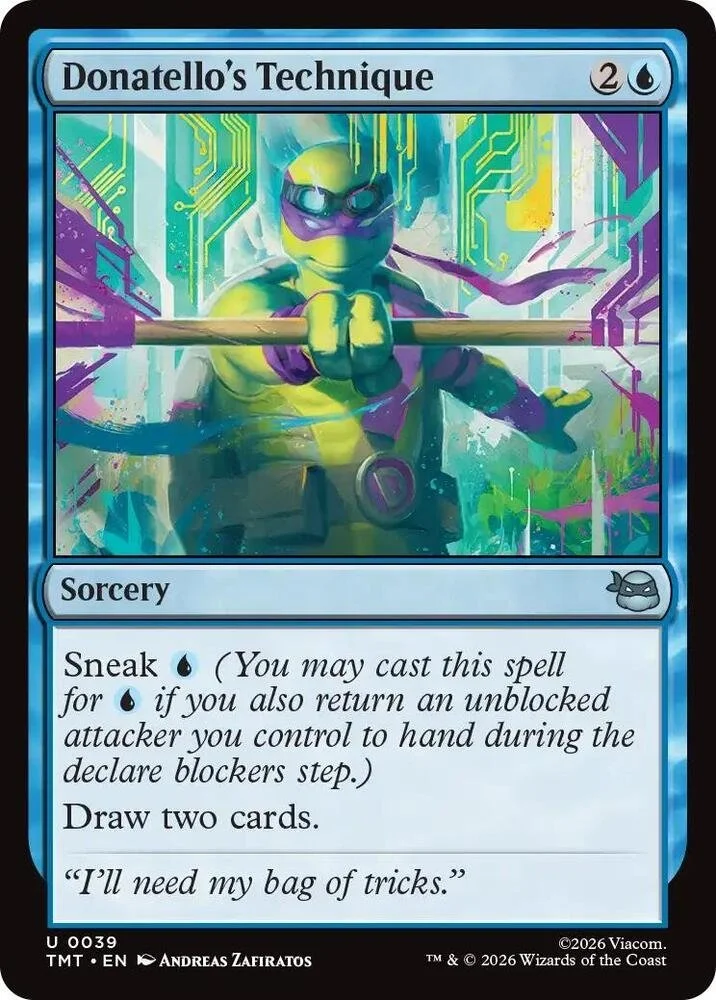
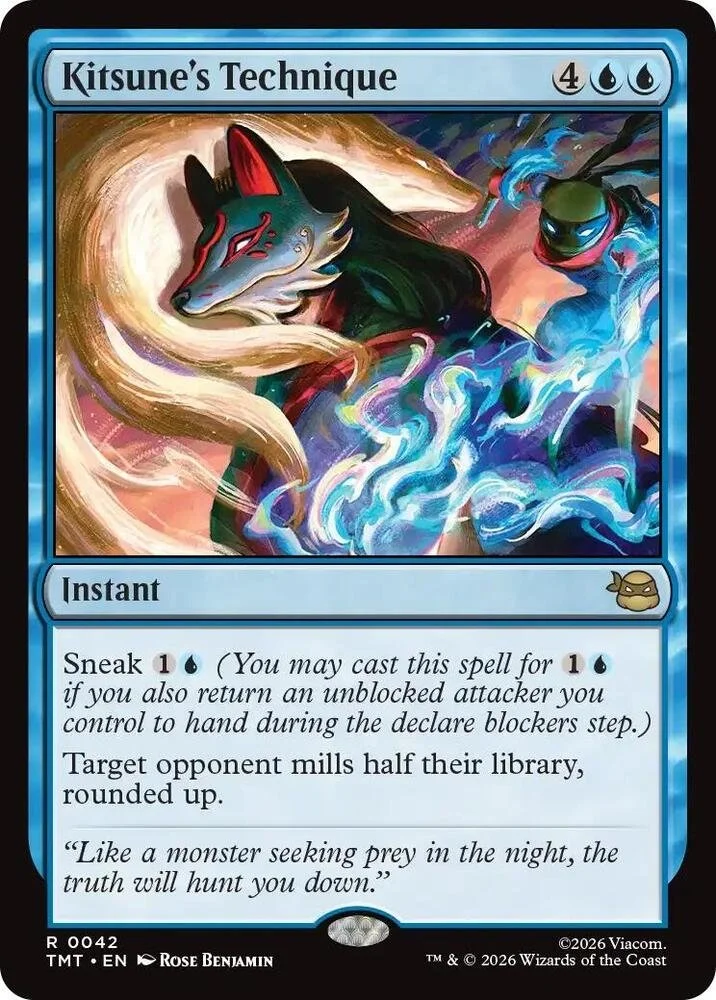
Cards like Donatello’s Technique help enable these Sneak lines, while Kitsune’s Technique pushes the strategy even further if you really want to lean into the villain role.
Fueling the Engine
Since you’re already in Dimir colors, you’ll likely be running counterspells for protection and control.
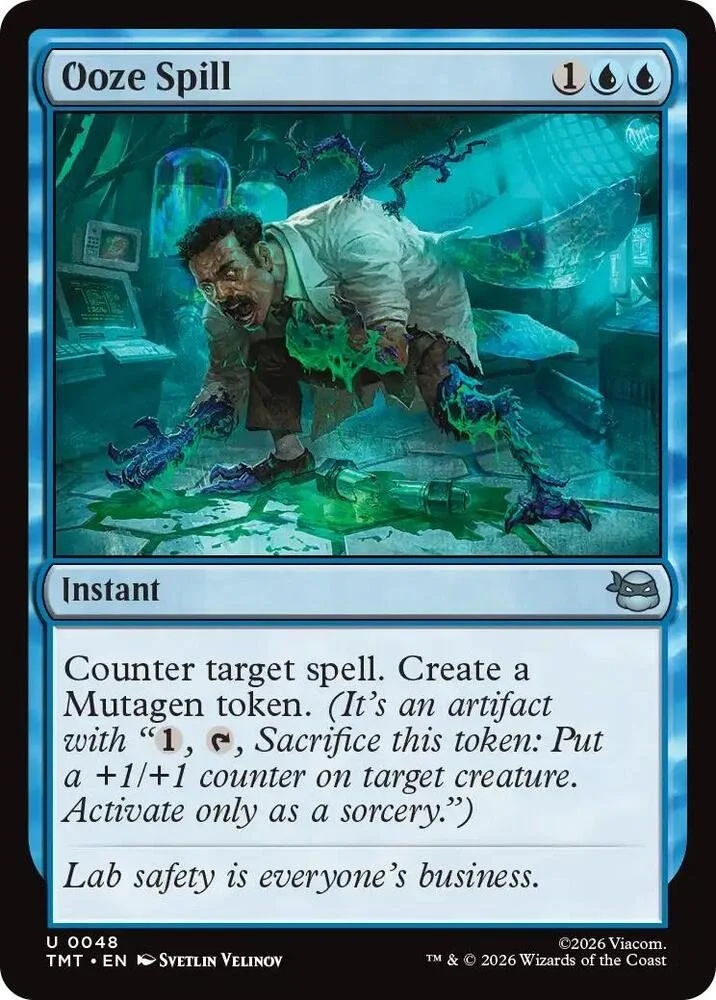
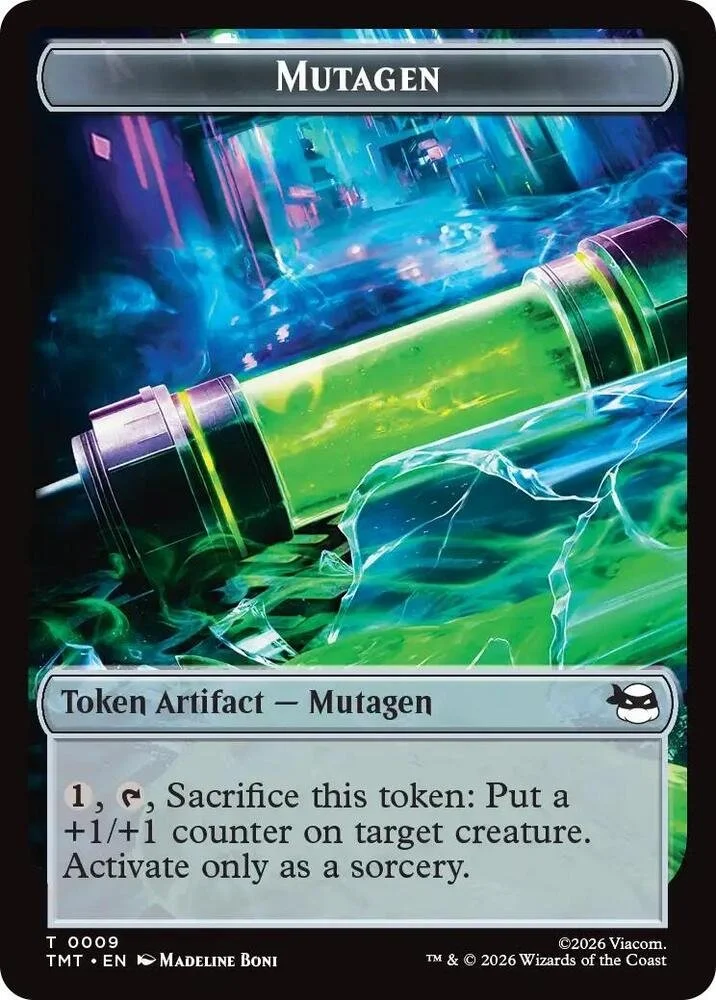
A card like Ooze Spill fits perfectly into this deck. It counters a spell while leaving behind a Mutagen token, which both buffs your creatures and gives you a permanent you can sacrifice or remove later to trigger the ability.
Disposable permanents are extremely valuable here. Tokens such as:
Clues
Treasures
Mutagens
all make it easy to trigger the “permanent leaves the battlefield” requirement whenever you need it.
Once the engine is running, you’ll frequently find yourself casting spells straight from your opponents’ decks — sometimes multiple in the same turn.
TL;DR Strategy
Exile cards from opponents’ libraries
Trigger permanents leaving the battlefield
Cast stolen cards for free
Use tokens and Sneak effects to keep the engine running
In many ways, this deck plays like a hybrid of Super Shredder’s permanent-leaving strategy and Kitsune’s theft and manipulation themes. It’s chaotic, opportunistic, and exactly the kind of deck you’d expect from two of TMNT’s most infamous villains.
Rakdos: Tokka & Rahzar
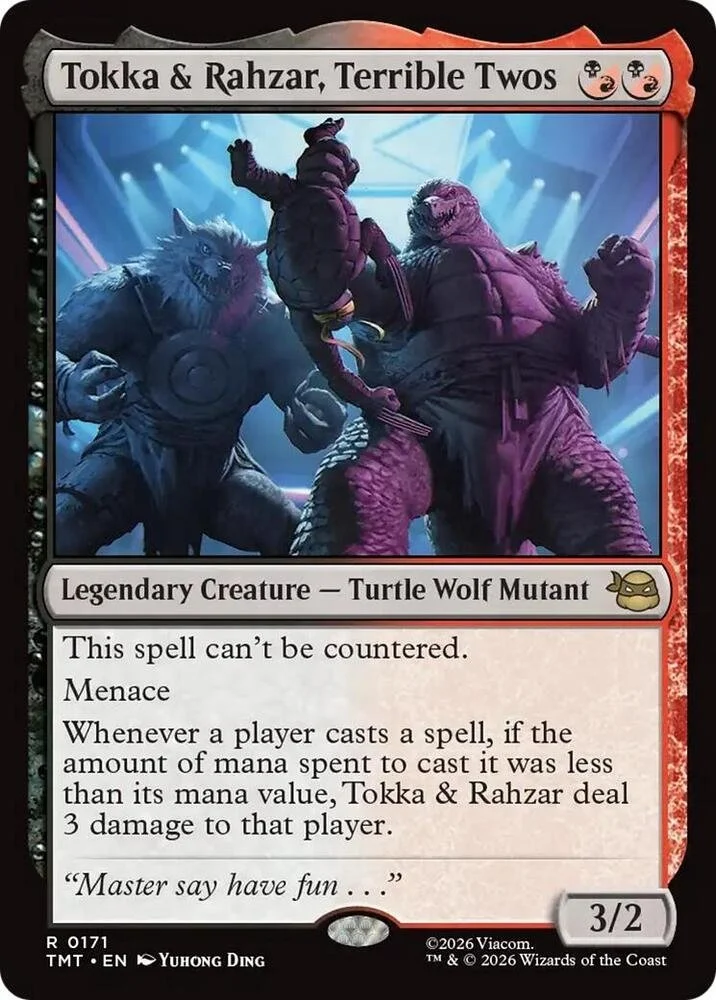
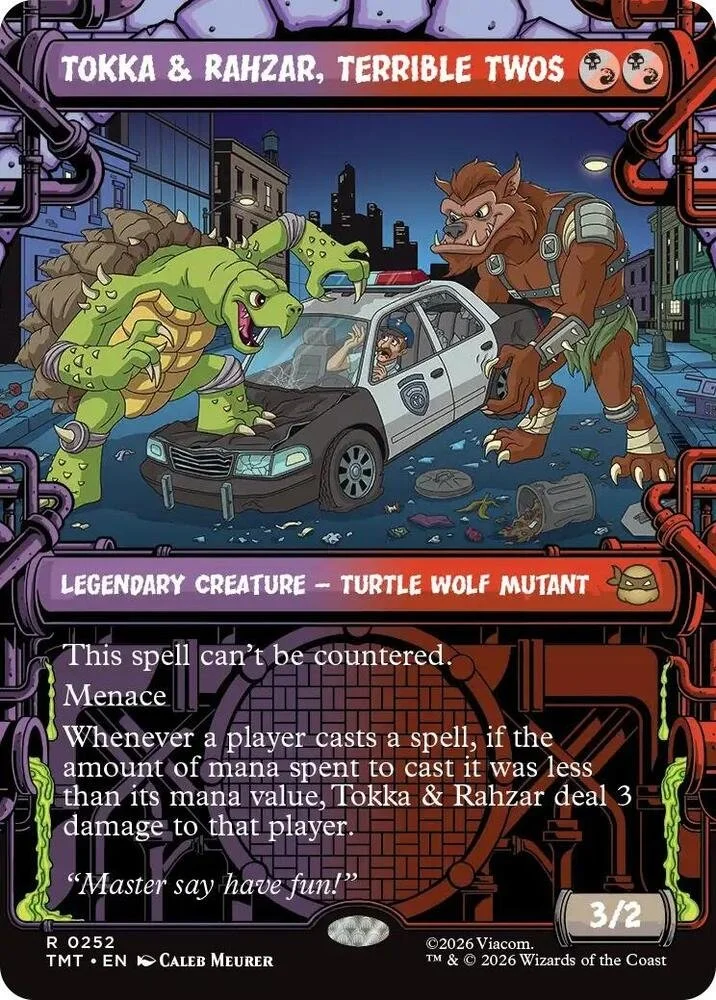
If you thought Raphael was aggressive, Tokka & Rahzar, Terrible Twos take things to full-blown Rakdos chaos. Right away, they come with two intimidating features: they can’t be countered, and they punish opponents whenever they try to cast spells for less than their mana cost.
Specifically, Tokka & Rahzar deal three damage to any player who casts a spell for cheaper than its original cost. That situation might not happen constantly on its own — but with the right deckbuilding, you can make it happen a lot.
How the Deck Plays
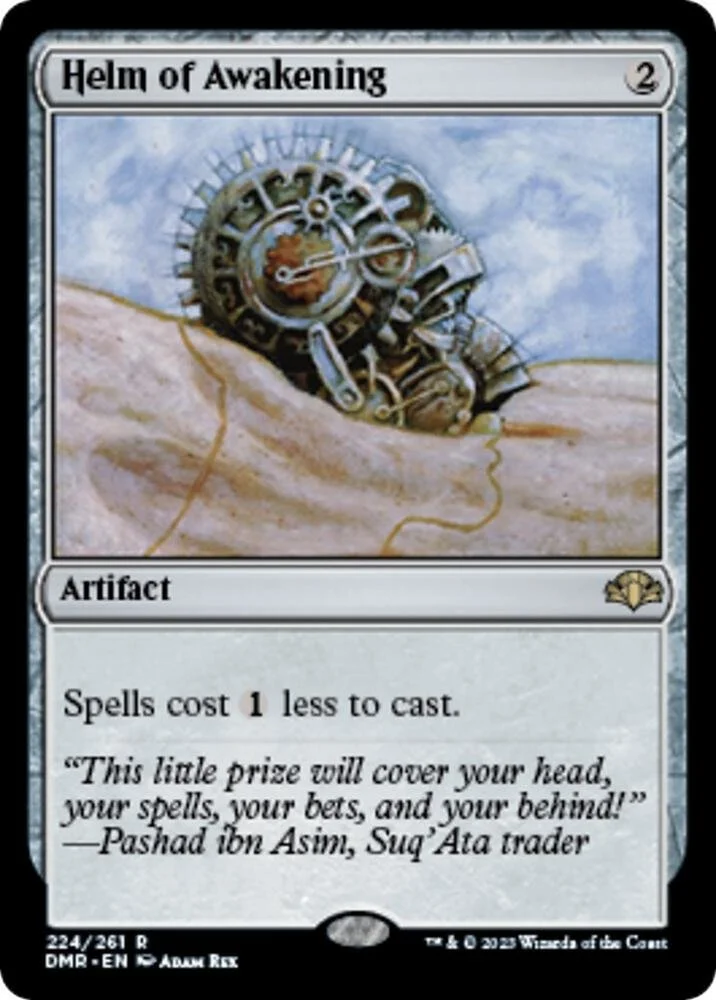
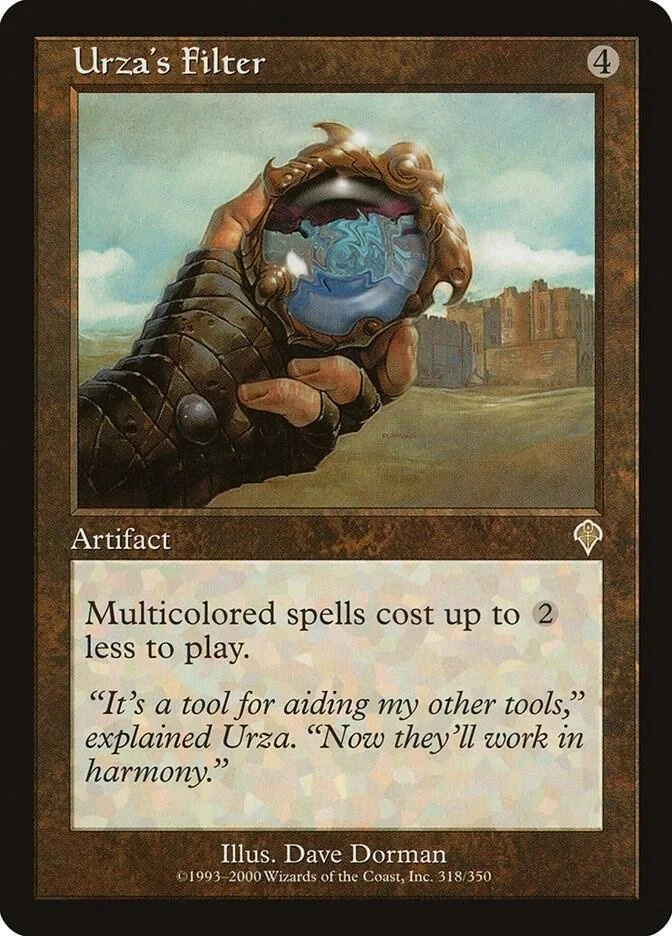
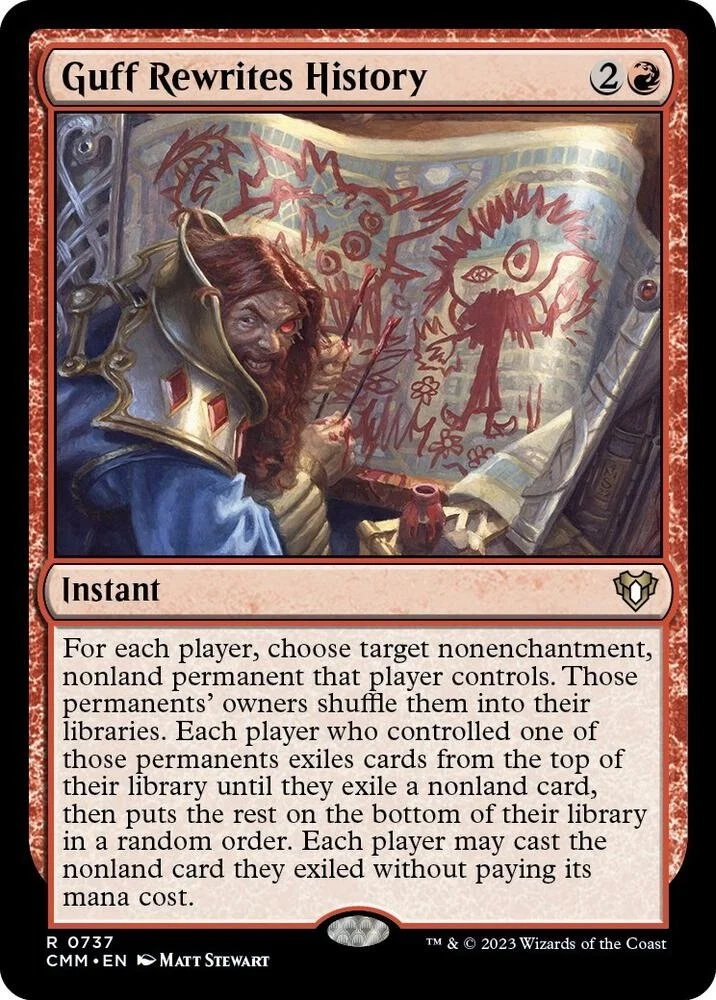
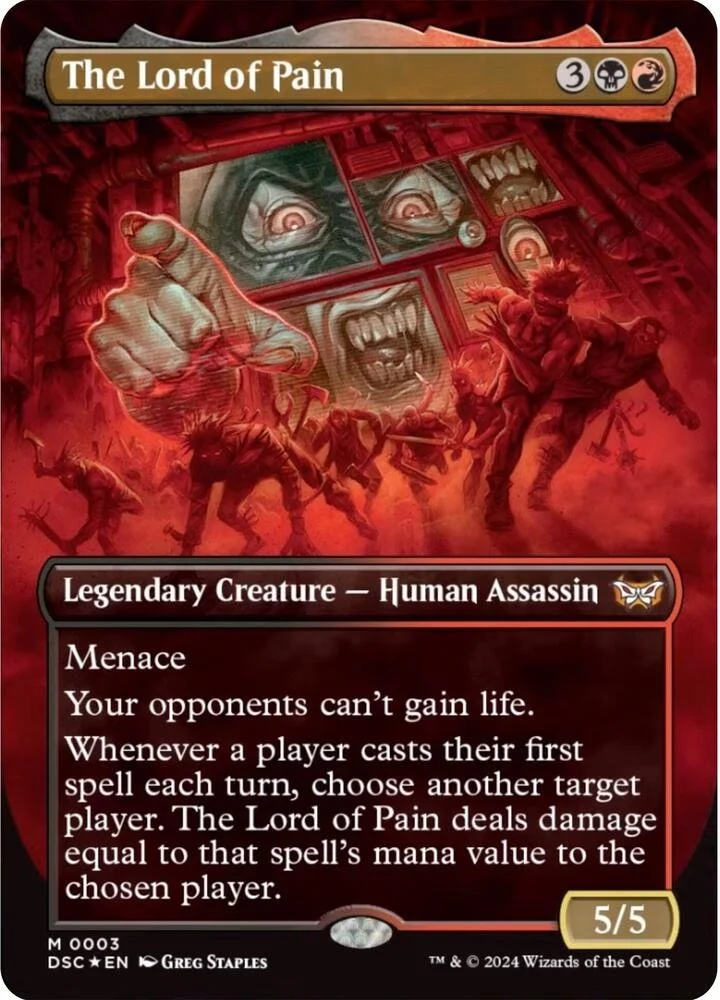
Instead of simply waiting for opponents to reduce their mana costs, this deck actively encourages them to do it. Cards like Helm of Awakening and Urza’s Filter reduce the cost of spells for everyone at the table. At first glance it looks generous, but in reality you’re setting up a trap. Once those discounts are in play, opponents will naturally start casting spells for cheaper—triggering Tokka & Rahzar’s damage ability over and over again.
You can push this even further with cards that force additional free casting. Guff Rewrites History is a great example: it removes a permanent while allowing its controller to cast another card for free, which immediately triggers the damage.
Turning Discounts into Punishment
Once the engine is running, the deck becomes all about stacking additional punishment effects.
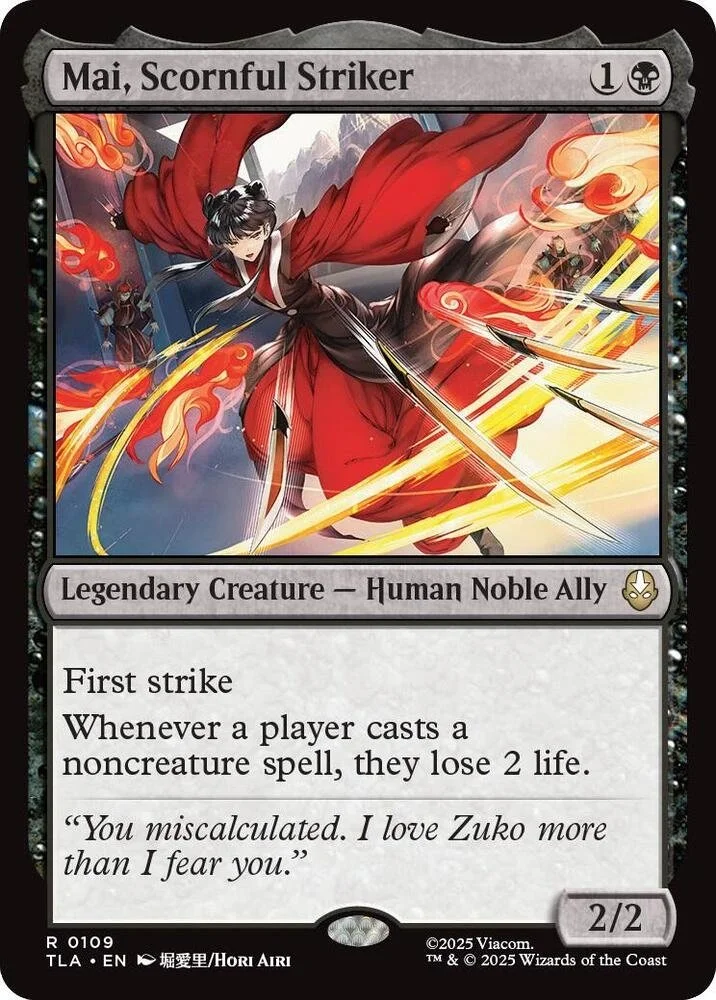
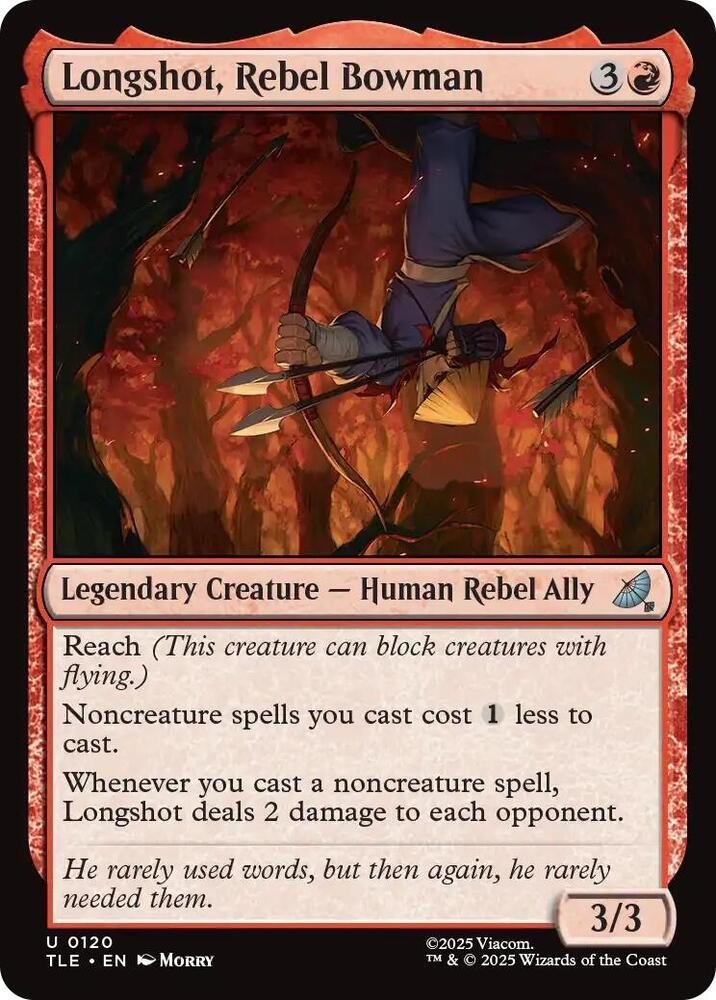
Cards like Lord of Pain, Mai, Scornful Striker, and Longshot, Rebel Bowman amplify the damage your opponents take for simply playing the game. Every discounted spell becomes another opportunity to chip away at life totals.
Over time, those small bursts of damage start to add up quickly — especially in multiplayer games where several opponents are casting spells every turn.
TL;DR Strategy
Encourage opponents to cast spells for cheaper
Trigger Tokka & Rahzar’s damage ability repeatedly
Stack additional punishment effects
Slowly burn down the entire table
It’s classic Rakdos philosophy: give your opponents just enough rope to hang themselves with. The more spells they cast, the more damage they take — and eventually the chaos works entirely in your favor.
Simic: Mikey & Don
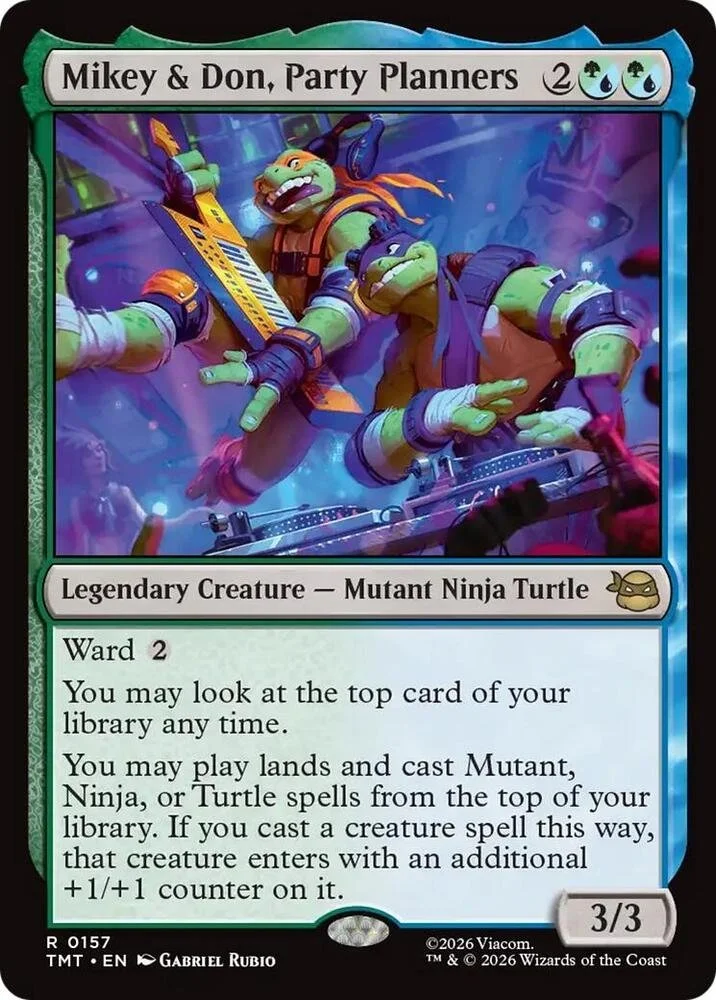
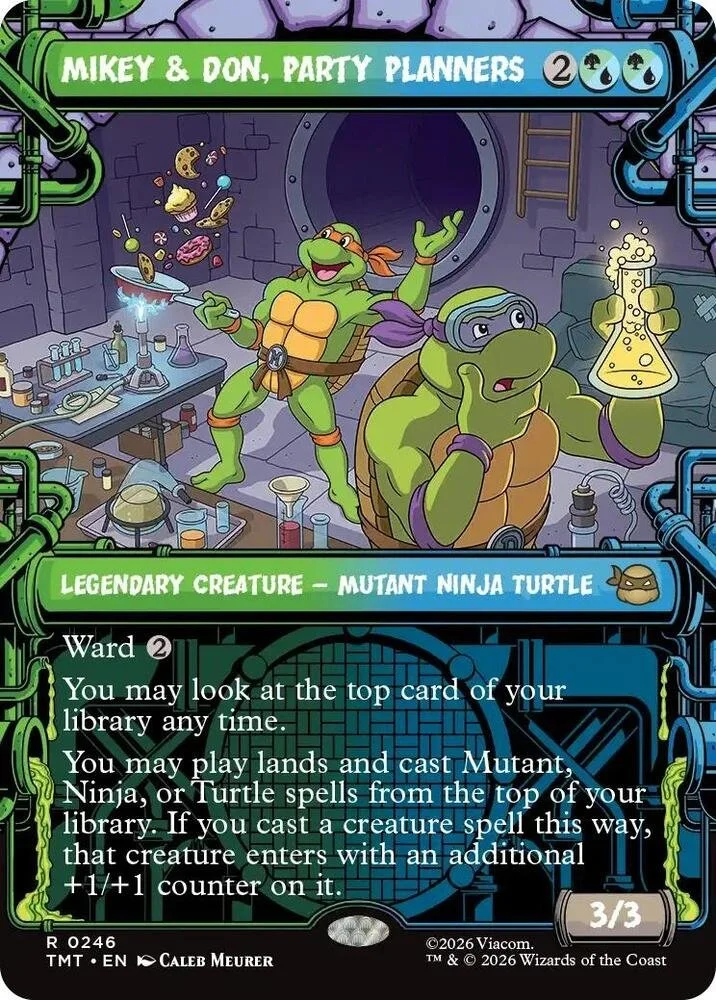
Since Simic is one of the set’s draft archetypes, it was almost guaranteed to receive a commander option. That role is filled by Mikey & Don, Party Planners. To be completely honest, this commander isn’t the flashiest design in the set. It’s fairly straightforward. But sometimes simple abilities end up being incredibly powerful, and this one definitely has that potential.
The deck naturally wants to focus on +1/+1 counters, along with creature types like Mutants, Ninjas, and Turtles.
How the Deck Plays
The basic game plan is to build a board that steadily grows through counters and synergy. Cards that distribute or multiply +1/+1 counters will form the backbone of the deck, letting your creatures scale quickly while keeping your board threatening throughout the game.
Because the commander also supports multiple creature types, you have a lot of flexibility when it comes to how you want to build the deck. You can lean into Mutants, Ninjas, or go all-in on tribal synergy.
Personally, I’d probably take this in a slightly sillier direction.
Going Full Turtle Tribal
If you enjoy meme decks as much as I do, Turtle tribal is a surprisingly fun way to build Mikey & Don.
There are actually a handful of great turtle creatures already available in Magic that slot nicely into the deck:
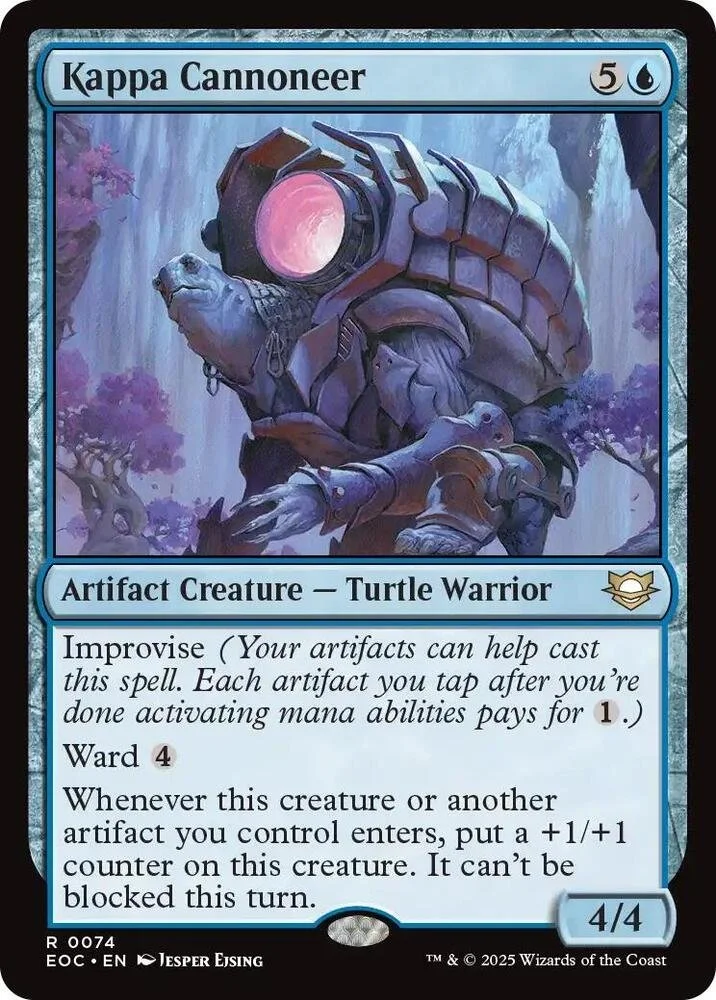
Kappa Cannoneer – A Ninja Turtle in spirit if not name, and an incredible artifact payoff creature.
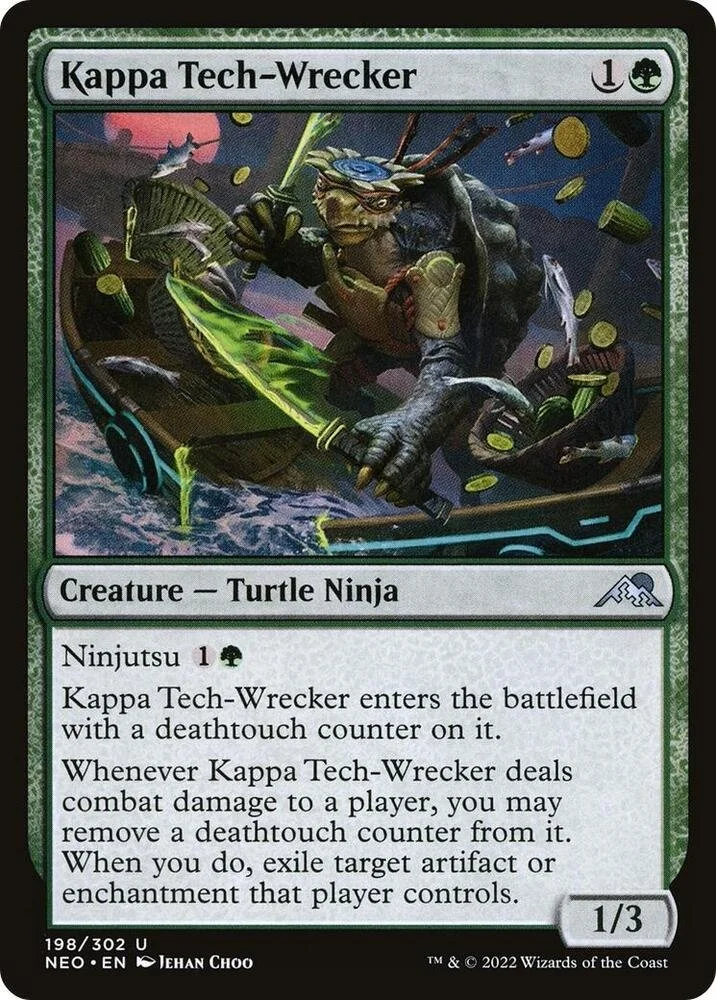
Kappa Tech-Wrecker – Another Ninja Turtle-style creature that disrupts artifacts and enchantments.
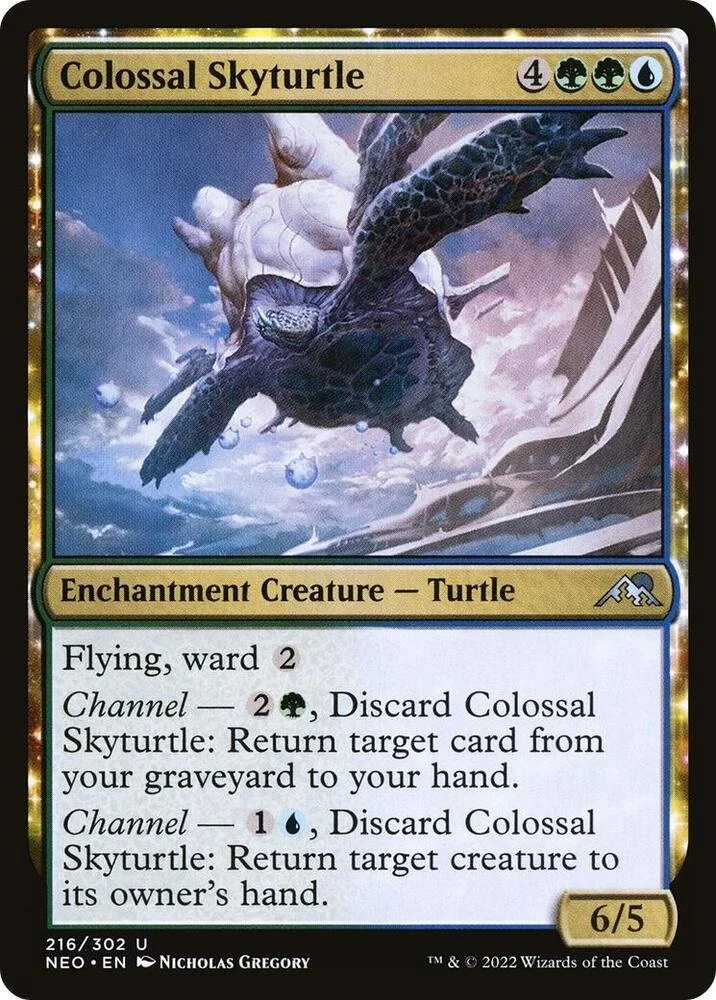
Colossal Skyturtle – A huge value creature that doubles as interaction and recursion.
and many more…
If you want to stay committed to the bit, you could even challenge yourself to build Turtle tribal using as few actual Ninja Turtles from the TMNT set as possible — which makes the deck feel even more ridiculous.
TL;DR Strategy
Build around +1/+1 counters
Mix Mutants, Ninjas, and Turtles for synergy
Scale your board with counter support
Lean into Turtle tribal for maximum flavor
It may not be the most complex commander in the set, but Mikey & Don provide a strong foundation for a big, counter-heavy Simic deck — and if you’re willing to embrace the meme, Turtle tribal might be the most fun way to run it.
Golgari: Pizza Face
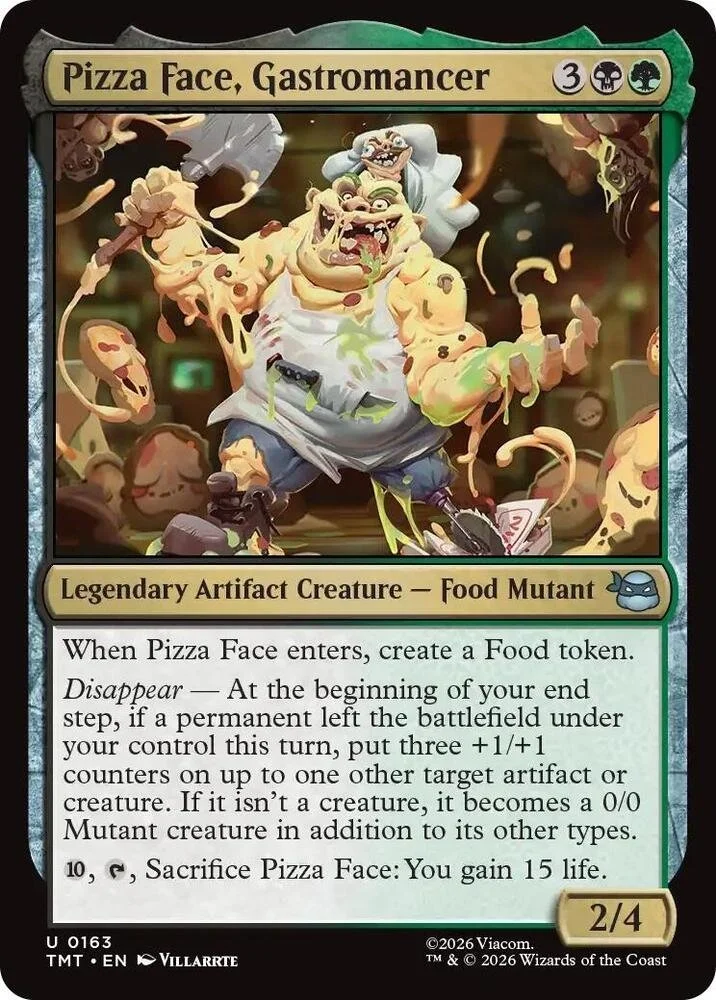
Food decks in Golgari colors aren’t new to Magic, but they’re always fun to revisit when a new commander brings something fresh to the table. Pizza Face, Gastromancer is the latest chef stepping into the kitchen.
Pizza Face brings Golgari Food strategies back into the spotlight, combining classic token value with mechanics from the Teenage Mutant Ninja Turtles set.
At its core, this deck revolves around two key themes: Food tokens and Disappear triggers.
How the Deck Plays
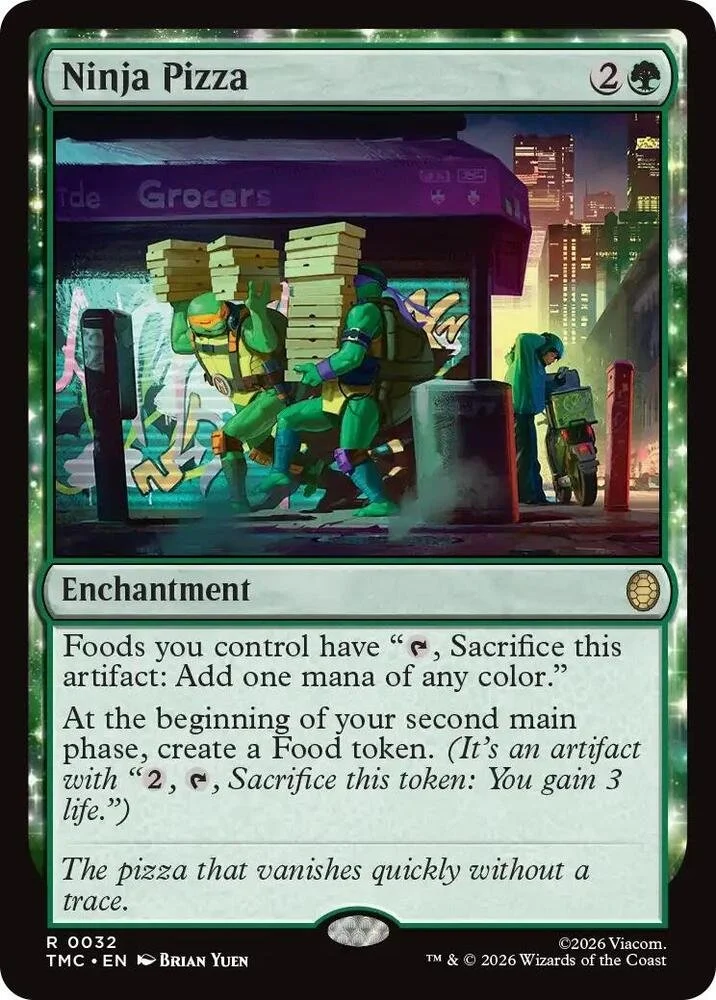
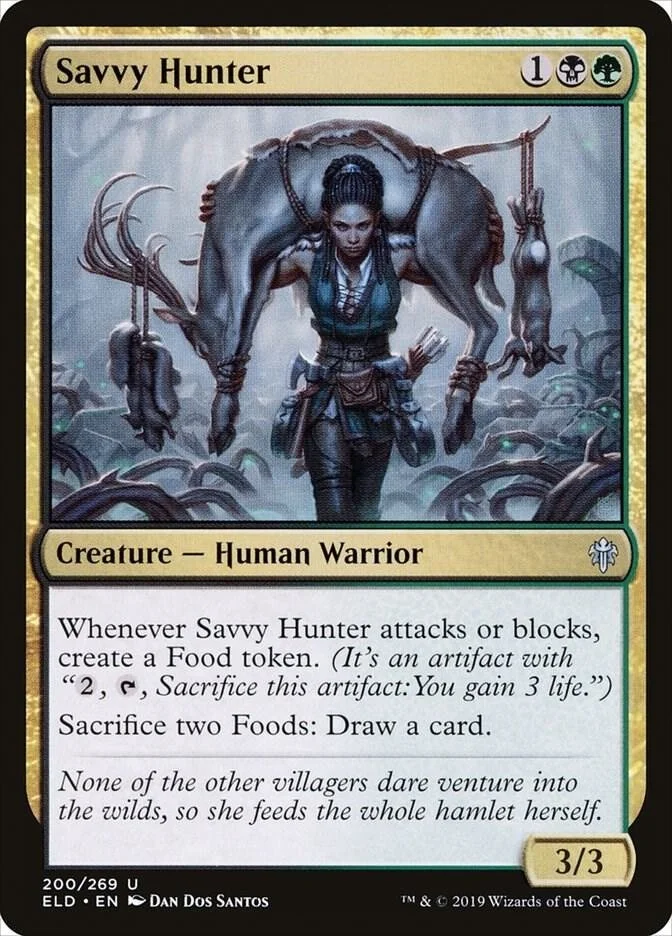
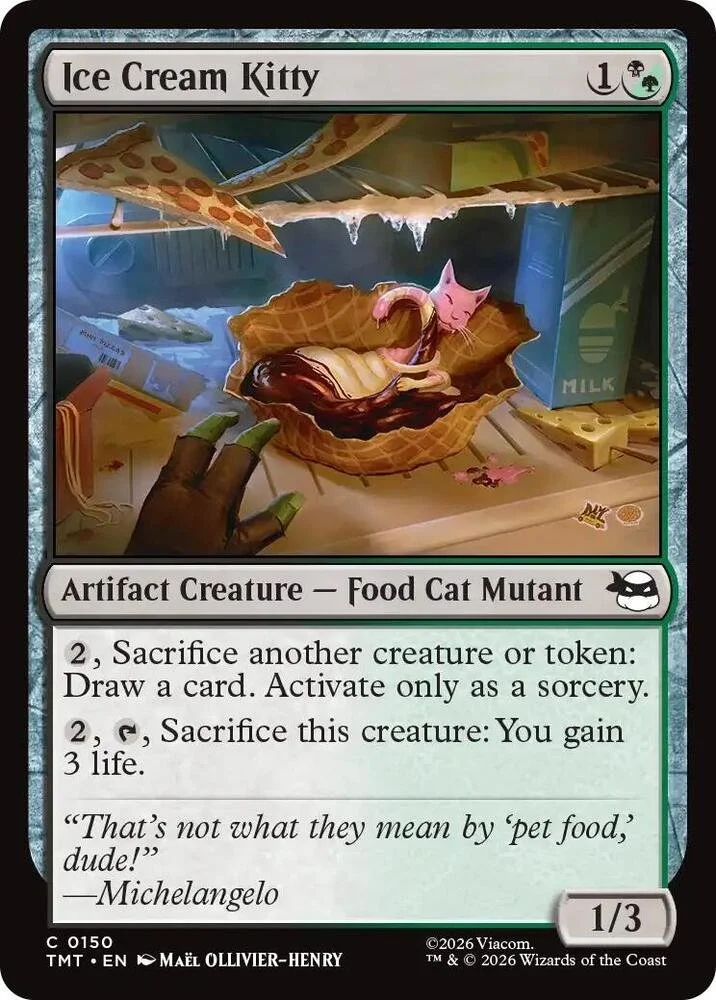
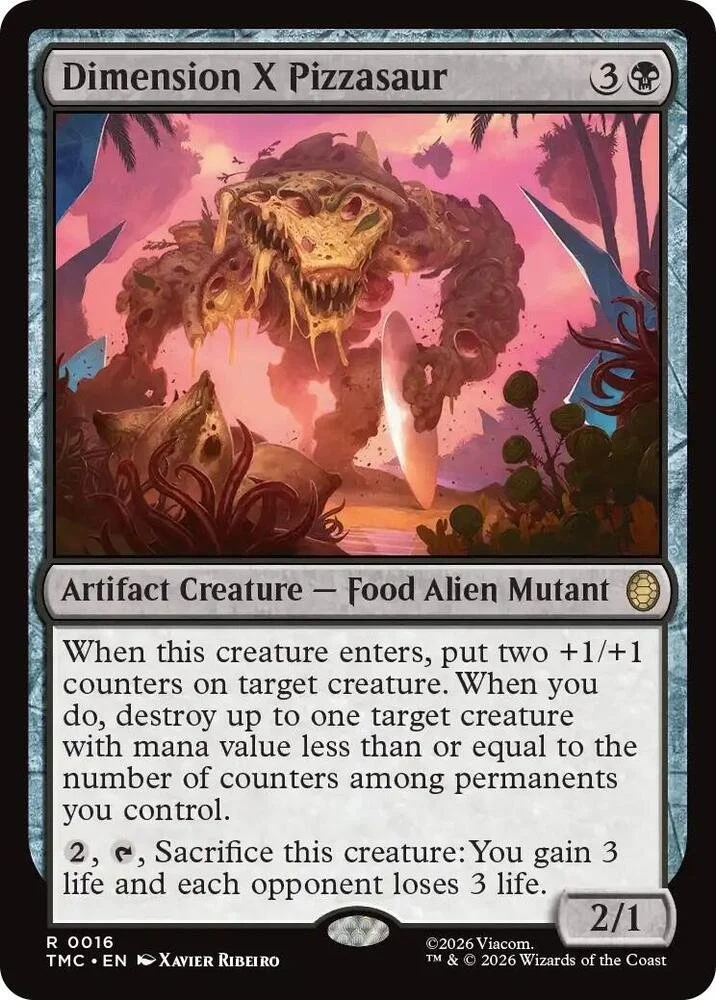
The strategy is built around creating disposable permanents—specifically Food tokens—and then sacrificing or removing them to generate value. Since Food tokens are naturally designed to be sacrificed, they pair perfectly with Disappear mechanics that trigger when permanents leave the battlefield.
Cards that generate Food become the foundation of the deck. Once those tokens are on the battlefield, you can either consume them for life or sacrifice them to trigger Disappear abilities and other Golgari-style value engines.
The result is a steady flow of resources where nothing truly goes to waste.
Building the Food Engine
To keep the kitchen running, you’ll want plenty of Food producers alongside sacrifice payoffs. Cards that create Food tokens help fuel the engine, while sacrifice outlets allow you to convert those tokens into additional value. Because Food tokens are artifacts, they also interact nicely with effects that care about artifacts leaving the battlefield.
As your Food pile grows, you’ll gain access to:
Repeatable life gain
Sacrifice triggers
Disappear effects from the TMNT set
Eventually those small tokens turn into a full resource engine.
TL;DR Strategy
Generate Food tokens
Sacrifice them to trigger Disappear abilities
Gain life and incremental value
Outlast opponents through resource advantage
It’s a flavorful Golgari strategy that blends classic Food mechanics with newer set synergies. And honestly, turning pizza into a resource engine feels perfectly on-theme for the world of TMNT.
Orzhov: Dark Leo & Shredder
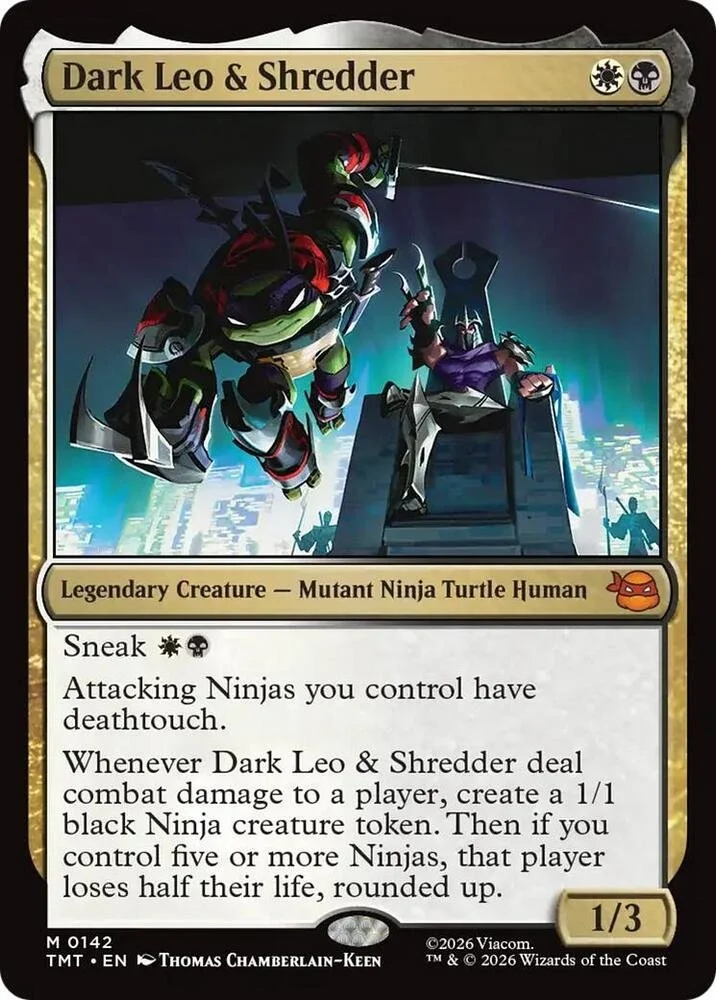
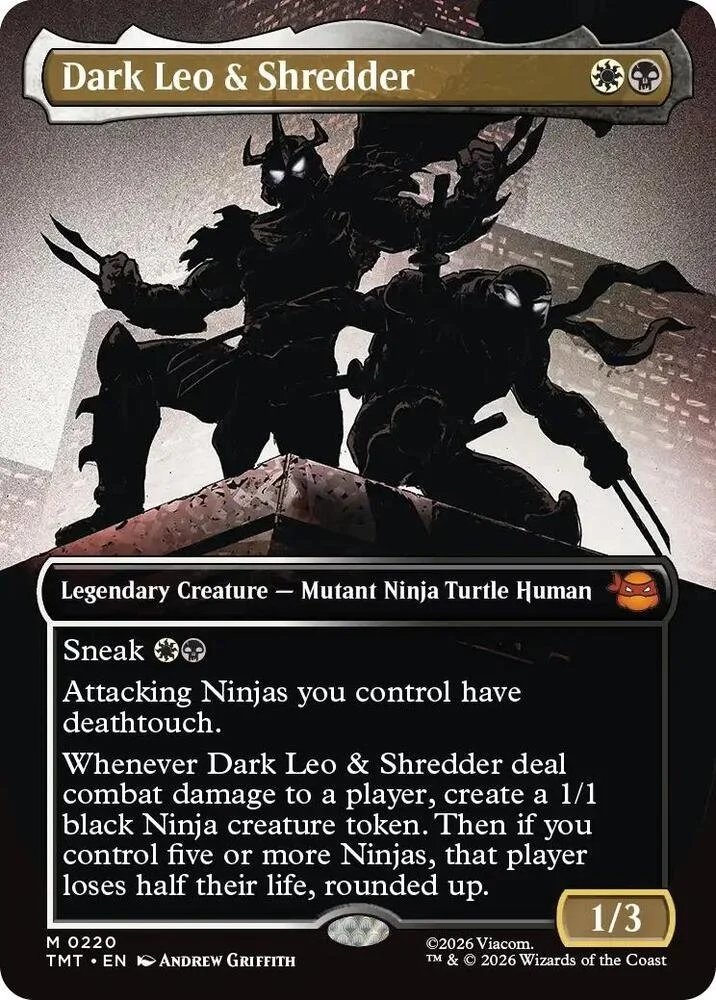
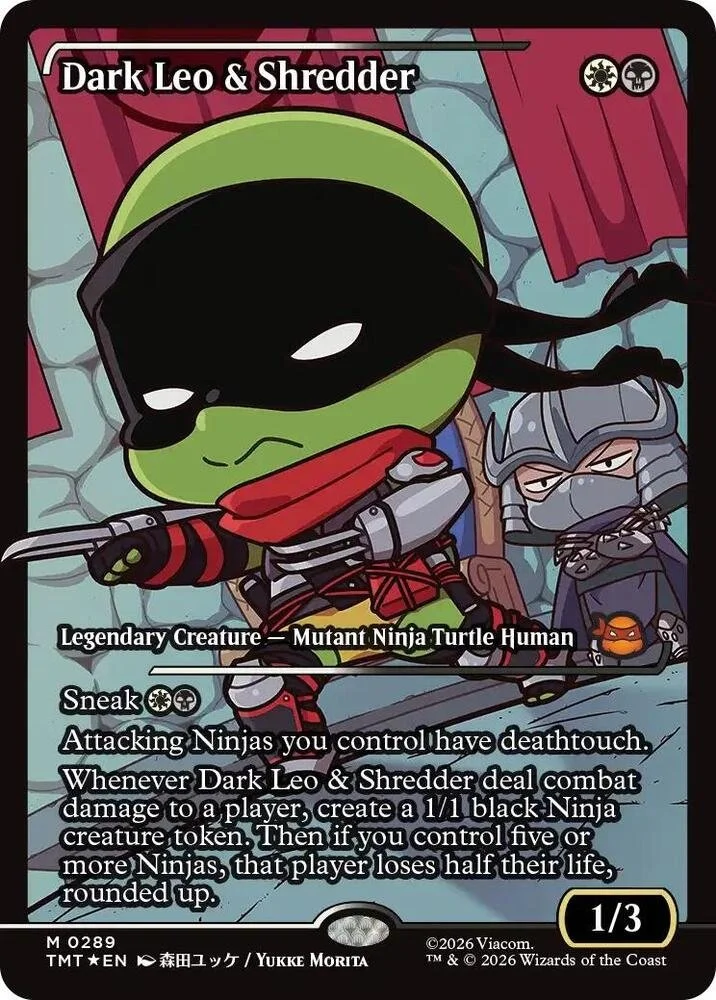
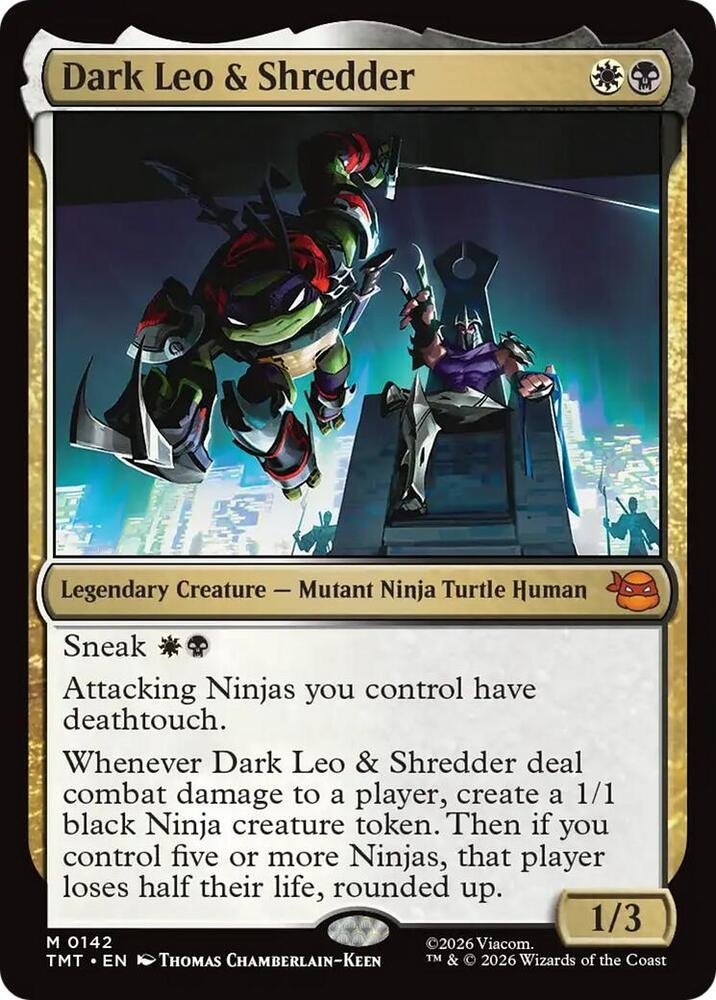
The Orzhov commander Dark Leo & Shredder shares some similarities with the Esper commander later in the list. Both reward building around Ninjas and evasive combat strategies, though they ultimately play a little differently. In the case of Dark Leo & Shredder, the direction is very clear: Ninja tribal.
This deck wants everything related to Ninjas — Sneak, Ninjutsu, and evasive attackers — all working together to build a dangerous board state.
How the Deck Plays
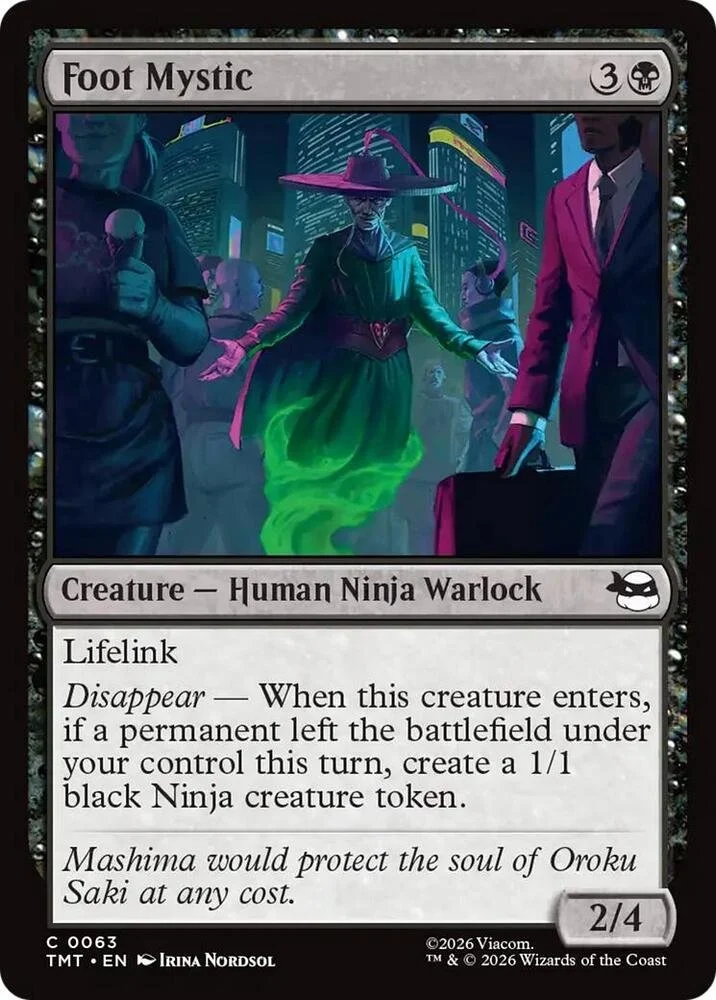
The primary goal is to assemble a critical mass of Ninjas as quickly as possible. Once you reach that threshold, Dark Leo & Shredder can activate their ability to deal massive damage by cutting half of an opponent’s life total. That kind of pressure forces the table to pay attention very quickly.
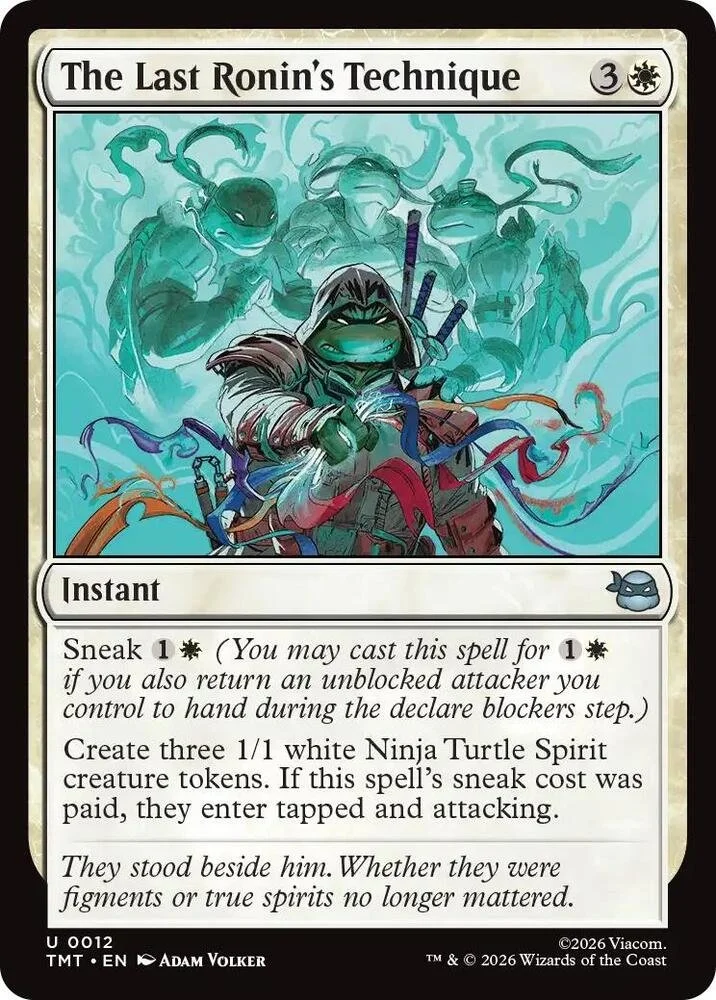
Because of that, you’ll want to prioritize cards that help generate Ninja creatures or help you reach the necessary board presence. Cards like The Last Ronin’s Technique and Foot Mystic are excellent support pieces, helping you produce additional Ninjas and push toward that five-Ninja threshold.
Five Ninjas may not sound like a lot — but once your opponents realize what happens when you get there, they’ll start removing them as quickly as possible.
Maintaining the Ninja Engine
Since the deck revolves around attacking with Ninjas, combat utility becomes extremely important.
Giving your Ninjas Deathtouch makes blocking much more difficult for opponents, allowing your attackers to slip through or trade up in combat.
Another trick is repeatedly bouncing Dark Leo & Shredder back to your hand so you can reuse their Sneak ability multiple times throughout the game.
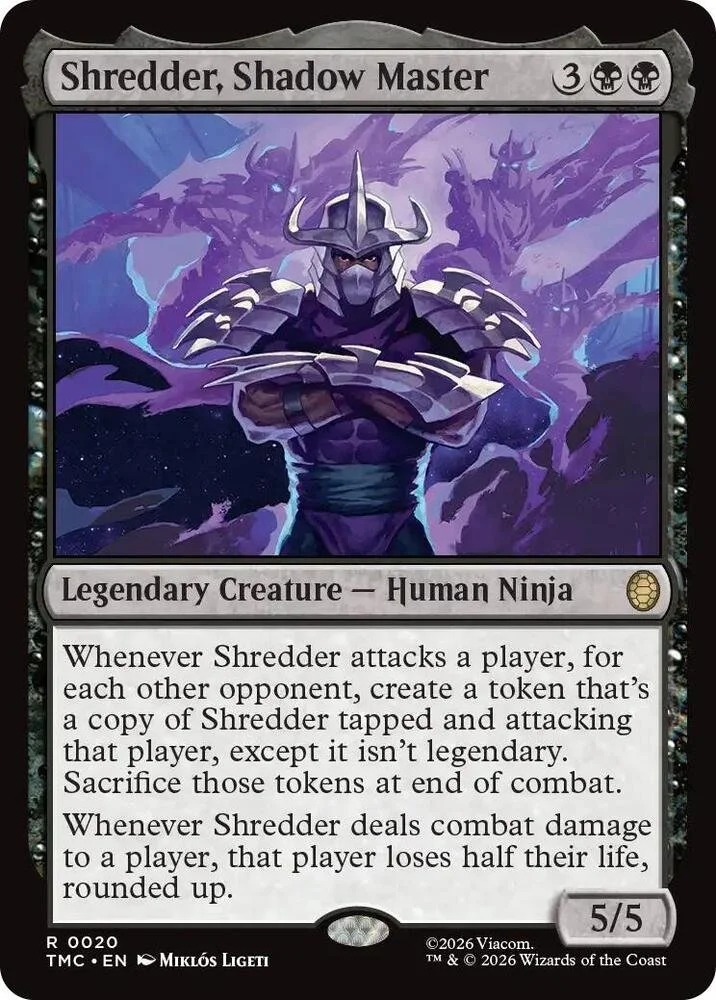
Cards like Shredder, Shadow Master are especially useful here. They can quietly generate additional Ninjas and help you reach the five-creature threshold before your opponents even realize how close you are to triggering the ability.
TL;DR Strategy
Build a fast Ninja tribal board
Reach five Ninjas as quickly as possible
Attack aggressively and maintain pressure
Use Sneak and Ninjutsu to keep the engine running
Once the deck gets rolling, it becomes incredibly dangerous. A well-timed activation from Dark Leo & Shredder can instantly remove a huge chunk of someone’s life total, making this one of the most explosive Ninja commanders in the set.
Three-Color commanders in Teenage Mutant Ninja Turtles
And finally, we arrive at the only three-color commander in this list.
Technically, this card’s casting cost is only two colors, but its activated ability introduces a third color into its Commander color identity, placing it firmly in the Esper category.
That unique design makes this commander stand out from the rest of the TMNT legends. While most of the set focuses on mono-color and two-color builds, this card opens the door to a broader range of strategies and deckbuilding options — and fittingly, it belongs to one of the most iconic characters in the entire franchise.
Esper: Splinter, Radical Rat
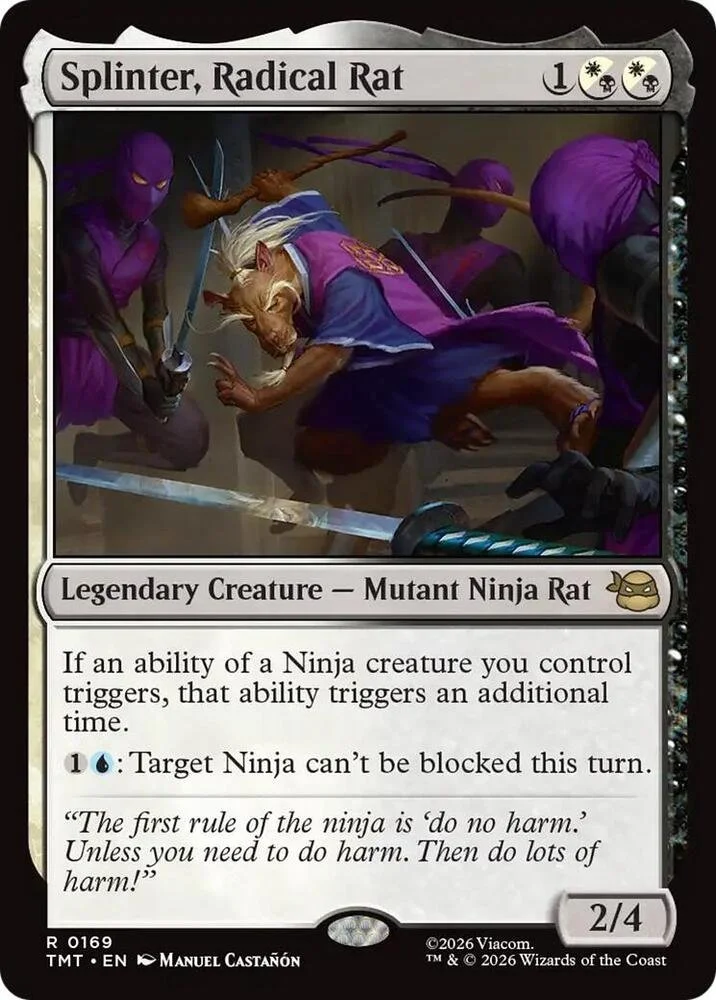
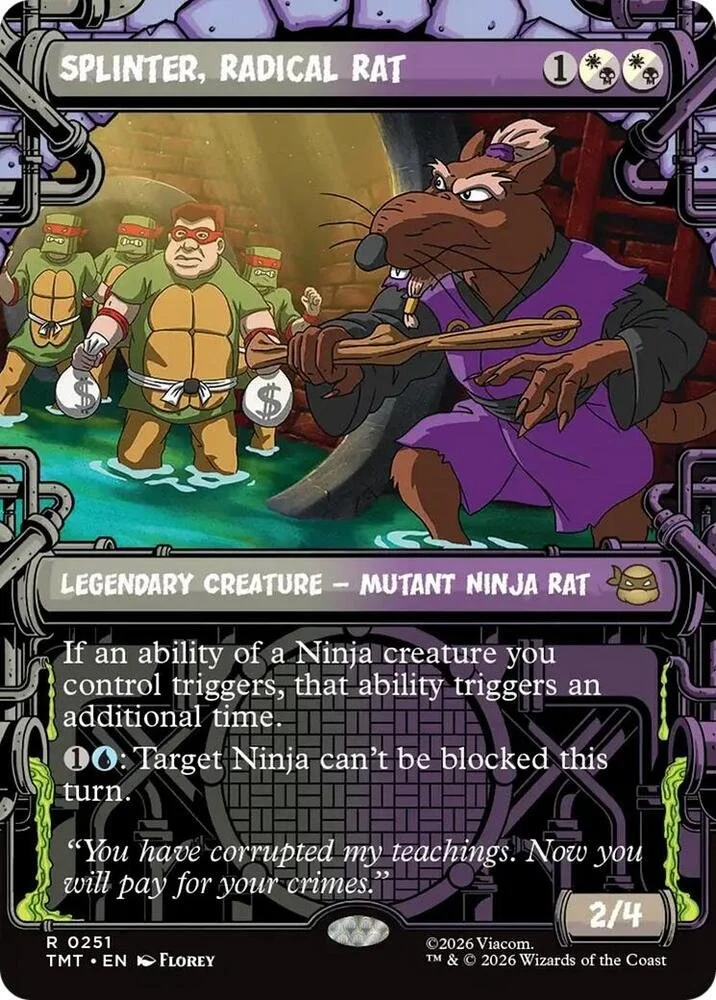
Last but certainly not least, we have Splinter, Radical Rat, the only three-color commander in this entire list. There was no way I was going to build mono-colored decks for all four turtles and Shredder and somehow leave out Master Splinter. If anyone deserves their own category, it’s the GOAT himself.
Fortunately, this version of Splinter absolutely earns that spotlight.
Much like Dark Leo & Shredder, Splinter leans heavily into Ninja tribal. The difference is that Splinter pushes the strategy even further by amplifying Ninja triggers, turning every Ninja ability into an even bigger payoff.
How the Deck Plays
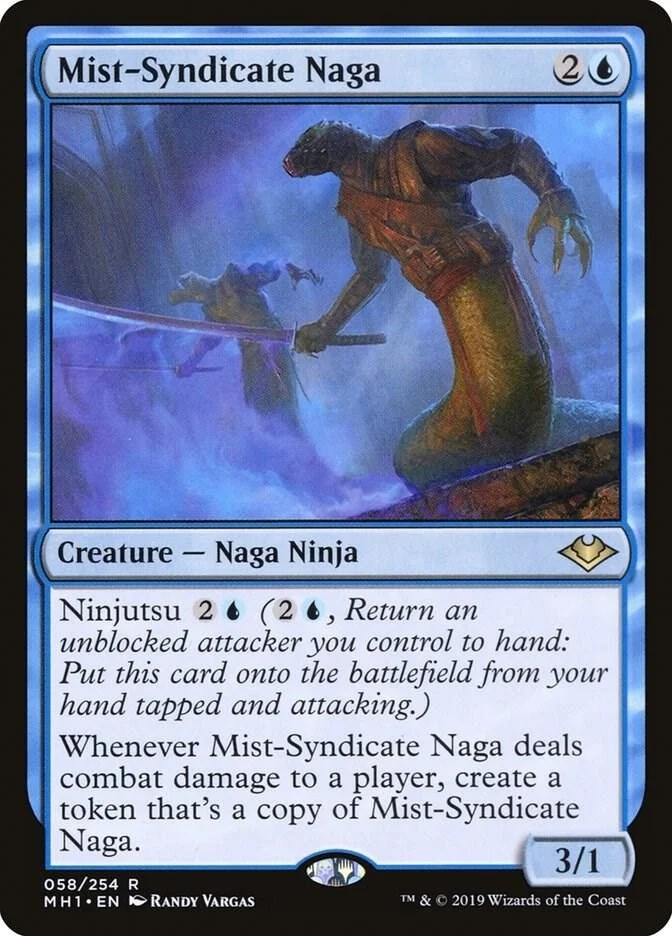
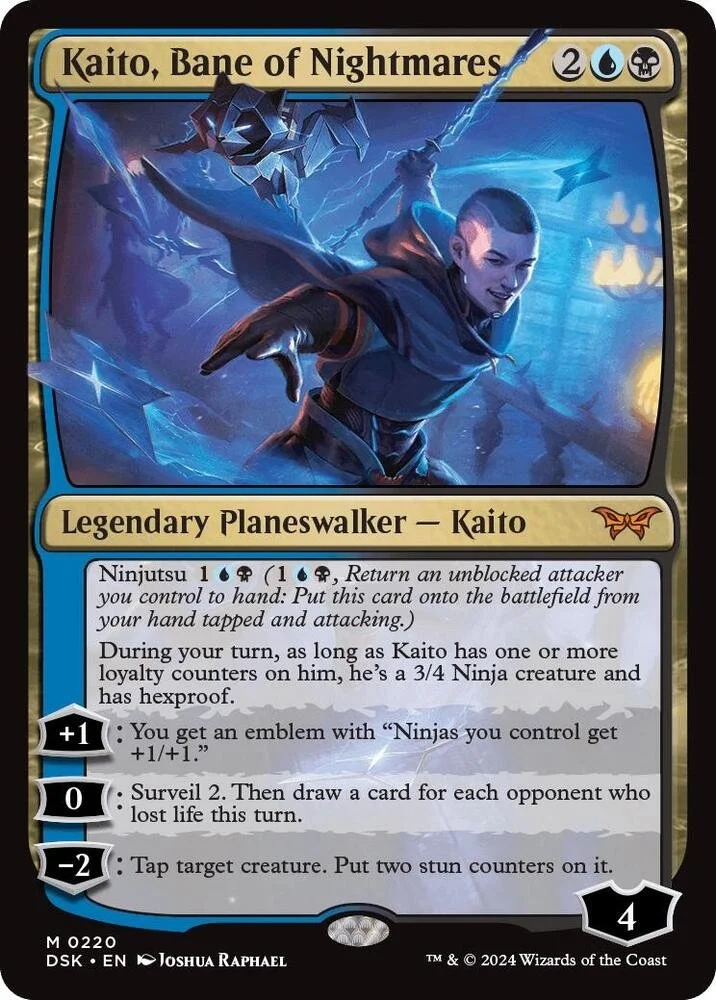
The core idea is to load your deck with Ninjas that have powerful triggered abilities. Because Splinter enhances those triggers, every successful attack can generate massive value depending on what abilities you’re stacking.
The commander also has an activated ability that can make a target Ninja unblockable, which makes it incredibly easy to enable Sneak and Ninjutsu strategies.
Once that engine is running, your Ninjas can repeatedly slip through defenses and trigger their abilities over and over again.
Maximizing Ninja Triggers
Since Splinter focuses on enhancing Ninja triggers, the deck becomes extremely flexible depending on how you want to build it. You could focus on combat triggers, using Ninjas that generate value whenever they deal combat damage. You could lean into enter-the-battlefield abilities, blinking or reusing Ninjas to retrigger their effects. Or you could go full chaos and focus on disruptive effects that constantly punish your opponents.
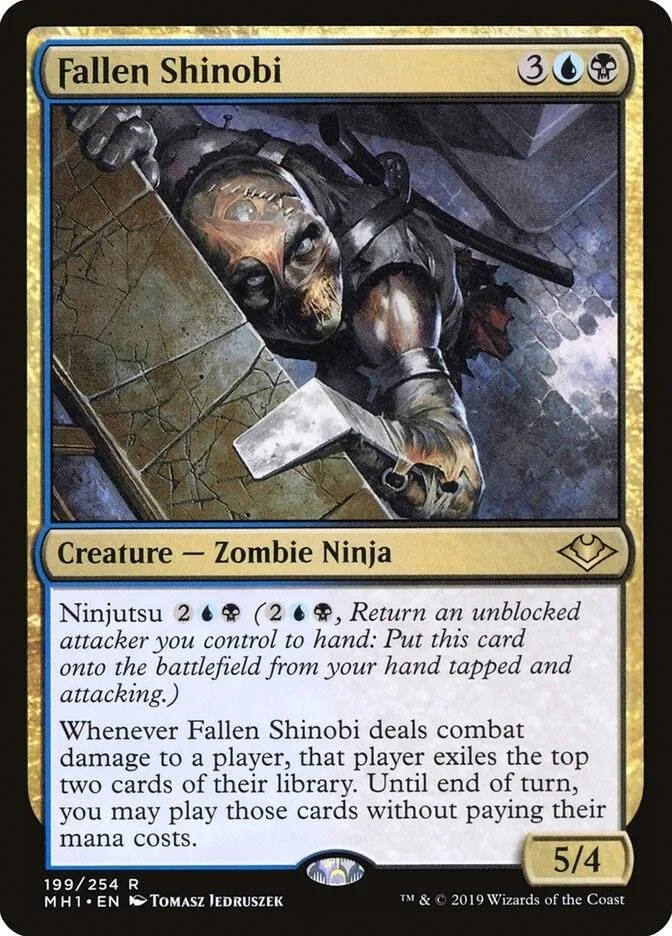
Cards like Fallen Shinobi become especially terrifying here. Sneaking it into play can steal multiple spells from an opponent’s library, and if you combine it with other Ninja payoffs — like Dark Leo & Shredder — the results can spiral out of control quickly.
Just imagine the sequence: cut an opponent’s life total in half with Dark Leo & Shredder, then trigger more Ninja effects on top of that.
TL;DR Strategy
Build heavy Ninja tribal
Stack powerful Ninja trigger abilities
Use unblockable effects to guarantee hits
Snowball value through repeated Ninja triggers
At the end of the day, this deck is extremely customizable. Whether you want combat triggers, ETB effects, or chaotic disruption, Splinter turns your Ninja army into a precision strike force — and that feels exactly right for the master of the Hamato clan.
Final Thoughts
The Teenage Mutant Ninja Turtles Universes Beyond set brings a surprisingly diverse lineup of Commander options to the table. Even though the set leans heavily toward mono-color and two-color legends, there’s still an impressive range of archetypes represented — from classic strategies like Rat sacrifice, token swarms, and mono-green stompy, to more experimental builds involving blink engines, theft decks, and permanents constantly leaving the battlefield.
What makes this lineup particularly fun is how well the mechanics match the personalities of the characters. Raphael plays like an explosive damage engine, Michelangelo ramps into massive creatures, Donatello builds clever artifact machines, and the villains lean into chaotic or sinister strategies like stealing cards and punishing opponents for casting spells. Even the team-up commanders feel thematic, blending their personalities into hybrid playstyles.
At the end of the day, the real strength of this set is how flexible the commanders are. Many of them support multiple archetypes, whether that’s Ninja tribal, Turtle tribal, artifact synergy, or token-based aggression. And honestly, that’s exactly what a TMNT crossover should feel like — chaotic, creative, and a whole lot of fun around the Commander table.
If you’re excited about Teenage Mutant Ninja Turtles in Magic: The Gathering, there’s a lot more coming this year across the tabletop world. From new Magic sets and Universes Beyond releases to upcoming expansions for games like Disney Lorcana, Riftbound, and other tabletop favorites, 2026 is shaping up to be a massive year. To stay on top of everything releasing this year, make sure to check out our 2026 TCG & Tabletop Release Calendar here at GameTyrant.