At first glance, Teenage Mutant Ninja Turtles Limited has one very clear identity: a high mana ceiling. Like Universes Beyond: Marvel’s Spider-Man, this is a smaller set packed with Legendary creatures and splashy build-arounds. That naturally creates a tighter Limited ecosystem. You’ll see fewer generically strong commons carrying archetypes, and more synergy-dependent cards asking you to build carefully.
The set feels more cohesive than Spider-Man, even if the Limited environment demands a little more precision, and a lot more luck. Our goal here is to turn the luck you do open into informed deckbuilding decisions.
New mechanics in Teenage Mutant Ninja Turtles
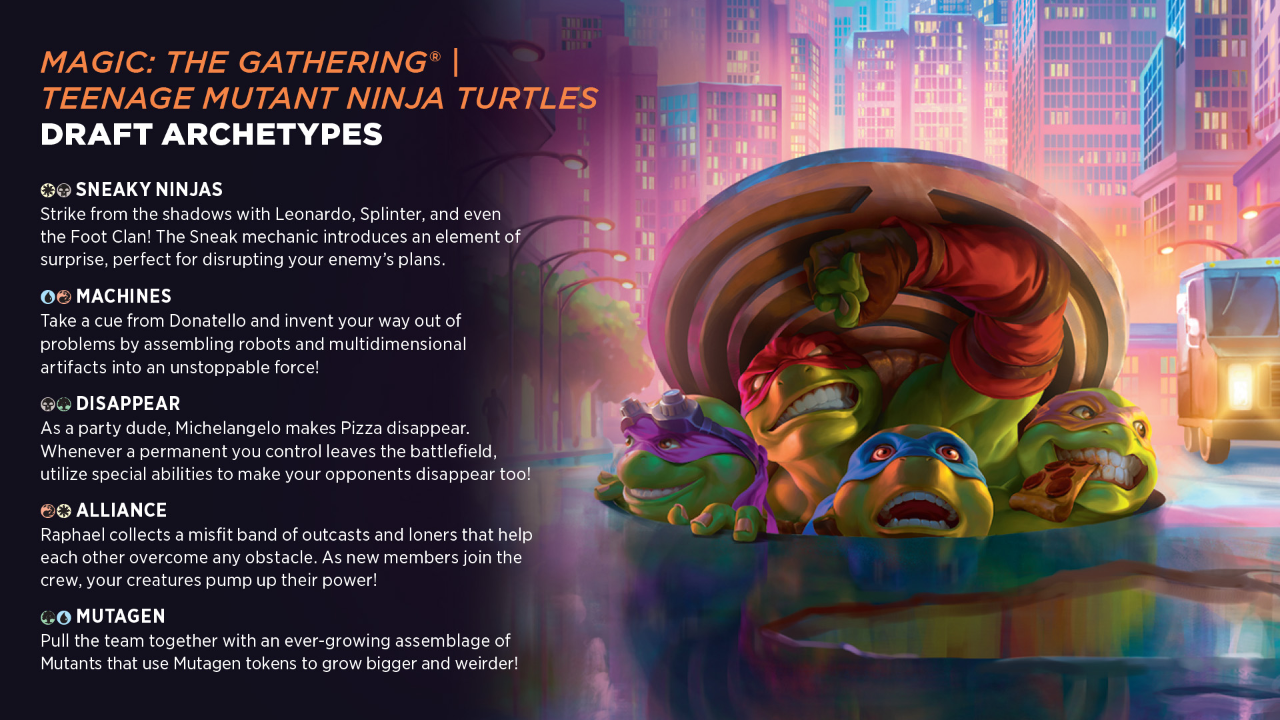
There are four featured mechanics in this set: Alliance, Disappear, Mutagen, and Sneak. None are technically brand-new — most are rebranded or slightly adjusted takes on existing mechanics — but understanding how they interact is key to succeeding in Limited.
Alliance - Creatures matter
Alliance returns (functionally) from Streets of New Capenna. It triggers whenever another creature enters the battlefield under your control. Think of it as Landfall, but for creatures — “Creaturefall,” if you will.
Alliance thrives in:
Token-heavy decks
Cheap creature curves
Blink or replay strategies
It pairs especially well with Sneak, since Sneak returns creatures to your hand, letting you replay them and retrigger Alliance. If you’re building Alliance, your question should always be: “How consistently can I put creatures onto the battlefield?”
Disappear - Creatures don’t matter
Disappear is essentially Revolt from Aether Revolt, renamed. Instead of triggering when things enter, it cares about permanents leaving the battlefield. Disappear abilities trigger during your end step if a permanent left the battlefield that turn.
It works beautifully with:
Sneak (returning attackers)
Mutagen tokens (which sacrifice themselves)
Food, Clue, Blood, or other sacrifice-based tokens
Disappear decks want constant churn. If something leaves your battlefield every turn, you’re doing it right.
Mutagen - “Mutate” your creatures
Mutagen tokens act as the set’s flavorful mutation system without bringing back the full Mutate mechanic. A Mutagen token has: 1, Tap, Sacrifice: Put a +1/+1 counter on target creature.
It’s simple. It’s clean. It’s very Limited-friendly.
Mutagen fits into almost any archetype, but it’s particularly strong with:
Disappear (because sacrificing the token triggers it)
Counter-based strategies
Go-wide decks that want incremental scaling
Not flashy — but highly effective.
Sneak - Ninja vanish!
Sneak is the most dynamic mechanic in the set. Like Ninjutsu, Sneak lets you cast a spell for an alternate cost by returning an unblocked attacker to your hand during the declare blockers step.
Two big upgrades:
It doesn’t specify your hand — meaning Command Zone Sneak works.
It appears on instants and sorceries, not just creatures.
Sneak rewards:
Evasive creatures (flying, unblockable)
Combat tricks
Replay synergies (Alliance, Disappear)
If your deck can reliably connect with an attacker, Sneak becomes a powerful tempo engine.
Archetypes
Instead of forcing a full 10-color Limited ecosystem, TMNT smartly narrows things to five primary archetypes. Even then, there’s noticeable bleed between colors, so flexibility is important.
Orzhov: Sneaky Ninjas (Sneak)
This is the most synergy-driven archetype in the set and arguably the one with the highest skill ceiling.
Orzhov wants to play a tempo-oriented, evasive game. You’re not necessarily trying to flood the board — you’re trying to connect cleanly with one attacker every turn. Once you do, Sneak turns into a value engine that snowballs the game.
Game Plan
Develop early evasive creatures.
Force awkward blocks.
Convert unblocked attackers into Sneak value.
Grind advantage through recursion and combat tricks.
This deck plays more like a tempo-control hybrid than a traditional aggro deck. You chip in early damage, then leverage Sneak for efficient threats or surprise spells that swing combat math.
Draft Priorities
2–3 mana evasive creatures
Reliable removal
Repeatable ways to make creatures unblockable
Sneak cards with strong ETB effects
You do not want to overload on expensive Sneak cards without enablers. Sneak is only good if you can consistently attack safely.
Win Condition
Incremental value into sudden swing turns. Many games will end because your opponent stabilizes — and then you Sneak in a threat or combat trick that blows up their board state.
Orzhov key multi-color cards
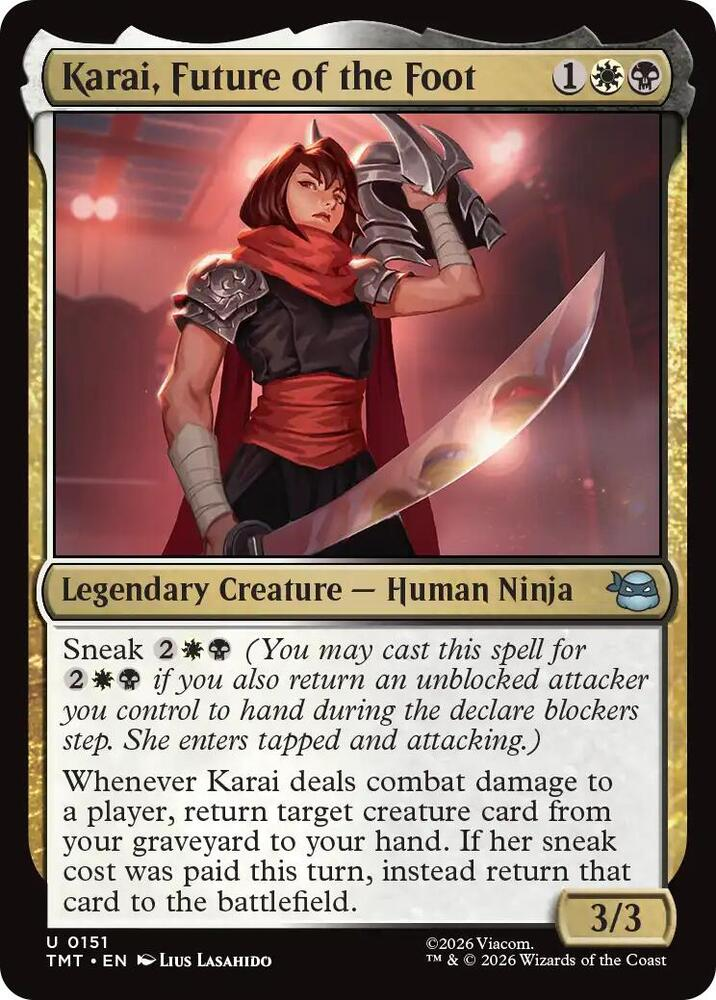
Karai, Future of the Foot (Signpost Uncommon) - Karai is one of the best uncommons in the set. A 3/3 for three is already a solid Limited body, but her Sneak mode is what makes her special. Sneaking her in to reanimate a creature turns a simple unblocked attacker into immediate board advantage. In Draft she’s an early signal that Orzhov might be open, and in Sealed she becomes even stronger since games tend to stall and recursion matters more. She’s flexible enough to splash in Golgari sacrifice builds as well, which raises her overall value.
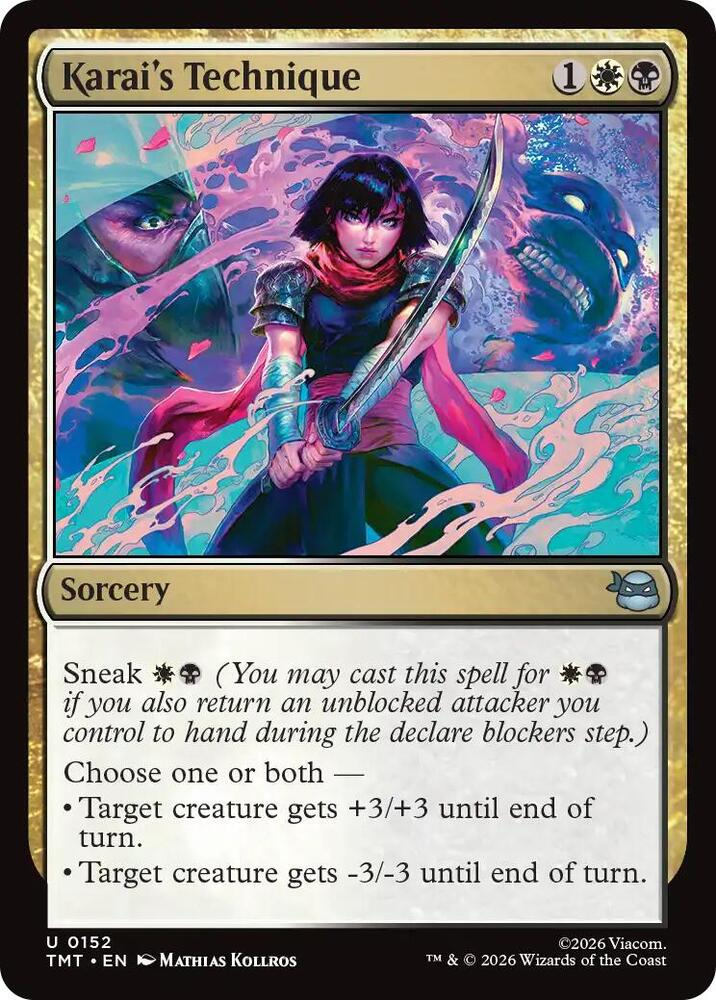
Karai’s Technique - This card plays much better than it looks. At sorcery speed it’s already a respectable combat swing, but the Sneak cost lets you convert it into a surprise instant during combat. That flexibility creates blowout potential, either by saving your attacker or removing a blocker mid-combat. It scales directly with how reliably you can enable Sneak.
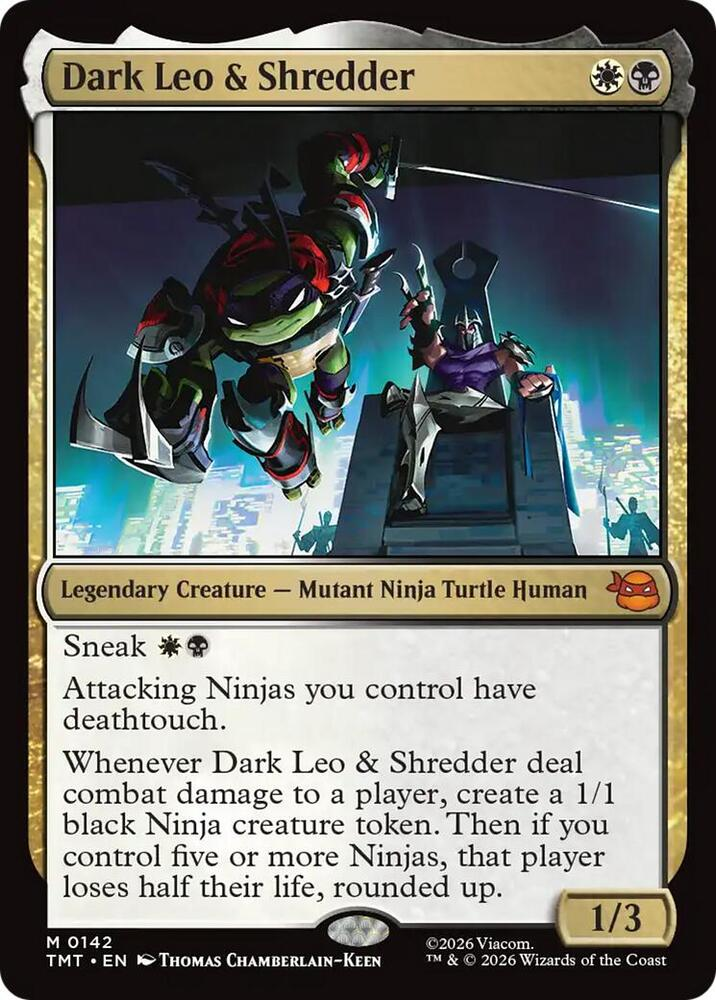
Dark Leo & Shredder - This is a true bomb. Early Sneak turns this into a massive life swing, and late game it warps combat by granting deathtouch to your Ninjas. It stabilizes when you’re behind and ends games quickly when you’re ahead. If you open this in Sealed, you should strongly consider building around it.
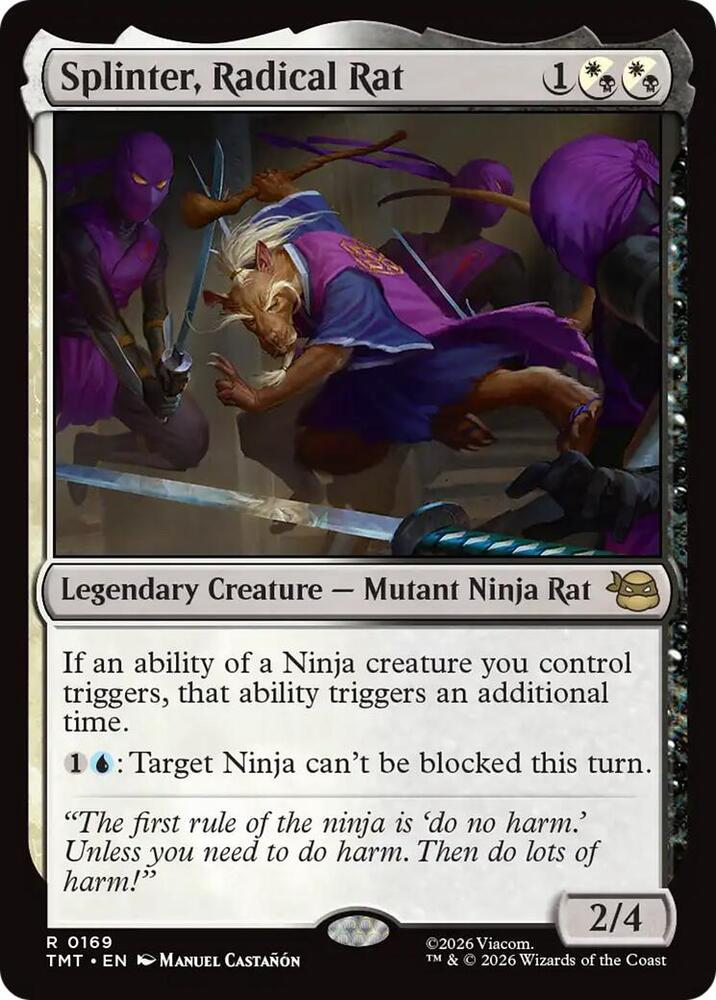
Splinter, Radical Rat - Splinter is the consistency engine for Sneak. Giving Ninjas unblockable makes your alternate costs reliable instead of situational. The difference between “sometimes Sneak works” and “Sneak works every turn” is massive in Limited, and Splinter pushes you toward the latter.
Izzet (Blue/Red) – Artifacts with Alliance Support
Izzet is a synergy archetype that wants to balance artifacts and creature production — and that balance is where it gets tricky.
On paper, this is a spells-and-artifacts deck. In practice, it can feel underpowered if you lean too hard into one half. Pure artifacts without pressure don’t close games. Pure spells without artifact payoffs lack identity.
Game Plan
Generate artifact tokens.
Use Alliance triggers to build incremental pressure.
Leverage artifact synergies to outscale mid-game boards.
This deck can play midrange or tempo depending on how it’s drafted. It thrives when it curves out with artifacts that produce creatures, allowing Alliance to quietly build value in the background.
Draft Priorities
Artifact creatures over noncreature artifacts
ETB effects that generate tokens
Mana fixing if splashing white (Jeskai build)
Mid-game stabilizers
If you draft strictly UR with no splash, make sure you have a real win condition — this archetype struggles to close without one.
Win Condition
Value snowball into air superiority or artifact-fueled burst turns. The best versions of this deck feel like they’re assembling a machine that eventually overwhelms opponents.
Izzet key multi-color cards
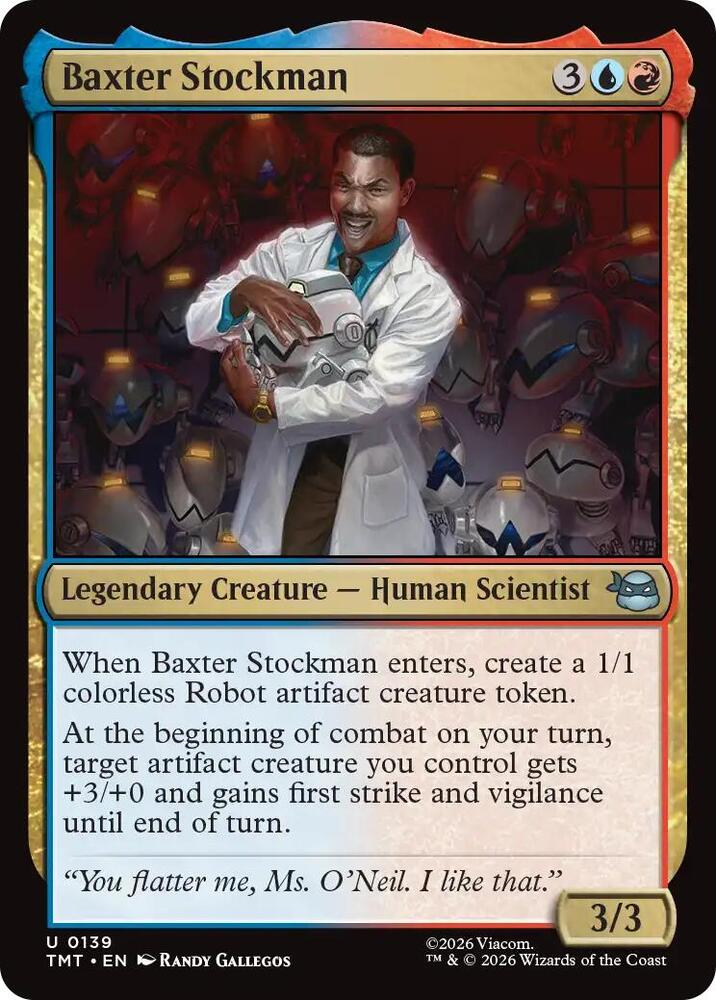
Baxter Stockman (Signpost Uncommon) - Baxter does exactly what this archetype wants. He generates an artifact creature on entry, which helps trigger Alliance, and then boosts artifacts every combat. In the right deck he applies steady pressure while building value. The key is having enough artifact density to justify him; without it, he’s just solid rather than exceptional.
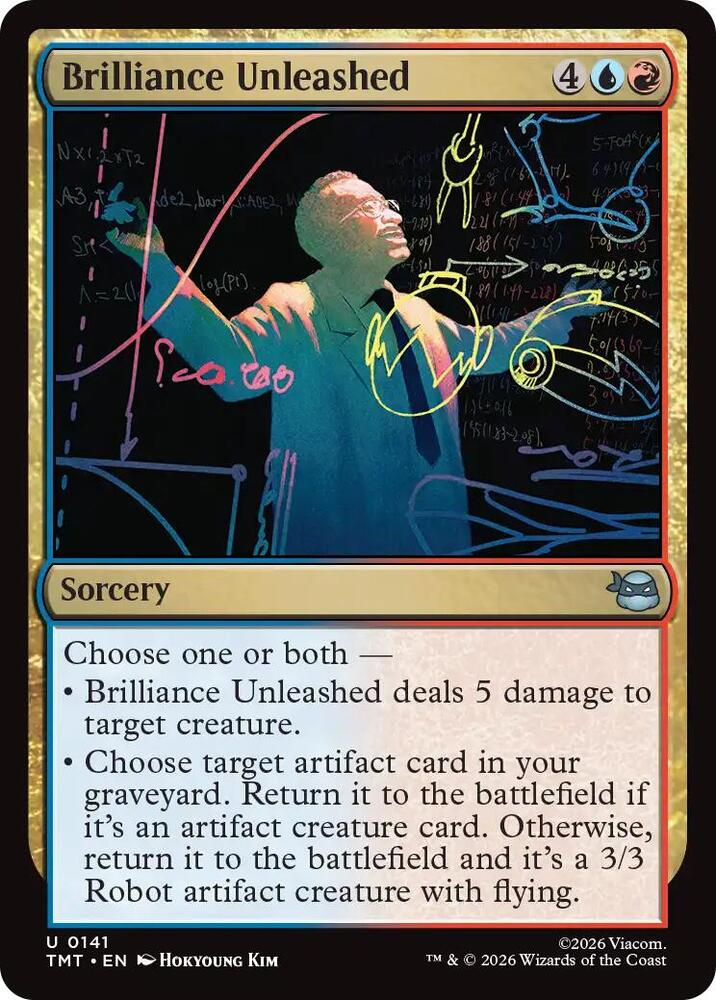
Brilliance Unleashed - Six mana is a real cost in a format that already leans expensive, but five damage plus artifact recursion can swing a stalled board. This card is strongest in slower builds where you expect the game to go long and can reliably return something impactful.
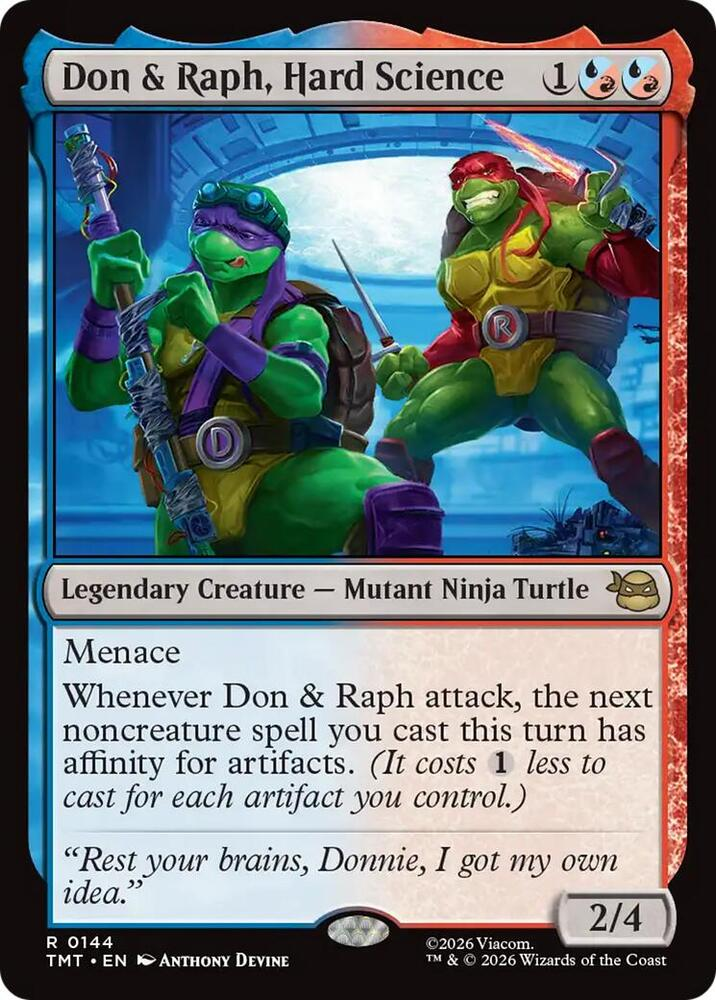
Don & Raph, Hard Science - This rare can turn a clunky artifact deck into something explosive. Reducing the cost of noncreature spells every turn allows for huge tempo swings, especially when paired with expensive artifact-based spells. It’s the kind of card that makes Izzet worth committing to.
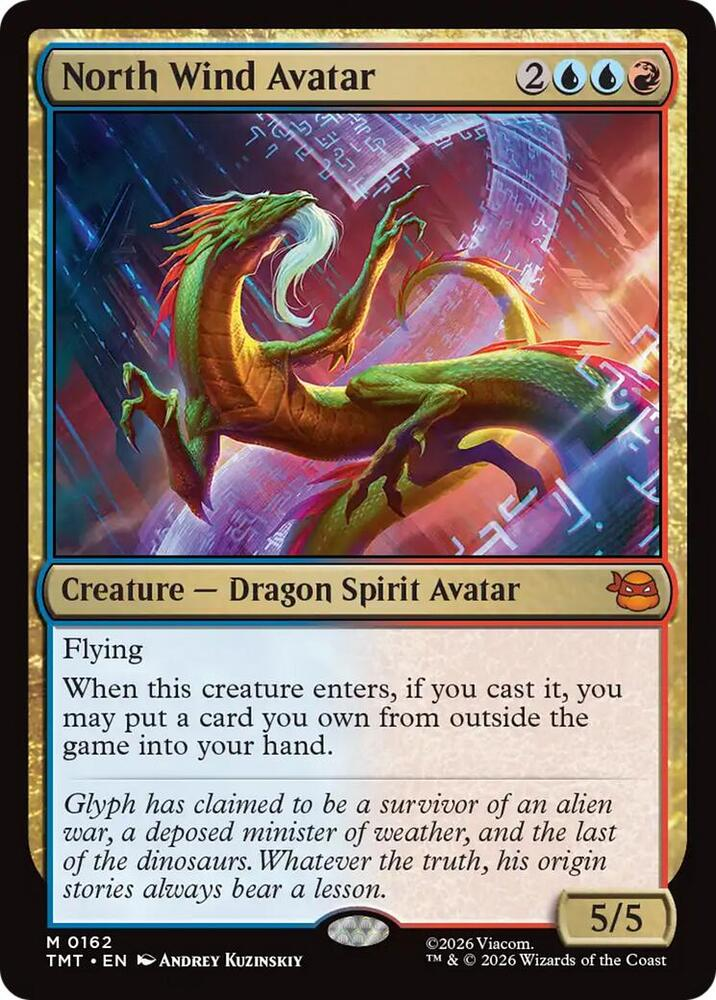
North Wind Avatar - North Wind Avatar is powerful but highly dependent on event rules. In casual settings it can effectively tutor whatever you need from outside the game, which can be absurd in Limited. Just be sure you understand how your event handles outside-the-game effects before banking on it.
Golgari (Black/Green) – Disappear / Sacrifice
This is the most naturally cohesive archetype in the set.
Disappear wants permanents leaving the battlefield, and Golgari has always been the home of sacrifice synergies. That makes this deck feel very smooth when it comes together.
Game Plan
Generate disposable permanents (Food, Mutagen tokens).
Sacrifice them for value.
Trigger Disappear consistently every turn.
Grow threats larger than your opponent can manage.
Unlike Orzhov, this deck doesn’t care much about evasion. It wins by outscaling and grinding.
Draft Priorities
Repeatable token generators
Efficient sacrifice outlets
Creatures that benefit from counters
Removal that leaves something behind
One of the biggest strengths of Golgari in this format is that its “drawbacks” often become advantages. Cards that require you to sacrifice or discard are often secretly enablers.
Win Condition
Overwhelming board presence. Your creatures simply grow too large while your opponent struggles to keep up with incremental counter generation.
Golgari key multi-color cards
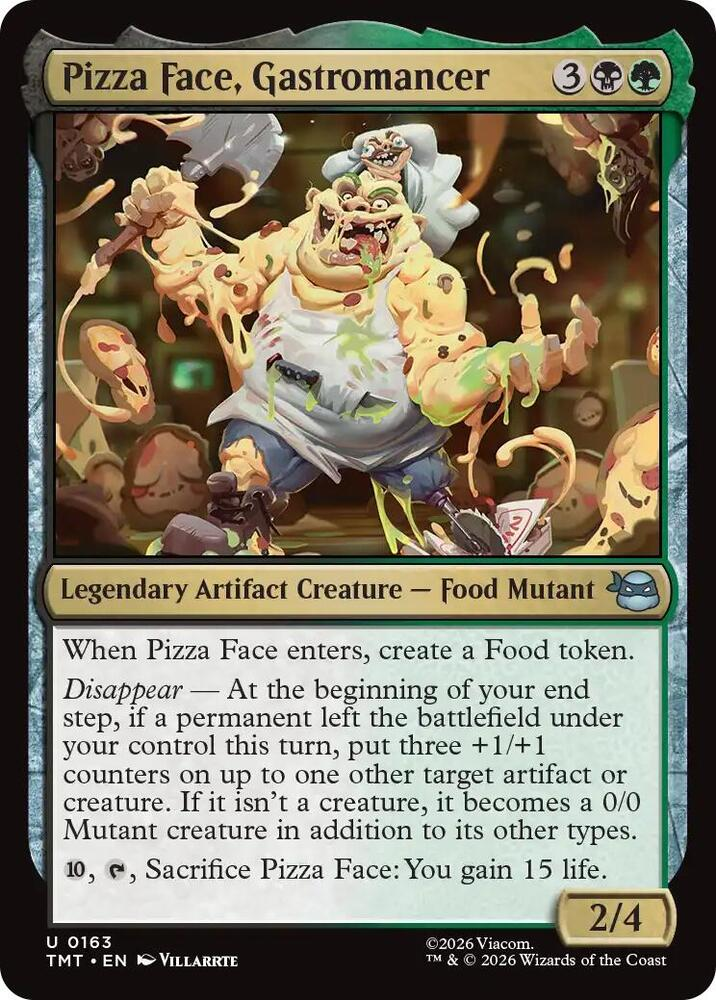
Pizza Face, Gastromancer (Signpost Uncommon) - Pizza Face is one of the cleanest synergy cards in the set. He provides his own Food token on entry, immediately enabling Disappear, and then rewards you with three +1/+1 counters at end step if a permanent left the battlefield. That rate is extremely strong in Limited and quickly snowballs out of control if unanswered.
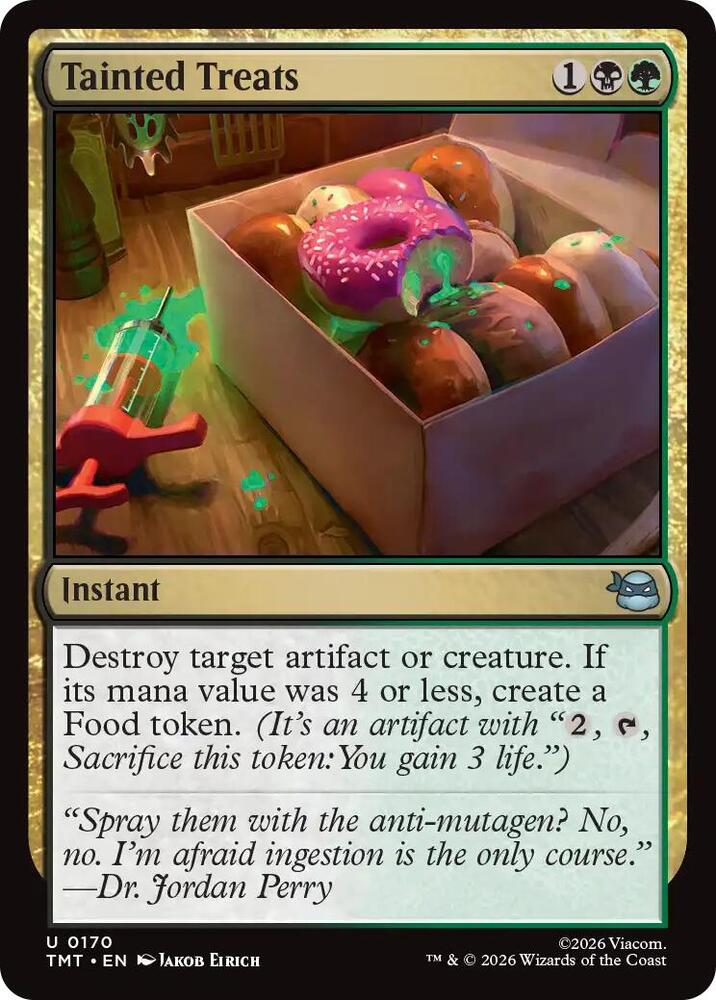
Tainted Treats - Removal that advances your strategy is premium. Tainted Treats not only answers a threat but also creates a Food token to help fuel Disappear. Cards like this are what make the archetype feel cohesive instead of clunky.
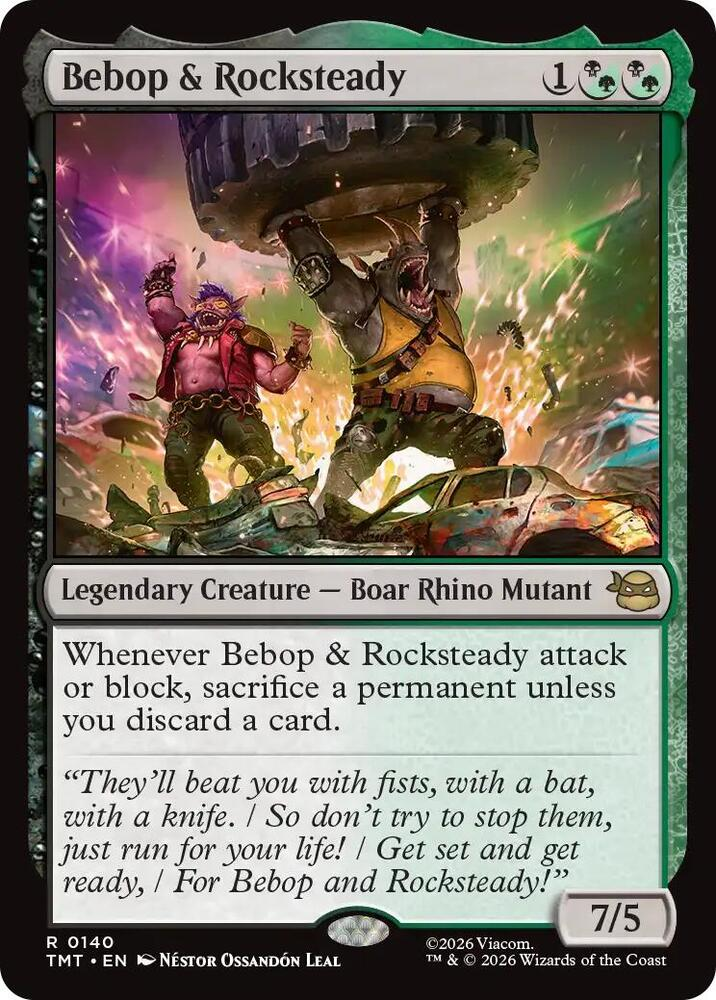
Bebop & Rocksteady - A 3-mana 7/5 is absurd stats in Limited. The sacrifice or discard drawback is often upside in Golgari, since you actively want permanents leaving the battlefield. If your deck is built correctly, this becomes a massive undercosted threat.
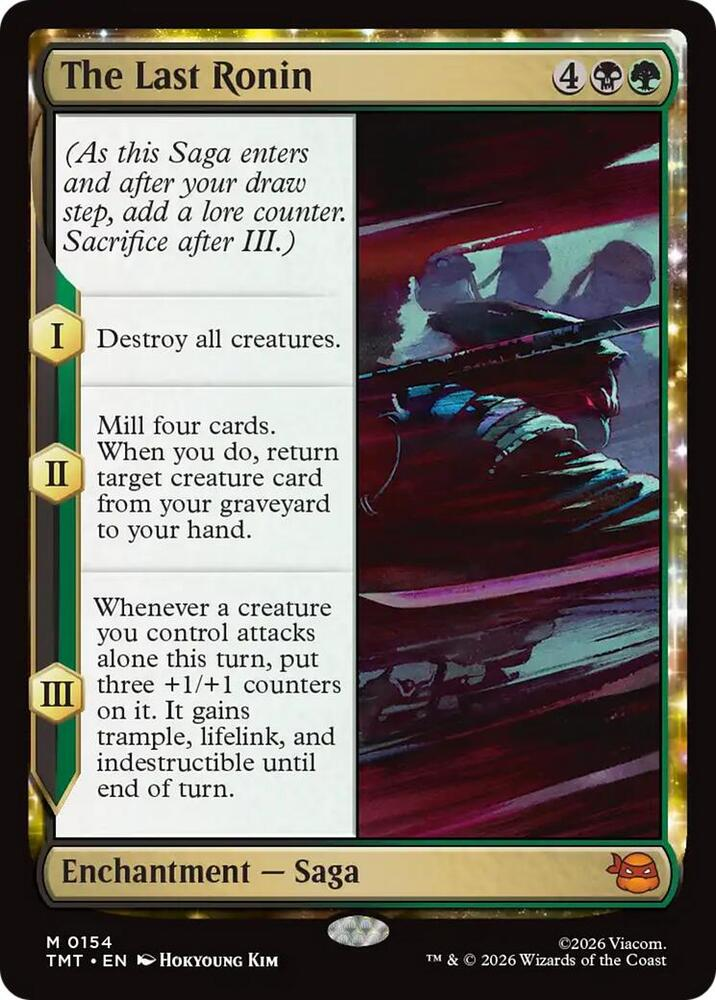
The Last Ronin - At six mana this Saga is expensive, but it’s a true late-game bomb. It can reset the board, recur value, and create an overwhelming threat. In Sealed especially, this card can single-handedly swing games.
Boros (Red/White) – Alliance Go-Wide
Boros is the most straightforward archetype in the format. If you like turning creatures sideways, this is your home.
Alliance naturally rewards flooding the board, and Boros does that better than any other pairing. This is the most aggressive archetype and likely the most consistent in Sealed.
Game Plan
Curve out aggressively.
Create tokens.
Trigger Alliance multiple times per turn.
Pressure life totals early and often.
This deck punishes slow starts and greedy mana bases. In a format with a high mana ceiling, Boros can steal games before bombs come online.
Draft Priorities
Two-drops (very important)
Token producers
Combat tricks
Cheap removal
Because Alliance only triggers when creatures enter, blink effects and token generation are especially strong here.
Win Condition
Critical mass. You don’t win with one big creature — you win by forcing blocks across a wide board and leveraging Alliance triggers to make combat impossible for your opponent.
Boros key multi-color cards
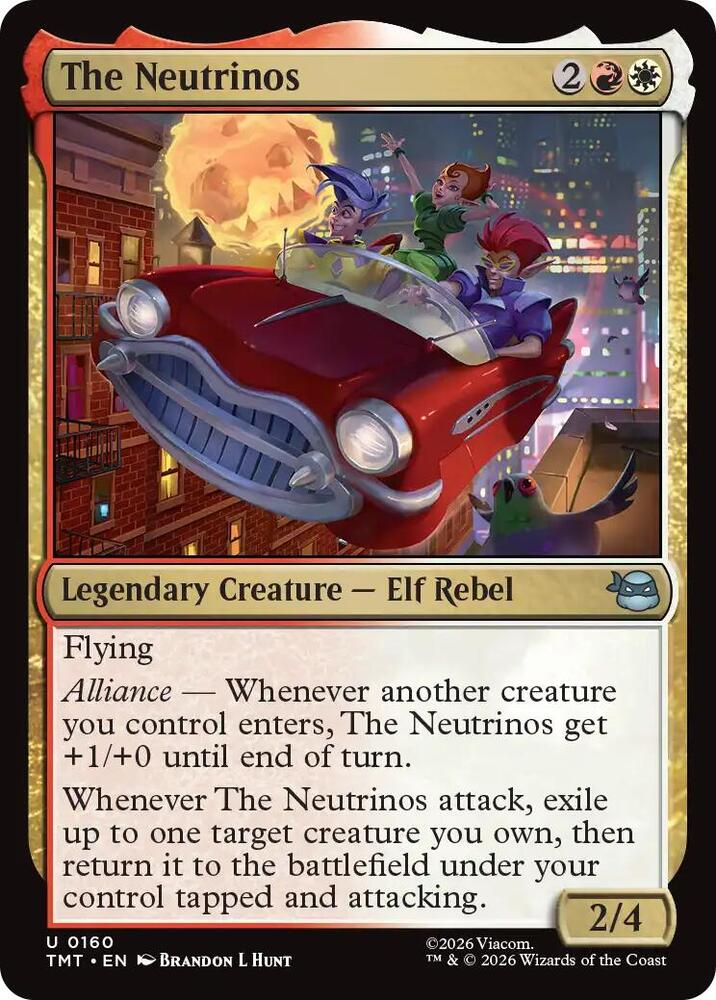
The Neutrinos (Signpost Uncommon) - The Neutrinos perfectly represents the Alliance strategy. By blinking a creature when it attacks, it retriggers enter-the-battlefield effects and adds additional pressure. In decks with multiple ETB creatures or token generators, this card creates repeated value while still contributing to combat.
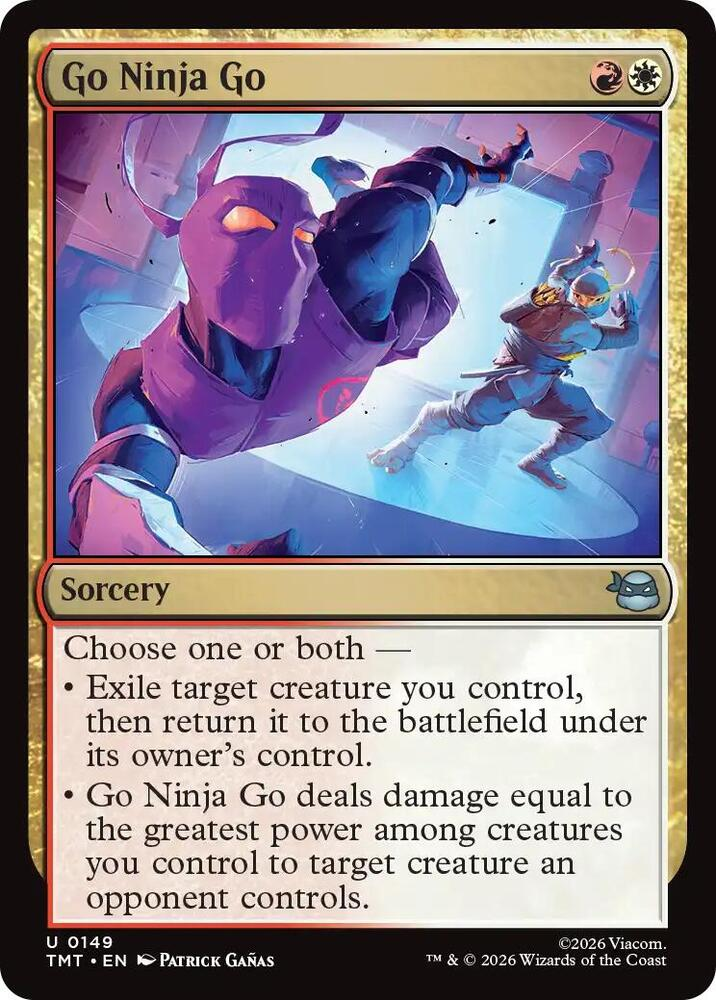
Go Ninja Go - This is a flexible utility spell that plays better than expected. Blinking a creature mid-combat can function as removal, protection, or an Alliance retrigger. In aggressive Boros builds, that kind of versatility is very valuable.
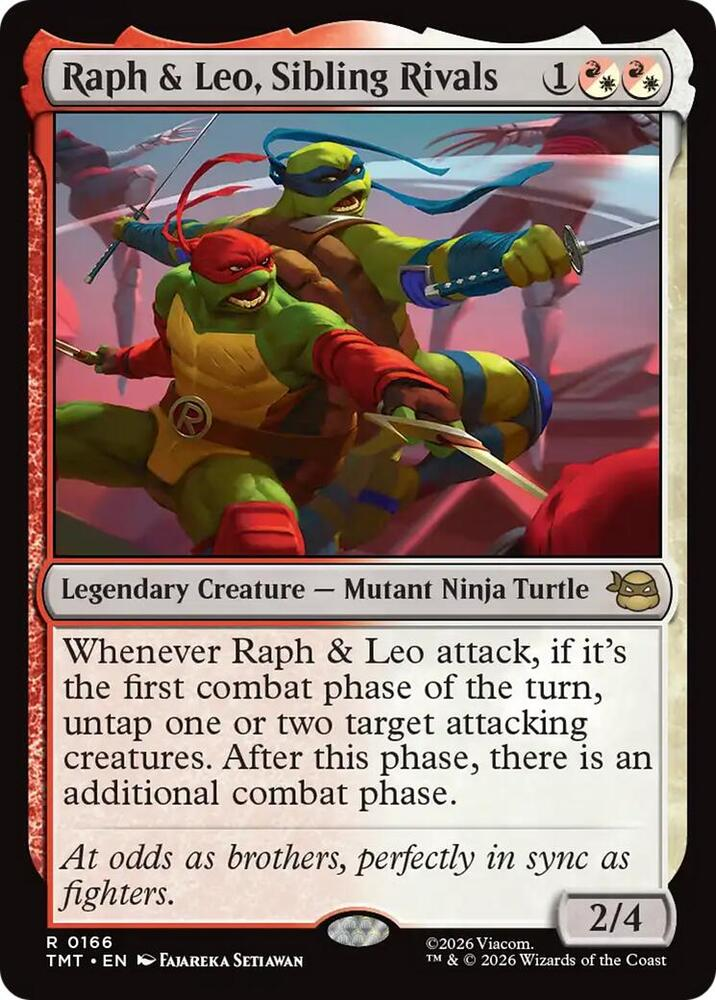
Raph & Leo, Sibling Rivals - Extra combat steps win Limited games. In a go-wide Alliance deck, this card often represents lethal damage the turn it resolves. Even in smaller board states, it forces difficult blocks and pushes through massive pressure.
Simic (Green/Blue) – Mutagen Counters
Simic is the most linear archetype — but that doesn’t mean it’s weak.
This deck is about scaling. Every Mutagen token becomes a permanent stat upgrade. Over several turns, your board naturally becomes larger than your opponent’s.
Game Plan
Develop early creatures.
Generate Mutagen tokens steadily.
Stack +1/+1 counters across your board.
Protect key threats.
Simic doesn’t want chaotic board states. It wants stability. Once the board stalls, Mutagen tokens break parity.
Draft Priorities
Cheap creatures that benefit from counters
Mutagen generators
Card draw to sustain momentum
Ramp for higher-curve threats
This archetype benefits heavily from splashing into Golgari for Disappear synergy, since sacrificing Mutagen tokens doubles as counter growth and trigger fuel.
Win Condition
Outscaling. Your creatures eventually outsize opposing blockers, forcing unfavorable trades or enabling lethal swings.
Simic key multi-color cards
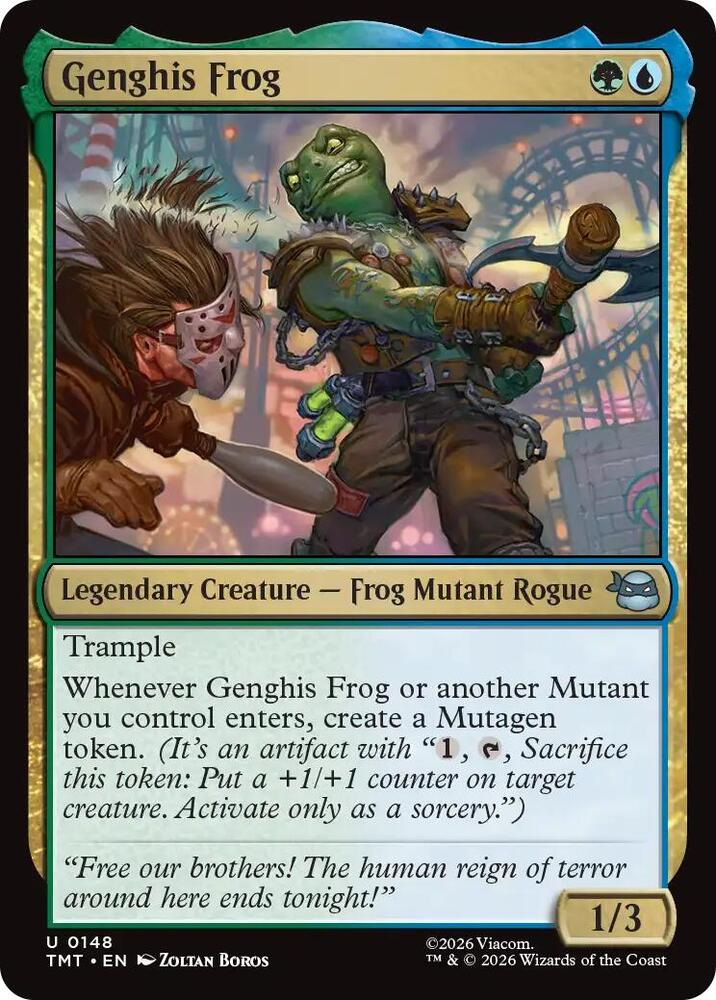
Genghis Frog (Signpost Uncommon) - Ghengis Frog quietly snowballs. With so many Mutants in the set, it frequently generates Mutagen tokens every turn. In longer games, that steady supply of +1/+1 counters allows you to outscale your opponent without committing extra cards.
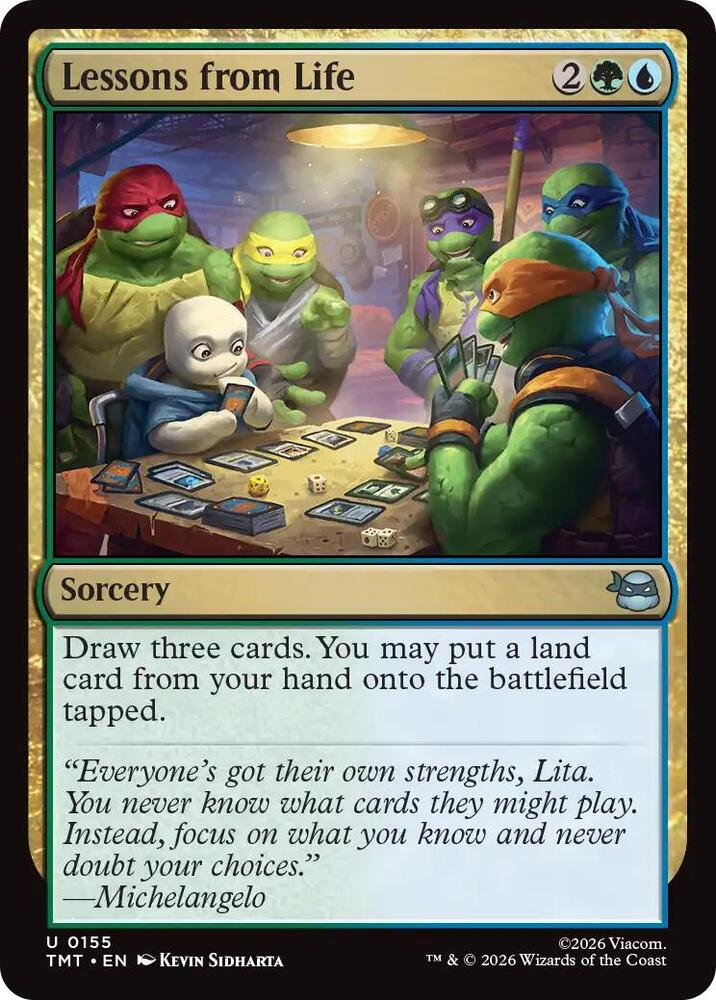
Lessons From Life - Card draw plus an extra land drop is exactly what you want in a format with a high mana ceiling. In Sealed, where games tend to go longer, this card is especially strong and helps ensure you hit your late-game threats.
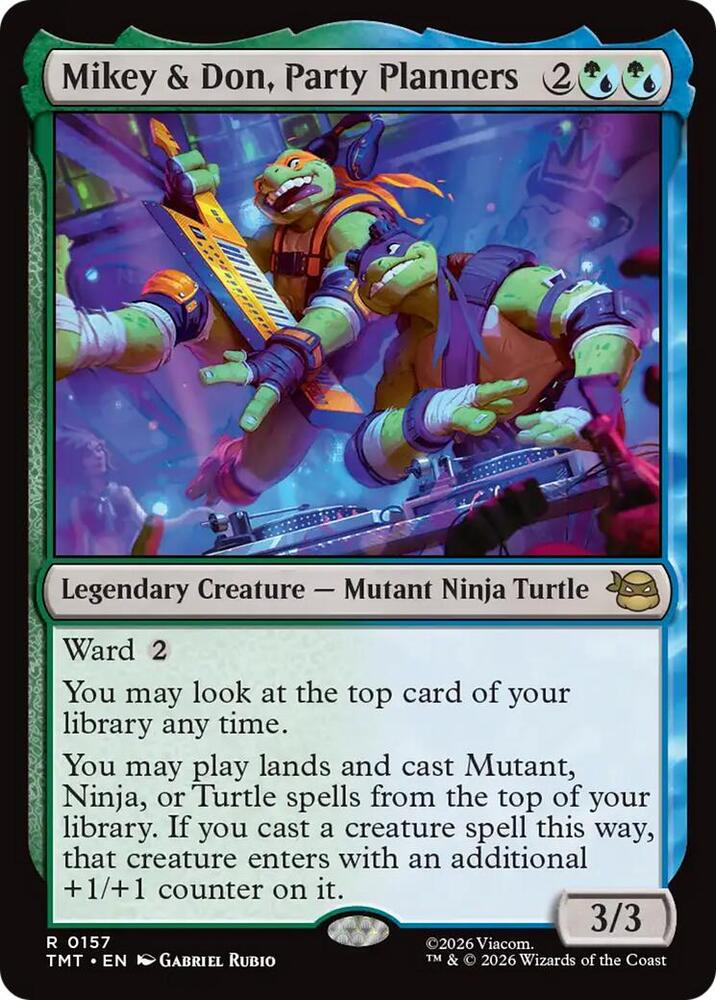
Mikey & Don, Party Planners - This is one of the safest rares in the set. It provides ramp, top-deck access, and passive counter bonuses to most of the creature types in the set. Its hybrid mana cost makes it flexible, and if left unchecked it generates both card advantage and board growth over time.
Best common cards in Teenage Mutant Ninja Turtles
In Limited formats, your rares and uncommons might define your archetype — but your commons are what actually hold your deck together. Especially in Draft, you won’t always see the splashy cards, so understanding which commons form a reliable foundation is critical.
Below are the commons worth prioritizing in each color (excluding removal, which we’ll cover separately).
White
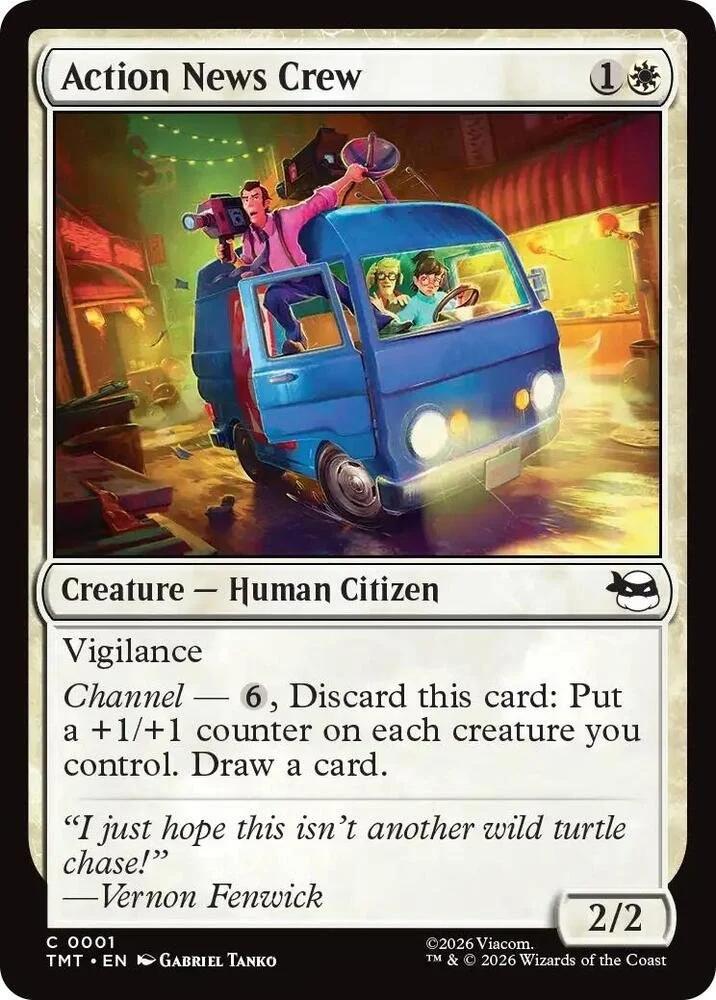
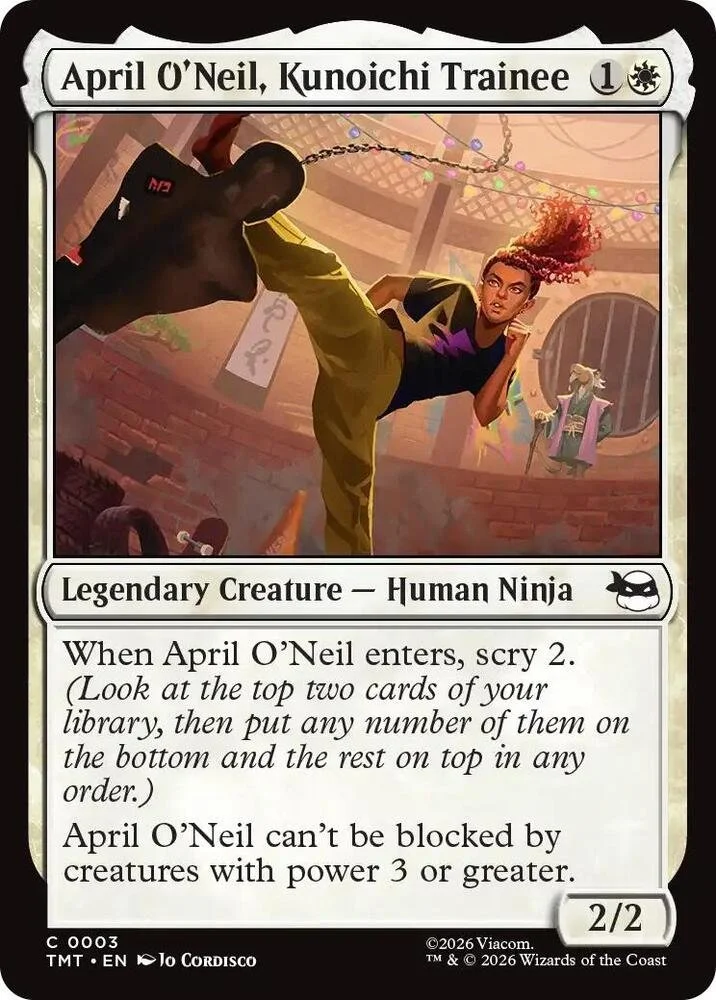
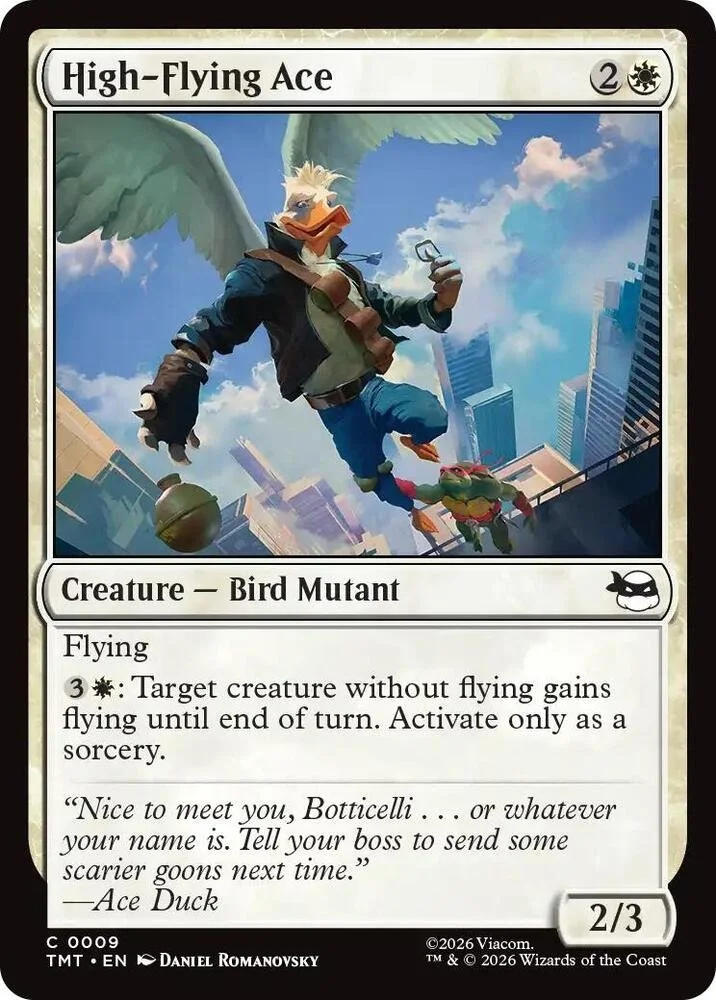
At common, white leans heavily into Sneak support outside of its removal suite. It doesn’t have many standalone powerhouses, but it has strong role-players that keep the archetype functioning.
Action News Crew is a solid early play as a 2-mana 2/2 with vigilance, but what makes it impressive is its late-game scaling. The six-mana discard ability that buffs your entire board while replacing itself can completely swing stalled games. It’s the kind of card that stays relevant at every stage.
April O’Neil, Kunoichi Trainee offers immediate card selection and quietly enables Sneak by being difficult to block once she has counters. In counter-heavy decks, she quickly becomes a removal magnet because she can’t be blocked by larger creatures.
High Flying Ace does exactly what Sneak decks want — it creates evasive pressure. Giving another creature flying for four mana makes combat awkward for opponents and turns on your alternate costs reliably.
Blue
Blue feels a bit lighter at common compared to the other colors, but it still has some important glue cards for Simic and Izzet builds.
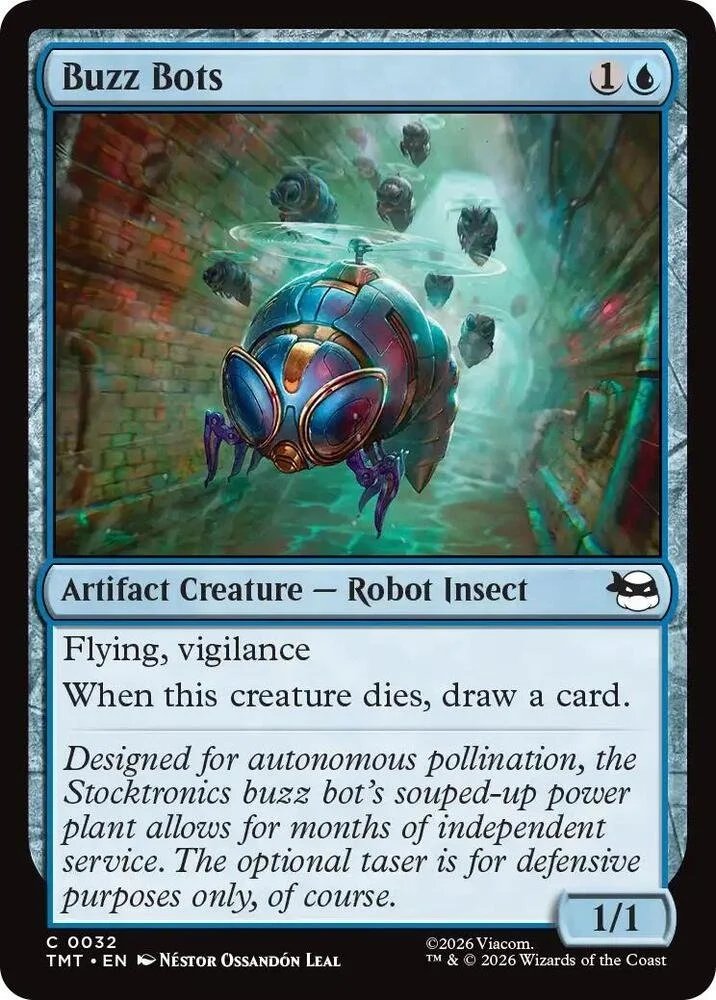
Buzz Bots is a deceptively annoying creature. A 1/1 flying vigilance body chips in damage, blocks well, and eventually replaces itself when it leaves the battlefield. It’s not flashy, but it’s reliable.
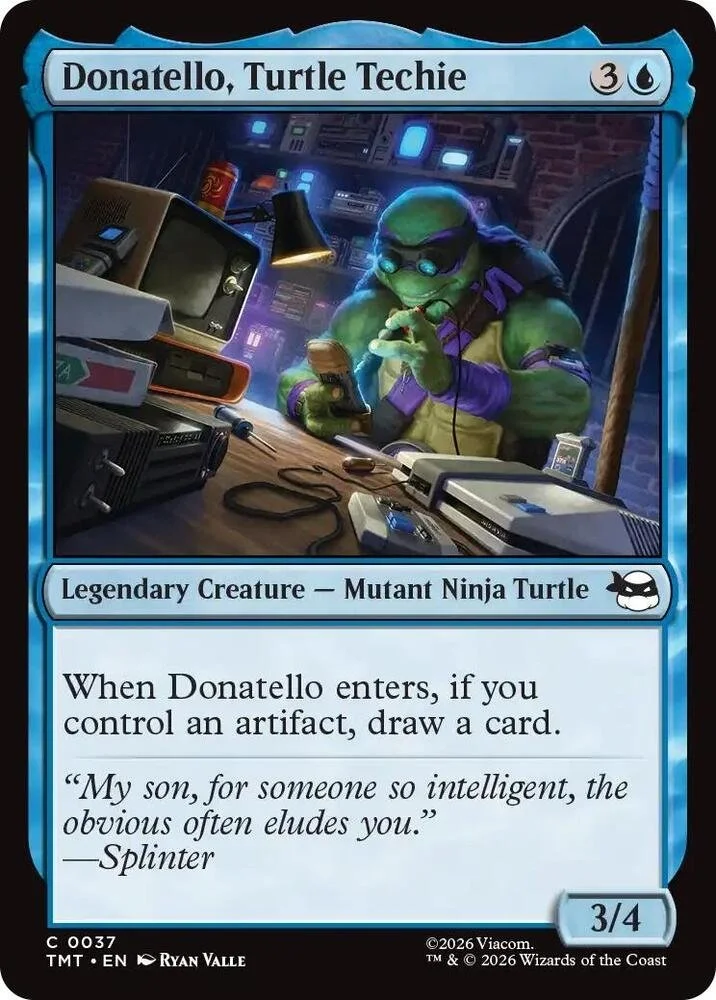
Donatello, Turtle Techie benefits from the high artifact density in both blue archetypes. A 3/4 body at common is respectable, and the ETB card draw keeps you from running out of gas.
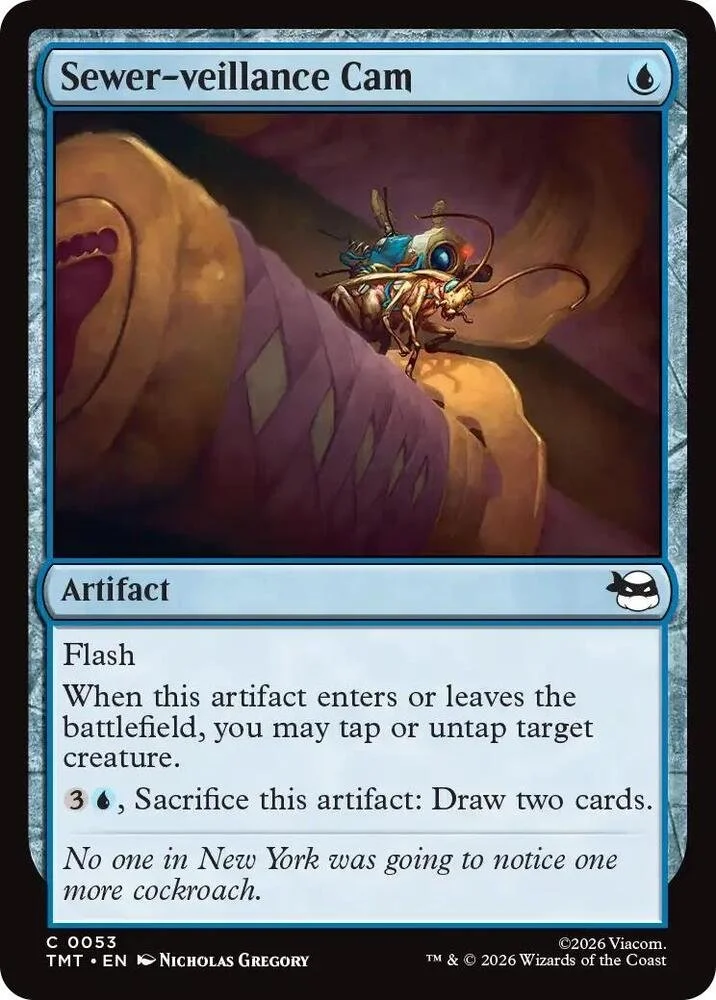
Sewer-veillance Cam is likely blue’s best common creature. Flash gives it tempo flexibility, and the built-in card advantage makes it valuable in slower matchups.
Black
Black arguably has the deepest pool of commons in the set, and it supports both Sneak and Disappear strategies extremely well.
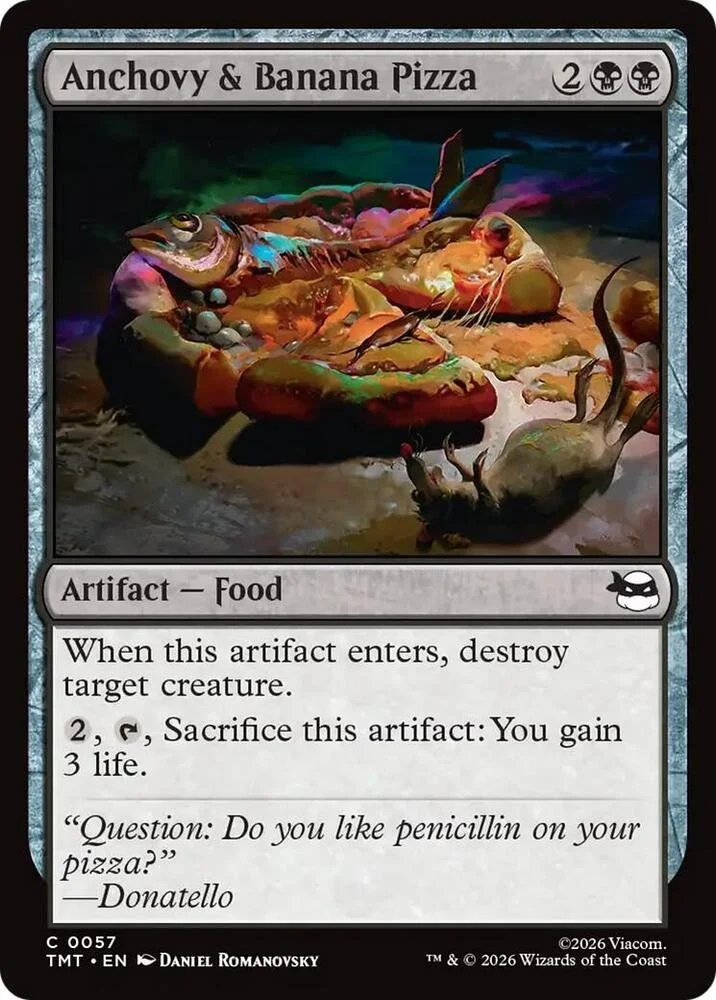
Anchovy & Banana Pizza is the kind of card that makes Golgari tick. Built-in sacrifice utility combined with creature removal on entry is excellent value at common.
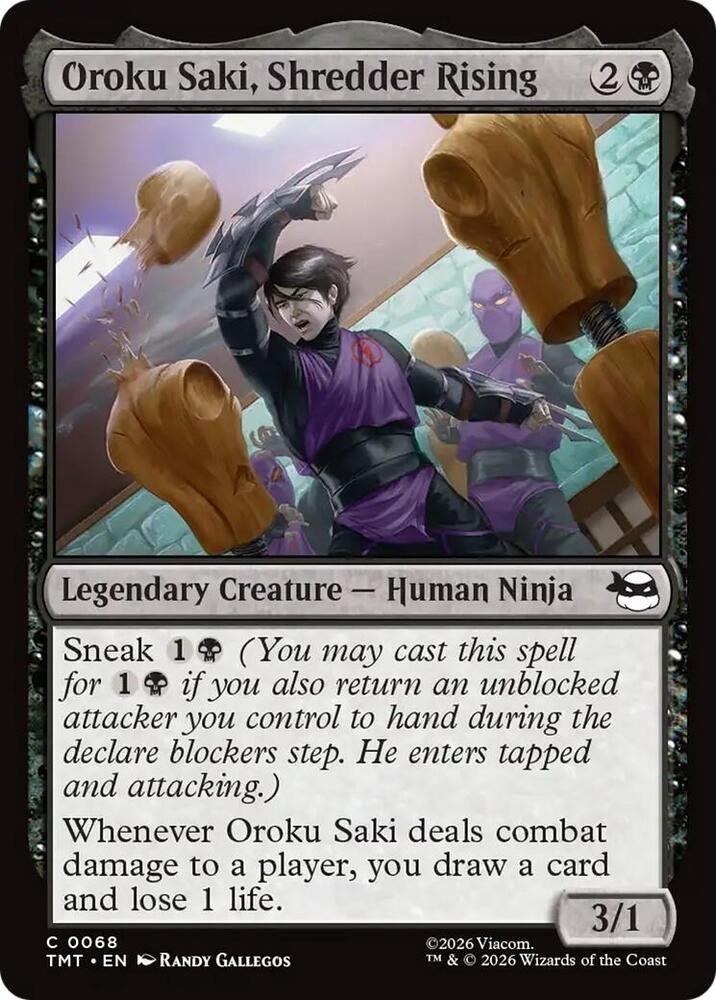
Oroku Saki, Shredder Rising plays nicely in Sneak decks as an aggressive 3/1 that also generates card advantage.
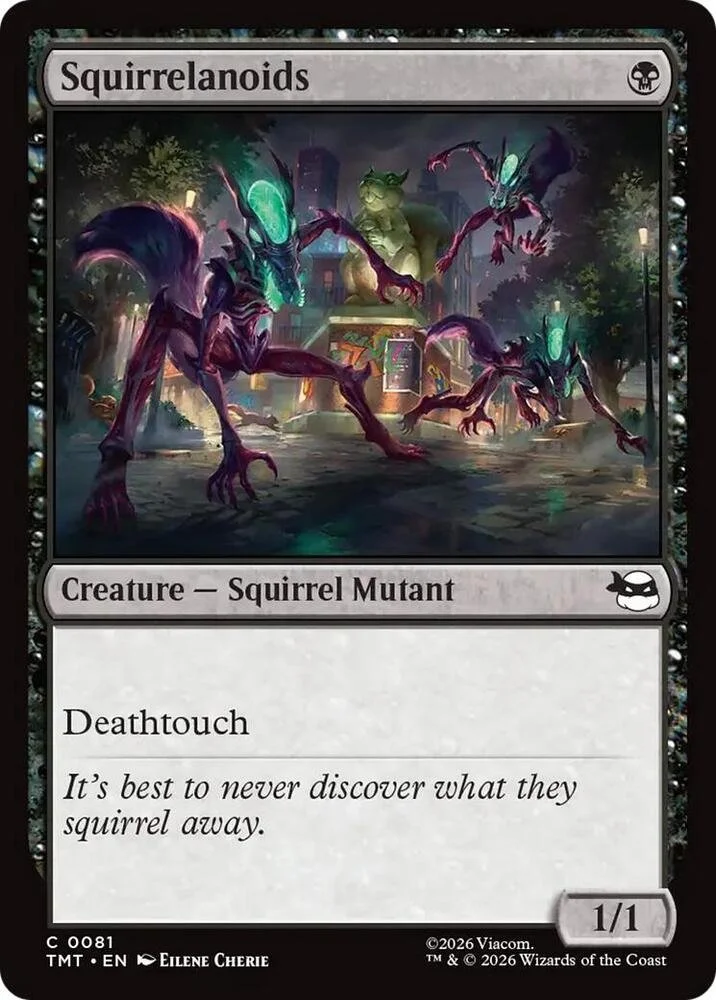
Squirrelanoids isn’t flashy, but a 1/1 with deathtouch is a strong early deterrent and a reliable late-game blocker. It’s also an excellent Sneak enabler since opponents hesitate to block it.
Red
Red’s commons provide strong Alliance support and efficient interaction.
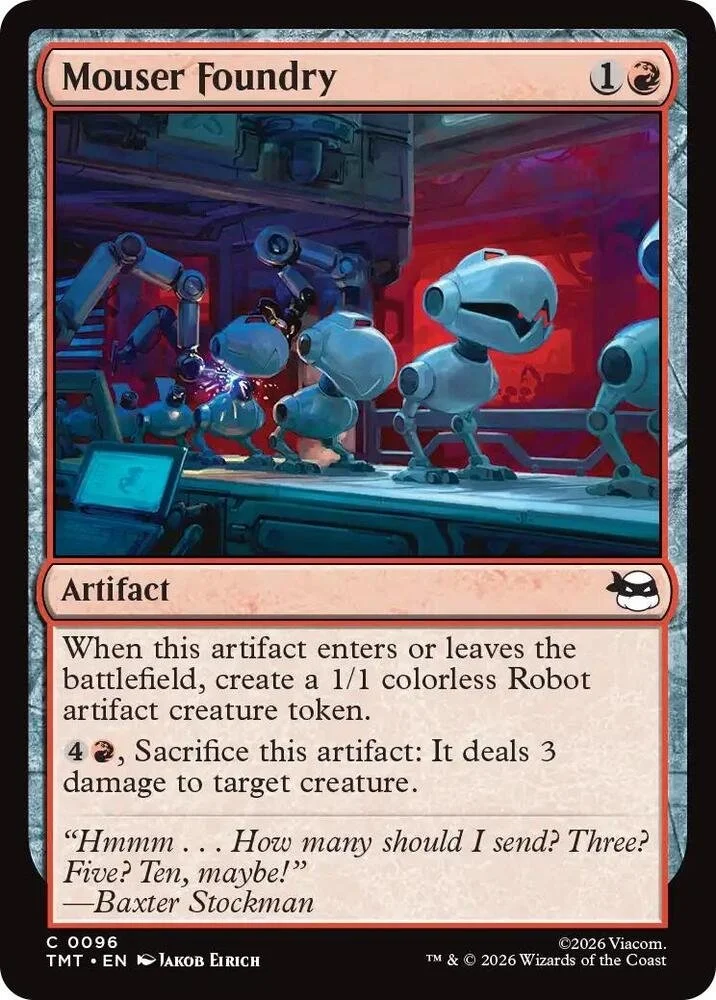
Mouser Foundry fits perfectly into Alliance builds by generating tokens and offering sacrifice value. The ability to convert it into three damage later adds flexibility and reach.
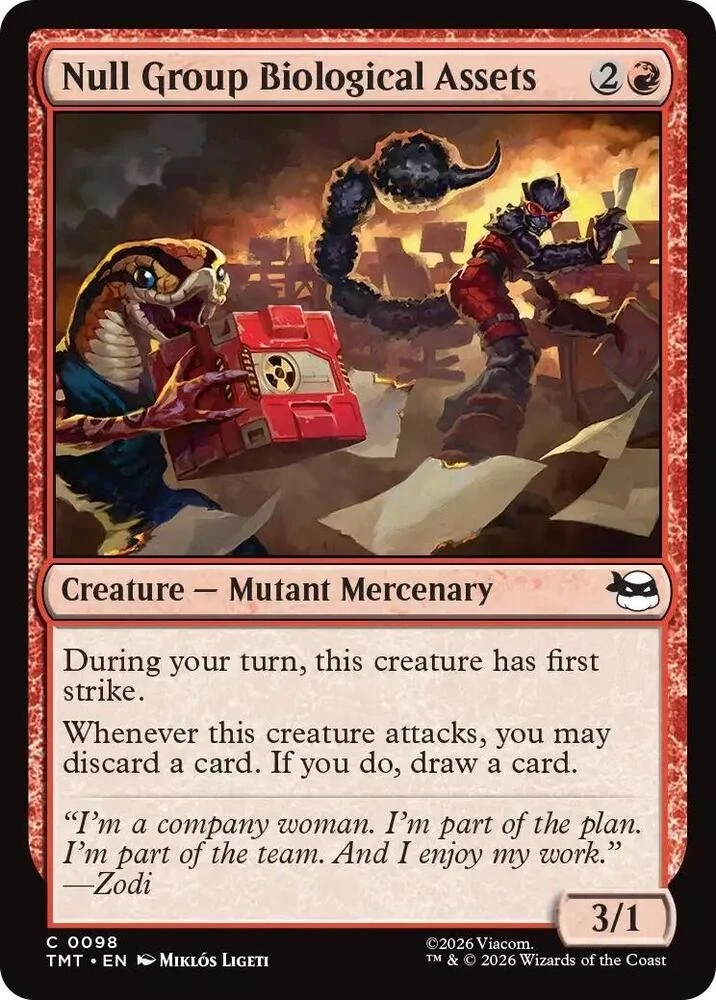
Null Group Biological Assets provides solid combat pressure with first strike on your turn, plus card selection to smooth draws.
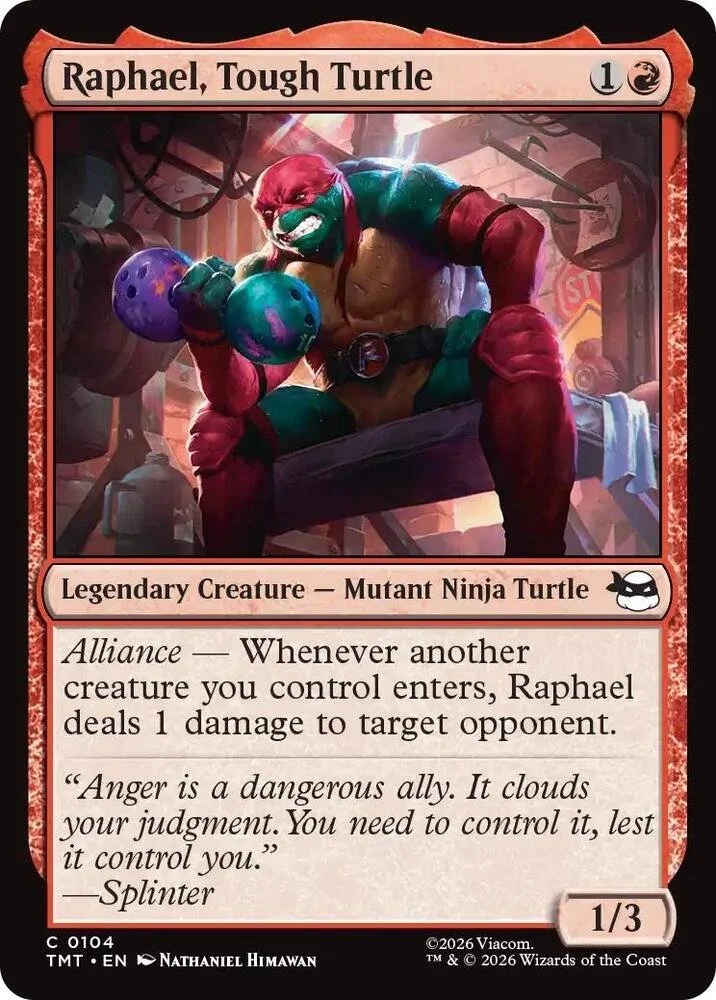
Raphael, Tough Turtle rewards you for going wide. If you’re consistently triggering Alliance, the incremental ping damage adds up faster than it looks.
Green
Green’s commons support Disappear more clearly than Mutagen at this rarity.
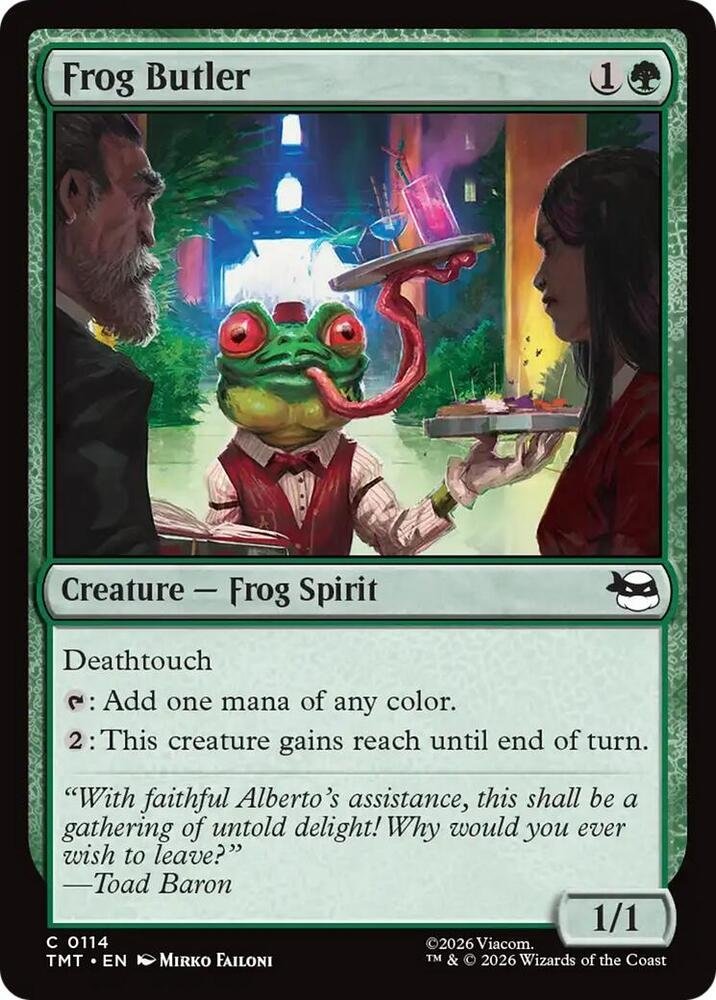
Frog Butler offers early ramp and remains relevant as a blocker later because of Deathtouch, making it a solid foundational piece.
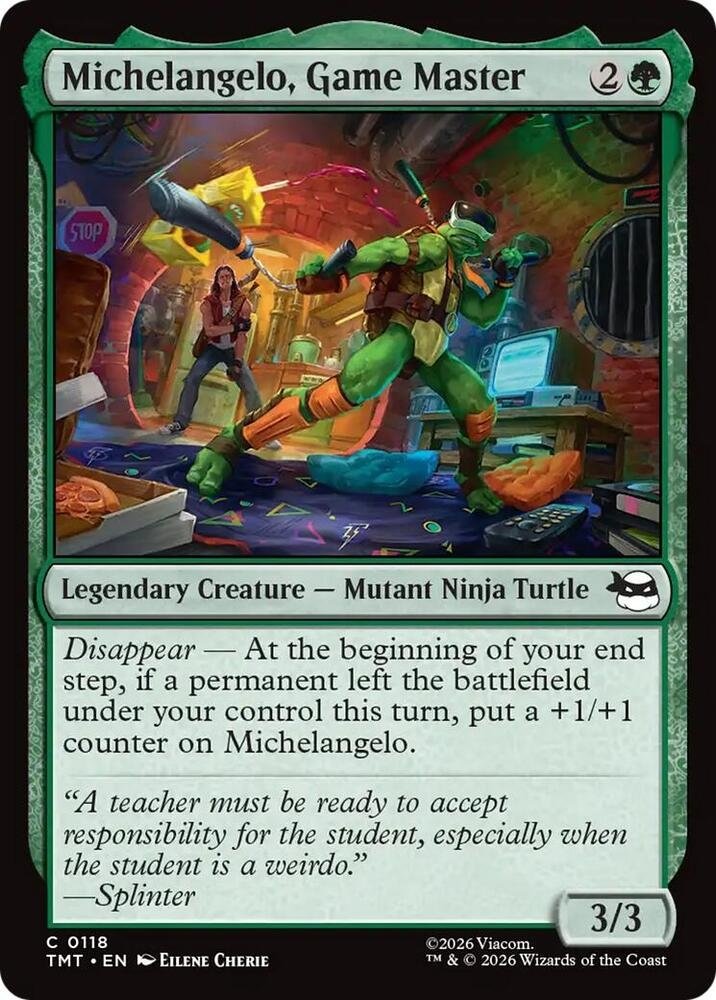
Michelangelo, Game Master becomes a real problem if Disappear triggers consistently. A 3-mana 3/3 that keeps growing forces opponents to answer it quickly.
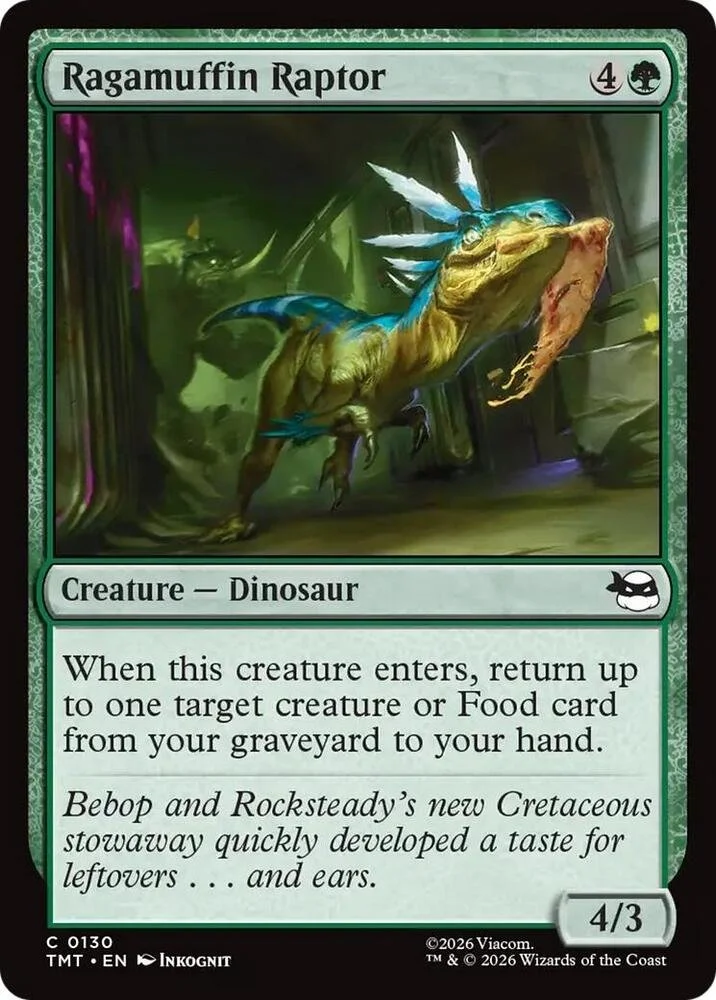
Ragamuffin Raptor provides recursion, which is valuable in sacrifice-heavy builds where you may lose creatures you didn’t intend to.
Best uncommon cards in Teenage Mutant Ninja Turtles
In Limited, uncommons often define your archetype direction. These are the cards that push you toward Sneak, Disappear, Alliance, or Mutagen and reward you for committing.
White
White does a good job at filling out your Sneak enablers and Alliance enablers at Uncommon.
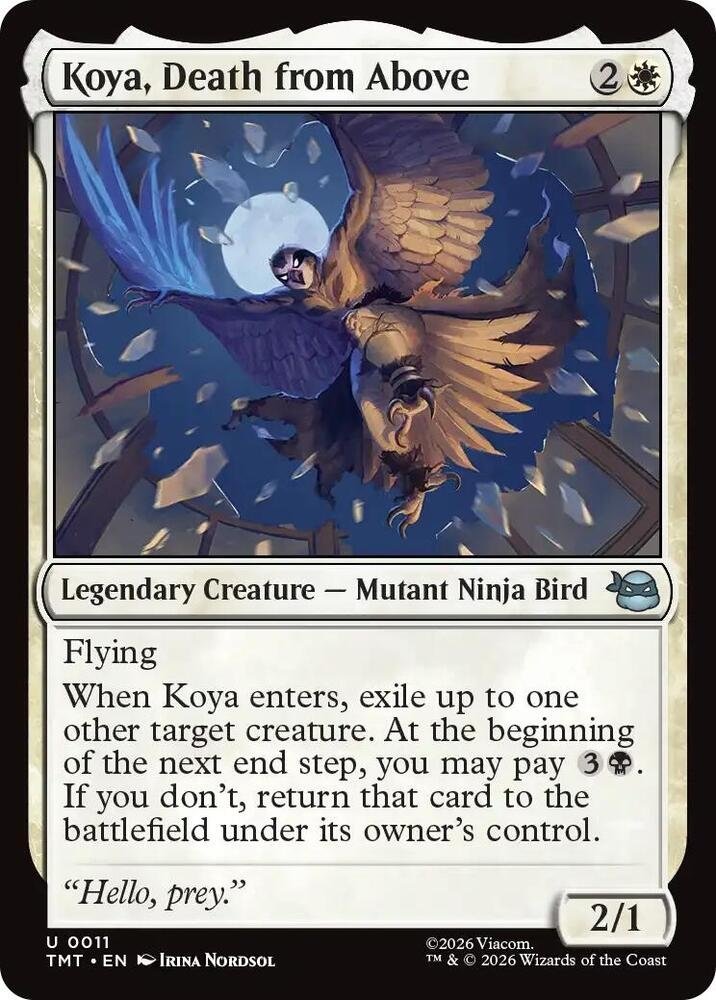
Koya, Death from Above does everything white wants. She functions as removal, enables Sneak through bounce effects, and can retrigger ETB or Alliance synergies. Her flexibility makes her one of white’s strongest uncommons.
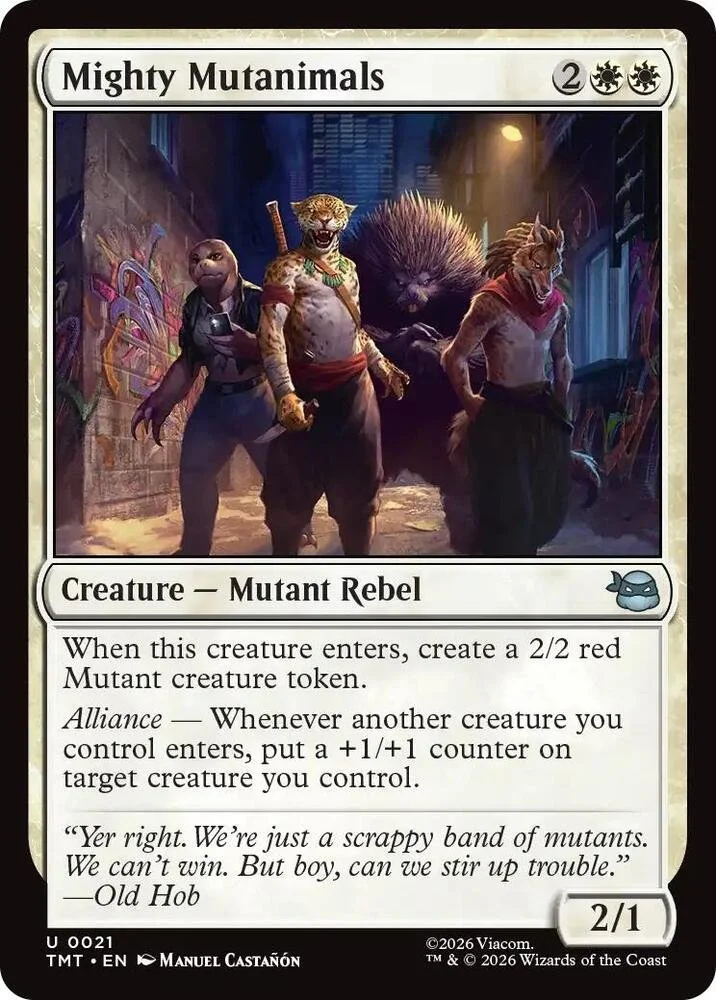
Might Mutanimals is arguably the best white uncommon for Alliance decks. Every creature entering the battlefield becomes permanent board growth. If you’re in white, this should almost always make the cut.
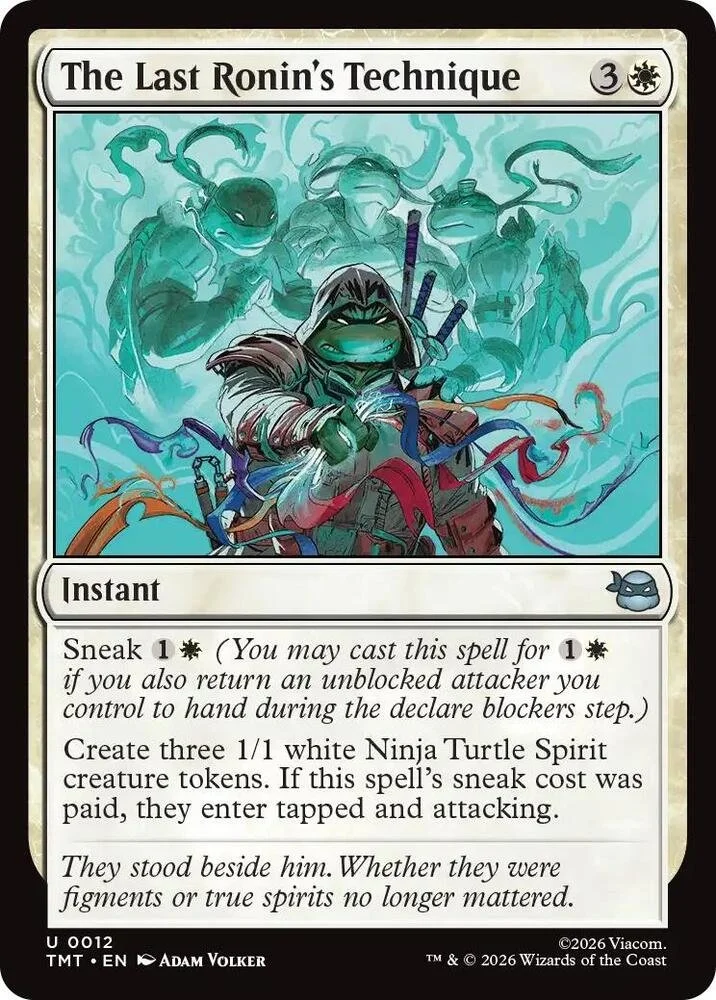
The Last Ronin’s Technique is a dangerous Sneak payoff. Creating three tapped and attacking tokens opens the door for chaining additional Sneak effects, turning a single combat step into a massive swing.
Blue
Blue’s uncommon pool is smaller but still impactful.
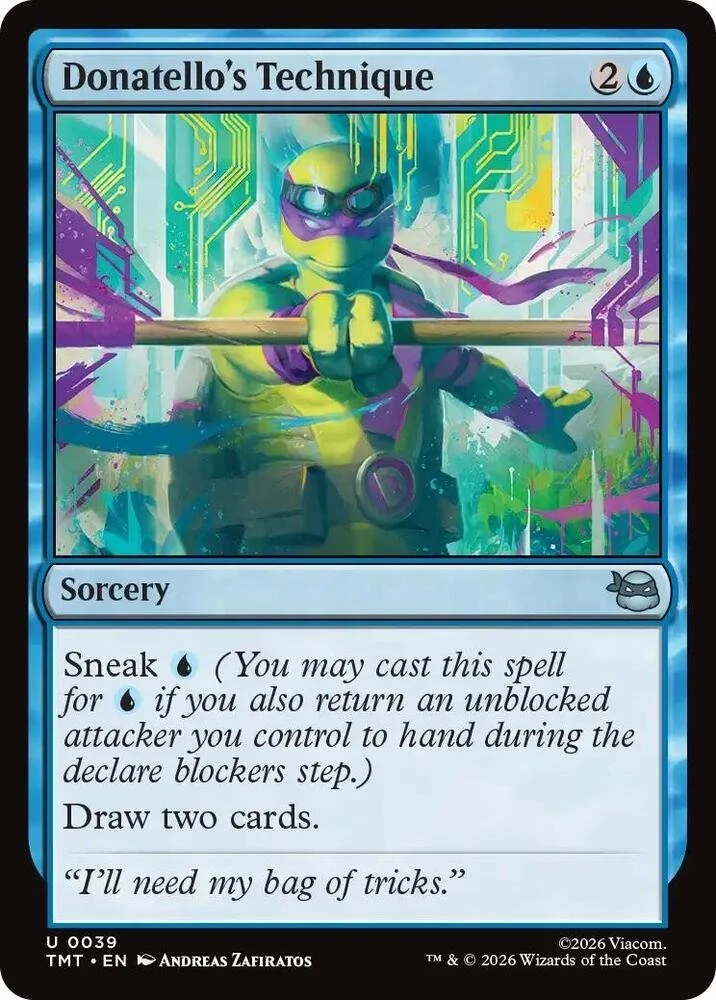
Donatello’s Technique is a powerful draw spell that becomes much stronger in Sneak shells. Blue doesn’t have many Sneak cards, so when it does get one, it matters.
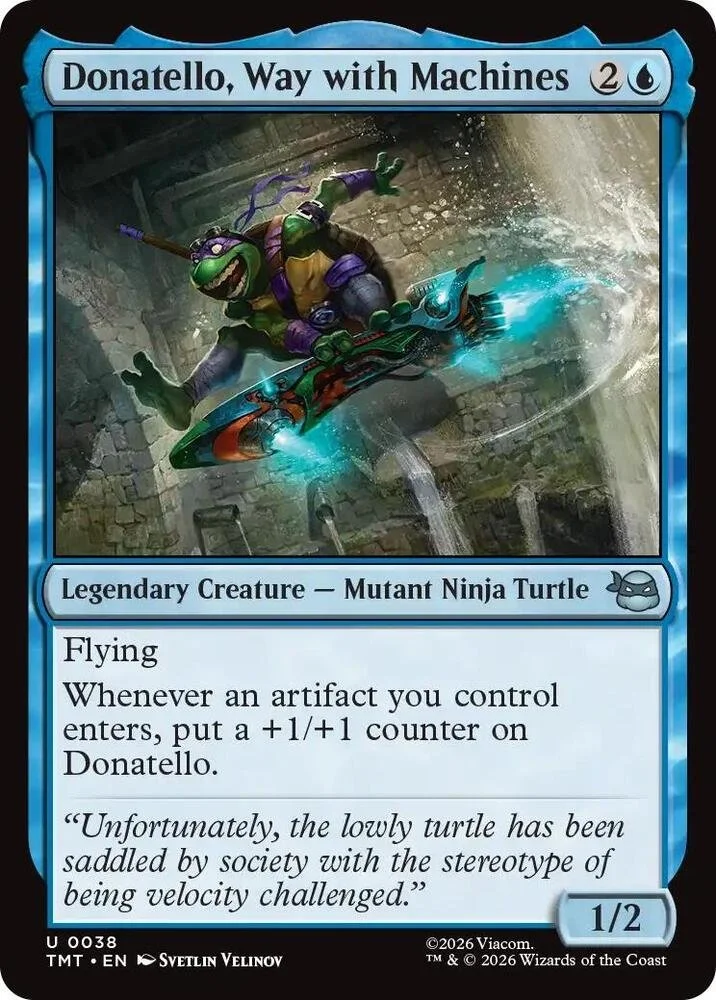
Donatello, Way with Machines steadily accumulates +1/+1 counters as artifacts enter, which happens often in this set.
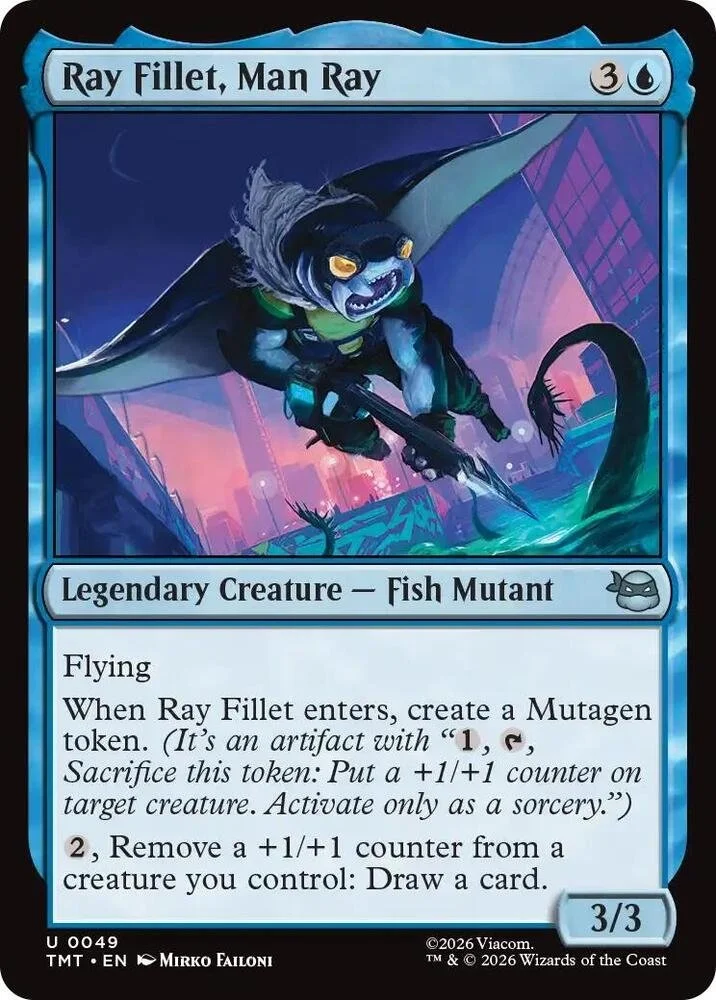
Ray Fillet, Man Ray pairs especially well with counter strategies and Mutagen tokens, turning incremental growth into real advantage.
Black
Black’s uncommons strongly reinforce both Sneak and Disappear.
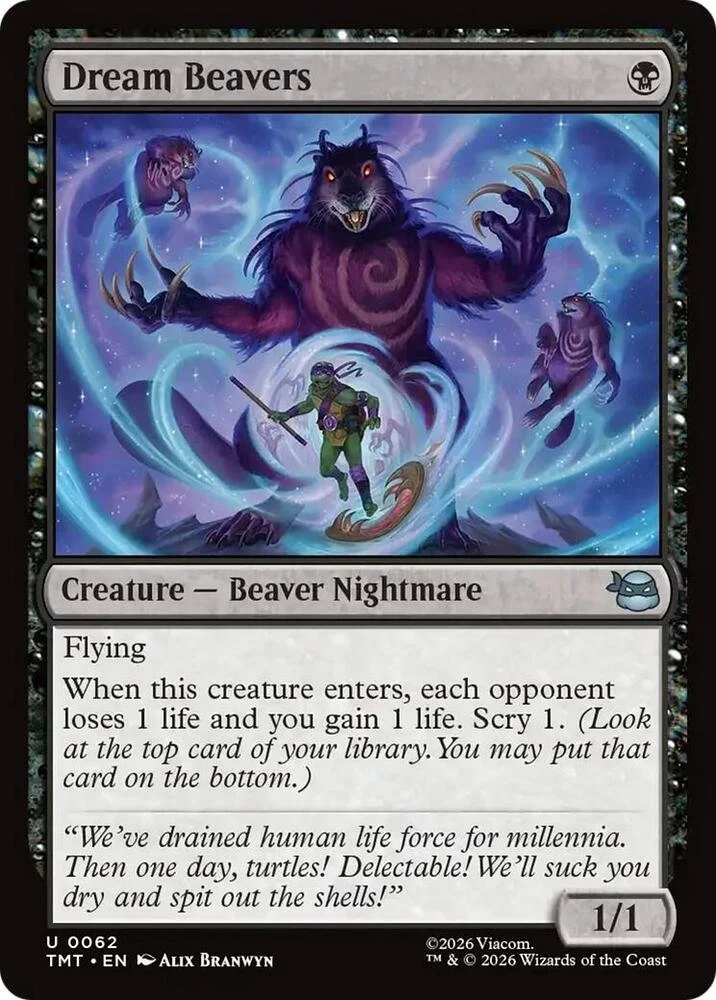
Dream Beavers is an excellent Sneak enabler. A one-mana flying body that drains and scries on entry creates steady value and pressures life totals.
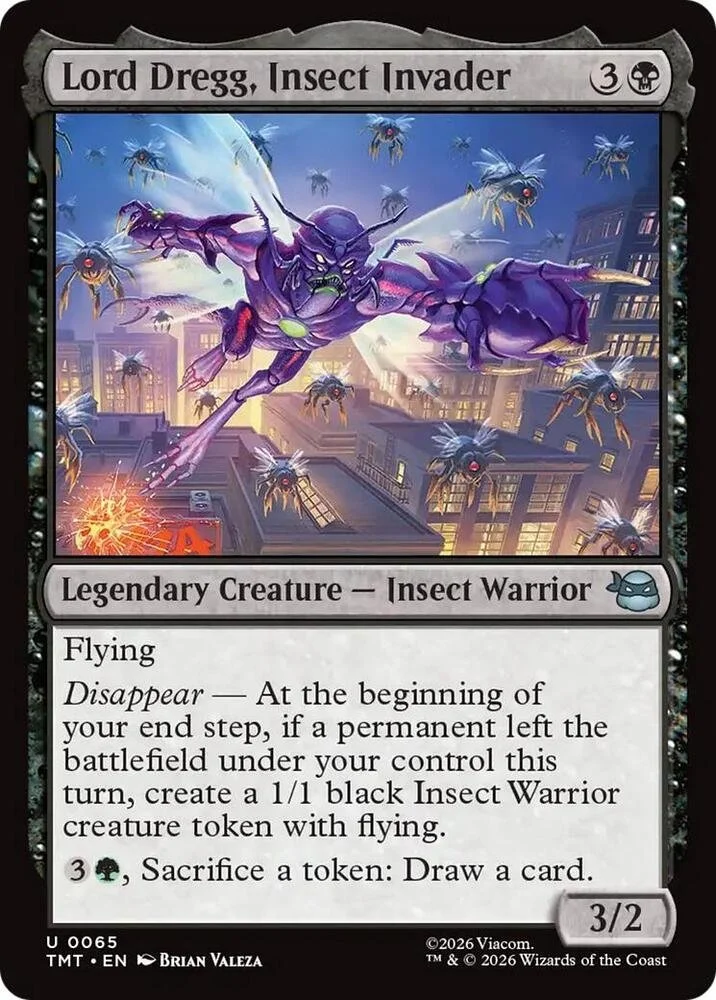
Lord Dregg, Insect Invader creates a self-sustaining engine. You sacrifice a token to draw a card, then Disappear replaces it. In grindy games, this becomes a repeatable value machine.
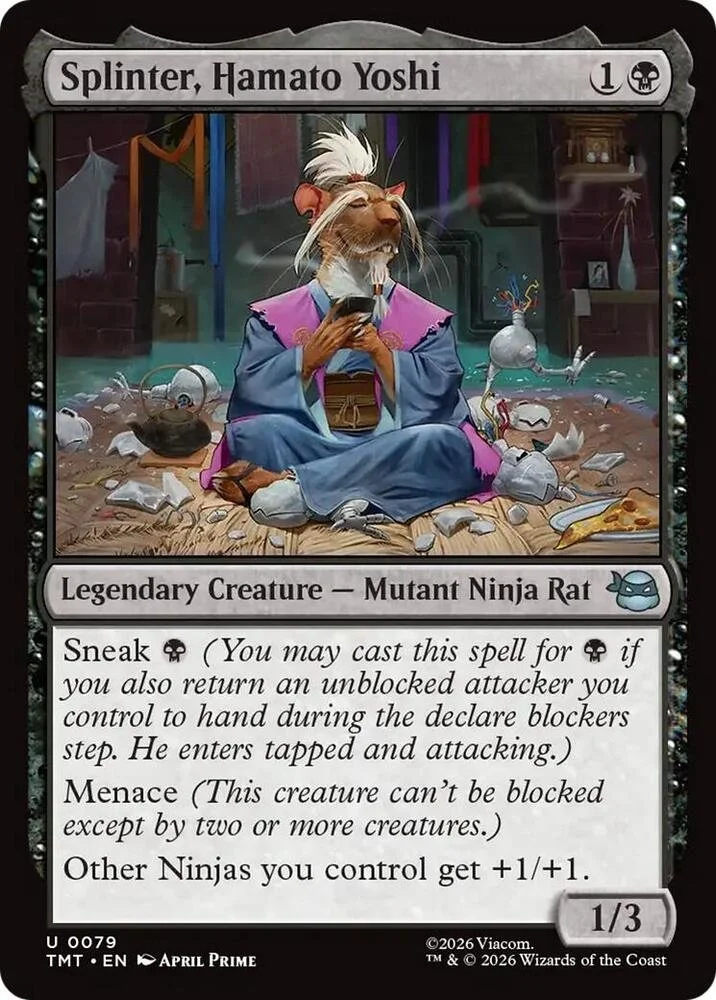
Splinter, Hamato Yoshi gives Ninjas a power boost and has a cheap Sneak cost, making it a strong tempo finisher.
Red
Red’s uncommons emphasize Alliance and aggression.
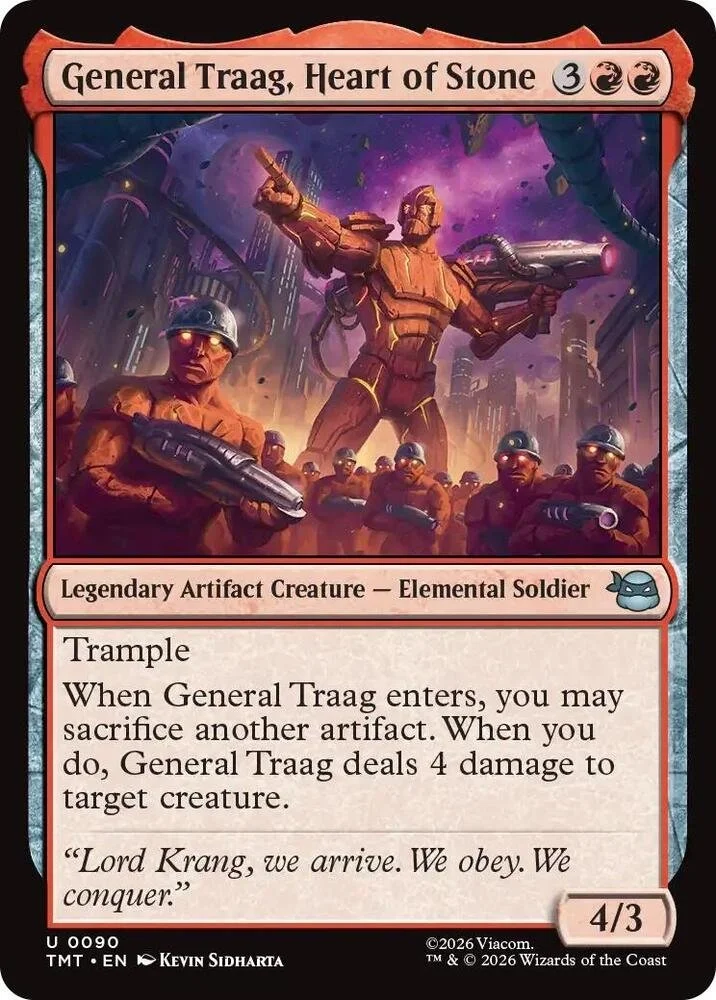
General Traag, Heart of Stone provides removal potential if you have artifacts to spare, while still presenting a sizable body. The five-mana cost is noticeable, but the impact is real.
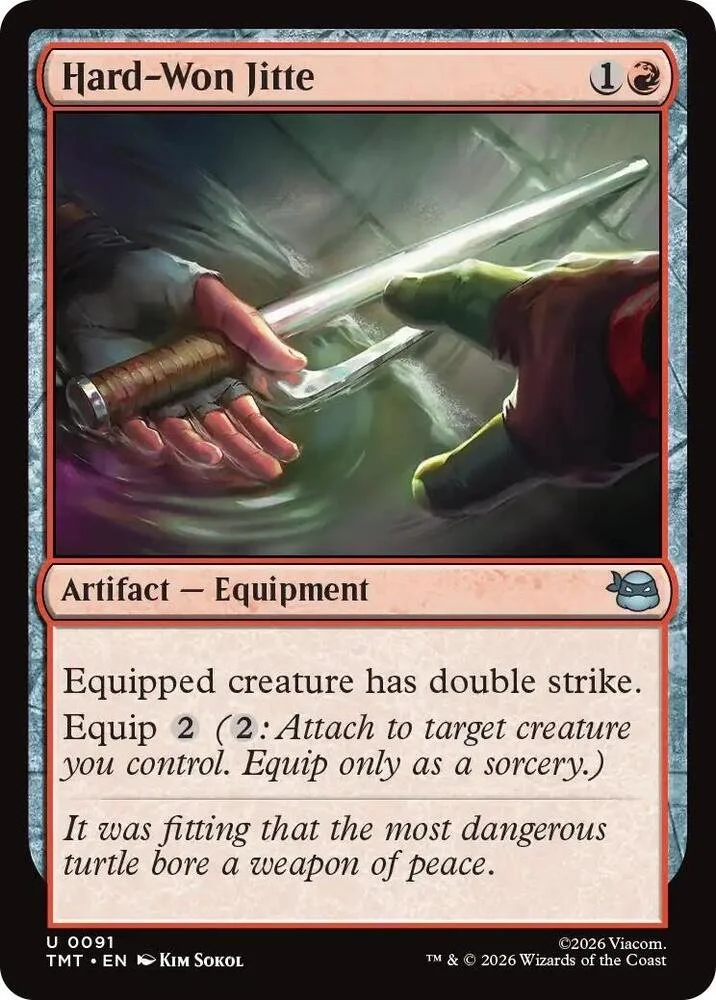
Hard-Won Jittle is a dangerous equipment in aggressive decks. Double strike scales extremely well with pump effects.
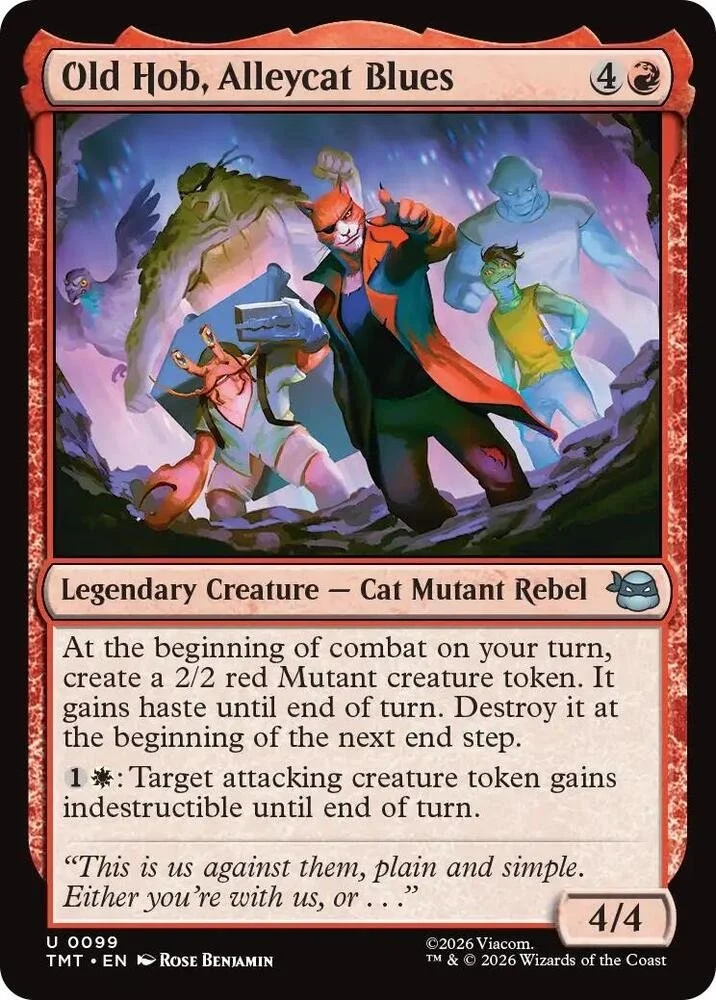
Old Hob, Alleycat Blues may be the strongest red uncommon. Generating a free attacking token every turn pressures opponents immediately, and the option to protect it makes combat math miserable for them.
Green
Green continues its ramp and scaling theme at uncommon.
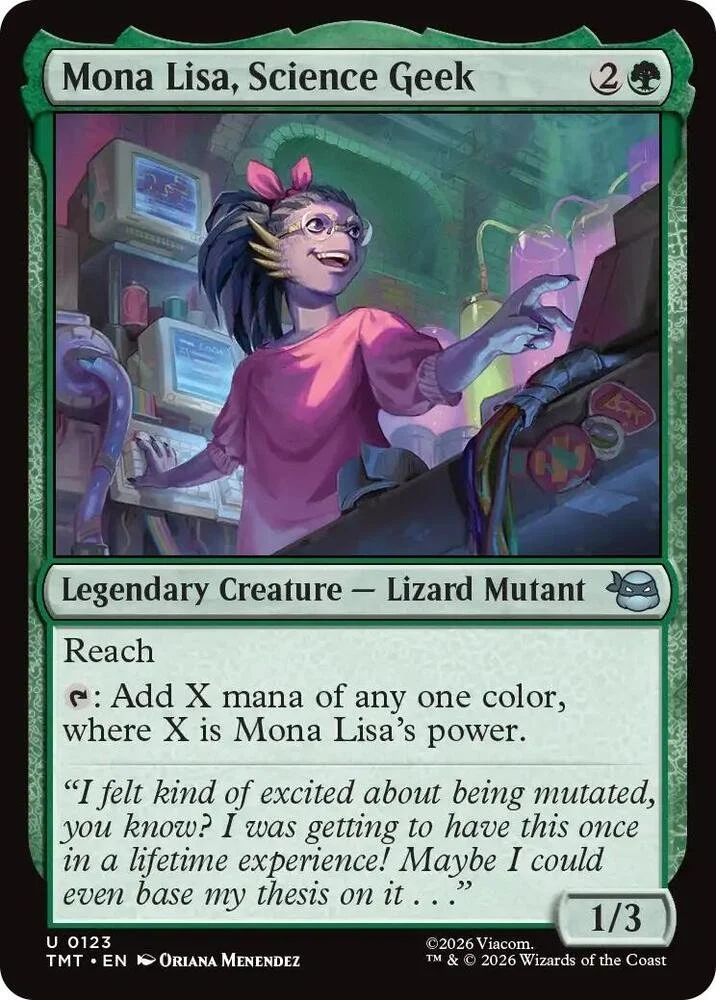
Mona Lisa, Science Geek is arguably the best mana dork in the set and accelerates you into your higher-curve threats.
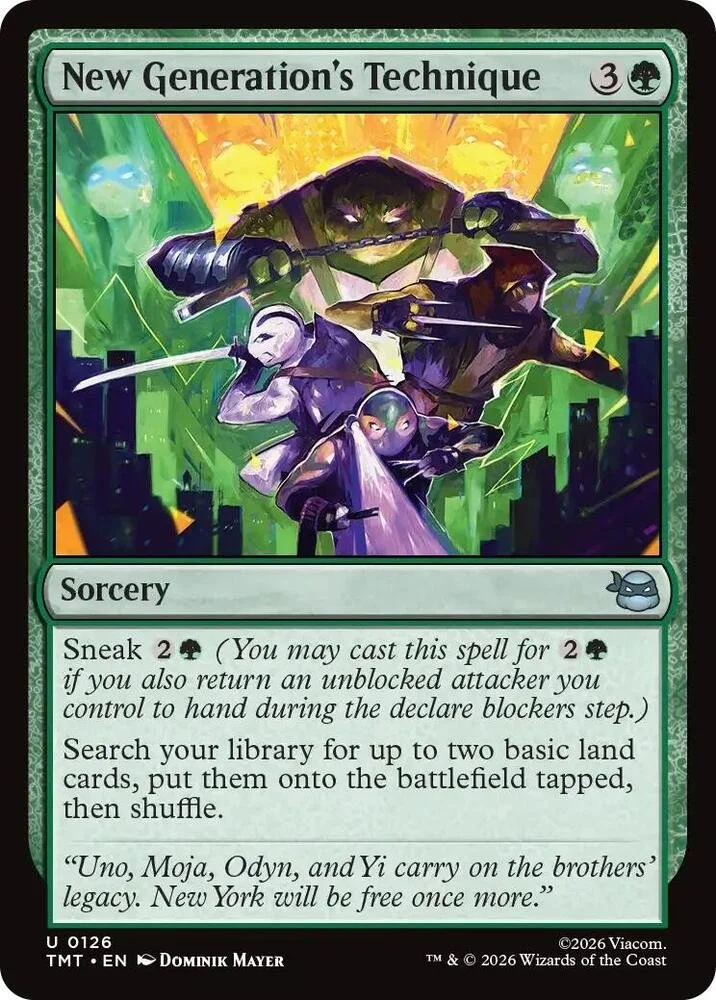
New Generation’s Technique combines Sneak and ramp, which is a rare and powerful combination.
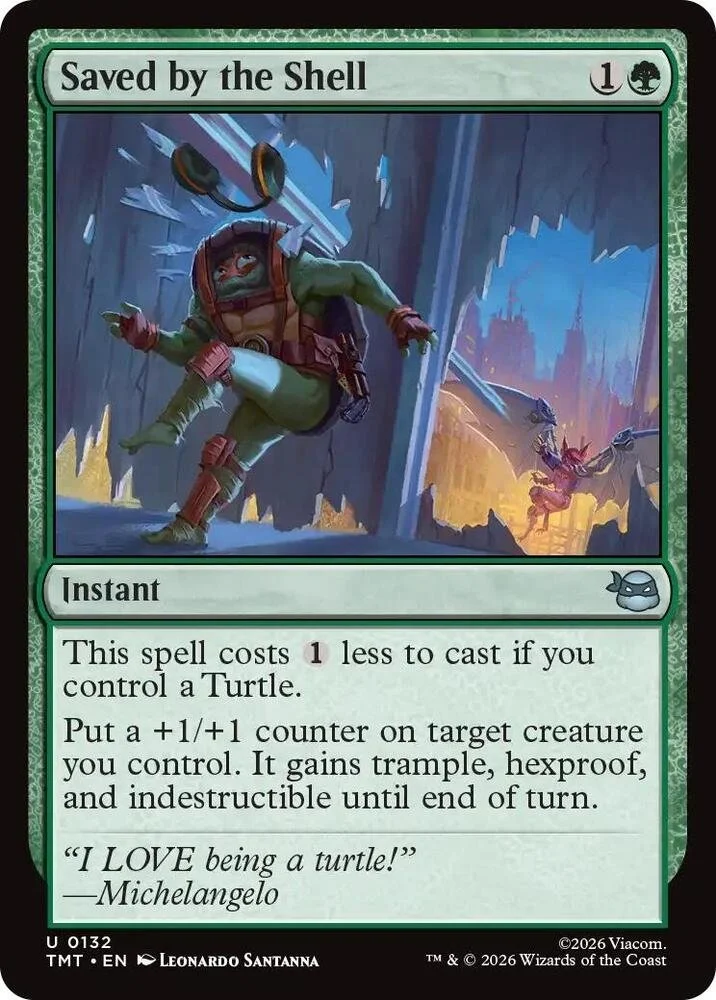
Saved by the Shell is an extremely efficient protection spell. For minimal mana, it can swing combat with counters, trample, hexproof, and indestructible.
Best rare and mythics in Teenage Mutant Ninja Turtles
Every Limited format has cards that demand to be played if opened. These are the rares and mythics that actively pull you into their colors.
White
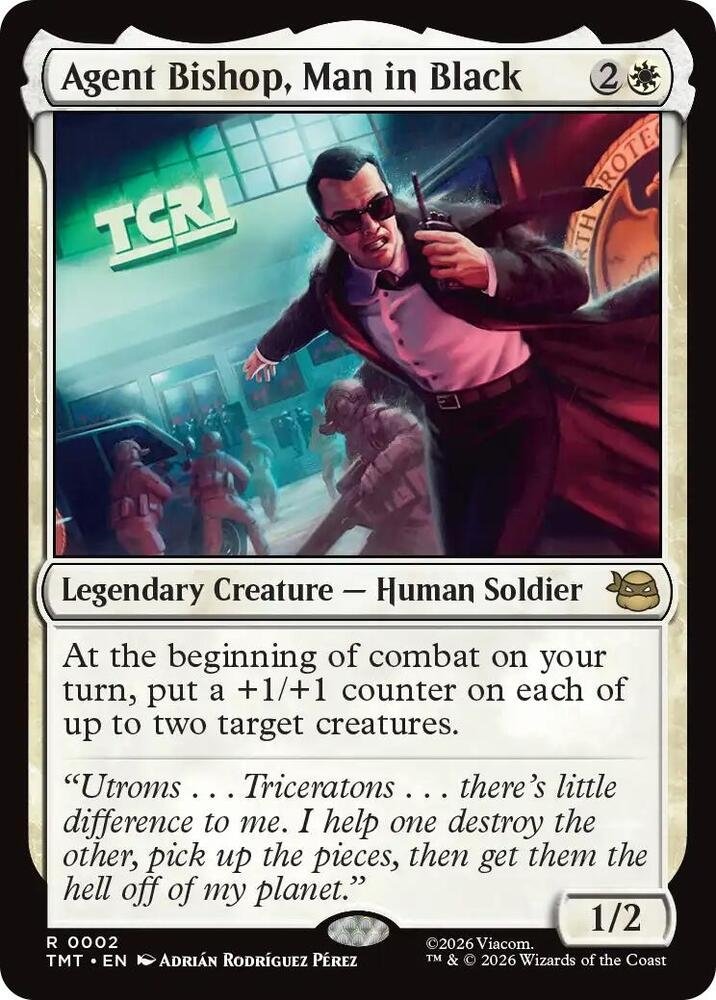
Agent Bishop, Man in Black is absurdly efficient. Putting counters on up to two creatures every combat for just three mana quickly spirals out of control and demands immediate removal.
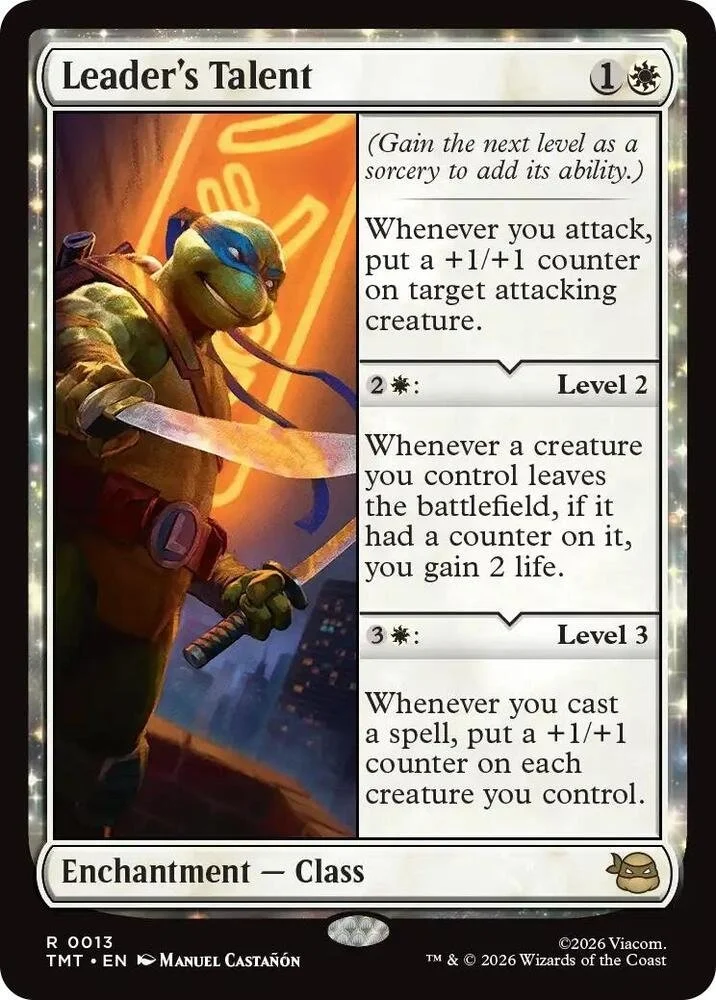
Leader’s Talent stands above the other class cards. It provides steady buffs and life gain, and its level-up cost is manageable. If you open it, you should strongly consider white.
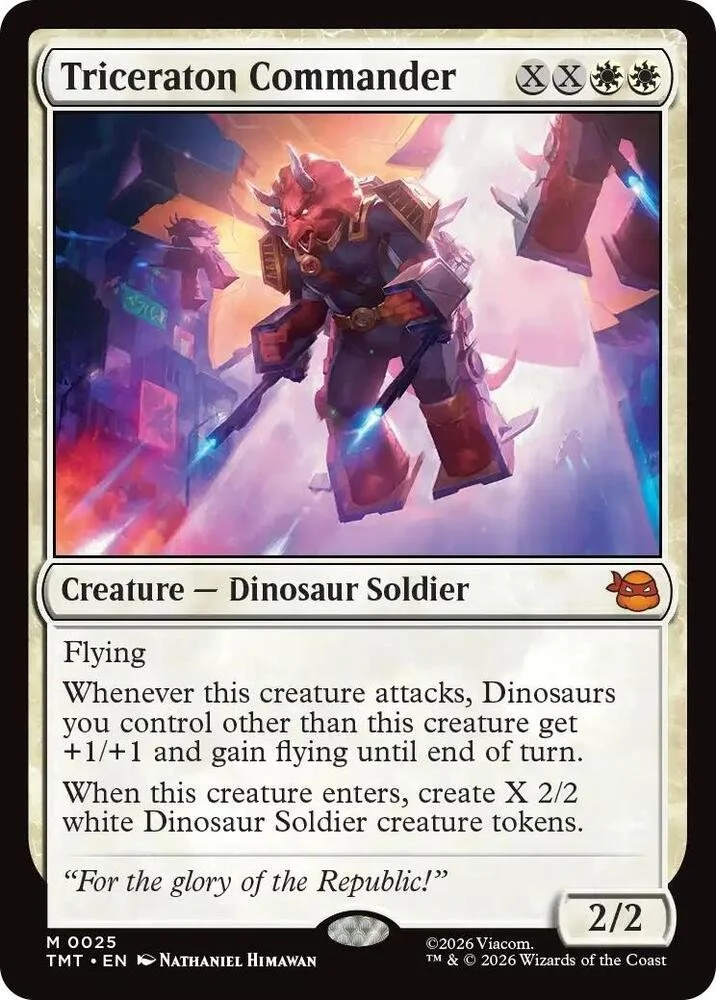
Triceraton Commander scales into a terrifying late-game finisher. The token creation plus flying anthem effect makes it lethal in longer games.
Blue
Blue’s support may feel lighter, but its high-rarity cards are excellent.
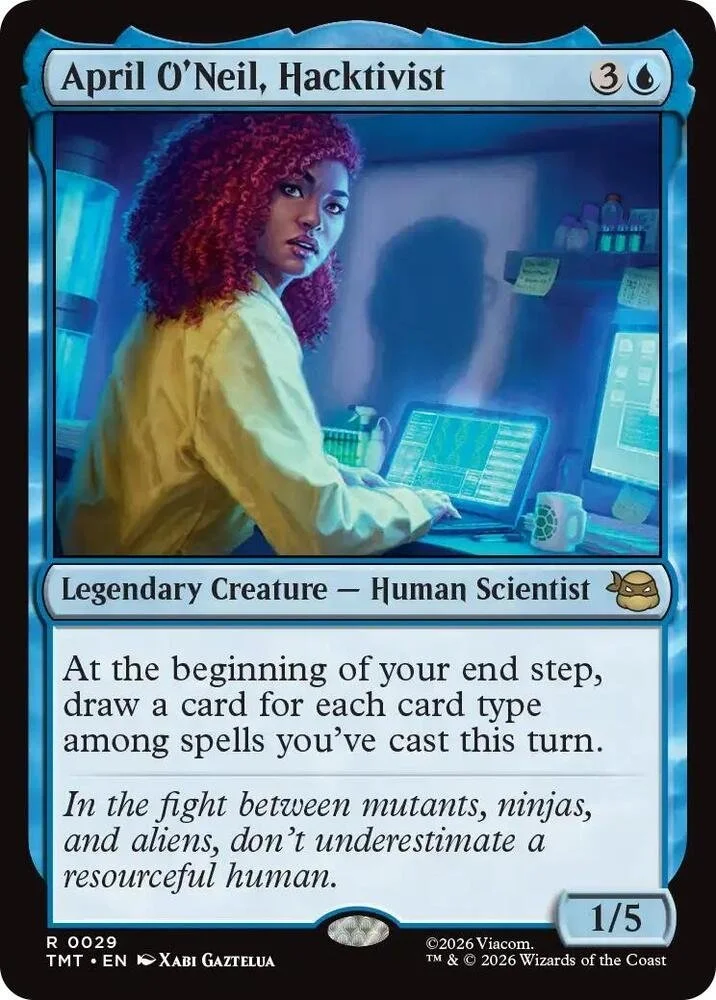
April O’Neil, Hacktivist provides consistent card draw and long-game advantage.
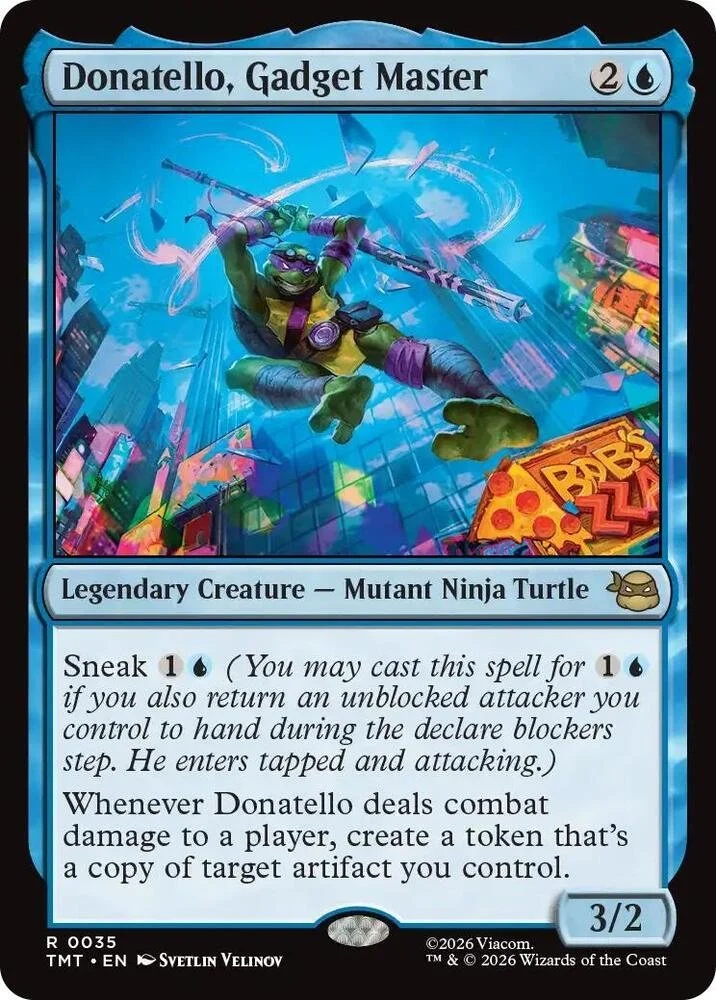
Donatello, Gadget Master threatens huge value if allowed to connect in combat.
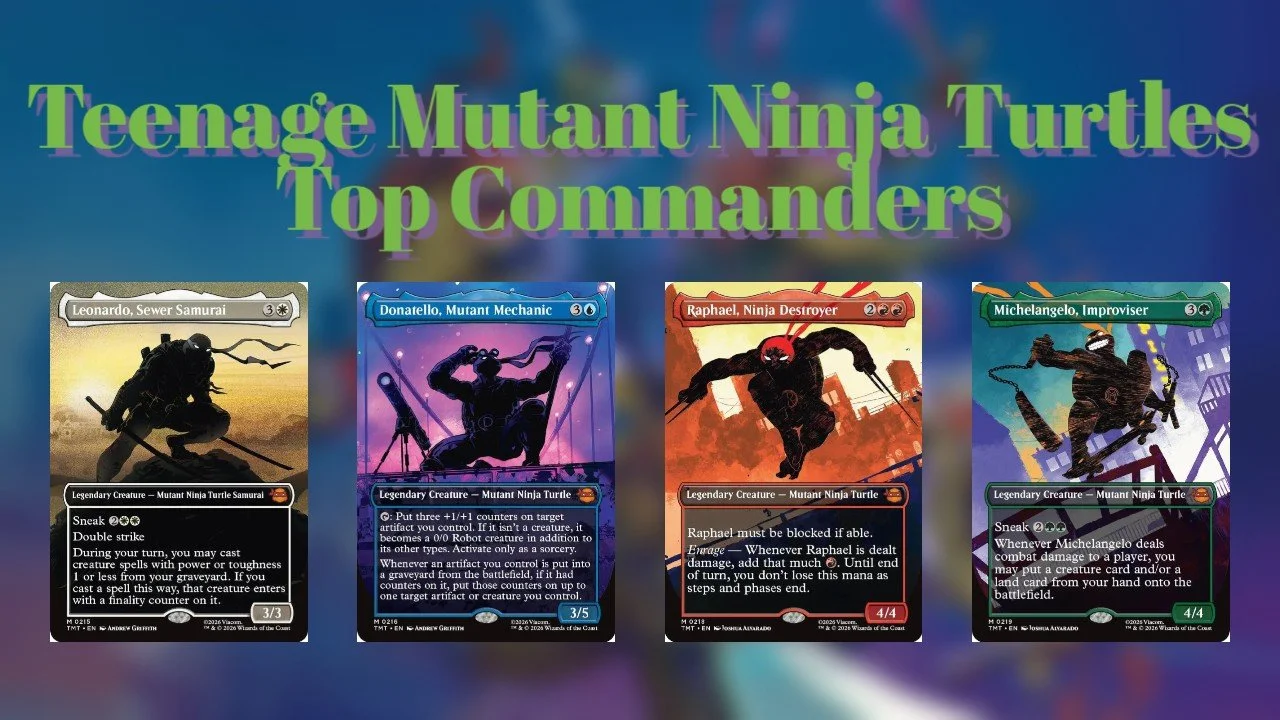
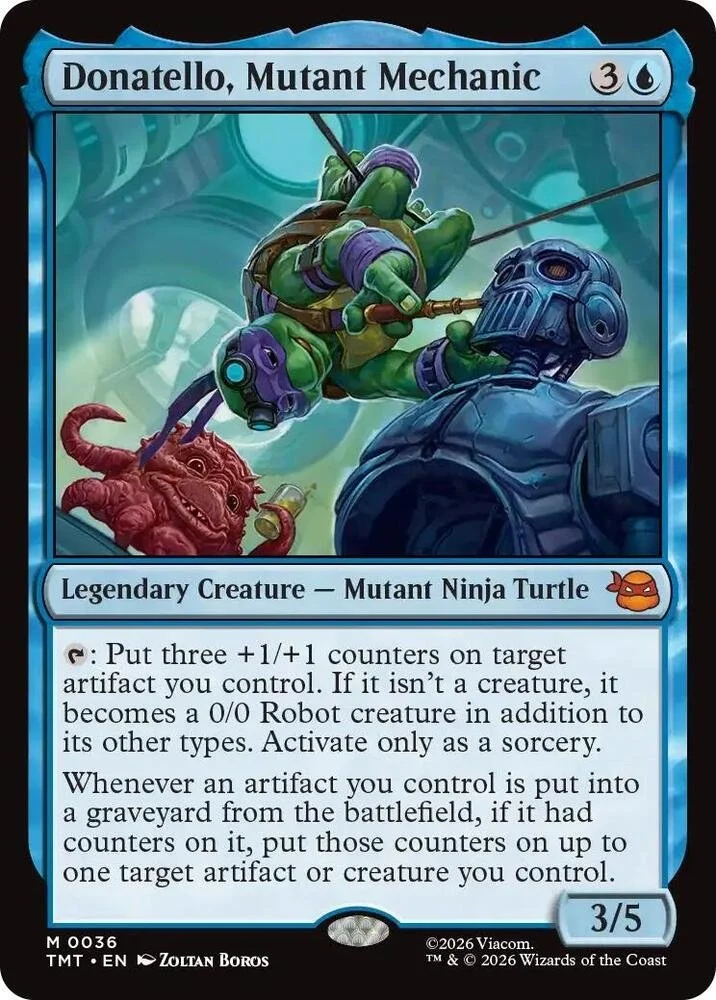
Donatello, Mutant Mechanic preserves and multiplies counters, keeping your board strong even after removal.
Black
Black may have the deepest pool of bombs in the set.
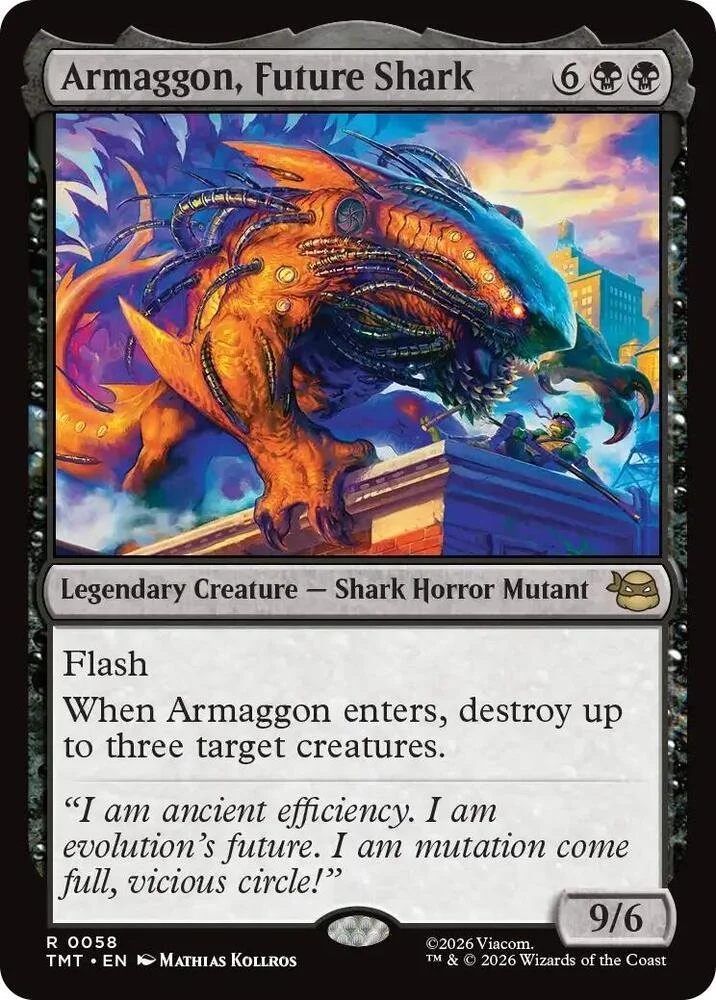
Armaggon, Future Shark is expensive, but flashing in a 9/6 that destroys up to three creatures often ends the game immediately.
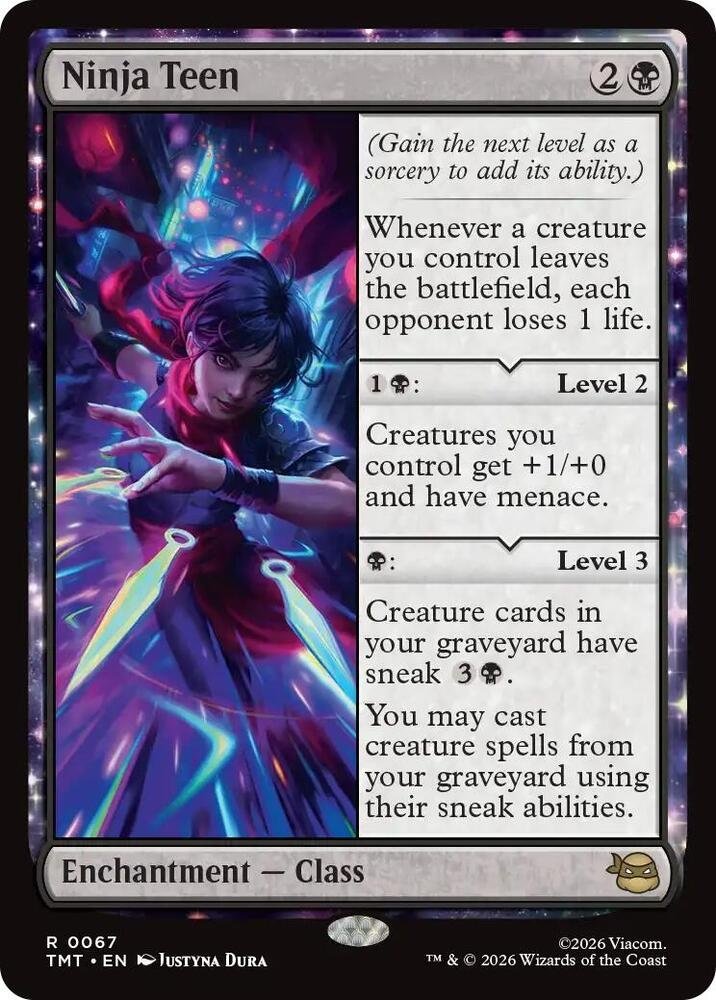
Ninja Teen punishes opponents for interacting while turning your graveyard into a resource engine.
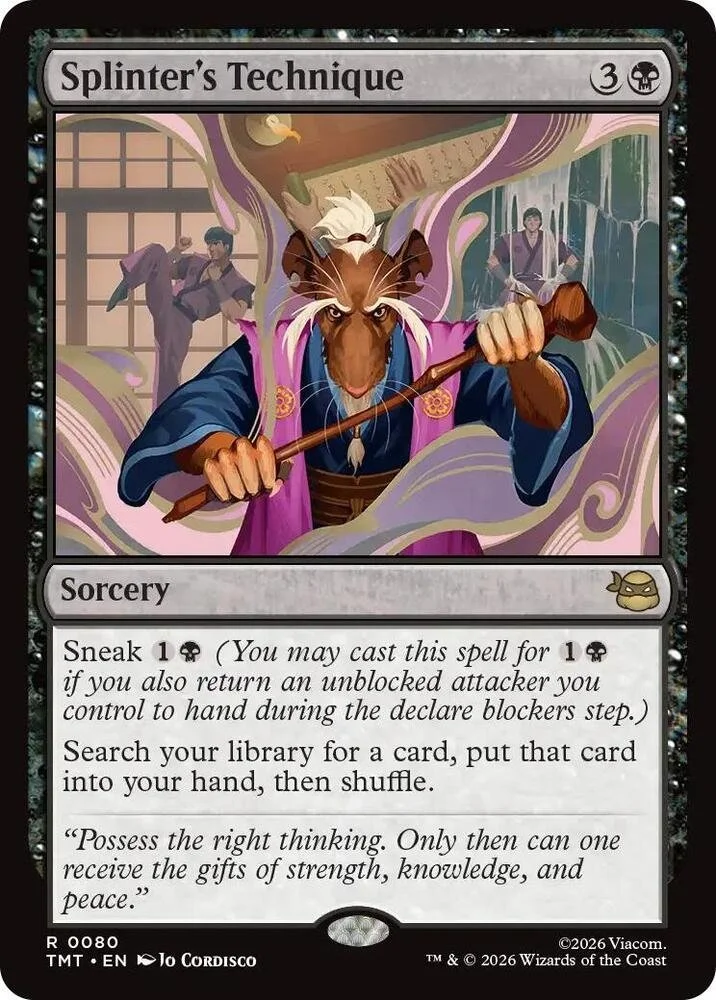
Splinter’s Technique tutors any card at Sneak speed, making it incredibly flexible.
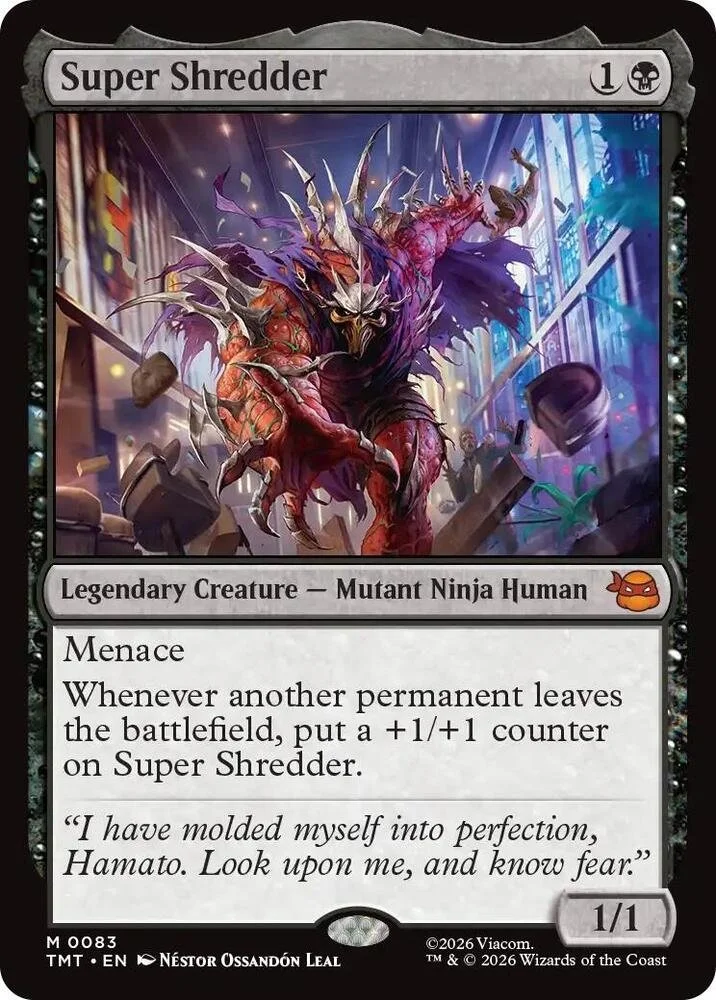
Super Shredder grows whenever any creature leaves the battlefield — not just dies — which makes it explosive in this format.
Red
Red’s bombs lean toward explosive aggression.
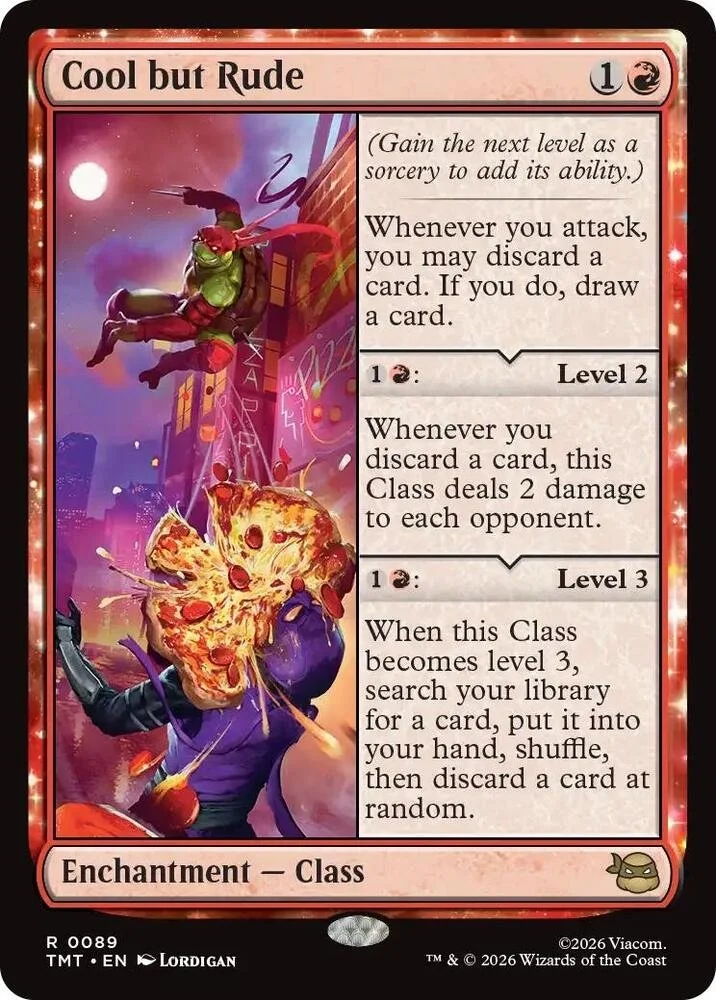
Cool but Rude turns discard into damage and adds tutoring potential at higher levels.
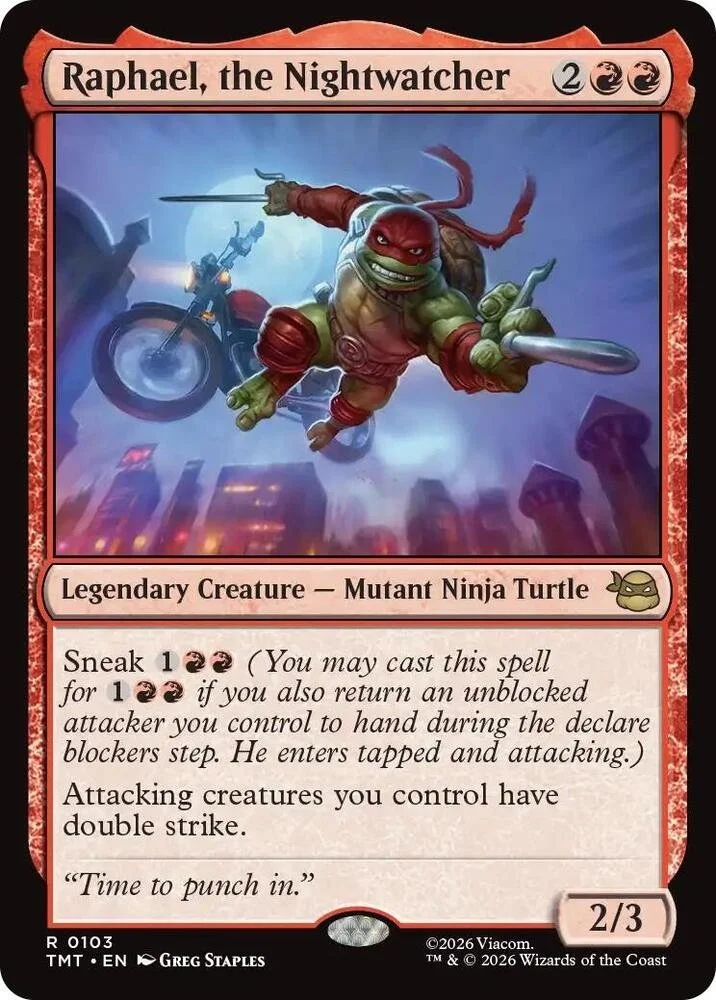
Raphael, the Nightwatcher can instantly swing games by granting double strike to your attackers.
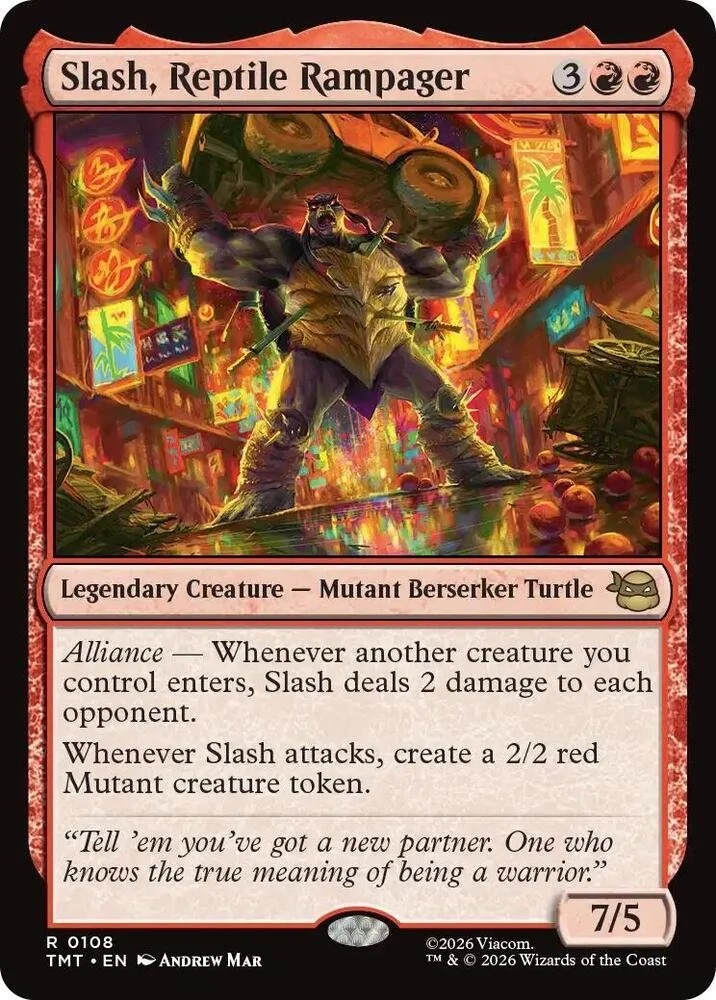
Slash, Reptile Rampager repeatedly triggers Alliance and deals incremental damage.
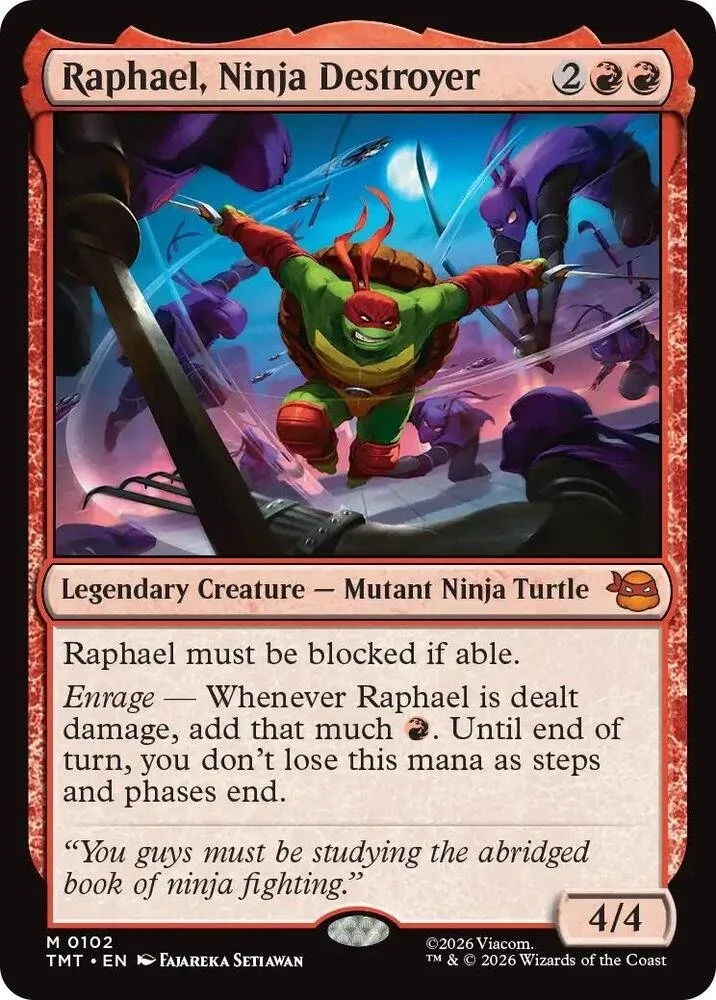
Raphael, Ninja Destroyer forces blocks and generates mana, creating chaotic and powerful turns.
Green
Green continues the trend of strong splashy rares.
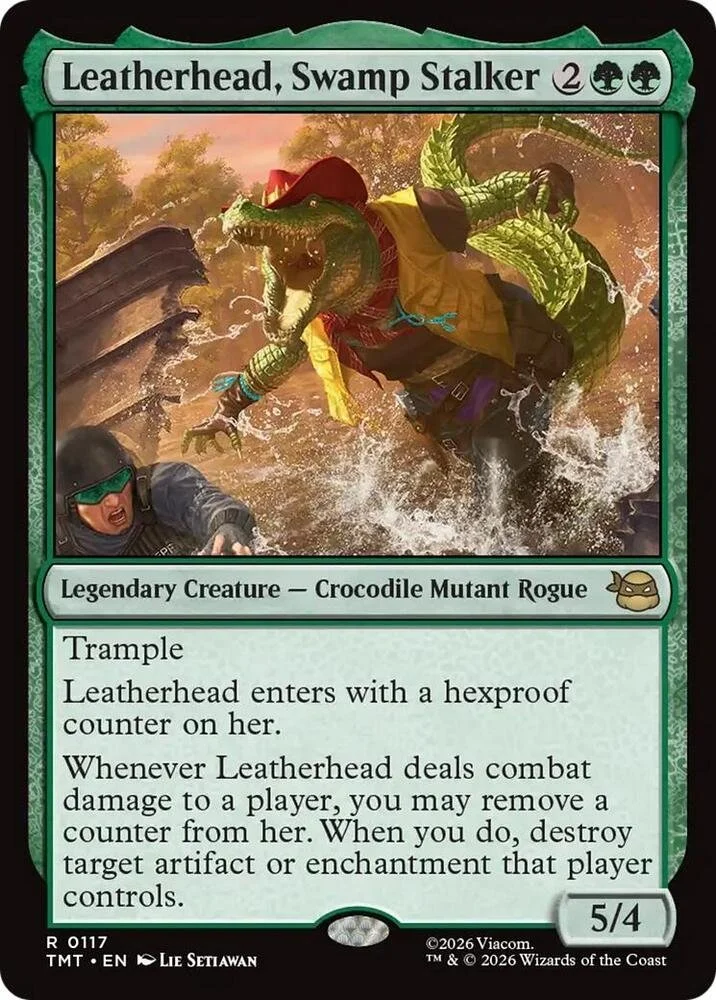
Leatherhead, Swamp Stalker combines hexproof with enchantment removal in a sizable body.
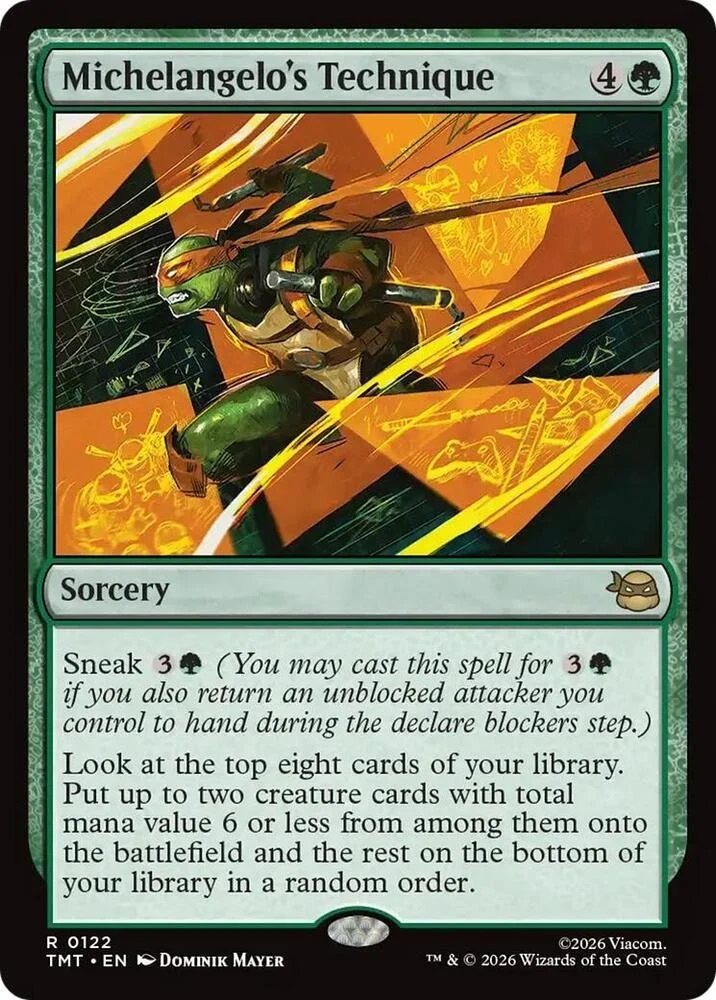
Michelangelo’s Technique enables explosive combat turns.
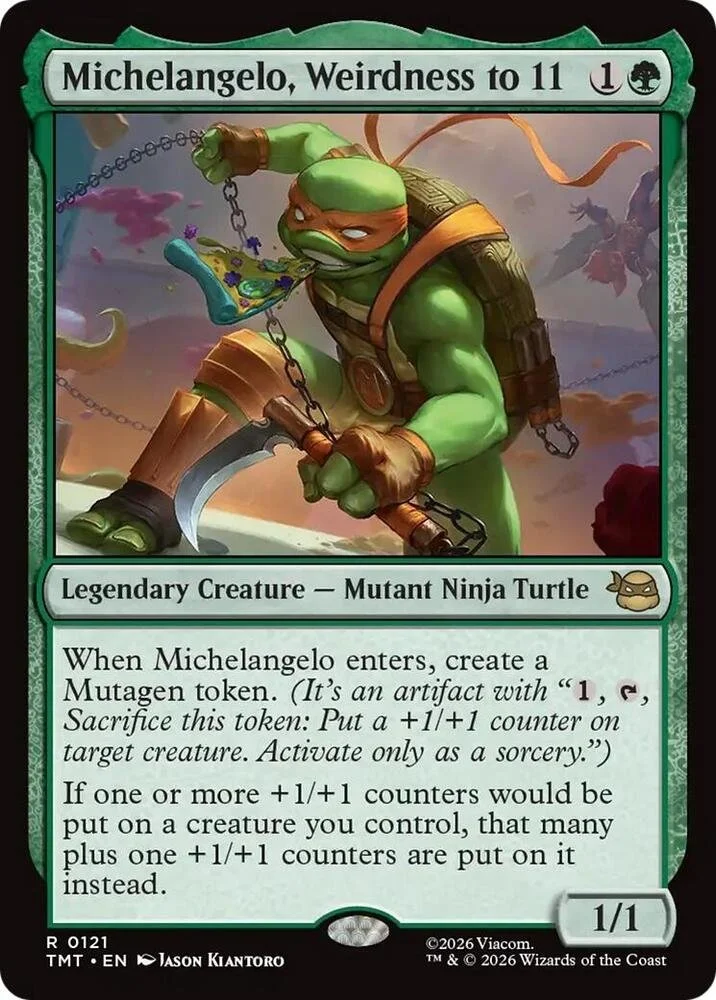
Michelangelo’s Weirdness to 11 adds steady counter growth.
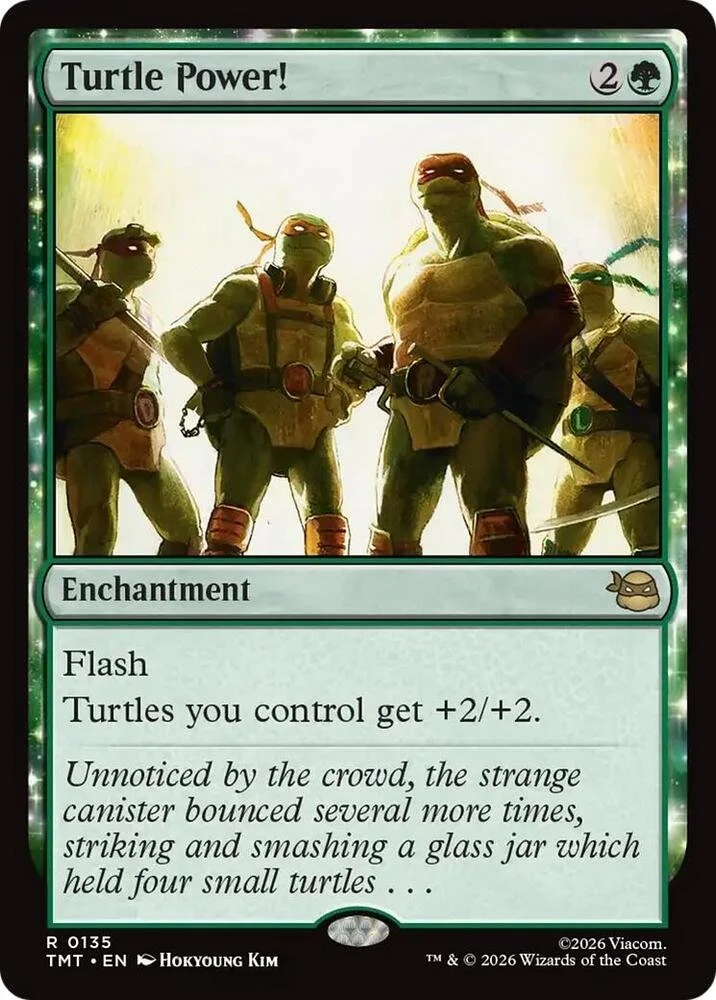
Turtle Power functions as a strong anthem for Turtle-heavy builds and may be worth splashing.
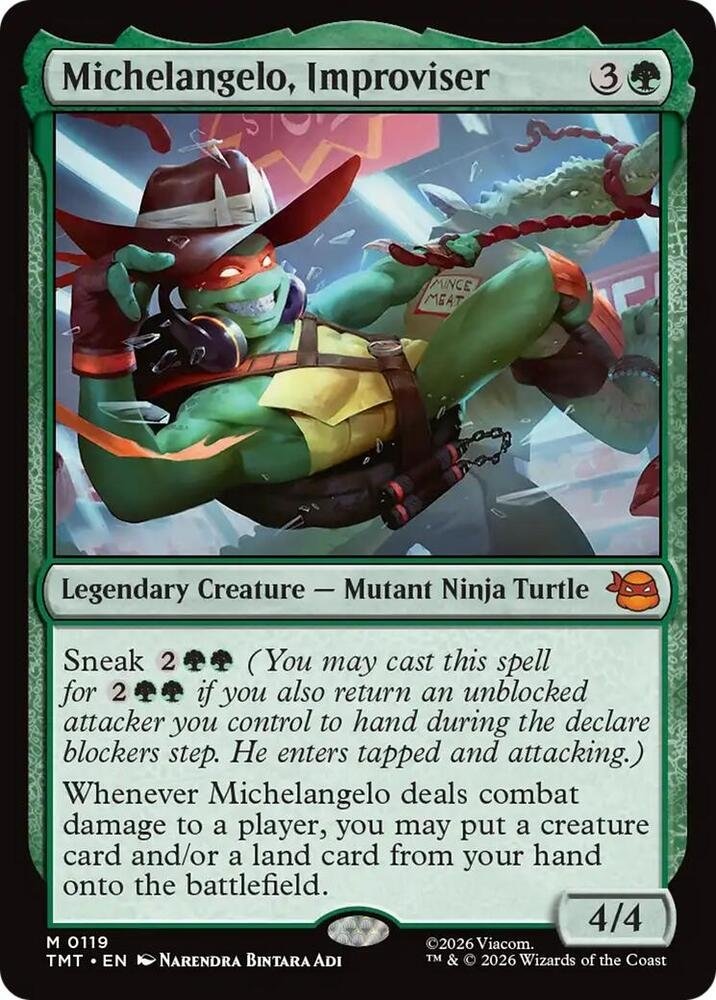
Michelangelo, Improvisor generates creatures while enhancing combat.
Best removal and interaction cards in Teenage Mutant Ninja Turtles
In limited formats, removal is always extremely important. However, not all removal is good—some come with too high of a mana cost or maybe they have a drawback that hurts you more than it helps. Well here are some of the best removal spells by color.
White
White always has removal built into it, it’s actually one of the things that white is known for in Magic.
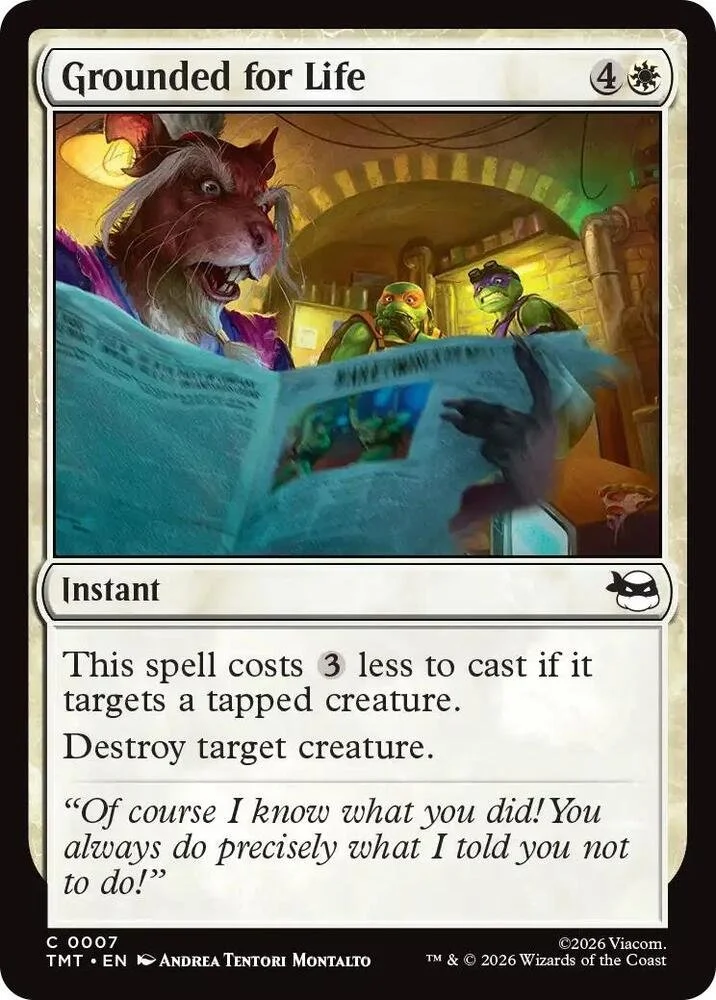
Grounded for Life can be extremely efficient, especially in Sneak-heavy games where creatures are often tapped.
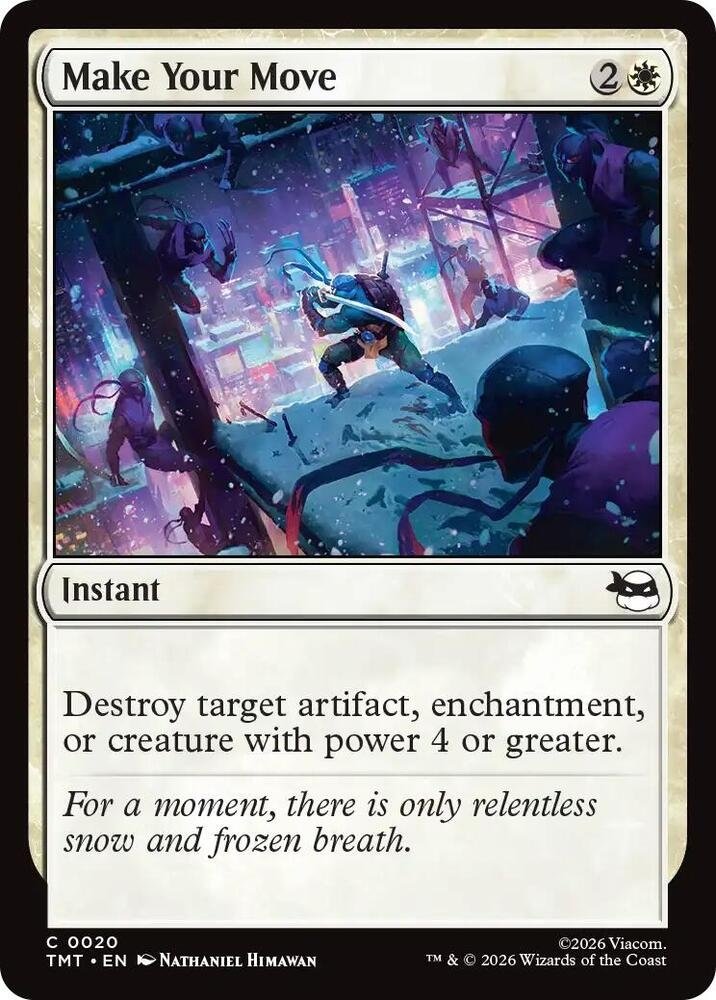
Make Your Move is white’s premium removal, capable of destroying nearly any nonland permanent.
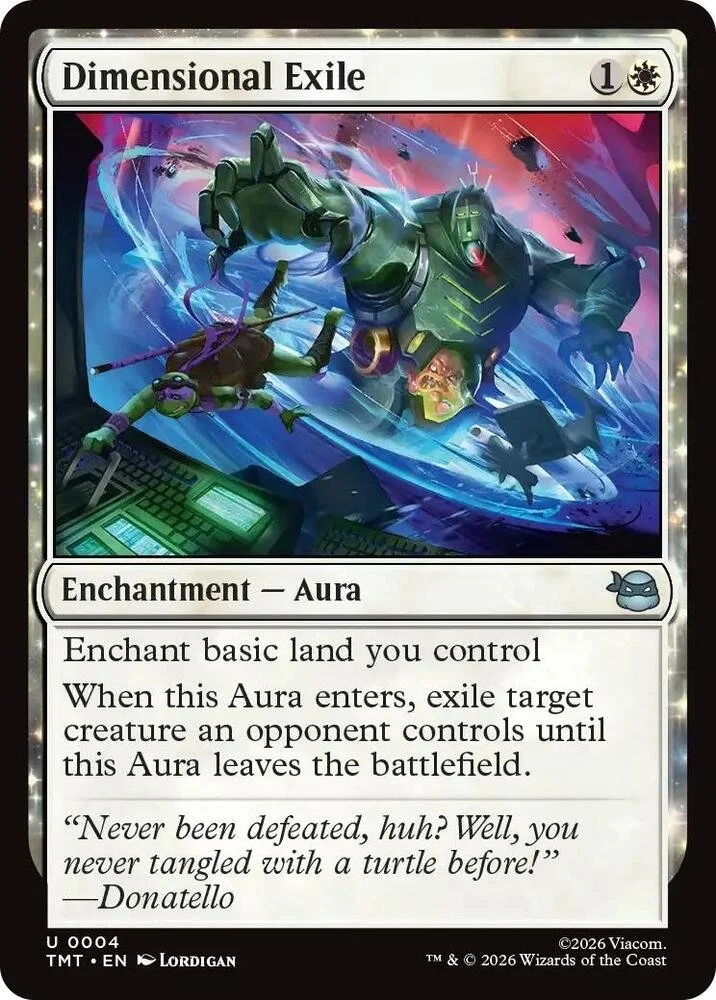
Dimensional Exile is temporary but useful, especially since enchantments are harder to remove.
Blue
One thing blue will always be known for is interaction, so just be aware if you’re playing against somebody with blue, they’re running interaction.
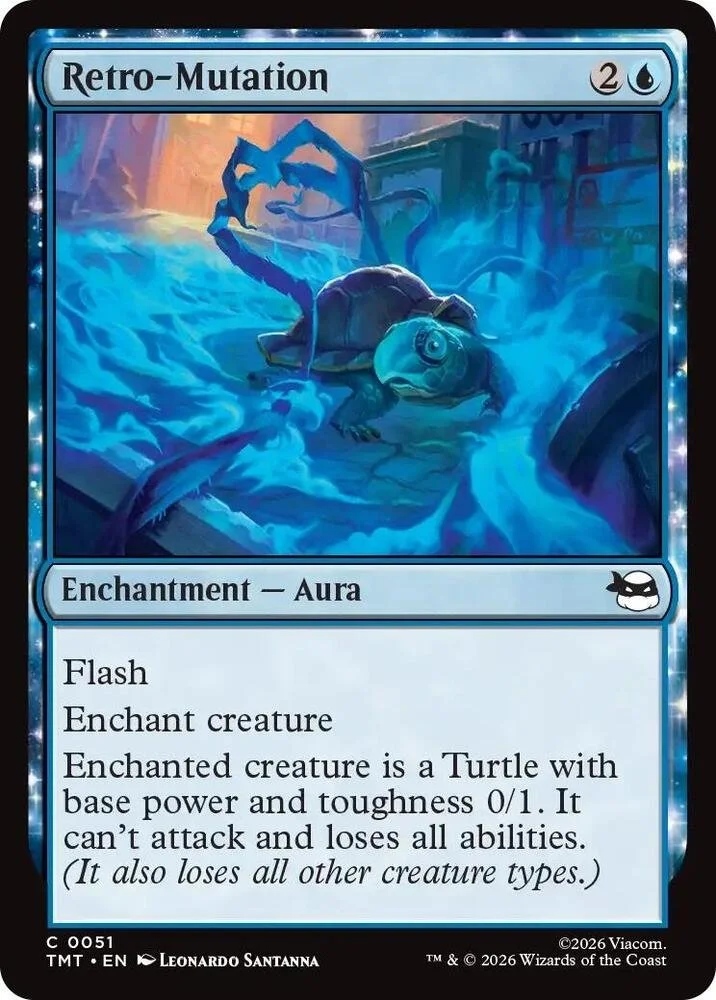
Retro-Mutation neutralizes problematic creatures.
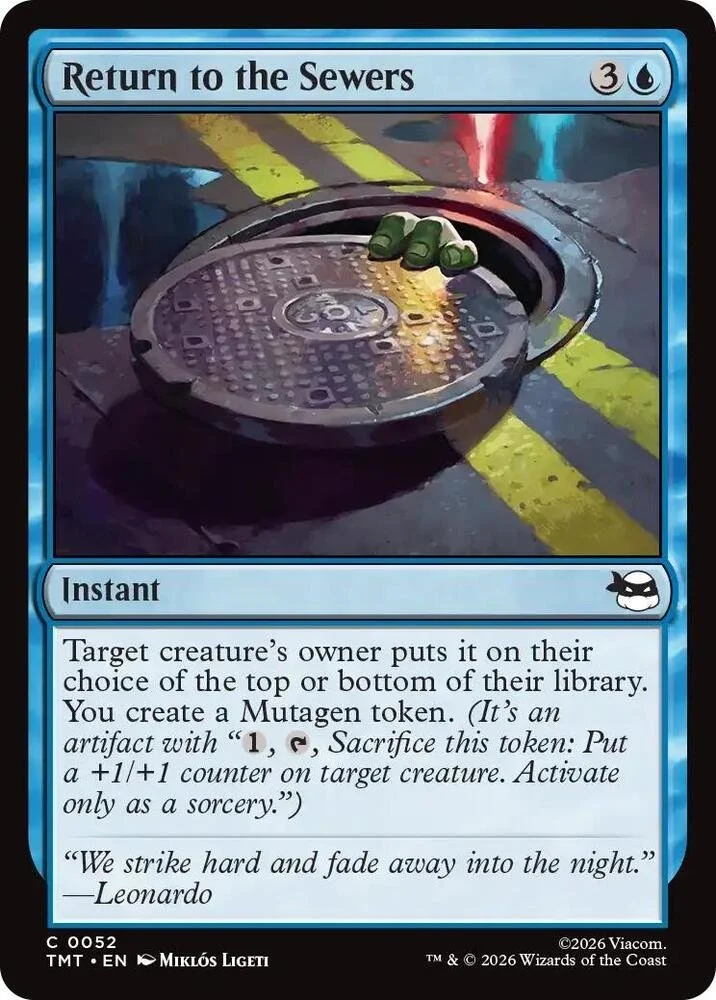
Return to the Sewers resets threats while advancing your board with a Mutagen token.
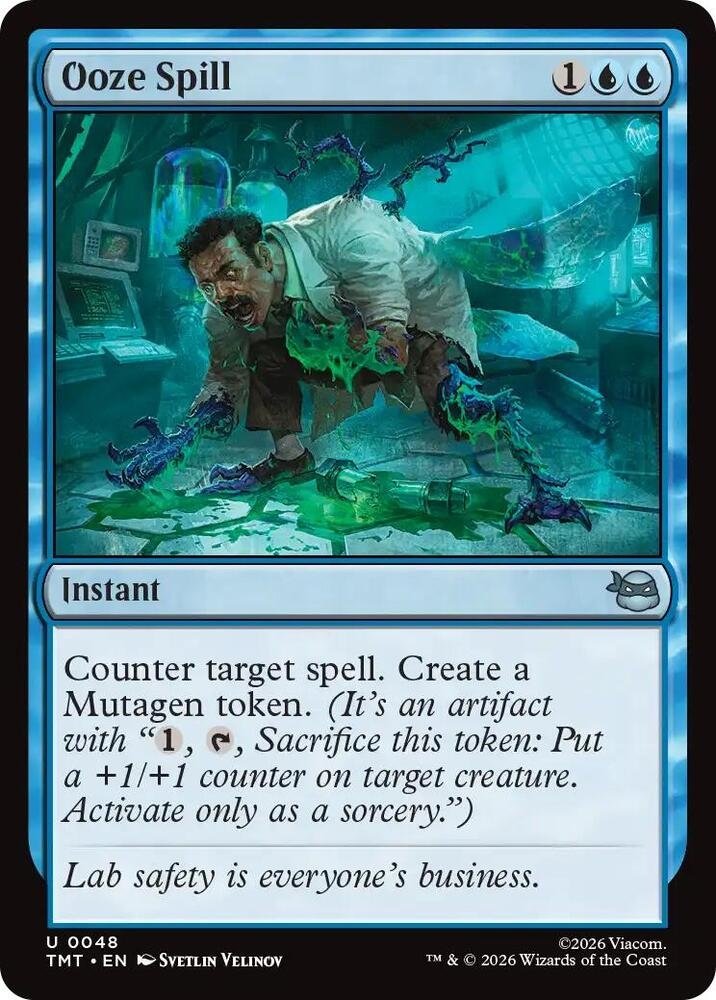
Ooze Spill provides countermagic and incremental value.
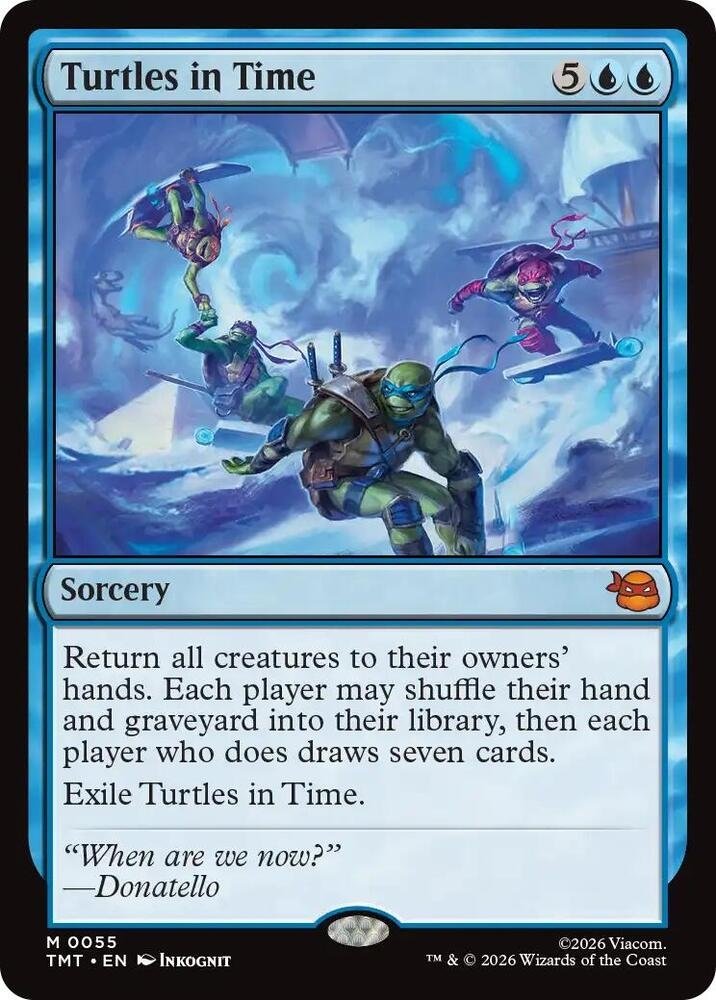
Turtles in Time serves as a late-game reset button.
Honorable mention
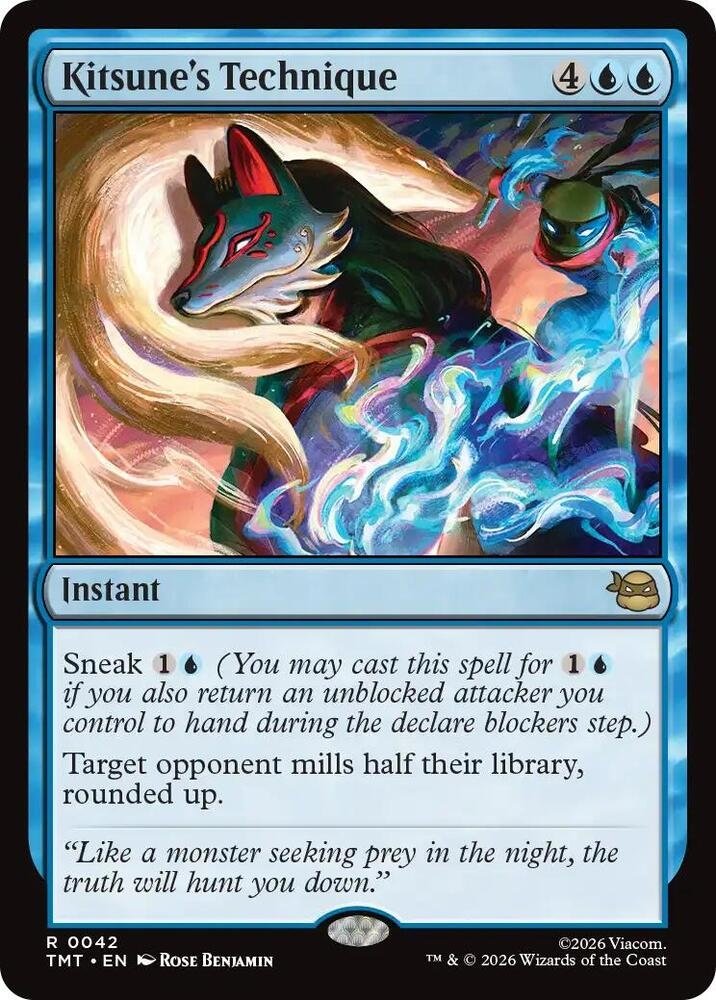
Kitsune’s Technique is situational but devastating if resolved.
Black
Black is all about anarchy and punishment, so expect some heavy removal spells coming from black decks.
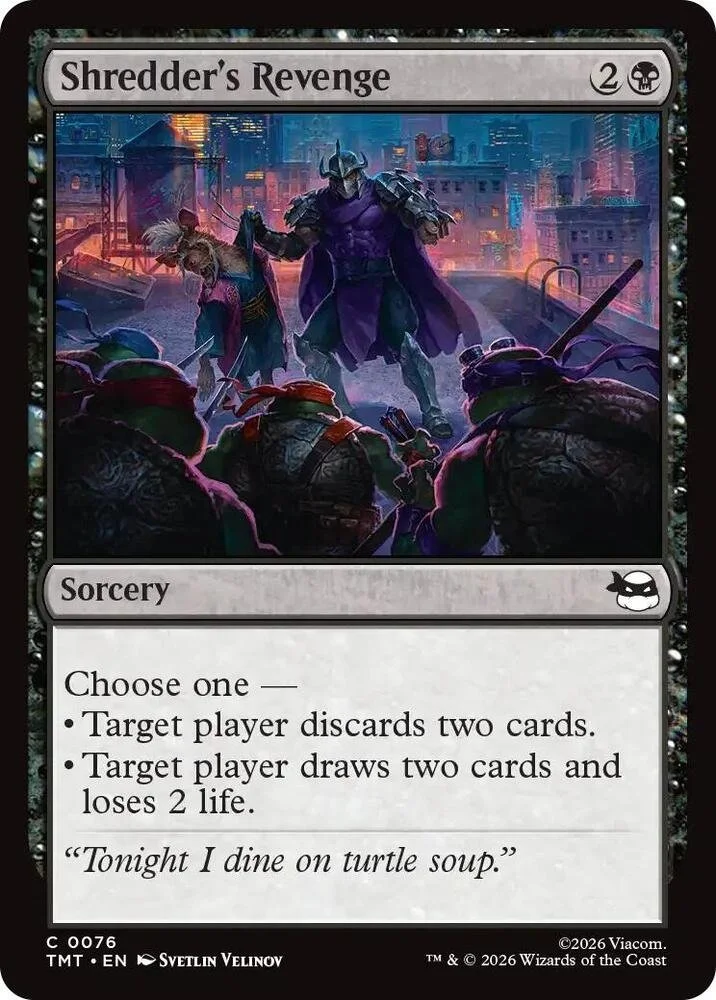
Shredder’s Revenge offers flexibility as either card draw or forced discard.
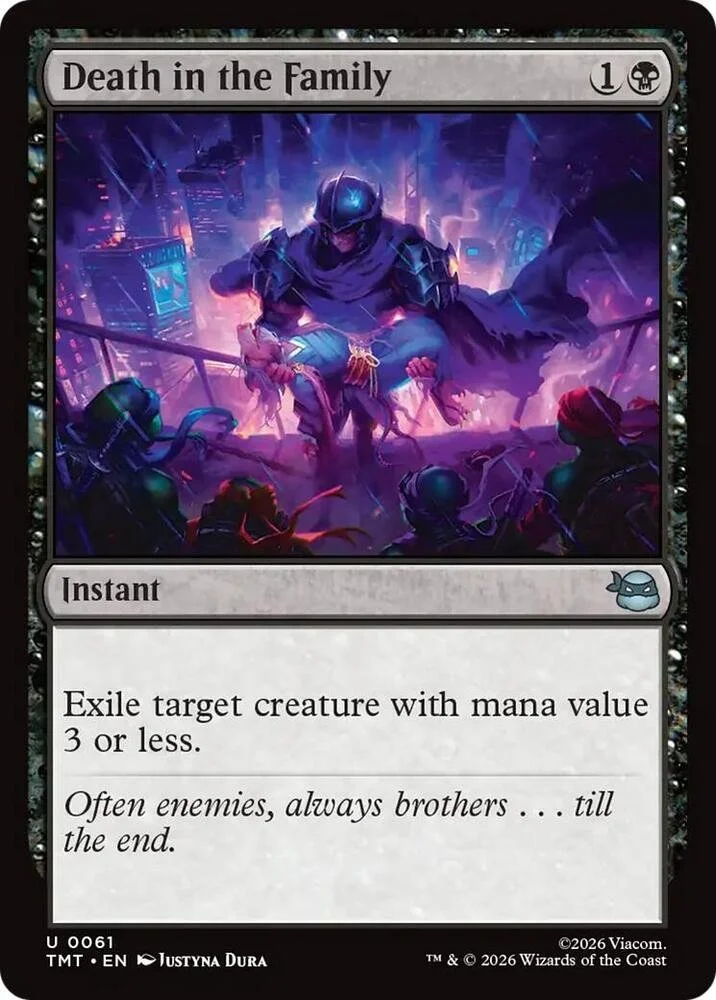
Death in the Family efficiently exiles low-cost threats.
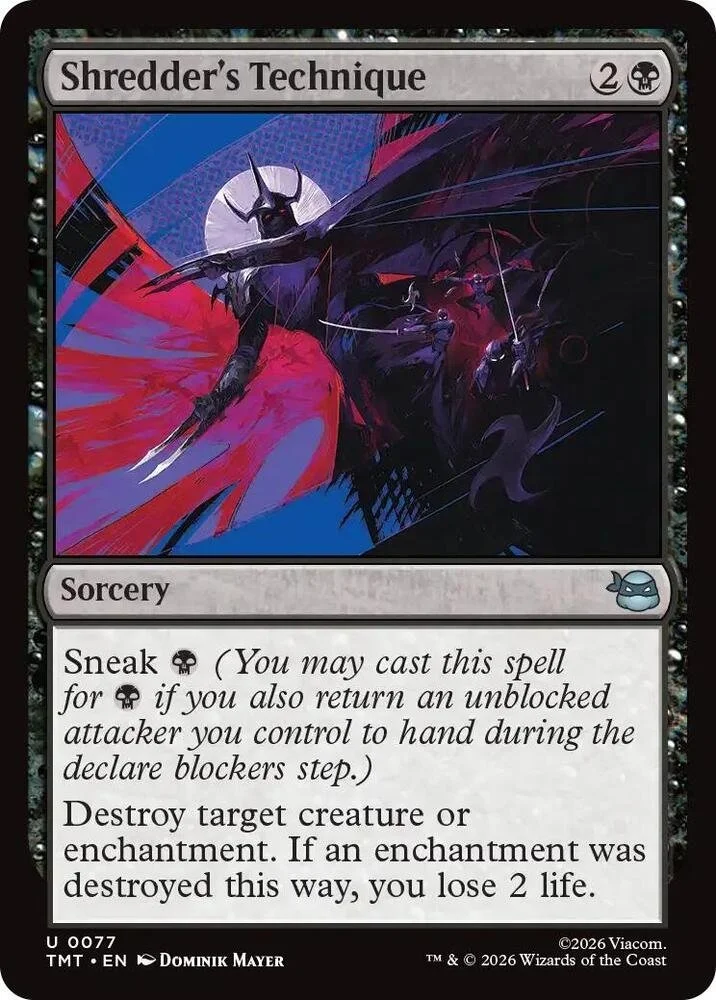
Shredder’s Technique provides Sneak-enabled removal with enchantment interaction.
Red
Red removes threats the classic way — through damage.
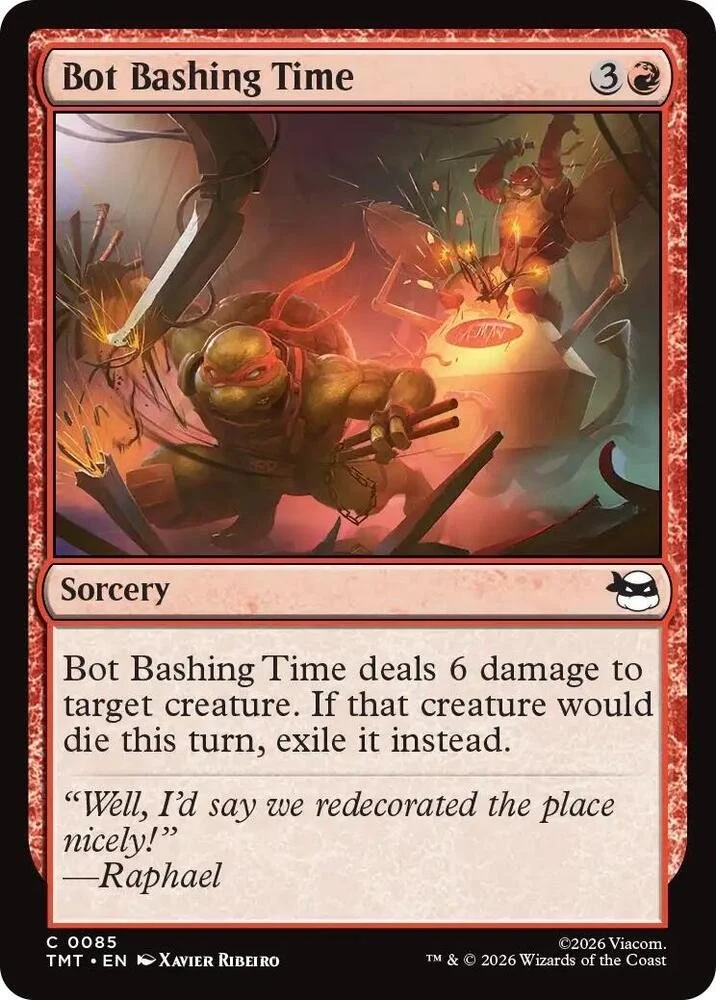
Bot Bashing Time deals heavy damage and exiles.
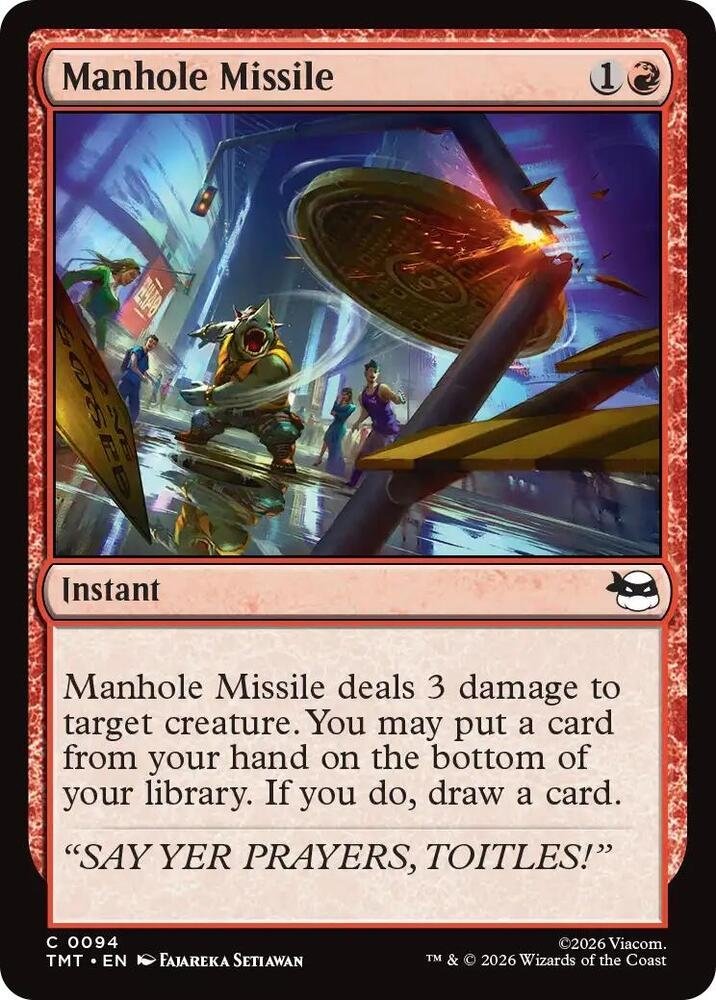
Manhole Missile combines burn with card advantage.
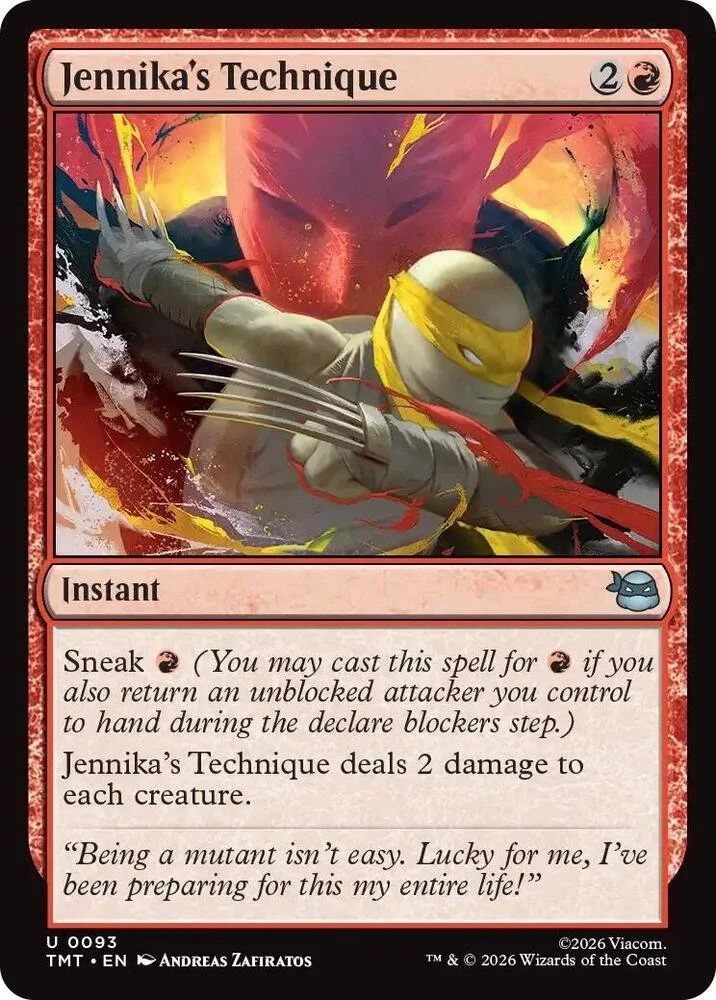
Jennika’s Technique punishes token decks.
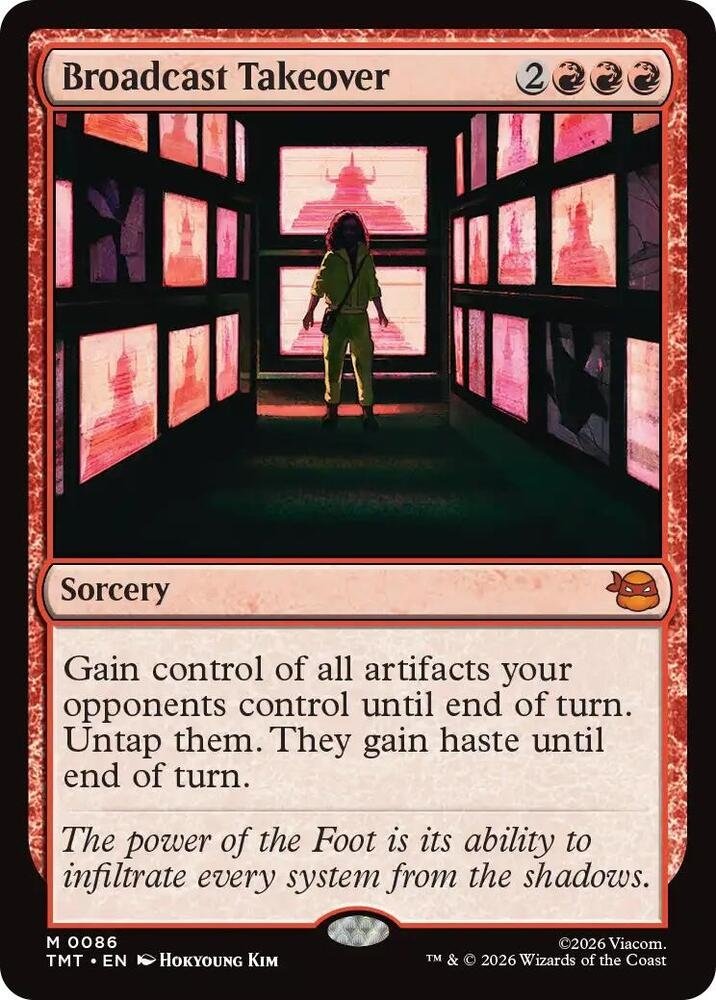
Broadcast Takeover can function as a surprise finisher.
Green
Green is more known for its ramp than its interaction, that said there’s still some to fill out your decklist.
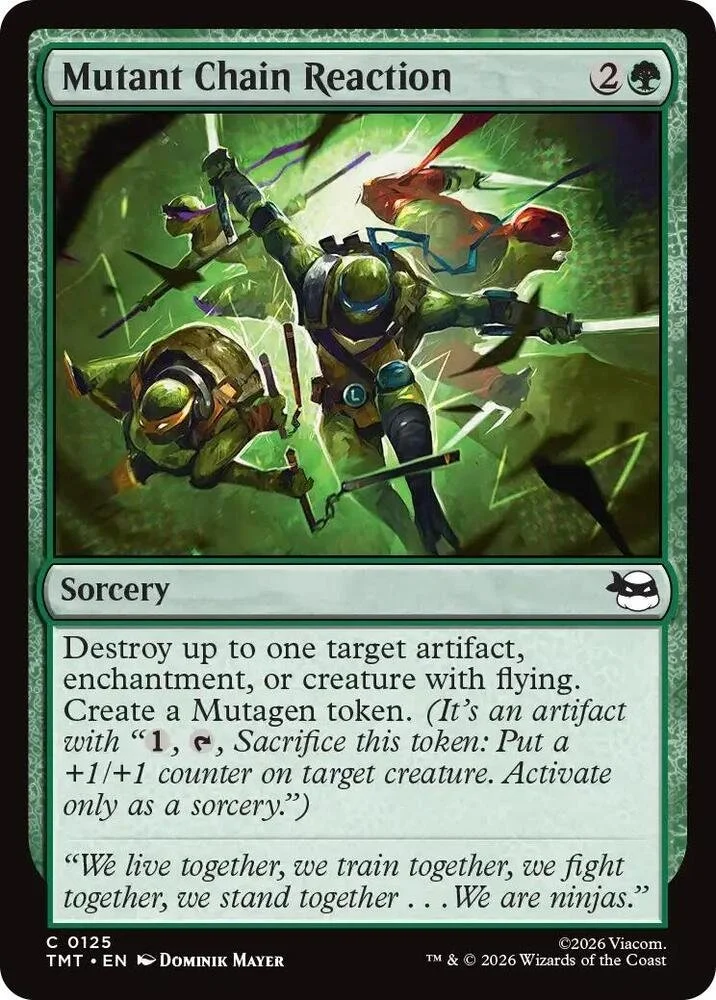
Mutant Chain Reaction removes artifacts, enchantments, or flyers while generating value.
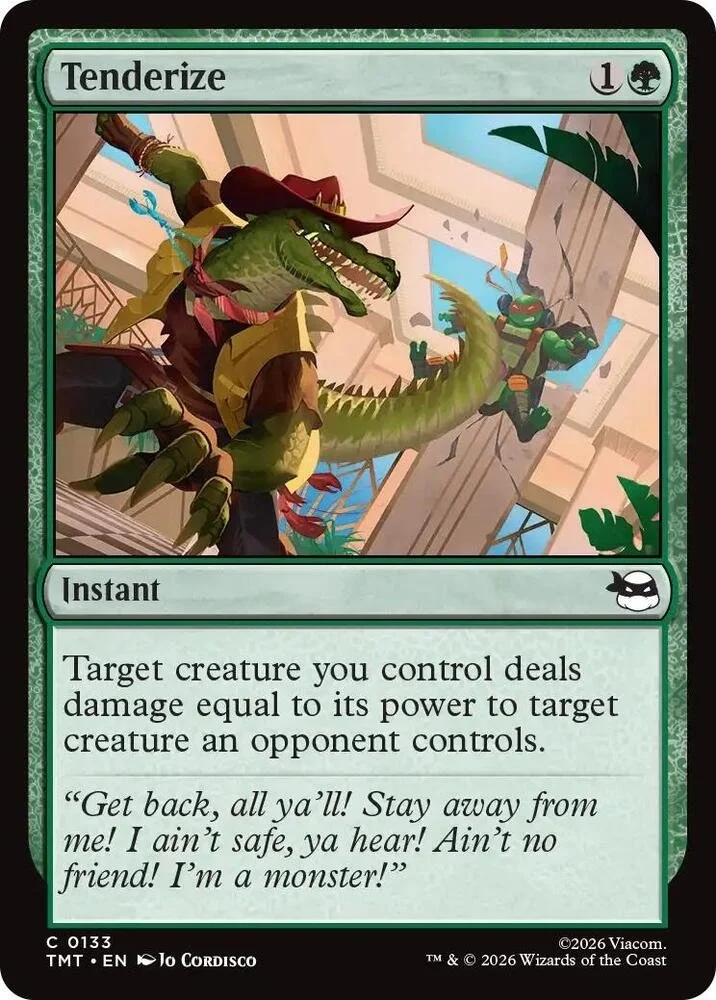
Tenderize serves as a power-based fight removal spell.
What draft archetype is best in Teenage Mutant Ninja Turtles?
Small sets like Teenage Mutant Ninja Turtles — and even Universes Beyond: Marvel’s Spider-Man before it — often create tighter, sometimes uneven Limited ecosystems. With fewer cards to flesh out each color pair, some archetypes inevitably feel more developed than others.
In TMNT specifically, Simic Mutagen and Izzet Artifacts can feel a bit underpowered compared to the rest of the field. In Draft, that’s manageable. If a lane isn’t performing well, you can pivot. But in Sealed — especially at a prerelease — that imbalance can feel rough. If your pool heavily pushes you toward one of the weaker archetypes, it may feel like you’re starting the event at a disadvantage.
That said, the “best” archetype really depends on both support and playstyle.
If we’re talking pure consistency and overall support, Golgari Disappear is the safest bet in the format. The synergy is clean, the commons are strong, and the archetype naturally generates value without requiring complicated timing. Even average Golgari builds tend to hold their own because sacrificing permanents and generating counters just works.
For newer players — especially those attending their first prerelease — Boros Alliance is likely the most approachable archetype. The engine is straightforward: play creatures, flood the board, trigger Alliance. You don’t have to worry about tricky timing windows or overcomplicated sequencing. If you curve out well, you’ll put immediate pressure on opponents.
For more experienced players who enjoy sequencing puzzles and tactical decision-making, Orzhov Sneaky Ninjas is arguably the most rewarding archetype. It requires careful combat planning and knowing when to commit to Sneak versus developing your board normally. When piloted well, it can feel explosive and very difficult to interact with.
So while Golgari may be the most consistent overall, the “best” deck in TMNT often comes down to how comfortable you are navigating its mechanics.
Deck building tips for Teenage Mutant Ninja Turtles limited formats
Because of the set’s higher-than-average mana curve, ramp and early stabilization are more important than usual. Falling behind in the first few turns can make it very difficult to catch up once bombs start hitting the table.
It’s also important to commit to an archetype rather than drafting “good stuff.” In a smaller set, there are fewer generically powerful filler cards. Most decks perform best when they lean fully into their intended mechanic instead of trying to hedge across multiple themes without synergy.
Enchantment removal deserves special consideration in this format. There are several enchantments that can significantly slow your game plan or generate ongoing advantage if left unchecked. Having at least one answer in your deck can save you from losing to a single unresolved permanent.
Gameplay tips for Teenage Mutant Ninja Turtles limited formats
Once you’ve built your deck, understanding how the format actually plays out is just as important as what you drafted. TMNT Limited isn’t purely about raw power — it’s about sequencing, recognizing synergy, and knowing what your opponent is representing. Because the mechanics overlap in subtle ways, small decisions in combat or timing can completely swing a game.
Be mindful of combat patterns
The biggest edge you can gain in this format comes from recognizing what your opponent is trying to do.
If a Golgari player attacks with a creature that normally wouldn’t attack, they may be trying to trigger Disappear or bait you into a trade that benefits them. If an Orzhov player attacks and leaves mana open, you should immediately consider Sneak. Even if they don’t have it, the possibility should influence your blocks.
The more you understand what each archetype is capable of, the less often you’ll walk into avoidable blowouts.
Don’t be afraid to return your own creature to your hand
In most Limited formats, bouncing your own creature feels bad. In TMNT, it can be value.
Between Sneak and blink effects, returning your own creature to your hand can retrigger enter-the-battlefield effects, activate Alliance again, or set up Disappear. It won’t always be correct, and you shouldn’t force it, but in this set “losing” a creature temporarily is often just repositioning it for more value.
If your deck is built around synergy, think about how you can reuse your creatures instead of just trading them.
Understand combos and pay attention to open mana
This set has more combo potential than it appears at first glance, particularly in Sneak decks.
For example, The Last Ronin’s Technique can create multiple attacking tokens, which then allow additional Sneak triggers from your hand. One unblocked creature can snowball into multiple spells entering combat. That kind of sequence can flip a game instantly.
When facing Orzhov, assume Sneak is possible if they attack before committing new creatures. At the same time, don’t overreact to every attack — sometimes it’s a bluff. The key is balancing caution without playing scared.
Expect combat tricks
This format is heavy on combat tricks across multiple colors, not just Orzhov.
There are numerous instants that punish blocks, protect attackers, or swing combat math unexpectedly. If your opponent attacks in a way that doesn’t quite make sense, ask yourself what they could be holding. Pay close attention to untapped mana — especially two to four mana ranges, where many tricks sit.
TMNT Limited rewards players who slow down, think through combat, and respect what’s possible. If you stay aware of open mana and synergy interactions, you’ll avoid most of the format’s biggest traps.
Final Thoughts
Teenage Mutant Ninja Turtles Limited is a synergy-driven format with a high mana ceiling and a tight ecosystem. It rewards players who commit to an archetype, understand how the mechanics overlap, and sequence their plays carefully. Sneak, Disappear, Alliance, and Mutagen all interact in subtle ways, and the decks that perform best are the ones that lean into those connections instead of relying on raw power alone.
While some archetypes feel stronger or more consistent than others — with Golgari offering stability and Orzhov providing explosive potential — success in this format ultimately comes down to preparation. Know your commons, respect open mana, prioritize ramp and interaction, and recognize what your opponent is representing.
TMNT Limited isn’t the most forgiving format, but it is a rewarding one. If you draft with intention and play with awareness, you’ll give yourself the best chance to turn your pool — lucky or not — into a winning shell.
And if you’re planning your next prerelease, draft night, or major TCG release, be sure to check out our full 2026 TCG Release Calendar (coming soon) to stay up to date on every upcoming set, event, and product launch.