Story and Gameplay
Normally, we focus on short-form reviews and content here at GameTyrant, but I don’t know how that can be accomplished with Pearl Abyss’ Crimson Desert and the world of Pywel. This may be the most unique gaming experience I’ve had in years, if not ever.
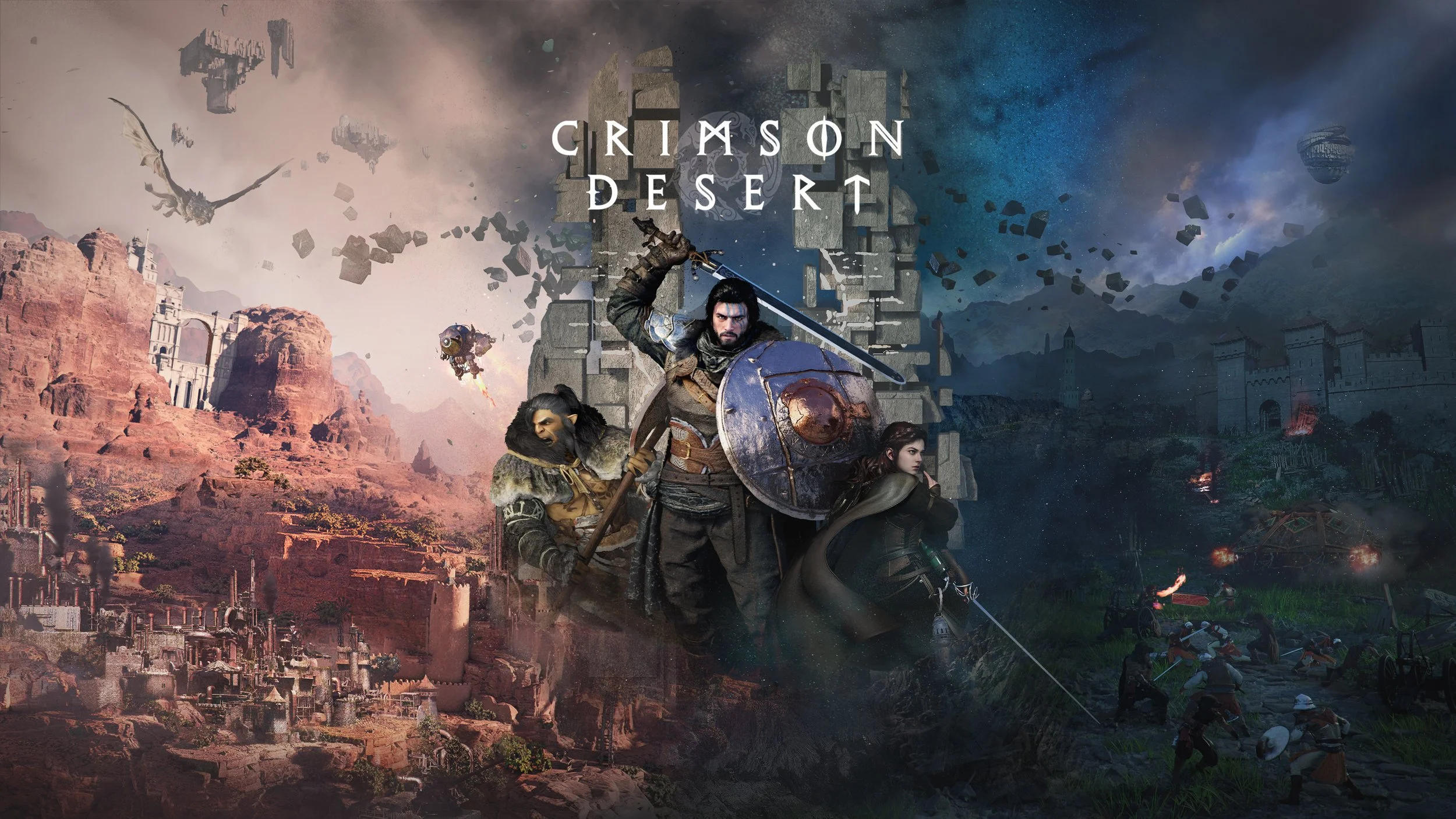
The game opens with a question that most open-world games ask: What happens when the weight of a dying world falls on the shoulders of people who were never meant to carry it? The answer unfolds through the eyes of Kliff and his band of mercenaries, the Greymanes: A ragged, fiercely loyal group of outcasts trying to carve out survival in a land that seems determined to swallow them whole. Pearl Abyss has crafted a sweeping narrative that, at its finest moments, reaches genuinely cinematic heights. The bond between the Greymanes is the emotional backbone of the entire experience, and the writing invests real time in making you care about these people before throwing them into the fire.
To prepare you, get ready for some unexpected and sometimes jarring tonal shifts from light-hearted fantasy to Tarantino-esque levels of bloody violence and profanity. From gameplay to tone to controls and depth, I was not expecting Crimson Desert to be so similar to Red Dead Redemption 2 in more ways than one. Part Zelda BOTW, part RDR2, and so many other original ideas make this a hard game and even genre to pin down, and I mean that as a huge compliment.
The cast is enormous. Dozens of named characters span rival factions, conquered kingdoms, and forgotten ruins, each with their own agendas and grudges. At times, the sheer density of names, allegiances, and political machinations can feel overwhelming, and there are stretches of dialogue that veer into serviceable-but-unremarkable territory; exposition dumps that exist to bridge the gap between the game's truly outstanding set pieces. But when the story hits, it hits hard. Boss encounters are woven into the narrative with real dramatic stakes. With dozens of major fights scattered across the campaign, the pacing rarely lets you go long without a memorable confrontation.
"This is not a game that meets you halfway. It demands your time, your attention, and your willingness to wrestle with systems that refuse to simplify themselves."
The gameplay itself is extraordinarily difficult to pin down in a single description. Crimson Desert is an action RPG, yes. Still, it is also a survival/crafting game, a tactical squad management sim, a sprawling exploration sandbox, and at times something closer to a character action game with its combo-heavy, stamina-driven combat. Fighting feels visceral and immediate, every swing carries weight, every dodge has consequence, and the enemy variety is relentless in demanding that you adapt your approach. The satisfaction of finally reading a boss’s patterns, and dismantling them is the kind of high that only the most punishing games deliver.
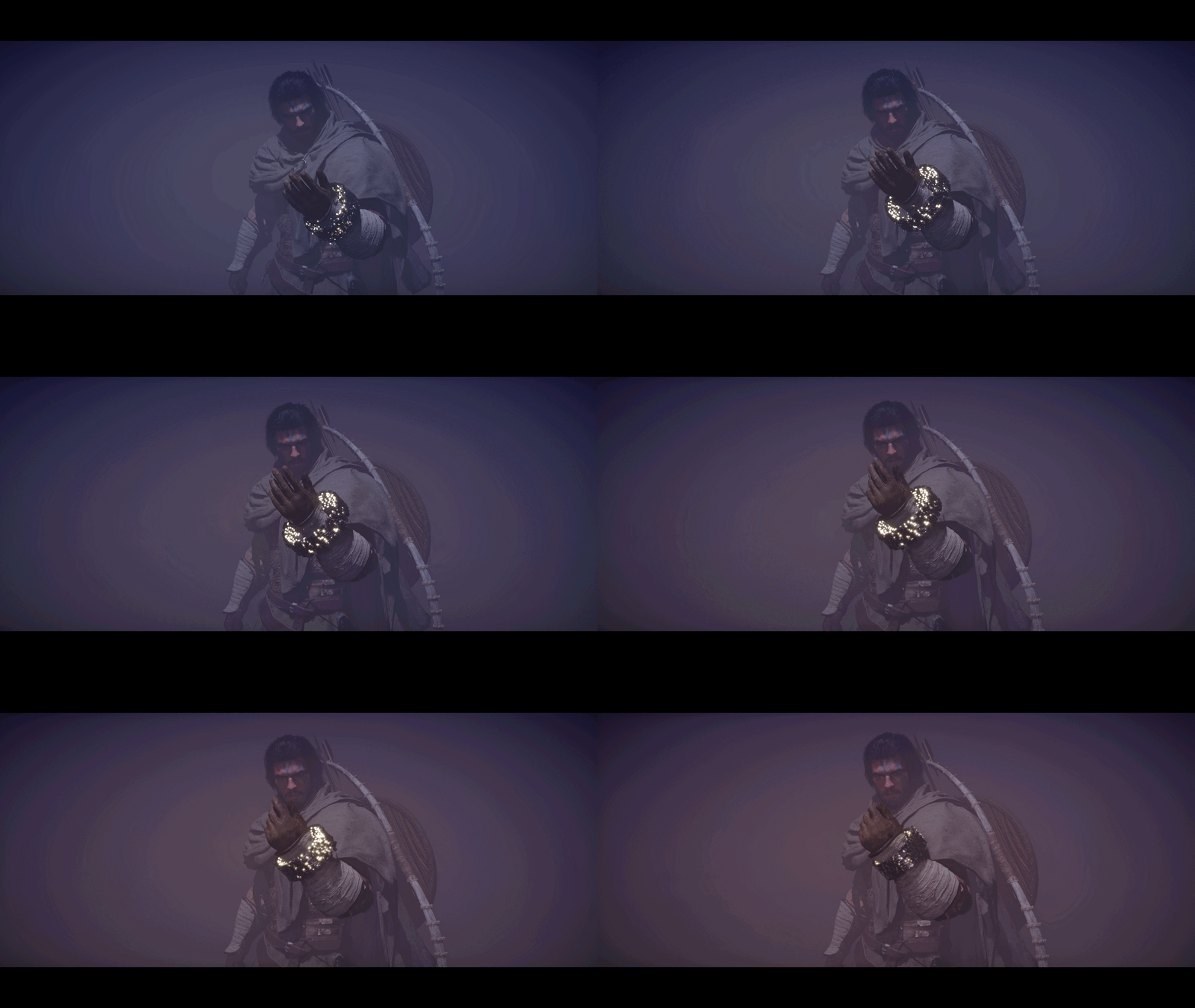
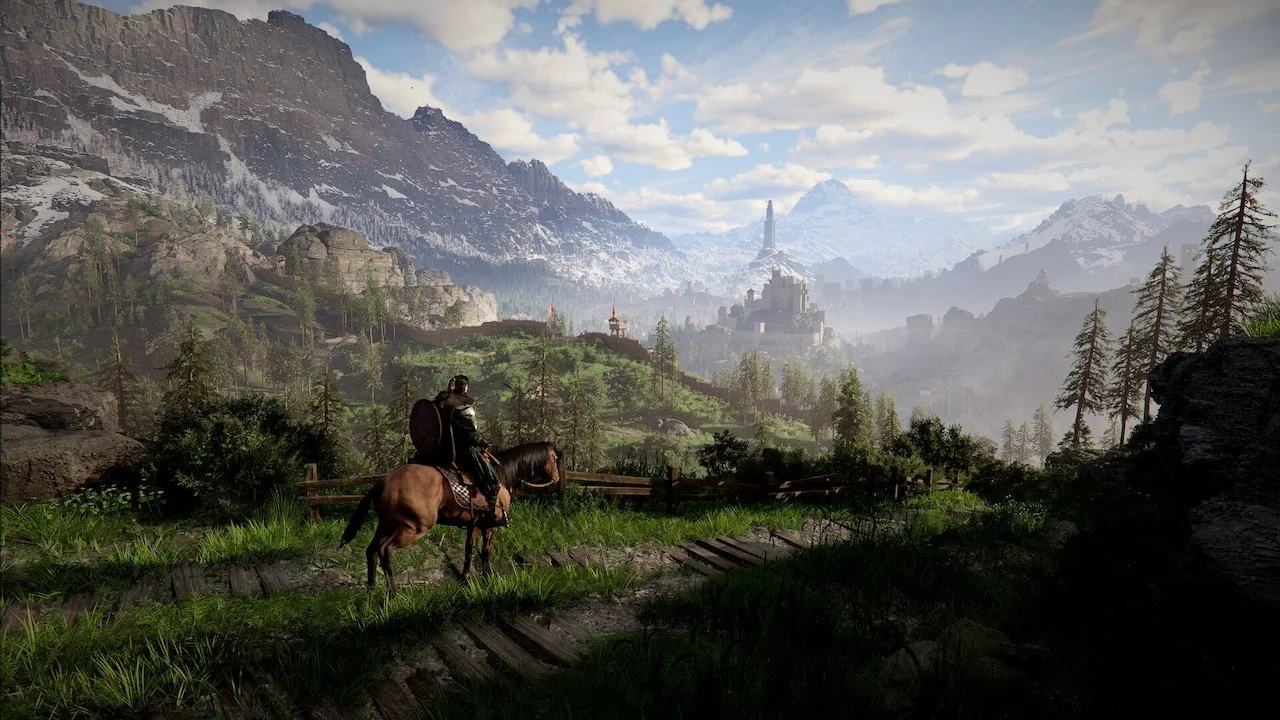
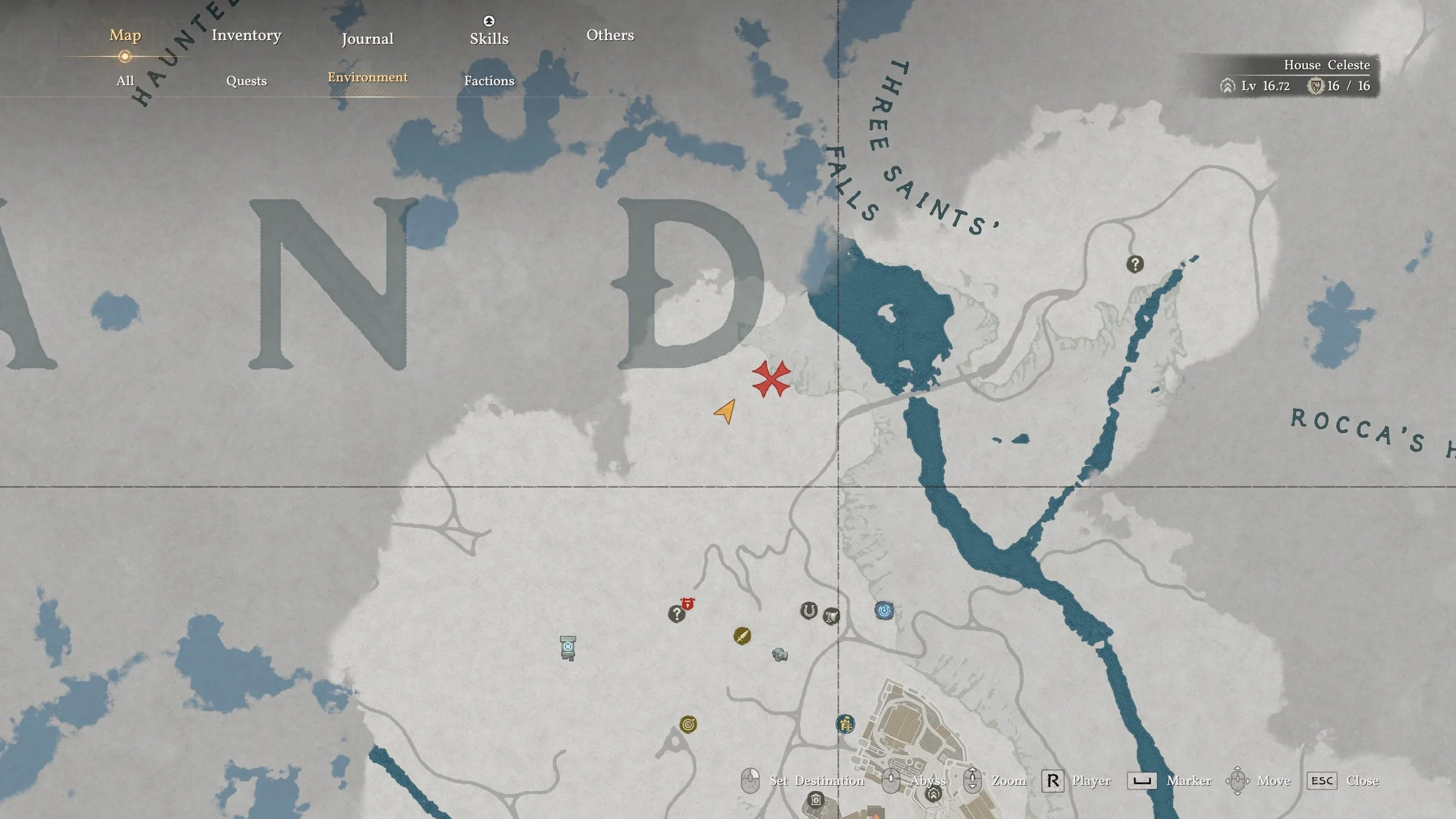
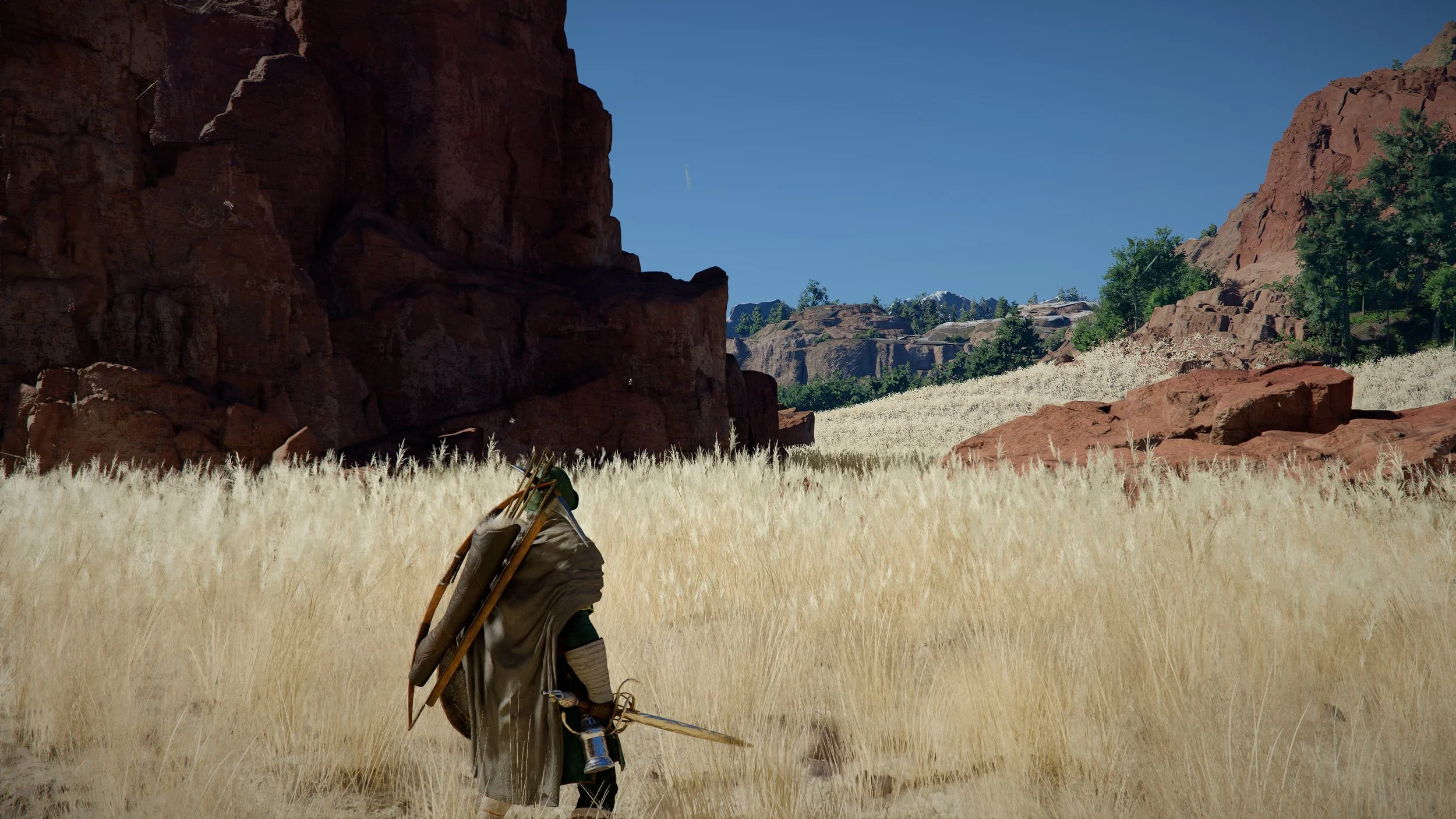
Exploration might be the game's greatest triumph. The world is breathtakingly vast and meticulously hand-crafted, rewarding players who wander off the beaten path with hidden encounters, environmental storytelling, and resource caches that feel genuinely discovered rather than procedurally scattered. Questing is immense in scope, ranging from intimate side stories to multi-stage faction campaigns that rival the main storyline in complexity.
But make no mistake, this is a game built for the patient. Old-school gamers who remember learning through failure and who don't mind a layer of jank between them and greatness will find something truly special here. Everyone else may find the barrier to entry too steep to handle. You have been warned but also promised payoff for your patience.
Graphics and Sound
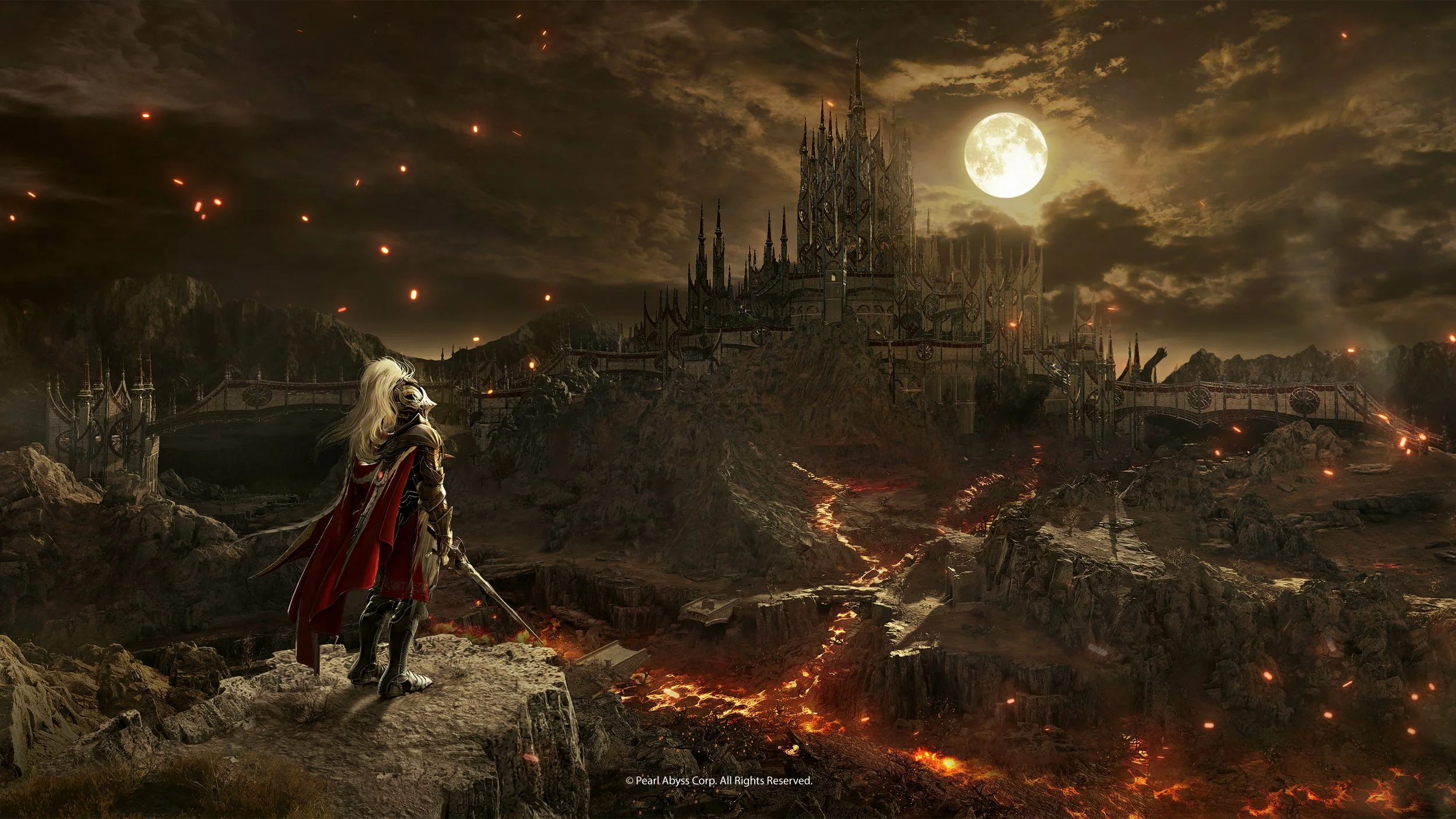
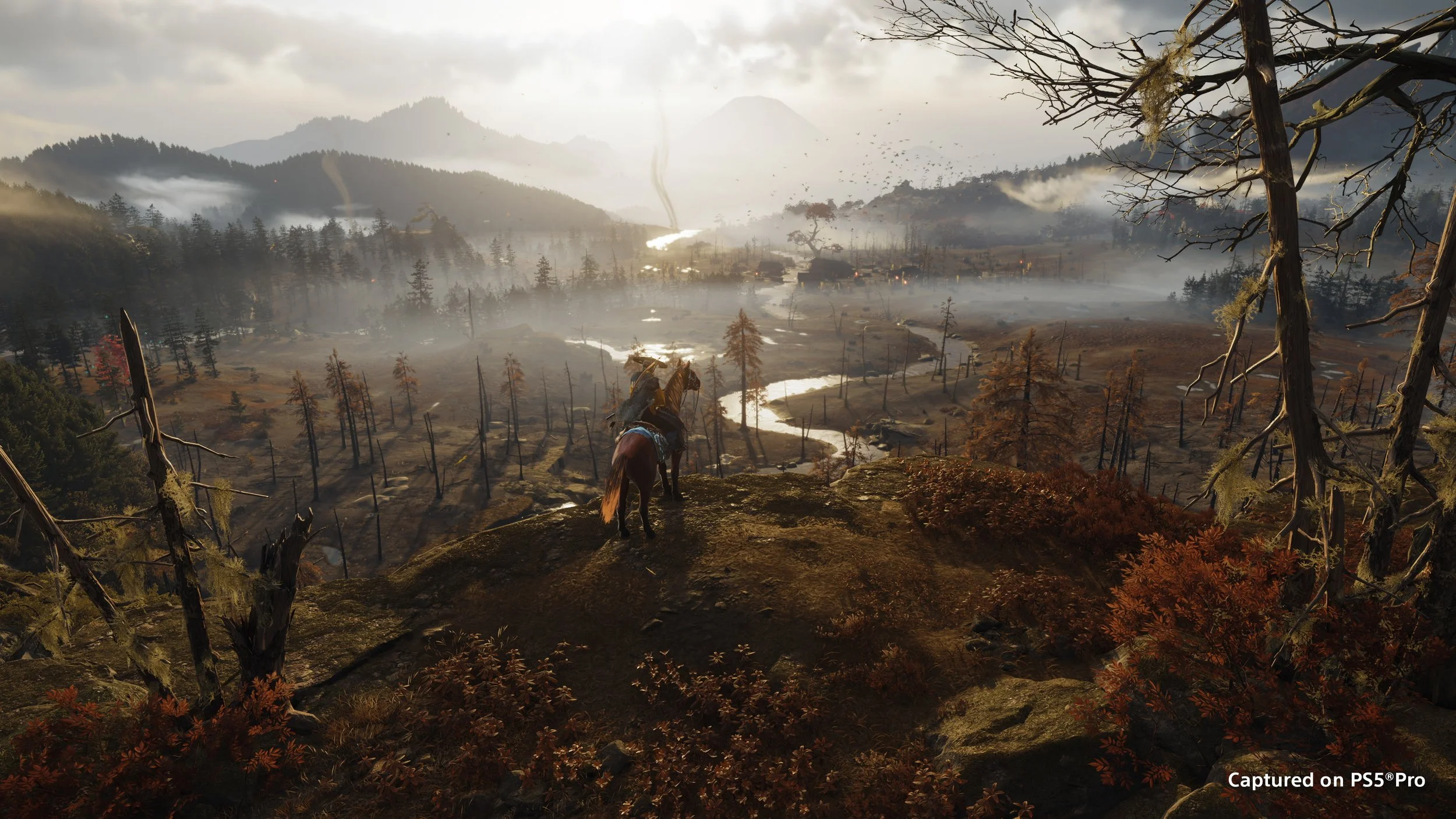
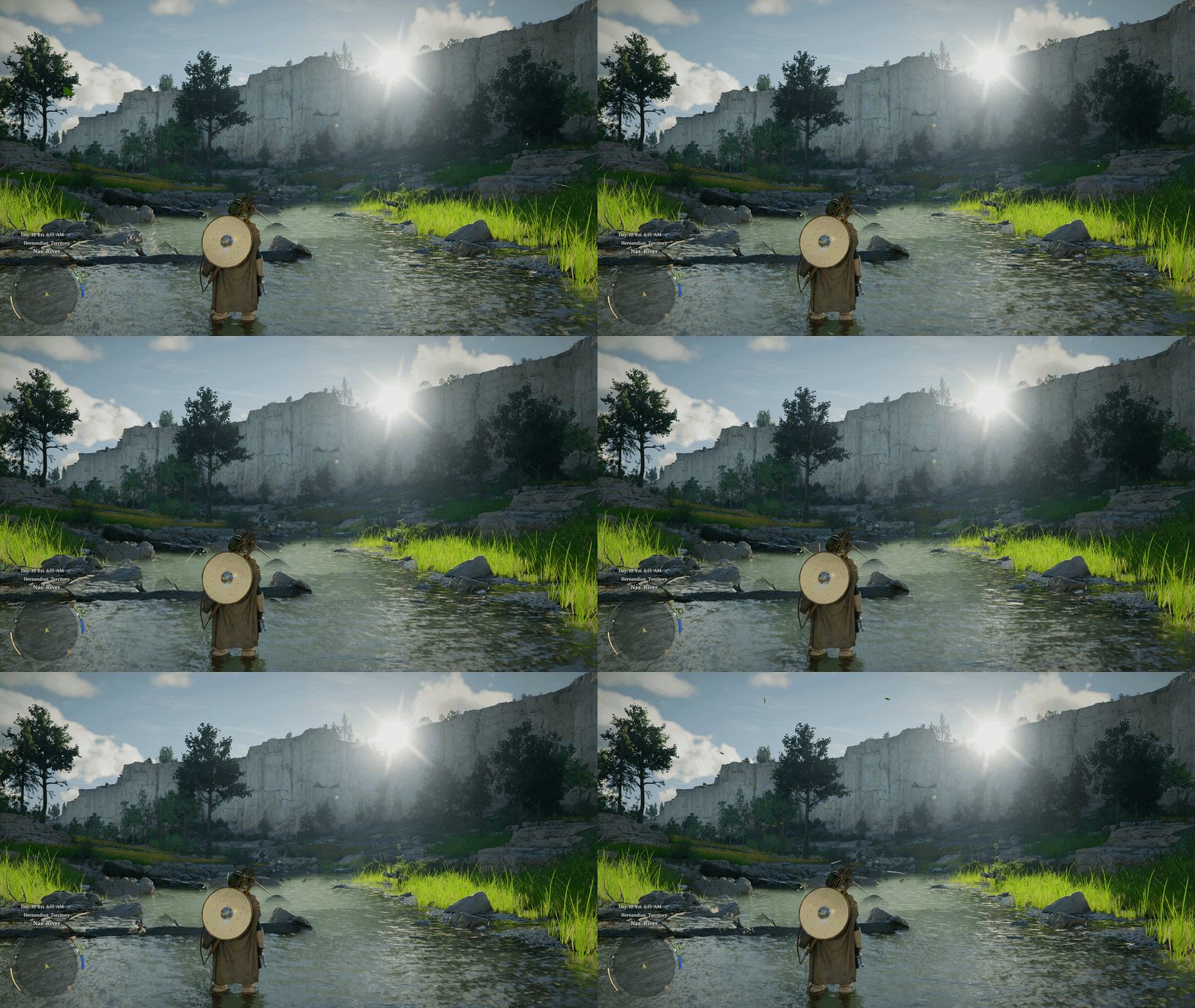
Pearl Abyss has long been one of the most technically gifted studios in the industry, and with the BlackSpace engine powering Crimson Desert, they have delivered what may be the best-looking game in recent memory. This is not hyperbole. The level of environmental detail on display from the way morning fog clings to river valleys, to soaking rainstorms to the individual threads visible on Kliff's worn cloak, to the staggering draw distances that render entire mountain ranges without a visible pop-in, is simply a generation ahead of its peers.
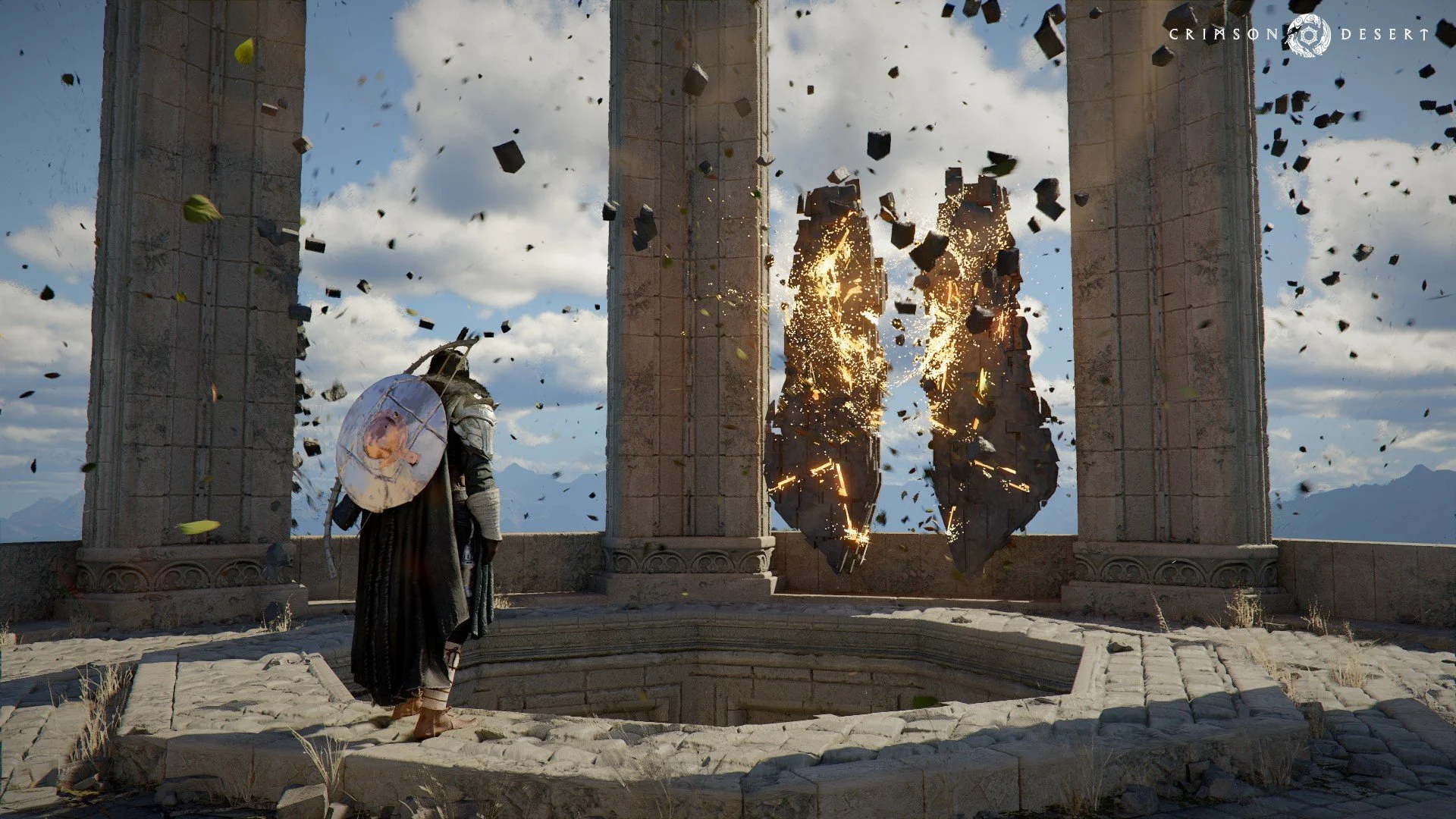
What makes all of this even more impressive is how well the game performs. The optimization work here is remarkable; the engine maintains stability even in the most chaotic encounters, with particle effects, dynamic lighting, and dozens of on-screen combatants colliding into breakables without so much as a stutter on recommended hardware.
Facial animation and character rendering deserve particular mention. Cutscenes in Crimson Desert carry a filmic quality that rivals pre-rendered cinematics from just a few years ago, all running in real time. Weather systems transition dynamically and affect both the visual presentation and gameplay in meaningful ways. Rain slicks stone surfaces with realistic reflections, along with puddles and real water effects. Snowstorms reduce visibility to near-nothing. The time-of-day cycle paints the world in dramatically different moods, and it never stops being arresting.
"The BlackSpace engine doesn't just render a world, it breathes life into one. This is a new benchmark for real-time visual fidelity."
The audio design matches the visual spectacle stride for stride. The original score is sweeping and emotionally intelligent, knowing when to swell with orchestral grandeur during a climactic boss encounter and when to pull back to a single, mournful string during a quiet moment of loss. It is one of the strongest soundtracks in the genre in years.
Voice acting across the board is solid, too. The principal cast, particularly Kliff's and Yann’s profane-ridden rants, delivers performances that ground the more fantastical elements of the story in real human emotion. There are occasional inconsistencies among the larger supporting cast, but nothing that breaks immersion. Sound effects are excellent throughout, from the wet crunch of a mace connecting to the ambient soundscape of a forest at dusk. Every environment sounds as good as it looks.
Feedback & Verdict
Let’s be upfront: Crimson Desert is going to be a divisive game, and for reasons that have nothing to do with creative ambition. If the game had had a few more months of playtesting, bug fixes, and polish, our score would have been higher.
During our review period, we encountered a significant number of bugs: Quest triggers failing to fire, getting stuck on geometry, occasional physics oddities that launched enemies into the stratosphere, and a handful of hard crashes along with no real storage system (coming in post-launch patch!).
To Pearl Abyss's credit, multiple patches arrived while we were still playing the review build, each one noticeably improving stability and squashing the most glaring issues. The trajectory is encouraging and the PR team has been rock solid and lightning-fast on addressing issues and bug fixes.
Currently, at the time of writing, players should go in expecting some rough edges, particularly in the game's more complex, heavily scripted sequences with quests. Some basic systems and items won’t unlock until dozens of hours into the main quests. I cannot stress this enough: Crimson Desert is for patient gamers only.
The control scheme is another potential flashpoint. Crimson Desert asks a lot of the player's hands. The input system is deep and layered, mapping an impressive breadth of combat options, traversal mechanics, and squad commands across a control scheme that can feel fickle and occasionally unresponsive during the moments that demand the most precision. There is a learning curve here that goes beyond simple difficulty: It is a matter of building muscle memory for a system that doesn't always communicate its expectations clearly. Rebinding helps, and the PC version's mouse-and-keyboard support is functional, but a controller is clearly the intended experience. And even then, it takes real time to internalize.
"Patience is not just a virtue here, it is the price of admission. Pay it, and the rewards are extraordinary."
And yet, for all the friction, there is something undeniable about what Crimson Desert achieves when everything clicks. This is a massive, lovingly crafted world that respects the player's intelligence and rewards investment on a scale that very few games attempt, let alone deliver. The combat, once internalized, is among the most satisfying in the genre. The exploration is genuinely awe-inspiring. The story, for all its uneven stretches, lands its most important moments with force and feeling.
This is not a game for those seeking a quick, casual experience. This game will not hold your hand, it will not simplify itself, and it will occasionally frustrate you in ways that feel avoidable. But for those willing to spend a hundred hours or more in its world, to push past the jank and the complexity and the growing pains, Crimson Desert offers something rare: a game that feels genuinely massive, genuinely ambitious, and genuinely rewarding for those who stick with it, warts and all.
Crimson Desert is a breathtaking, sprawling, and deeply imperfect masterwork, a game that will frustrate as often as it astounds, and reward tenfold those who refuse to walk away. So, if you want a quick, simple, and casual gaming experience, look elsewhere. If you want hundreds of hours in one of the most beautiful, complex, and rewarding worlds ever built, welcome home.