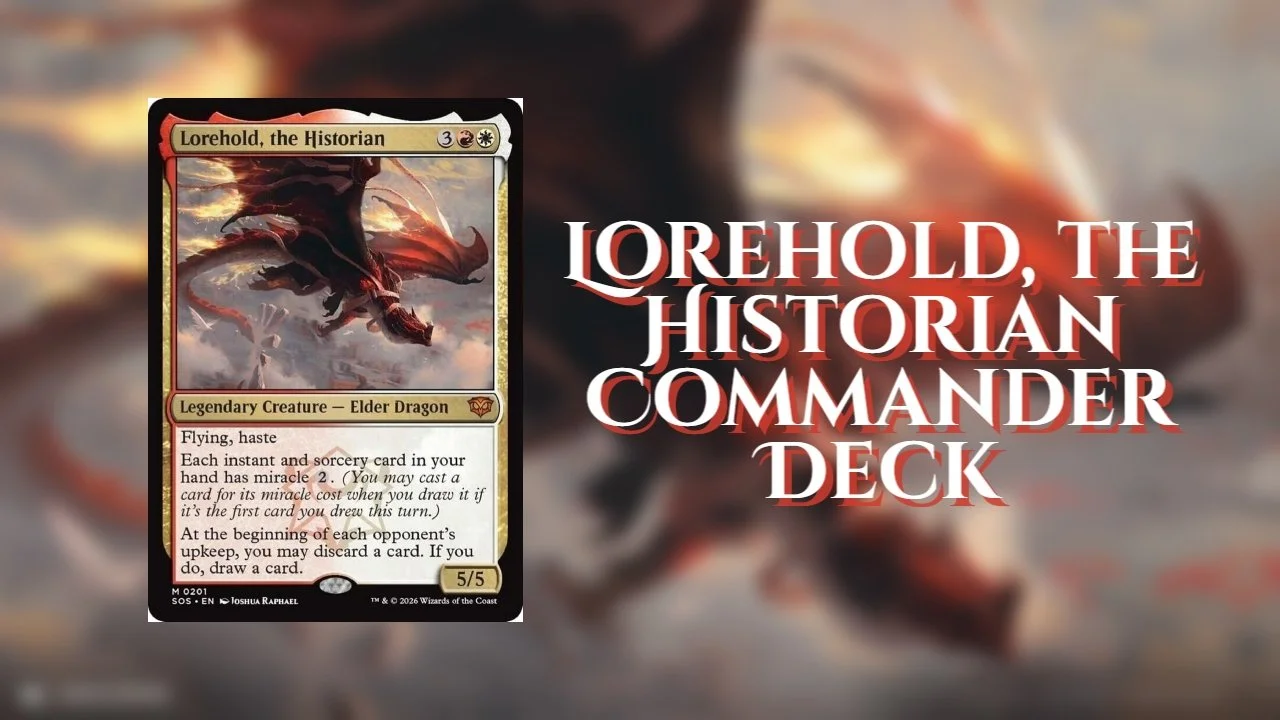
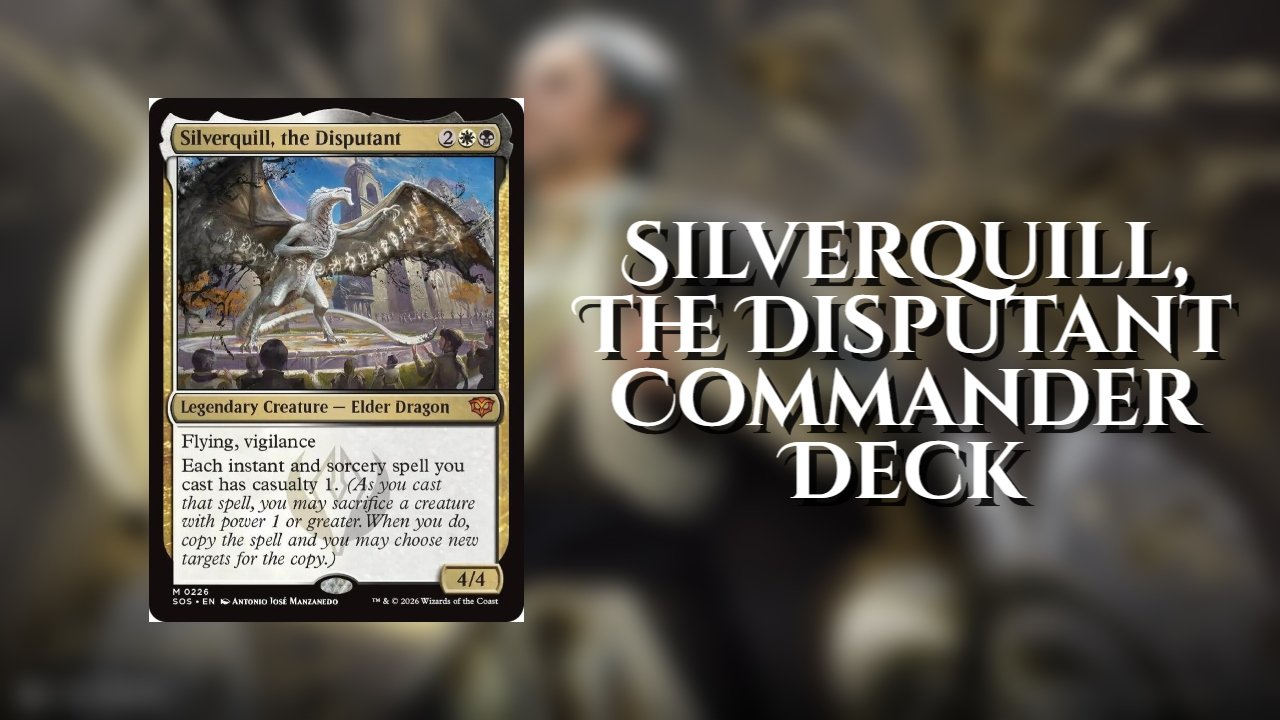
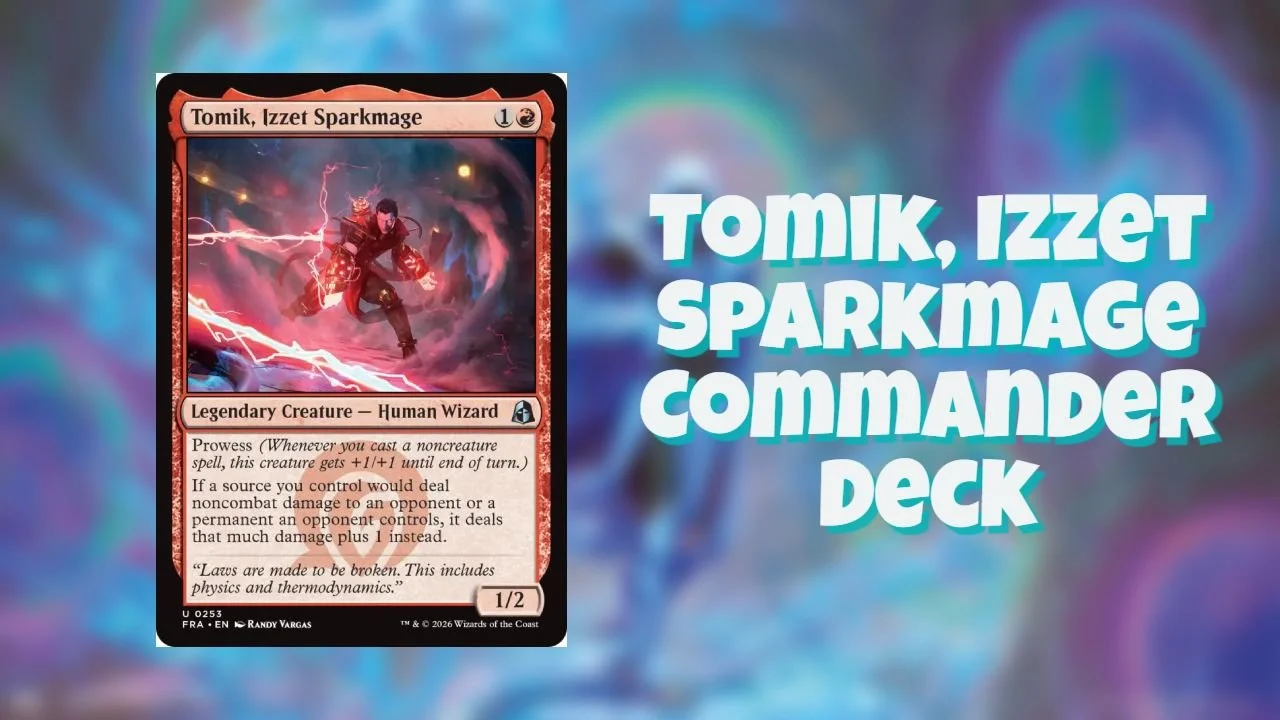
Secrets of Strixhaven has quickly become one of the most exciting Magic sets of the year, especially for Commander players. Between splashy limited cards, strange new build-around legends, and plenty of cards that feel ready to shake up deckbuilding conversations, the set has a lot to dig into. But among everything revealed, the founding Elder Dragons of each Strixhaven school are easily some of the biggest standouts.
After starting this deck tech series with Witherbloom, the Balancer, it is time to move from Golgari value to Simic inevitability with Quandrix, the Proof. While Witherbloom turns creatures into a resource for massive spell discounts, Quandrix takes a much more familiar Simic route: ramp hard, cast huge spells, and use Cascade to make every big play even bigger.
At first glance, Quandrix may be the most straightforward of the five Elder Dragons, but that does not make it boring. Sometimes the scariest commander at the table is not the one doing the strangest thing. Sometimes it is the one doing exactly what Simic already loves to do, only with free spells attached.
Commander Overview
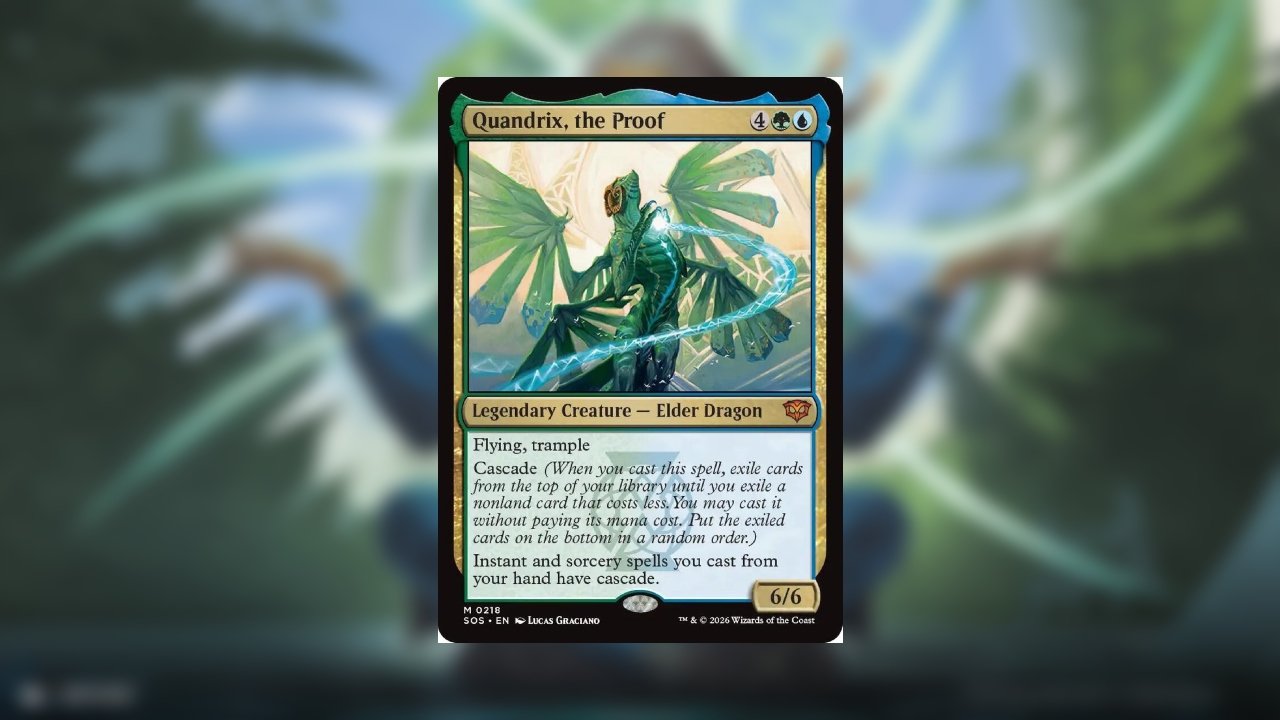
Quandrix, the Proof is an Elder Dragon commander in Simic colors, and out of the five founding Dragons, I think it is the one that most closely matches what its color pair usually wants to do. Simic has always been about ramp, +1/+1 counters, card draw, and giant creatures. That is not changing here.
What makes Quandrix different from a more traditional Simic commander is Cascade.
Quandrix has Cascade itself, which already helps soften the blow of casting a big commander. More importantly, it gives all of your instants and sorceries Cascade as well. That means every big spell in your deck can potentially bring another spell along with it for free.
That sounds simple, but it does create an interesting deckbuilding challenge. You want to ramp quickly, but you do not want to overload the deck with too many cheap ramp spells, because those become bad Cascade hits later in the game. Early on, a card like Growth Spiral, Nature’s Lore, or Three Visits is exactly what you want. Later, when you are cascading off a massive spell, hitting one of those can feel pretty underwhelming.
Because of that, Quandrix wants balance. You need enough early ramp to reach your expensive spells, but not so much that your Cascade triggers whiff into cards that no longer matter.
Main Deck Strategy
The main goal of a Quandrix, the Proof deck is to ramp early, cast high-mana-value spells ahead of schedule, and use Cascade to bury the table in free value. Unlike Witherbloom, which cares about building a wide creature board to discount spells, Quandrix cares more about making sure the top of your deck is filled with meaningful hits.
You do not want to cast a huge spell, trigger Cascade, and flip into something that barely affects the game. You want your Cascade triggers to hit ramp early, value in the midgame, and more threats or setup pieces once you are ready to close.
Cascade as often as possible
With Quandrix on the field, your instants and sorceries become much more dangerous. Every expensive spell turns into two spells. Sometimes that second spell is ramp. Sometimes it is card draw. Sometimes it is another big value piece that pushes you even further ahead.
The deck wants to take advantage of this by casting at least one meaningful spell every turn cycle once Quandrix is online. That does not mean you need to blow through your hand recklessly, but it does mean you should be building toward turns where every spell creates a chain reaction.
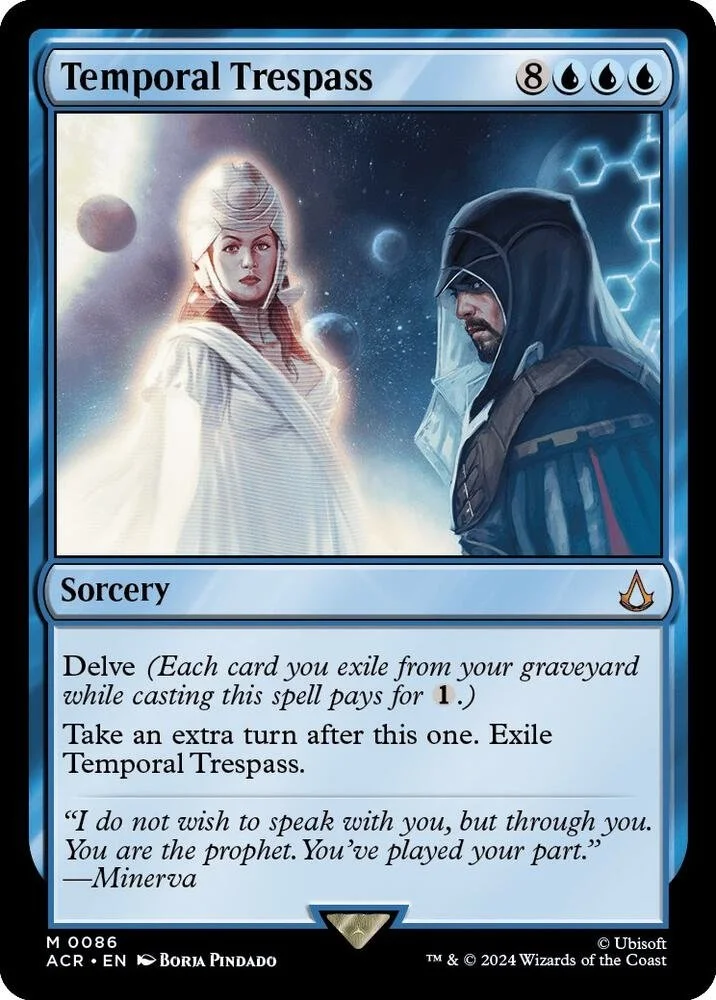
A card like Mnemonic Deluge is already a massive late-game play, but with Quandrix, it also comes with Cascade. That means you are not just copying spells from graveyards; you are also getting another free spell before Mnemonic Deluge even resolves. The same idea applies to huge spells like Temporal Trespass, which can give you an extra turn while also cascading off its full mana value.
Cast Big Spells And Cheat Out Free Spells
Quandrix rewards you for playing high-mana-value instants and sorceries. That does not mean every expensive spell is automatically good, but it does mean you should be looking for cards that have a strong effect and a large Cascade window.
The best spells in this deck are the ones that feel good to cast on their own and even better when they bring something else with them. Extra turn spells, big card draw, massive ramp effects, copy spells, and game-ending haymakers all become more threatening when Cascade is attached.
That is where Quandrix starts to feel unfair. You are not just spending seven or eight mana on one spell. You are spending that mana on one spell plus whatever free spell comes with it. If you build the deck correctly, those free spells should keep moving your game plan forward.
Ramp Fast
Ramp is still incredibly important. This is Simic, after all. You need to get to your big spells quickly, and you need enough mana to keep casting meaningful cards once Quandrix is in play.
Cards like Growth Spiral, Three Visits, and Nature’s Lore are great because they help you get started early. The trick is not flooding the deck with too many low-impact ramp spells. If your deck is packed with cheap ramp, your early turns may feel smooth, but your late-game Cascade triggers can become disappointing.
The goal is to run enough ramp to function, then fill the rest of the deck with spells that are exciting to hit off Cascade. Quandrix wants to ramp, but it does not want to become a deck where every free spell is just another basic setup piece.
Best Cards for a Quandrix, the Proof Commander Deck
For this deck, you really want cards that fall into a few key categories: early ramp, high-mana-value Cascade payoffs, Cascade support, and game-ending threats. Quandrix wants to ramp quickly, but once the commander is online, every spell you cast should either create a strong Cascade trigger, help you chain into more value, or move you closer to ending the game.
Best Ramp Cards
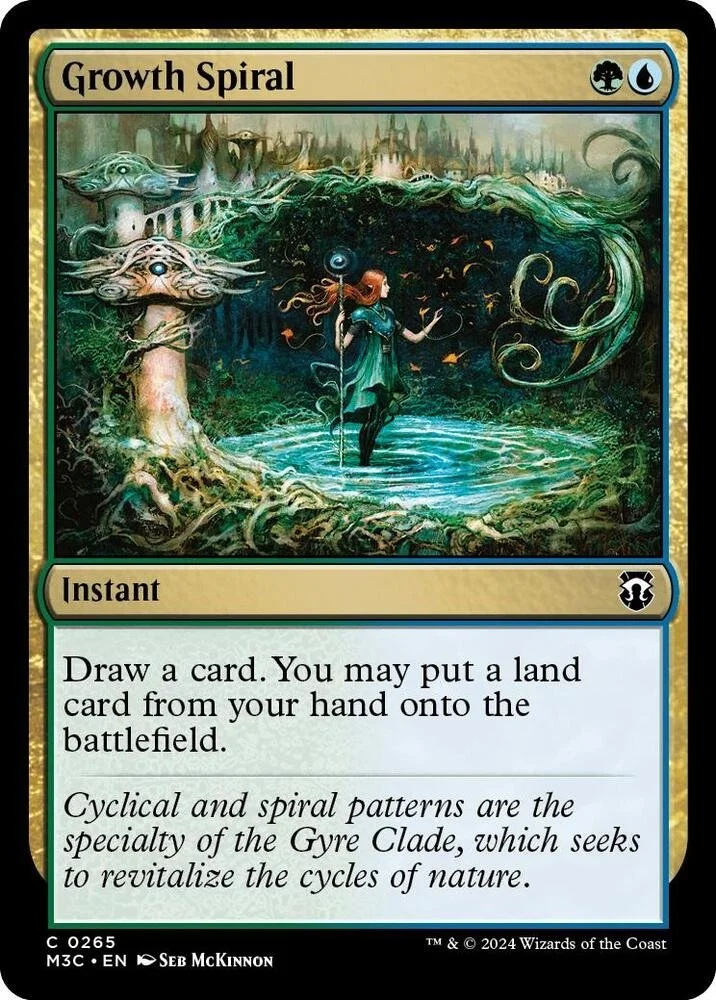
Growth Spiral - This is a great early-game ramp spell because it replaces itself and can put an extra land onto the battlefield. It is not the most exciting Cascade hit later, but it helps get the deck moving early.
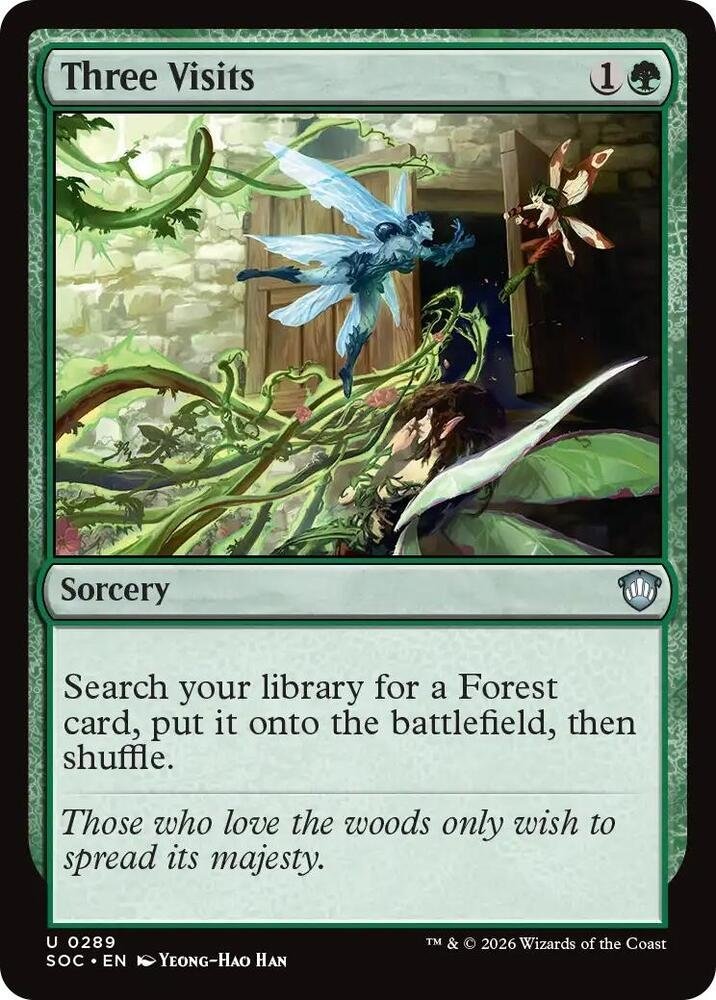
Three Visits - Efficient two-mana ramp is exactly what Quandrix wants in the opening turns. Three Visits helps fix your colors and gets you closer to your bigger spells.
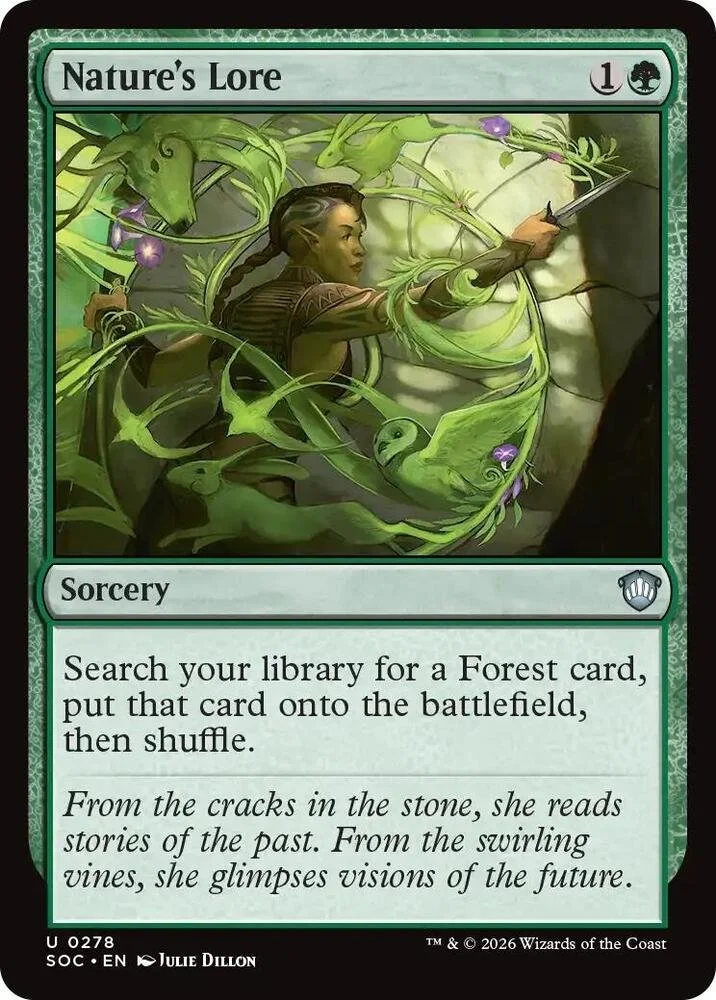
Nature’s Lore - Much like Three Visits, Nature’s Lore is cheap, efficient, and helps you ramp without falling behind. These early ramp spells are important, but you do not want too many of them because they can become weak Cascade hits later.
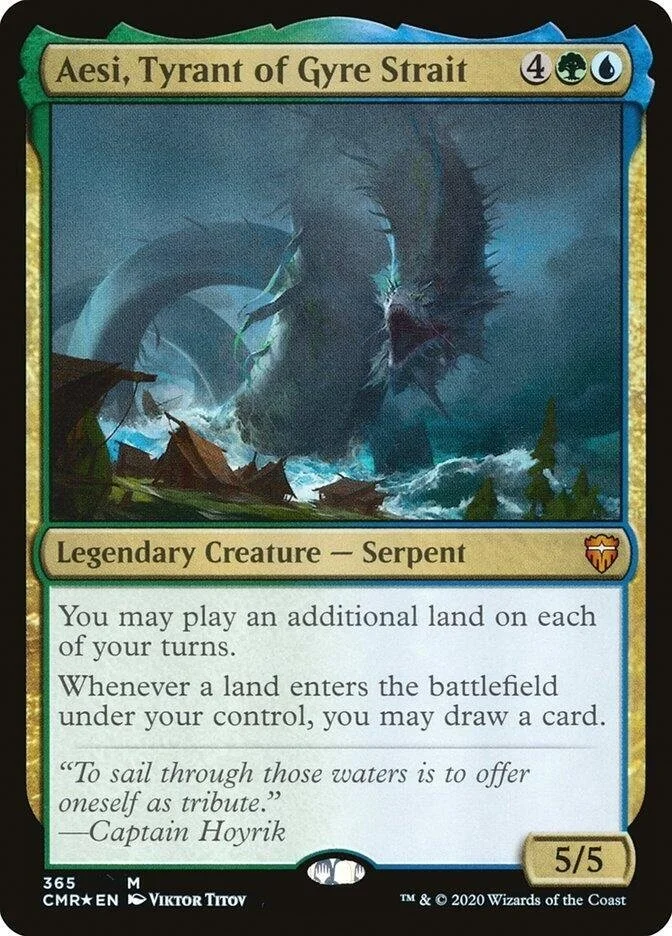
Aesi, Tyrant of Gyre Strait - Aesi is ramp and card draw in one massive package. It gives you extra land drops and rewards you for playing lands, which is exactly what this deck wants once it starts trying to chain big spells together.
Best High-Mana-Value Cascade Payoffs
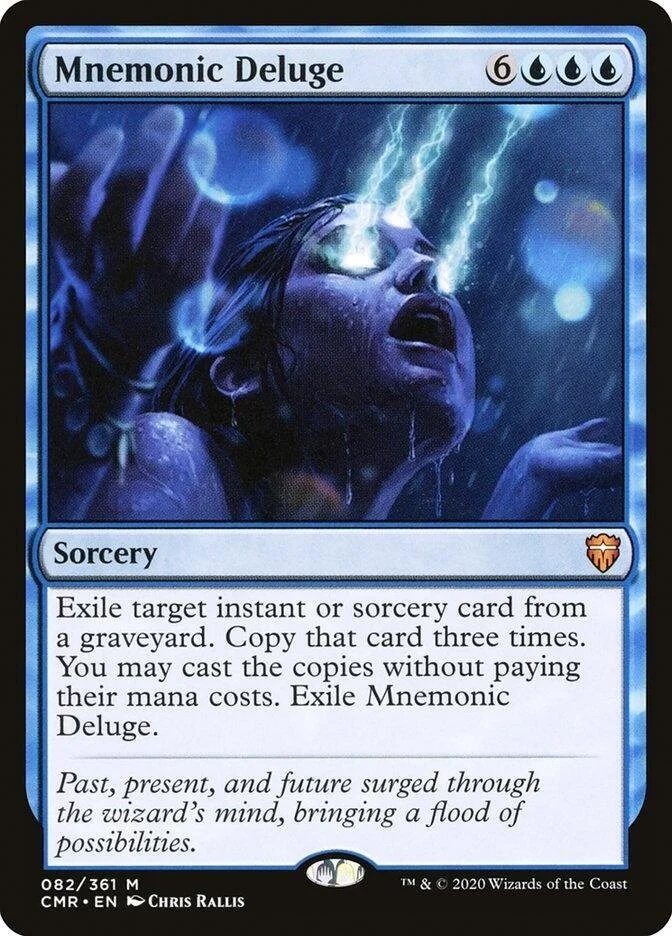
Mnemonic Deluge - This is expensive, but that is exactly why it works here. Mnemonic Deluge gives you a huge Cascade trigger and can copy an instant or sorcery from a graveyard three times. It is the kind of spell that can completely swing a game once Quandrix is on the battlefield.
Temporal Trespass - Temporal Trespass is one of the best examples of a spell that works beautifully with Cascade. Delve can help reduce what you actually pay, but the card still has a huge mana value, meaning Quandrix still gives you a massive Cascade trigger.
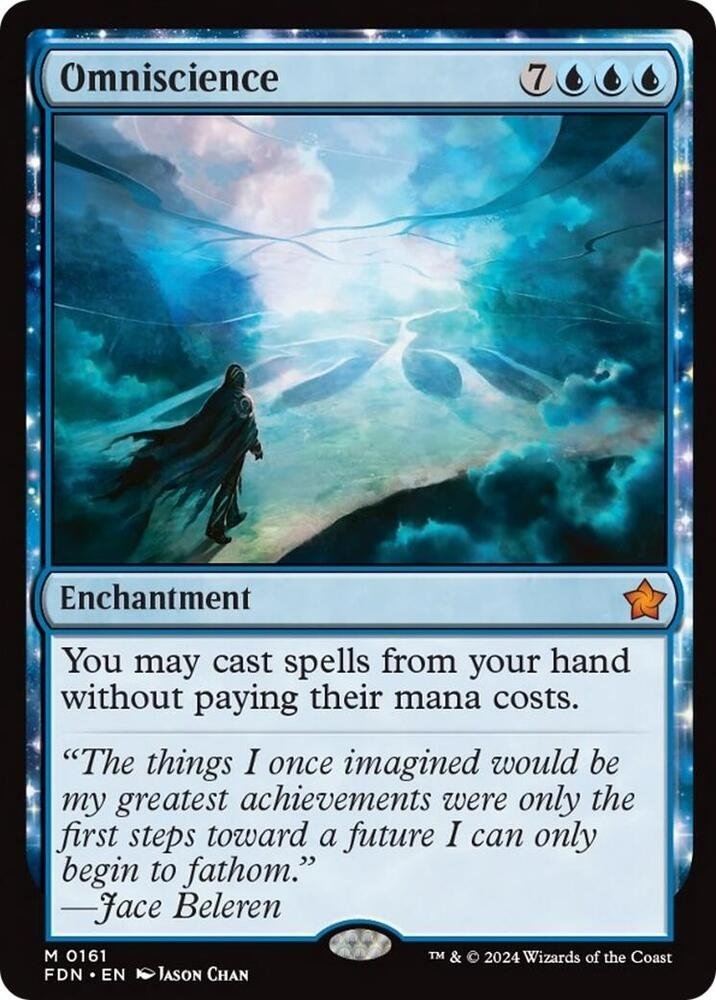
Omniscience - Omniscience is not an instant or sorcery, but it is one of the best high-end payoffs for the entire deck. Once your spells are free, Quandrix can start turning every instant and sorcery into a Cascade chain that quickly overwhelms the table.
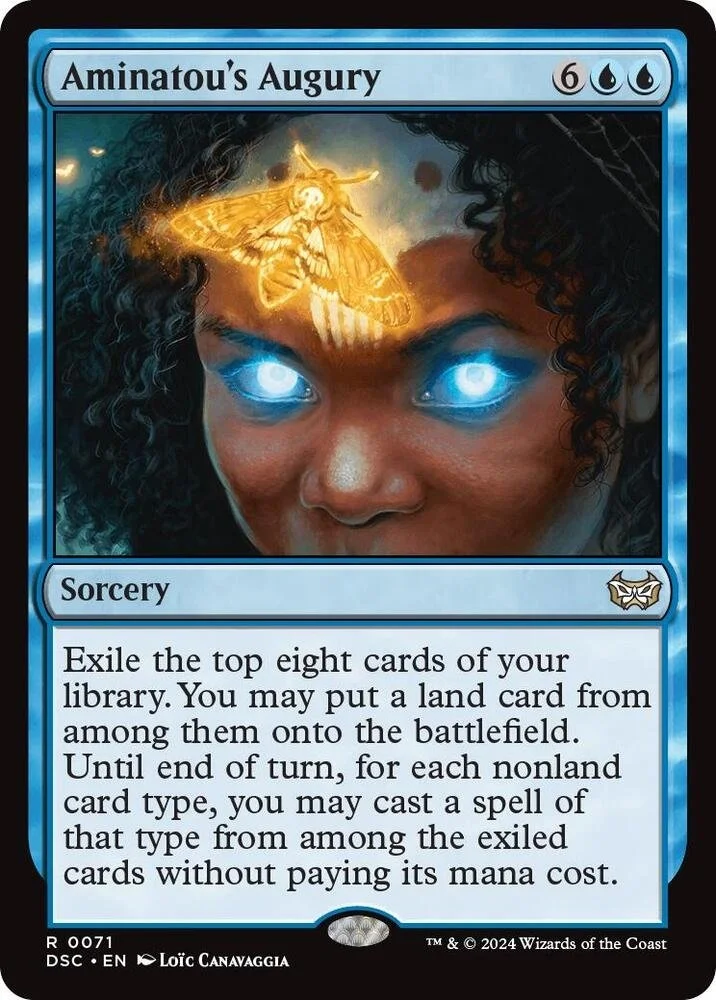
Aminatou’s Augury - This is a big, splashy spell that fits perfectly in a deck trying to win through overwhelming value. It can cast multiple spells for free and gives Quandrix another huge Cascade trigger when you cast it.
Best Cascade Support Cards
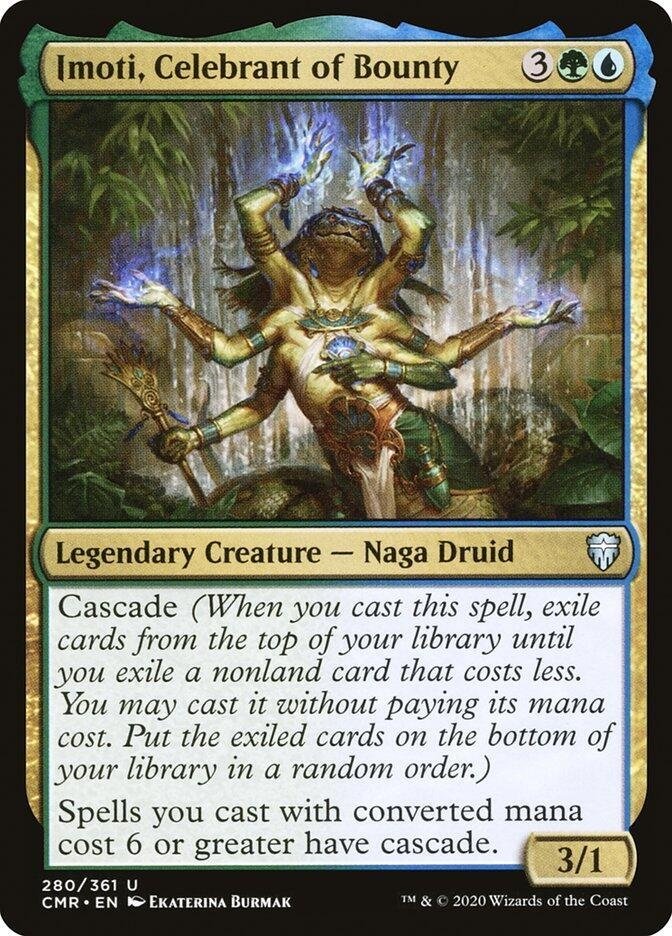
Imoti, Celebrant of Bounty - Imoti helps double down on the Cascade plan. Quandrix gives your instants and sorceries Cascade, while Imoti gives your expensive spells even more Cascade pressure. Together, they can turn one big play into a chain of free spells.
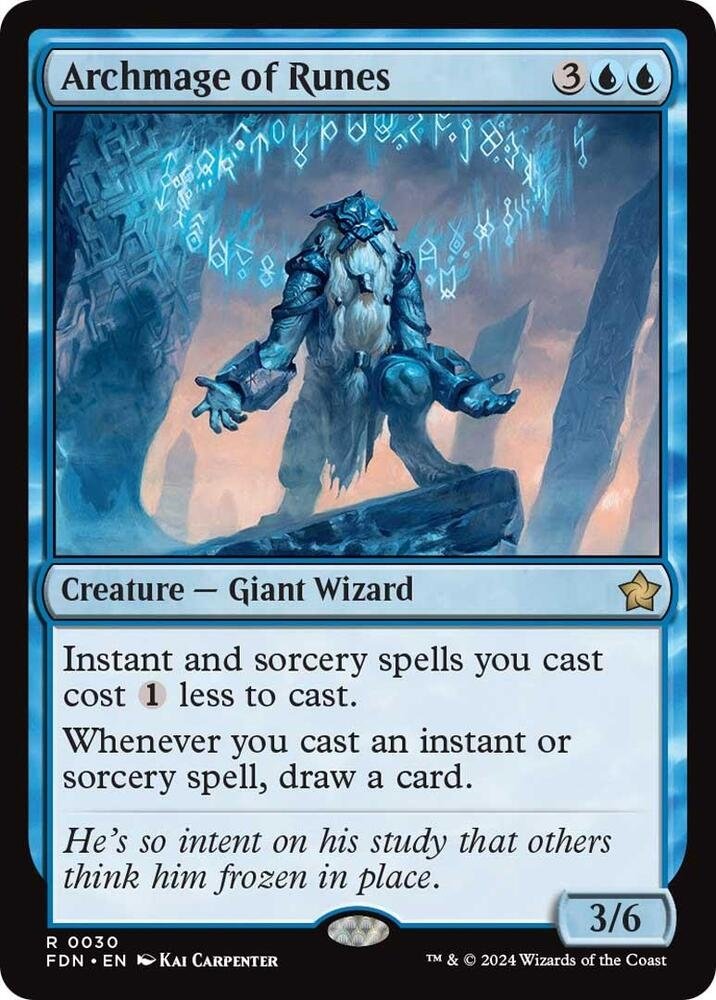
Archmage of Ruins - Archmage of Ruins helps you cast your bigger spells more easily, which is exactly what Quandrix wants. Anything that makes your expensive spells more manageable is worth considering in a deck built around high-mana-value plays.
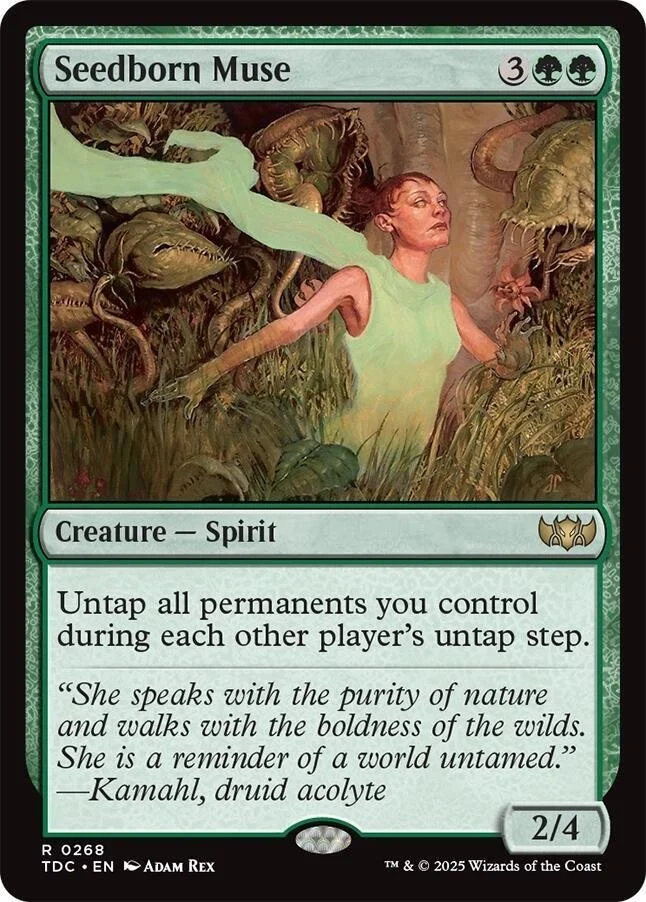
Seedborn Muse - Seedborn Muse does not directly add Cascade, but it lets you become a problem on every turn. Untapping your mana during each other player’s turn means you can cast instant-speed spells, hold up interaction, and keep generating value around the table.
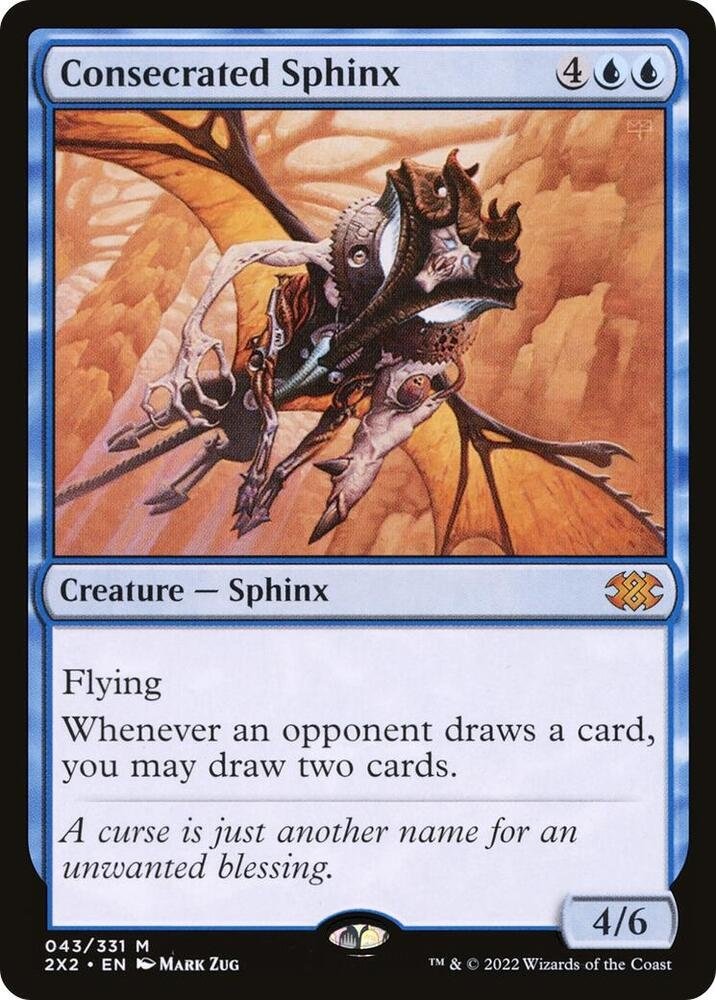
Consecrated Sphinx - Quandrix wants a full hand because the deck is trying to cast big spells over and over again. Consecrated Sphinx gives you the card draw needed to keep those Cascade turns going.
Best Finishers
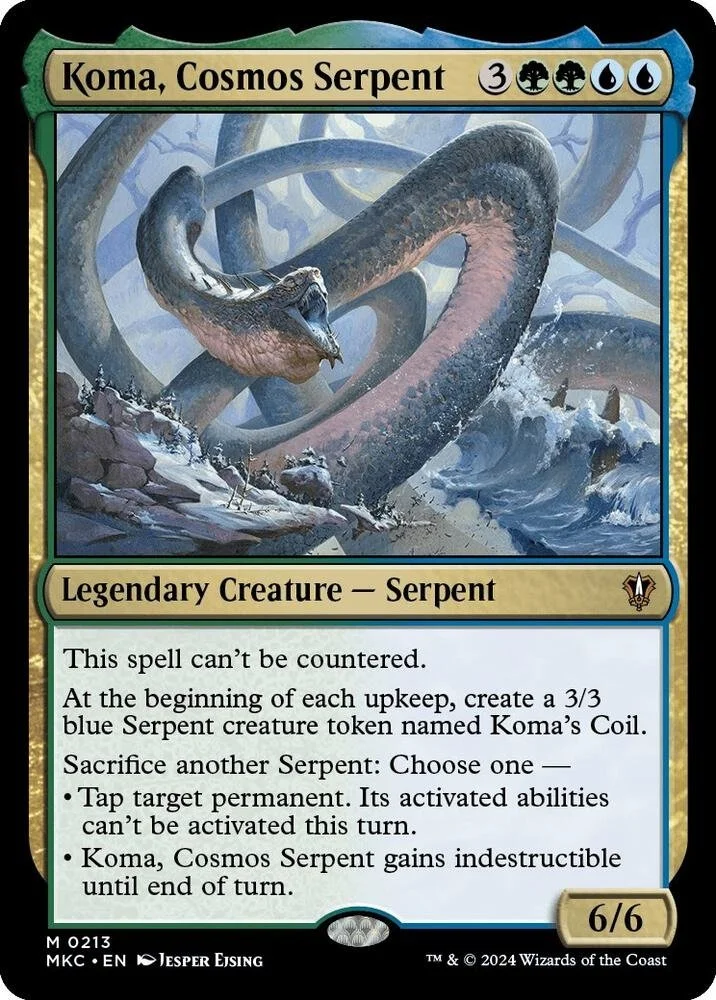
Koma, Cosmos Serpent - Koma is a massive Simic threat that can take over games if it survives. It creates a steady stream of Serpents, protects itself, and gives the deck a powerful creature-based finisher.
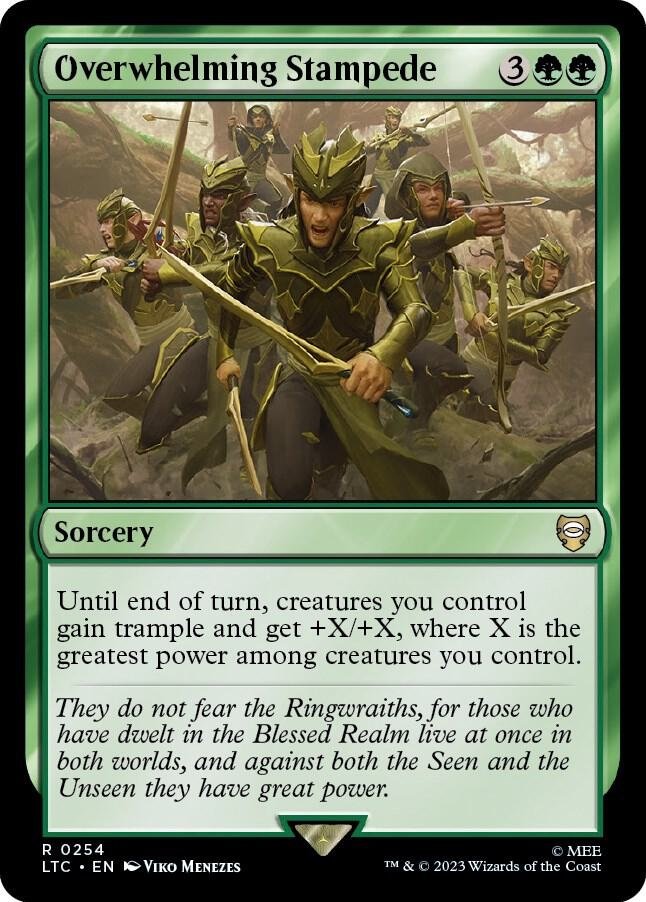
Overwhelming Stampede - If your board is full of big Simic creatures or tokens from cards like Koma and Aesi, Overwhelming Stampede can end the game quickly.
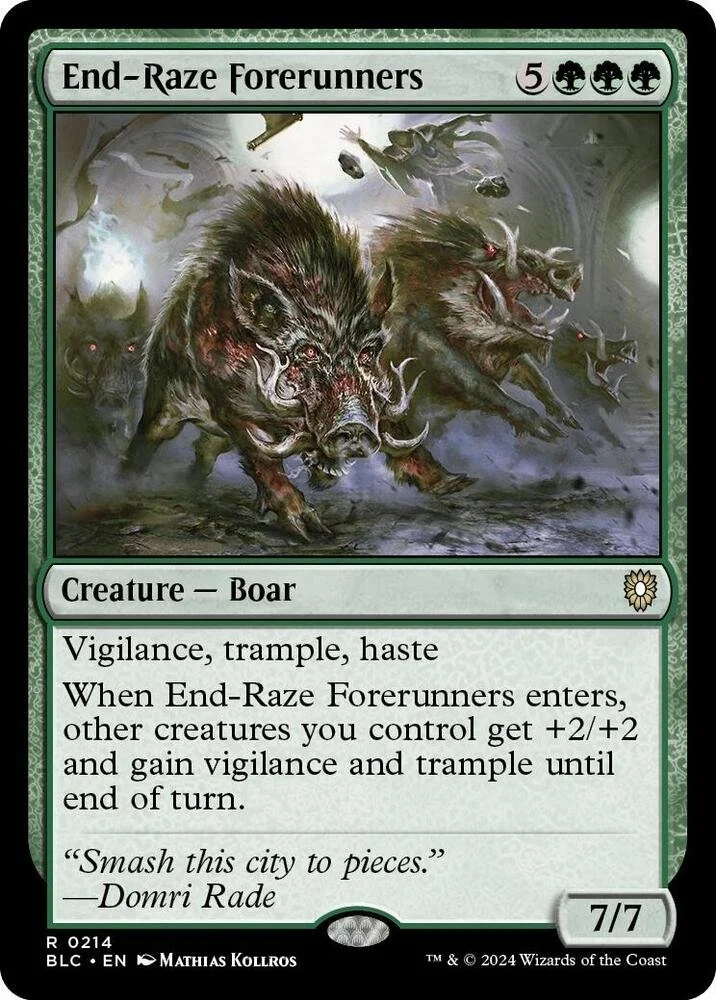
End-Raze Forerunners - This is a budget-friendly Craterhoof-style finisher that gives your board trample, vigilance, and a huge power boost. It is a great way to turn your ramp and creature value into an actual win.
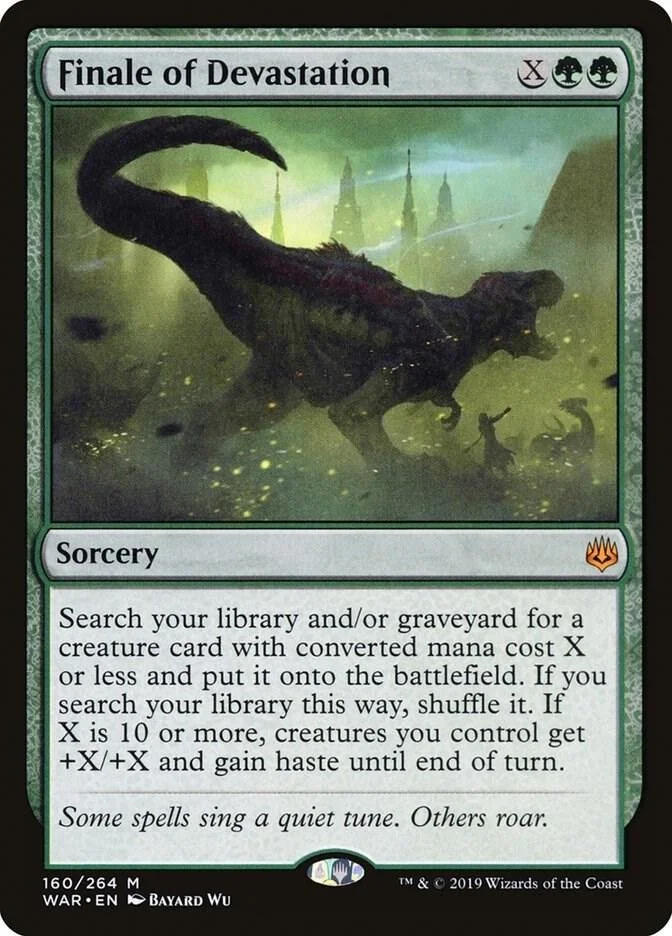
Finale of Devastatio - Finale can find an important creature early or end the game later when X is high enough. It is also one of the cleanest ways to turn all that Simic mana into a lethal swing.
Key Synergies And Combos
Quandrix does not need to be built as a hard combo deck to be powerful. A lot of the deck’s strength comes from stacking value until it becomes impossible for the table to keep up. That said, there are a few synergies that are worth building around.
Quandrix + High-Mana-Value Spells
This is the main synergy of the deck. Every expensive instant or sorcery becomes a way to cheat another spell into play. The higher the mana value, the more likely you are to hit something meaningful.
That is why the deck wants big spells that are still useful when you actually cast them. You do not want expensive cards just for the sake of Cascade. You want expensive cards that are already good, then let Quandrix turn them into even more value.
Quandrix + Temporal Trespass
Delve works especially well with Cascade because reducing the amount of mana you actually pay does not reduce the card’s mana value. That makes Temporal Trespass a fantastic payoff. You can exile cards from your graveyard to help cast it, take an extra turn, and still get a huge Cascade trigger.
That is the kind of efficiency Quandrix is looking for.
Quandrix + Imoti, Celebrant Of Bounty
If Quandrix is giving your instants and sorceries Cascade, and Imoti is adding more Cascade pressure to your expensive spells, your turns can start getting out of hand quickly. The more high-mana-value cards you play, the more likely you are to chain into additional spells and bury the table in advantage.
Quandrix + Seedborn Muse
Seedborn Muse does not directly interact with Cascade, but it lets you become a problem on every turn. Untapping your lands and creatures during each other player’s untap step means you can hold up interaction, flash-speed plays, or instant-speed spells that trigger Cascade once Quandrix is on the field.
If the deck has enough instant-speed action, Seedborn Muse can make it feel like you are playing a completely different game than everyone else.
Quandrix + Omniscience
Once Omniscience is out, the deck can go from dangerous to completely absurd. Casting spells for free is already powerful, but when your instants and sorceries also have Cascade, every free spell can lead to another free spell. This is one of the biggest reasons Omniscience works as a true game ender in the deck.
Budget Options for a Quandrix, the Proof Commander Deck
A budget Quandrix deck is actually pretty easy to build conceptually. You need cheap ramp to get started, then high-mana-value spells that feel good to Cascade from or into.
The trick is not necessarily finding the most expensive Simic staples. The trick is finding big spells that actually matter.
Any high CMC spells
For budget high-mana-value spells, you can look at big draw spells, large creature makers, extra land spells, or splashy effects that help you pull ahead. Cards like Aetherspouts, Aetherize, Stormkeld Vanguard, Colossal Skyturtle, Return of the Wildspeaker, Rishkar’s Expertise, Sea Gate Restoration, Whelming Wave, Clone Legion, and Aminatou’s Augury can all be fun options depending on your build and budget.
Traditional Simic Ramp
For ramp, you can use traditional Simic options like Rampant Growth, Cultivate, Kodama’s Reach, Growth Spiral, Explore, Nature’s Lore, Three Visits, and mana creatures like Llanowar Elves, Elvish Mystic, or Kiora’s Follower. Just remember that cheap ramp is better early than late, so do not let the deck become too overloaded with low-impact setup cards.
Budget Finishers
For finishers, you can stick with classic Simic closers like Overwhelming Stampede, End-Raze Forerunners, Koma, Cosmos Serpent, Rampaging Baloths, or any big creature package that rewards you for having a ton of mana. Quandrix does not need every finisher to be fancy. Sometimes you just need to make a giant board and hit everyone really hard.
High-Power Cards For a Quandrix, the Proof Commander Deck
If you want to push Quandrix harder, there are some obvious high-power cards that make the deck significantly more threatening.
Seedborn Muse - Seedborn Muse lets you become a problem on every turn. If you have enough instant-speed spells or activated abilities, this card gives you access to your mana again and again. With Quandrix out, being able to cast meaningful instants with Cascade on other players’ turns can make you extremely difficult to keep up with.
Consecrated Sphinx - Consecrated Sphinx is one of the strongest draw engines you can run. Quandrix wants a full hand because the deck is trying to cast large spells over and over again. Consecrated Sphinx helps make sure you do not run out of gas.
Aesi, Tyrant Of Gyre Strait - Aesi, Tyrant of Gyre Strait gives the deck more ramp and more card draw, which is exactly what Simic wants. Playing extra lands while drawing cards from landfall helps you keep building toward your biggest turns.
Omniscience - If you want a high-power game ender, Omniscience is one of the clearest options. Casting spells for free with Quandrix on the field can lead to nonstop Cascade triggers, and once that engine starts, the game can end very quickly.
Tutors And Topdeck Control


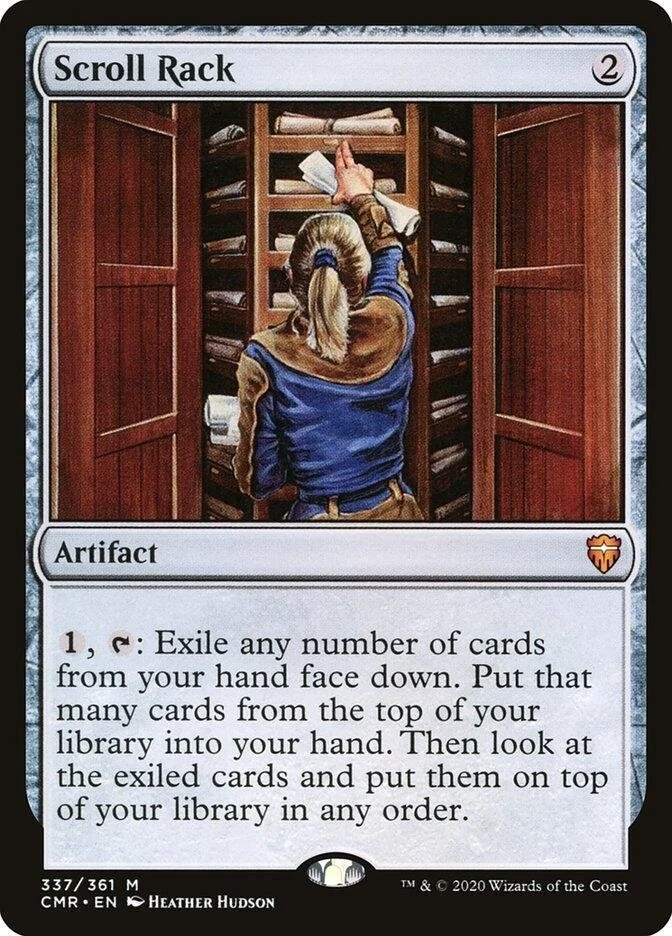
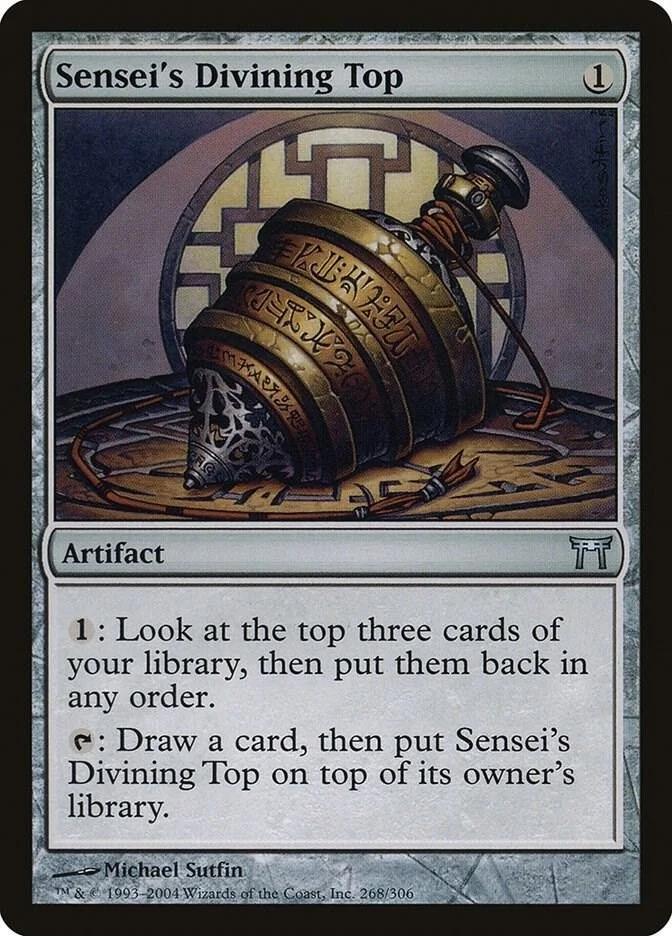
Because Cascade cares about what you reveal from the top of your library, cards that help manipulate the top of your deck become stronger here. Effects like Mystical Tutor, Worldly Tutor, Scroll Rack, Sensei’s Divining Top, or other topdeck setup pieces can make your Cascade triggers much more reliable.
This is where the deck starts to move from “big Simic value” into something much more deliberate and powerful.
Cards to avoid when building for Quandrix, the Proof
Since Quandrix can have you casting spells at an accelerated rate, the cards you avoid matter almost as much as the cards you include. Cascade is powerful, but it also punishes sloppy deckbuilding.
Too Many Cheap Spells Outside Of Ramp
Cheap ramp is necessary, but too many cheap spells can make your late-game Cascade triggers feel terrible. If you cast a huge spell and Cascade into a one-mana cantrip or a ramp spell you no longer need, that trigger did not do much.
You still need early plays, but every cheap card should justify its spot. If it is not helping you ramp, fix your mana, protect your board, or set up your future turns, it might not be worth the risk.
Cheap Creatures That Do Not Matter
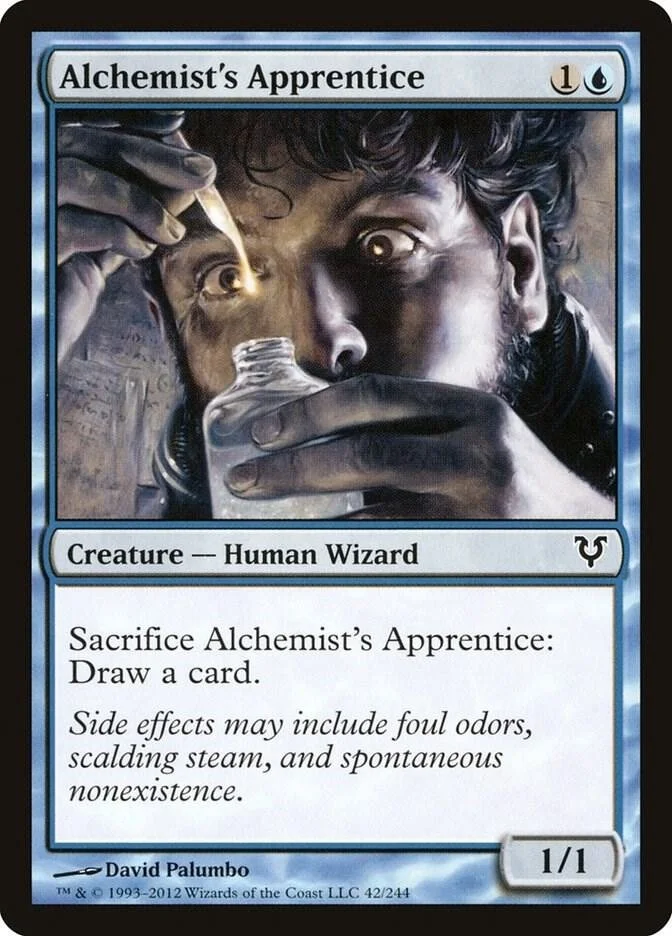
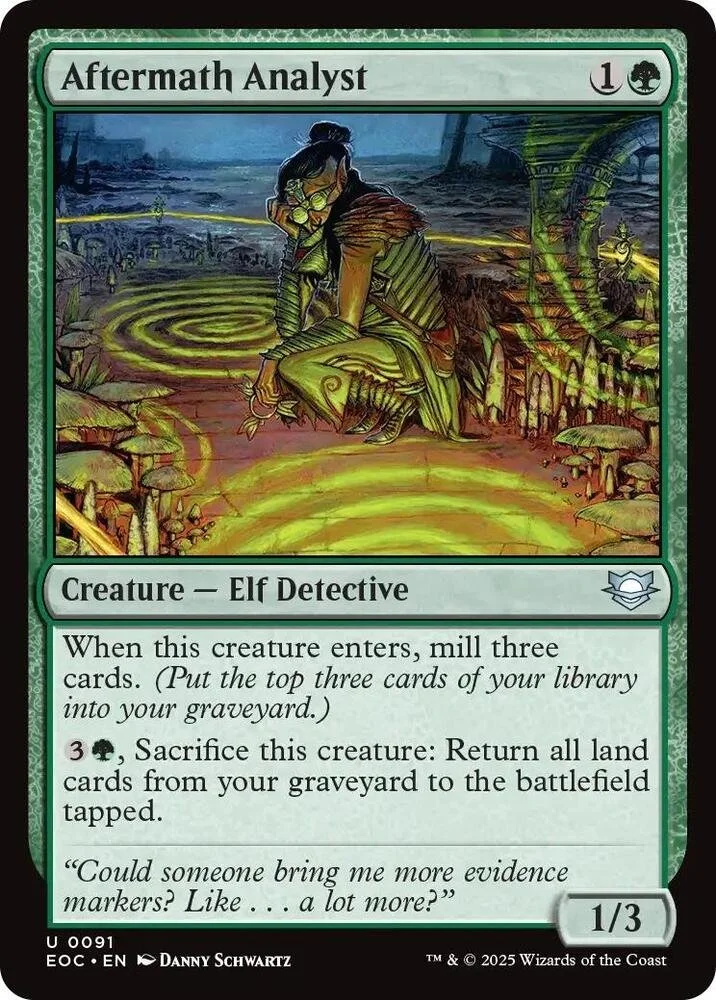
Small utility creatures can be fine, but Quandrix is not really trying to flood the board with tiny creatures. This deck wants to ramp into huge spells and threats. If a cheap creature does not ramp, draw cards, manipulate the top of your library, or support your big-spell plan, it probably does not need to be here.
X-Spells That Need Extra Mana To Matter
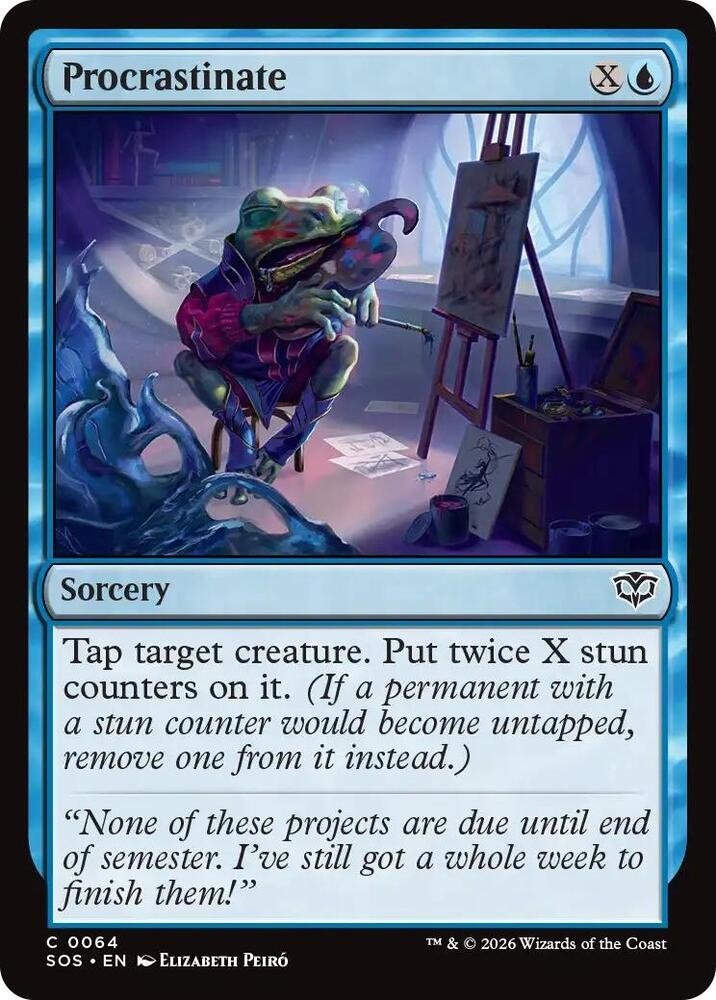
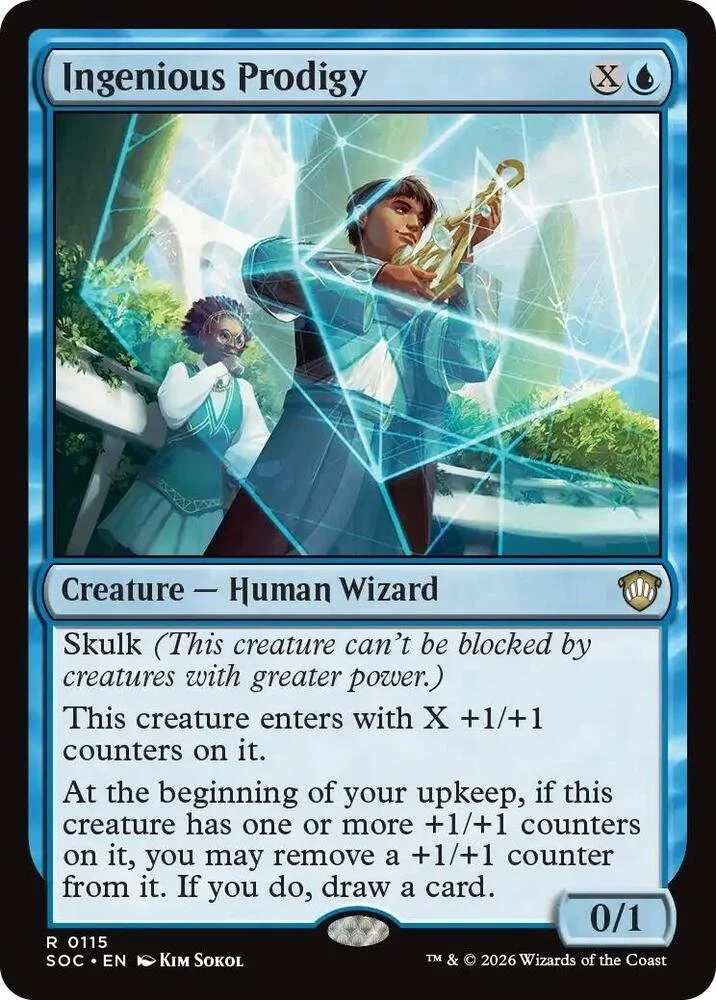
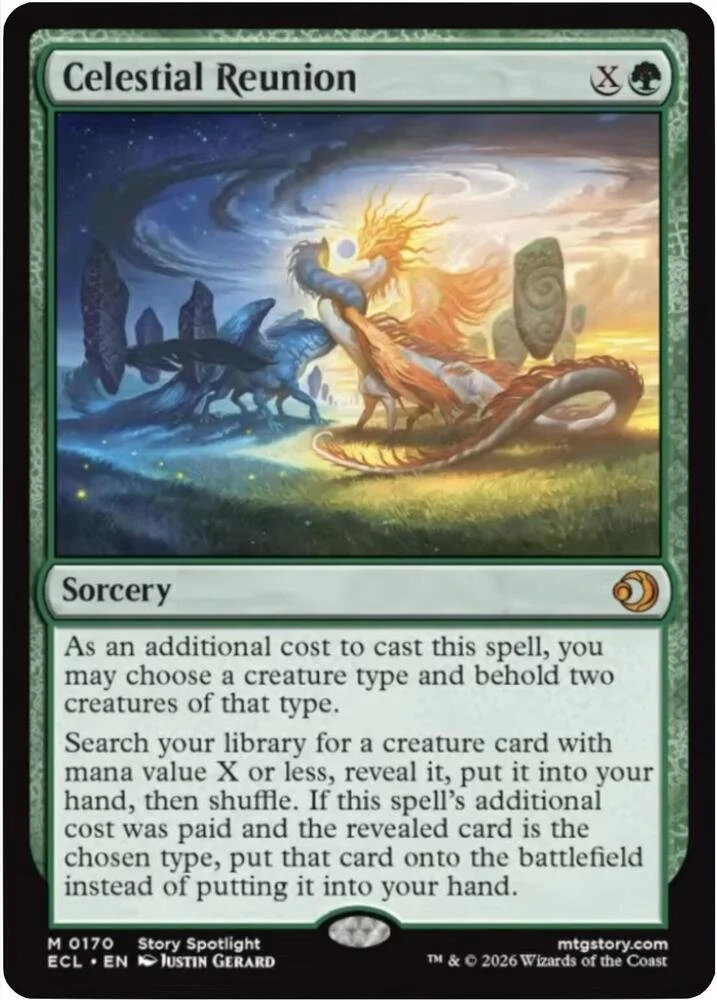
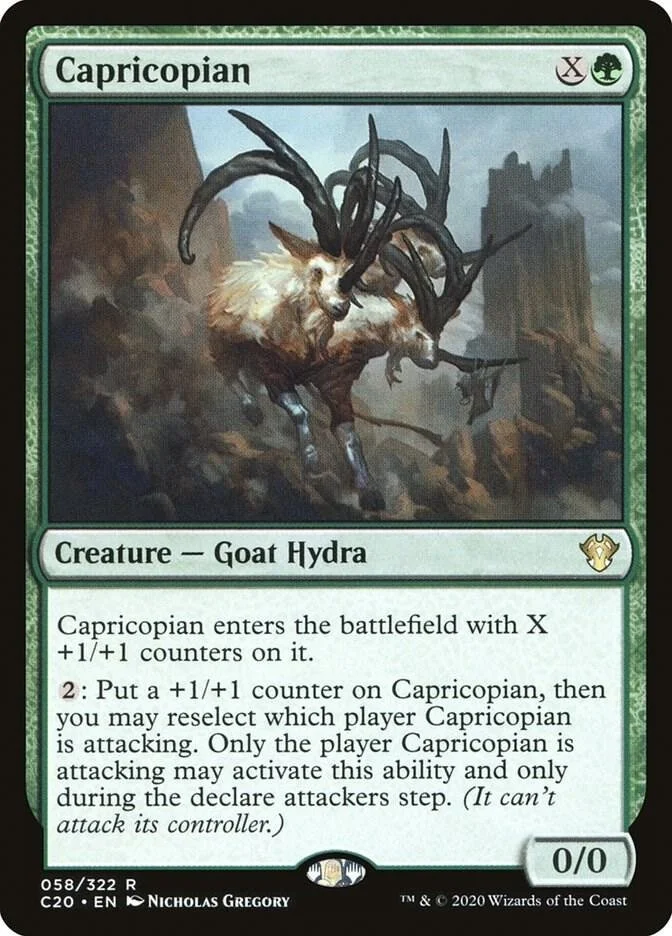
X-spells are tricky with Cascade. If you Cascade into an X-spell and cast it without paying its mana cost, X is usually zero. That means some X-spells become terrible Cascade hits unless they have a specific reason to be in the deck.
That does not mean every X-spell is unplayable, but you should be very careful. If the card is only good when you pour a ton of mana into X, it may not fit as cleanly as it would in another Simic deck.
Counterspells And Timing-Sensitive Interaction
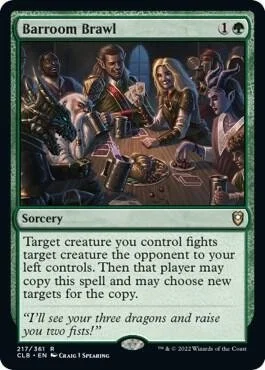
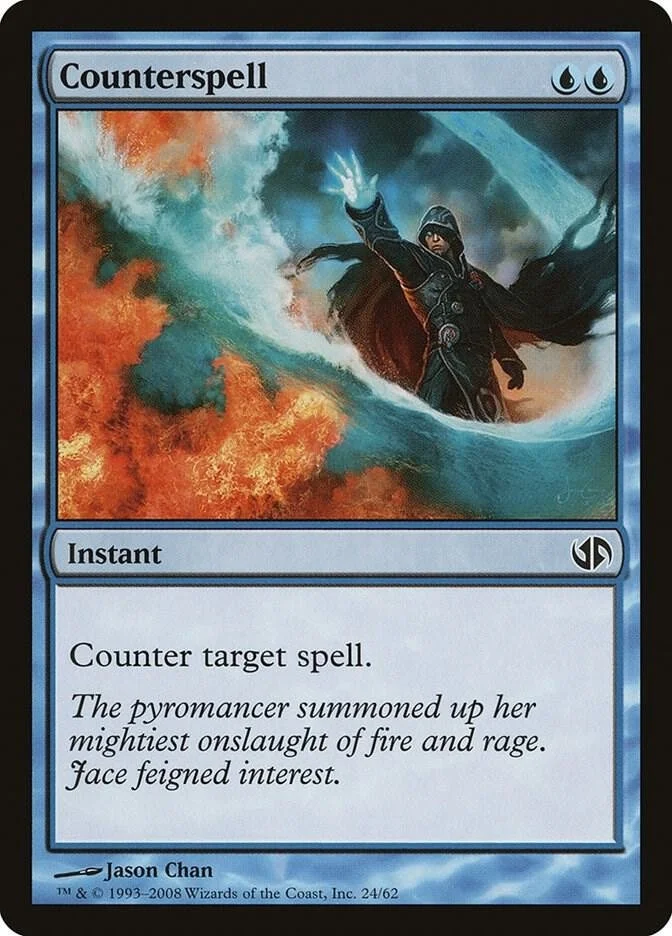
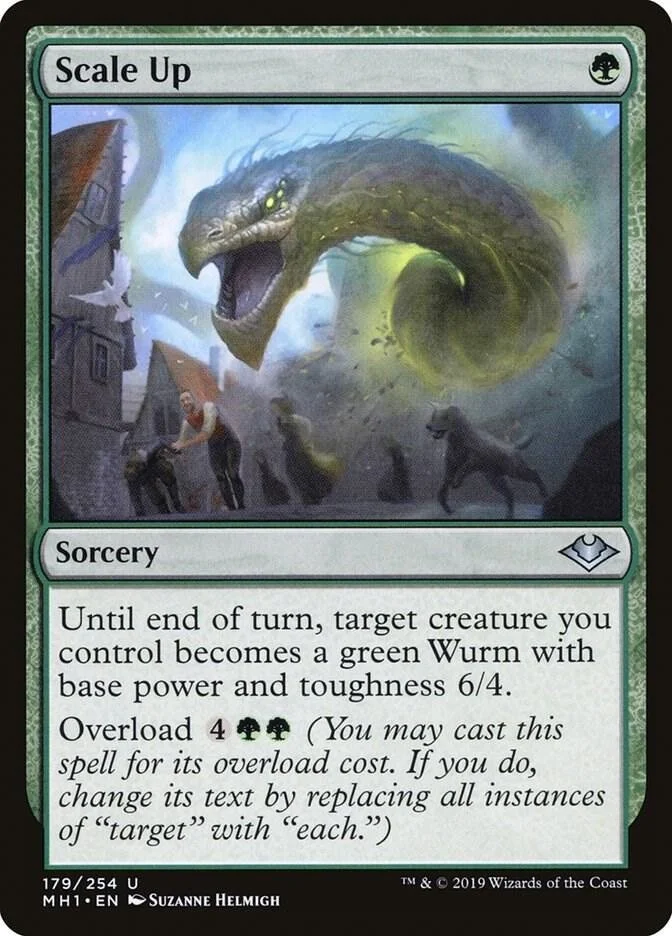
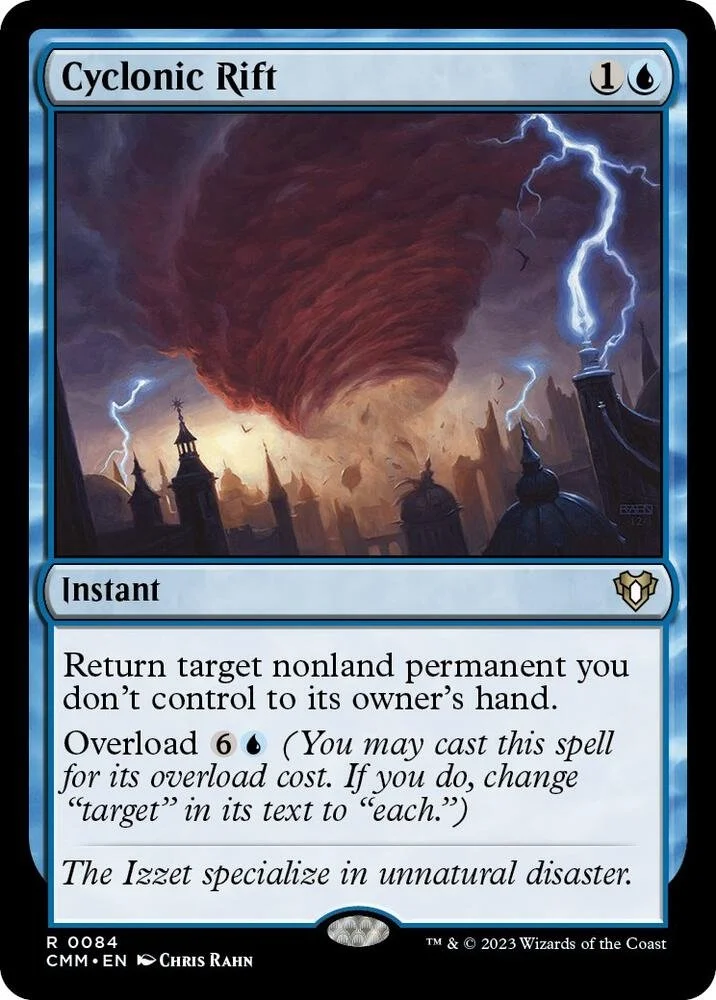
Counterspells are weird in Cascade decks because timing matters. You do not want to Cascade into a counterspell when there is nothing useful to counter. The same goes for interaction that only works in very specific moments.
That does not mean you should run zero interaction, but you should prioritize flexible cards that are not embarrassing when hit off Cascade. Interaction that can bounce, remove, draw, or answer a broad range of threats is usually better than narrow counterspells that only work when cast at the perfect time.
How This Deck Wins
Quandrix wins in classic Simic fashion: by becoming inevitable.
You ramp early, start casting high-mana-value spells, and use Cascade to keep generating more value than everyone else at the table. Eventually, you reach a point where every spell is doing too much. You are drawing cards, taking extra turns, putting huge creatures into play, and chaining into more free spells.
Combat is still one of the cleanest ways to finish the game. Big creatures, huge boards, and classic Simic stomp effects can close things out quickly. But the deck can also win by locking in a massive value engine with cards like Omniscience, Seedborn Muse, or Consecrated Sphinx. Once you are casting spells for free, cascading into more spells, and refilling your hand, it becomes very hard for opponents to stop the snowball.
Quandrix may be the most “basic” of the Elder Dragons in terms of color identity, but that is not a bad thing. Sometimes Simic does not need to reinvent itself. Sometimes it just needs a Dragon that says, “what if all your big spells came with another spell attached?”
Quandrix, the Proof Cascade Decklist
Example Decklist available here: Quandrix Cascade
Final Thoughts
Quandrix, the Proof may be one of the easiest Elder Dragons to understand, but that simplicity is part of what makes it so appealing. This is a commander that knows exactly what it wants: mana, big spells, and enough card advantage to keep the pressure going long after the rest of the table starts running out of resources.
The challenge is not figuring out whether Quandrix is powerful. The challenge is building the deck carefully enough that your Cascade triggers actually matter. Too many cheap cards can make your big turns feel underwhelming, while too many expensive spells can leave you stumbling before the engine gets started. The best version of the deck lives somewhere in the middle, using early ramp to reach its haymakers and then letting Cascade turn every major spell into a second helping of value.
If Witherbloom is about overwhelming the table with creatures and spell discounts, Quandrix is about becoming inevitable through momentum. Once the deck starts chaining spells together, drawing cards, and dropping massive threats, it can feel like every turn pushes the table further behind.
If competitive Magic is not your thing, you can also check out our Secrets of Strixhaven Horde Mode guide for a more casual way to enjoy the set. You can also keep up with every major TCG, tabletop, board game, and TTRPG release by checking out our 2026 TCG and Tabletop Gaming Release Calendar, which we update throughout the year with new sets, expansions, and upcoming releases.