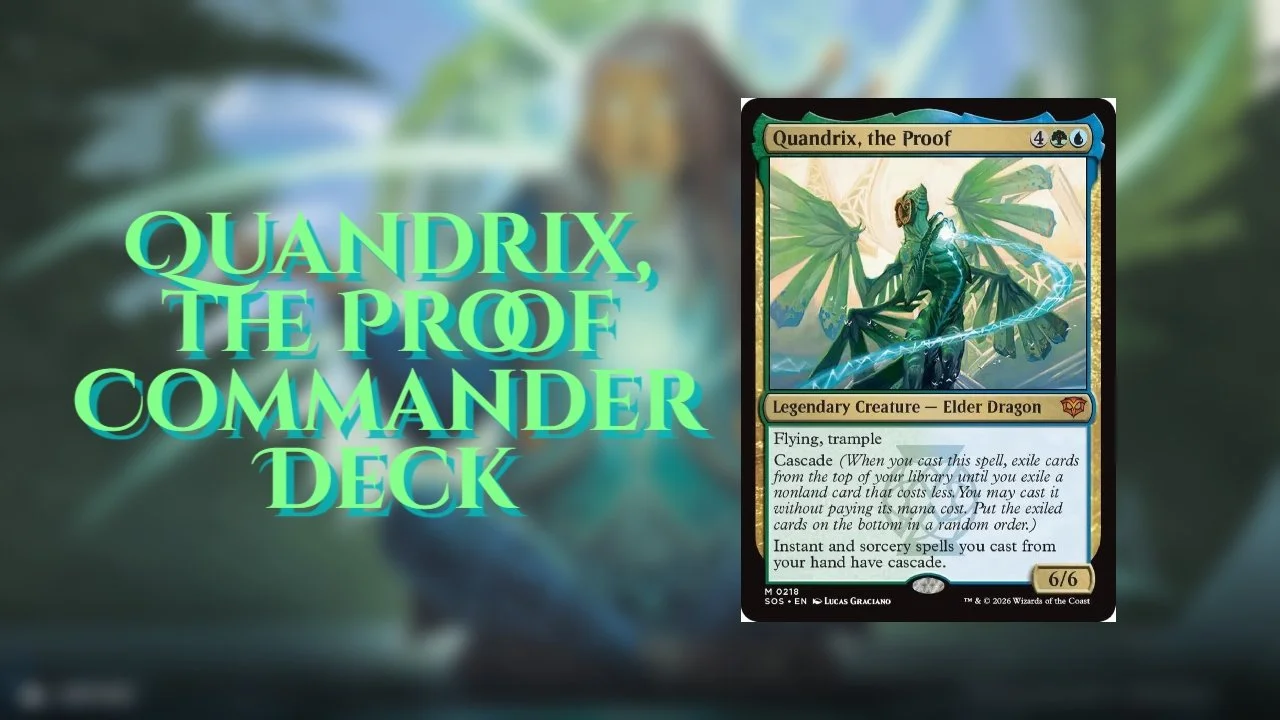
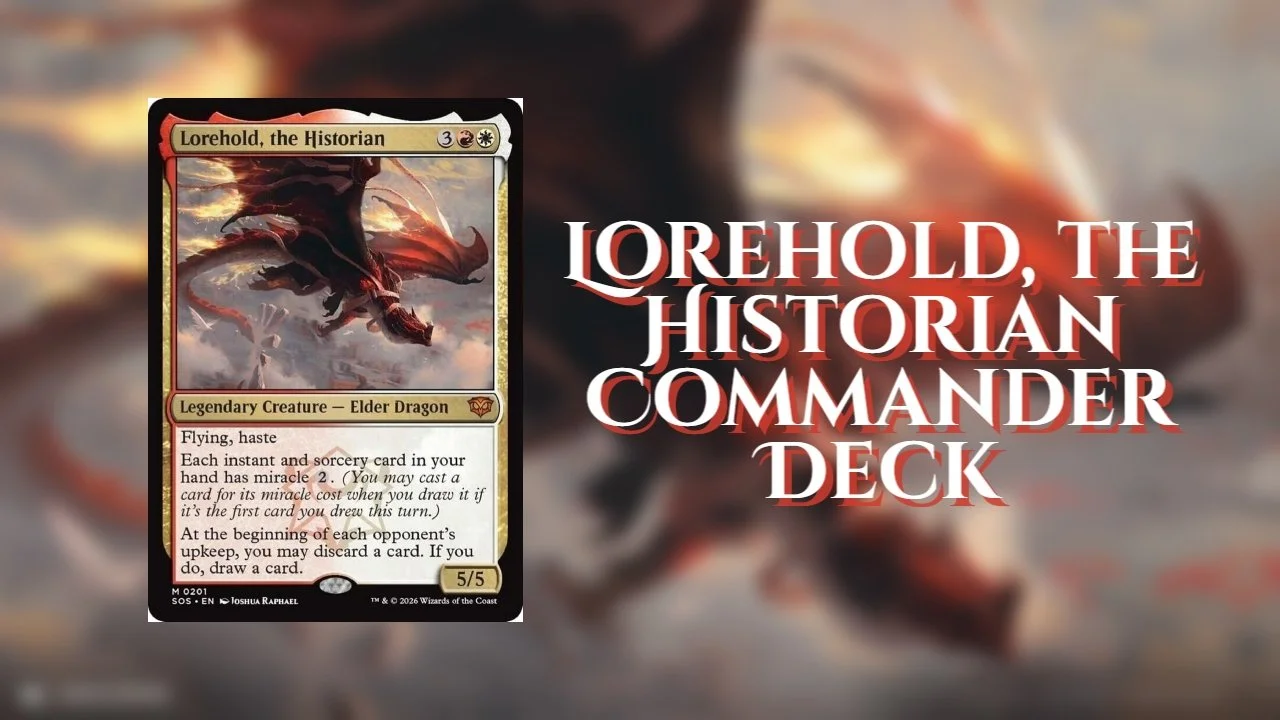
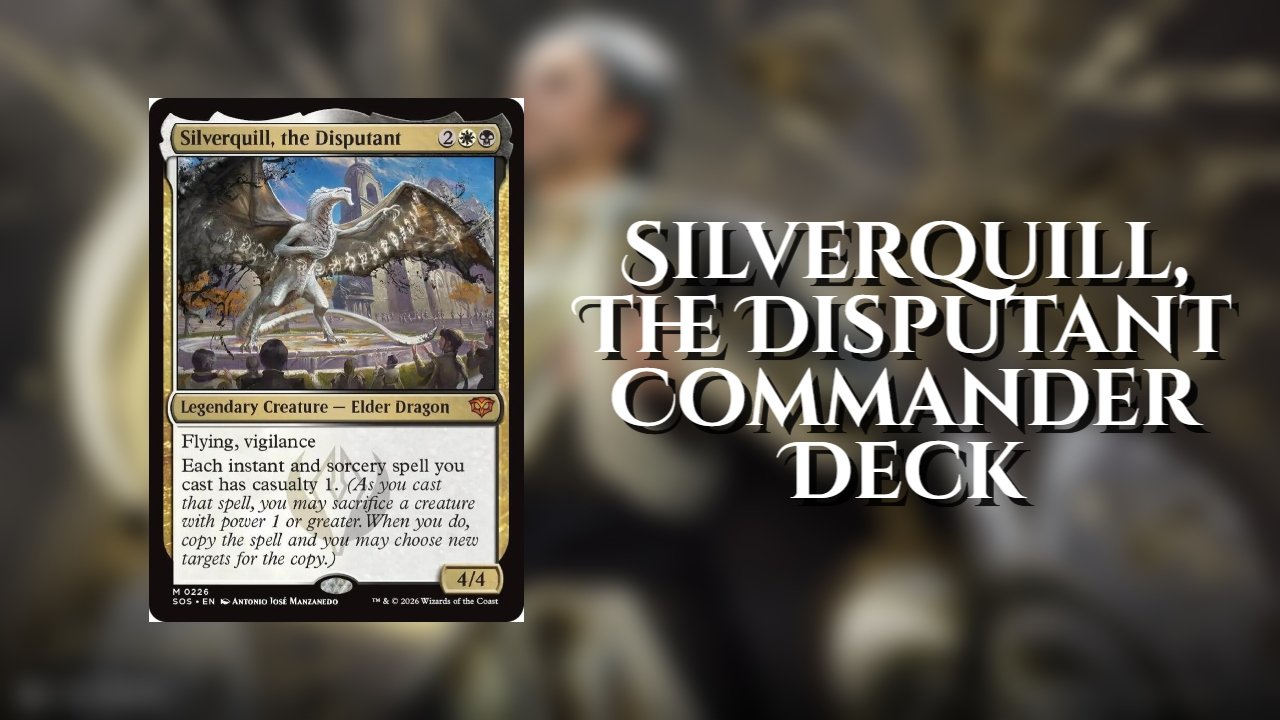
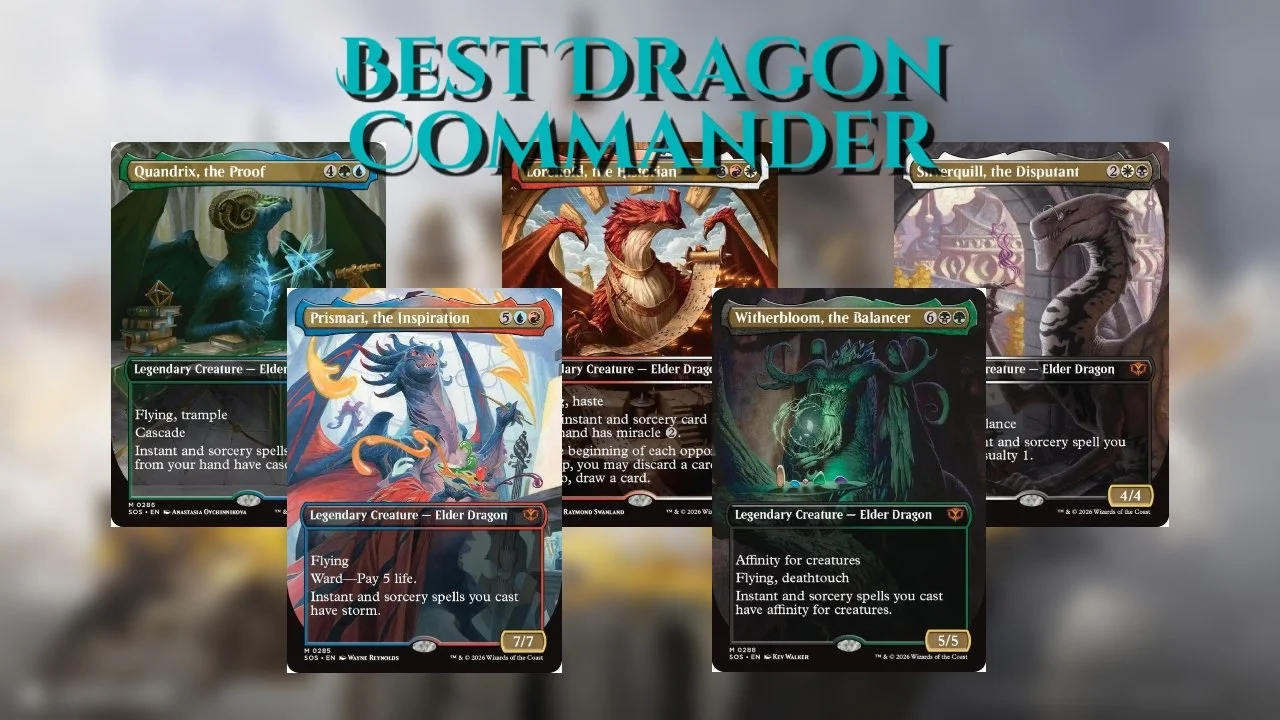
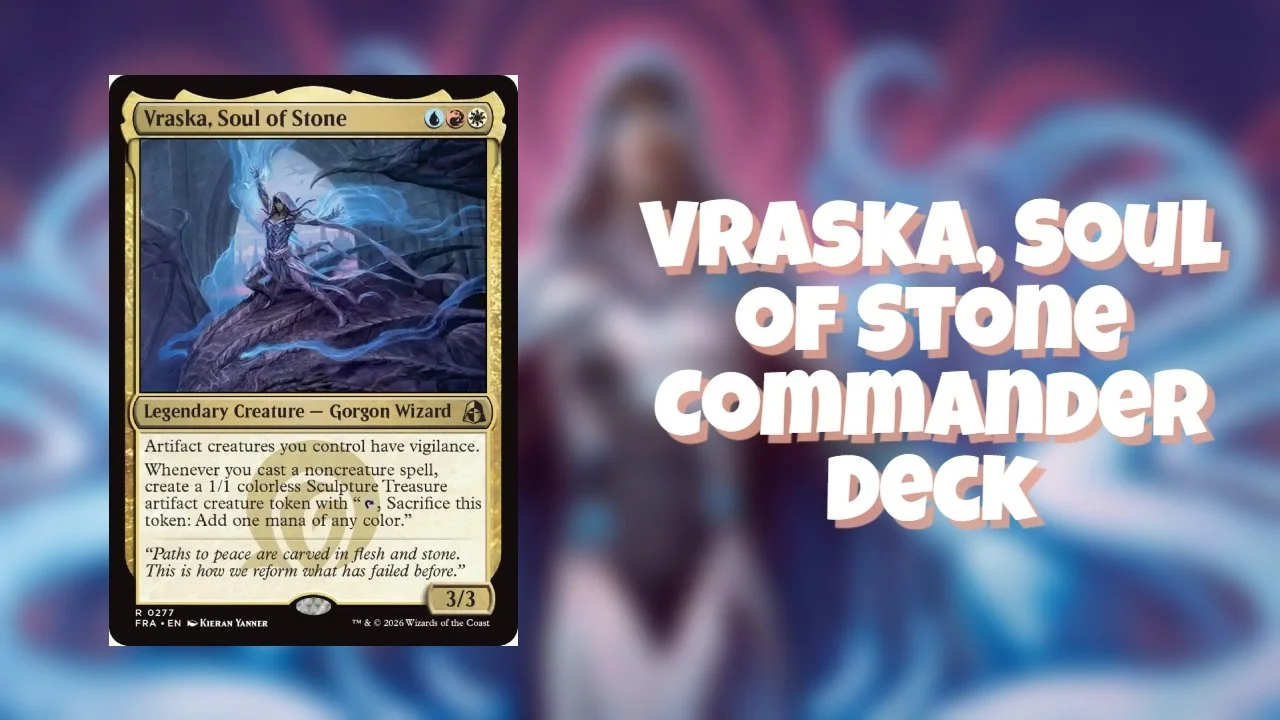
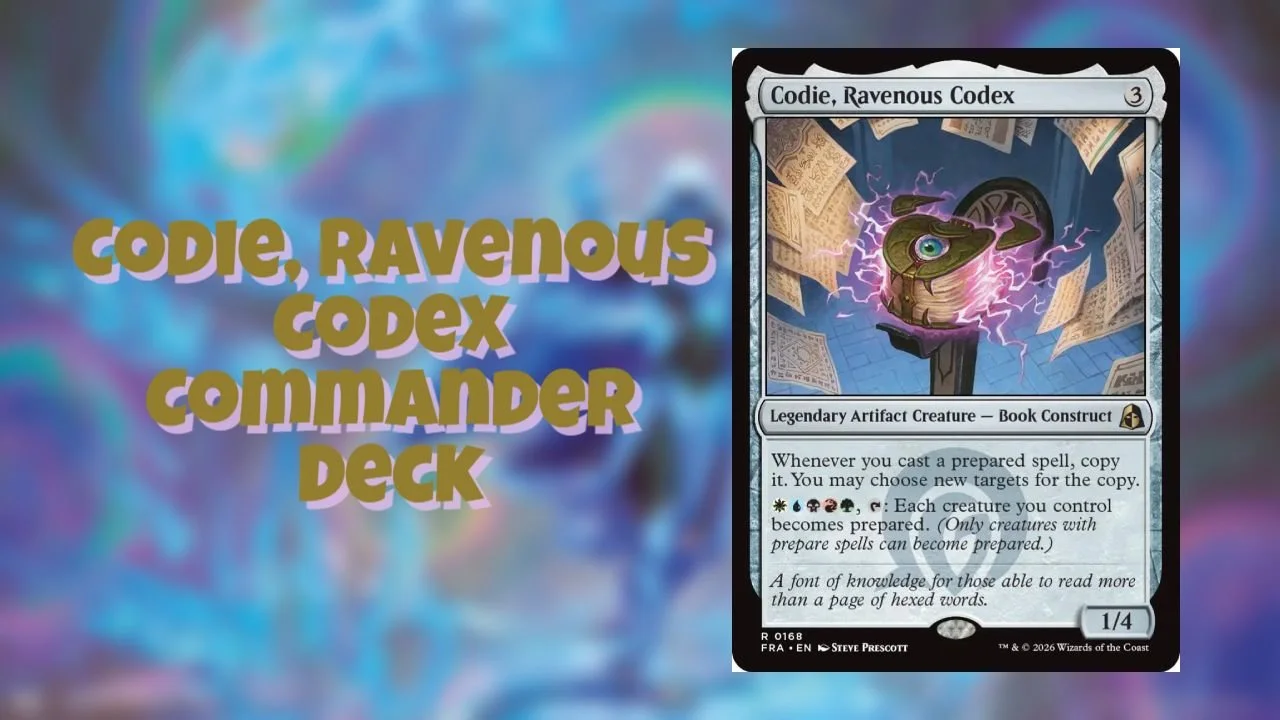
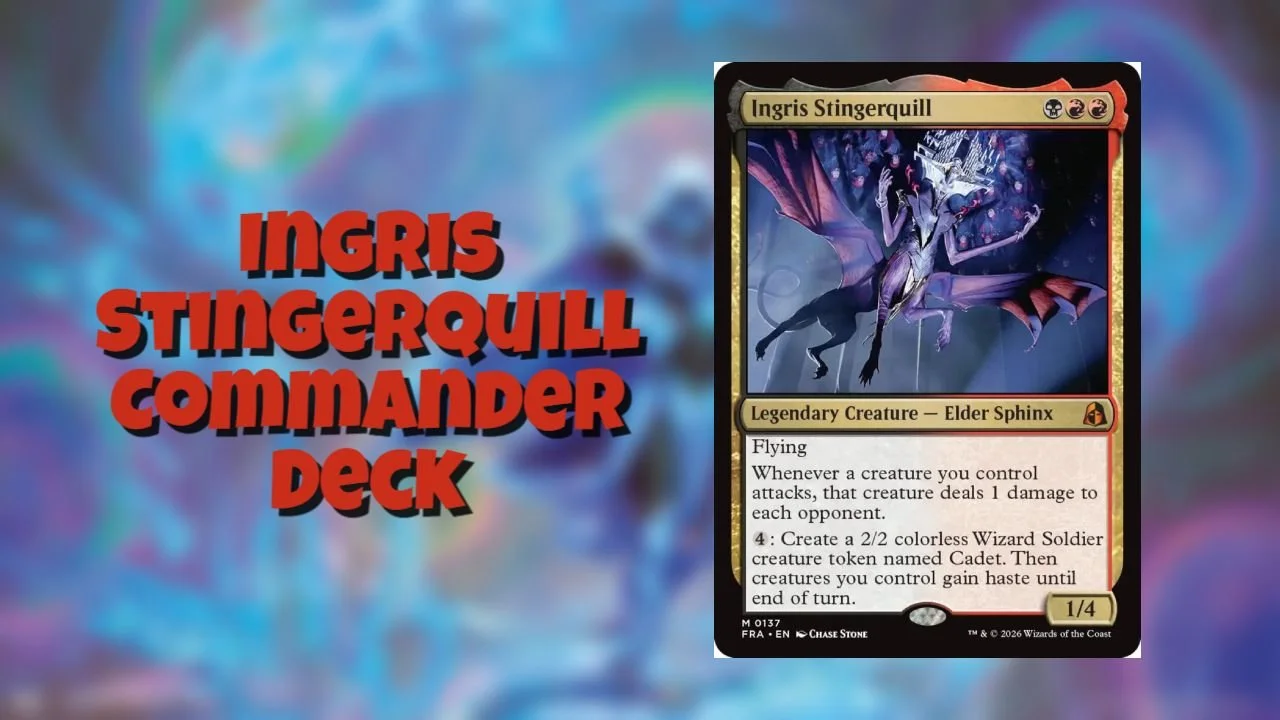
Secrets of Strixhaven has been an amazing set. I thought Lorwyn Eclipsed was fun and exciting, but Secrets of Strixhaven has set a new bar with limited bombs, fun commanders to build around, and even Game Changers on a stick. However, there are five creatures that simply cannot be ignored: the founding Elder Dragons of each school.
These five legendary creatures all have incredible potential in the command zone, so I wanted to start a deck tech series for each of them. First up is the one I think might be the strongest of the five: Witherbloom, the Balancer.
Witherbloom is exactly what I want from a Golgari commander. It rewards you for building a board, gives you a massive payoff for doing so, and turns your creatures into a resource without forcing you to sacrifice them. Instead of just playing a normal token deck or a normal spellslinger deck, Witherbloom lets you smash both ideas together. You build a massive board, use that board to make your instants and sorceries absurdly cheap, and then end the game with a giant X-spell, a terrifying combat step, or a completely unfair value turn.
Commander Overview
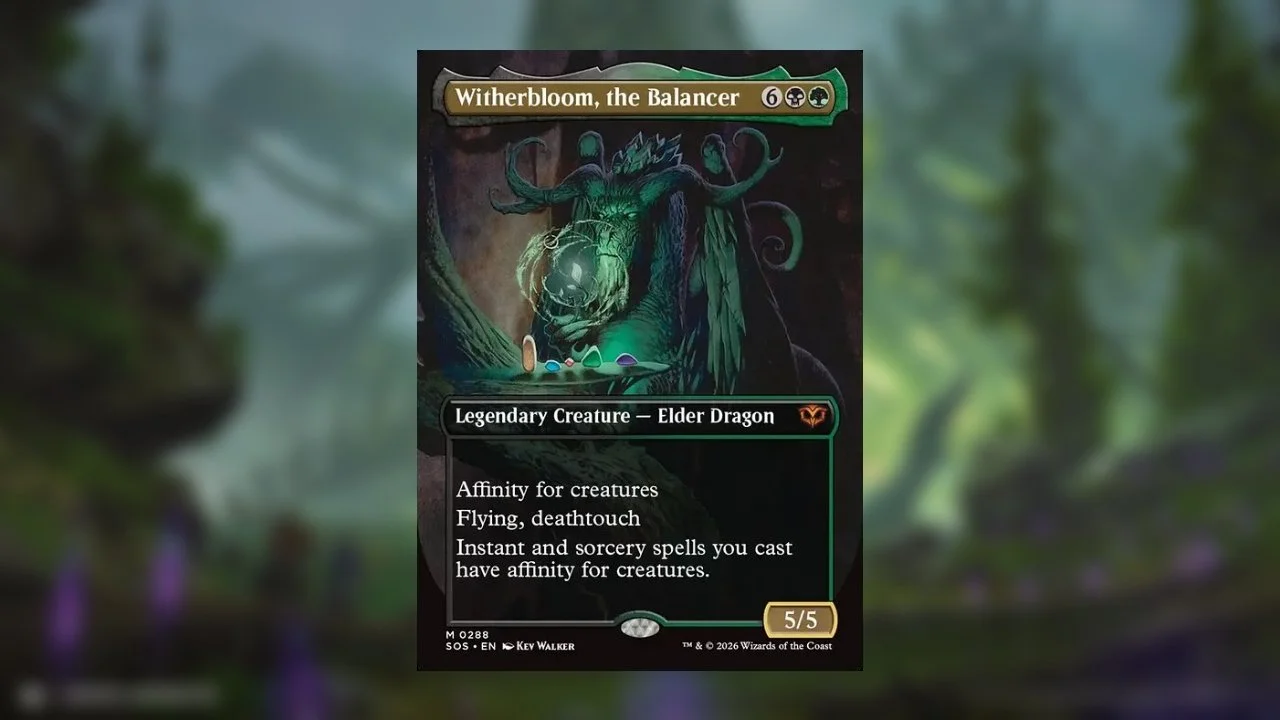
Witherbloom, the Balancer is a legendary Dragon in Golgari colors, or Witherbloom colors if we’re talking in Strixhaven terms. At first glance, the mana cost looks intimidating. This is a big, expensive Dragon, but that cost starts to make a lot more sense once you read the card.
Witherbloom has affinity for creatures, meaning your commander becomes cheaper for each creature you control. In the right deck, that can easily turn an expensive commander into something you are casting for only a green and a black. Even better, that same affinity helps with commander tax as the game goes on, so depending on your board state, removing Witherbloom may not slow you down nearly as much as your opponents want it to.
On top of that, Witherbloom gives your instants and sorceries affinity for creatures as well.
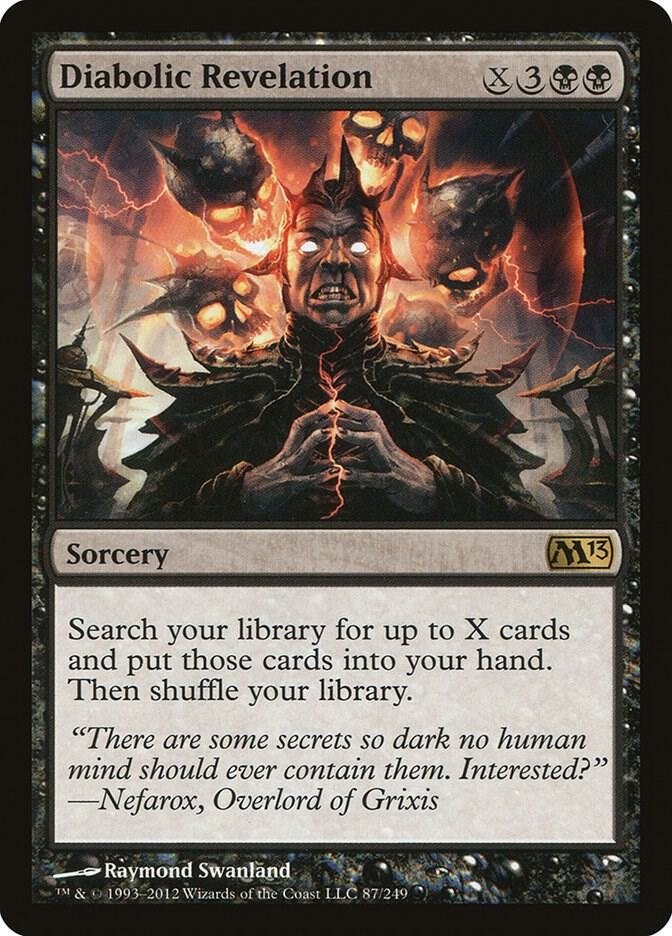
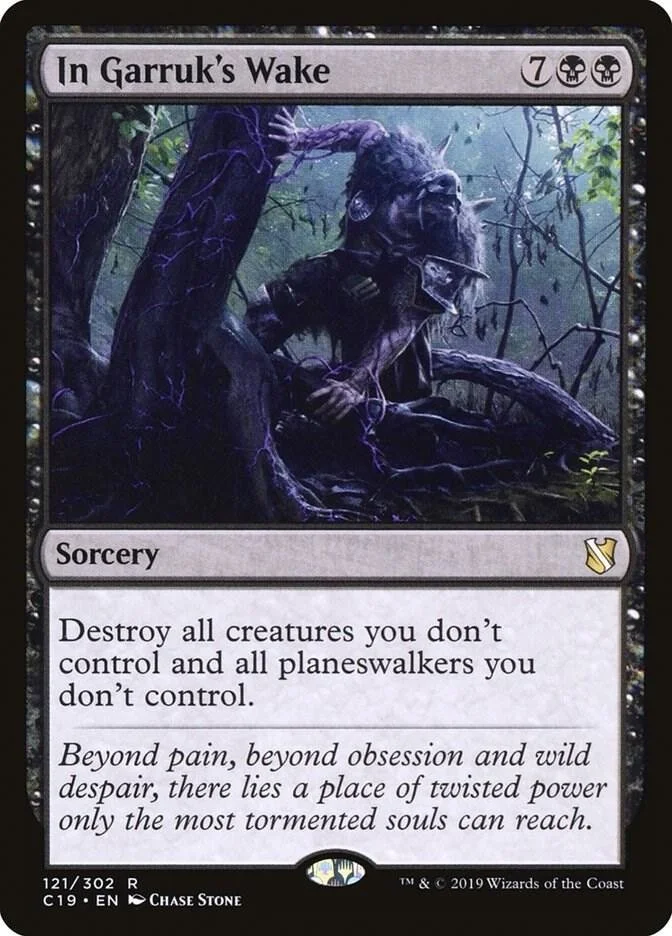
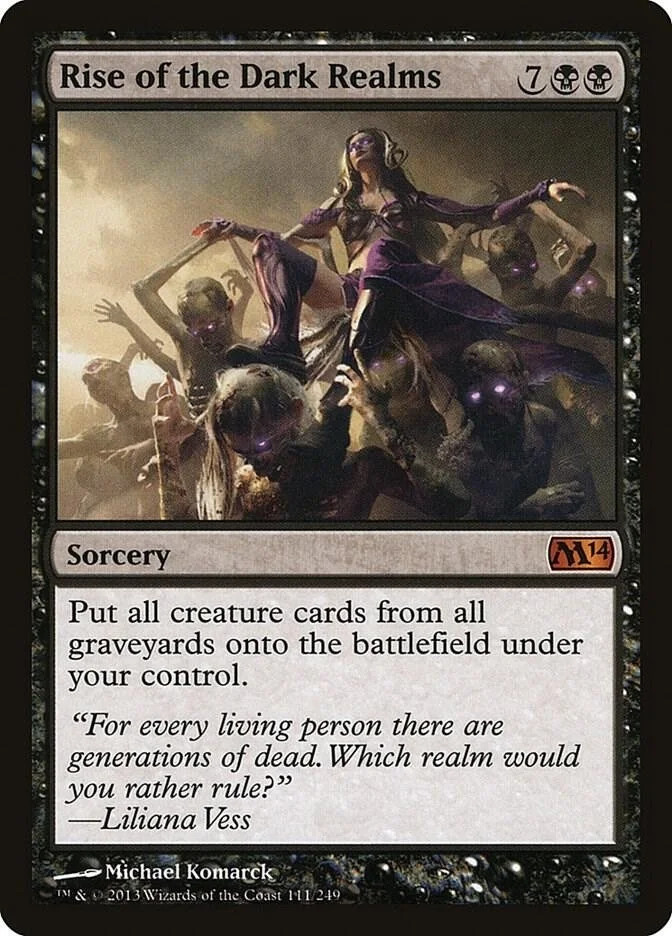
That is where the deck really opens up. This commander screams token deck plus expensive spells. Once you start building a wide board, your biggest spells suddenly cost almost nothing outside of their colored mana requirements. Cards like Exsanguinate, Torment of Hailfire, Pest Infestation, Diabolic Revelation, Finale of Devastation, In Garruk’s Wake, and Rise of the Dark Realms become way more dangerous when your creatures are doing most of the heavy lifting on cost reduction.
That is also what makes Witherbloom feel so versatile. You can build this as a high-powered combo deck with tutors, altars, and game-ending loops, or you can keep it as a more casual token/spellslinger deck that still has the ability to pop off in a huge way. I would not recommend sitting down against three untouched precons with this deck, because even a “fair” Witherbloom build can get silly fast, but against other self-made bracket 2-3 decks, this can be powerful while still being beatable.
Main Deck Strategy
The main goal of the deck is simple: get creatures on the battlefield, cast Witherbloom ahead of schedule, then use your board to make your biggest spells dirt cheap.
Because this deck relies so heavily on affinity, I built it with fewer lands than I normally would for a Commander deck. That is usually something I try to be careful with, especially in a deck running expensive spells, but Witherbloom changes the math. Your creatures are not just attackers, blockers, or token fodder; they are also helping pay for your commander and your biggest instants and sorceries. Between mana dorks, token generators, mana-producing creatures, and cards like Cryptolith Rite, Circle of Dreams Druid, Awaken the Woods, Black Market, and Ashnod’s Altar, the deck is designed to let the board do a lot of the mana work.
That does mean the deck wants to establish creatures early. If you keep a slow hand with no ramp, no token generation, and no way to build a board, the lower land count can punish you. But when the deck is doing what it is built to do, every creature you make effectively turns into part of your mana engine.
Generate Tokens Early And Often
Because Witherbloom cares so much about creature count, token generation is one of the most important parts of the deck. The more creatures you have, the cheaper your commander becomes. Once Witherbloom is out, those same creatures make your instants and sorceries cheaper too.
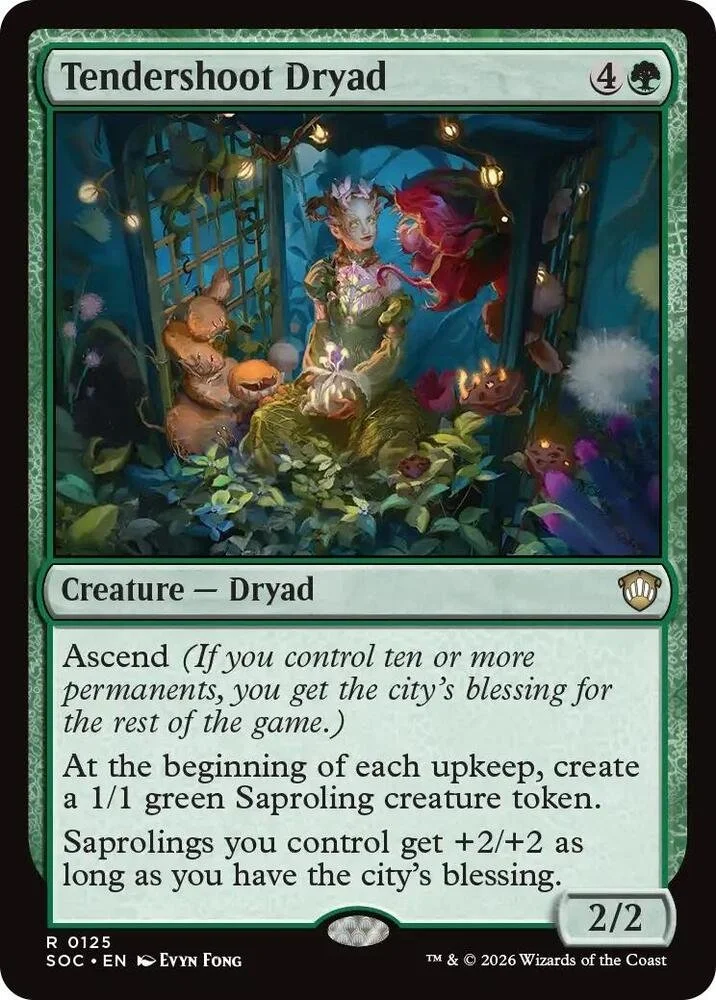
That is why cards like Scute Swarm, Avenger of Zendikar, Awaken the Woods, Pest Infestation, Tendershoot Dryad, Creakwood Liege, Chatterfang, Squirrel General, and Second Harvest are so important. They do not just create attackers and blockers. They also create discounts.
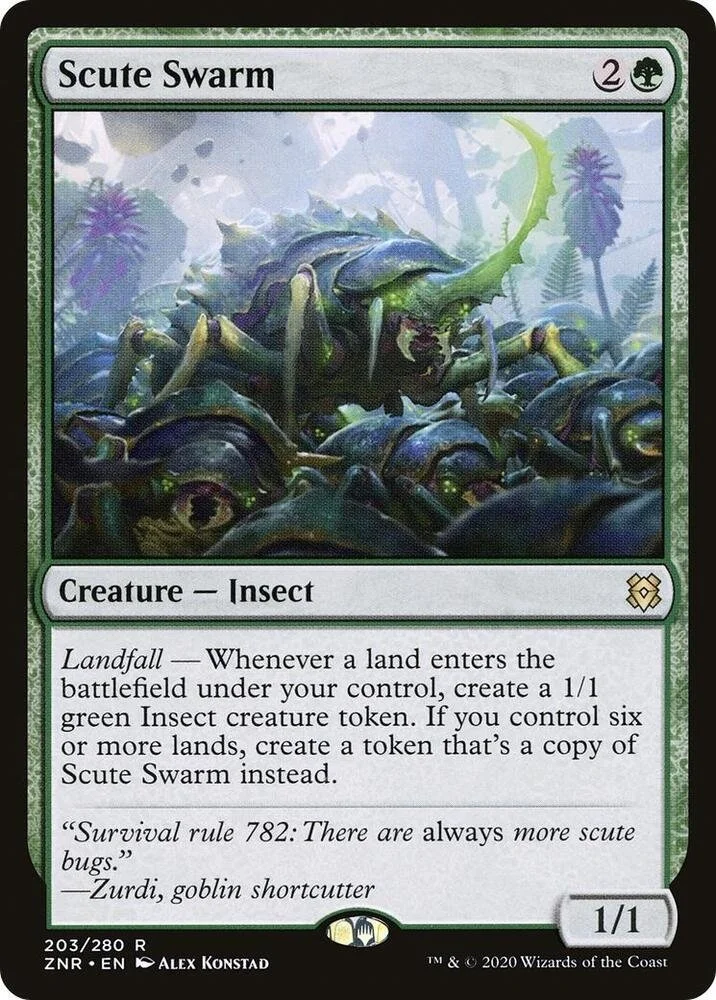
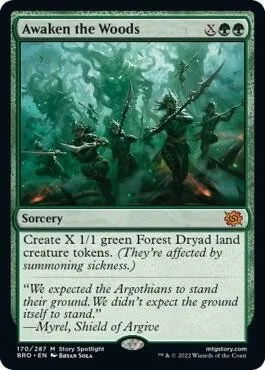
Scute Swarm is especially nasty here because it can spiral out of control fast. If you pair it with landfall support, or something like Kodama of the East Tree, it can create a board state that makes your spells feel completely free. Awaken the Woods is another perfect fit because it creates creature tokens that are also lands, helping your mana while also increasing your affinity count.
This is the heart of the deck: make creatures, use creatures to cast spells, use those spells to make more creatures or end the game.
Cast Huge Spells For Almost Nothing
Once Witherbloom is online, the deck starts doing the thing it was built to do. Your expensive instants and sorceries suddenly become terrifying because your board is paying for them.
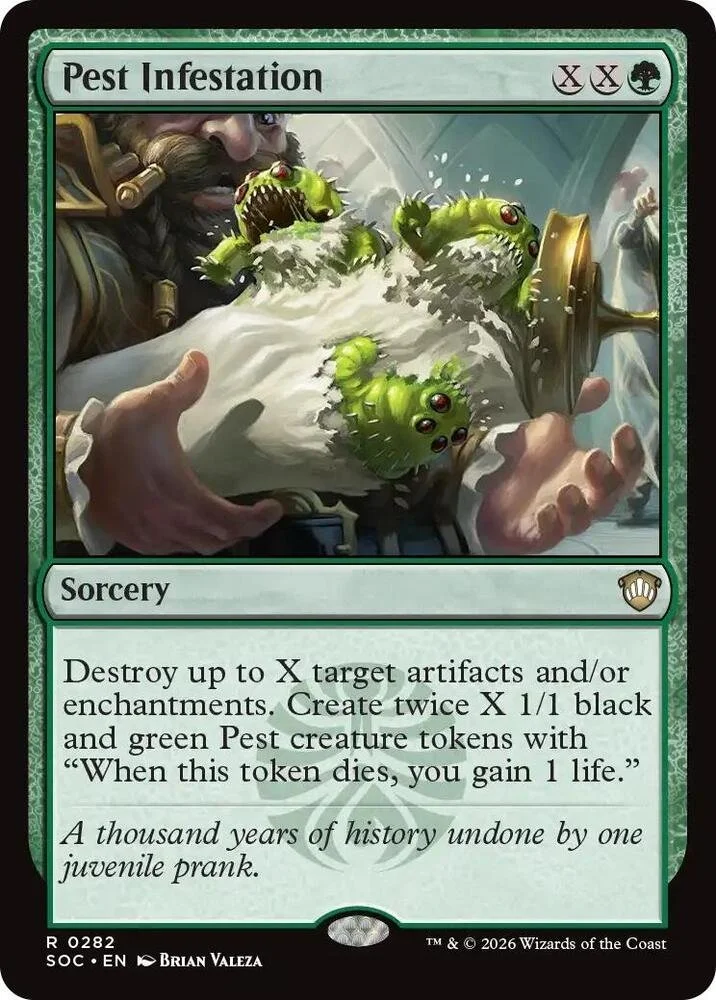
That means cards like Exsanguinate and Torment of Hailfire become legitimate finishers. Pest Infestation can remove problem artifacts and enchantments while also making more bodies. Diabolic Revelation can search for a pile of cards. Finale of Devastation can find the exact creature you need and eventually turn into a win condition. In Garruk’s Wake can clear everyone else’s board while leaving yours intact.
That last part is important. Witherbloom does not just want big spells. It wants big spells that scale well. If you are going to use your board to discount something massive, that spell needs to matter. It should draw cards, tutor, remove multiple threats, create tokens, recur your graveyard, drain the table, or end the game.
Go Wide And End The Game With One Massive Turn
This deck is not really trying to knock out one opponent at a time with small attacks. Witherbloom wants to become overwhelming. Once your board is large enough, you can end the game with one undeniable swing or one gigantic spell.
Craterhoof Behemoth is the obvious closer. With the number of tokens this deck can produce, Craterhoof can turn a harmless-looking board into instant death. Finale of Devastation can also serve as a second way to find Craterhoof or become its own finisher if X is high enough.
You also have drain finishes with Exsanguinate, Torment of Hailfire, Dina, Essence Brewer, Witherbloom Apprentice, Mirkwood Bats, and Pactdoll Terror. This gives the deck a nice backup plan if combat is not safe or if someone is hiding behind pillow fort pieces.
The best version of this deck, at least for me, is a mix of token generation, spellslinger payoffs, and aristocrat-style drain. I do not want the deck to do only one thing. I want it to build an army, cast spells for pennies, and always have a way to convert that advantage into a win.
Best Cards For A Witherbloom, The Balancer Commander Deck
For this deck, you really need three types of cards: creature and token generators, big instants and sorceries that benefit from affinity, and finishers that can actually close the game.
Best Token Generators
Scute Swarm
This is one of the scariest cards in the deck if it is left alone. Once you start making copies, your creature count can explode, which makes Witherbloom and your big spells much cheaper.
Chatterfang, Squirrel General
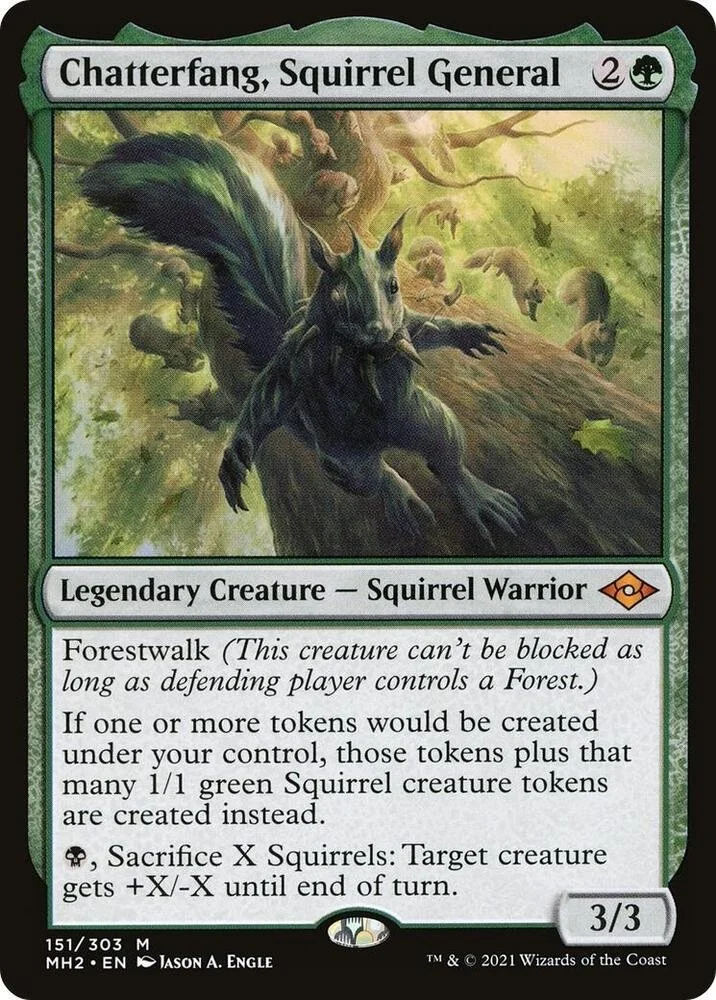
Chatterfang is perfect in almost any Golgari token deck, and Witherbloom is no exception. Making extra Squirrels gives you more creatures for affinity, more sacrifice fodder, and more ways to overwhelm the board.
Avenger of Zendikar
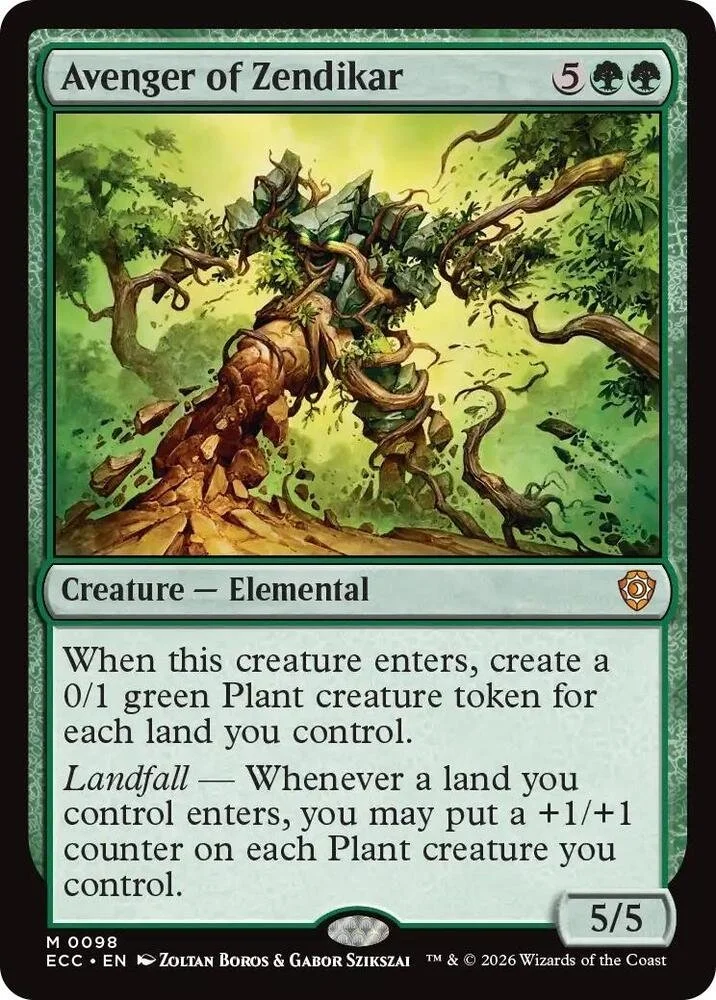
Avenger gives you a huge board all at once, which is exactly what Witherbloom wants. It is also a great card to cheat out, tutor for, or follow up with a finisher.
Awaken the Woods
This card does everything the deck wants. It ramps, makes creatures, fuels affinity, and gives you a massive board presence. It is one of the cleaner fits for the strategy.
Tendershoot Dryad
If Tendershoot survives, the Saprolings start adding up quickly. It also gives the deck a steady token engine instead of relying only on explosive one-time plays.
Pest Infestation
This is both interaction and token generation. Removing artifacts or enchantments while creating Pest tokens is already strong, but with Witherbloom’s affinity discount, this can become a very efficient swing in your favor.
Best Affinity Payoffs
Exsanguinate
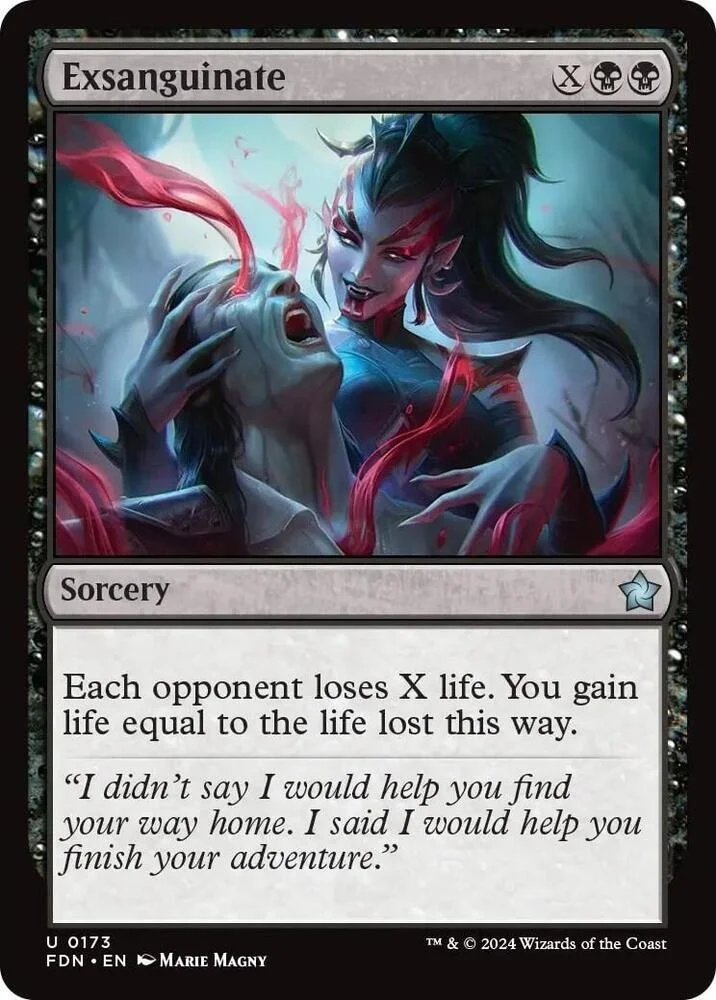
This is one of the best examples of what Witherbloom wants to do. The deck builds a board, discounts a massive spell, and then drains the table for a ridiculous amount of life.
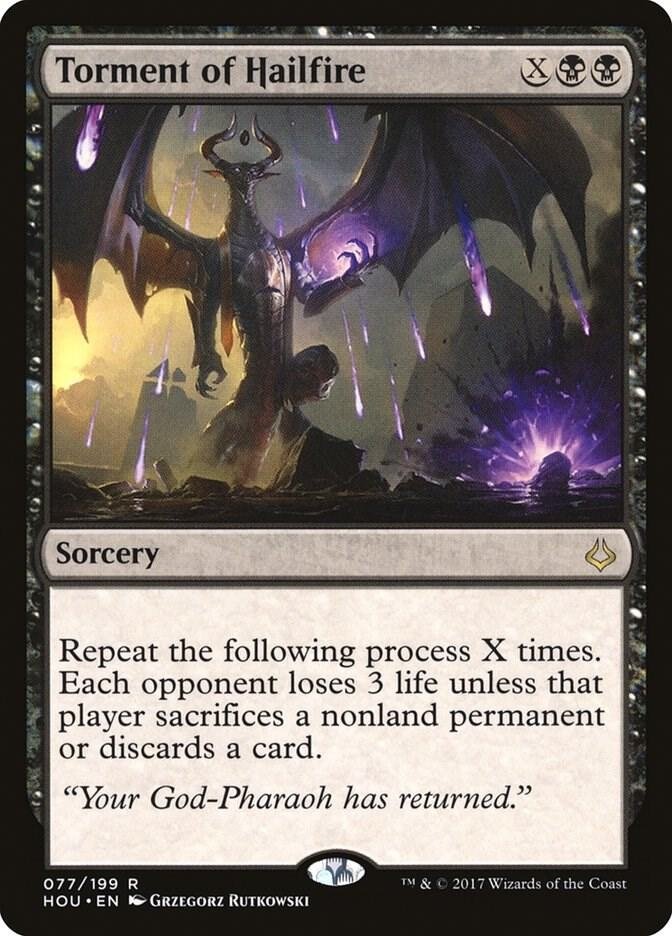
Torment of Hailfire
Torment is another perfect X-spell for the deck. It gives opponents terrible choices and becomes much easier to cast for a lethal amount when your creatures are reducing the cost.
Diabolic Revelation
Tutoring for multiple cards is already powerful, but making this spell cheaper with affinity can turn it into a game-winning setup piece.
In Garruk’s Wake
This is the kind of board wipe the deck actually wants. It clears opposing creatures and planeswalkers while leaving your board intact, which means your affinity engine stays alive.
Rise of the Dark Realms
This is expensive, but that is exactly why it is interesting here. If your creature count is high enough, Witherbloom can help make a huge reanimation spell much more realistic.
Best Finishers
Craterhoof Behemoth
The classic go-wide finisher. If you have a large token board, this is usually game over.
Finale of Devastation
Finale can find your best creature early or become a massive finisher later. With enough mana and enough creatures helping through affinity, this card can close the table.
Exsanguinate
A clean drain finisher that does not need combat. This is especially useful if your board is wide but attacking is not safe.
Torment of Hailfire
Another non-combat way to end the game. It can punish the whole table and gives you a powerful outlet for all the mana you are saving.
Key Synergies And Combos
Witherbloom can be built as a straightforward token/spell deck, but there are also some very real combo lines available if you want to push the power level.
Devoted Druid + Quillspike + Hapatra, Vizier of Poisons
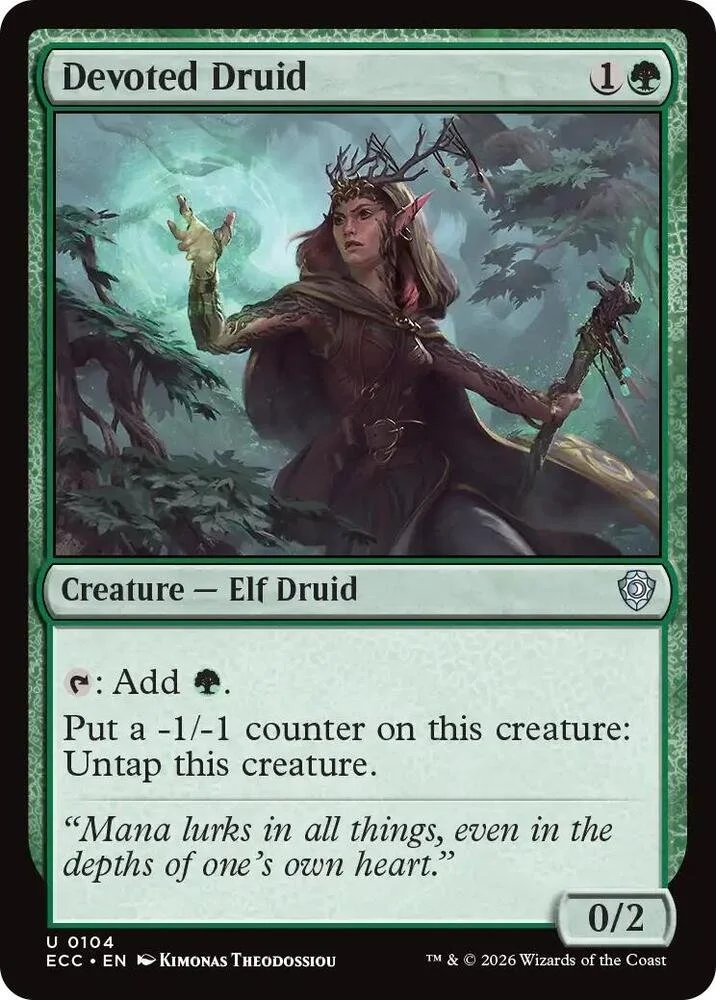
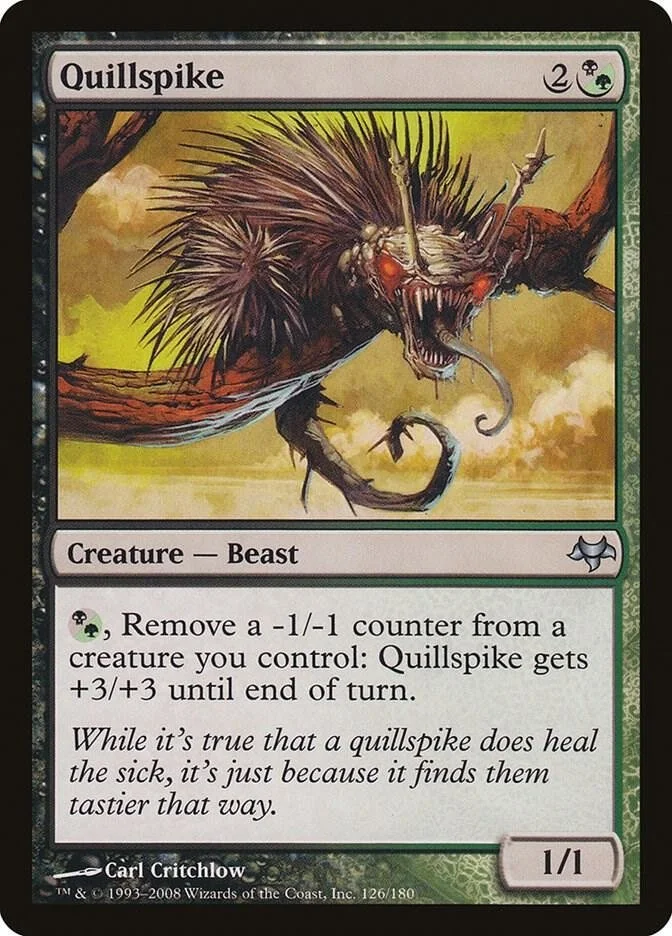
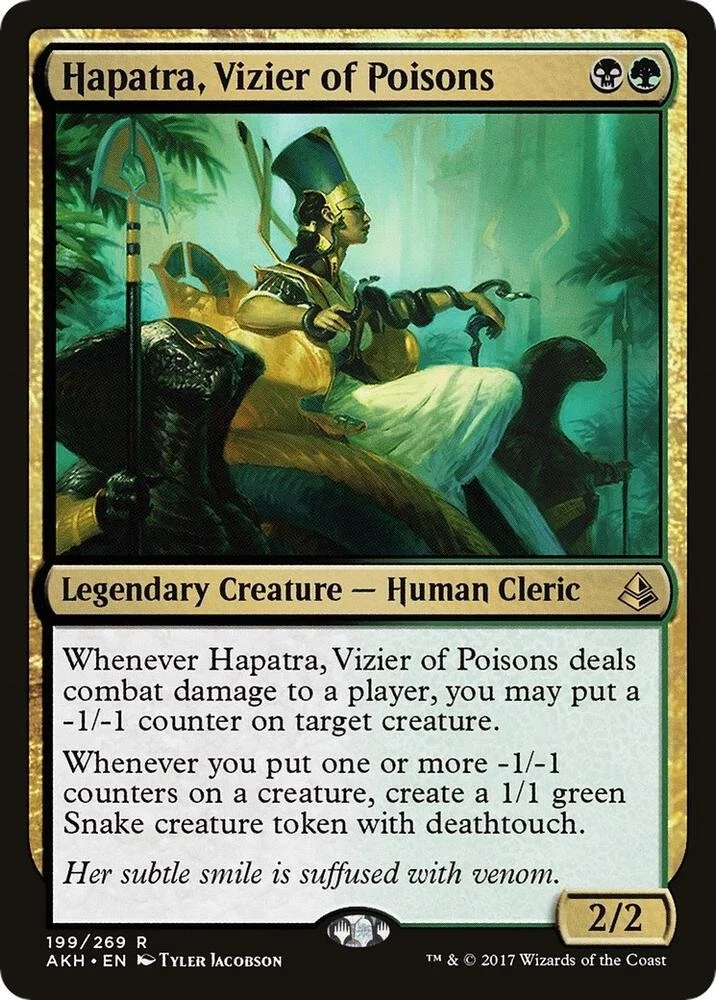
Devoted Druid taps for green mana and can untap itself by putting a -1/-1 counter on itself. Quillspike lets you pay that green mana to remove a -1/-1 counter from a creature and give Quillspike +3/+3 until end of turn.
Together, Devoted Druid and Quillspike can create a massive Quillspike. When you add Hapatra, Vizier of Poisons, every -1/-1 counter placed on Devoted Druid can create a 1/1 Snake with deathtouch. That gives you a huge creature, a massive board, and a ton of affinity fuel.
This combo can go infinite, but you can also stop wherever you want depending on the table and the power level you are aiming for.
Scute Swarm + Kodama of the East Tree + Golgari Rot Farm
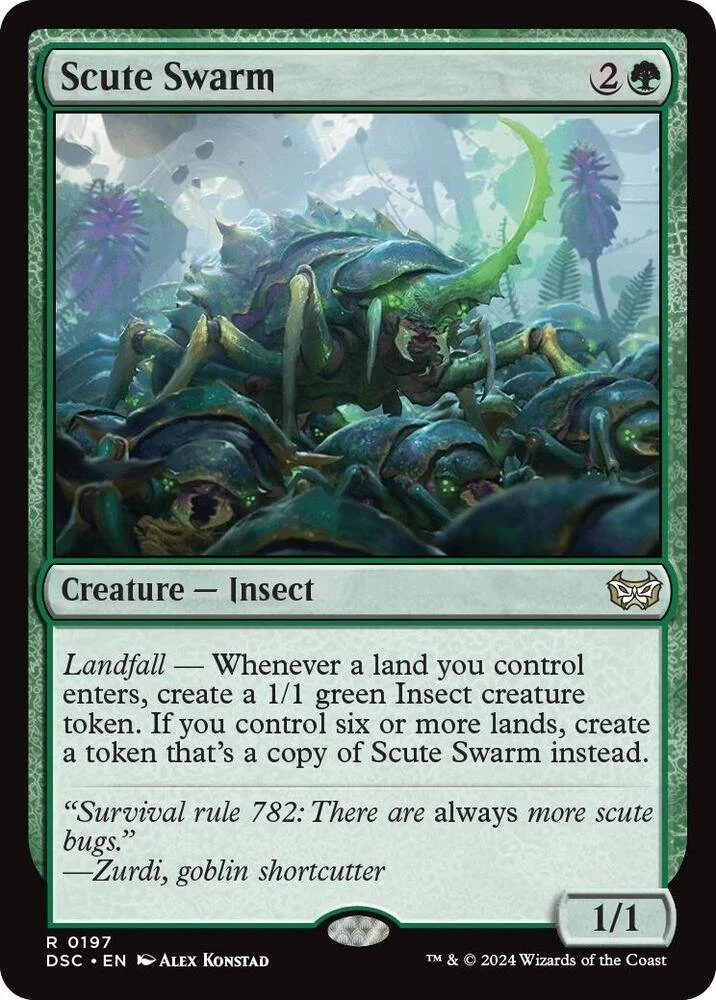
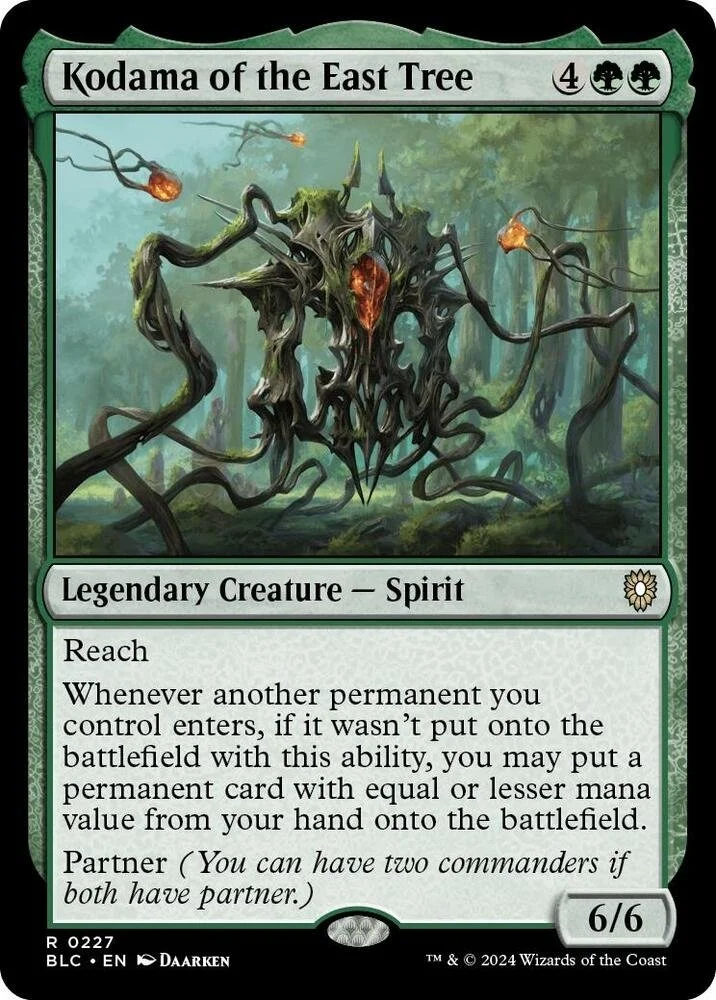
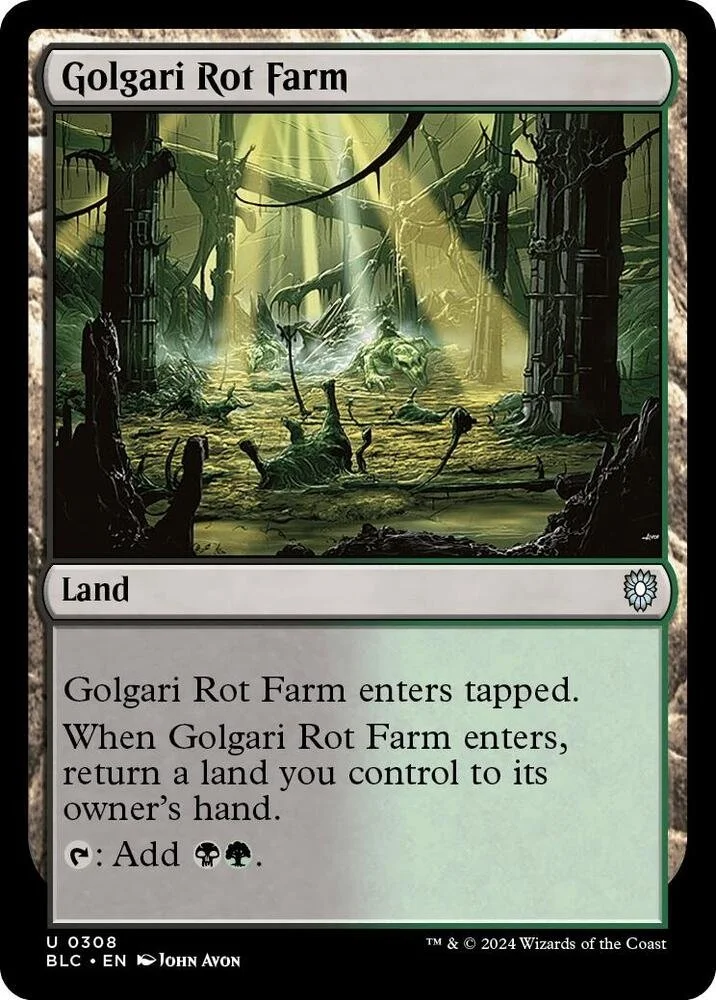
This is one of the funniest lines in the deck. With Scute Swarm and Kodama of the East Tree on the field, Golgari Rot Farm can create a loop.
You play Golgari Rot Farm, return itself to your hand, trigger Scute Swarm, and then use Kodama’s ability to put Golgari Rot Farm back onto the battlefield. From there, you repeat the process and create as many Scute Swarms as you want.
That means infinite Scute Swarms, infinite landfall triggers, and an absurd amount of creatures for Witherbloom’s affinity ability.
Green Sun’s Zenith + Craterhoof Behemoth
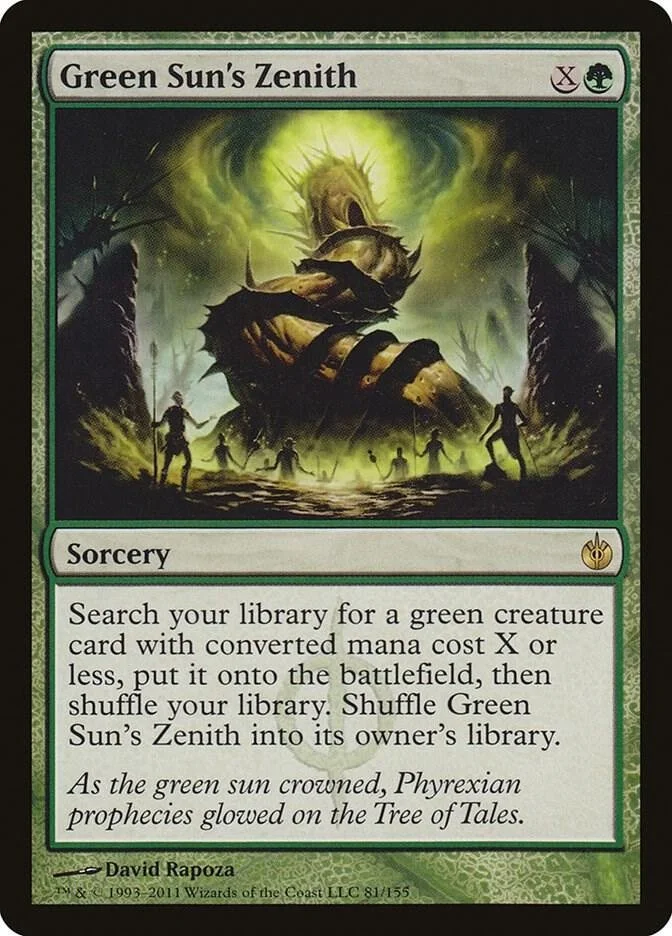
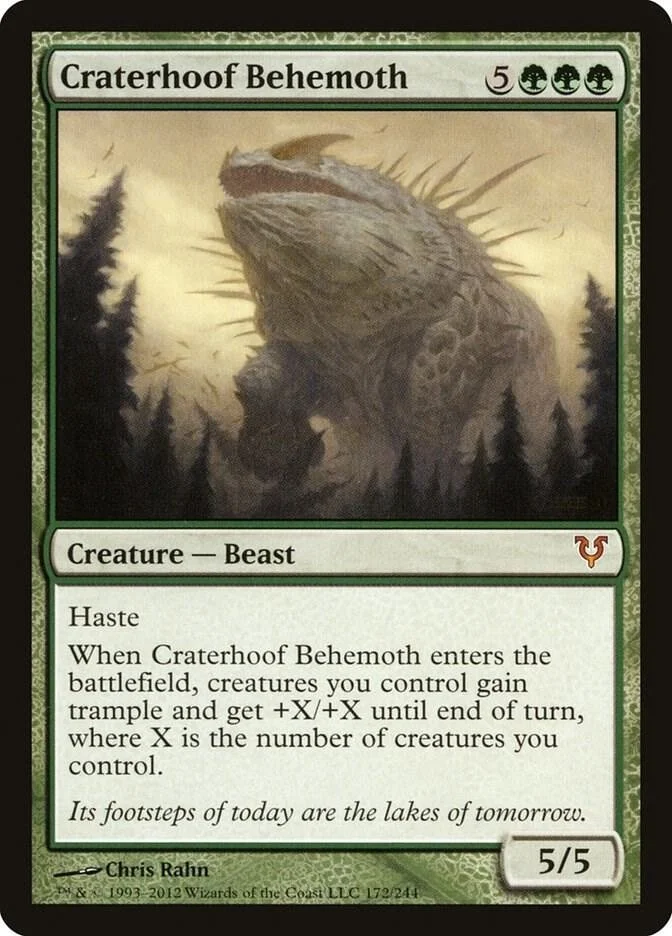
Sometimes the combo does not need to be complicated. Green Sun’s Zenith finding Craterhoof Behemoth is one of the cleanest ways to end the game. If your board is already wide, this can turn your tokens into a lethal swing immediately.
Chatterfang + Token Doublers
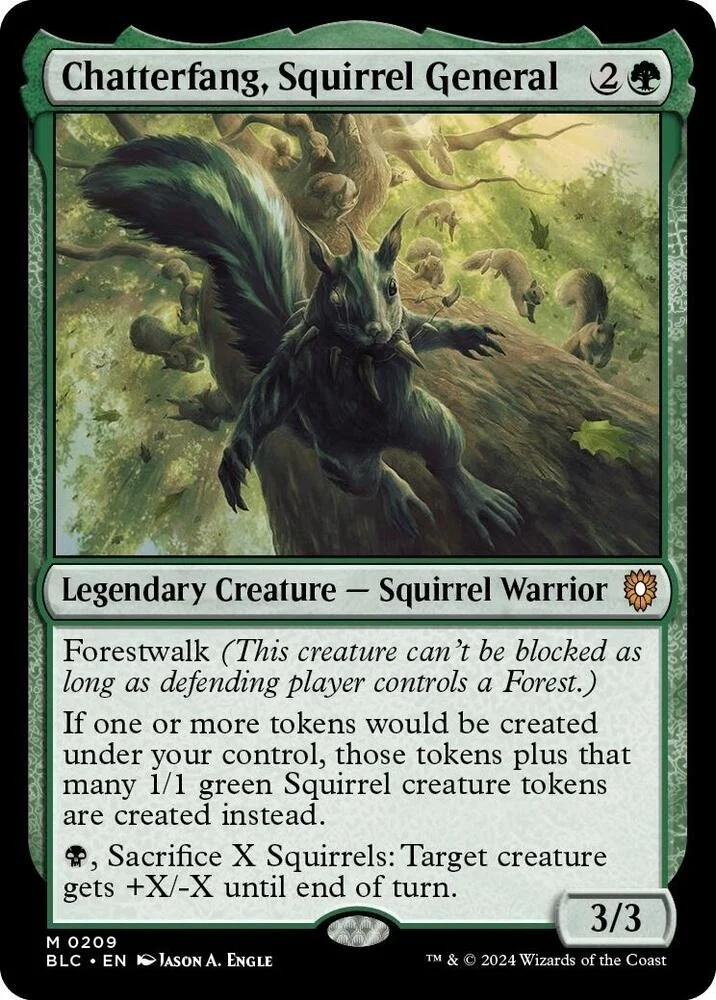
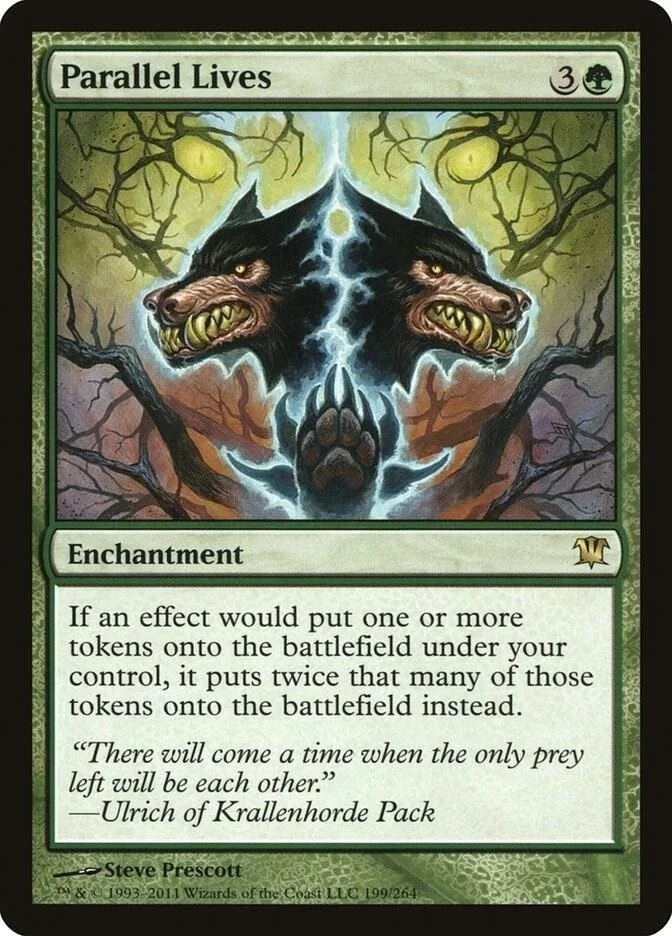
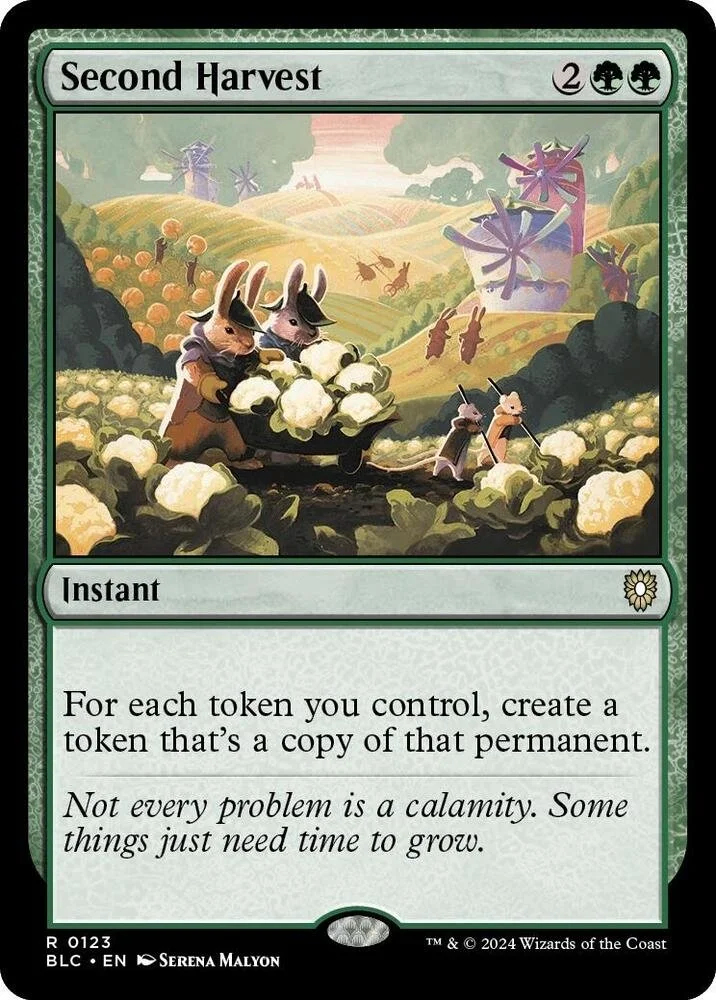
Chatterfang, Squirrel General gets ridiculous with cards like Parallel Lives and Second Harvest. The more tokens you make, the more Squirrels Chatterfang adds, and the faster your board becomes impossible to manage.
That matters for combat, but it also matters for Witherbloom. Every extra Squirrel is another creature discounting your instants and sorceries.
Budget Options For A Witherbloom, The Balancer Commander Deck
The good news is that Witherbloom does not need every expensive staple to function. The core idea is simple enough that you can build a strong budget version with cheap mana creatures, token makers, and affordable finishers.
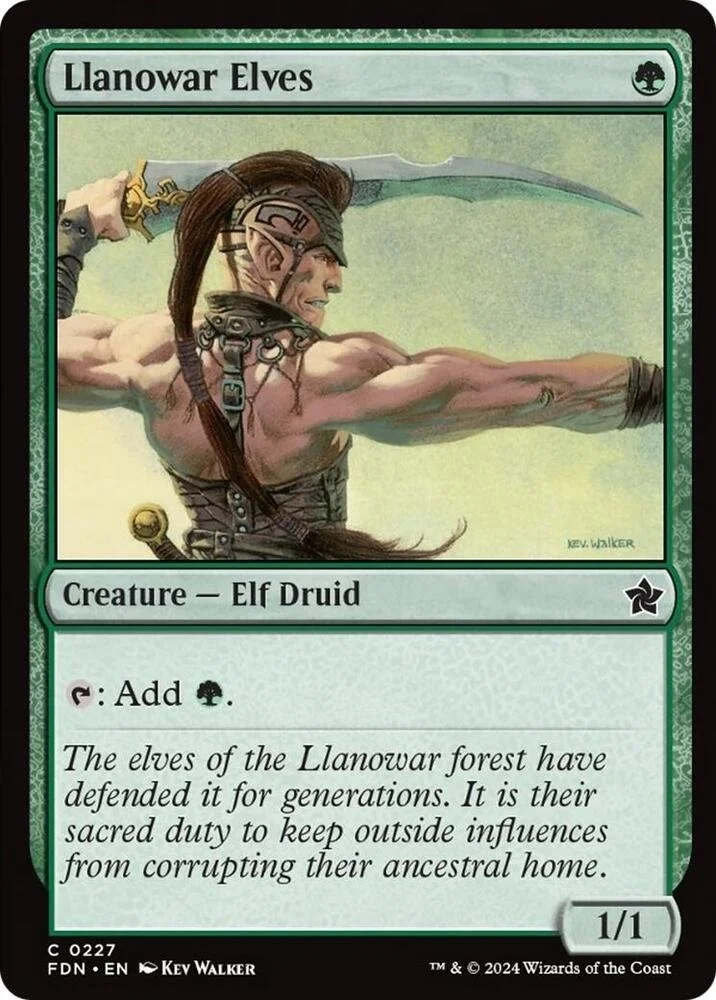
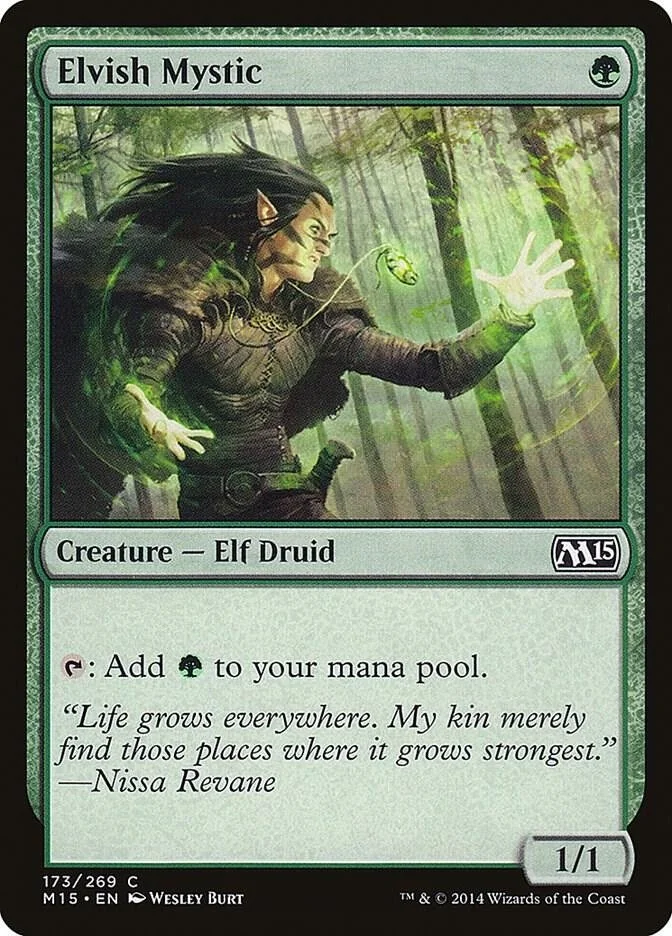
For mana, look at cards like Llanowar Elves, Elvish Mystic, Fyndhorn Elves, Deathcap Cultivator, Sakura-Tribe Elder, and Prosperous Innkeeper. These cards help you ramp early while still supporting the creature count that Witherbloom cares about.
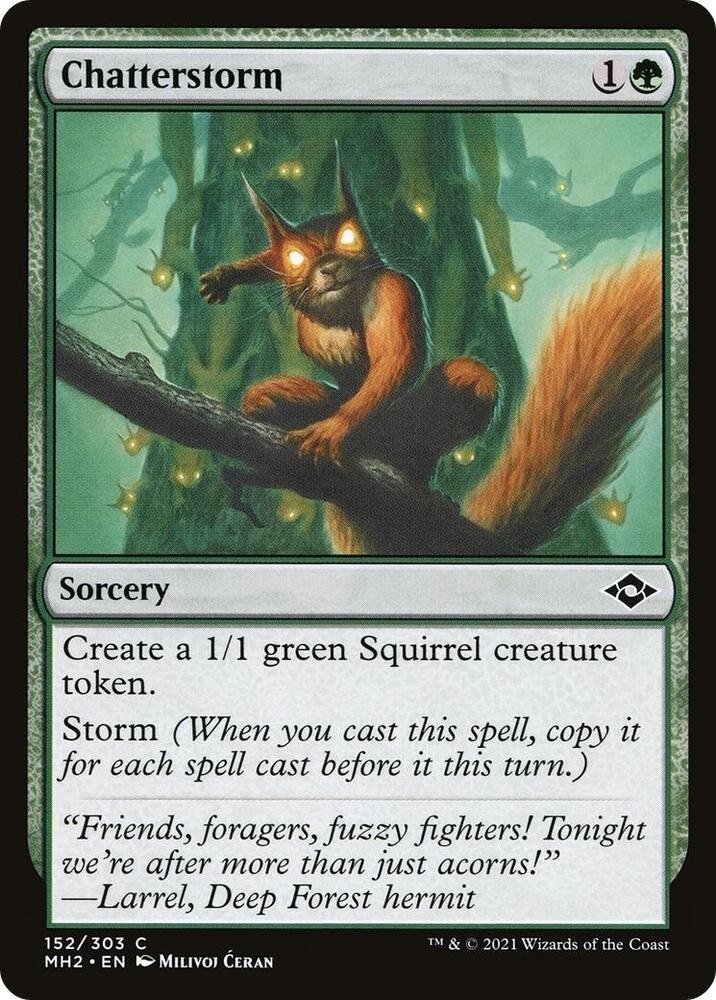
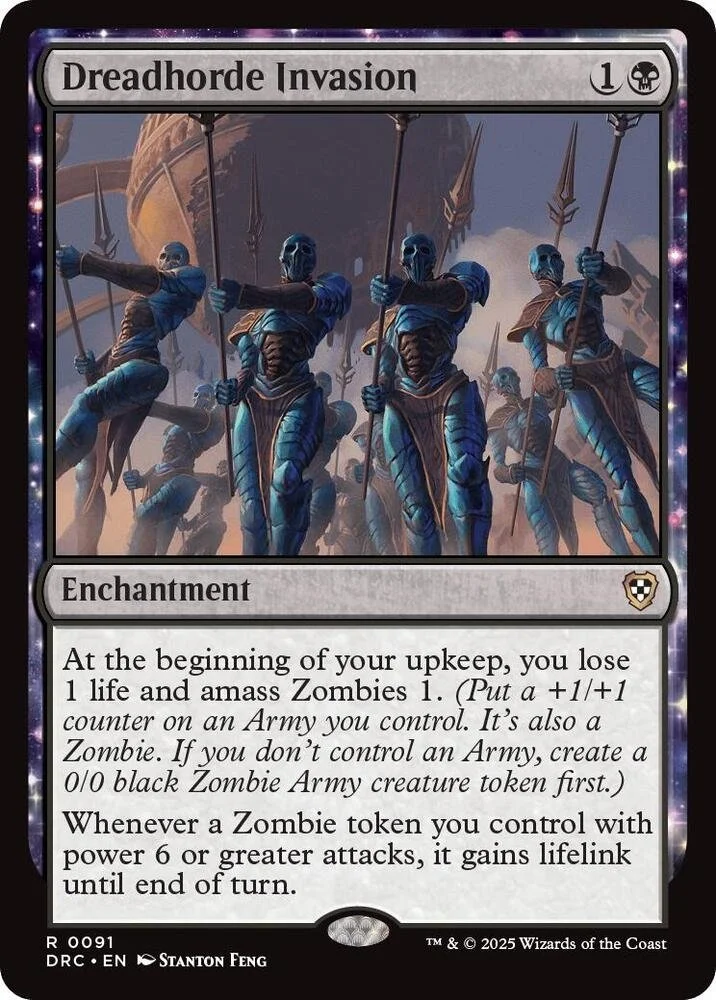
For token generation, cards like Saproling Migration, Chatterstorm, Sporemound, Tendershoot Dryad, Endrek Sahr, Master Breeder, Dreadhorde Invasion, and Pest Infestation can help build the board without breaking the bank. You do not need the most expensive token pieces for the deck to work. You just need enough ways to make bodies consistently.
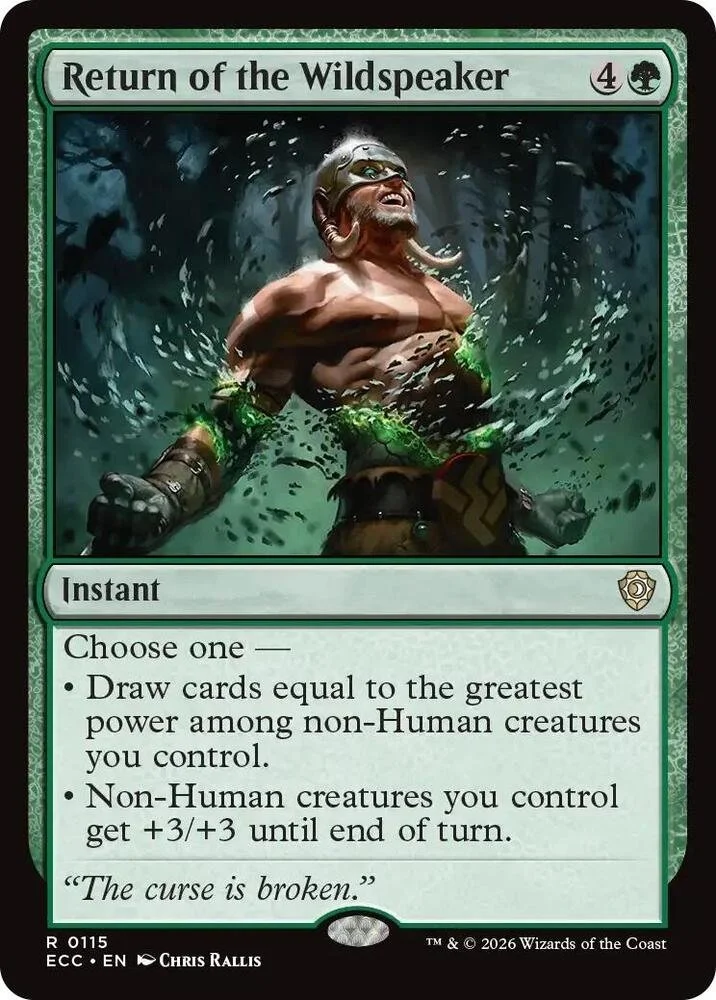
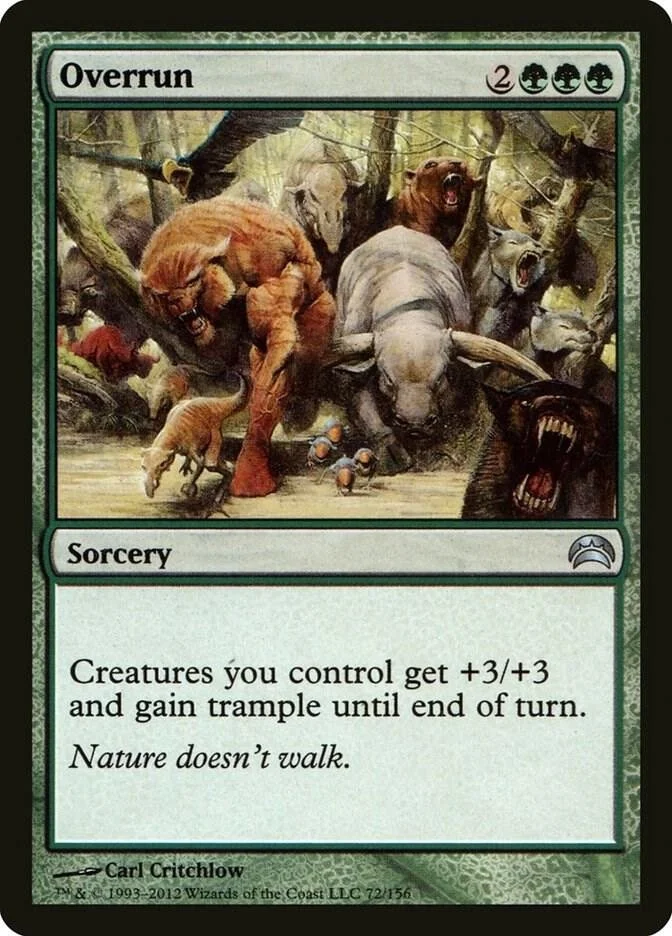
For finishers, Overrun, Overwhelming Stampede, End-Raze Forerunners, Exsanguinate, and Return of the Wildspeaker are all strong options. The main thing is to focus on cards that either reward you for going wide or let you use Witherbloom’s discount on a huge spell.
You can also replace some of the more expensive instants and sorceries with whatever high-mana-value spells you already own, as long as they actually do something meaningful. Witherbloom can make expensive spells cheaper, but that does not mean every expensive spell is worth playing.
High-Power Cards For A Witherbloom, The Balancer Commander Deck
If you want to push this deck harder, there are some obvious upgrades and power pieces that fit Witherbloom’s game plan extremely well.
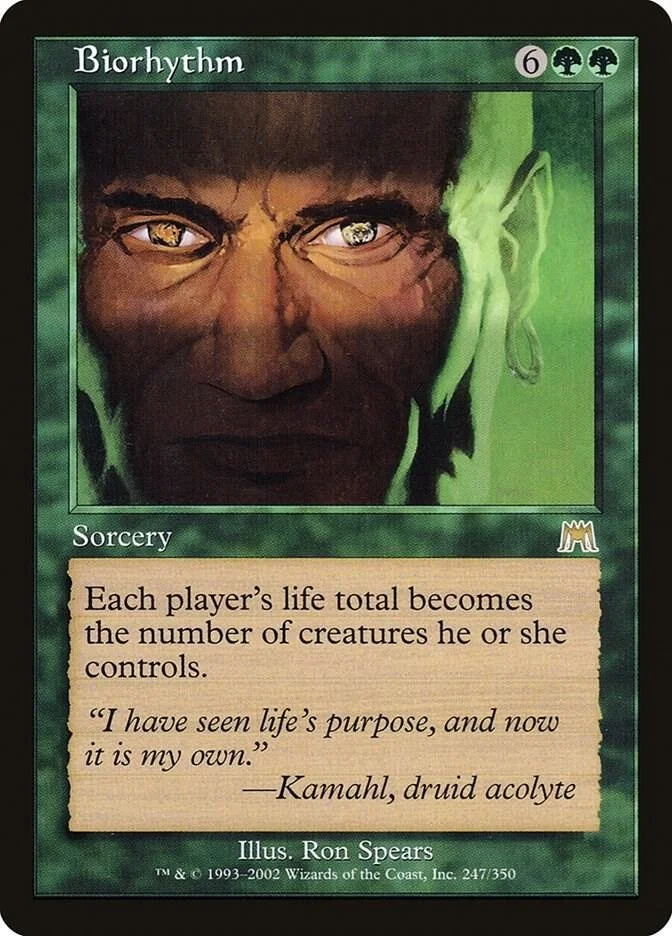
Biorhythm is one of the scariest finishers you can run now that it is legal again in Commander. Wizards of the Coast officially unbanned Biorhythm in Commander effective February 9th, 2026, and also placed it on the Game Changers list. (MAGIC: THE GATHERING) In a deck that can flood the board with tokens, Biorhythm can turn your massive creature count into a game-ending life total swing. If your opponents have few or no creatures and you have a full board, this can close the game on the spot.
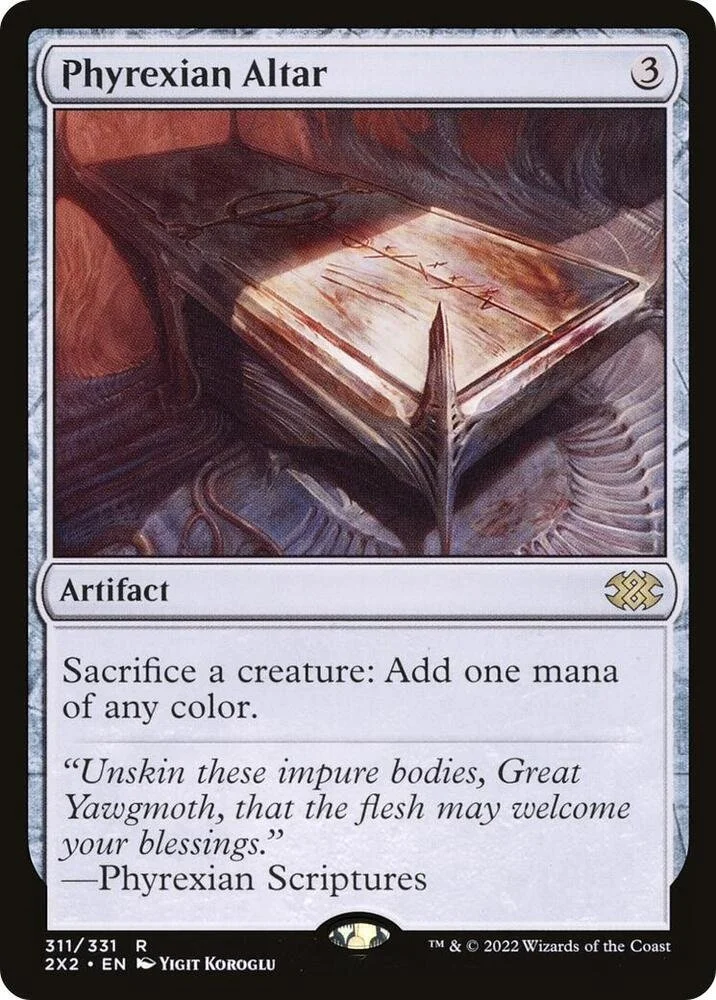
Phyrexian Altar is one of the best sacrifice outlets you can add because it turns your creatures into mana. With enough tokens, it can help you combo off, rebuild after a huge turn, or convert extra bodies into the mana needed to finish the game.
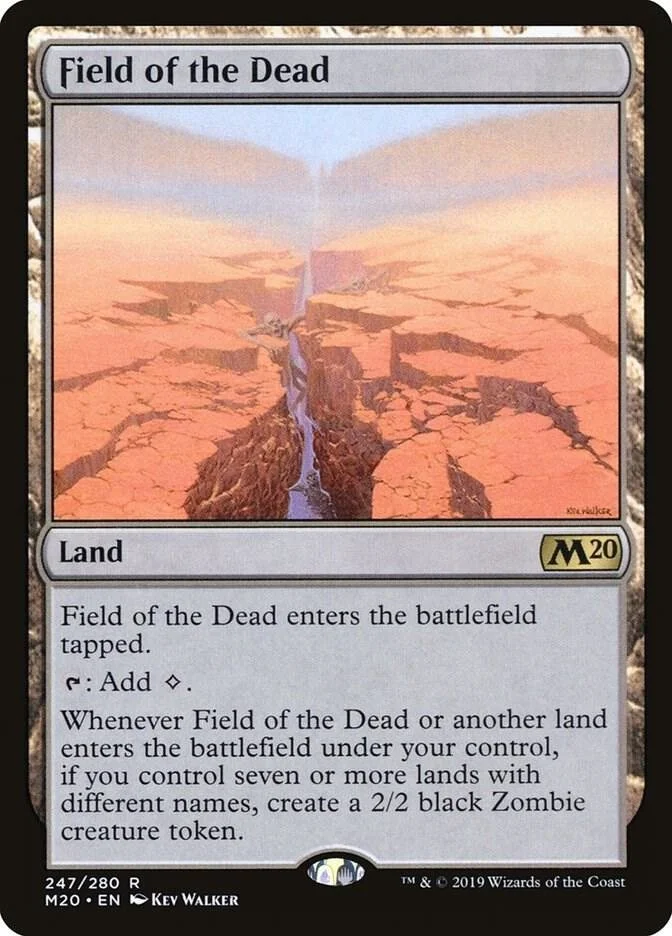
Field of the Dead is another strong upgrade because it gives you a steady stream of Zombies just for playing lands. Those Zombies then fuel Witherbloom’s affinity ability and help keep your board wide.
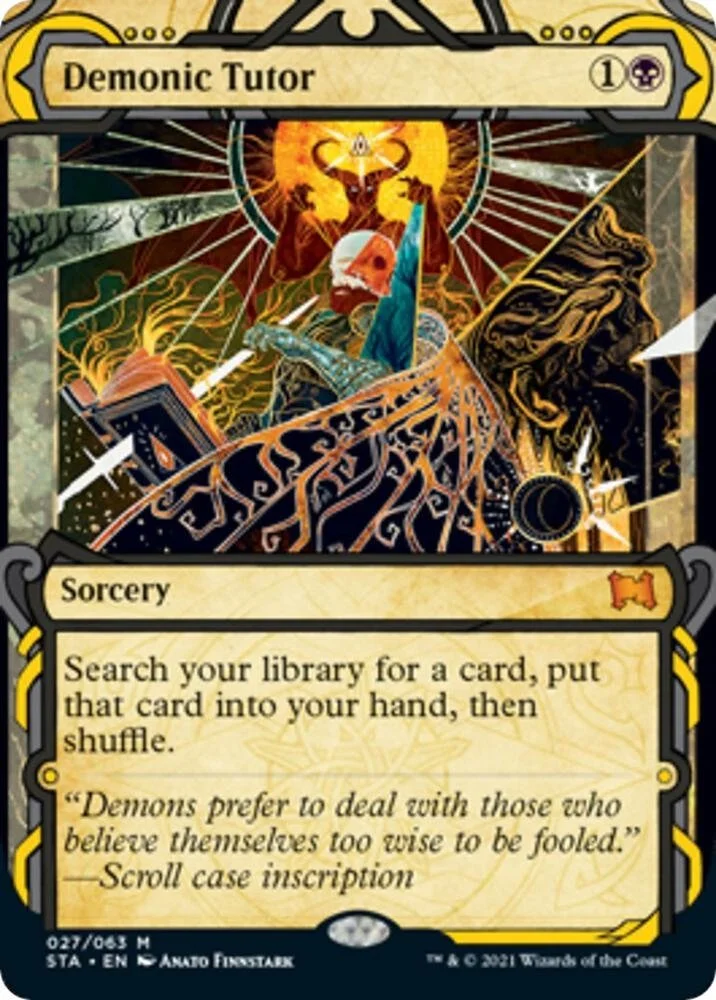
Vampiric Tutor and Demonic Tutor raise the consistency of the deck by letting you find your combo pieces, finishers, protection, or board-breaking spells exactly when you need them.
The higher-power version of Witherbloom is where the commander gets scary fast. The more tutors, altars, and efficient finishers you add, the less this feels like a casual token deck and the more it becomes a deck that can end games out of nowhere.
Cards To Avoid When Building Witherbloom, The Balancer
The biggest trap with Witherbloom is filling the deck with cards that look powerful but do not actually support the commander. This deck cares about creatures, but it does not want random creatures. It cares about expensive spells, but it does not want random expensive spells either.
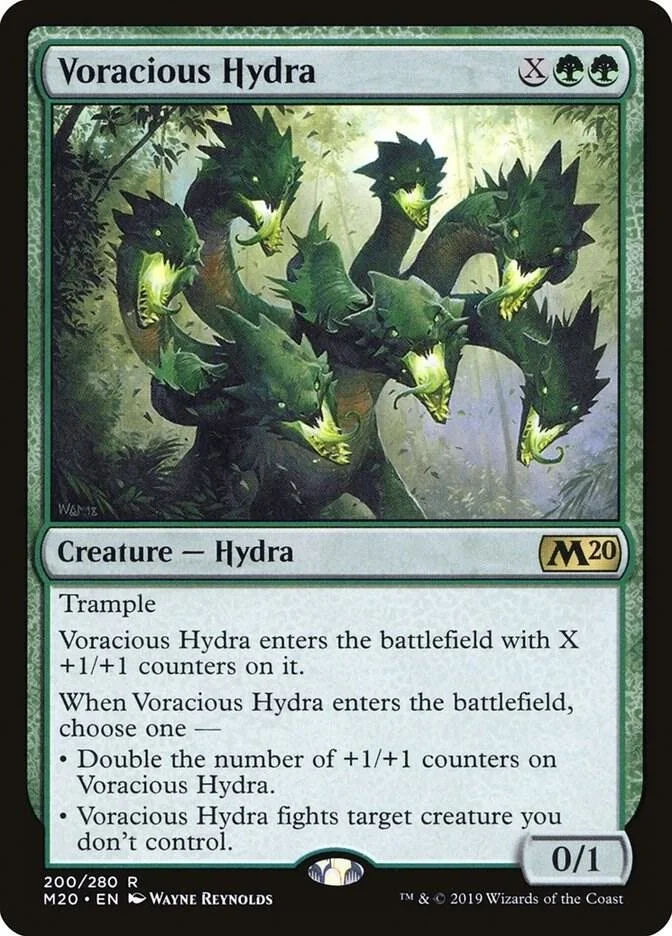
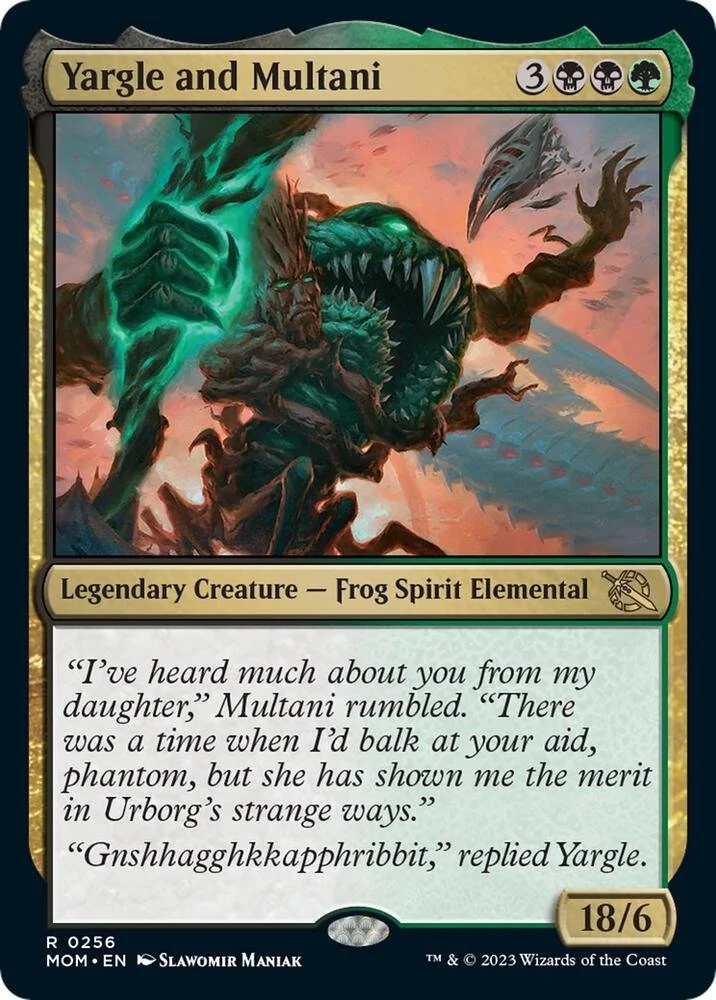
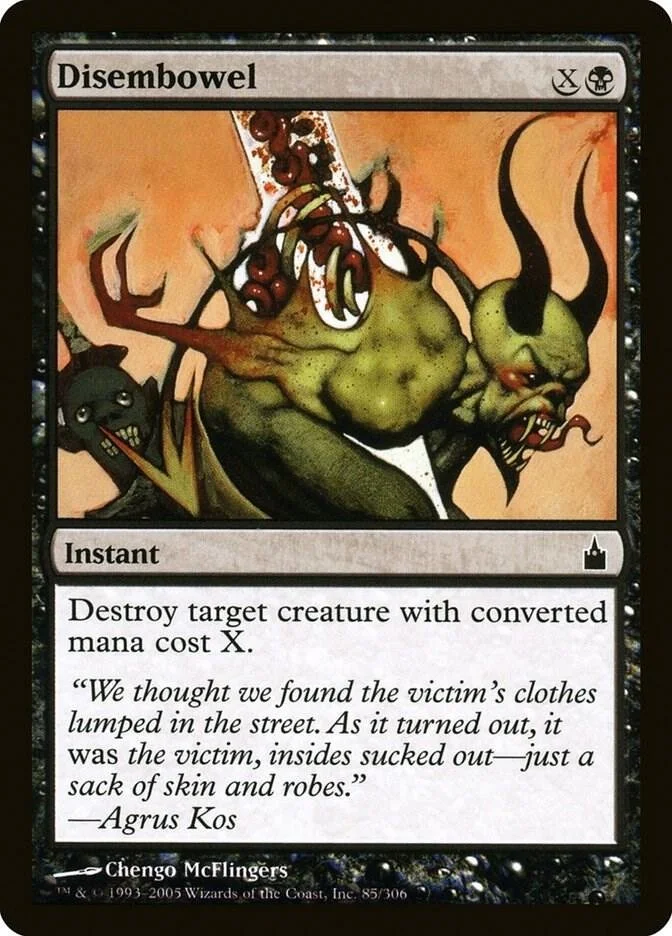
X-Cost Creatures
X-cost creatures are one of the easiest traps. Witherbloom only gives affinity to instants and sorceries, so X-cost creatures do not get the same benefit. If you are spending a ton of mana on a creature, it needs to do something huge immediately.
High-Cost Creatures That Do Nothing
The deck does not need expensive creatures that are just big bodies. If a creature is not attacking for lethal, making tokens, drawing cards, draining opponents, protecting your board, or helping you combo, it is probably not worth the slot.
Witherbloom wants useful bodies. A one-mana creature that taps for mana can be better than a seven-mana creature that only attacks.
Expensive Instants And Sorceries That Do Not Scale Well
Not every expensive spell becomes good just because Witherbloom can discount it. Avoid overpriced removal, one-shot life gain, expensive combat tricks, and big spells that do not draw, remove, create tokens, recur cards, tutor, or win.
If the spell is still mediocre after the discount, it does not belong.
Board Wipes That Hit Your Own Board
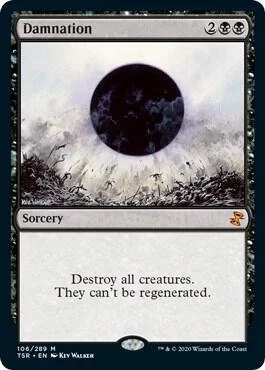
Traditional board wipes are awkward here because your creatures are not just creatures. They are your discount engine. Once your tokens are gone, your spells get more expensive again, and you may have to rebuild from nothing.
That is why a card like In Garruk’s Wake makes more sense than a normal destroy-all-creatures wipe. You want interaction that keeps your side of the battlefield intact whenever possible.
Cards That Only Gain Life
This is still Witherbloom, so life gain is naturally tempting. But gaining life just to gain life is not enough. Life gain should come attached to another effect, like draining opponents, drawing cards, making tokens, or keeping you alive while you set up a win.
How This Deck Wins
Witherbloom, the Balancer wins by becoming undeniably overwhelming.
You make as many creatures as possible, use those creatures to discount your biggest instants and sorceries, and then end the game with a massive swing or a huge drain spell. Sometimes that means casting Craterhoof Behemoth and turning your tokens sideways. Sometimes it means casting Exsanguinate or Torment of Hailfire for an absurd amount. Sometimes it means using Finale of Devastation to find the exact creature that ends the table.
The fun part is that the deck has multiple ways to close. It can win through combat, drain, combo, or overwhelming value. Personally, I like the version that blends token generation with aristocrat pressure, while still keeping the big splashy finishers. I want the deck to build an army that feels unstoppable, but I also want the option to win without needing combat if the board gets complicated.
Witherbloom, The Balancer Affinity Decklist
Example Decklist available here: Witherbloom, the Balancer Token Affinity
Final Thoughts
Witherbloom, the Balancer is easily one of the most exciting Elder Dragons from Secrets of Strixhaven. It takes a familiar Golgari shell and gives it a new identity by turning creatures into spell discounts. That makes every token matter, every board state feel dangerous, and every big instant or sorcery a potential game-ending threat.
This is the kind of commander that can be built in a lot of different directions. You can keep it as a fun token deck that casts big spells, push it toward aristocrats, or crank the power level up with tutors and combo pieces. No matter which route you take, the goal stays the same: build the board, make your spells cheap, and overwhelm the table before they can find a clean answer.
Witherbloom is big, flashy, and surprisingly efficient once the engine gets moving. If this is the first of the five Elder Dragons I am building around, the rest of the cycle has a lot to live up to.
If competitive Magic isn’t your thing, you can check out our Secrets of Strxihaven Horde Mode guide! And you can also keep up with every major TCG, tabletop, board game, and TTRPG release by checking out our 2026 TCG and Tabletop Gaming Release Calendar, which we update throughout the year with new sets, expansions, and upcoming releases.