Clash of Clans entered 2026 with more momentum than it has seen in years. After the launch of Town Hall 18 in November 2025, Supercell followed up with Dragon Duke on March 1, 2026—the game’s sixth hero and one of the most significant combat additions since the Royal Champion. Combined with new defenses, fresh guardian mechanics, progression changes, and updates to Clan War League formats, this is more than a routine content cycle. It marks a real shift in how serious players build bases, manage upgrades, and approach attacks at the highest level. For casual players, it means more content. For competitive players, it means learning a new version of Clash of Clans. With the meta moving quickly, some players now look to browse TH18 accounts to stay war-ready and keep pace with evolving competitive standards. Whether through upgrades or roster optimization, the pressure to keep up is clearly higher than it was in slower update cycles.
Dragon Duke Changes the Hero Meta
What Dragon Duke Does
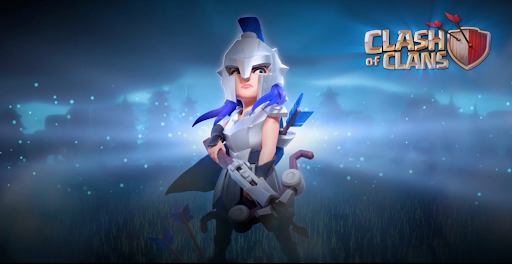
Dragon Duke is an air-focused offensive hero designed to create pressure where traditional ground heroes often struggle. Instead of slowly pushing through walls and compartments, Dragon Duke adds mobility that can threaten key defenses, core buildings, and protected sections of a base much faster. That changes how attacks can be opened and how value is taken early.
Its biggest strength is the ability to reach high-value compartments that once required heavy spell investment or perfect funneling. With more direct access to dangerous zones, attackers gain another tool for removing Inferno Towers, Scattershots, Monolith-style threats, or support defenses before the main army commits.
Dragon Duke also fits naturally into modern funnel strategies. Players who rely on precise pathing now have another way to shape troop movement, carve angles into bases, and create cleaner routes for the rest of the army.
Why It Matters
The arrival of a sixth hero is a bigger deal than it sounds. Heroes already define most high-level attacks, and adding another option expands planning dramatically. Players now have more combinations to test, more timing windows to manage, and more ways to split pressure across a base.
That flexibility matters most for advanced players chasing three-star consistency. Some attacks may now lean heavier into air pressure, while others use Dragon Duke as a surgical support option rather than a centerpiece. Either way, hero management becomes deeper and more skill-based.
It also increases the gap between average and elite execution. Strong players will quickly find optimized hero sequencing, while less experienced attackers may struggle to use six heroes efficiently.
Early Balance Questions
As with every major release, balance is the first real question. If Dragon Duke delivers too much value too consistently, it could become a near-mandatory pick in top-tier attacks. That would narrow strategy diversity instead of expanding it.
The other side of the equation is base design. Defenders are already experimenting with layouts that isolate air paths, bait abilities early, and stack anti-air coverage where Dragon Duke wants to enter. If those counters prove effective, the hero may settle into a specialist role instead of dominating the meta.
Right now, Dragon Duke looks less like a gimmick and more like a genuine meta-shaping addition. The only unanswered question is whether it becomes essential—or simply one more elite option.
TH18 Introduced More Than Just a New Town Hall
Town Hall 18 was not a cosmetic level increase or a simple stat bump. It reshaped how bases are built and how attacks finish. Instead of only adding stronger numbers, TH18 introduced layered defenses and new support mechanics that force attackers to think deeper into the final minute of a raid. Late-stage cleanup, spell timing, and pathing all became more punishing if the opening phase goes wrong.
Revenge Tower
The Revenge Tower quickly became the signature TH18 defense because it changes behavior as the battle progresses. Rather than staying static, it becomes more dangerous in stages, forcing attackers to respect it from the first drop to the final cleanup.
Its most important spike comes in Phase 4, which activates when 40 buildings are destroyed. That timing matters because many attacks are transitioning into cleanup or final core pressure at that point. Instead of defenses fading late, the Revenge Tower becomes a bigger threat just when players expect control.
This makes late attacks riskier. A run that looks clean at the one-minute mark can suddenly unravel if remaining troops bunch up, heroes lose support, or cleanup units enter range too early.
Super Wizard Tower
The Super Wizard Tower adds brutal splash damage combined with chain pressure, making it one of the most punishing anti-group defenses in the current game. Troops that survive the first hit can still trigger damage chains across nearby units, creating fast collapses if armies are stacked too tightly.
That makes careless spell timing more expensive. A delayed Freeze or missed Invisibility can cost an entire push instead of a few troops. Players relying on brute-force spam attacks feel this most, since clustered armies give the tower maximum value.
In practical terms, it is one of TH18’s clearest anti-spam additions and rewards cleaner, more deliberate entries.
New Guardians: Smasher and Longshot
TH18 also introduced Guardians that add another layer of unpredictability to base defense.
Smasher functions as a tank and disruption unit. It absorbs damage, slows momentum, and can break the rhythm of an otherwise smooth push. When placed near high-value defenses, it forces attackers to spend more time and resources than planned.
Longshot creates a different problem. As a ranged support threat, it pressures troops and heroes from safer positions, often adding chip damage while the main defenses do the heavy lifting. Ignoring it can quietly ruin hero health or weaken key troops before the core is reached.
Because of that, attackers now need to scout Guardian placements carefully. A strong army plan can fail simply because Smasher stalls the push or Longshot drains value from behind cover.
Other 2026 Updates Worth Noting
Greedy Raven Pet
Greedy Raven is aimed more at progression than raw combat dominance. Its value comes from resource-focused utility, making it attractive for players trying to maximize farming efficiency and speed up upgrades.
That gives it niche strategic use, but it is less likely to become a must-pick in serious war lineups. Competitive players usually prioritize direct combat value, while grinders and active farmers benefit more from what Greedy Raven offers.
Earthquake Spell Tower Level 4
The Level 4 Earthquake Spell Tower increases defensive spell pressure and makes core entries less reliable. Bases can now deny more value through stronger disruption, forcing attackers to commit earlier spells or reroute pushes.
That matters most in compact TH18 layouts where every tile counts. If a push gets displaced at the wrong moment, an entire attack path can collapse.
Gold Pass 2.0 and Hoggy Bank
Outside combat, Supercell also updated progression through Gold Pass 2.0 and the Hoggy Bank system. The focus appears to be smoother reward pacing and more consistent milestone value rather than front-loading everything early in the season.
For active players, that can feel better and more rewarding over time. The concern is whether it widens the gap between grinders who maximize every track and casual users who log in less often. If progression becomes too efficiency-based, some players may feel pressured to play on a schedule rather than at their own pace.
What This Means for Competitive Play
The 2026 updates are not limited to new content drops—they directly affect how organized clans compete. Between Clan War League restructuring, TH18 defensive pressure, and the arrival of a sixth hero, competitive Clash of Clans now rewards preparation and adaptability more than routine execution.
CWL Format Changes
Clan War League now places Bronze through Crystal leagues in 5v5 formats, while Master league and above use 15v15 wars. That is a meaningful structural change because it reshapes roster management and the value of individual attacks.
For lower leagues, smaller wars reduce room for mistakes. One failed hit can swing an entire matchup. In higher leagues, 15v15 formats emphasize consistency across a full roster rather than relying on a few star players.
Strategy Impact
Smaller rosters in lower leagues place more pressure on every attack. There are fewer backup stars available, fewer chances to recover from misses, and more importance placed on dependable two-star safety versus risky triple attempts.
At the top end, larger wars reward clans with deeper benches and broader Town Hall strength. A clan with five elite hitters is dangerous, but a clan with fifteen reliable hitters is now far more valuable.
TH18 defenses also raise the importance of scouting. Revenge Tower timing, Super Wizard Tower placement, and Guardian positioning all create traps that can punish lazy planning. Reading a base properly is now almost as important as executing the attack itself.
Dragon Duke adds another layer. With six heroes available, pathing and timing decisions become more complex. Players must decide whether to use Dragon Duke for early value, side pressure, or late cleanup support. Hero sequencing could become one of the biggest separators between average and elite war attacks.
The Upsides and Remaining Concerns
What Supercell Got Right
Supercell deserves credit for delivering updates that actually change gameplay instead of padding patch notes. TH18 introduced meaningful Town Hall content rather than simple stat inflation, while Dragon Duke gave players a fresh strategic variable to learn.
The result is a competitive scene that feels less stale. Attackers have new options, defenders have new tools, and clans can no longer rely on outdated routines.
What Still Needs Work
The biggest question remains Dragon Duke balance. If one hero becomes too efficient, strategy diversity could narrow instead of expand.
There are also valid concerns about defensive power creep. Revenge Tower, Super Wizard Tower, upgraded Spell Towers, and Guardians together can create a heavy defensive environment if not carefully tuned.
Finally, returning players may find the game harder to re-enter. More systems, more hero management, and more specialized defenses increase the learning curve.
Final Verdict
2026 is not a filler year for Clash of Clans—it is a structural shift. Town Hall 18 changed how bases defend and how attacks close out, while Dragon Duke reshaped hero planning and offensive possibilities. Add CWL format changes and progression updates, and the result is a game that now asks more from serious players than it did a year ago. For anyone who competes regularly, Clash of Clans in 2026 is not just bigger—it is fundamentally different.