MindsEye
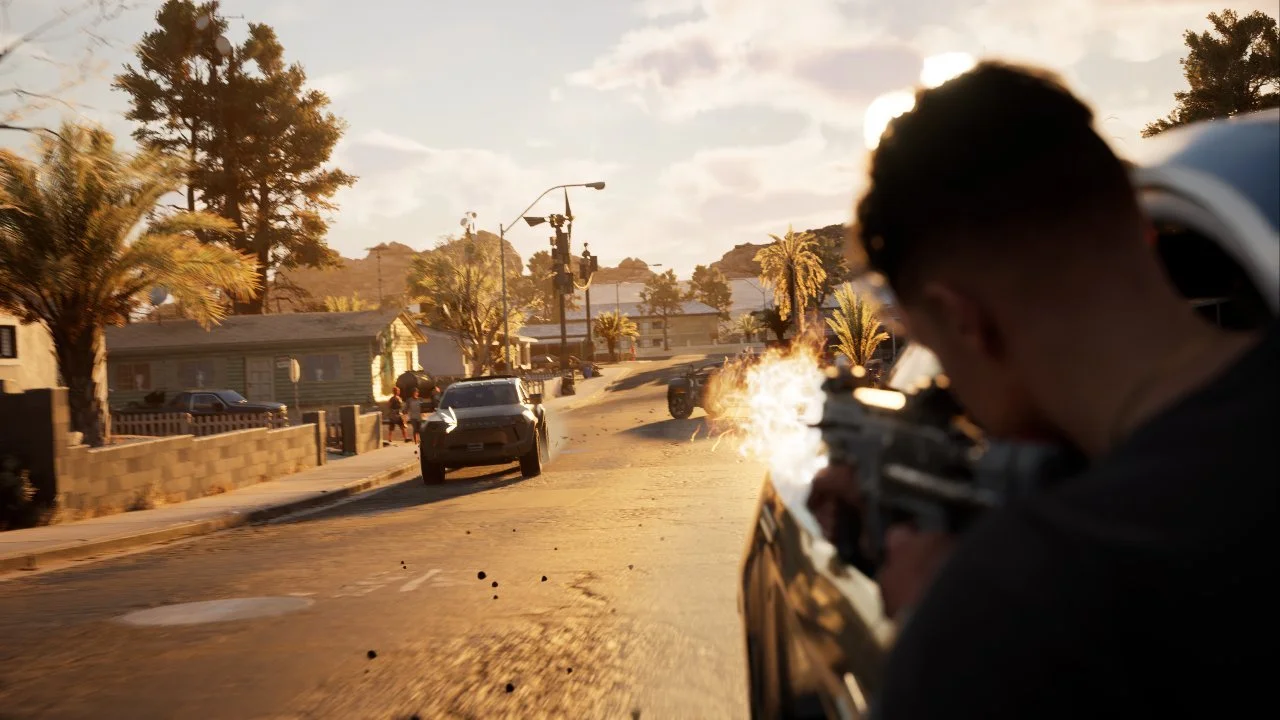
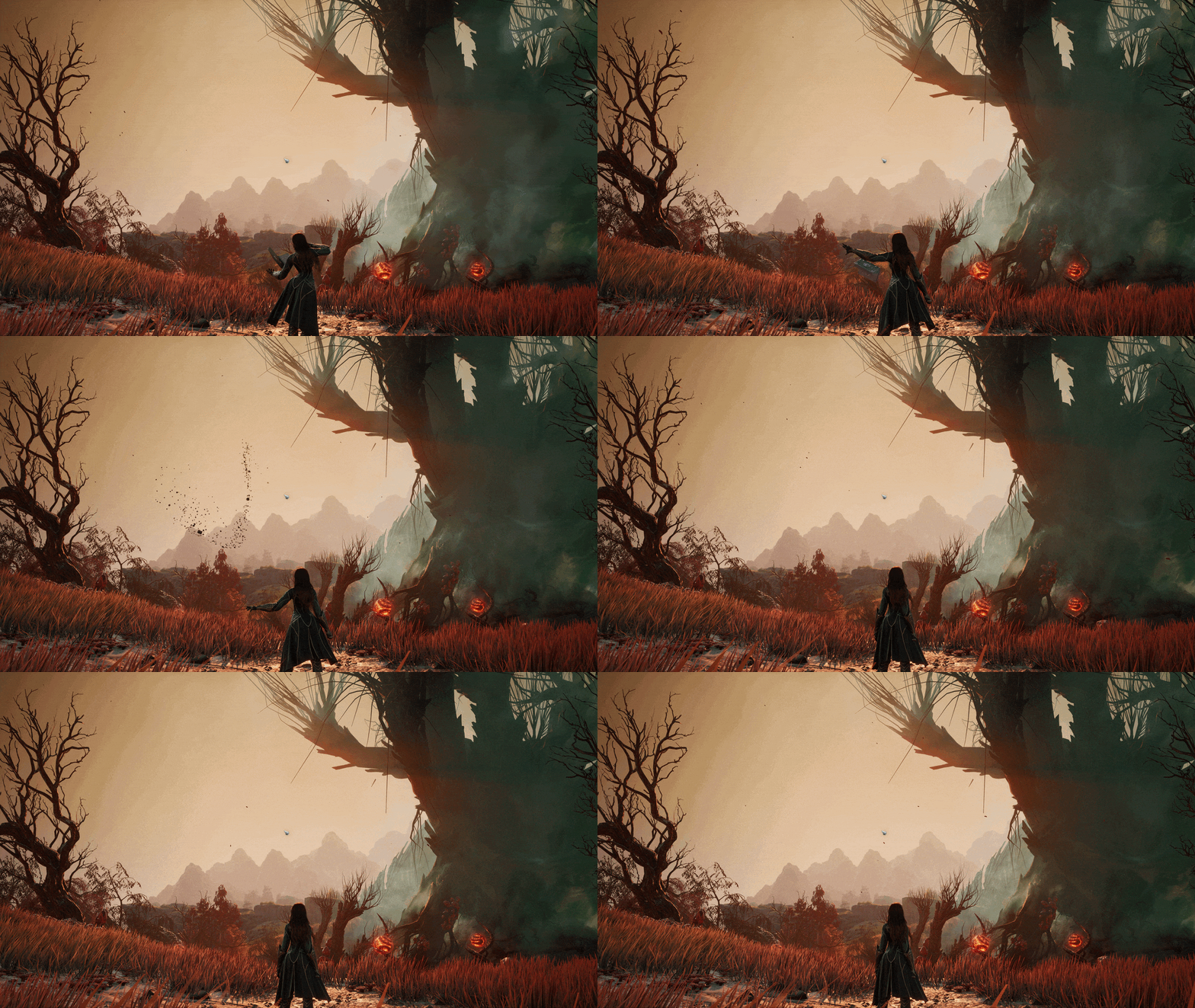
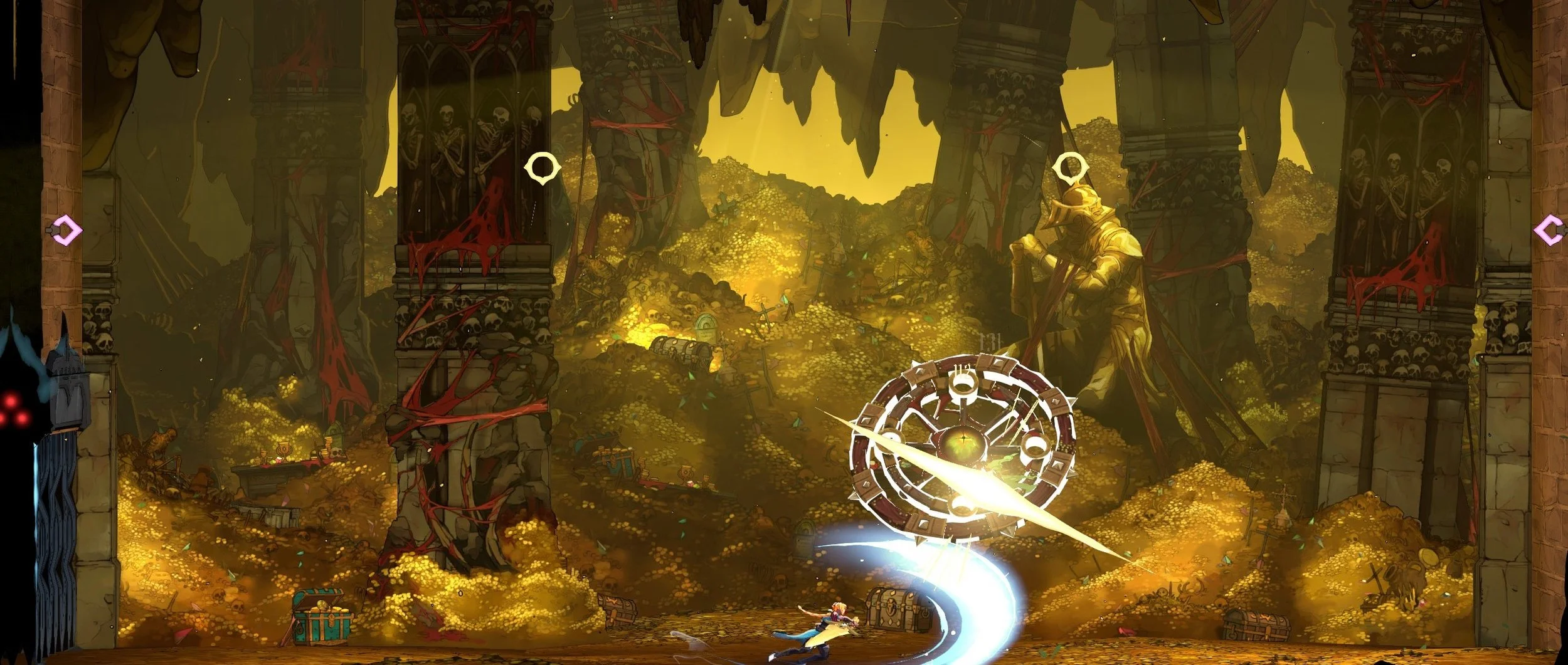
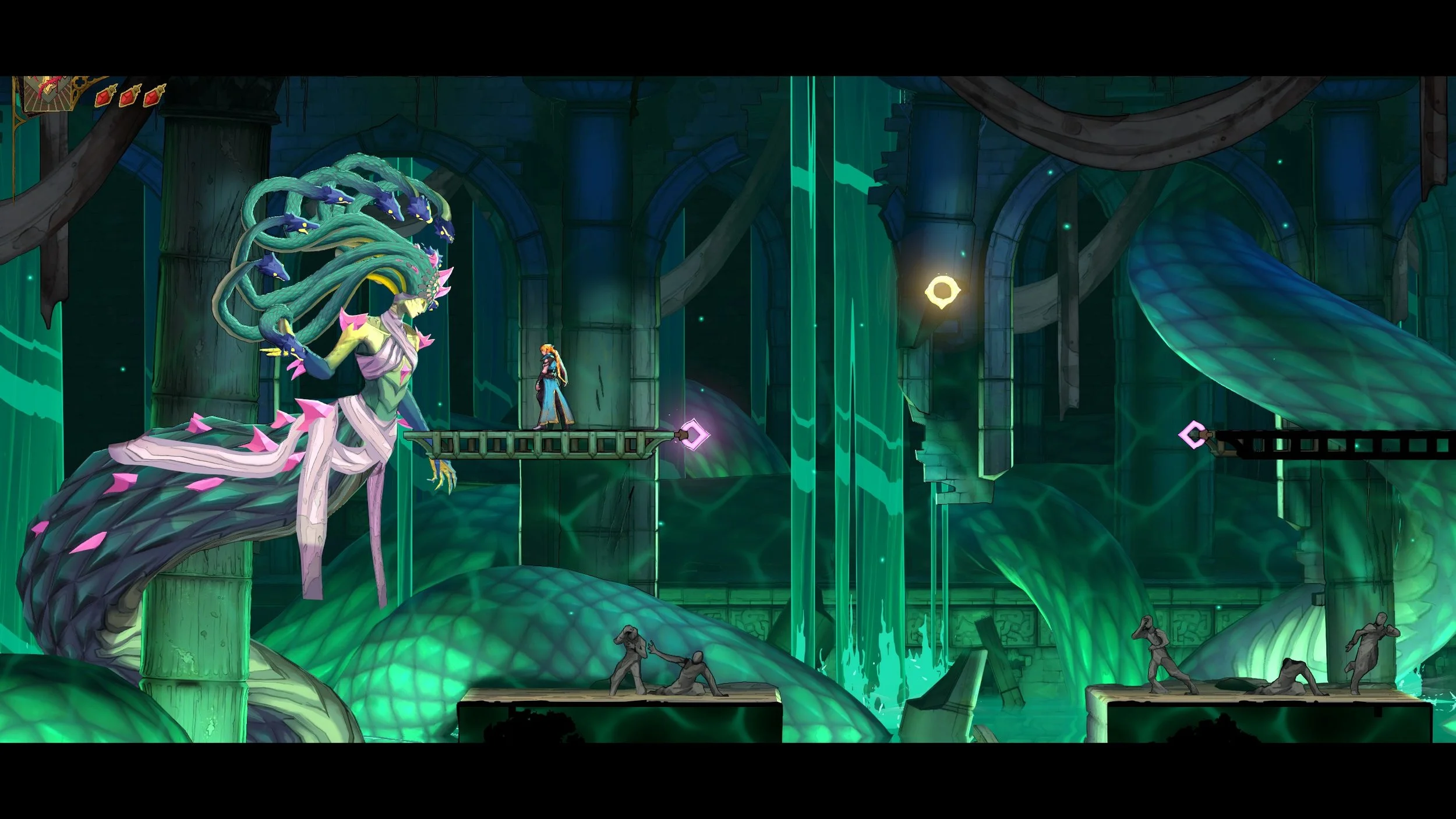
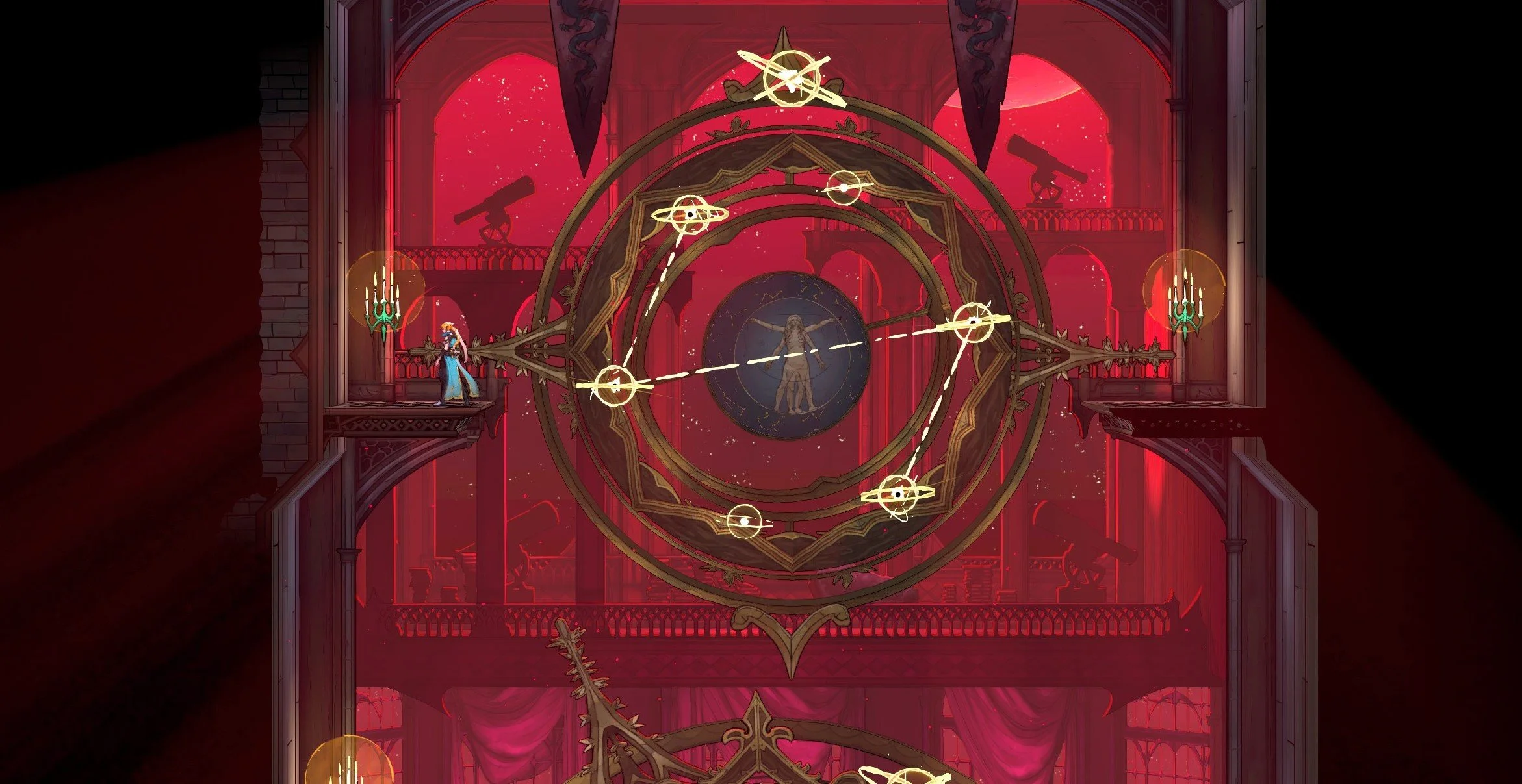
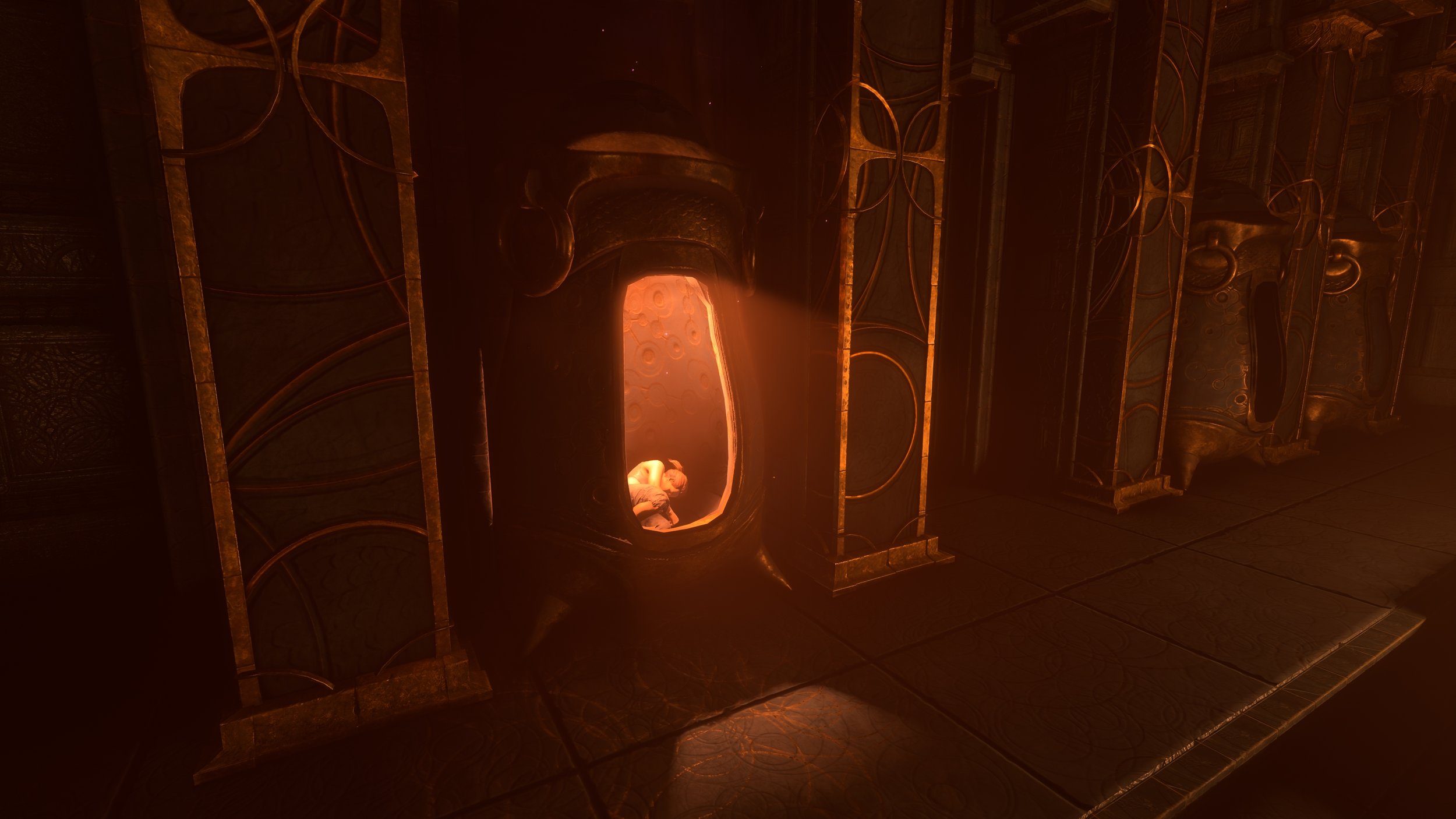
MindsEye may still be a flawed title, but there’s no denying how far it has come thanks to its latest update. What once felt uneven in both performance and design now plays with a noticeably steadier hand, ironing out many of the frustrations that held it back at launch. Beneath those early issues was always a technical powerhouse waiting to shine, and today that promise is much easier to see. From its striking visual fidelity to its ambitious world-building, MindsEye often feels less like a traditional game and more like a technical showcase for what modern PC hardware can accomplish. It’s not perfect and likely never will be but for players who appreciate cutting-edge presentation and the evolution of a game over time, this is one redemption arc worth revisiting.
I skipped this at launch but I’m having fun with it currently especially on the technical side of the house with some gorgeous moments and fluid performance on high end machines.
Eldegarde
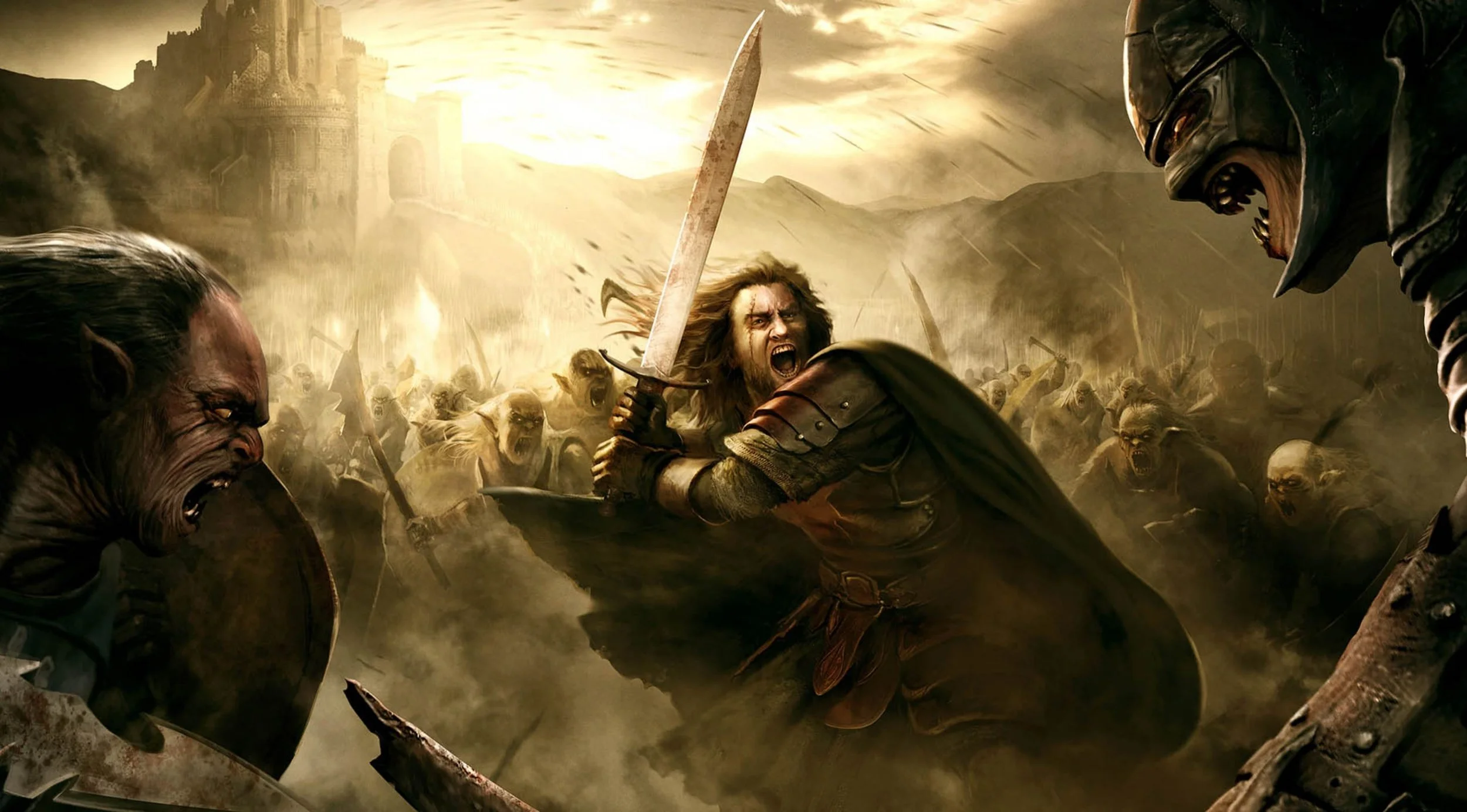
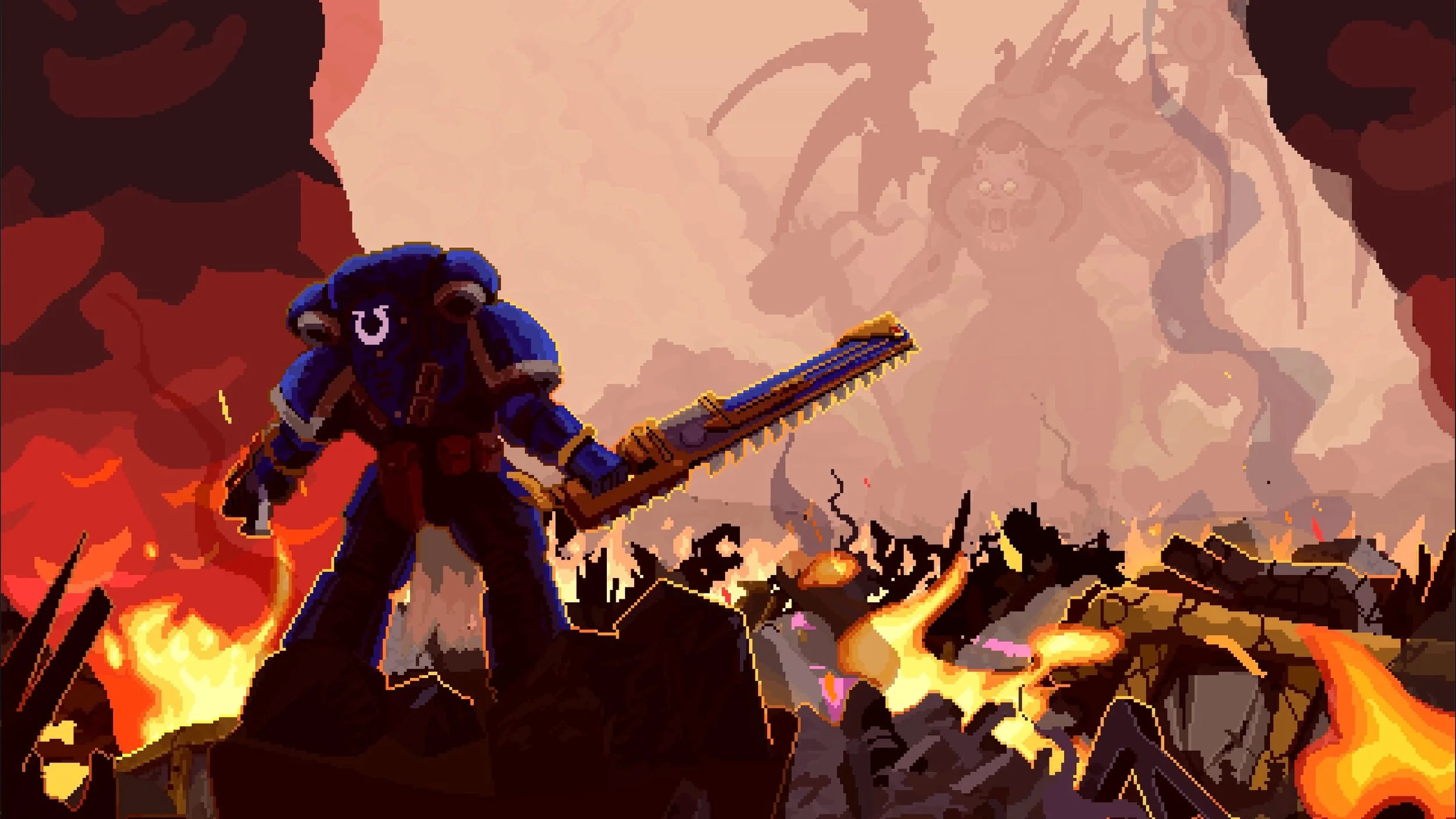
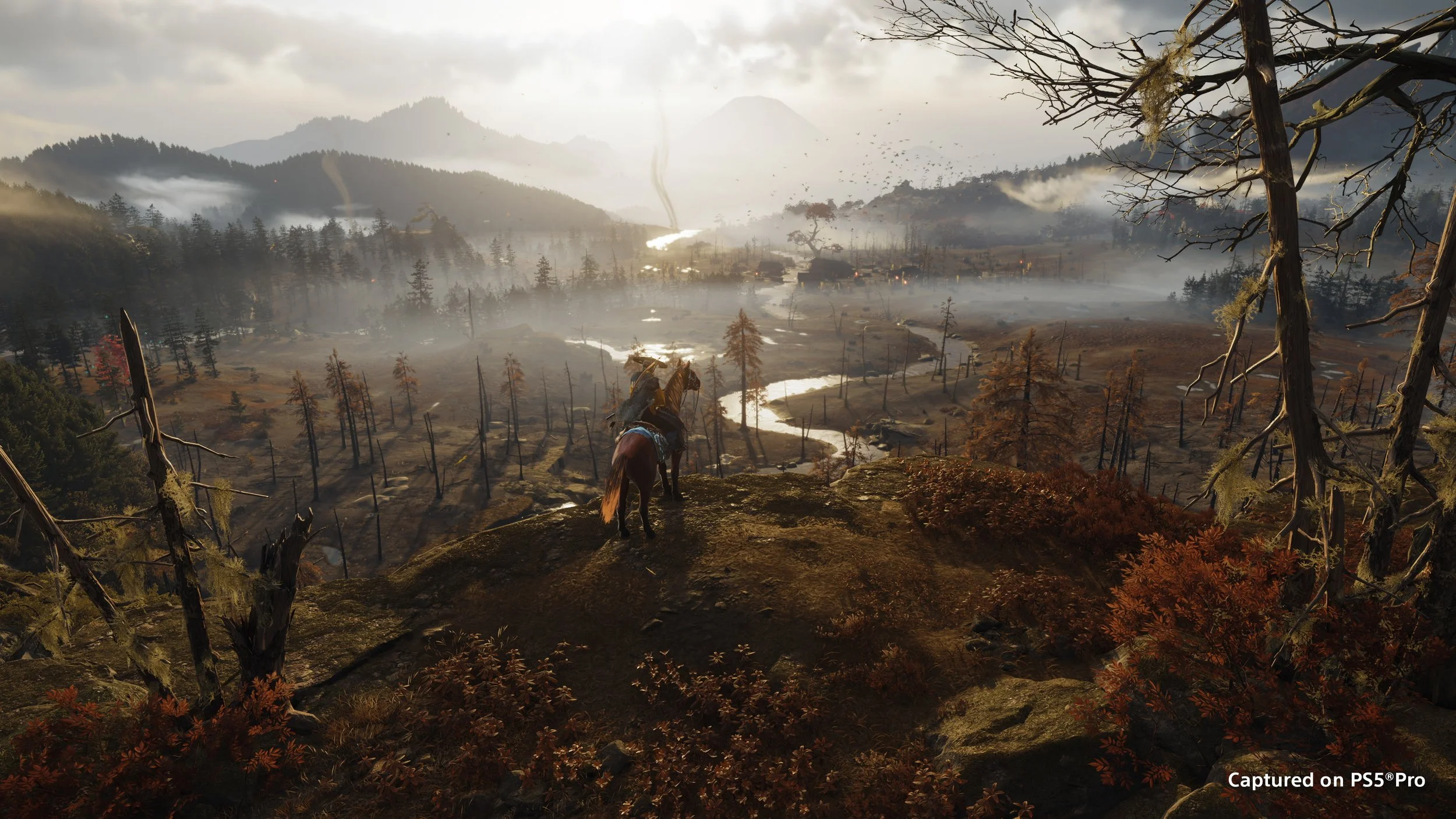
Eldegarde, on the other hand, is a reminder that some games simply need room to breathe. Its rough start made it easy to overlook, yet continued content updates and steadily increasing polish have transformed the experience into something far more compelling than many expected. The developers clearly didn’t retreat after launch; instead, they doubled down, refining systems, expanding the world, and smoothing out the edges that once distracted from its strengths. What’s surprised me most is how the game has gradually grown on me,the kind of slow-burn appreciation that sneaks up after a few play sessions and suddenly clicks. If the current trajectory holds, Eldegarde could evolve from a cautious recommendation into a quiet favorite for PC players who enjoy watching a game mature into its potential.
It’s not perfect but it’s worth a look, especially if you like fantasy and the extraction genres complete with PvE and PvP maps and rotations.