REANIMAL marks Tarsier’s full return to the “little” horror genre—but this time, the gloves are off. After stepping away from the Little Nightmares universe, the studio uses REANIMAL to explore a much darker, more emotionally punishing vision of childhood horror. It’s familiar in structure yet far more aggressive in tone, leaning into despair, grotesque imagery, and moments that feel deliberately uncomfortable to witness. The result is a game that feels like both a spiritual successor and a sharp escalation of what Tarsier does best.
Gameplay & Story
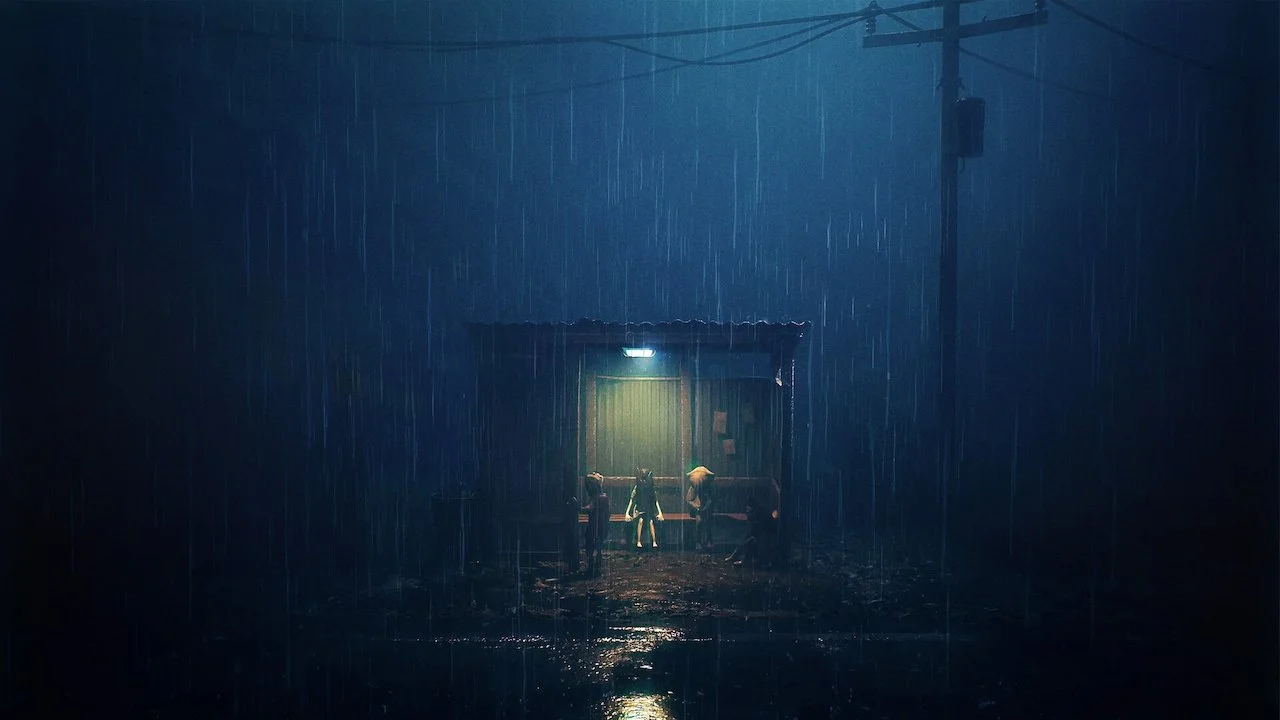
In REANIMAL, you play as two orphaned siblings trapped in a decaying, hostile world that seems designed to crush any remaining sense of hope. From the moment the game begins, it establishes a bleak tone—this is not a journey toward salvation, but one of survival through constant loss, fear, and degradation. The environments you move through reinforce this relentlessly, ranging from rotting beaches and flooded parking garages to war-torn zones that feel disturbingly grounded in reality, yet far far from it.
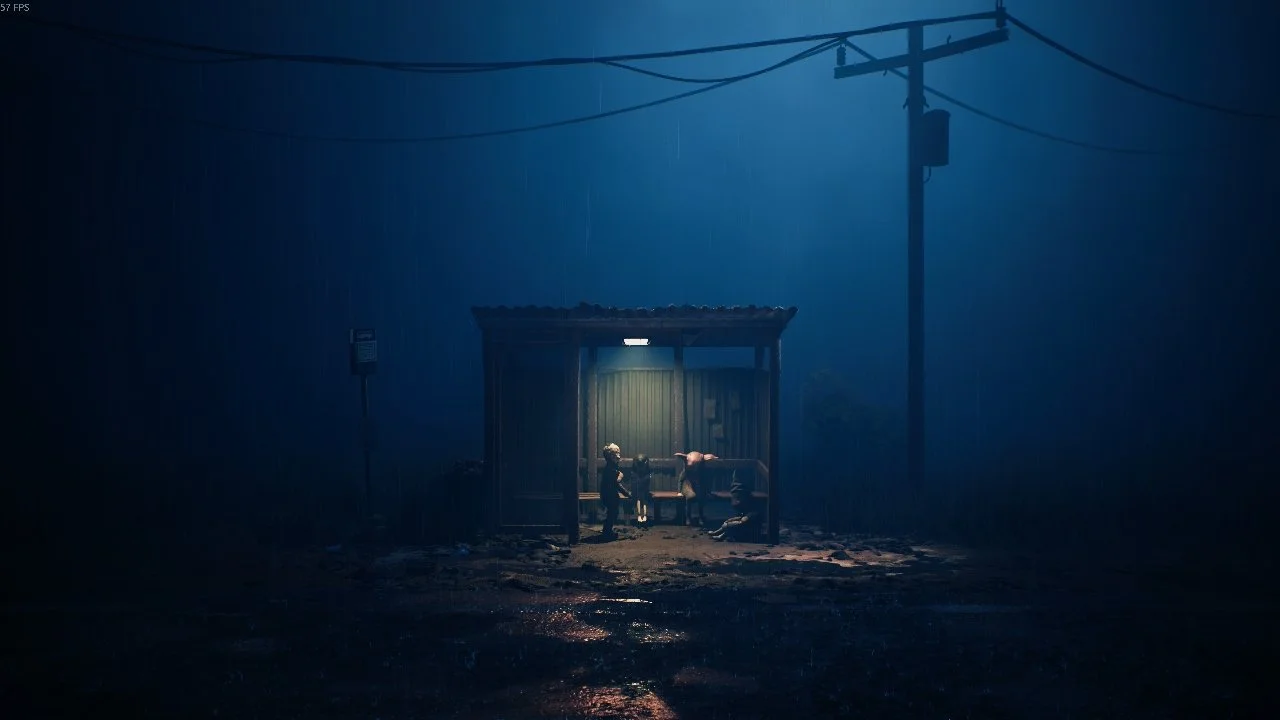
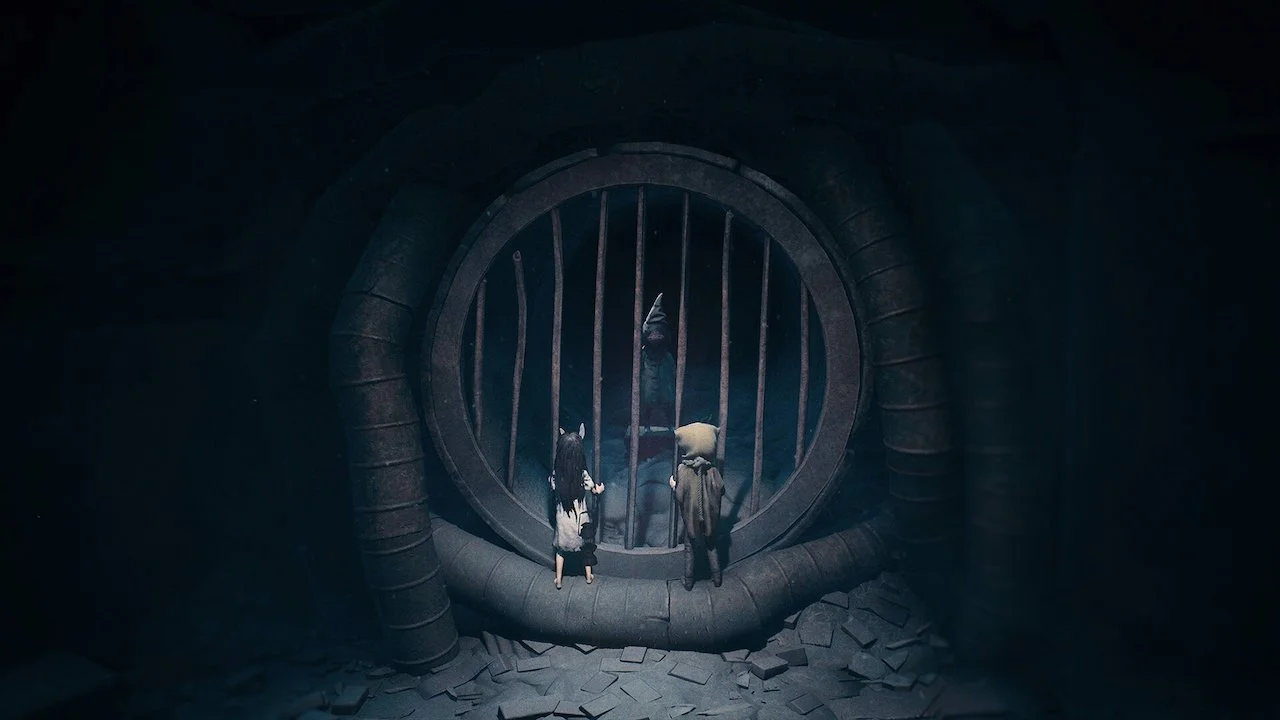
As you progress, you encounter other orphans who slowly join your journey. Rather than feeling empowering, these reunions often feel heavy, almost tragic. Each new character adds emotional weight to the story, subtly reinforcing the idea that everyone here is damaged in some way. The narrative takes a deeply depressing turn early on, presenting a cycle of suffering that feels inescapable. Just when you think you understand the game’s direction, REANIMAL throws an unexpected narrative shift your way—one that reframes much of what you’ve seen without cheap twists or exposition dumps. It’s a quiet, unsettling turn that lands far harder than a loud reveal ever could.
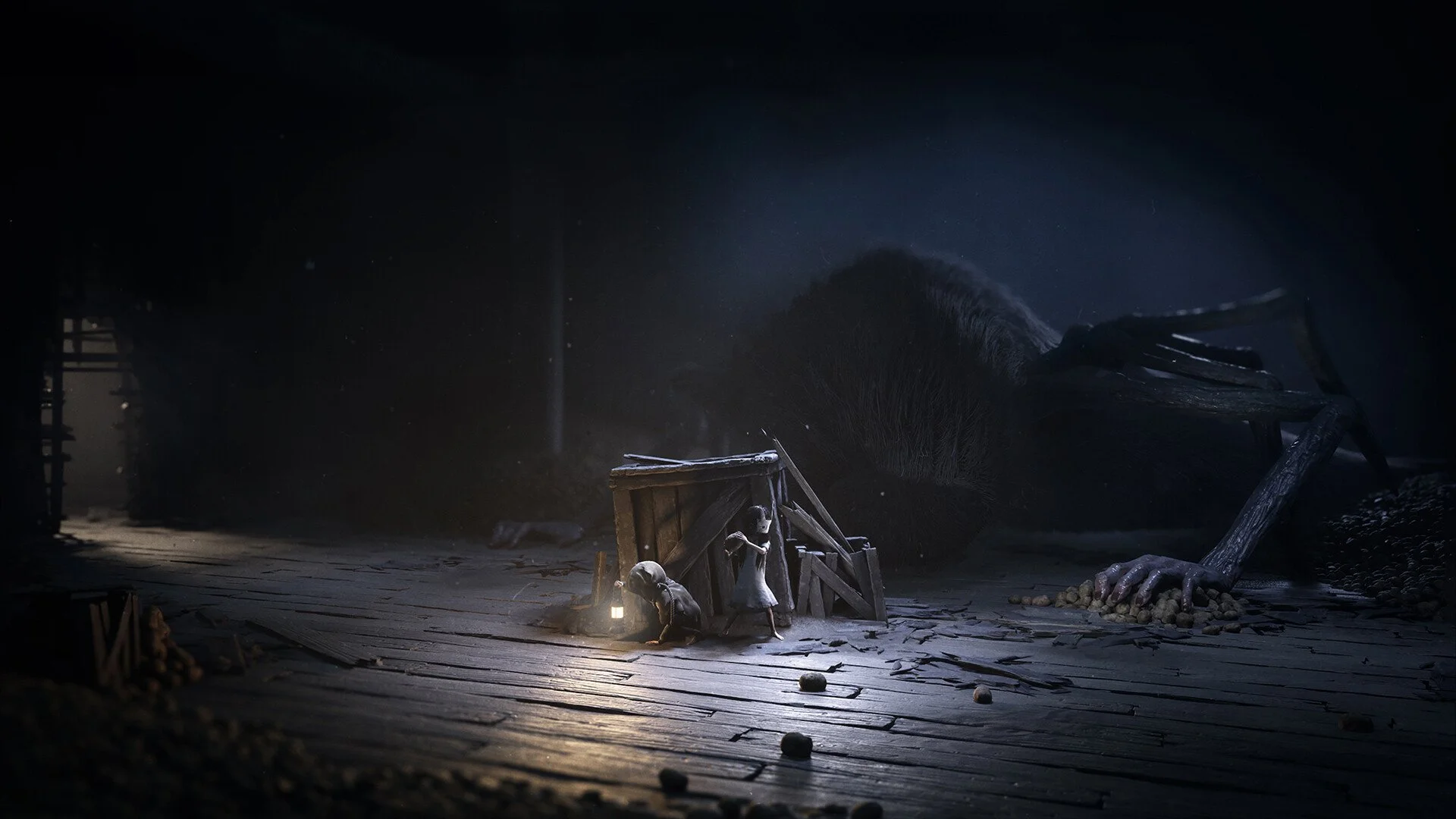
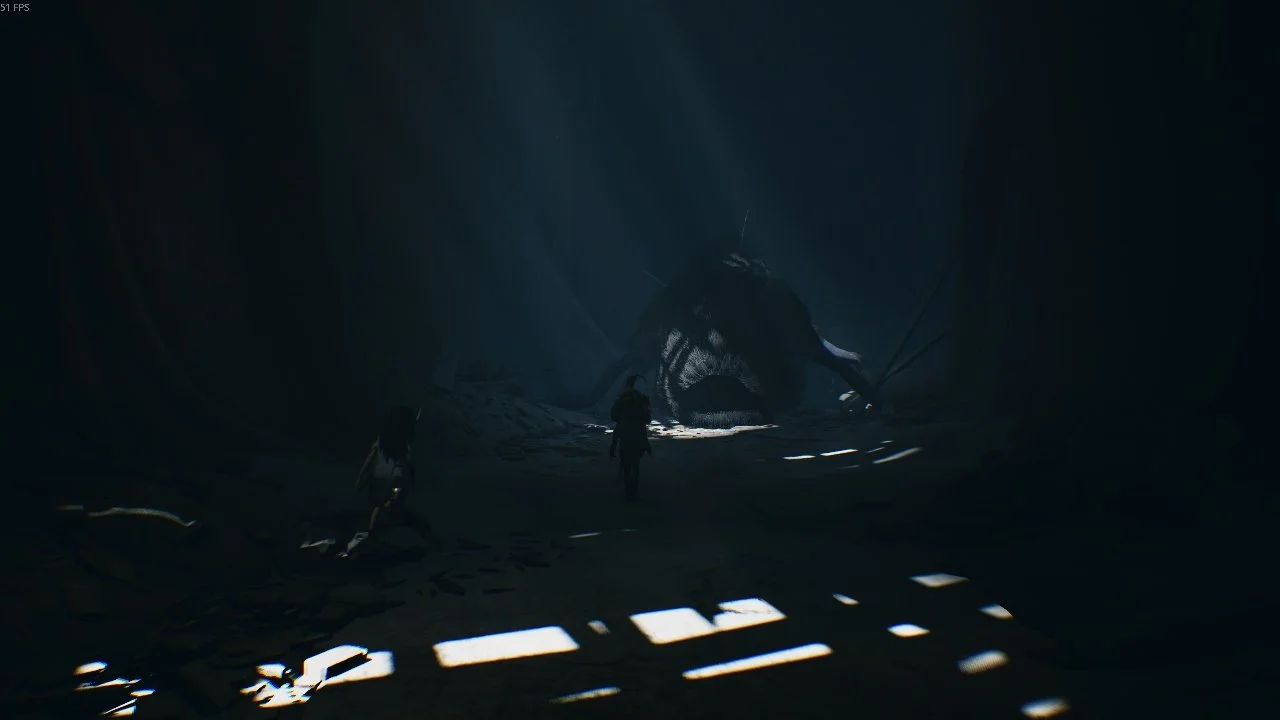
Gameplay-wise, REANIMAL stays close to Tarsier’s roots. You’re small, fragile, and constantly dwarfed by grotesque, towering monsters that seem barely contained by the world around them. Much of the tension comes from chase sequences, stealthy movement, and environmental navigation. The puzzles are generally straightforward and rarely halt momentum. Most can be solved quickly, keeping the focus on atmosphere and forward motion rather than mental roadblocks. Even the classic “push the object” moments feel intentionally simple, almost like a brief pause before the next spike in tension.
One of the most notable changes from Tarsier’s earlier work is the introduction of light combat and true boss encounters. Instead of merely escaping danger, REANIMAL occasionally allows you to confront it head-on. These moments are rare, but that’s exactly why they work. When you finally “defeat” a boss rather than narrowly avoiding it, the payoff feels immense. It adds a sense of agency without undermining the game’s core identity as a horror experience.
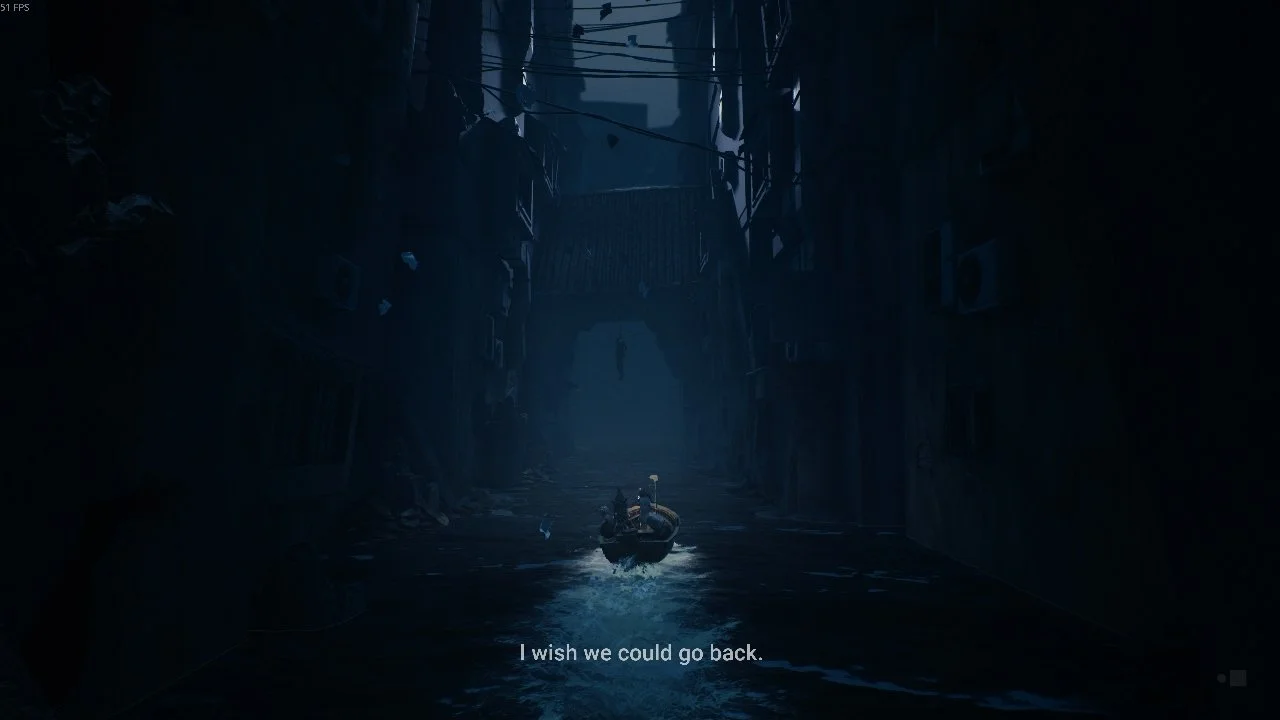
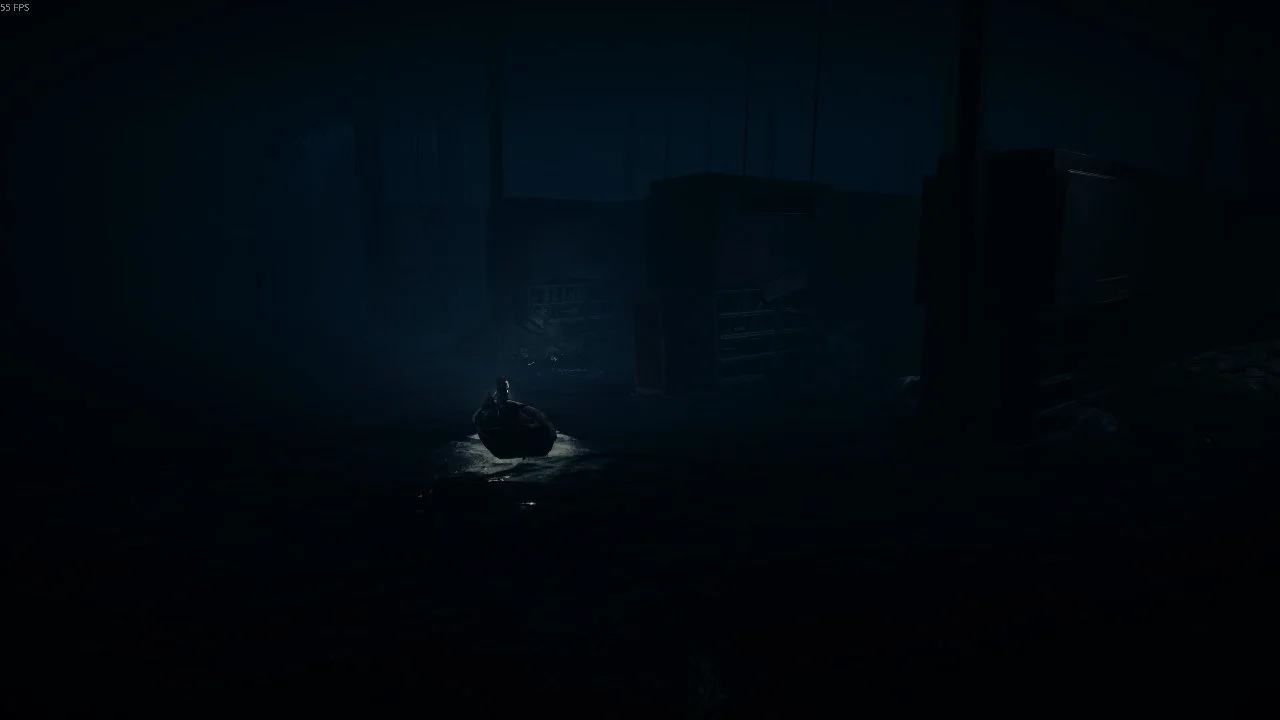
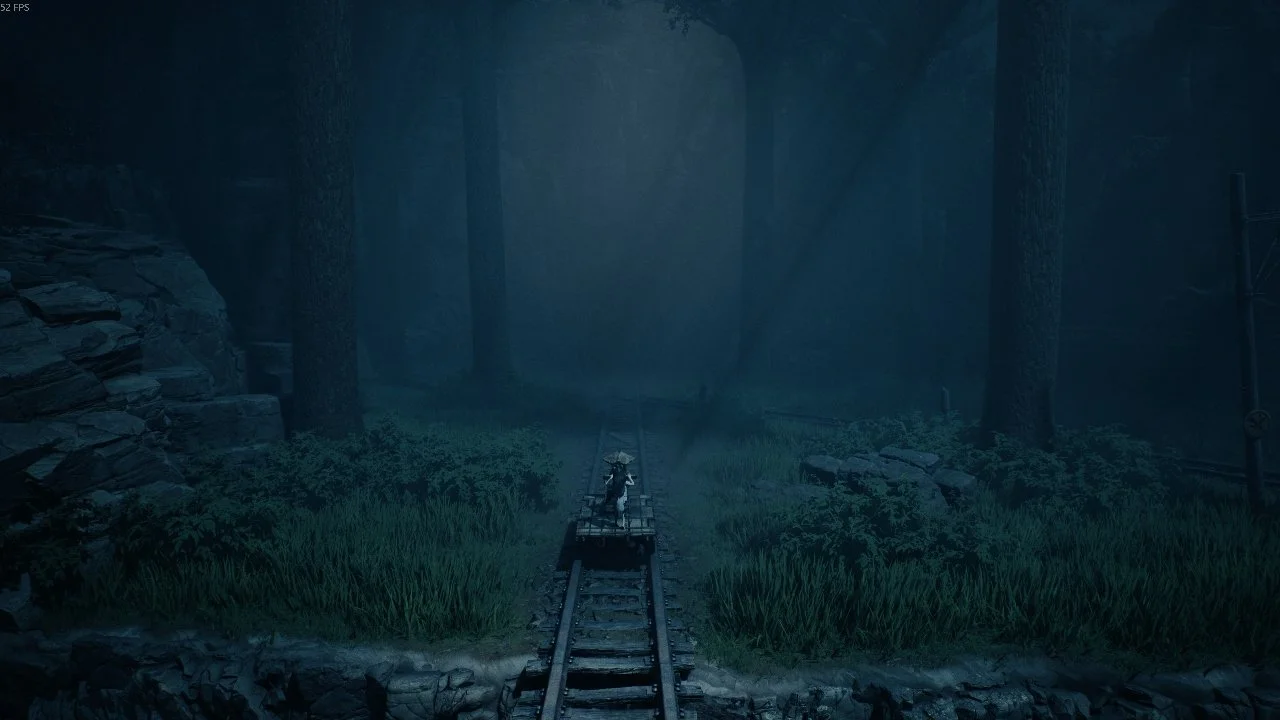
Traversal plays a surprisingly large role, especially via boat segments. These areas are some of the game’s most visually striking, with haunting open spaces that contrast sharply with the tight corridors elsewhere. Unfortunately, once the javelin mechanic is introduced—used to detonate bombs or fend off enemies—single-player aiming can feel inconsistent. It’s not game-breaking, but it does introduce moments of frustration during otherwise strong sections.
REANIMAL supports both single-player and co-op play, but the experience feels clearly designed for solo players. Co-op rarely introduces mechanics that truly justify a second player, aside from a few boat-related interactions. In fact, much of the game’s tension and emotional weight is diluted when shared. Playing alone heightens vulnerability, making single-player the superior and more impactful way to experience the story.
Graphics & Design
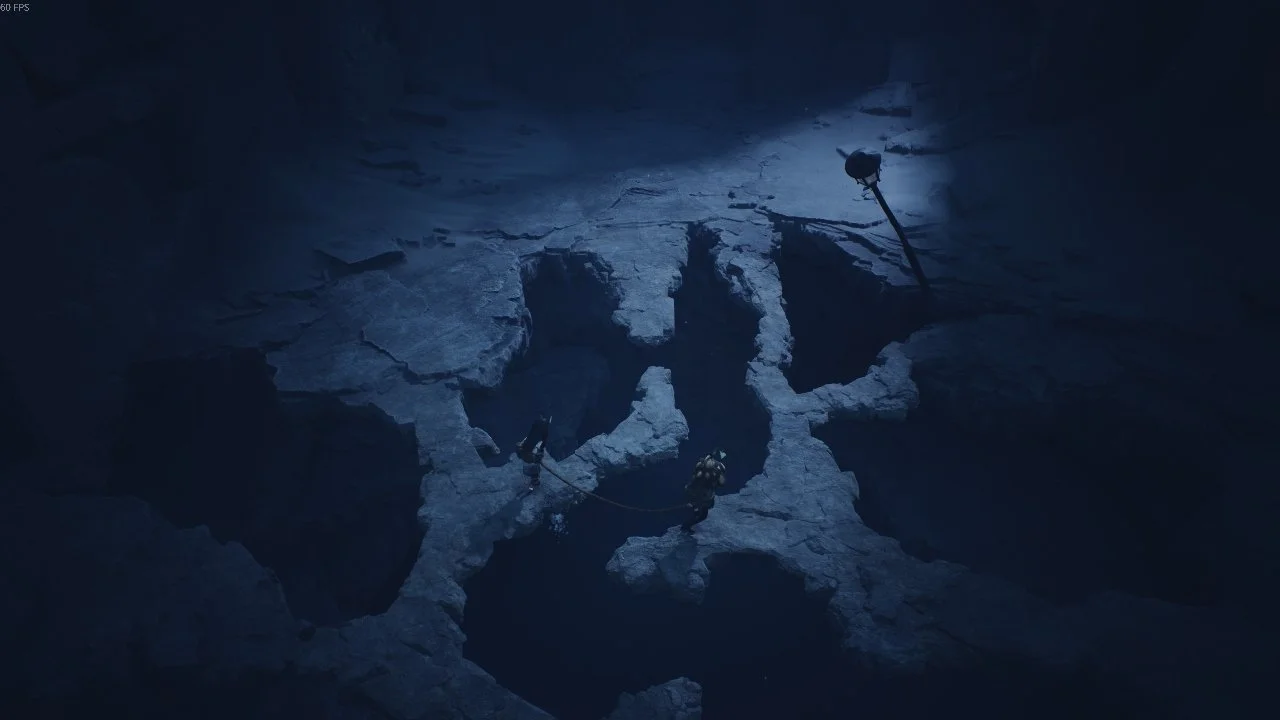
REANIMAL fully commits to its horror aesthetic, pushing far beyond what Tarsier has done before. The game is relentlessly dark, filthy, and oppressive. Every environment feels soaked in decay, and the creature designs are some of the most grotesque the studio has produced. Chase sequences are especially effective, creating genuine panic as you scramble through environments that feel just as dangerous as the monsters pursuing you.
The visual storytelling is exceptional. REANIMAL rarely spells things out, instead letting environmental details and animation convey its themes. Level design steadily escalates in scale, starting with claustrophobic spaces before opening into massive, overwhelming areas that reinforce how insignificant you truly are. Despite being a relatively short, bite-sized experience, the game never feels small.
Feedback
While REANIMAL largely excels, it isn’t without issues. Around the chapter involving the Mother encounter, performance problems began to surface. Frame drops and stutters occasionally pulled me out of the experience, which is unfortunate given how important immersion is to the game’s horror.
Co-op, while functional, feels undercooked. The game frequently nudges players toward using it, but doesn’t provide enough meaningful interactions to justify the push. With more co-op-specific puzzles or mechanics, this mode could have added real value instead of feeling optional at best.
Final Verdict
REANIMAL is Tarsier at their most uncompromising. It takes the foundation laid by Little Nightmares and drags it somewhere far more disturbing, emotionally heavy, and narratively daring. The story’s bleak descent—and the unexpected turn it takes—adds depth that lingers long after the game ends. While technical hiccups and an underdeveloped co-op mode hold it back from perfection, the atmosphere, visual design, and moments of genuine terror make REANIMAL a standout horror experience.
If you’re looking for a horror game that doesn’t just scare you, but weighs on you, REANIMAL delivers. It’s short, brutal, and unforgettable. Like I always say, when it comes to horror games, sometimes shorter is better.
If REANIMAL left you unsettled and hungry for more, we’ve got you covered. From puzzle solutions to key moments you might’ve missed, be sure to check out one of our many in-depth guides available through our REANIMAL guide hub.