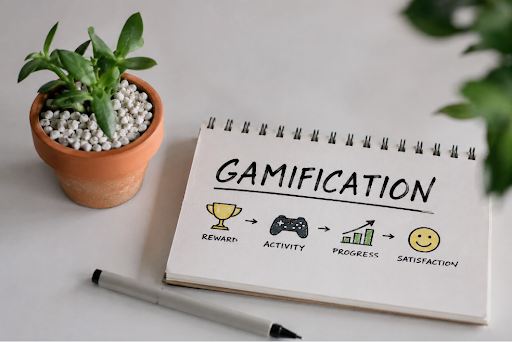
Gamified slot experiences layer familiar rewards onto classic reels so users stay curious and involved. Small goals, progress marks, and quick feedback give people reasons to return without feeling pressured to win. Designers add short missions and milestone bonuses to create a sense of forward motion that keeps sessions fresh. Visible status bars and simple challenges provide clear motivation for casual users who prefer light engagement. Social leaderboards introduce mild competition that encourages replay without heavy commitment. Thoughtful pacing keeps moments enjoyable while preventing burnout. Readers will find actionable ideas to make slots more interactive with smarter reward flows.
Design Principles
Developers focus on clear paths that let users see progress and feel achievement quickly. Bandit4d and similar platforms show how layered goals can create a steady sense of purpose across sessions. Start with obvious milestones that require modest tasks so newcomers can learn mechanics easily. Micro rewards for small achievements maintain momentum, then lead players toward richer features. Use progressive objectives to scale the challenge without overwhelming casual visitors. Reward variety keeps actions from feeling repetitive while reinforcing the learning of features. Carefully test reward timing to keep interest without tempting risky behavior. Keep visuals and text simple so objectives remain obvious to all users.
Player Rewards
• Offer small immediate incentives to encourage continued participation in short sessions.
• Give milestone prizes that unlock further content or optional bonus rounds for users.
• Use points that convert into practical credits to support longer-term engagement goals.
• Provide cosmetic upgrades that signal achievement without changing payout structures.
• Supply daily tasks that build habit while keeping the required time commitment minimal.
• Deliver surprise rewards occasionally to create pleasant unpredictability within controlled bounds.
Feedback Loops
Clear feedback makes each interaction feel consequential, which boosts retention over time. Instant animations confirm choices while concise messages explain why an event occurred. Progress meters show how close a user is to a target, motivating continued activity without pressure. Visual cues for small wins produce satisfaction that compels another short play, which keeps energy positive. Replace opaque results with transparent signals to reduce frustration and to promote informed decisions. Feedback should educate briefly so users learn while they play. Use layered messaging that grows more detailed as users explore advanced features.
Progression Systems
Progress mechanics guide players along a path that rewards steady involvement rather than single-moment wins.
• Design tiered progression so users unlock new content through achievable activity patterns.
• Offer fast early rewards to teach systems then slow progression to extend lifetime value.
• Let optional shortcuts exist for those who prefer to invest more time or resources.
• Include soft resets that maintain long term goals while offering fresh starts at intervals.
• Use visible rank markers so users can compare progress without harming privacy or safety.
• Test alternative pacing to find the sweet spot for diverse user groups and preferences.
Social Layers
Social features create shared moments without forcing intense competition or public exposure. Leaderboards that reveal only top names with anonymized tiers strike a balance between comfort and incentive. Cooperative missions let small groups pursue group goals, which create friendly collaboration rather than aggressive rivalry. Social gifting of minor tokens supports connection while keeping monetary stakes modest. Integrate chat sparingly so noise does not drown core activities. Allow players to form casual teams to tackle larger objectives with light coordination. Social proof through visible participation rates encourages new users to try features without pressure.
Visual Design
Visual cues drive immediate comprehension while supporting emotional response to progress. Use bold contrasts for primary actions to reduce hesitation in key flows. Animated micro interactions celebrate small wins without overstaying their welcome. Consistent iconography reduces cognitive load, so users spend energy on strategy rather than on parsing layouts. Layouts that show status, timers, and available tasks at a glance help users plan brief sessions efficiently. Keep text concise and replace long explanations with short tooltips for curious users. Good visuals help new users learn faster, which lowers churn across early sessions.
Retention Hooks
• Provide gentle reminders that highlight uncompleted tasks to nudge return visits.
• Offer milestone badges that encourage collection without trading real value for status.
• Rotate limited time themes to renew curiosity without changing core mechanics too often.
• Use optional streak systems that reward consistency while allowing flexible breaks.
• Create events that suit varied play styles to welcome both casual and engaged users.
• Supply simple opt in invites so players can invite friends without pressure or spam.
Responsible Play
Engagement design should include clear safeguards to protect users while encouraging fun. Display easy to find limits that let people set daily spending and session time goals. Provide visible reminders that explain probability and that encourage mindful choices during extended sessions. Make self help tools available for those who need a break and connect users to support resources when required. Avoid mechanics that obscure odds or promote excessive chasing of outcomes. Balance excitement with transparency so enjoyment remains sustainable across many visits. Testing must include safety checks to spot features that could unintentionally encourage risky behavior.
Engagement Blueprint
A measured approach that combines short-term rewards with long term objectives creates meaningful appeal for most users. Begin with simple tasks that build confidence then layer optional challenges for those who seek deeper involvement. Use clear feedback and visible progress indicators to teach systems gently while keeping energy positive. Introduce modest social features that foster connection without pressure. Keep visuals clean and navigation obvious to reduce friction during quick interactions. Test pacing on varied audiences to find a balance that retains many users over time. Thoughtful design makes interactive slots enjoyable and sustainable while protecting user wellbeing.
Smart Finish
Design teams should focus on consistent reward cycles clear status indicators and flexible pacing to enhance appeal. Prioritize small frequent incentives that teach features without encouraging risky escalation by offering escalating choices that remain optional. Integrate cooperative and low risk social systems to build community without creating pressure to overspend. Maintain transparent signals about probability and provide easy access to personal limits and to support tools. Regularly test feature timing to ensure energy stays positive across many visits. Use Bandit4d data or similar analytics to refine mechanics responsibly while keeping long term user welfare at the core.