Disclosure: This is a paid guest post. The author or an affiliated third party paid for its publication, and the article may contain promotional links. The views and opinions expressed are those of the author and do not necessarily reflect those of GameTyrant or its editorial staff.
Disclaimer: The following content contains references to gambling, casinos, and related topics.
A player who enjoys a thoughtful card game may not want another long session every time they open a gaming app. Some days call for the concentration involved in arranging a hand; on others, a shorter game with a different pace may be more appealing. The challenge for an online gaming platform is to offer meaningful alternatives without making its catalogue confusing.
That distinction matters. A collection of titles is not automatically varied just because it contains many games. If every option asks players to do roughly the same thing, the choice can feel superficial. Real variety comes from differences in rules, pace, decision-making and the kind of attention a game demands.
Four Formats, Four Different Experiences
Rummy, Teen Patti, Slots and Crash illustrate how far apart games can be, even when they appear in the same app.
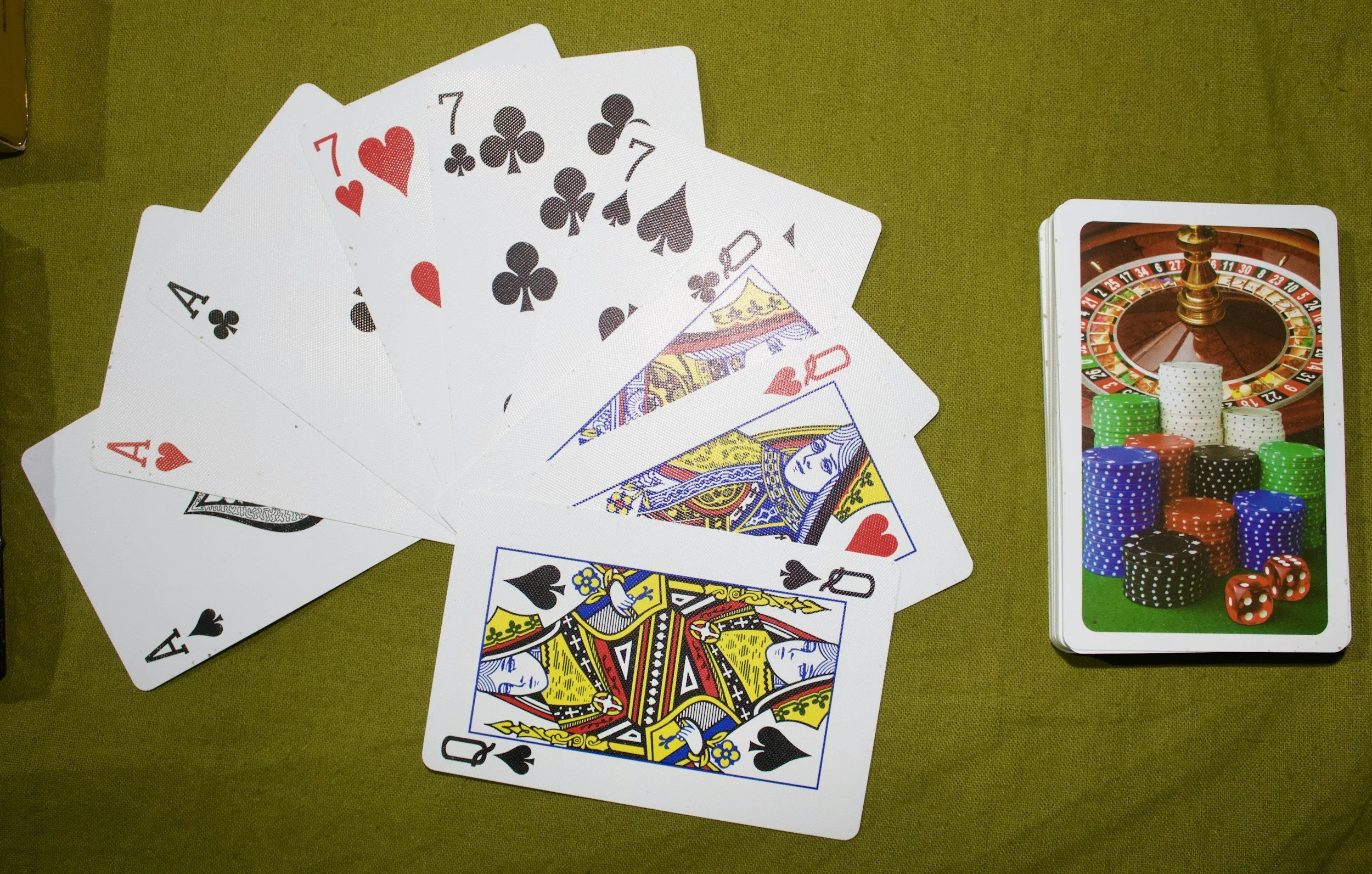
Rummy asks players to organise cards into valid sequences and sets. In the 13-card Indian version, a player has to consider the cards already held, the combinations still needed and the possible value of cards picked or discarded during a deal. The game rewards familiarity with its rules and careful decisions over several turns.
Teen Patti has a more immediate rhythm. Each player receives three cards, and the betting continues according to the table's rules. Players may choose to play blind or look at their cards before deciding how to proceed. The uncertainty around other hands is central to the experience. It is a different kind of challenge from arranging combinations in Rummy.
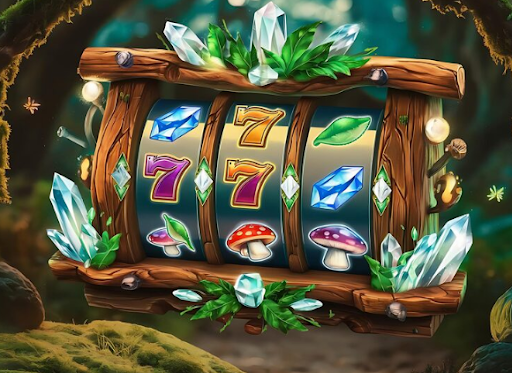
Slots require a different mindset again. Players choose a stake and receive an outcome determined by the game's randomised system. Themes, reels, bonus features and paytables can vary, but the central interaction is not the same as making a series of card decisions.
Crash games use another recognisable format: a multiplier rises during a round, and players decide whether to cash out before the round ends. The timing decision gives the game its tension, but it does not make the outcome predictable. The rules and settlement details can differ between games, so players should read the instructions rather than assume every version works identically.
Putting these formats together creates variety because each one gives the player a different set of expectations. The value lies in the contrast, not simply in the number of icons displayed on a home screen.
More Options Are Not Always Easier to Navigate
A large catalogue can create its own problem. When players cannot tell one game from another, browsing becomes work. They may open several titles just to understand the basic rules, or leave because the platform has not explained what makes each option distinct.
Clear descriptions can solve much of that problem. A Rummy listing should explain the version being offered and how a deal is played. A Teen Patti description should make the betting format and table rules easy to find. For Slots, information about paylines, symbols and the paytable helps players understand what they are selecting. A Crash page should explain how the multiplier and cash-out process work.
These details do not need to become lengthy tutorials. A concise explanation before a player joins a table or starts a round can be more useful than a crowded screen full of promotional messages.
The Master Games Club website presents Rummy, Teen Patti, Slots and Crash in one Android app, with separate game descriptions and practice tables. That gives readers a concrete example of how different formats can sit within one catalogue. The useful question is whether the information provided helps someone understand the game before deciding to play.
A Shared App Should Not Make Every Game Feel the Same
There is a design temptation to make every section of an app follow the same layout and interaction pattern. Consistency can help people find their way around, but too much uniformity can blur the character of individual games.
A card table needs readable cards, visible player actions and enough room to follow the round. A slot interface has different priorities: the reels, stake controls and paytable need to be easy to understand. A Crash screen must make the current multiplier and cash-out control clear, because those elements define the round.
The navigation can remain familiar while the game screens respond to their own mechanics. That is a more useful form of consistency than forcing every game into an identical design.
This is also where a multi-game platform has to be careful about its shared features. A common account or wallet may make moving between categories more convenient, but it should not obscure the rules, costs or limits attached to an individual game. Players need to know what they are entering each time, even if they do not need to leave the app to find it.
The Right Game Depends on What the Player Wants
Not everyone will use every category, and a platform does not need to persuade them otherwise. Someone who enjoys planning card combinations may spend most of their time with Rummy. A player drawn to betting decisions and the uncertainty of a three-card hand may prefer Teen Patti. Others may simply be curious about slots or multiplier-based rounds.
The point is not that one format is better than another. They involve different mechanics, and players should approach them with different expectations. In particular, experience with a skill-based card game does not create a reliable strategy for predicting random outcomes in Slots or Crash.
The master games catalogue is worth examining in that context: not as a promise that every player will enjoy all four categories, but as an example of a platform bringing distinct formats together. Before participating, users should read the rules, understand any stakes and fees, and check the terms that apply to their location.
Variety Needs Clear Boundaries
More choice is useful only when players can make informed decisions. That includes knowing whether a game involves chance, what the rules allow, how much a round may cost and what limits are available. Practice modes can help newcomers learn controls and understand a format, but they do not guarantee success in real-money play.
Players should also remember that gambling-related games carry financial risk. They should set limits, avoid spending money they cannot afford to lose and check local age and eligibility requirements before taking part. A wider selection should make it easier to find a suitable form of entertainment, not encourage people to play beyond their means.
Ultimately, Master Games can bring more variety to online gaming by placing genuinely different formats side by side. Rummy, Teen Patti, Slots and Crash do not offer interchangeable experiences, and that is precisely the point. When a platform explains those differences clearly and gives each game the space to work on its own terms, a broader catalogue becomes more than a longer list of choices.