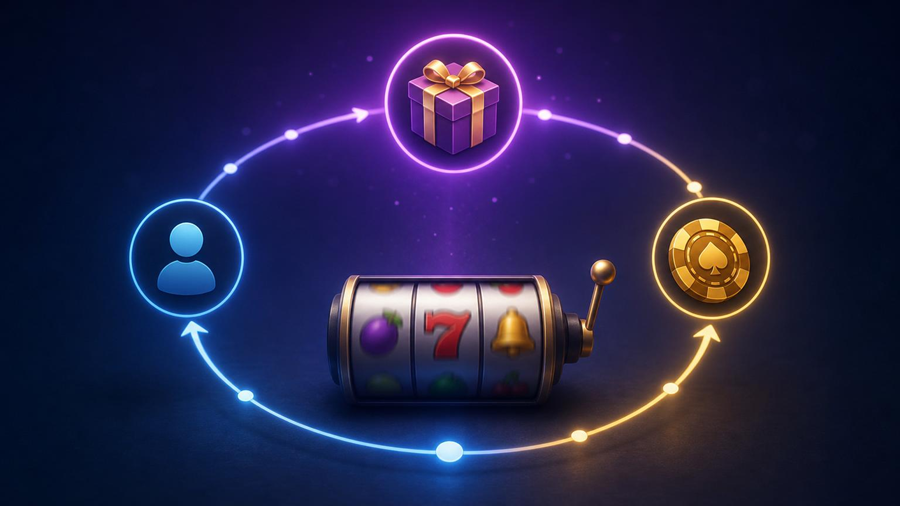
Loot-based games have evolved from simple item drops to intricate systems of economy and customization. Modern titles are built around reward loops that keep players invested through progression, rarity, and personal expression.
Some games push this further by attaching real value to drops. For example, in Path of Exile 2, items are part of a detailed player economy. The game’s crafting and trading systems revolve heavily around how Path of Exile 2 currency is used and exchanged.
This blend of risk, reward, and economic control is what keeps players deeply involved. In this article, we explore how crafting, trading, and currency systems enhance engagement in today’s most compelling loot-based games.
The Value of Tiered Currency Systems
Games that include multiple currencies create deeper player progression loops. Basic currency serves as grinding fuel to purchase common items. Premium currency often unlocks exclusive cosmetics or time-saving boosts.
For example, TheGamer notes that in League of Legends, players use the game’s premium currency, Riot Points, to buy skins, emotes, and loot. Limited-time Prestige and Mythic skins can cost between $100 and $130 per item. These high-tier cosmetics appeal to players seeking exclusive customization and status within the game.
This multi-currency model keeps gameplay accessible while offering premium rewards for spenders. Players can enjoy the core game without spending, yet still feel tempted to upgrade. Timed exclusives create urgency, pushing users to acquire premium currency quickly. The separation of currencies adds structure to in-game goals and progression pacing.
According to CNL Gaming, players who prefer to skip grinding can also purchase paid currency through optional microtransactions. This approach offers faster access to upgrades, rare items, or crafting materials without disrupting the overall balance. In titles with complex, player-driven economies like Path of Exile 2, this option adds flexibility for those who prioritize efficiency over time investment.
Developers benefit from predictable revenue while players enjoy flexible spending options. Overall, tiered currency systems balance accessibility, personalization, and profitability in a sustainable loop.
Does currency accessibility affect game longevity?
When multiple currency tiers are easily accessible, players remain engaged across longer gameplay timelines. Balanced distribution models keep users interested while avoiding burnout or dissatisfaction from perceived grind walls. Sustained reward pacing supports game longevity through continued player progression and investment.
Crafting as an Economic and Social Catalyst
Crafting allows players to convert simple materials into valuable custom items. This mechanism teaches economic principles like supply, demand, and value. Players assess market trends to decide which items are profitable.
MMOBomb states that the Elder Scrolls Online introduced many players to a deep and rewarding crafting experience. Its system lets users craft gear, potions, and food, then trade them for in-game profit. The marketplace thrives on crafted goods, making economic strategy a core part of gameplay. ESO remains one of the strongest examples of traditional MMO crafting that drives long-term engagement.
Optimization of resources rewards strategic planning and time investment. Community interaction grows through blueprint sharing and crafting collaborations. Crafted items often become trade focal points among player groups.
Such systems enhance both personal satisfaction and social engagement. Long-term retention benefits from crafting goals and trade incentives. Crafting thus becomes a critical pillar of loot-game engagement economies.
Does in-game crafting help develop strategic thinking?
Players must weigh multiple factors like resource cost, market demand, and timing when crafting. This decision-making nurtures critical thinking and enhances problem-solving skills applicable both in-game and beyond. Crafting teaches players to think analytically within a system of constraints and goals.
Demand and Supply in Player-Driven Game Economies
Scarce resources create strong demand and drive player market activity. Limited edition items generate spikes in attention and engagement metrics. Players invest time trying to acquire highly sought-after materials.
Hot markets often feature item flipping for profit among players. Developers use controlled scarcity to maintain economic balance and interest. Timed events significantly boost trading and spending behavior among players.
Gamesline mentions that there are several types of timed events that serve different purposes. Seasonal events, like in Genshin Impact, introduce thematic content tied to real-world festivals. Promotional crossovers, such as Monster Hunter: World x Devil May Cry, offer limited cosmetics and exclusive gameplay features.
Well-managed supply and demand cycles fuel vibrant in-game economies. Market dynamics enhance engagement through status and competitive motivations.
How does scarcity affect crafting behavior?
When key ingredients become rare, crafting becomes a high-stakes decision influenced by risk and speculation. Players may gamble valuable materials, hoping for high-profit outcomes, or withhold production until prices rise. Scarcity injects tension and anticipation into each crafting session, raising emotional stakes.
Trading Systems Fuel Community and Competition
Trading systems allow players to exchange items and virtual currency. Players become entrepreneurs, monitoring trends and understanding item values. Negotiation skills matter when setting fair trade expectations successfully.
Social connections are strengthened through ongoing trade relationships and deals. Competitiveness emerges as players compete for profitable market opportunities. Some games evolve near-real economies built entirely by players themselves. Blockchain titles demonstrate transparent, player-driven economic ecosystems that exist securely.
A 2024 Axios post described blockchain games as “little nations” with dynamic, evolving economies. These games track player behavior, resource flow, and digital investments through fully transparent systems. Economic activity is recorded on-chain, allowing for real-time audits and secure asset ownership. This structure supports trust, fosters market participation, and mirrors real-world economic complexity in a virtual setting.
Trading transforms gameplay into a dynamic, competitive social experience. Healthy marketplaces sustain long-term player investment in game worlds.
Does regional language impact trade volume?
Language barriers can isolate trading groups and limit global market participation within international servers. Multilingual support and clear UI help bridge communication gaps for smoother, more inclusive trading. Localized economies often form naturally around language hubs with familiar cultural expectations.
Engaging players in loot-based games means more than just offering random item drops. It’s about building systems where crafting, trading, and currency feel meaningful and rewarding. Tiered currencies, smart resource design, and crafting loops keep players invested across long play sessions. Dynamic supply and demand give items real value and push players to think strategically.
Trading systems allow for connection, collaboration, and friendly competition between players. These features work together to create living economies shaped by the community. When done well, they transform a game into something players return to again and again. That’s what drives long-term success in modern loot-focused titles.