Gaming can be very different depending on what stage you’re at in life because, after all, what you enjoy doing at 12 probably isn’t going to be the same by the time you get to your thirties, fifties, or older. That’s because all kinds of things come into your life as you get older, like lack of time, more responsibilities, lower energy levels, and even how your brain likes to relax - it all changes over time, and that means the games people choose change too.
There isn’t one standard gaming journey - some people grow out of games completely, some keep the same habits for decades, and others do what they can depending on what else is going on in their lives. But there are some interesting patterns to look into a bit more deeply, and with that in mind, keep reading to find out more about how gaming habits change as players get older.
Early Years: Fast, Social, Competitive
For a lot of people, gaming tends to start pretty young, and childhood and teenage years usually mean console games, online multiplayer platforms, and mobile games that are fast, competitive, and social.
At this time in people’s lives, time is a lot more flexible, and they’ve got friends around, school holidays are long, and energy levels are definitely high. Multiplayer shooters, sports games, and big open-world titles are quite common because they’ll give you excitement, competition, and that all-important social connection.
And on top of that, gaming can be about identity at this point - leaderboards, achievements, and generally being good at a game can definitely matter a lot, so it’s not just about relaxing, it’s about performance and status among friends too.
Young Adulthood: Time Becomes A Factor
As people move into their twenties and thirties, work, relationships, and family all start to take up a lot more time, and that’s when gaming has to change to fit in.
Instead of long gaming sessions, people might play shorter games, single-player options, or mobile games that can slot nicely into small gaps during the day. Some are still going to absolutely love the big releases and online gaming, but it could be that the way they play has to change a bit.
This is why people might start to do things on a more casual basis, enjoying puzzles, strategy games, or quick matches because they fit so well around adult life. Some people will still game socially, but scheduling will probably get harder, so those old spontaneous sessions with friends will be few and far between.
Midlife: Comfort And Routine Are Crucial
In midlife, gaming habits tend to become more about comfort and familiarity, and people are usually going to prefer to stick to genres, or even specific games, they already enjoy - they’ll be less likely to try something totally new.
As well as that, there’s often less interest in highly competitive or stressful games, and instead, people start looking at things that genuinely relax them and don’t overwhelm them. Classic puzzle games, card games, and logic games can be popular, especially things like sudoku and crosswords, for example. They’re easy to learn, you don’t need ages to play them, and they’ll still feel satisfying. So in the end, gaming starts to become a part of a routine rather than a social event - it’s often done with something else, like commuting to work or drinking the first coffee of the day.
Later Years: Mental Engagement Over Action
As people get older, gaming can change even more, and it might be that something that engages the brain is the first choice, rather than something that needs fast reactions or a lot of action taking place. Those kinds of games where you need good reflexes can just feel tiring or frustrating, but brain games and slower games can be much more enjoyable.
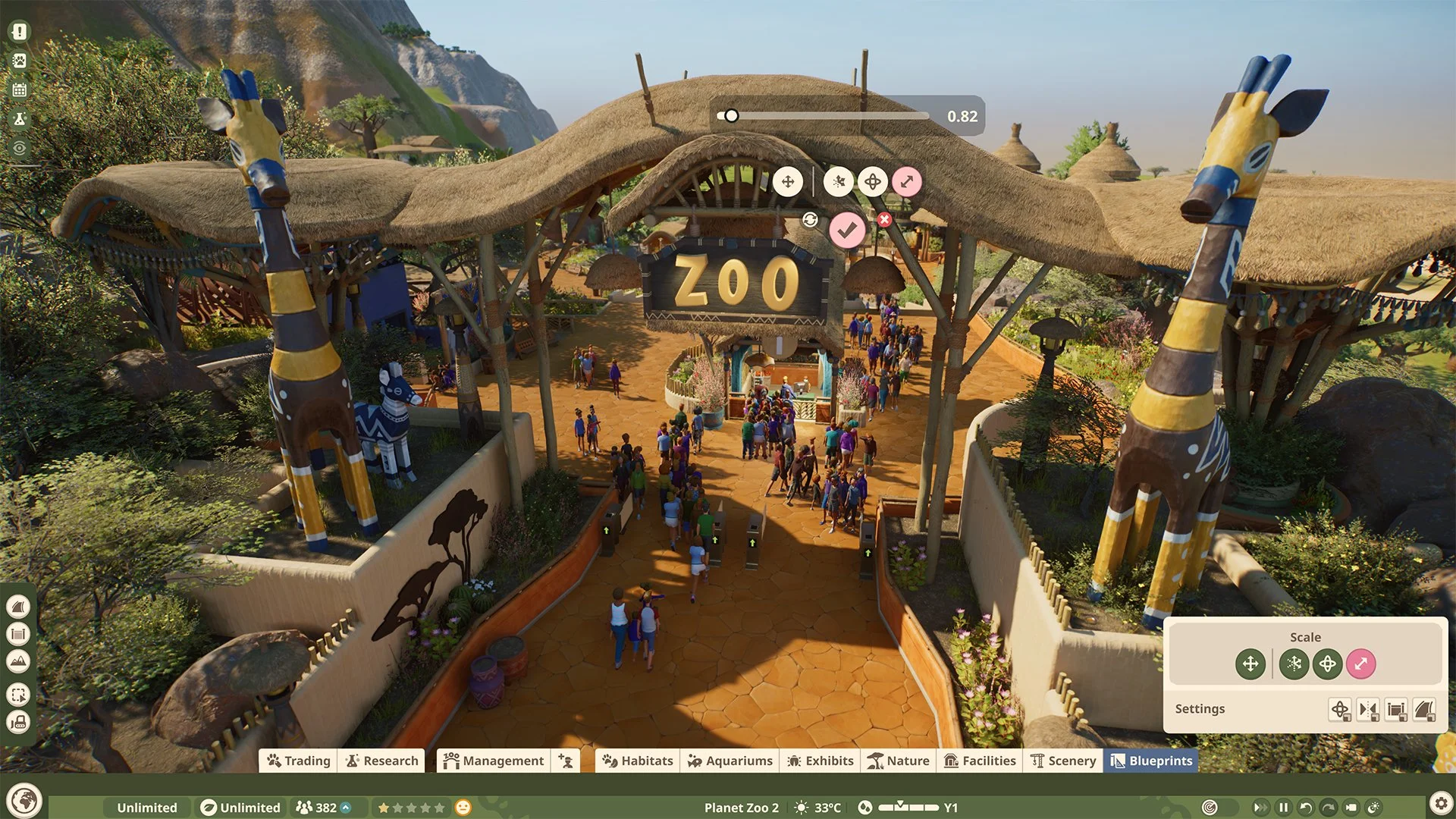
A lot of older adults love puzzles, strategy games, and simulation games, and that’s because they offer a challenge, but they don’t put anyone under any pressure - they can be played at your own pace. And games that help to exercise memory, logic, and problem-solving are often a good choice because it feels like you’re being productive, but they’re enjoyable at the same time. They’re also easy to include in your daily life without needing special equipment or loads of time to play.
Why Preferences Change With Age
There are a few simple reasons why gaming habits change over time. The first is that people change - younger players have more time and fewer responsibilities, but older players might have jobs, families, and other commitments, so they don’t have as much time to play; they’ll look for shorter and simpler games instead.
Second your stress tolerance actually changes over time. After a long day, some people aren’t going to be looking for a high-pressure competitive match, they’ll just want something relaxing, predictable, and fun.
Third, your interests might change, meaning that what you liked as a kid might not be the same thing you like as an adult, or as a middle aged person, and so on. It doesn’t make sense to play the games you used to like if you don’t like them anymore, and there are so many options, you’ll find something else to enjoy if you start looking around.
Finally, physical changes can happen, and they can play a role. It’s inevitable that reaction times slow down as you get older, not to mention the fact that sitting in one place or using a joystick or console might feel uncomfortable. Finding a way to play that keeps you comfortable is a much better option.
Final Thoughts
Gaming habits will naturally change as people get older, and that’s actually a good thing. What really matters isn’t how intense or modern your games are, but whether you enjoy them and you can fit them into your life without sacrificing anything to do it. And of course, there’s no right or wrong way to game as you get older - you do you.