Disclosure: This is a paid guest post. The author or an affiliated third party paid for its publication, and the article may contain promotional links. The views and opinions expressed are those of the author and do not necessarily reflect those of GameTyrant or its editorial staff.
Disclaimer: The following content contains references to gambling, casinos, and related topics.
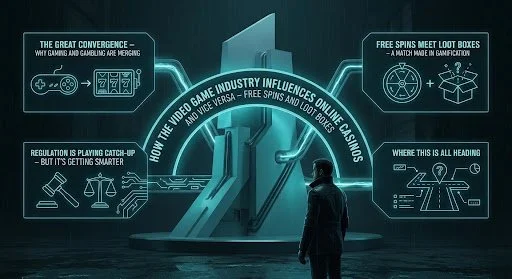
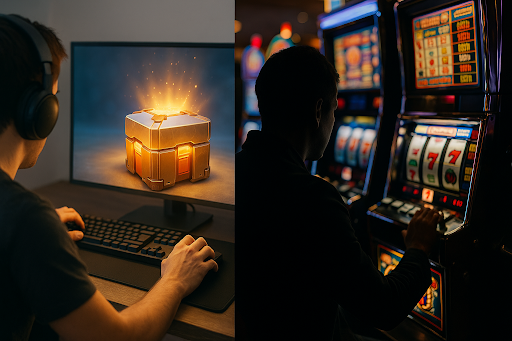
If you've ever opened a loot box in your favorite shooter and felt that rush of anticipation, you already know the feeling that casino operators have monetized for decades. The line between video games and online casinos has grown incredibly thin - so thin, in fact, that regulators, lawmakers, and even financial crime watchdogs are struggling to tell the two apart. What happens when an industry built on entertainment borrows the psychology of gambling, and the gambling world starts dressing itself up like a video game? That's exactly the question we're unpacking here. And honestly, the answers might surprise you.
The Great Convergence - Why Gaming and Gambling Are Merging

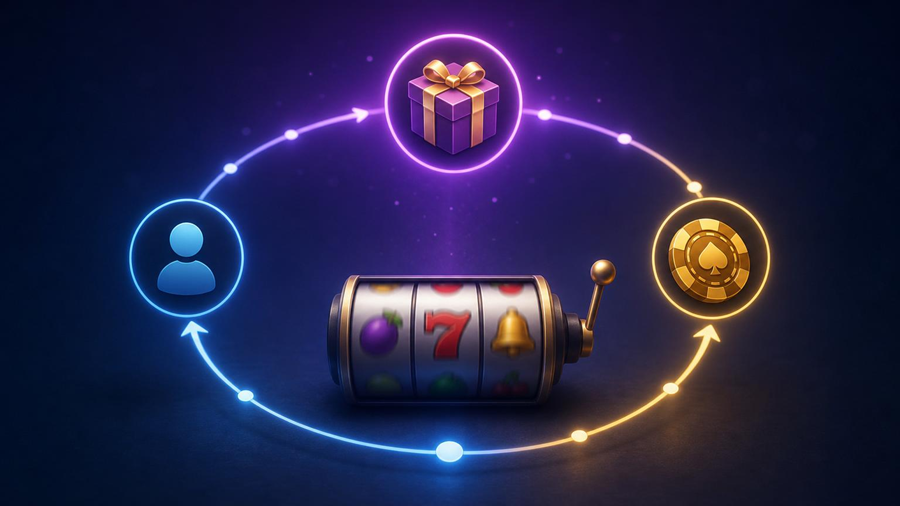
Something fascinating has been happening over the past few years, and 2026 has pushed it into overdrive. As industry analysts have noted, online casinos aren't just borrowing a few cosmetic ideas from video games anymore. They're importing entire engagement architectures - progression systems, time-gated rewards, bonus shops, and yes, loot boxes. Meanwhile, video game publishers continue embedding casino-grade randomized monetization into their titles, complete with spin-to-win mechanics and near-miss animations that could have been ripped straight from a slot machine floor. Grand View Research now classifies "in-game gambling and loot boxes" as a single market segment, covering virtual slots, poker, roulette, randomized rewards, and virtual currencies. That formal recognition tells you everything about where we are.
Casino Mechanics Creeping Into Your Favorite Games
Think about the last time you played Counter-Strike 2 or Data 2. Those weapon cases and treasure chests? They function remarkably like slot machines. The New York Attorney General certainly thinks so - in February 2026, a lawsuit was filed against Valve Corporation alleging that paid loot boxes in Counter-Strike 2, Data 2, and Team Fortress 2 constitute illegal gambling. The complaint specifically calls out slot-machine-like animations, near-miss effects, and variable-reinforcement psychology. The critical detail here is that skins obtained from these boxes can be traded for real money on secondary markets, effectively creating a cashable gambling loop inside a video game.
Why does this matter to you as a player or as someone who follows the iGaming space? Because the psychological hooks are identical. When you crack open a crate and see that golden glow signaling a rare item, your brain responds the same way it would to a winning spin on a slot. Game developers know this. Casino operators know this. And now regulators are finally catching on, too.
Video Game DNA Inside Online Casinos
Flip the equation around and the borrowing goes just as deep. According to Power Up Gaming's exploration of cross-industry influence, online casinos are actively deploying loot-box-styled promotions that award variable rewards - bonus balance, real balance, free spins, Wheel of Fortune spins, loyalty points, VIP perks, and point boosters. According to coverage from OnlineCasinoReports and Slots Judge, at least one casino system prices its loot boxes on a tiered basis from €2 to €50, with higher-priced boxes linked to higher expected reward value. That's basically the "premium crate" model you'd find in any live-service game. Casinos have also adopted time-gating strategies, making certain loot-box promotions available only on specific days or limiting purchases to one per day. If that sounds familiar, it's because games like Fortnite and Genshin Impact pioneered these artificial-scarcity techniques years ago. For a deeper look at how different casino platforms structure their bonus offerings, resources like AutomatenSpieleX provide detailed comparisons across operators.
Free Spins Meet Loot Boxes - A Match Made in Gamification
Here's where things get fascinating. Free spins have been a cornerstone of online casino marketing forever. But in 2026, operators aren't just handing you a flat bundle of 50 free spins anymore. Instead, they wrap the same reward inside a loot-box container with variable outcomes. You might open the box and get 45 spins, or 85, or 100. That extra layer of uncertainty - the not-knowing - mirrors the exact thrill of opening a game crate. It's a deliberate gamification tactic, and it works beautifully for player engagement.
How the Repackaging Actually Works
Let me break this down with a concrete example. Nonstop Bonus reported that several casino promotions now offer loot-box-style drops where the free spin count varies each time you claim. Rather than a predictable "deposit and get 50 spins" deal, you're essentially gambling on your bonus before you even start gambling with it. Some promotions go even further - offers like 70 free spins with no deposit demonstrate how operators use generous upfront rewards to pull players into these gamified ecosystems. The psychology is layered - anticipation stacked on anticipation. Meanwhile, a slot title called "Loot Box Legends" launched with a 96.2% RTP, according to LiveCasinoComparer's November 2026 roundup. The game-themed branding is no accident; it's designed to attract players who grew up opening digital crates.
Sweepstakes casinos and social casino platforms sit right at the intersection of these two worlds. They occupy a legal gray zone between gaming and gambling, and they're aggressively incorporating loot-box reward systems and bonus shops to drive engagement. These platforms are likely to draw the next wave of regulatory scrutiny, precisely because they make it so difficult to determine where entertainment ends and gambling begins.
Key Facts About the Free Spins and Loot Box Overlap
To give you a clearer picture, here are some concrete data points from 2026:
U.S. online casino revenue reached $1.02 billion in August 2026 across seven legal states, up 12.3% year-over-year, with slots remaining the most-played category
Casino loot-box prices range from €2 to €50 depending on theme and reward tier, directly mirroring video game premium crate pricing
Loot-box casino promotions offer variable free spin rewards of 45, 85, or 100 spins from a single claim
PEG applied a 16-plus age rating to new games with loot box mechanics starting 1 June 2026, extending the rule to existing titles from 1 October 2026
The slot title "Loot Box Legends" launched in 2026 with a 96.2% RTP, showcasing how game-themed branding is being applied to casino products
Singapore's Ministry of Home Affairs confirmed in July 2026 that game operators may use loot boxes provided safeguards reduce gambling inducement, with cash redemption explicitly prohibited
The Financial Action Task Force published a September 2026 report treating online gaming and gambling as linked ecosystems for financial-crime risk purposes
Regulation is Playing Catch-Up - But It's Getting Smarter
For years, regulators have been chasing their tails trying to figure out whether loot boxes are gambling. In 2026, the approach has shifted. Instead of trying to draw a bright line between "loot box" and "casino product," authorities are focusing on what actually makes something feel and function like gambling: prize cashability, tradability, and age access.
The Global Regulatory Landscape in 2026
The regulatory picture varies enormously depending on where you look. Here's a comparison of major jurisdictions and their current approach:
| Jurisdiction | Action Taken (2026) | Key Focus |
|---|---|---|
| New York (USA) | Lawsuit filed against Valve (February 2026) | Cashability of skins via secondary markets |
| EU (proposed) | Draft law targeting minors (September 2026) | Prohibiting minors' exposure to random-reward products |
| PEG (EU/EEA) | Age rating expansion (June/October 2026) | Mandatory 16-plus labelling for loot box games |
| Singapore | Risk-calibrated framework (July 2026) | Allowing loot boxes with safeguards; banning cash prizes |
| FATF (global) | Unified risk report (September 2026) | Treating gaming and gambling as linked financial-crime ecosystems |
What's striking about this table is the convergence of thinking. Every jurisdiction is zeroing in on the same question: can the player convert their randomized reward into real-world value? If yes, regulators increasingly treat it as gambling regardless of what the publisher calls it. A legal analysis from 2026 makes the distinction neatly - casino free spins involve chance and directly cashable value, whereas loot boxes usually lack a directly cashable prize unless traceable assets are involved. That "unless" is doing a lot of heavy lifting, though, because in practice many loot box items absolutely are traceable.
What This Means for Players and Operators
The EU's draft proposal, reported in September 2026, would prohibit exposing minors to loot boxes or similar random-reward products, citing links to gambling-like and compulsive behaviors. It hasn't been enacted yet, but the direction is unmistakable. Meanwhile, PEG's age-rating expansion means that any game containing loot box mechanics now carries a 16-plus classification across the EU and EEA. For game developers, this has real commercial consequences - a higher age rating can shrink your audience and affect platform placement.
On the casino side, operators who lean heavily into gamification need to stay alert. The FATF's September 2026 report signals that anti-money-laundering and counter-terrorism-financing compliance frameworks may soon treat gaming and gambling operators under overlapping obligations. If you run a sweepstakes' casino with a loot-box-based bonus shop, you might find yourself subject to KYC requirements that were previously reserved for licensed gambling platforms. That's not a theoretical risk anymore; it's an emerging reality.
Where This Is All Heading
The two-way convergence between video games and online casinos isn't slowing down. If anything, 2026 has demonstrated that the product experiences are becoming harder to distinguish from the consumer's perspective. As economic analysis of the online casino sector highlights, casinos want the engagement loops that keep gamers playing for hours. Game publishers want the monetization mechanics that keep casino revenues climbing. Both industries are getting exactly what they want, and the consumer sits at the center of it all.
The Player's Perspective
For you as a player, awareness is your best tool. When a casino wraps free spins in a loot box with variable outcomes, recognize the extra psychological layer being applied. When a video game presents you with a shiny crate and a slot-machine animation, understand that the mechanic was designed to trigger the same dopamine response as a winning spin. None of this means you should stop enjoying either activity - plenty of people play games and gamble responsibly every day. But knowing how these systems work gives you power over them, rather than the other way around.
The regulatory direction points toward transparency-and-access frameworks rather than outright bans. Mandatory disclosure of odds, age-gating, and restrictions on redeemable prizes are the emerging standard. For players, that should mean more information and more control. For operators in both industries, it means adapting now before the rules harden.
A Shared Future
Certainly, the video game and online casino industries will continue borrowing from each other. Slot-style products dominate U.S. iGaming growth, with many new titles carrying game-themed branding. Game publishers will keep experimenting with randomized reward systems because they generate enormous revenue. The key question for the coming years isn't whether convergence will continue - it will. The question is whether regulation can keep pace, and whether players will demand the transparency they deserve. If you're paying attention, you're already ahead of the curve. And that's exactly where you want to be.