It’s no secret anymore: tariffs have made their way into the world of toys and games. But what does that actually mean for collectors and hobbyists like you?
If the term "tariffs" sounds confusing or vague, don’t worry. Hopefully this article will help clarify what’s happening, what’s at stake, and how it could impact your favorite hobby.
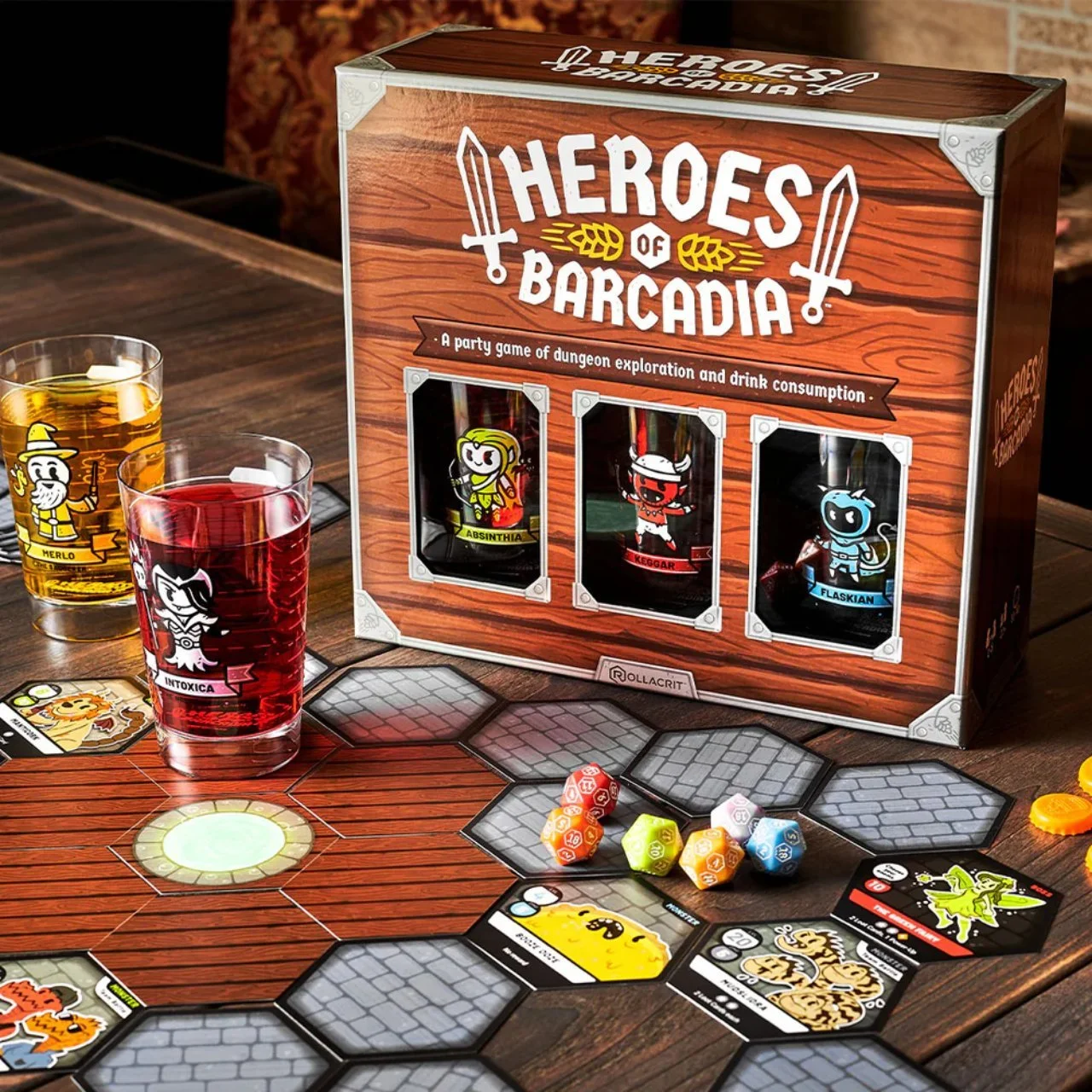
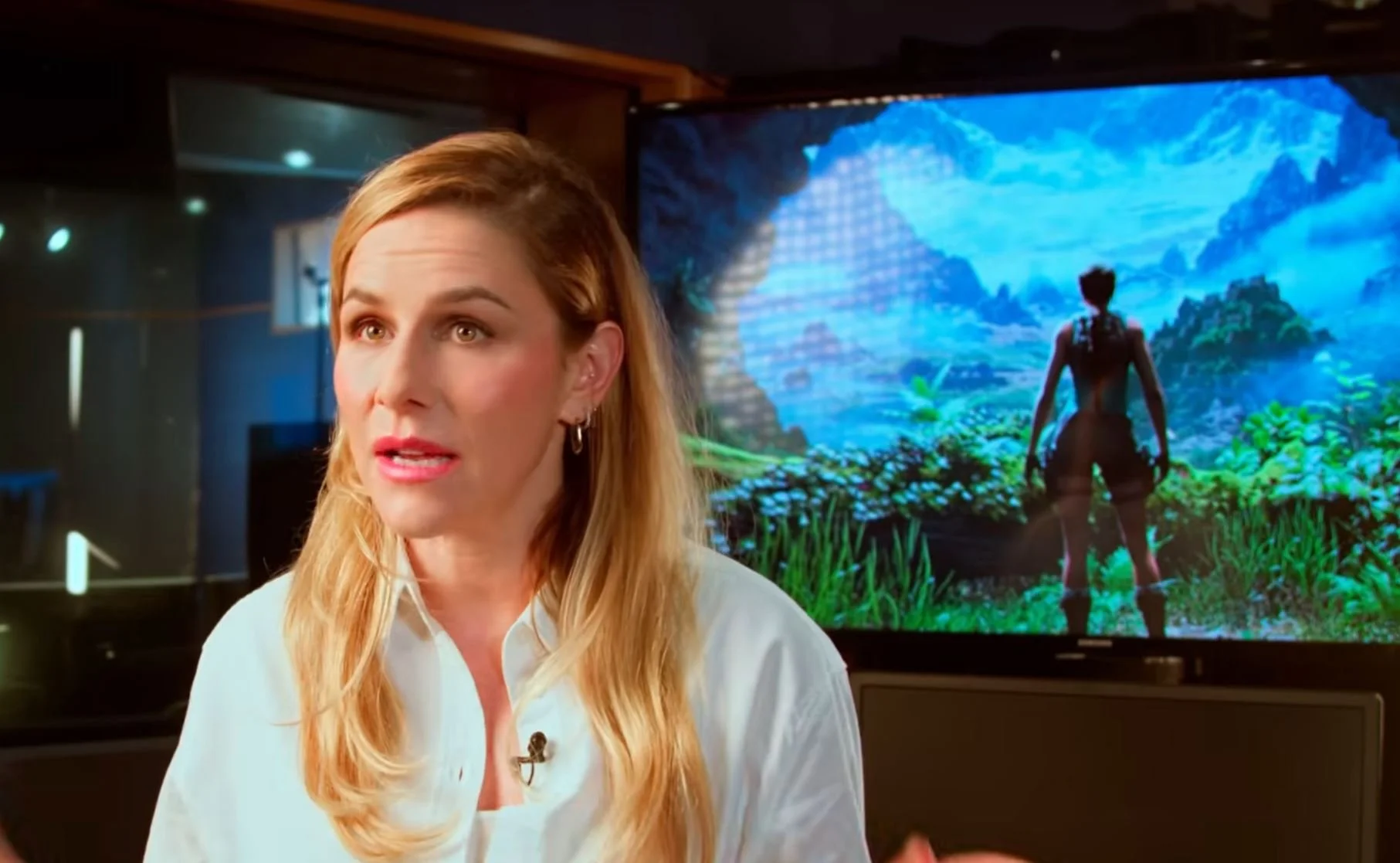
I recently spoke with Erin Zipperle, CEO of Rollacrit, about how these tariffs are affecting the board game industry and what it means for creators, retailers, and fans.
What Are Tariffs and Why Do They Matter Now?
At its core, a tariff is a tax placed on imported goods by a government. For years, toys and games—including board games—were exempt from such taxes. That changed recently when a massive 145% tariff was announced for imported toys, including board game components manufactured abroad.
That kind of increase dramatically raises the cost for companies to make and deliver products affordably. While it might look like companies are simply raising prices to increase profits, that's often not the case—especially in the board game world, where margins are already thin. In many cases, publishers are adjusting prices just to stay afloat and cover these unexpected costs.
At the time of writing, there is some temporary relief: a 90-day pause has been placed on the tariff hike, which lowers the current rate to 30%. While that’s significantly less than 145%, don’t expect prices to drop. As Erin pointed out, many companies are still pricing based on the higher figure to create financial padding for when the full increase kicks in.
“For Rollacrit, the way we’re repricing things, we’re trying to recoup the margin dollars lost during all this and not keep the same margin percentage for what you would mark a product up at. Normally you’d get a product for a dollar and you’d sell it for three dollars, and so you have your overhead to pay, you have taxes you have to pay, your operational costs, and all these other things you have to pay. Now we don’t get to play in that field anymore. Because we’d have to sell the game for 90 dollars. Instead, we’re keeping the game at $70 because at +30% (what the tariffs are at now) it needs to be. We never even had a chance to reprice at 145% because that was just simply unsustainable.”
Why Not Manufacture in the U.S.?
One common suggestion is: Why don’t companies just produce games in America instead? Erin addressed this directly—and realistically.
While many creators would prefer to manufacture domestically, the reality is that the infrastructure just isn’t there.
“For everybody saying you should make things in America. There isn’t anywhere to make it, period. It takes a long time to make a factory and staff it, and also we’re not fans of when the product is done, it takes 30 to 60 days to even get here on a boat. So if we could make it in America, everyone would have. Because learning how to make something abroad is so much more difficult in every way—culturally, time zones, language barriers—it is so much harder to get into this industry to make product than it would be to just make here in America.”
He also shared that producing overseas comes with a wide range of additional complications: language translation, complex logistics, a twelve hour time difference, and long shipping times. Despite all that, overseas production is often the only viable option if companies want to deliver quality games at consumer-friendly prices.
What Does This Mean for Collectors and Hobbyists?
So what can you expect as a board game collector, fan, or retailer?
The short answer: higher prices. Companies are being forced to adjust due to new costs they didn’t choose. And while nobody’s thrilled about that, understanding the situation helps you make better decisions.
If you're looking to minimize the impact on your wallet:
Buy directly from publishers when possible.
Back games on Kickstarter, where you're likely to get the best pricing before retail markups.
Support your local game stores if they host community events or sell card games (TCGs). These stores are often the first to feel the strain, especially when wholesale prices increase and stock becomes harder to maintain.
How Kickstarter Campaigns Are Being Affected
Kickstarter has been a lifeline for many indie publishers—and Erin expressed concern that these new tariffs could have ripple effects on crowdfunding campaigns.
“I’m really concerned about Kickstarter in general because anybody who knows what’s going on is going to think twice about backing a Kickstarter. And Kickstarter is why we’re here, so I would hate for them to be shuttered or at least experience some sort of negative effect because of all this going on. I hope that anybody launching Kickstarters now are preparing for the worst in their pricing to make sure that when they launch they’re not surprised by import tax or fees because this is their first time making a product.”
Erin remains cautiously optimistic, saying that campaigns can still succeed—as long as creators are realistic about the new costs and plan ahead.
Final Thoughts
With tariffs looming and uncertainty in the air, it’s important to remember: this isn’t the fault of the game developers or publishers. They didn’t ask for these changes. They’re doing what’s necessary to stay in business and continue bringing you the games you love.
The current 90-day tariff relief is primarily designed to help with products already in transit or under development. It does not guarantee lower prices. In fact, most companies are still planning conservatively, assuming higher costs in the near future.
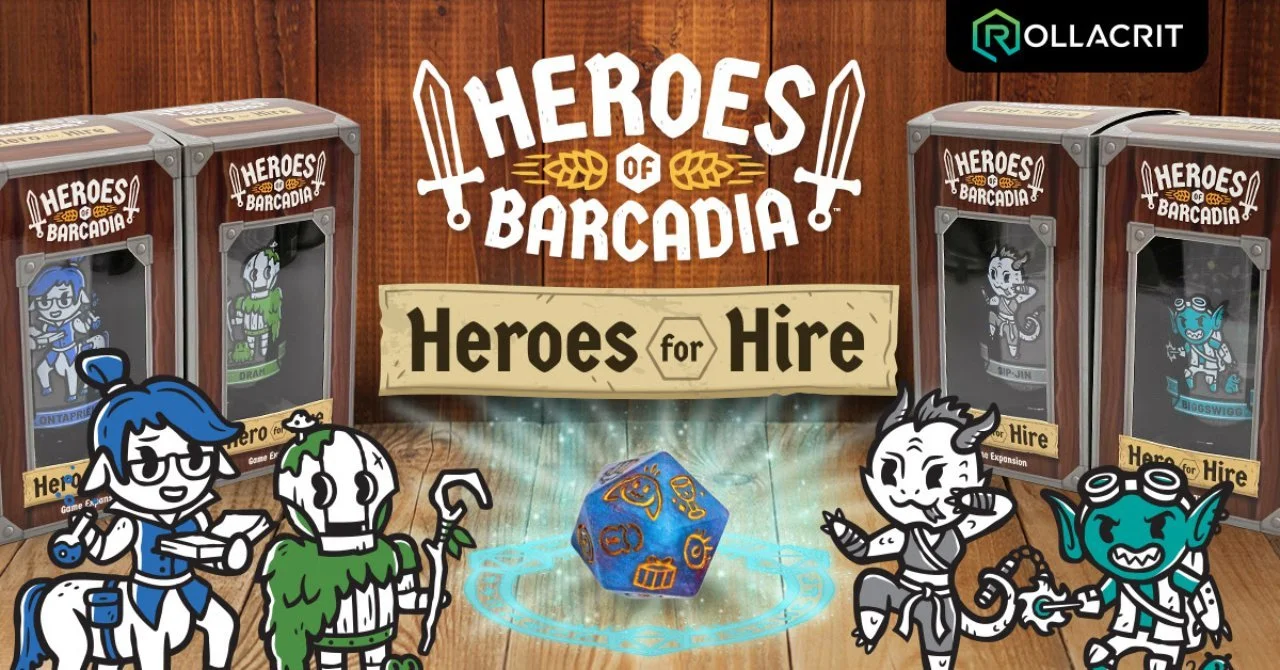
If you’re specifically looking for updates on Rollacrit’s Heroes for Hire Kickstarter, Erin shared that while there isn’t news just yet, they expect to update backers soon.
And finally, remember this:
“No one in this industry is rich. Again, it’s more of a hobby-type of thing that turned into a career. So that’s another thing to remember—that tabletop has razor-thin margins as it is anyway. Our game sold for way less than one would expect, which is why we sell a lot more direct to consumer—because margins are better there than if we wholesale them. So I’m hoping that people are more understanding of what’s going on, no matter where you lean politically—it’s more of just what we need to do to stay alive as a company, because a lot of people are doing the same.”