Over the course of the past two decades, global gaming has experienced unprecedented growth at a scale unmatched anywhere else in the entertainment sector. The industry has rapidly evolved, responding to changing times and consumer preferences to develop into a financial behemoth at the forefront of the latest technological developments. Recording a reported global revenue of $57 billion back in 2005, the market looks set to generate nearly $190 billion by the end of this year, a 233% increase that reflects the impressive stature of today’s lucrative gaming landscape
Recent rumblings, however, have suggested that gaming’s ever-growing bubble is in danger of bursting. So, what exactly is threatening this seemingly indomitable industry, and is it really at risk of going pop?
Challenges facing the industry
Pandemic boom over
There is no denying the positive impact the COVID-19 pandemic had on the gaming market. Global lockdowns, workplace closures and a general demand for entertainment led to a huge surge in the popularity of gaming. Large increases in the number of players were compounded by increased investment from venture capital, ultimately leading to sky-high revenues for gaming companies. Five years on, the world has largely recovered from the impact of the pandemic, and with this, the market has normalized. Global gaming revenue growth has slowed to pre-pandemic levels while consumer behavior has likewise shifted – no longer restricted to the confines of their home, people are once more heading out to socialize and keep themselves busy. Whether this is cause for major concern or not, it does appear as though the pandemic boom is over.
The issue surrounding AAA releases
Another critical issue that has emerged in recent years is the challenges faced by developers and the production of AAA games. Big-budget, high-profile releases have become hugely expensive and time-consuming, leading to major questions over the long-term economic sustainability of the model. The release of sci-fi shooter Anthem in 2019 provides a key example. Taking six years to develop and costing a reported $250 million, the game was negatively received by consumers and critics. So much so that game servers are set to close permanently by the end of 2025. This fear of failure has also influenced a certain creative stagnation in the industry, with developers relying on sequels to major franchises like Call of Duty and Assassin's Creed instead of investing in original releases. Simply, the AAA model has become too big, too slow and too risk-averse to generate sustainable revenues.
A shifting investor focus
Both factors above have impacted the level of investment going into gaming, with many now looking to other high-growth sectors like AI and financial technology instead. In fact, a recent report found that venture capital investment into gaming experienced a year-on-year drop of 62% in 2025, reflecting the lowest level of investment for five years. On the face of it, these numbers appear worrying, but that is not the complete picture.
Continued sources of optimism
An unrivalled market size
Gaming remains an entertainment giant, worth nearly double that of the music and film industries put together. What’s more, while revenue growth has certainly slowed, global markets continue to expand at an impressive rate. Take the US market, still forecast to grow up to 9.4% every year up to 2030, and potentially reaching a market value of $100 billion. The gaming industry continues to diversify as well, with emerging sectors like iGaming and VR/AR now contributing to total gaming revenues. The best online casinos in the USA, for example, continue to generate significant profits, with the sector taking in nearly $6 billion in revenue in 2024 alone. Even if more traditional gaming formats are struggling, those forward-thinking sectors utilizing the latest technologies are helping to buffer any significant losses.
A global player base
As it stands, there are approximately 3.3 billion gamers in the world today – that is, around four out of every ten people. This figure looks set to continue rising, especially in developing countries where the proliferation of affordable smartphones has allowed mobile gaming to penetrate untapped markets. Such huge player numbers highlight that perhaps gaming is now too big to fail. What may in fact be underway is a major transformation of the gaming landscape.
Evolution rather than termination
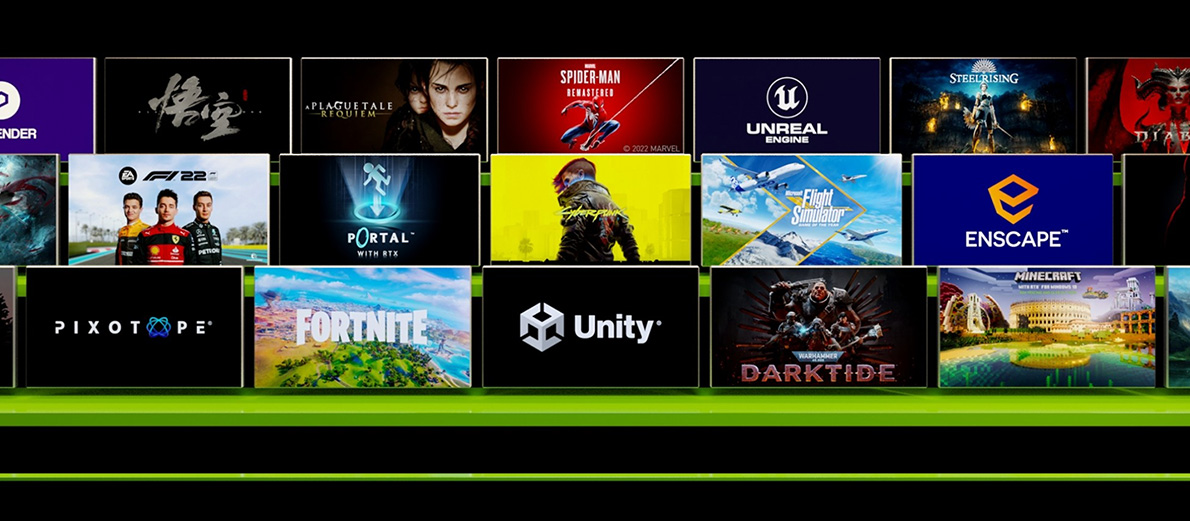
The problems surrounding the production of AAA titles are not indicative of a struggling industry; more so, it is representative of the shifting consumer preferences in our global gaming community. Players increasingly appear to be shunning high-concept, high-production releases in favor of simpler, more social games. The downturn of the AAA market is merely reflective of this, with developers identifying other avenues that are more cost-effective and that also appeal to a larger audience. The surge in popularity of free-to-play games in recent years, coupled with the dominance of hyper-social releases like Fortnite, Minecraft and Roblox, reinforces this idea. Ultimately, the gaming industry exists within a consumerist society and must respond to the demands of its customers. If this means scaling back the inflated costs around major game releases, then so be it. Another aspect of the industry's recent evolution is the rise of indie developers, as many major studios struggle. As with any market, increased competition only ever means one thing: increased revenues.
There is no doubt that gaming has experienced difficulties in recent years. The challenging circumstances of the reported 23,000 individuals from the industry who have lost their jobs should not be diminished, and the unfortunate closures of much-loved studios like Arcane Austin and Volition should not be ignored. But, taking a step back and assessing the complete picture, the bubble appears to be far from the bursting point. In fact, it appears to be growing bigger. What is changing, however, is the shape and form of the industry. As technology increasingly impresses upon our lives and player preferences continue to shift in diverging ways, developers must keep one eye on tomorrow to stay relevant today.