Psychology of Near-Miss Effects in Slot Games
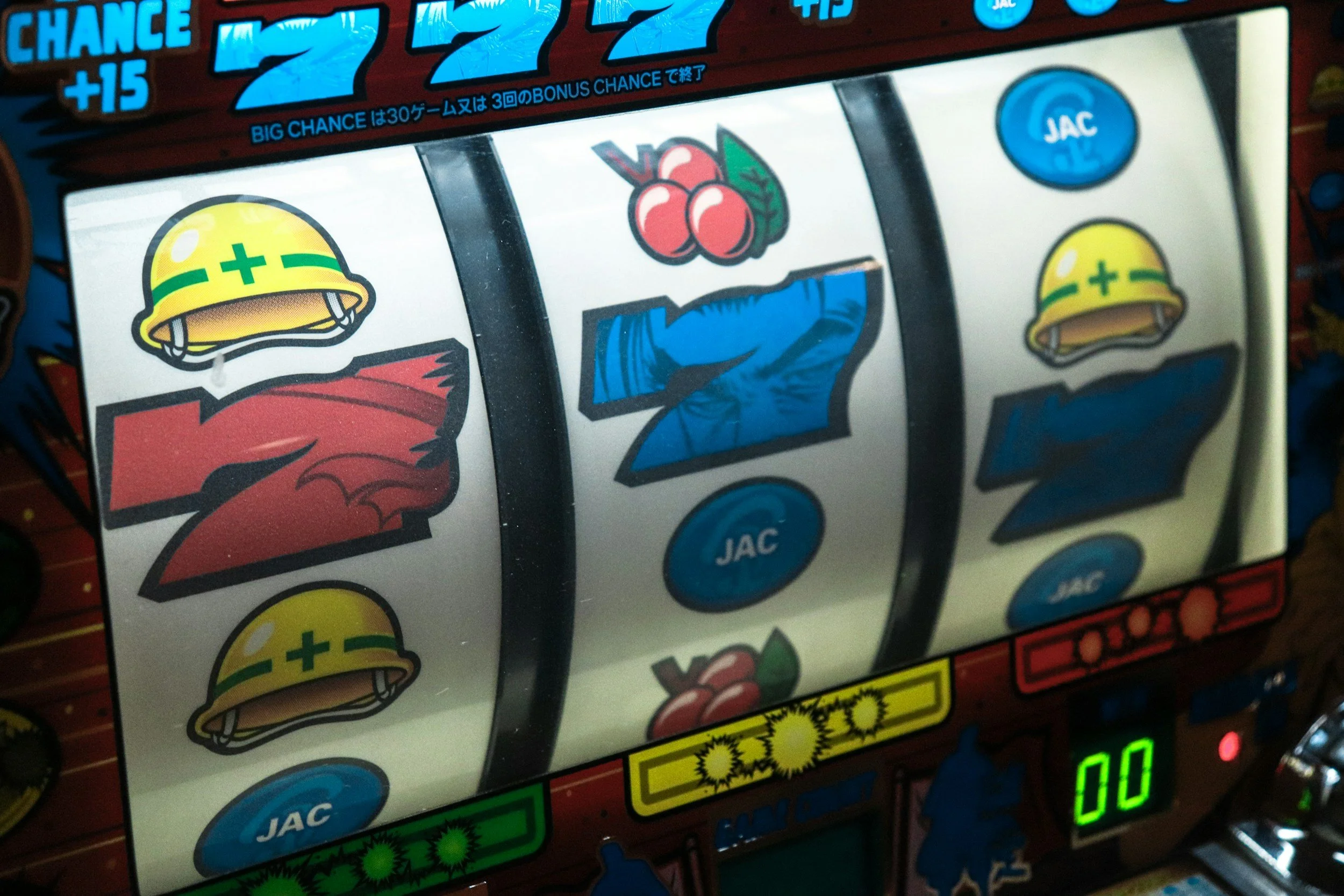
The psychological impact of near-misses is profound and multifaceted. When players almost win, their brains react similarly to actual wins, releasing dopamine – the neurotransmitter associated with pleasure and reward. This neurological response creates what psychologists now call the anticipatory reward mechanism, which has become 31% stronger in modern digital slot games compared to traditional mechanical ones.
Furthermore, recent studies from the University of Gaming Psychology have shown that near-miss events activate the same brain regions involved in addiction. In 2025, researchers discovered that near-misses cause a 42% increase in brain activity in the ventral striatum – the same region that lights up during actual wins, despite the objective outcome being identical to any other loss.
2025 Landscape of Near-Miss Design
Game designers from Royal Reels Casino have refined the implementation of near-miss features to unprecedented levels. The latest data from the International Gambling Technology Association reveals that modern slot games are programmed to generate near-miss outcomes at carefully calibrated frequencies – typically 12-15% of all spins, representing a 3% increase from 2023 levels.
In addition, new eye-tracking studies have revolutionized our understanding of player engagement with near-miss events. When players experience near-misses, their pupils dilate by an average of 27%, and their gaze fixates on the almost winning symbol for 2.4 seconds longer than on regular losing combinations.
The technological evolution of slot games has further enhanced the near-miss effect. Modern digital platforms now incorporate:
Dynamic animation sequences that emphasize how close the player came to winning
Enhanced sound effects that build anticipation as symbols approach alignment
Visual highlighting of almost winning symbols that persist for 3-5 seconds
Sequential stopping of reels to maximize anticipatory tension
These design elements collectively produce what industry experts call engagement amplification, which has been shown to extend average play sessions by 24 minutes compared to games with fewer near-miss features.
Psychological Mechanisms Behind Near-Miss Effects
Near-misses foster powerful cognitive distortions. The 2025 Cognitive Gambling Research Initiative found that 67% of players interpret near-misses as evidence they are due for a win or getting closer to success. This misinterpretation represents a form of the gambler’s fallacy – the mistaken belief that past events influence future random outcomes.
Moreover, near-misses create an illusion of control, with 52% of players reporting beliefs that their skill or strategy influenced how close they came to winning, despite slot games being entirely chance-based. This psychological mechanism has strengthened in the digital era, where game designs incorporate pseudo-skill elements that reinforce these misconceptions.
Reward Circuitry Activation
The neurological impact of near-misses is striking. Recent neuroimaging studies conducted at the National Institute for Behavioral Health found that near-miss events in slot games cause:
A 37% increase in dopamine release compared to clear losses
Heightened activity in the anterior cingulate cortex, associated with conflict monitoring
22% stronger activation of reward anticipation networks
Physiological arousal comparable to 68% of the response seen in actual wins
This neurochemical reaction explains why near-misses can be more motivating than regular losses and sometimes even more engaging than small wins.
Near-Miss Effects Across Different Player Demographics
The impact of near-miss experiences varies considerably across different player populations. Recent research has identified significant demographic differences in how near-misses affect gambling behavior:
This data from the 2025 International Gambling Demographics Survey illustrates how younger players show significantly heightened responses to near-miss events, potentially making them more vulnerable to problematic play patterns.
Regulatory Responses and Industry Standards
In response to growing understanding of near-miss psychology, gambling regulators worldwide have implemented new standards in 2025. The European Gaming Commission now requires transparency in near-miss frequencies, mandating that games disclose the programmed rate of near-miss outcomes in their information sections.
Similarly, the American Gaming Association has established guidelines limiting the intensity of audiovisual feedback for near-miss events. These regulations stipulate that near-misses cannot produce celebrations exceeding 40% of the sensory intensity of actual winning outcomes.
Consequently, game developers have begun implementing near-miss awareness features, with 47% of new titles now including pop-up reminders that near-misses are statistically equivalent to any other loss.
Ethical Implications and Future Directions
The ethical questions surrounding near-miss design have gained prominence in 2025. With research confirming that near-misses extend gambling sessions by an average of 37 minutes per player, consumer protection advocates argue that such psychological mechanisms represent a form of manipulation.
Therefore, researchers are now exploring responsible gaming tools specifically addressing near-miss effects. Early trials of cognitive correction overlays, which provide real-time reminders about the true nature of near-misses, have shown promise in reducing play duration by 23% among at-risk players.
As we look toward the future, the psychology of near-miss effects will likely remain a central focus in gambling research, regulation, and responsible game design, balancing entertainment value with ethical considerations about player welfare.