More adults are turning to games, not just for action or story, but for puzzles too. These games boost brainpower, reduce stress, and bring people together. In short, they’re a smart choice for any gamer.
Puzzle Games Are for All Ages
Puzzle games aren't just child's play — they resonate across generations. According to the 2025 ESA report, the average gamer is 36 years old and 60 % of U.S. adults play weekly; nearly half of Boomers (ages 61‑79) and 36 % of the Silent Generation (80‑90) enjoy puzzle or strategy games, drawn by mental stimulation and relaxation. From Gen Z to Boomers, titles that let you play jigsaw puzzle or solve logic challenges offer universal appeal. Even Reddit threads praise offerings suitable for both kids and parents, proving puzzle games bridge age gaps.
Cognitive & Brain-Boosting Benefits
Playing puzzle games gives your brain a real workout. They help improve memory, focus, and problem-solving skills, whether you're matching shapes in Tetris or filling in a crossword. Research shows that these games can sharpen your thinking. One study found that older adults who played tablet-based puzzle games for eight weeks saw better attention and visual-spatial skills.
This all ties into how the brain stays flexible, a concept called neuroplasticity. The famous “Tetris effect” is a great example: after playing a lot, people start recognizing patterns more easily, even outside the game. That’s your brain adapting.
Word games like crosswords are especially good for older adults. They’ve been linked to faster thinking, better decision-making, and may even slow down age-related memory loss.
Bottom line? Whether you’re 25 or 75, puzzles are a smart way to keep your brain active and alert without ever feeling like work.
Emotional & Mental Well‑Being
Puzzles help you feel better too. Every time you complete a puzzle, your brain releases dopamine, which boosts your mood and gives you that satisfying “aha!” moment. Many people turn to puzzles to relax after a long day; they can calm your thoughts and help you focus, like a mini meditation session. Interestingly, studies show that games like Tetris have even helped people deal with trauma and reduce cravings. So, whether you're stressed, anxious, or just need a break, puzzles can offer a healthy, feel-good escape.
Social & Bonding Value
Puzzles are also great for bringing people closer. Whether you're teaming up in a co-op game or helping someone with a crossword, working through a challenge together builds trust and connection. It’s a shared win that feels good. Unlike competitive games that can get tense or toxic, puzzle games tend to be more relaxed and encouraging. Family game nights and online escape rooms are a fun, low-stress way to hang out and solve something together.
Inclusion in a Balanced Gaming Diet
Puzzle games are the perfect break from fast-paced shooters or story-driven adventures. They give your brain a chance to slow down and reset. If you're solving a quick riddle on your phone or doing a jigsaw on your console, puzzles offer a calm, thoughtful change of pace. They're easy to jump into and just as easy to step away from, making them ideal for short sessions. If your gaming time feels too intense or tiring, puzzle games can bring back the balance.
Tips: Finding the Right Puzzle Game
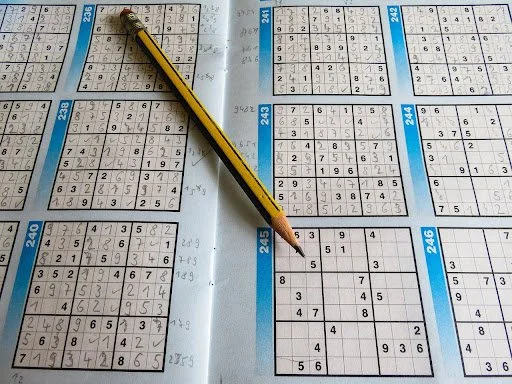
There’s a puzzle game for everyone — you just have to find your fit. Like speed and reflexes? Try Tetris. Prefer deep thinking? Go for Sudoku or Portal 2. Want something quirky and creative? Lemmings or escape-room apps are great picks. Whether you enjoy solo challenges or playing with friends, there’s a style that works for you. Start small — just 15–20 minutes a day can make a difference. Mix it up to keep it fun, and you’ll never get bored.