Jackpots remain one of the strongest attractions in online casinos, but not all jackpots work the same way. In 2026, players are more informed and more selective, yet confusion between progressive and fixed jackpots is still common. Understanding how each type is funded, triggered, and paid out helps set realistic expectations before placing a single bet.
How Progressive Jackpots Build Over Time
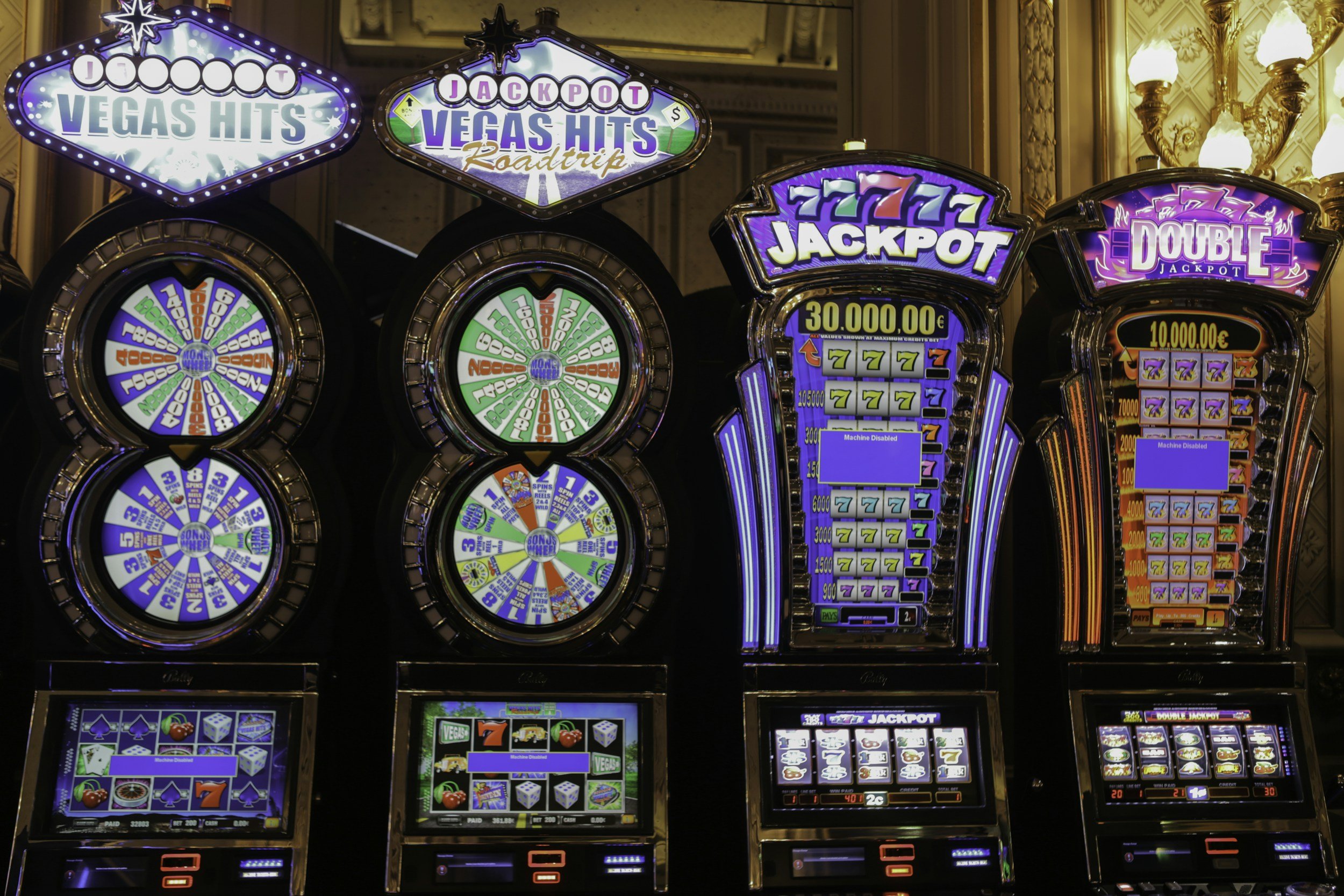
Progressive jackpots at Bizzo grow continuously as players place bets on eligible games. A small percentage of every wager is added to a shared prize pool, which increases until one player triggers the winning combination. This pool can be tied to a single casino, a network of casinos, or even a global game network.
Because thousands of players contribute simultaneously, progressive jackpots can reach life-changing amounts. Some networked jackpots in 2025–2026 regularly exceed €5–10 million before being won, driven by high traffic and constant wagering.
Fixed Jackpots and Their Defined Limits
Fixed jackpots operate on a different principle. The maximum prize is set in advance and does not increase beyond that amount. While the jackpot may reset after a win, it always returns to the same predefined value.
This structure gives players clarity. You know the potential top payout before playing, and the odds remain consistent over time. Fixed jackpots are often integrated into standard slot mechanics rather than running as separate jackpot systems.
Odds and Probability Differences
Progressive jackpots trade probability for scale. As the prize grows, the odds of triggering it remain extremely low, often one in tens of millions of spins. Fixed jackpots usually offer better odds, but the prize is significantly smaller.
This difference affects player behavior. Progressive jackpots attract players chasing rare, massive wins, while fixed jackpots appeal to those who prefer more predictable outcomes with clearer risk boundaries.
Funding Models and RTP Impact
Both jackpot types affect a game’s RTP, but in different ways. Progressive jackpots divert a portion of each bet into the jackpot pool, which slightly lowers base game payouts. Fixed jackpots are already accounted for in the game’s RTP model from the start.
The table below compares how each jackpot type typically behaves in 2026.
| Jackpot Type | Prize Growth | Win Frequency | Typical Max Win | RTP Effect |
|---|---|---|---|---|
| Progressive | Continuous | Very low | €1M–€20M+ | Variable |
| Local progressive | Moderate | Low | €50K–€500K | Slight |
| Fixed jackpot | None | Medium | €5K–€100K | Built-in |
| Daily jackpot | Time-based | Higher | €1K–€10K | Minimal |
Understanding this structure helps explain why some jackpot slots feel less active in regular play.
Trigger Mechanics Players Often Miss
Progressive jackpots often require specific conditions to trigger. Some demand a maximum bet, while others activate randomly regardless of stake size. In 2026, more regulators require these conditions to be clearly disclosed, but players still overlook them.
Fixed jackpots usually trigger through standard gameplay mechanics, making them easier to access without special betting requirements.
Risk, Budget, and Play Strategy
Progressive jackpots tend to consume balances faster due to higher volatility and lower base-game returns. They are best approached as entertainment-first games rather than strategic bankroll builders. Fixed jackpots, while less dramatic, integrate more smoothly into regular play sessions.
Players who separate “jackpot chasing” from general gameplay tend to manage risk more effectively.
Why Jackpot Transparency Matters More Now
As jackpot values grow larger, regulators pay closer attention to transparency around odds, contribution rates, and trigger rules. In 2026, reputable platforms display jackpot mechanics clearly within the game interface or help section.
This transparency helps players choose jackpot formats that align with their goals rather than being driven solely by headline numbers.
Progressive and fixed jackpots serve different purposes. One offers rare, massive payouts fueled by collective play, while the other provides defined rewards with clearer probabilities. Neither is inherently better; the right choice depends on expectations, risk tolerance, and budget discipline. Understanding the difference turns jackpots from a mystery into an informed decision.