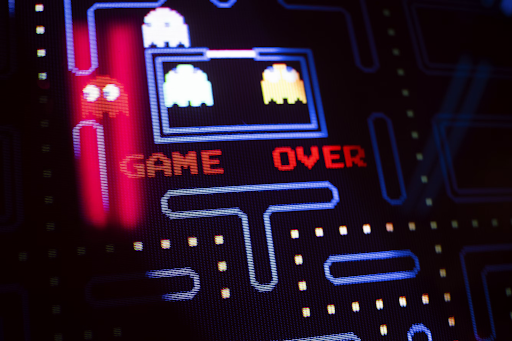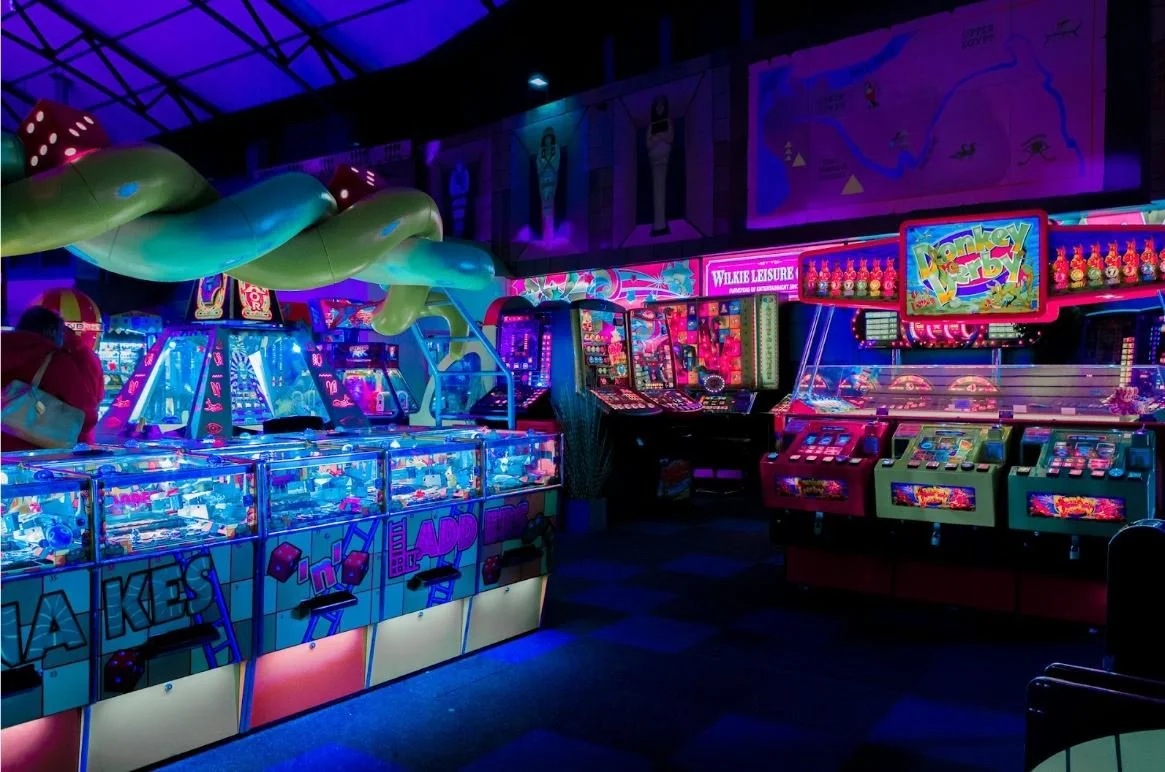
For many gamers, returning to titles from the ’80s and ’90s highlights to them how the mechanics and aesthetics of those early experiences still influence modern design. Whether you’re jumping back into a pixel-perfect platformer or watching a vintage franchise reborn with new tech, the link between yesterday and today’s immersive experiences is strong. Classic game structures underpin reward systems and user engagement across a multitude of platforms, and the echoes of retro gaming are evident.
Rooted in the Past: Foundations That Still Deliver
When you look at the way some platforms embed elements from past generations of gaming, it’s clear that several foundational staples still hold sway. For example, casino operators for players in US areas draw on simple interactive game loops (you spin, you win, you progress), with design elements that harken back to arcade rhythm or classic console mechanics. That design heritage helps newer audiences instantly understand how to engage, and it also bridges the gap between simplicity and reward-driven loops, giving modern immersive experiences with a retro twist where users can enjoy diverse game libraries, fast payouts, and various bonuses.
In mainstream gaming, mechanics that originated in 2D sprites or simple arcade play still underpin huge releases. These include straightforward goals, clear feedback loops, and escalating difficulty, all wrapped in immersive graphics or VR today. The result is games that feel deeper and more layered, yet still intuitive.
Visual and Audio Evolution: Nostalgia Meets High Fidelity
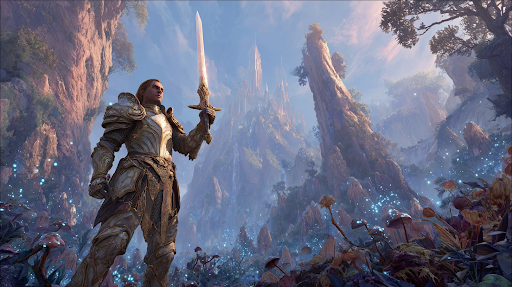
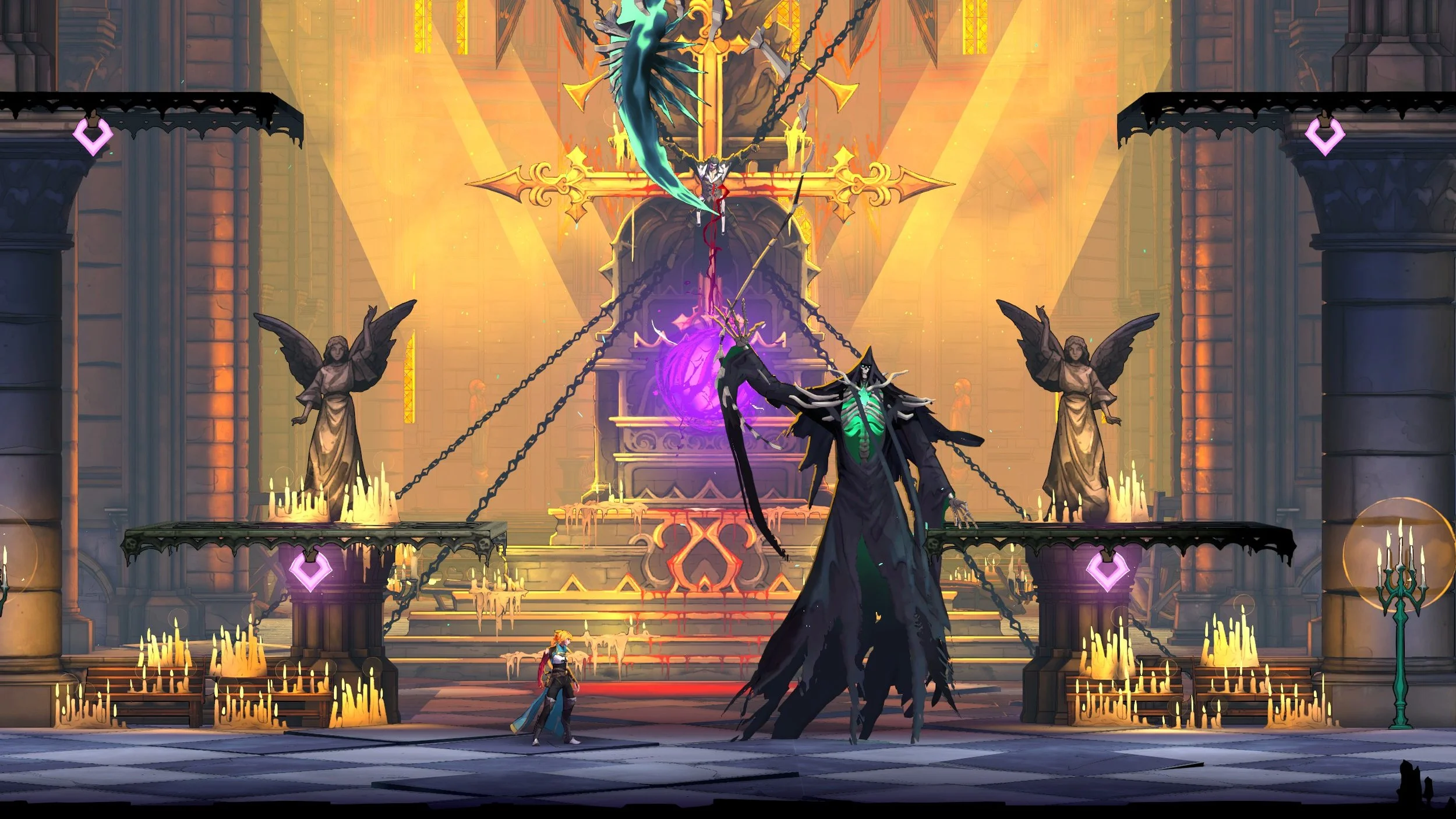
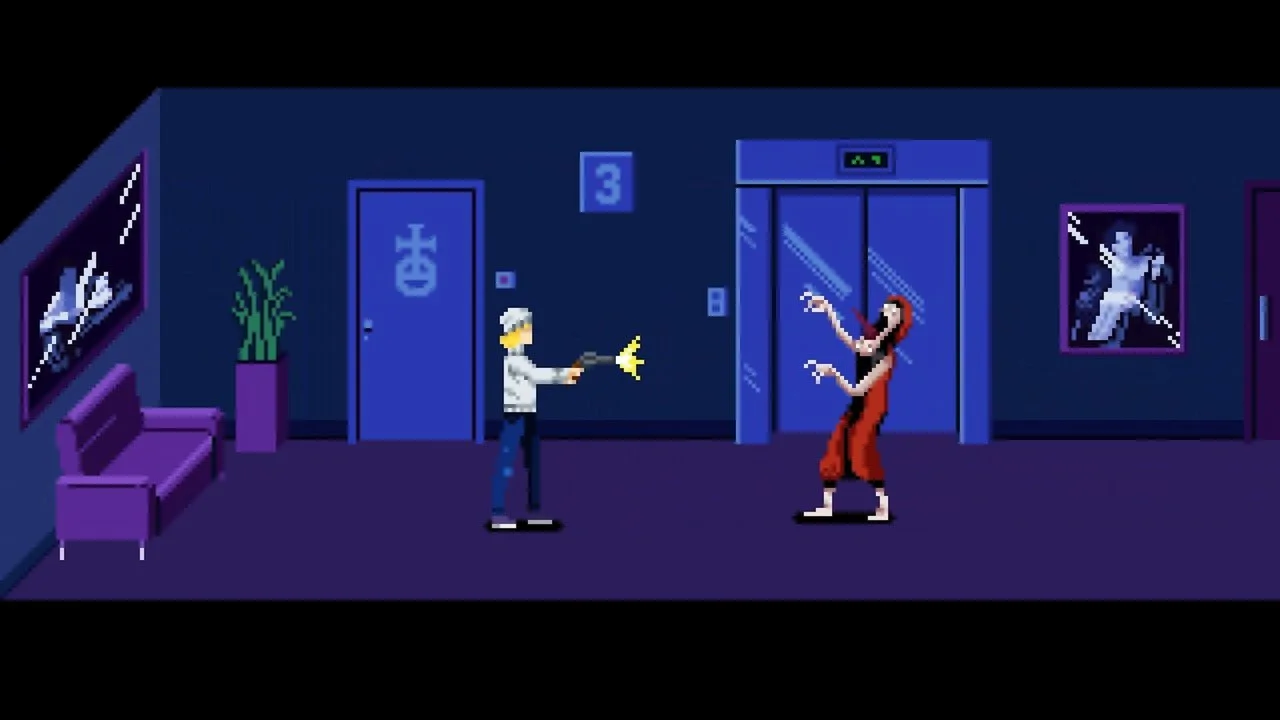
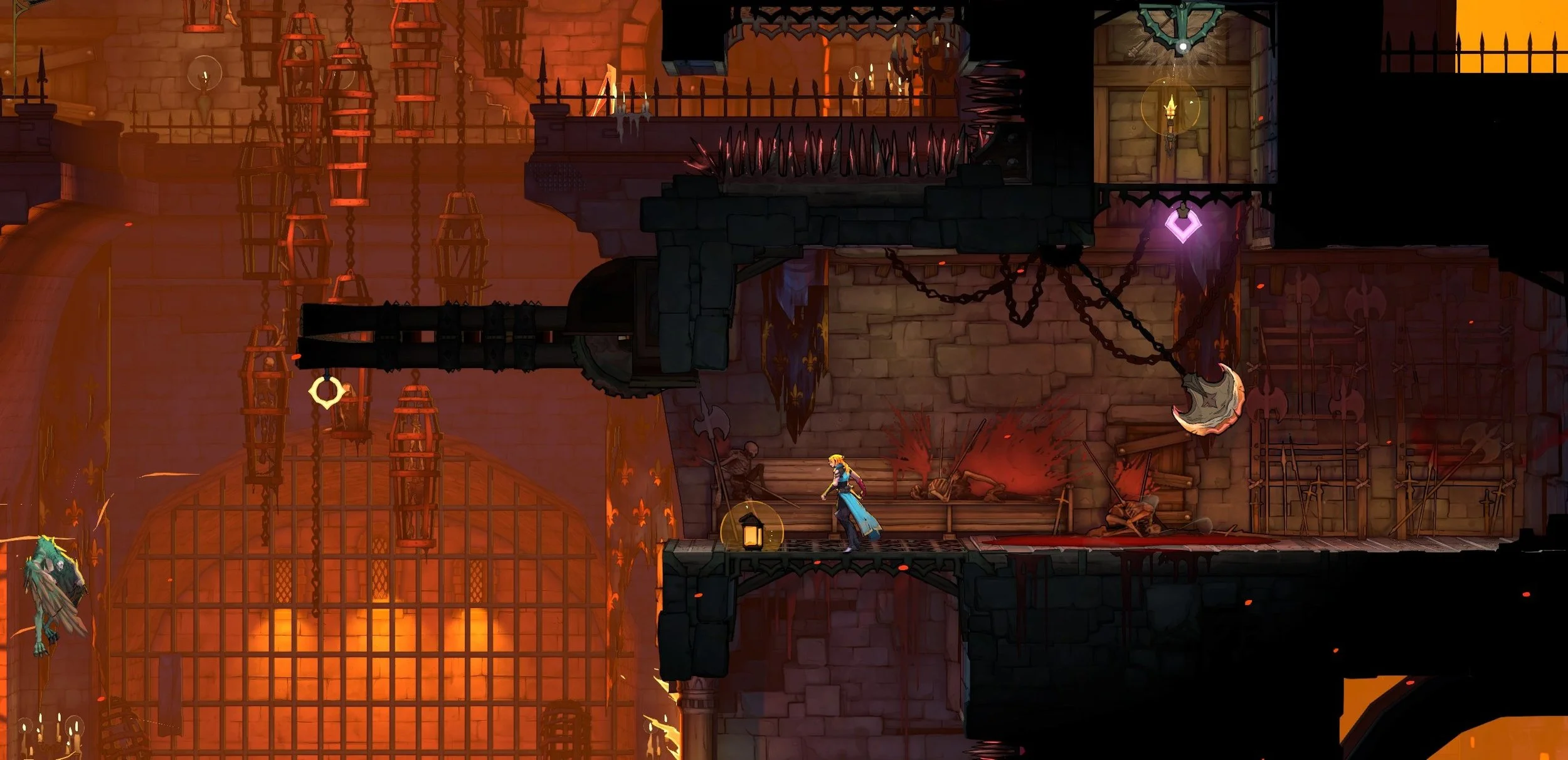
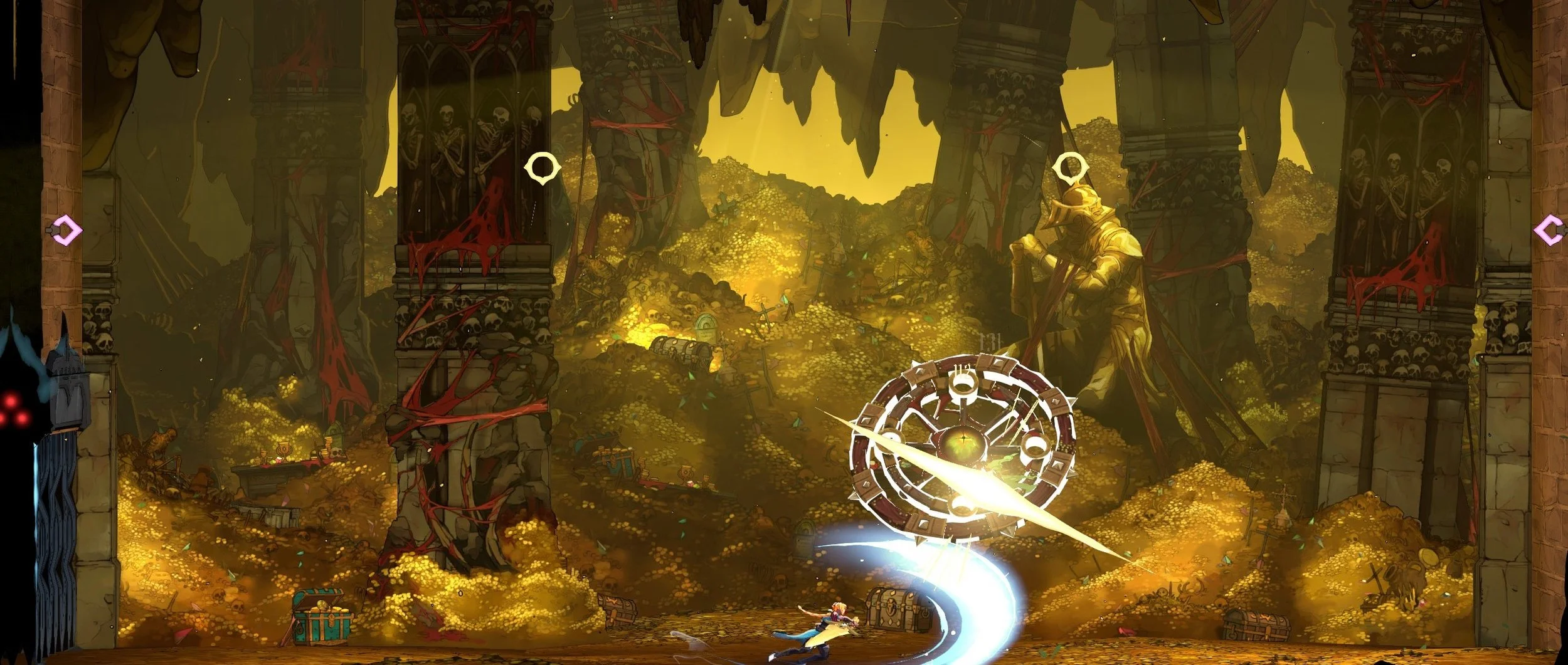
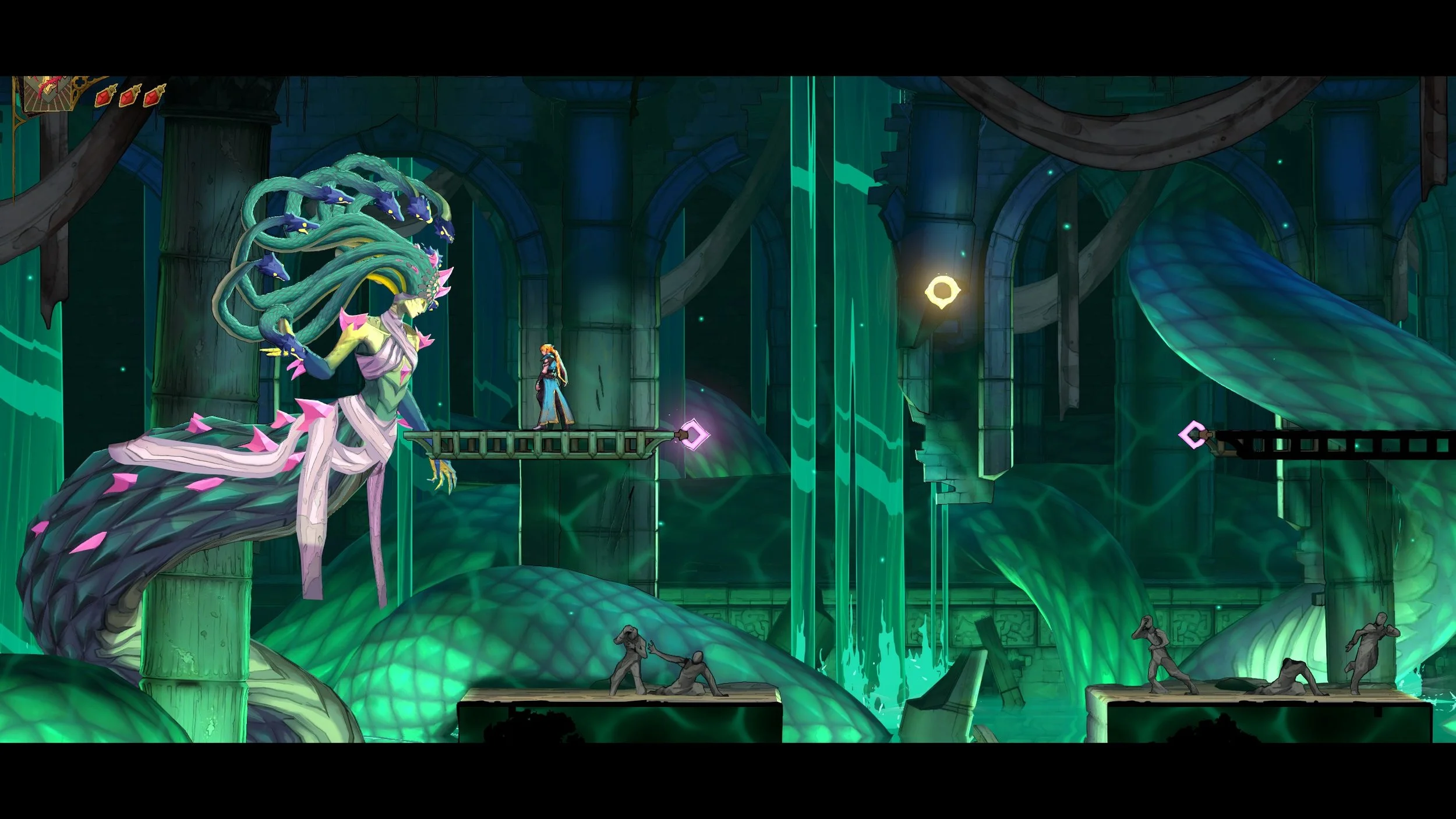
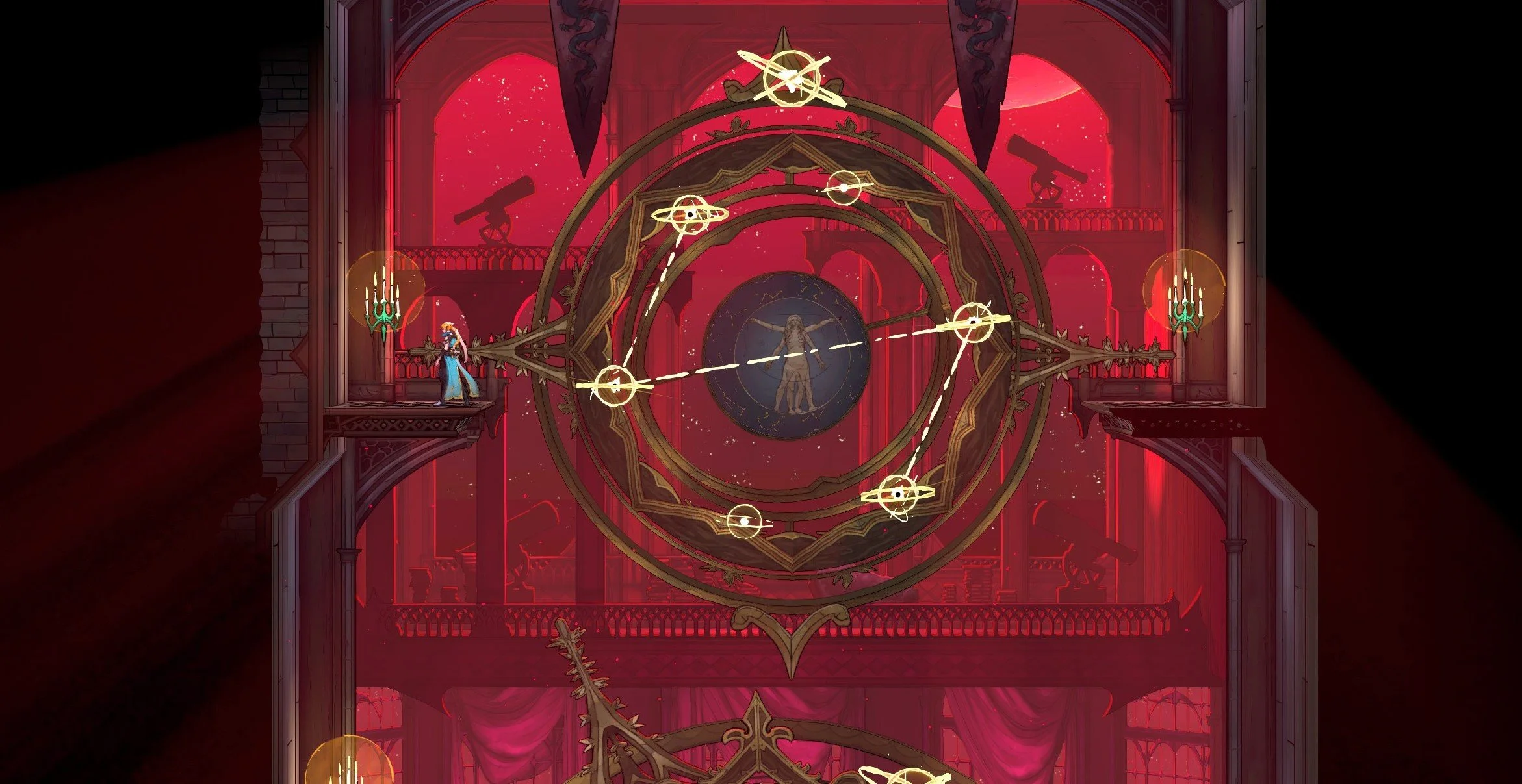
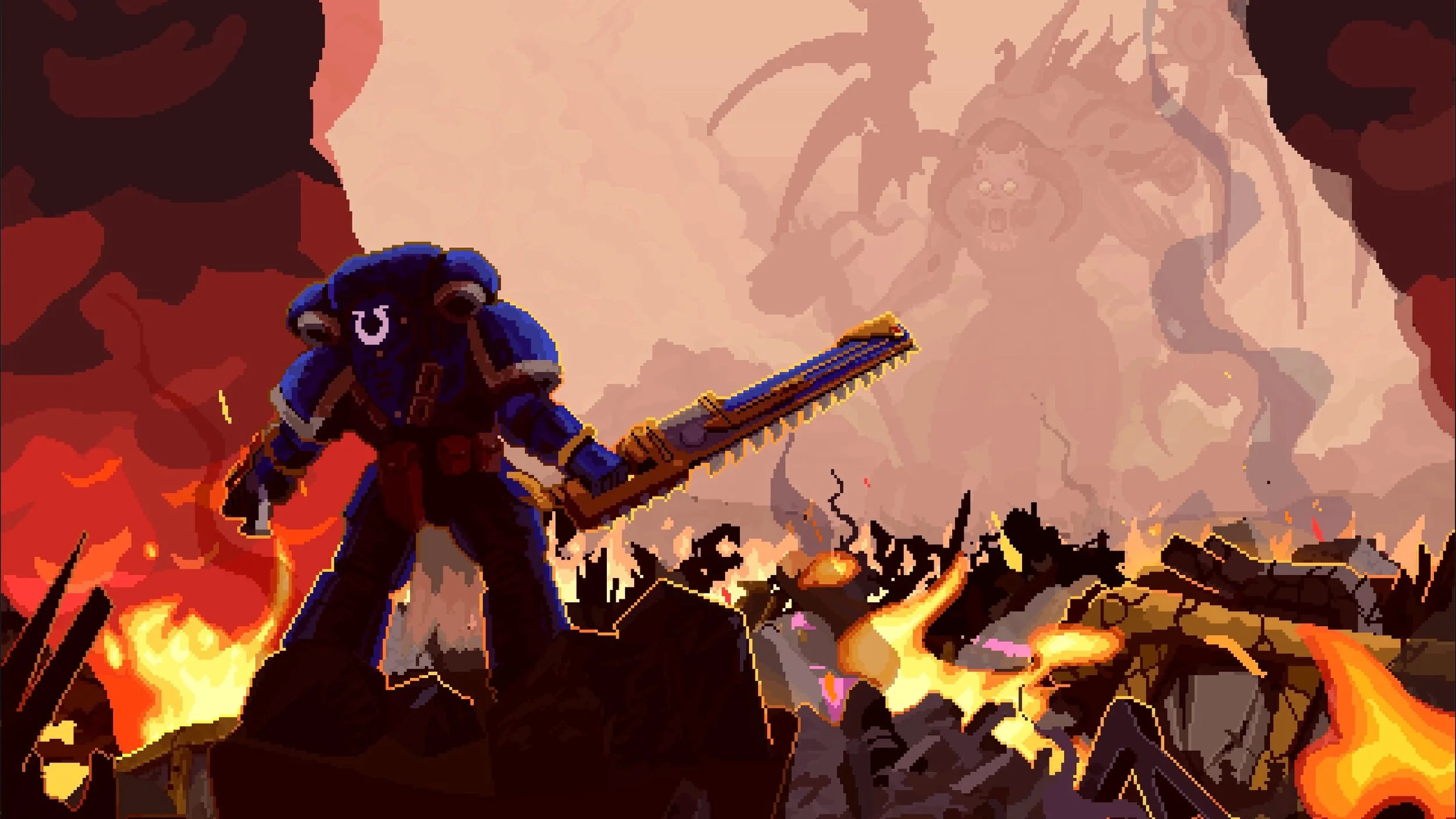
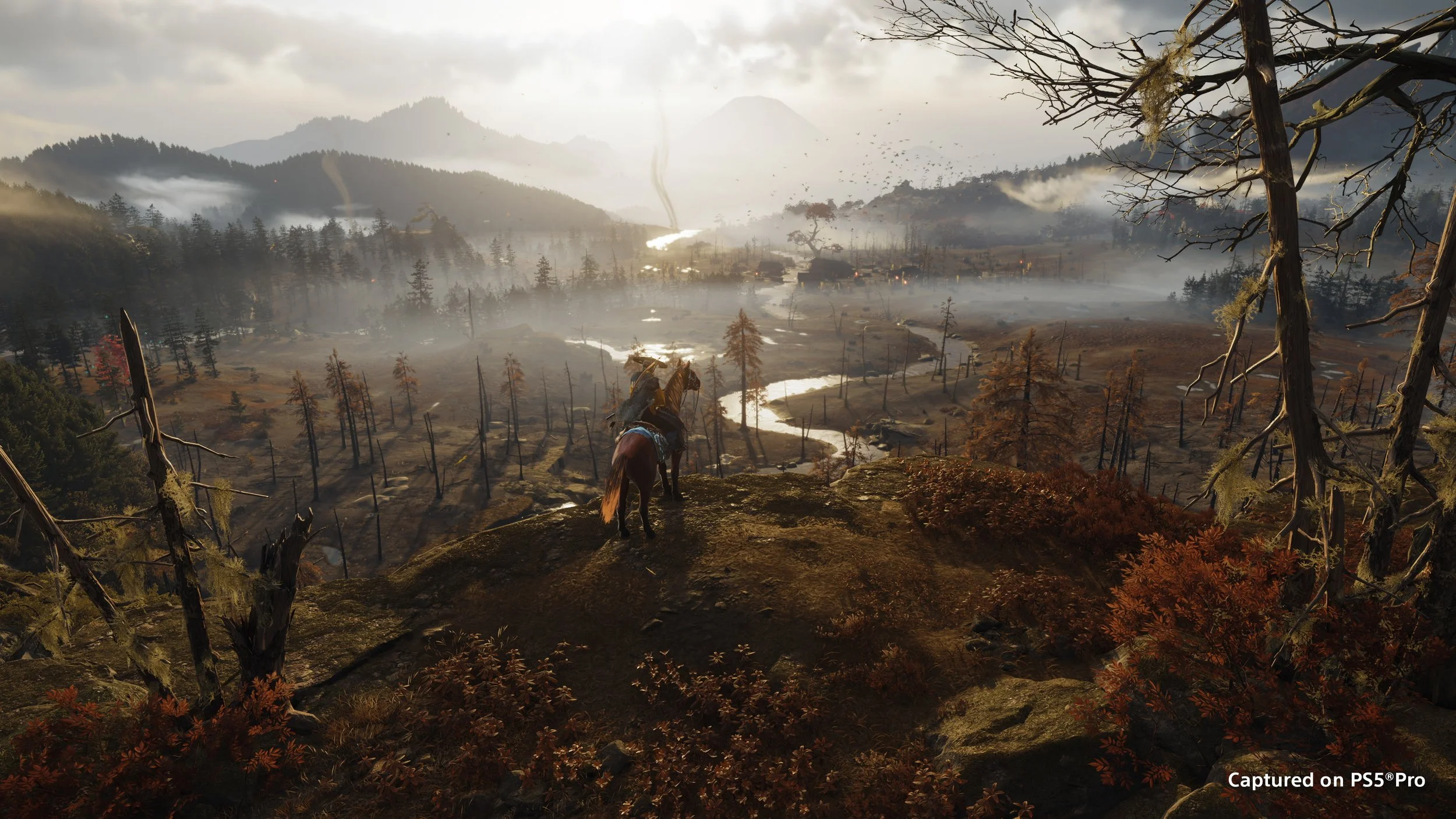
Classic game visuals are being reinvented for modern hardware. Developers are deliberately replicating that retro aesthetic, then layering on modern textures, lighting, and sound design. The juxtaposition of vintage design with high-end production values gives players both a sense of looking back and a feeling of being fully drawn in.
Audio cues that were once simple bleeps and bloops now come with surround sound, dynamic music layers, and voice-over streaming. The basic function is the same: signal to the player that something meaningful happened. In doing so, these cues tap into the emotional memory many gamers have of “that moment” in a classic title, all while still delivering the full immersive experience they expect today.
Mechanics Revisited: Old Systems, New Depth
One of the most interesting trends is how classic mechanics are being repurposed for modern depth. Consider how turn-based systems are now enriched with branching narratives, procedural elements, and huge open worlds. Or how the side-scrolling action of earlier platforms is transformed into 3D parkour-heavy sandbox levels.
Some of the reuse patterns include:
Simple progression loops (level up → unlock skill → repeat) from early games are used in massive open titles.
Limited lives or checkpoints re-imagined as tension-building mechanics in horror or survival games.
Collectibles and unlockables (a core part of retro platformers) elevated into meta-progression systems across decades of gaming.
Player Engagement and Community Built on Shared History
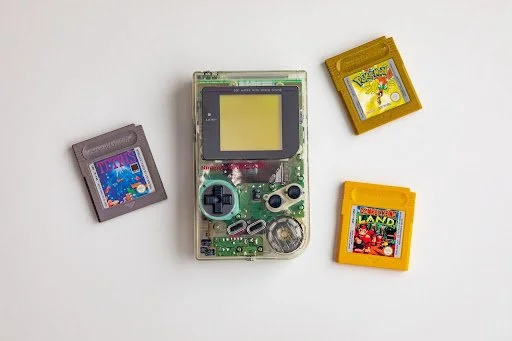
We’ve entered an era where legacy franchises get remakes or expansions, and new indie titles boldly pick retro stylings. That creates a sense of shared history and community among players: “I remember the original,” or “This references that old game I loved.” That social connection drives engagement in ways that graphics alone cannot.
In addition, classic games are frequently referenced in mods, sequels, or fan content, and this reinforces player investment in the broader system of immersive experiences. Developers know that by tapping into those memories, without being derivative, they can deliver something both fresh and familiar.
Conclusion
Retro game design is far from irrelevant. Today’s most immersive experiences often borrow as much from early arcade and console logic as from cutting-edge graphics or emergent systems; by using clear loops, familiar mechanics, and nostalgic cues, developers build layered titles that connect players who remember that old controller with newcomers discovering those rhythms for the first time, producing some of the most memorable gaming moments in years.