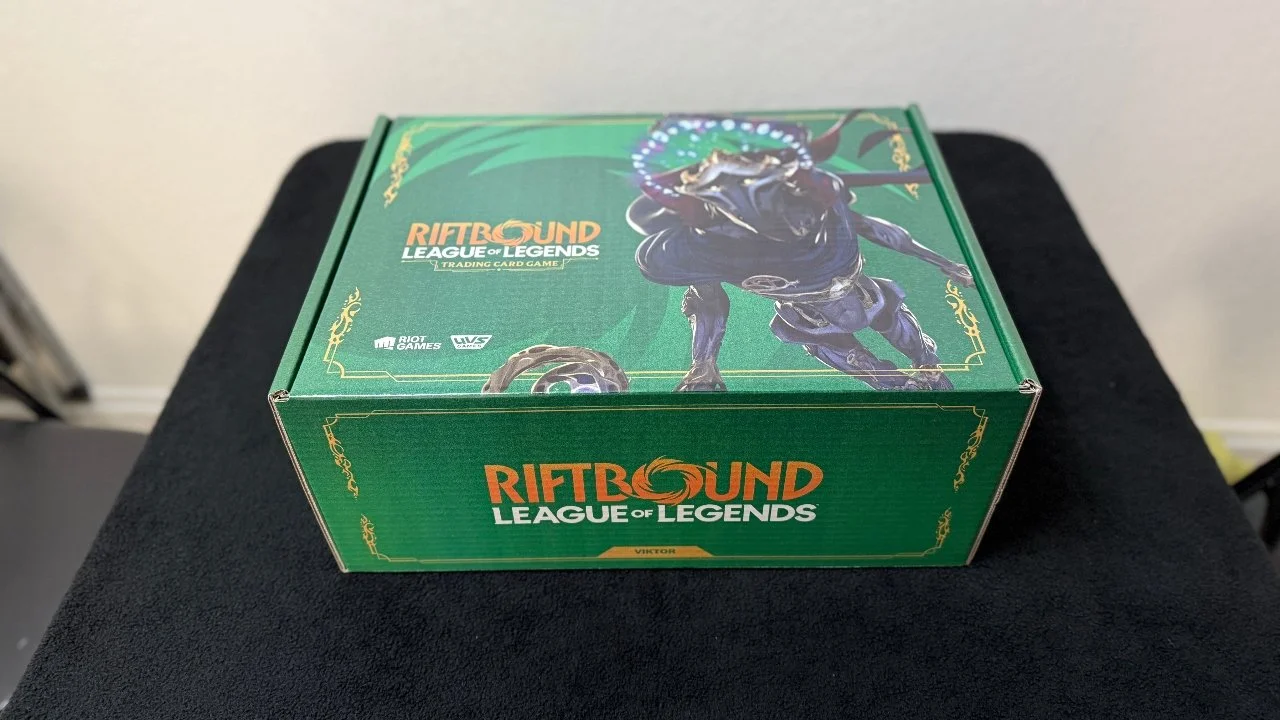
Last Thursday, I had the incredible opportunity to visit Riot Headquarters in Los Angeles for an exclusive sneak peek at their newest project: Riftbound: the League of Legends trading card game (TCG). And let me tell you, this game is shaping up to be something special.
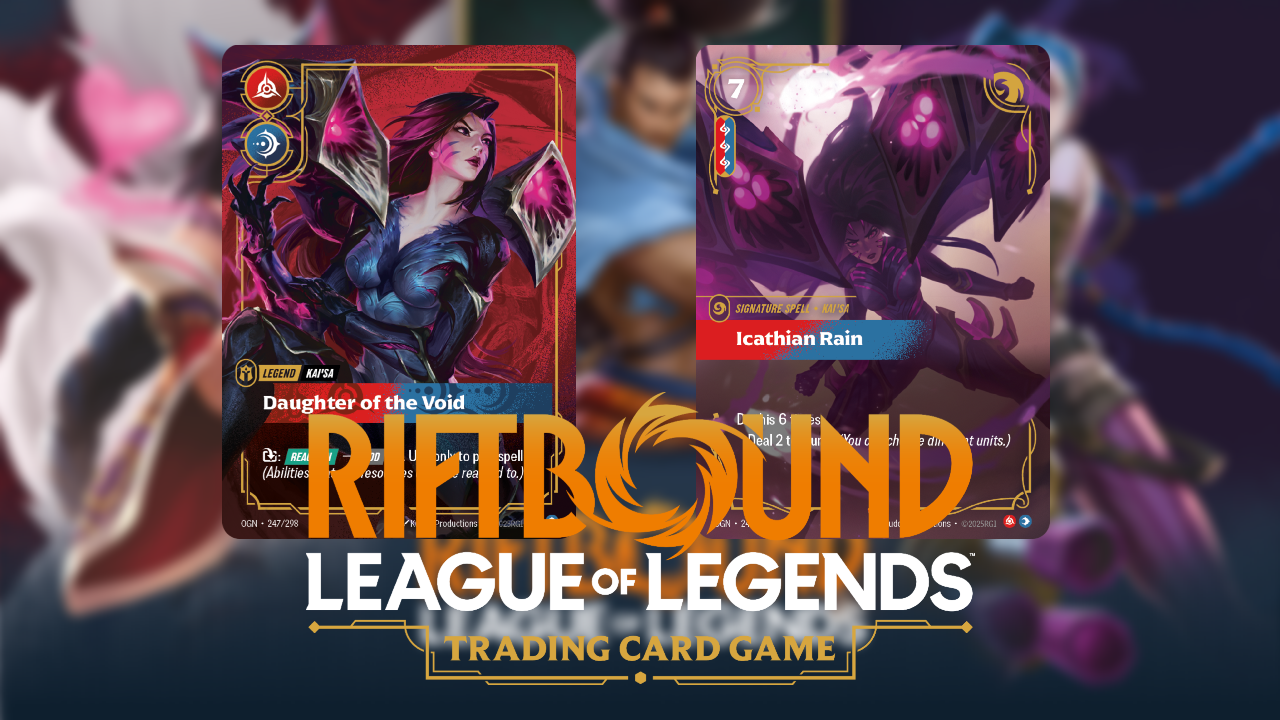
After a tour of their impressive campus, Riot gave us a full rundown of what’s coming. We got early looks at upcoming releases, previewed some stunning specialty cards (including a foil, overnumbered Yasuo card with a signature that made the entire room gasp in unison—no exaggeration), and even got to play with trial decks that we took home afterward. Best of all, we had the chance to build our own decks—one of the very first glimpses at Riftbound's deck-building potential.
In today’s crowded TCG space—Magic: The Gathering, Pokémon, Yu-Gi-Oh!, Disney Lorcana, One Piece—every new game has to strike the perfect balance: familiar enough to onboard players easily, but unique enough to stand out. Riftbound has that edge, not just because of the League of Legends IP (though that certainly helps), but because it genuinely brings something fresh to the table.
The devs are clearly passionate, and their goal is simple: make a game that’s fun, easy to learn, and deeply social. Riftbound is designed as a 2- or 4-player game, making it ideal for casual or group play at your local game store. Multiplayer interaction and community are at the heart of the experience. And when it comes to competition, Riot isn’t gatekeeping. They’re building a very open competitive scene, one that encourages everyone to play—from TCG veterans to complete newcomers.
That accessibility is a huge deal. If you’ve ever tried jumping into Magic, Yu-Gi-Oh!, or Pokémon mid-generation, you know how overwhelming it can be. Riftbound, by contrast, is intentionally beginner-friendly, with a learning curve that invites new players instead of scaring them off. And the best part? They’re rewarding creativity. Off-meta and “jank” decks aren’t just welcome—they could earn you rewards. Riot hasn’t revealed all the details yet, but the idea that you can win prizes just for playing the champion you love, even if it’s unconventional, is super exciting. I’m already dreaming up ridiculous builds just to see what I can get away with.
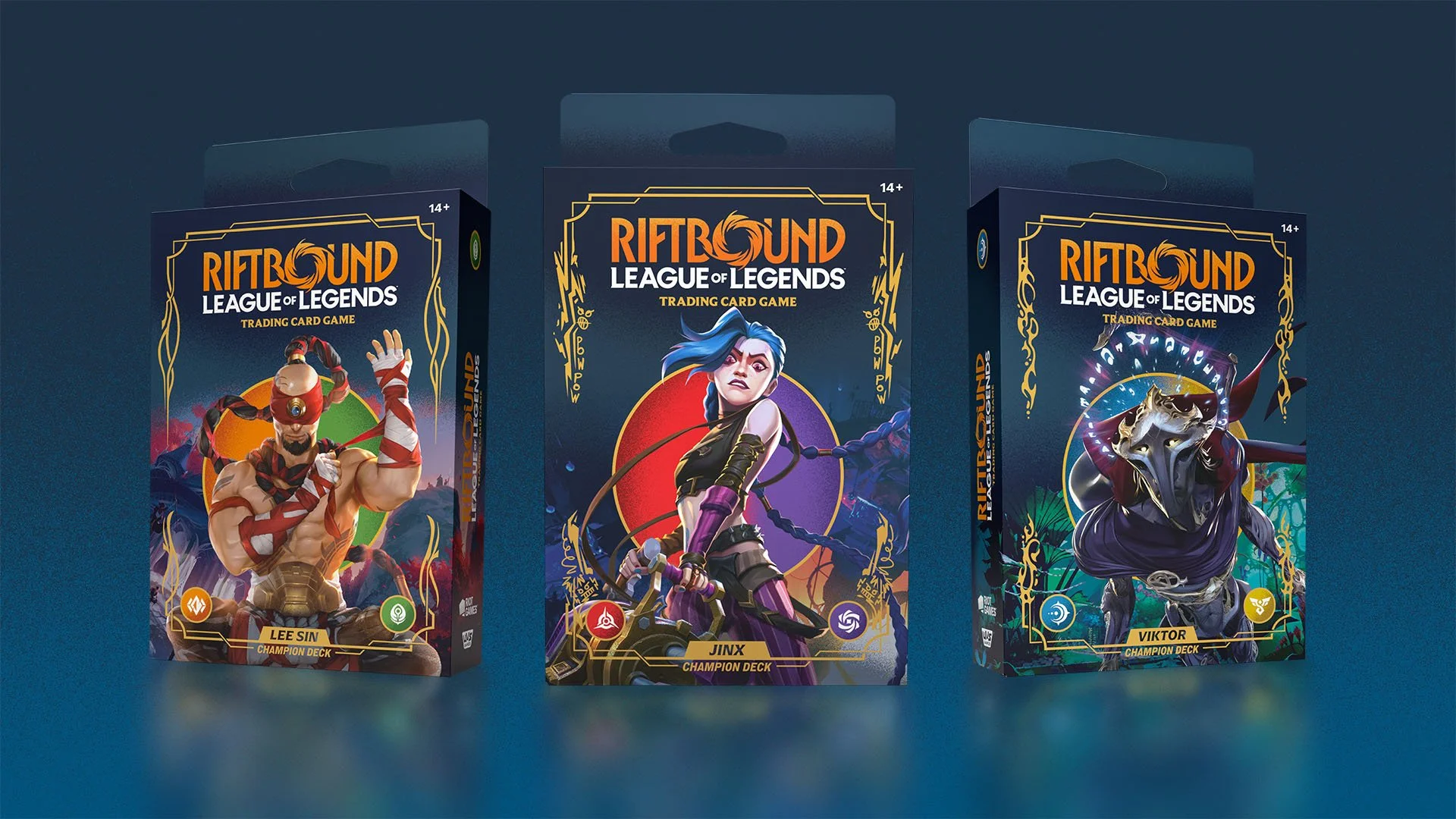
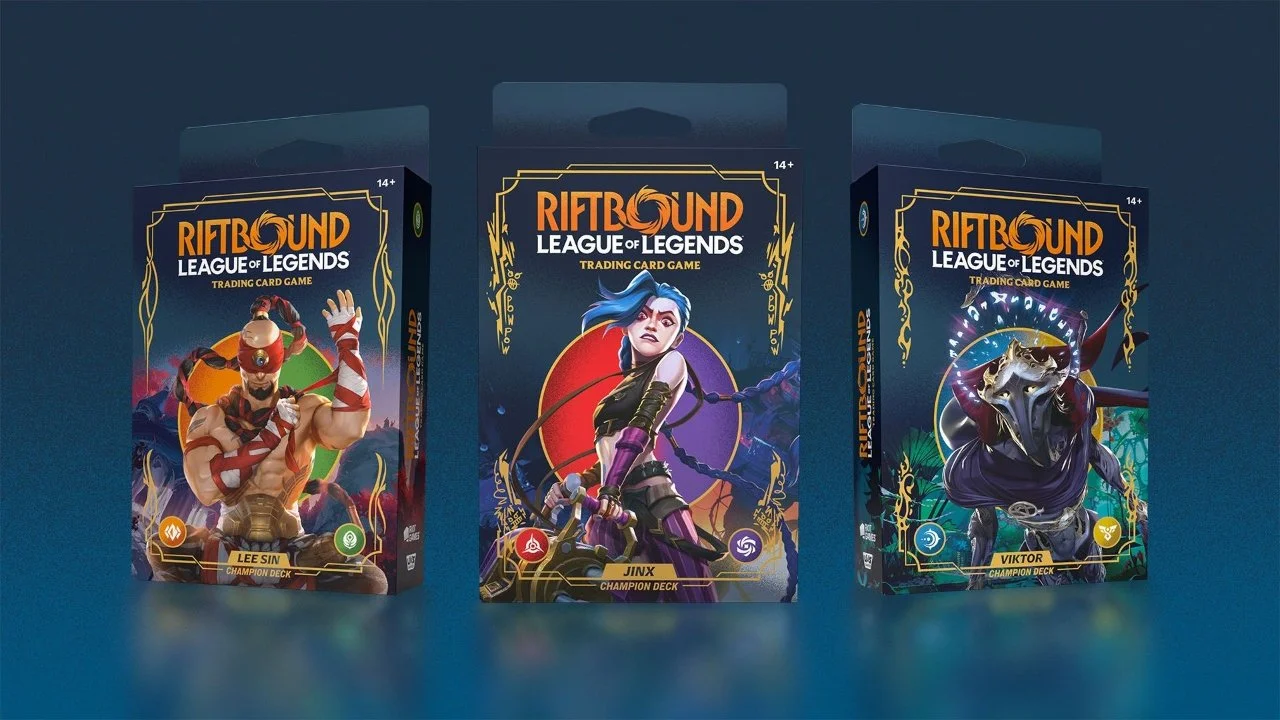
As for what’s launching, expect the essentials: booster boxes, sleeved booster packs, preconstructed decks, and accessories. There’s also a special entry-level product called Proving Grounds, a four-deck starter set designed to be played board-game style. It’s built to teach the game in a fun, low-pressure way, making it perfect for introducing TCGs to friends who’ve never played before. Riot is clearly leaning into the social aspect, and they’re encouraging fans to go outside their comfort zones—ask someone new to play, even if they’ve never touched a card game before. Chances are, you’ll be able to teach them in no time.
Lastly, pricing. Riot isn’t just making Riftbound accessible in design—they’re making it affordable too. Booster packs are $4.99, booster boxes contain 24 packs, champion decks will be $19.99, and the Proving Grounds starter set is just $29.99. That’s a super competitive lineup for a new TCG, and it shows Riot is serious about getting this game into players' hands.
My Gameplay Experience: Jinx and Kai’Sa Go Off
When it came to playtesting, Riot had champion decks ready for all 12 available Legends. You could either run a preconstructed list or build your own from scratch. To learn the ropes, I started with the precon Jinx deck — a Purple and Yellow combo that revolves around discarding cards and exploding with huge plays. It felt like a ticking time bomb, and I loved it. I’ve always enjoyed TCG decks that burn through resources quickly in exchange for powerful, game-swinging moments — and this deck delivered on that thrill.
After that, I dove into deckbuilding. I’ve always been a fan of Izzet (Red/Blue) in Magic: The Gathering, so I naturally gravitated toward Kai’Sa, who shares that same color identity. Turns out, Red/Blue in Riftbound is all about spell-slinging and tempo — and despite having zero prior experience with the game, my custom Kai’Sa deck turned out to be fast, focused, and seriously hard-hitting.
I built it around casting spells as often as possible, recycling them, and turning Dr. Mundo into an unstoppable tank. For context, Riftbound ditches traditional “land” mechanics (good riddance). Instead, each turn you ready two runes to spend as resources. Every card has a main cost (which you "exhaust" runes to pay), and many also have a recycle cost, which requires placing a rune of a specific color at the bottom of your rune pile. Simple, elegant, and it keeps the pace moving.
Each deck is led by a Legend — a card with a passive or active ability you can use right away — and you’ll eventually summon your Champion, your heavy-hitter. In my case, Kai’Sa’s ability lets you exhaust her to cover recycle or ability costs, which gave my spell-heavy deck incredible efficiency. I filled the rest of my list with low-cost spells, rune acceleration, and cards that reward frequent casting. Dr. Mundo gets stronger the more cards you have in your trash, Darius gains bonus Might when he’s the second card played in a turn, and Heimerdinger (my personal tech pick) gains all the exhaust abilities of your other units — so of course, more spells meant more value.
To keep my engine running, I added three Red and Blue seals, ensuring I’d always have the right resources for recycle costs. The rest of the deck was mostly damage and draw spells that cycled back into my rune pile over time. My goal was to disrupt anyone going after the battlefield (which is how you score), wear them down, then slam a massive Mundo or buffed-up unit to take it for myself.
I had a blast learning the game — and I have to give Riot credit: the way they’ve translated League of Legends mechanics into a TCG format is incredibly smart and fun to play.
Final Impressions (TLDR)
While Riot’s keeping some things under wraps until official previews start, what I saw — and played — was genuinely impressive. Riftbound isn’t just another licensed TCG cash grab. It’s a well-designed, accessible, and fun game with a ton of strategic depth and passion behind it.
Preview season is just around the corner (June 9th), and once you start seeing more of what this game has to offer, I promise you — you’re going to feel the same hype I do. I cannot wait for the rest of the world to get their hands on this.