Fake apps and clone websites don't appear randomly. They follow attention. Wherever people move quickly, download impulsively, or trust familiar names without thinking twice, copies start popping up almost immediately. Trending niches are especially vulnerable to this - not because users are careless, but because the environment itself encourages shortcuts.
What makes this problem tricky is that most clones don't look suspicious at first glance. They look normal. Polished. Familiar. Often almost identical to the real thing. Spotting them isn't about technical expertise or paranoia. It's about understanding how these fakes blend into fast-moving digital spaces and why the brain so easily lets them through.
Why Fake Apps Follow Trends, Not Technology
There's a common assumption that fake apps exist because technology is complex. In reality, they exist because attention is fragmented. Trends create moments where people want access now, not later. New platforms, tools, or services gain traction faster than reputation can catch up.
Cloners don't need advanced infrastructure. They need timing. When a niche is trending, users are more forgiving. They expect rough edges, quick launches, and constant change - especially when there are clear benchmarks, like the Lightning Storm result, that help them get up to speed and understand what's going on. That expectation lowers the threshold for trust, even among experienced users. In these moments, speed matters more than scrutiny, and clones are built to exploit exactly that.
The Psychology Behind Why People Fall for Clones
Most people don't fall for fake apps because they ignore warning signs. They fall for them because nothing feels wrong. The design looks familiar. The name rings a bell. The context makes sense. The brain fills in the gaps automatically.
There's also a quiet social factor at play. When something is trending, it feels validated by default. "Everyone's using this" becomes an assumption, even without evidence. That sense of collective momentum short-circuits deeper evaluation.
Importantly, this isn't a failure of intelligence. It's how pattern recognition works under time pressure. The more familiar a niche feels, the less effort the brain spends checking details.
How Clone Websites Mimic Trust Signals
Clone websites rarely invent new tricks. They reuse the same signals people already associate with legitimacy. Once you notice the pattern, it becomes easier to spot them - not individually, but structurally. Common signals clones lean on include:
Nearly identical branding, including logos, color schemes, and layout
Copied or lightly rewritten text, often lifted from the original site
Fake social proof, such as generic testimonials or recycled review snippets
Lookalike URLs, where a single letter, dash, or extension is different
None of these elements are suspicious on their own. That's what makes them effective. Clones don't stand out - they blend in.
Fake Apps and the Illusion of Legitimacy
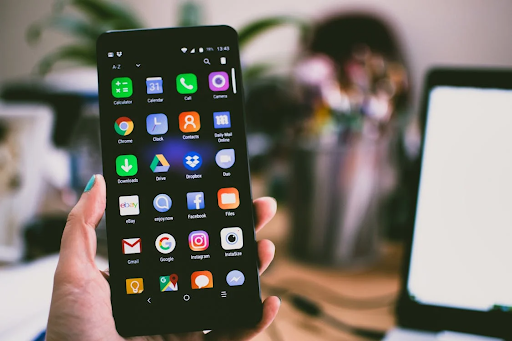
App stores create a powerful sense of safety. If something is available to download through an official platform, many users assume it has been thoroughly vetted. In practice, moderation is uneven, especially during trend spikes.
Fake apps take advantage of this gap. They appear briefly, gather installs, and disappear once reports catch up. By then, the damage is done. The presence of ratings, screenshots, and a clean listing is often enough to override caution.
This doesn't mean app stores are unreliable. It means they aren't instant guarantees - especially when demand outpaces review cycles.
When Familiar Design Works Against the User
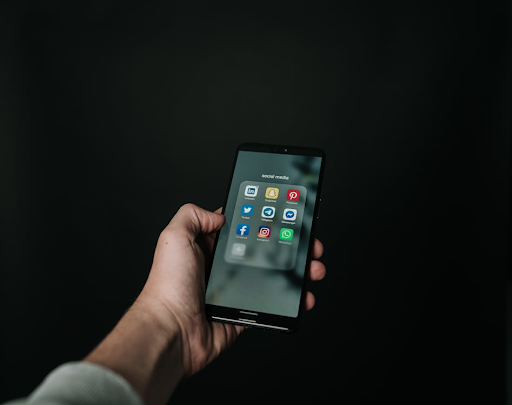
Ironically, good design can be part of the problem. Clone apps and sites often feel trustworthy because they replicate experience, not functionality. Buttons behave as expected. Navigation feels smooth. Nothing seems out of place.
That familiarity creates comfort, and comfort reduces vigilance. Users stop checking who's behind the interface because the interface itself feels "right." The brain treats recognition as verification, even though the two aren't the same.
This is especially common in niches where products share similar workflows. When everything looks alike, it's easy to assume it is alike.
Small Details That Usually Give Clones Away
While clones aim to look convincing, they often slip up in places most people don't check until something goes wrong. These details aren't always obvious, but they tend to repeat across fake platforms. Some of the more reliable tells include:
Language inconsistencies, especially in error messages or settings
Unusual permission requests that don't match the app's purpose
Missing or vague update history, suggesting a rushed release
Support links that lead nowhere or loop back to generic pages
Inconsistent branding between the app, website, and store listing
Why Trending Niches Make Verification Harder
Trends compress time. New names appear daily. Official sources are still being established. Even legitimate platforms may lack history, reviews, or clear documentation. That makes traditional verification habits less effective.
Users are forced to decide with incomplete information. In that environment, visual confidence often wins over background checks. Clone operators know this and build accordingly. The result is a space where caution feels like friction - and friction feels like missing out.
How to Stay Grounded Without Becoming Paranoid
Avoiding fake apps doesn't require constant suspicion. It requires slowing down just enough to interrupt automatic trust. A few mental habits go a long way, especially in fast-moving niches. Helpful anchors include:
Questioning urgency, especially when something pushes immediate action
Checking sources over surfaces, focusing on who runs the platform, not how it looks
Allowing uncertainty, rather than filling gaps with assumptions
Conclusion
Fake apps and clone websites don't succeed because they're clever. They succeed because they arrive at the right moment, wrapped in familiarity, when users are moving too quickly to question what's in front of them.
Trending niches amplify this effect. They reward speed, novelty, and recognition - the same conditions clones rely on. Spotting them isn't about spotting flaws. It's about noticing when the environment itself is nudging decisions faster than judgment can keep up. In most cases, slowing down by a single step is enough to see what was already there.