The Future of VR Esports: Next-Level Competitive Gaming
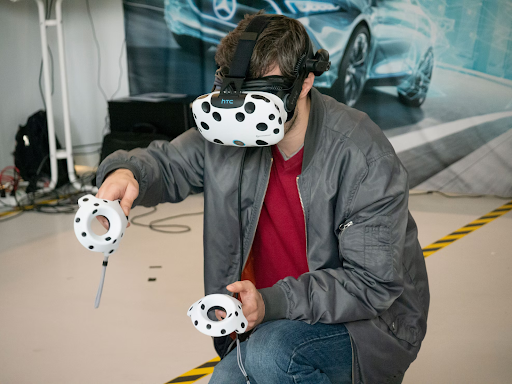
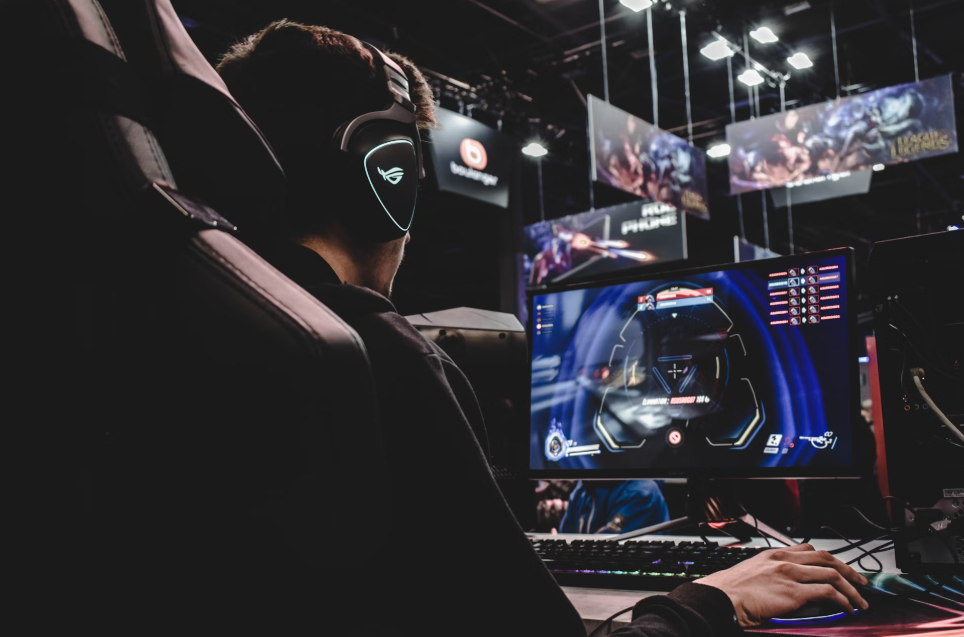
VR esports are no longer a niche experiment; they are branching out into competitive fields. As technology advances, more tournaments are planned, and esports are becoming more immersive. More is expected from viewers than raw gameplay; they seek out experiences that integrate the real and the virtual.
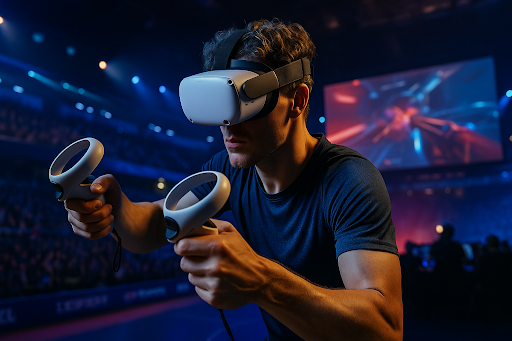
VR Titles Defining the Competitive Scene
The strength of VR esports lies in its games. Echo VR was once a cornerstone of VR esports, but Meta officially ended support for the title in August 2023. Today, titles like Beat Saber and Onward continue to cultivate loyal communities. Beat Saber remains one of the most played VR games worldwide, with active community-led competitions rather than formal professional leagues. Population: One and Breachers have become some of the most recognizable VR competitive titles in 2024/2025, both supported by organized events in the VR Master League.
This growth has caught the attention of the broader gaming culture. Platforms integrating entertainment and gaming — Plinko MelBet Zambia illustrate how digital ecosystems bring together play, wagering, and real-time analysis. By connecting interactive games with immersive competition, these platforms reinforce how VR is part of a larger shift in sports and digital engagement. Casino-style games in VR also demonstrate how varied play experiences—from chance-based titles to competitive matches—are converging in the same digital spaces.
List of popular VR esports titles active in 2024/2025:
Onward (realistic military shooter)
Beat Saber (community rhythm competitions)
Population: One (battle royale in VR)
Blaston (tactical dueling)
Breachers (5v5 tactical shooter)
VAIL (fast-paced competitive shooter with VRML seasons)
Pavlov Shack (realistic FPS with 1v1 and team modes)
Orion Drift (space-based competitive action with all-day tournaments)
These titles highlight the different types of VR esports. VR esports includes tactical shooters and rhythm-based games. VR esports requires different physical and mental skills.
In this context, mobile betting has entered the picture. Platforms that integrate competitive insights, like the Betika app, show how fans extend their engagement. With match statistics, predictions, and interactive betting, these apps parallel VR’s own rise by merging sport and digital interactivity. The overlap demonstrates how esports spectatorship is no longer passive but participatory. Another strength of the platform is its secure transactions and user-friendly interface, giving fans confidence while staying engaged in live events.
Tournaments and Global Stages
VR esports tournaments have evolved from small gatherings into prominent international events. The VR Master League (VRML) has been instrumental, hosting competitive finals in titles like Onward, Breachers, and VAIL, with teams from North America, Europe, and Asia. Live streams on Twitch and YouTube have expanded global reach, building dedicated audiences. VRML Con showcases professional-level matches and live finals across multiple VR titles, offering a stage comparable to traditional esports.
As there is no official “International VR League,” community leagues and LAN events, led by VRML, organize cross-title championships, supported by sponsors like ProTubeVR, VR Cover, and HyperX, signaling growing commercial interest. According to SportsEpreneur, VR tournaments are gaining traction alongside traditional esports formats, though they remain niche, and claims of global recognition can be overstated.
Technology Driving VR Esports
Advancements in VR headsets and peripherals are driving the rise of esports. Lighter headsets with 120Hz+ refresh rates reduce fatigue, while inside-out tracking eliminates the need for bulky external sensors, ensuring precise gameplay. Haptic gloves and body trackers add a full-body dimension to competition, blending physical and tactical skills.
These advancements are reshaping the skill ceiling. Technology demonstrations are now part of esports events, linking hardware innovation directly with competition. Players now train endurance, spatial awareness, and physical agility as much as tactical awareness.
Challenges to Overcome
Despite progress, VR esports face hurdles. The cost of hardware remains high for casual players, limiting grassroots growth. Internet latency can also affect fairness in international matches. Developers must standardize competitive modes to ensure level playing fields, much as traditional esports did in their early years.
List of ongoing challenges:
High hardware costs are limiting accessibility
Latency in cross-region play
Small but growing player base compared to PC esports
Physical fatigue during extended sessions
Standardization of tournament rules and modes
Industry responses include community‑run tournaments and occasional hardware promotions that lower entry costs, broadening access while maintaining competitive integrity.
Future Outlook for VR Esports
Additional analysis from AIXR highlights how VR could become a major platform for competitive gaming, reinforcing industry discussions about its potential.
Competitive gaming now includes VR esports. Fully-developed professional tournaments mixed with immersive virtual reality gaming and state-of-the-art hardware technology are predicted to complement a believable, booming gaming ecosystem by the year 2025. Partnerships with hardware manufacturers, streaming services, and greater audience interaction point to a future in which VR esports will soon evolve to the focus of competitive gaming philosophy.
VRML and community LAN events now carry the banner for cross‑title finals, and public match archives document the scene’s expanding calendar.
Now, it's time for expansion: more players, more leagues, and increased recognition. When virtual reality (VR) technology transitions from the home to the stadium, the experience of competitive gaming changes again. Esports will encompass the physical presence of players as well as the digital performance. With players and organizations, like the VR Master League and VRML Con, helping to increase global visibility, the future is obvious: immersive gaming will not be going anywhere, and its competitive value is just starting to be realized.