Horror games have always held a special place in gaming history. They take the thrill of storytelling that you would get with a regular story mode title and mix it with the tension of survival, creating an experience that tests both the mind and the nerves. Over the years, horror in gaming has evolved from simple jump scares into complex emotional journeys that challenge players to confront fear in new ways.
The best titles in this genre do not just frighten players; they leave a lasting impression, redefining what it means to feel genuine terror while holding a controller. This evolution has become a cultural talking point across gaming forums and social platforms, much like the rising interest in matched betting USA, showing how online communities continue to shape modern entertainment trends.
Resident Evil
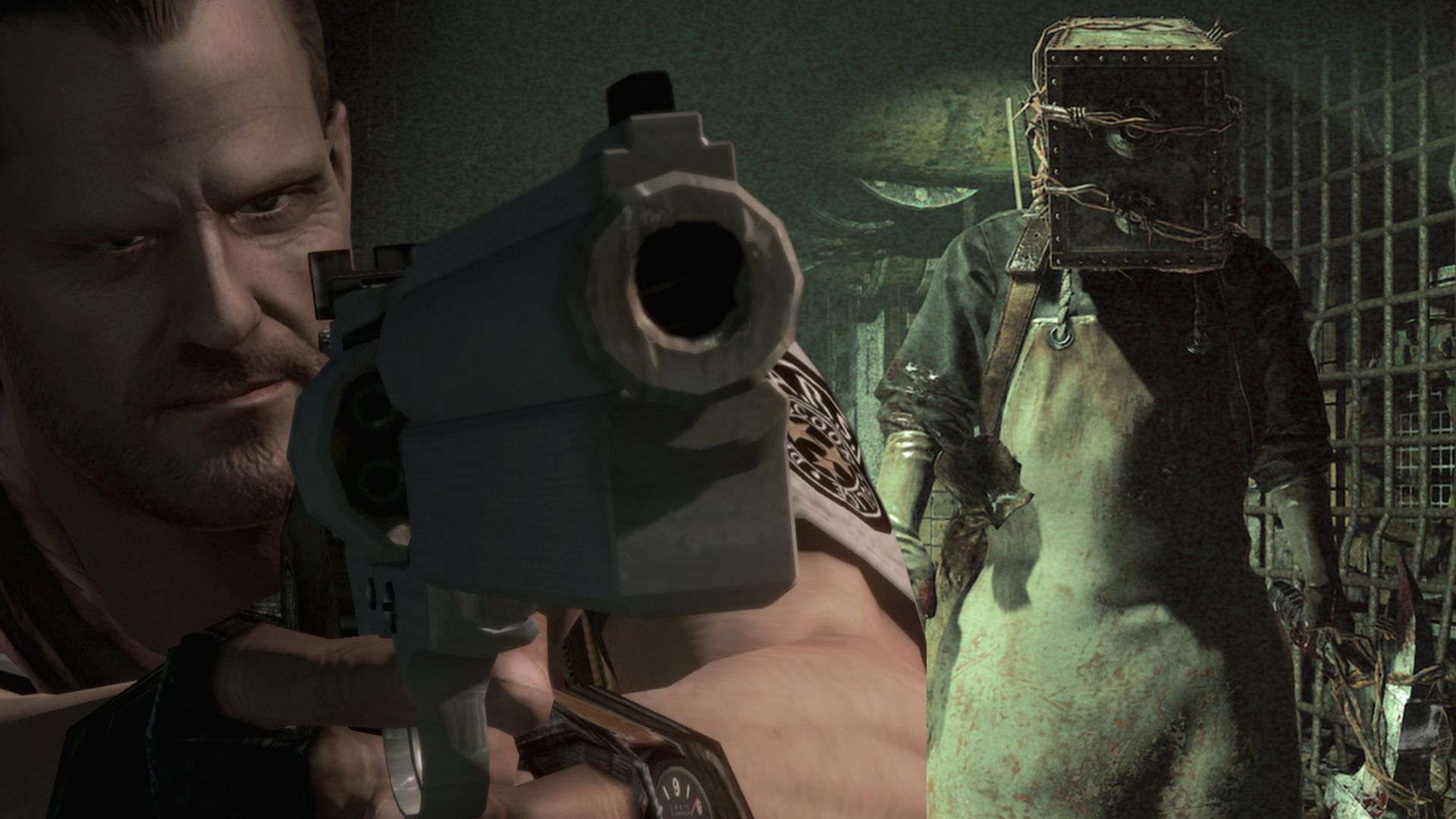
When discussing the evolution of horror in gaming, it is impossible to ignore the legacy of Resident Evil. Capcom’s franchise shaped the survival horror genre and continues to influence it today. The original release in the late nineties introduced players to eerie environments and the constant tension of what might lurk around the next corner. Resident Evil balanced cinematic storytelling with gameplay that forced players to make every decision count.
Later entries, such as Resident Evil 4, redefined fear again by blending action with atmosphere. The rural Spanish village, filled with infected villagers and relentless enemies, created an unsettling sense of isolation. Every encounter carried danger, and the haunting soundtrack only intensified the experience. Resident Evil proved that horror could evolve without losing its ability to terrify.
Silent Hill
Where Resident Evil thrived on survival, Silent Hill found strength in psychological terror. Konami’s iconic series pushed horror beyond monsters and blood, delving into the darkness of the human mind. Silent Hill 2, in particular, became a landmark in storytelling. The fog-shrouded town represented grief and punishment, blurring the line between reality and nightmare.
What made Silent Hill terrifying was not only its creatures but the emotions it evoked. The eerie sound design, from distant sirens to crackling static, built tension even in moments of silence. Players were never sure what was real, and that uncertainty became its own form of fear. It was not just a horror game; it was a psychological experience that showed how storytelling could shape dread.
Outlast
As technology advanced, developers began to explore new ways to immerse players in horror. Outlast captured this perfectly by removing weapons altogether. Players were armed only with a night-vision camera while navigating an abandoned psychiatric hospital. The sense of vulnerability was overwhelming. Each flicker of the camera’s battery added to the tension, forcing players to balance curiosity with survival.
Outlast’s success came from its simplicity. The first-person perspective made every chase feel personal, and the realistic audio pulled players deeper into the nightmare. It was like being trapped inside a horror film with no way to fight back. This approach to horror inspired a new generation of games that relied on fear of the unknown rather than combat.
Alien Isolation
Some horror games use atmosphere to create fear that lingers long after the screen fades to black. Alien Isolation stands as a masterclass in this kind of suspense. Set aboard a space station stalked by a single Xenomorph, the game revived the tension of Ridley Scott’s original film. The alien could not be killed, so players had to rely on stealth and pure nerve.
The game’s artificial intelligence ensured that the creature learned from the player’s behavior, keeping every encounter unpredictable. Every hiss from a vent or flicker of a motion tracker could mean death was only seconds away. Alien Isolation reminded players that true horror does not come from chaos but from waiting and knowing danger could strike at any moment.
The Last of Us
While The Last of Us is often described as an action-adventure game, its emotional depth and tension make it one of the most powerful modern horror experiences. The post-apocalyptic world it presents is filled with infected creatures and human desperation. What makes it terrifying, however, is the emotional weight of its storytelling.
The bond between Joel and Ellie gives every encounter meaning. The fear of losing someone becomes as intense as any monster attack. The game’s quiet moments, where players scavenge through ruined cities or hear distant screams, carry as much unease as the action itself. The Last of Us redefined horror by showing that fear can come from love, loss, and survival rather than just violence.
P.T.
In 2014, a playable teaser, simply called P.T., appeared online and changed horror gaming forever. Created by Hideo Kojima and Guillermo del Toro, P.T. placed players inside a looping hallway that grew increasingly disturbing with each pass. There were no traditional objectives or weapons, just a creeping sense of dread.
Every sound, shadow, and whisper built unbearable tension. The simplicity of the setting made it all the more terrifying, proving that imagination could be more frightening than any visible threat. Although the full game was never released, P.T. remains one of the most influential horror experiences in gaming history. It demonstrated that fear could be created through subtlety and mystery.