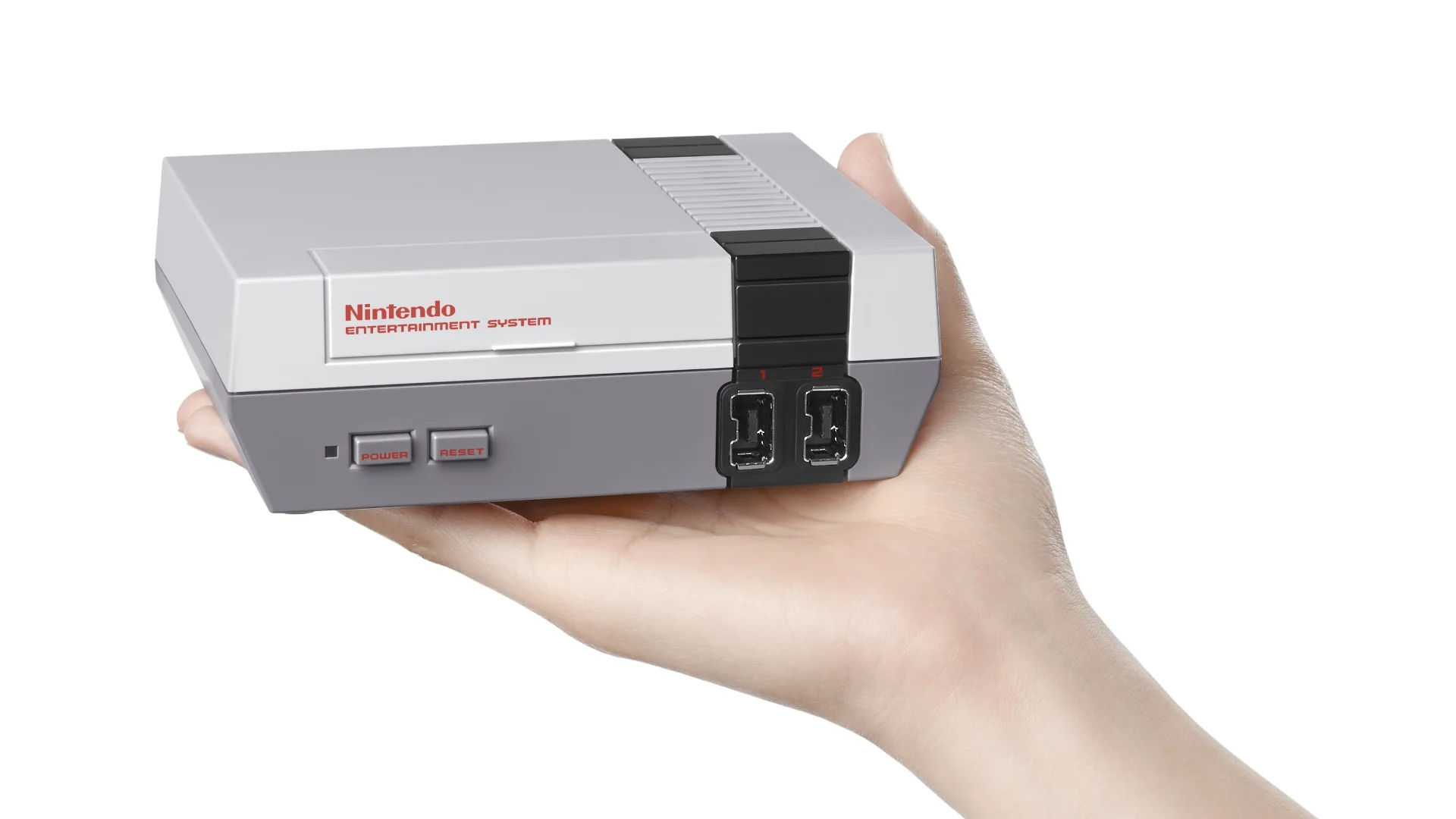
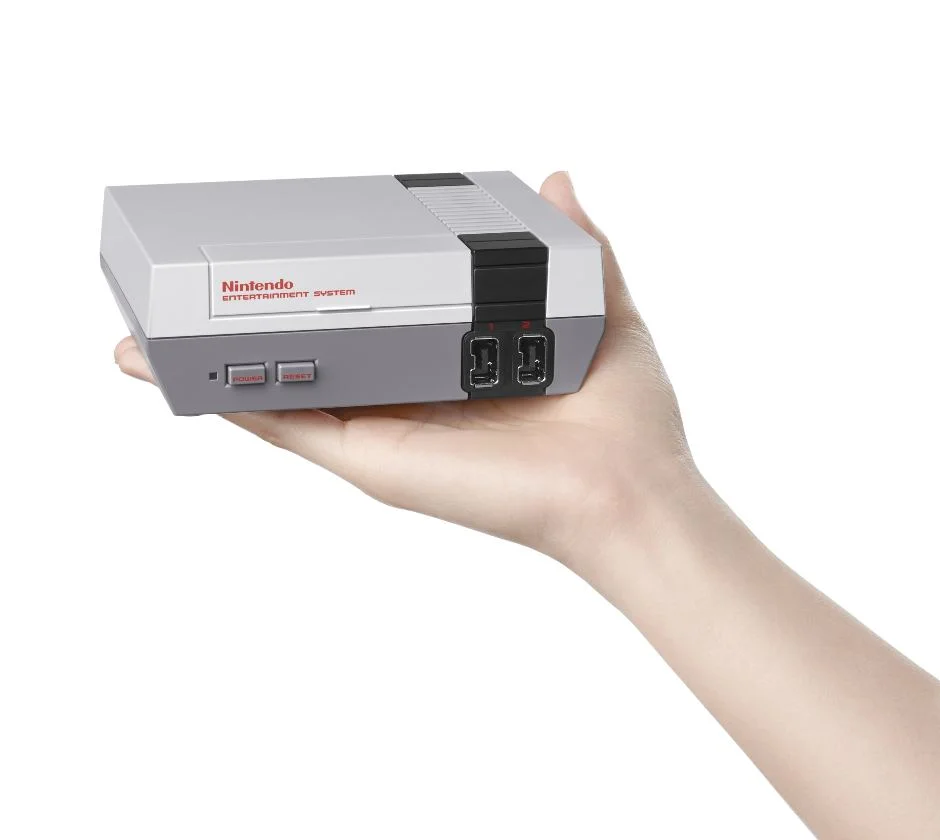
Retro design never disappeared. It shifted form. The earliest arcade cabinets and 8-bit cartridges set rules that still guide studios now. Movement had weight. Maps hid secrets without constant prompts. Systems relied on structure instead of spectacle. Those ideas carry forward into many recent releases.
That influence has not stayed inside console and PC development. Even casino software creators have looked back to pixel art, arcade pacing, and straightforward mechanics first seen in early console hits. In that space, studios study the structure of side-scrollers and puzzle titles, then adapt those ideas into digital slot formats built around bold sprites, simple symbols, and clear visual feedback.
This approach has allowed platforms such as Zero 1 Gaming to expand their catalog with retro-inspired slot releases that echo 8-bit aesthetics and classic arcade rhythm while still operating within modern technical standards. Outside of that space, the wider industry continues to reuse and refine the same foundations first laid down in the 80s and 90s.
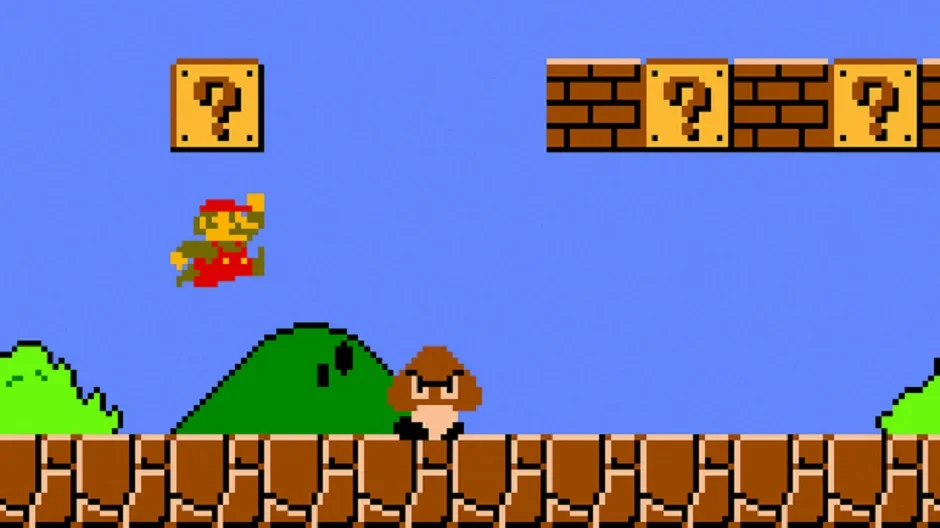
Super Mario Bros. and the Blueprint for Platformers
Super Mario Bros. did more than popularize side-scrolling action. It defined how movement should feel. Jumps followed a strict arc. Enemies moved in patterns that players could learn. Early stages taught mechanics without text prompts.
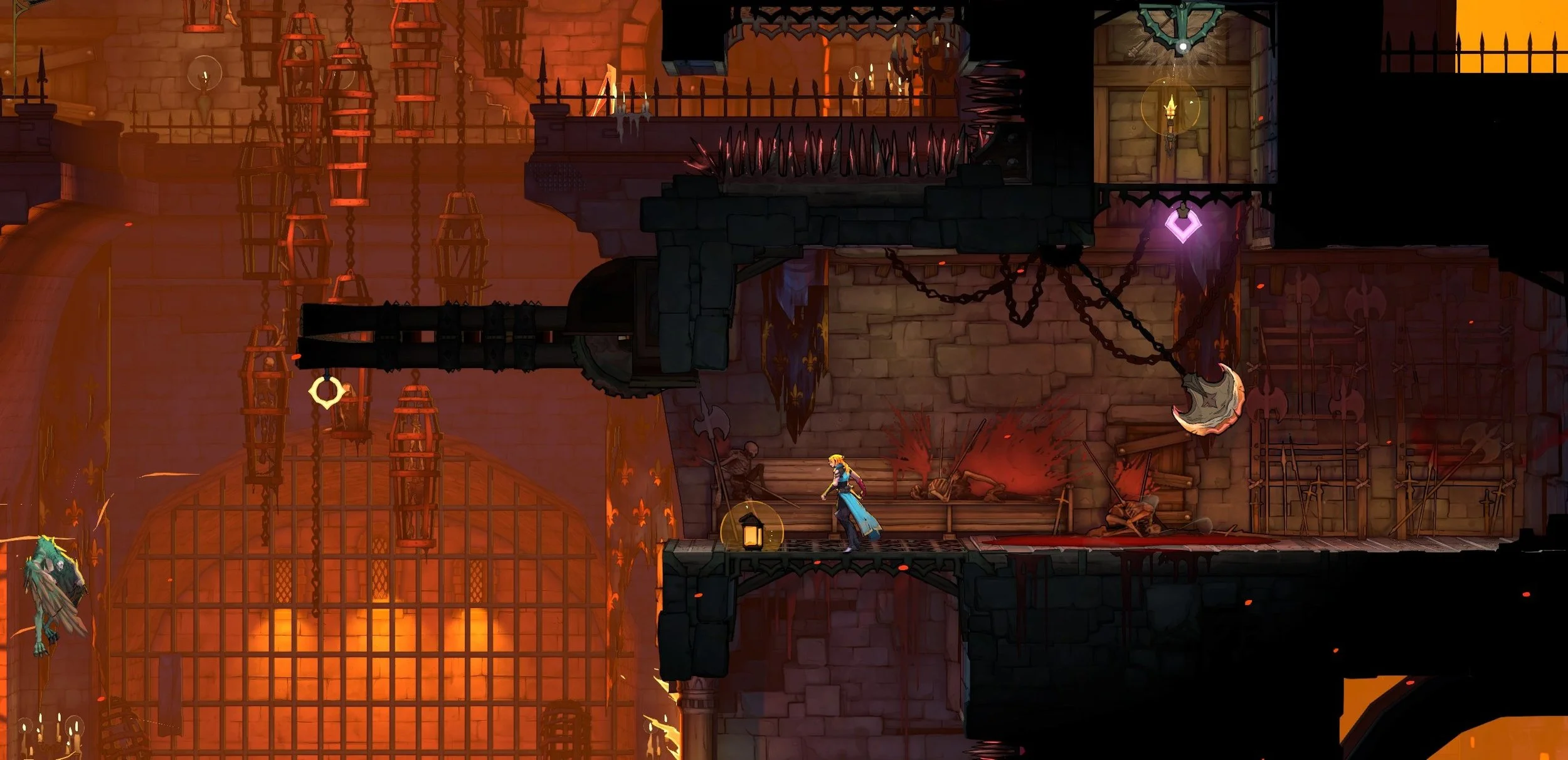
Panzer Paladin shows how that structure still works. Released in 2020 by Tribute Games, it mirrors the pace of NES action platformers. Stage layouts move from left to right with controlled enemy placement. Combat relies on timing rather than flashy effects. The game even uses an 8-bit visual style that recalls late 80s cartridge releases.
Shovel Knight follows a similar route. Its level design mirrors Mega Man, while checkpoints and boss patterns reflect NES logic. These projects prove that tight physics and readable hazards remain effective decades after Mario set the tone.
The Legend of Zelda and Player-Led Discovery
The original The Legend of Zelda offered little direction. Players entered a wide map with minimal guidance. Progress came through exploration and memory rather than constant markers.
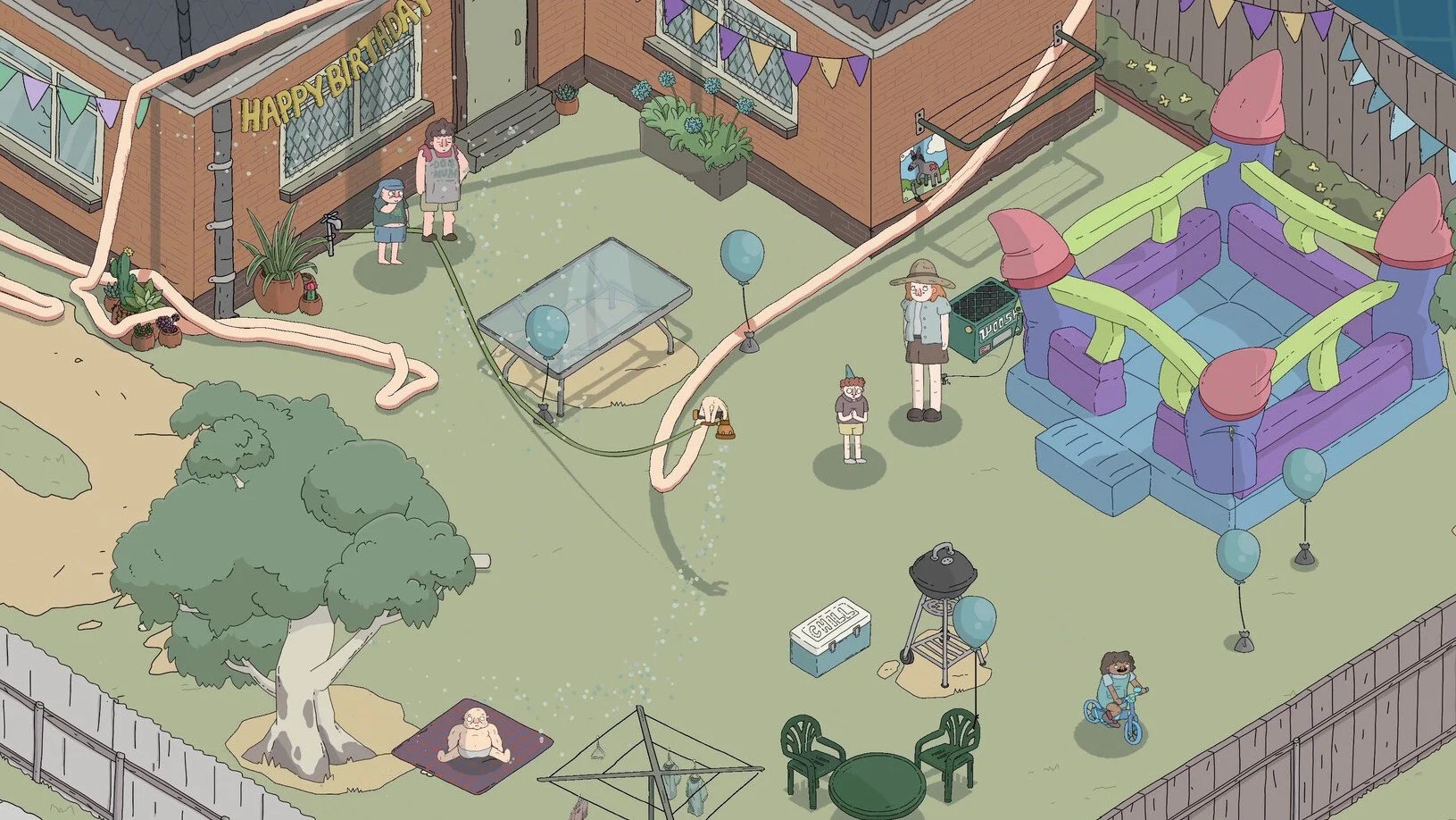
Animal Well follows that approach. Built over several years by a solo developer, it presents a 2D exploration format with sparse instructions. Secrets sit in plain sight. Environmental clues replace lengthy dialogue. The structure reflects early Zelda design, where curiosity moves the player forward.
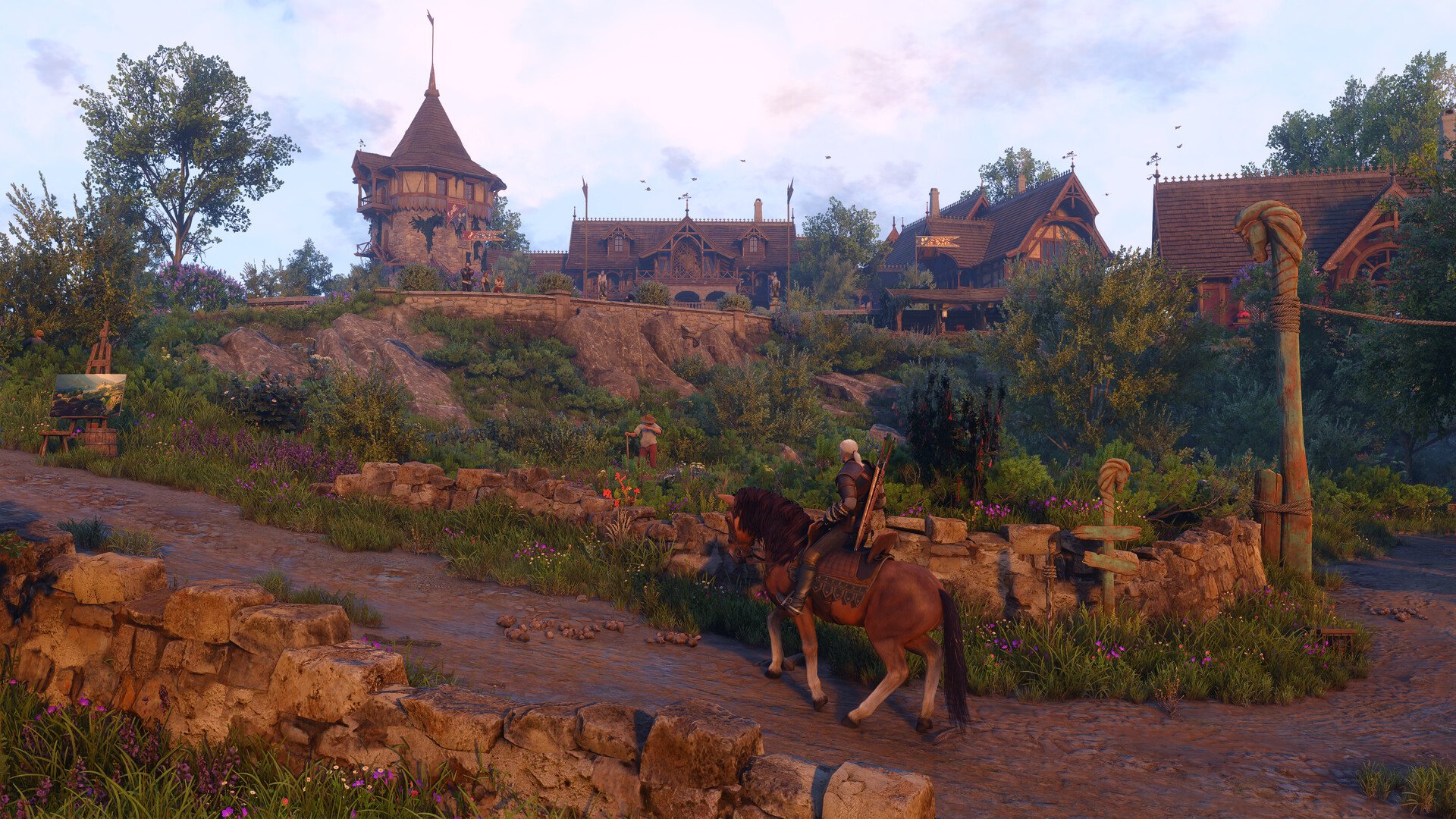
Tunic uses a similar method. It hides mechanics inside an in-game manual that players must piece together. Elden Ring applies this principle on a larger scale. It limits quest tracking and leaves room for uncertainty. The design philosophy remains close to 1986 Zelda, where discovery came from observation rather than guided paths.
Tetris and System-First Design
Tetris stands as proof that a strong ruleset can last for decades. Blocks fall. Lines clear. Speed increases. Pressure builds through a limited space.
Modern developers still return to that model. Lumines ties block placement to rhythm, yet its structure mirrors Tetris. Puyo Puyo Tetris combines two established systems without losing clarity. Many mobile puzzle games rely on escalating speed and shrinking space to create tension.
The lesson remains direct. Clear rules and steady escalation can hold attention longer than visual spectacle. Tetris reached the NES in 1989 and expanded worldwide. Its logic appears today in puzzle releases and even competitive multiplayer formats that shrink play areas over time.
Arcade Beat-’Em-Ups and Cooperative Combat
Teenage Mutant Ninja Turtles: The Arcade Game helped define the side-scrolling beat-’em-up in 1989. Combat moved along a fixed plane. Enemy waves tested crowd control. Boss encounters marked the end of each stage.
TMNT: Rescue-Palooza revisits that formula. It keeps linear progression and combo-driven attacks. Streets of Rage 4 returns to hand-drawn sprites while preserving classic lane-based combat. River City Girls follows the same path with modern polish.
The design stays focused on rhythm and spacing. Stages remain concise. Enemy placement follows predictable patterns. Developers refine animation and input response, yet the structure traces back to late 80s arcades.
Survival Horror and Controlled Tension
Resident Evil and Silent Hill built tension through restriction. Fixed camera angles limited vision. Inventory space forced hard choices. Save rooms created structured relief.
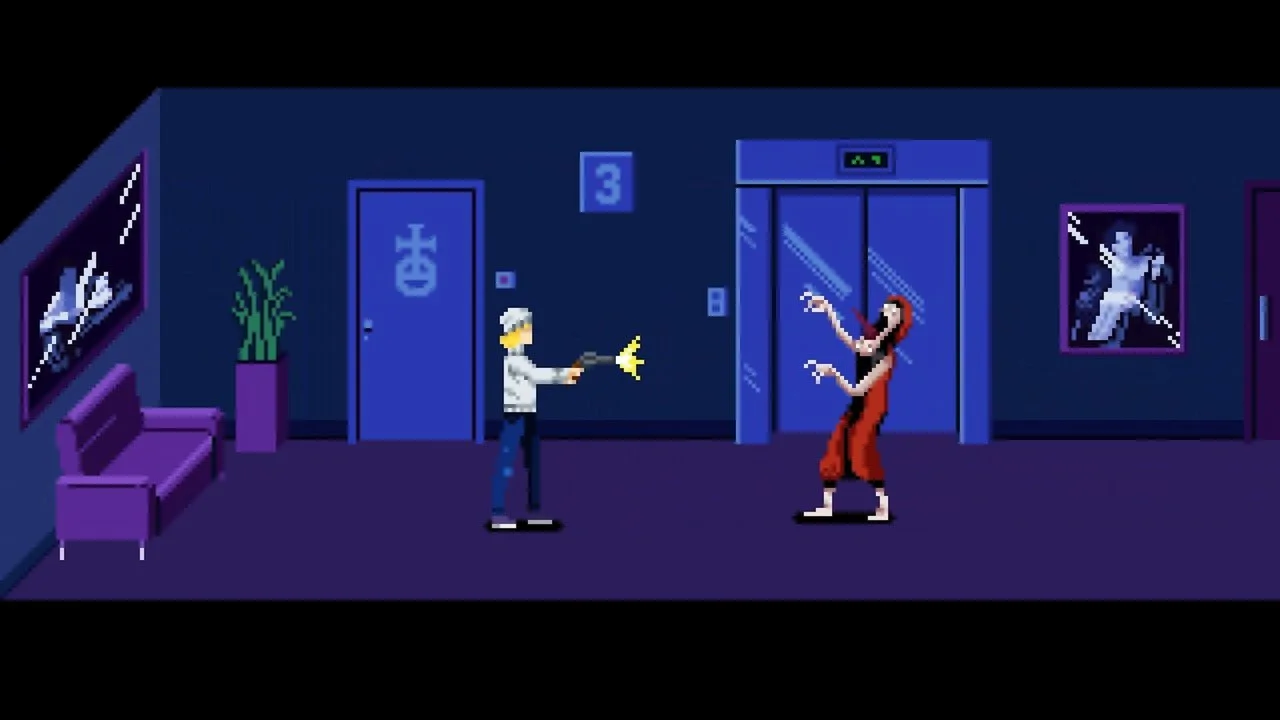
Signalis draws heavily from that template. It uses top-down perspectives and strict inventory limits. Puzzle placement slows progress in a deliberate way. Alternate endings reflect player choices without breaking the tight structure.
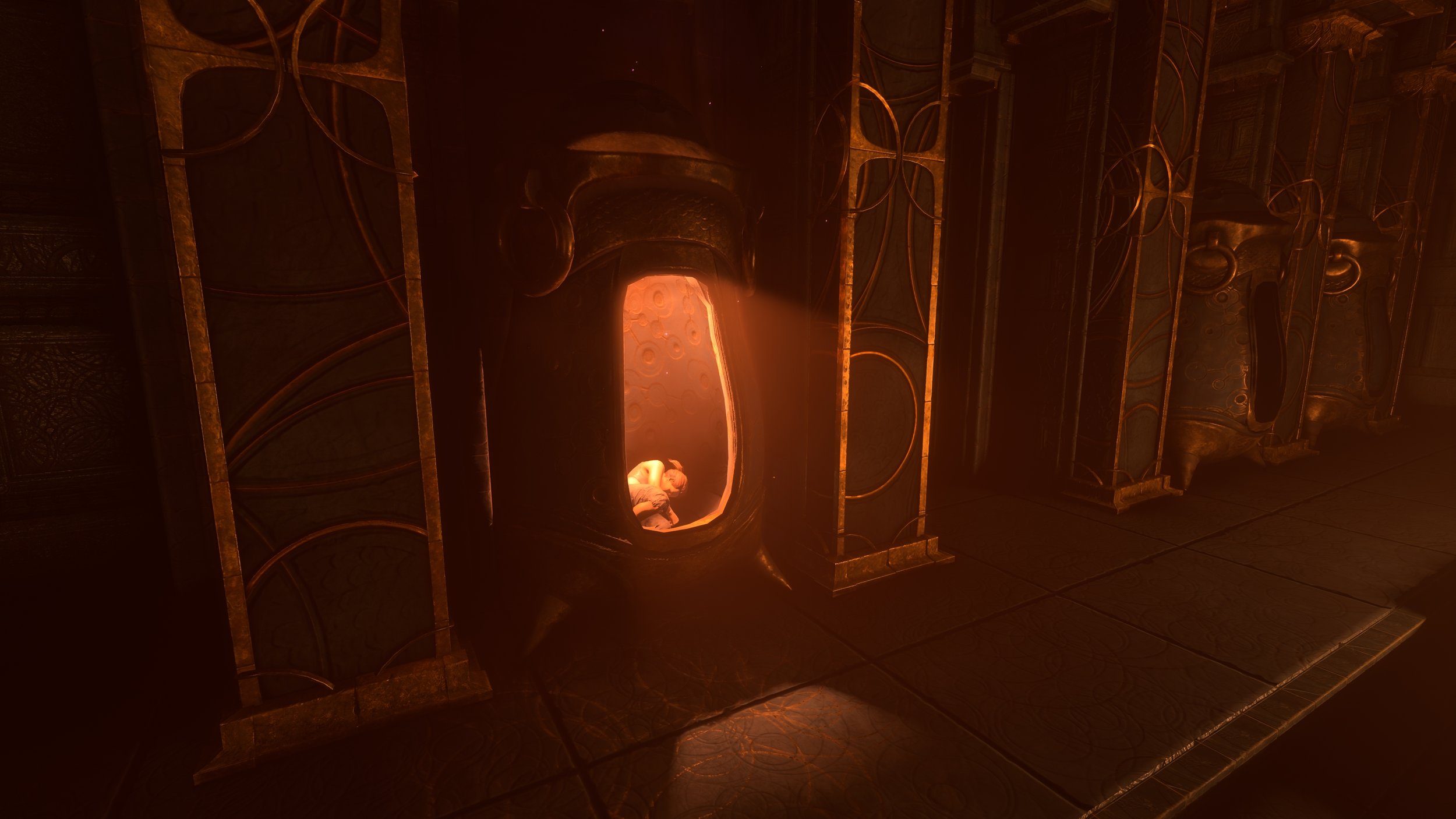
Tormented Souls adopts fixed camera framing similar to early Resident Evil entries. Resource scarcity remains central. Modern visuals update the presentation, but the underlying framework stays loyal to the 90s survival horror model.
Old Frameworks, New Hardware
Modern studios have access to advanced engines and large teams. Yet many return to patterns set decades ago. Clear physics, structured maps, limited resources, and defined combat loops still shape successful releases.
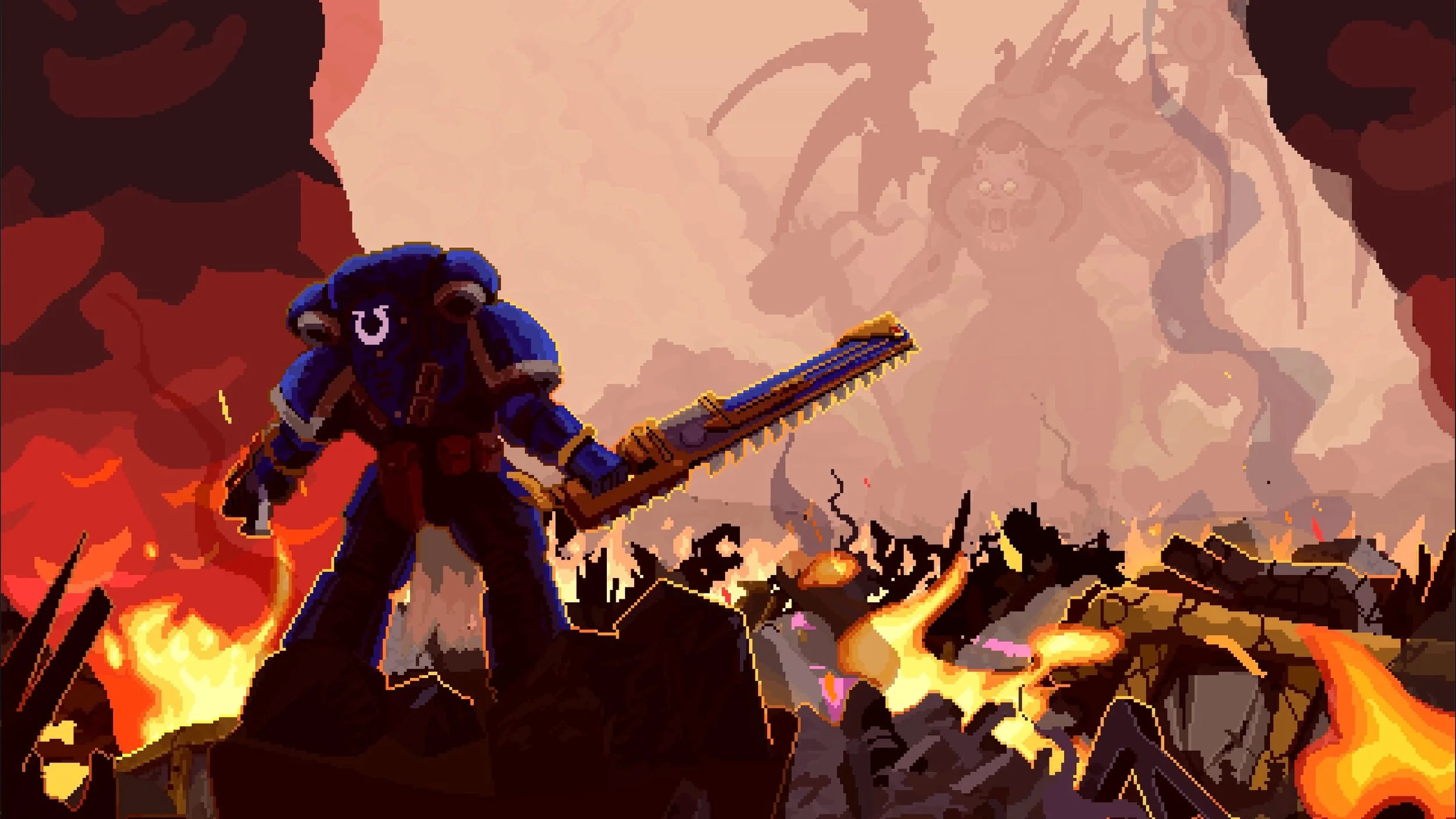
Panzer Paladin, Animal Well, Octopath Traveler II, TMNT: Shredder’s Revenge, and Signalis all show how retro ideas continue to guide new projects. Technology improves visuals and performance. Core design principles remain consistent.
The industry often speaks about innovation, yet progress often builds on established systems. Early arcade and console games solved design problems with strict limits. Those solutions still hold up. Developers continue to study them, refine them, and apply them in new contexts without losing their original structure.