Secrets of Strixhaven has given Commander players a lot to work with. Between five precons, strong new legendary creatures in the main set, and plenty of cards that already feel like future staples, this set has been packed with deckbuilding potential. However, it is almost impossible to talk about the set without talking about the founding Elder Dragons of each school.
Each of these five Elder Dragons brings a very clear identity to the command zone. Some are easier to build than others, some have a steeper learning curve, and a few feel like they could become genuinely terrifying in the right hands. Whether you are playing at a lower-powered casual table or trying to push a deck into a stronger bracket, each Dragon has a real home in Commander.
So, which Secrets of Strixhaven Elder Dragon should you actually build?
Which Secrets Of Strixhaven Elder Dragon Is The Most Powerful?

This is a tough question because the power level of each Elder Dragon depends heavily on the player building it. Commander decks are not just about the card in the command zone. They are about the deck around it, the table it is played at, and how far the pilot wants to push the strategy.
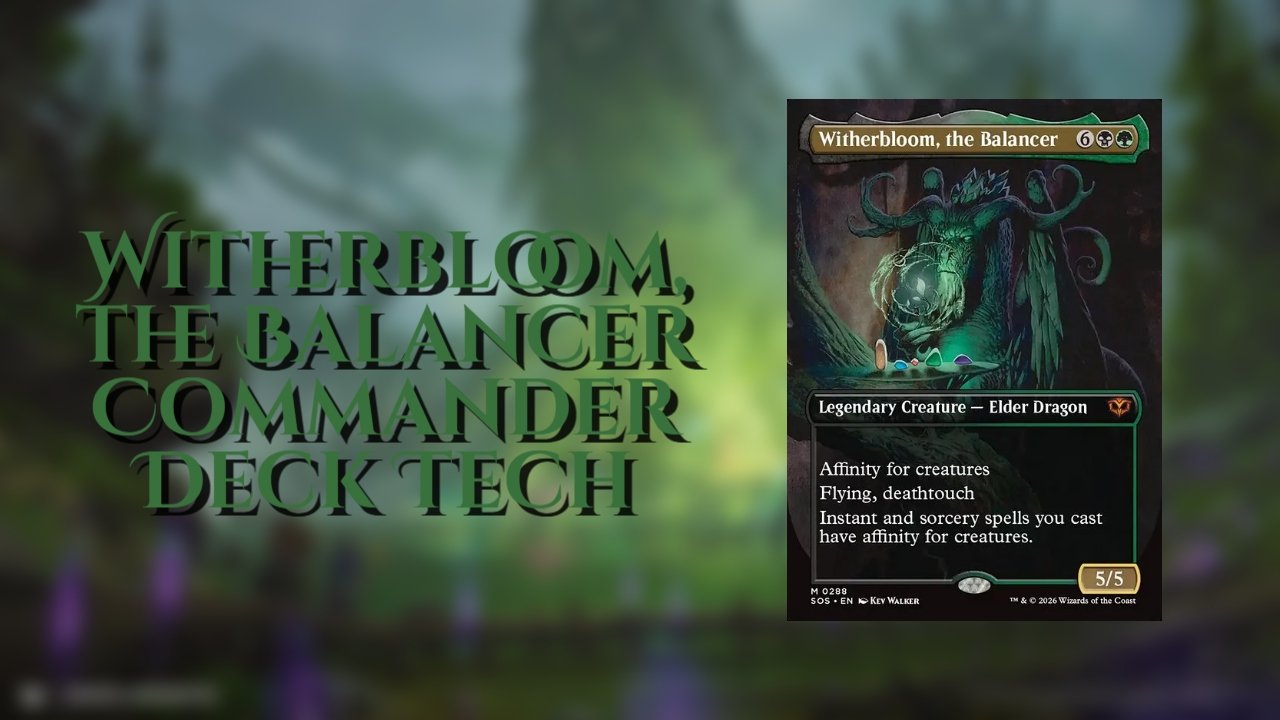
That being said, if I had to pick the two strongest Elder Dragons from the cycle, my choices would be Witherbloom, the Balancer and Prismari, the Inspiration.
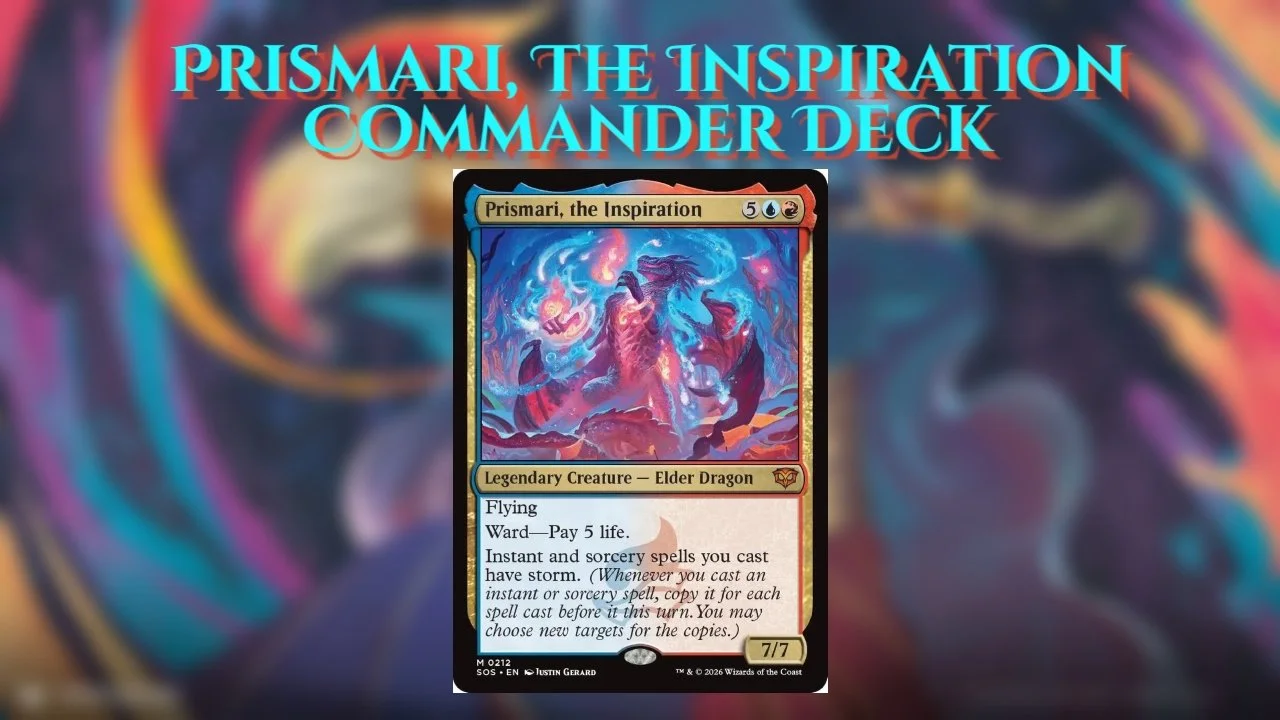
Prismari, the Inspiration is incredibly scary because Izzet Storm already has a ton of support in Commander. Normally, Storm decks have to work hard to find the right payoffs, but Prismari changes that by giving your instants and sorceries Storm. That means you do not need to build around cards that already have Storm. Instead, you can focus on cheap spells, cost reducers, cantrips, burn, and whatever payoffs you actually want to cast.
The downside is that Prismari puts a huge target on you. Once the table realizes you can start casting four, five, or six spells in a turn, everyone is going to know you are the problem. In the right hands, Prismari can be an absolute showstopper, but it also asks you to understand sequencing, timing, and when to go for the win.
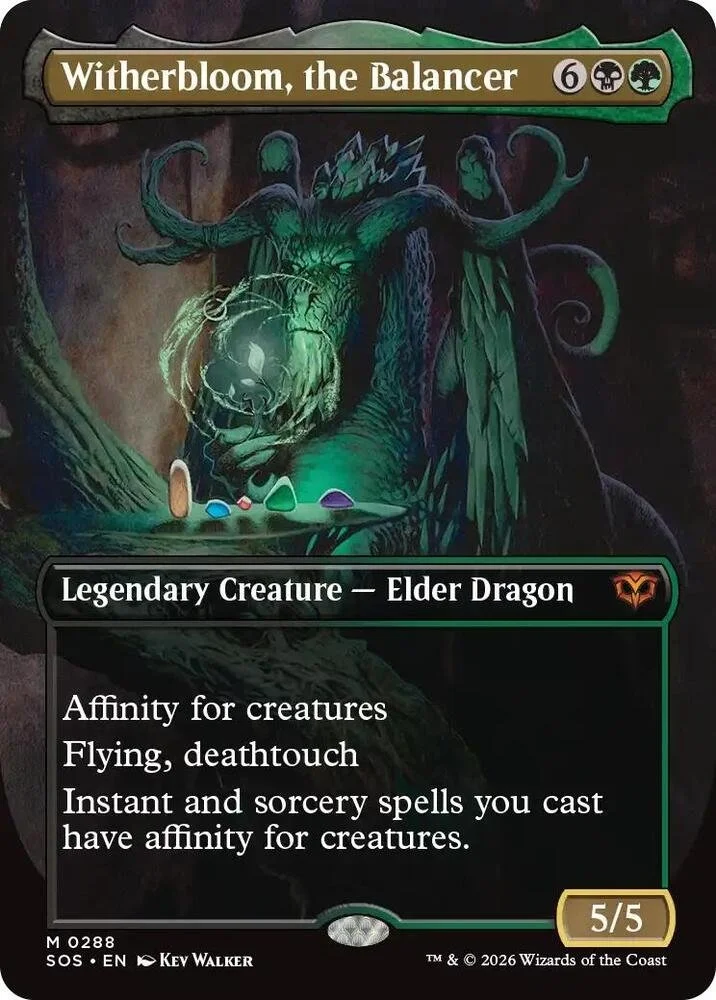
Witherbloom, the Balancer, on the other hand, feels like the most powerful Dragon for the everyday Commander player. Giving all of your instants and sorceries affinity for creatures is wild, and honestly, it feels borderline broken in the right shell. The game plan is also very easy to understand: play mana dorks, make tokens, go wide, then cast massive spells for barely any mana.
That is what makes Witherbloom so dangerous. You do not have to jump through a million hoops to make the deck work. If you have a board full of creatures, your expensive spells suddenly become absurd. Huge X-spells like Exsanguinate, Torment of Hailfire, or Pest Infestation become much easier to cast, and your opponents are forced to respect your board at all times.
So, for me, Witherbloom, the Balancer is probably the strongest Elder Dragon in the hands of most Commander players. Prismari, the Inspiration may have the higher ceiling in the hands of an experienced Storm pilot, but Witherbloom is easier to build, easier to pilot, and can become overwhelming incredibly fast.
How Do The Other Elder Dragons Compare?
While Witherbloom and Prismari feel like the top two in terms of raw power, the other three Elder Dragons still have plenty to offer.
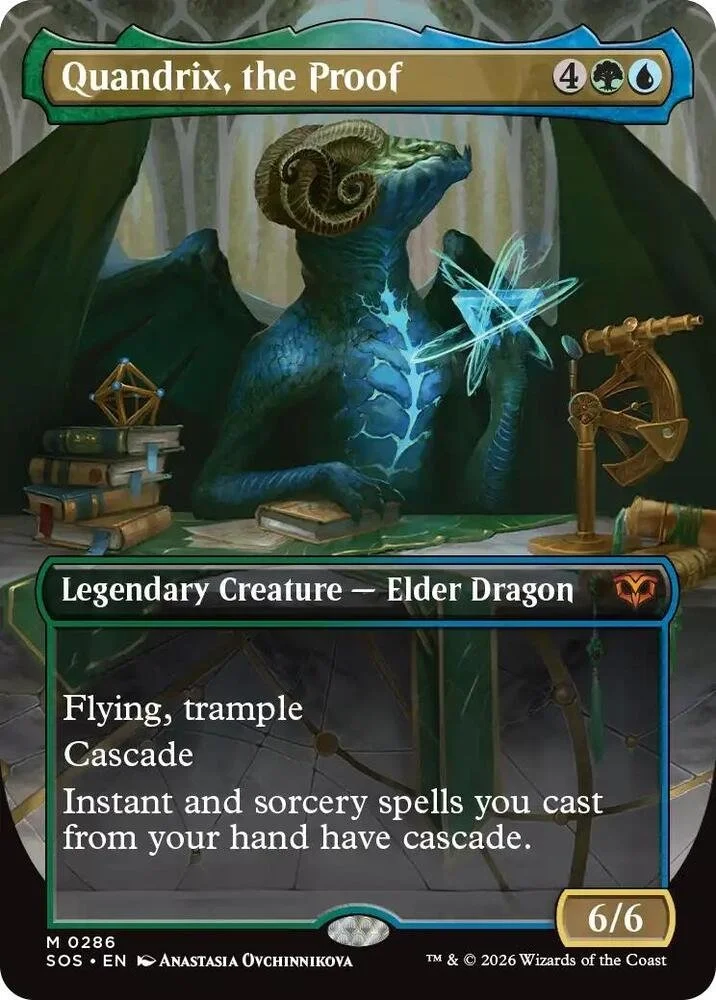
Quandrix, the Proof gives your instants and sorceries Cascade, which is a fun and very Simic way to generate value. At lower and mid-power tables, this can create some exciting turns where every big spell turns into another spell for free. The issue is that at higher-power tables, Cascade can become easier to manage or disrupt, especially if the deck is not built carefully. Quandrix is still strong, but it requires a good balance between ramp, big spells, and avoiding weak Cascade hits.
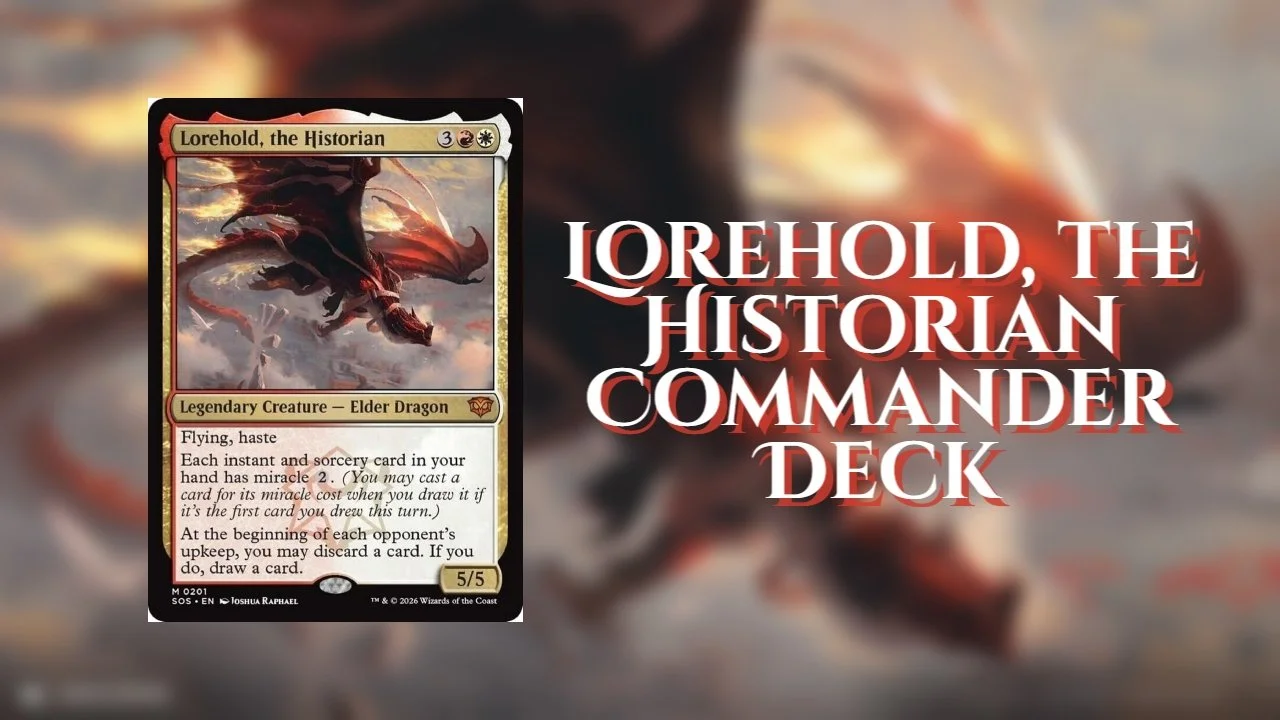
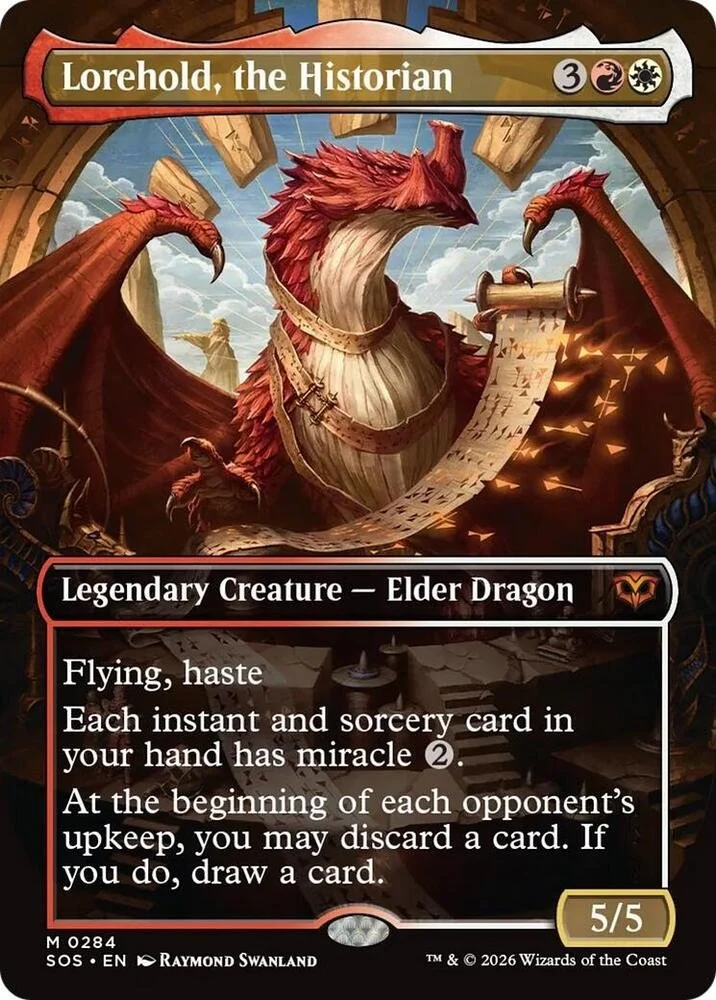
Lorehold, the Historian is one of the most interesting designs in the cycle because it leans into Miracle, topdeck manipulation, and big Boros spell turns. I love the concept, but I do think it has a consistency issue compared to Witherbloom or Prismari. When the deck works, it can create some incredible moments with cards like Approach of the Second Sun, Entreat the Angels, or Insurrection, but it needs more setup than some of the other Dragons.
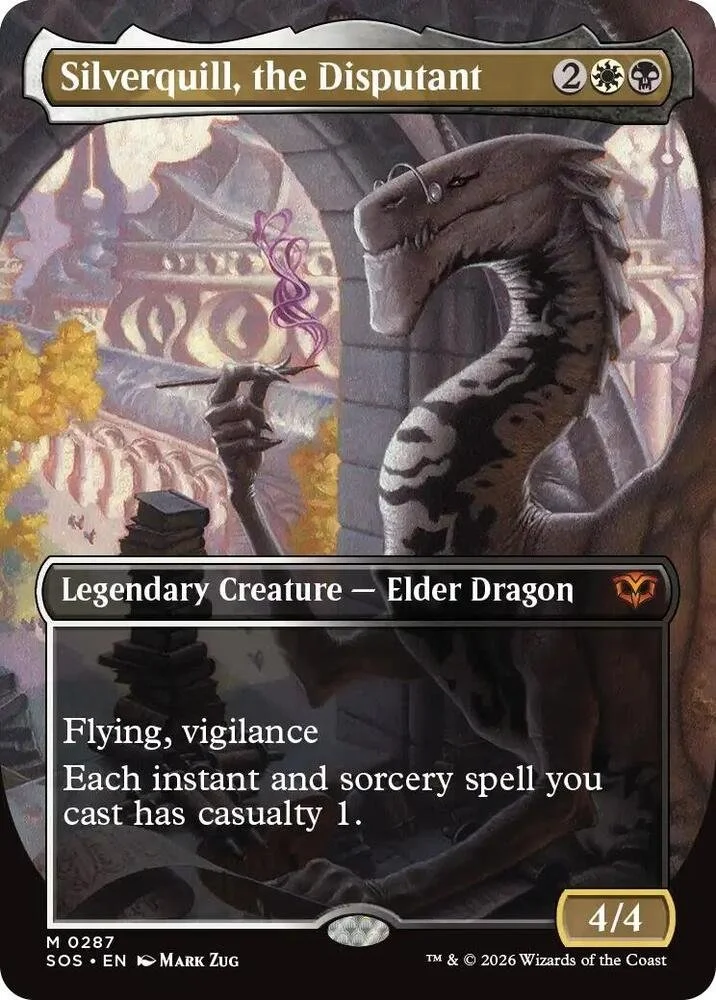
Silverquill, the Disputant is a fun Orzhov aristocrats commander with a spell-copying twist. It wants to make tokens, sacrifice creatures, copy spells with Casualty, and drain the table over time. I do not think it is the most explosive Dragon in the cycle, but it may be one of the most satisfying for players who enjoy grindy value decks. If you like Blood Artist effects, token fodder, and slowly bleeding opponents out of the game, Silverquill has a clear identity and a lot of fun build paths.
Which Elder Dragon Should You Build?
If you want the strongest all-around commander, build Witherbloom, the Balancer. It is powerful, straightforward, and can take over games quickly with token generation and discounted spells.
If you want the highest ceiling and enjoy complicated turns, build Prismari, the Inspiration. Storm is already a powerful strategy, and Prismari makes it even scarier by turning your instants and sorceries into Storm cards.
If you love Simic value, ramp, and big spells, build Quandrix, the Proof. It is classic Simic with a Cascade twist, giving you plenty of free value if the deck is built correctly.
If you want a weird Boros deck that does more than just attack, build Lorehold, the Historian. Miracle, discard value, and topdeck manipulation give Boros a very different style than usual.
If you enjoy aristocrats, sacrifice engines, and slow-burn wins, build Silverquill, the Disputant. It may not be the flashiest of the five, but it can grind out games and punish opponents for every creature that dies.
How To Build A Commander Deck For Each Secrets Of Strixhaven Elder Dragon
Now that we have talked about which Elder Dragons look strongest, the next question is simple: how do you actually build them?
Below are the full deck techs for all five founding Elder Dragons from Secrets of Strixhaven. Each guide breaks down the commander’s strategy, best cards, key synergies, budget options, high-power upgrades, cards to avoid, and how the deck actually wins.
Lorehold, the Historian Deck Tech
Lorehold is built around Miracle, topdeck manipulation, discard value, and big Boros spell turns.
Prismari, the Inspiration Deck Tech
Prismari is an Izzet Storm deck focused on cheap spells, cost reduction, spell-copying, Dragonstorm lines, and explosive finishes.
Quandrix, the Proof Deck Tech
Quandrix is classic Simic ramp and value, using Cascade to turn big instants and sorceries into even more free spells.
Silverquill, the Disputant Deck Tech
Silverquill is an Orzhov aristocrats deck that uses tokens, sacrifice effects, Casualty, and drain payoffs to grind opponents down.
Witherbloom, the Balancer Deck Tech
Witherbloom is a token-focused Golgari deck that gives your instants and sorceries affinity for creatures, letting you cast huge spells for almost nothing.
Final Thoughts
The founding Elder Dragons from Secrets of Strixhaven are some of the most exciting commanders from the set because each one gives its school a very different way to play. They are not all equal in raw power, but they all have a clear identity and a real reason to be built.
For my money, Witherbloom, the Balancer is the best overall option and the one I expect most players to have success with right away. Prismari, the Inspiration is right behind it and may even be stronger in the hands of someone who really knows how to pilot Storm. The rest of the cycle still has plenty of appeal, especially if you are looking for a commander that fits your favorite playstyle rather than just chasing the strongest option.
No matter which Elder Dragon you choose, Secrets of Strixhaven gave Commander players five huge legends worth exploring, and that is exactly what makes this cycle so exciting.
If you want even more Secrets of Strixhaven coverage, check out our full Horde Mode guide for a casual co-op way to play with the set, and visit our 2026 TCG and Tabletop Gaming Release Calendar to keep up with every major TCG, board game, tabletop, and TTRPG release throughout the year.