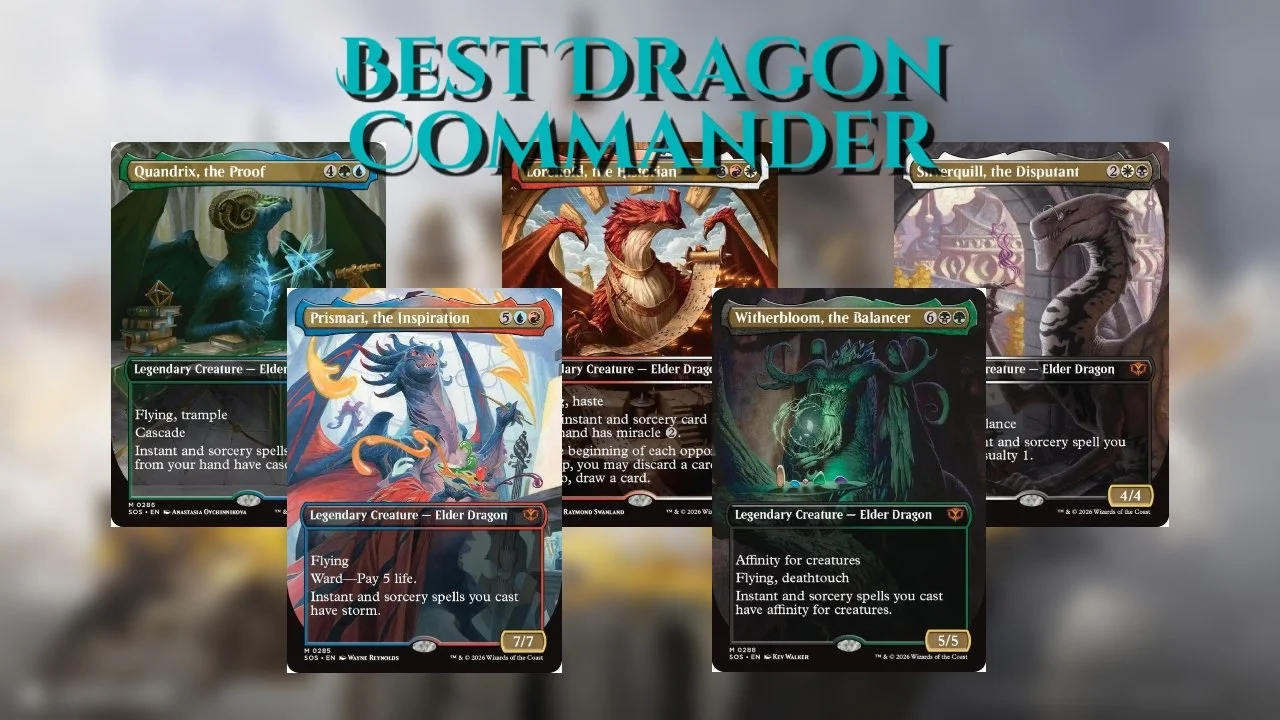
Secrets of Strixhaven has quickly become one of the most exciting Magic releases of the year, especially for Commander players looking for new legends to build around. The set is packed with splashy limited cards, strange new synergies, and plenty of powerful cards that feel ready to start deckbuilding conversations. Still, out of everything the set brings to the table, the founding Elder Dragons of each Strixhaven school are easily among the biggest highlights.
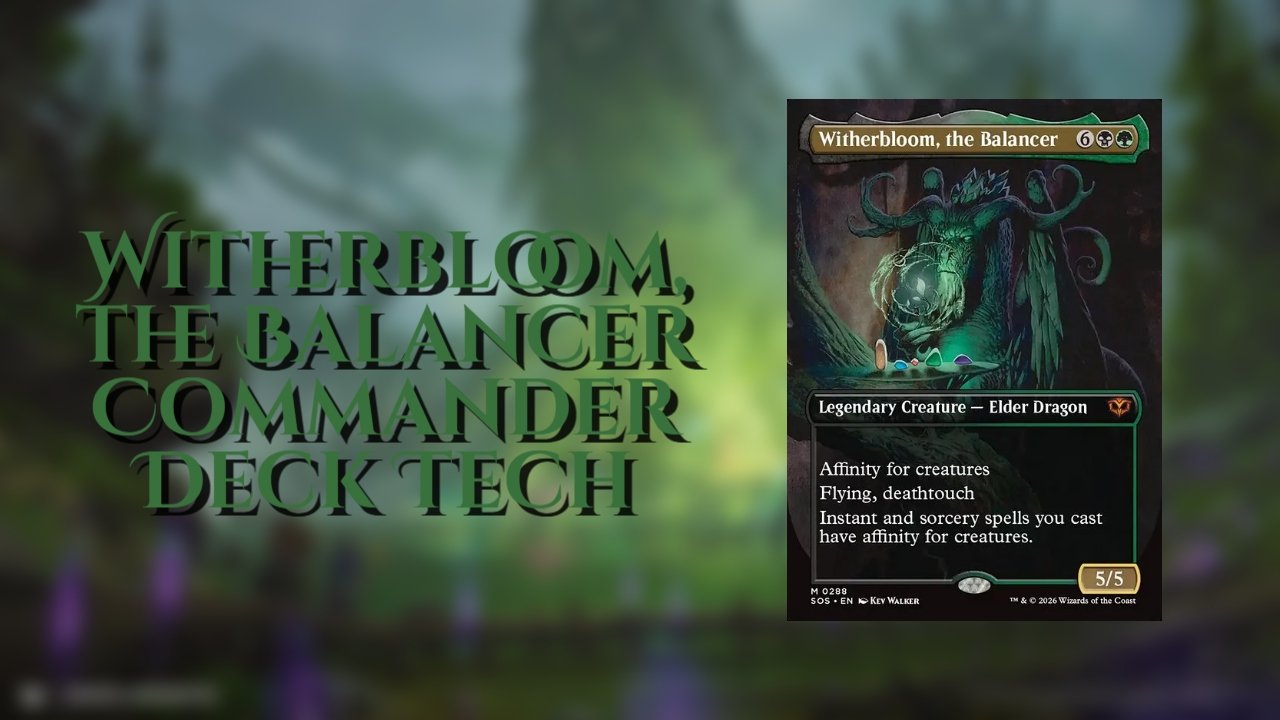
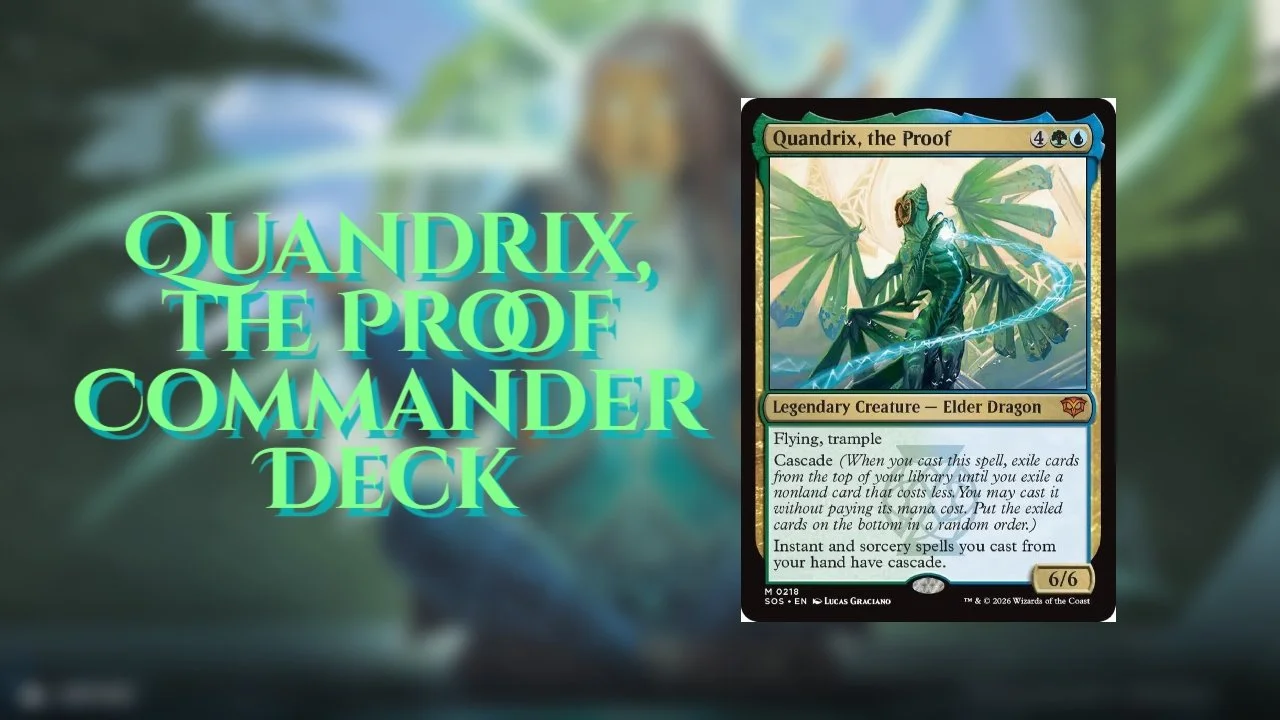
After kicking off this deck tech series with Witherbloom, the Balancer and following it up with Quandrix, the Proof, it is time to shift from Golgari value and Simic inevitability into the wild Boros spell chaos of Lorehold, the Historian.
Lorehold feels like the most explosive of the Elder Dragons so far. Witherbloom wants to flood the board and turn creatures into spell discounts. Quandrix wants to ramp into huge spells and Cascade into more value. Lorehold, on the other hand, wants to play with the top of the deck, discard cards for value, and turn big, dramatic spells into absolute blowouts through Miracle.
This is still Boros, so aggression matters. But instead of only turning creatures sideways, Lorehold gives the color pair a much flashier spell-based identity. You are setting up the top of your deck, casting massive Miracle spells for much cheaper than normal, and using discard payoffs to make sure even the cards you throw away still matter.
Commander Overview
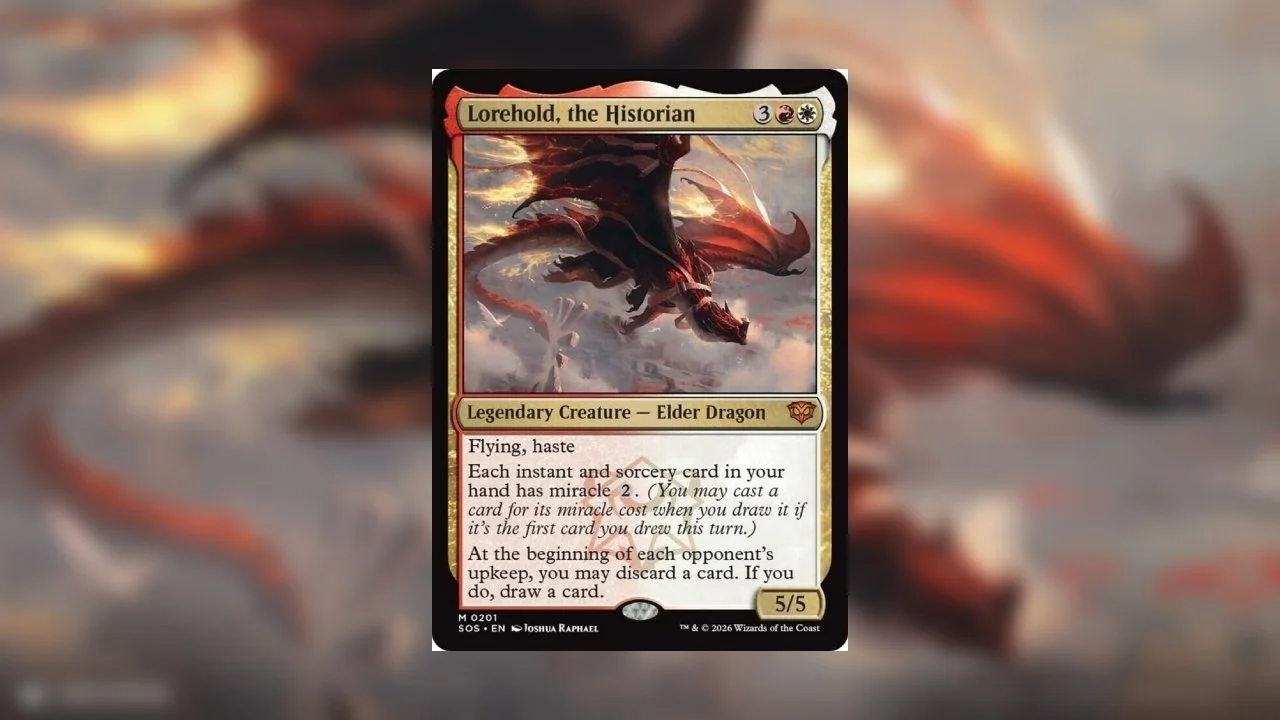
Lorehold, the Historian is the Boros Elder Dragon of Secrets of Strixhaven, and it gives the color pair a very different kind of deck than the usual combat-heavy strategy. This is not just a deck full of equipment, tokens, or attack triggers. Lorehold wants to use the top of the deck as a resource and turn expensive spells into explosive plays.
The big theme here is Miracle. Miracle has always been a strange but powerful mechanic because it rewards you for drawing the right card at the right time. Lorehold pushes that idea further by encouraging you to build around topdeck manipulation, draw timing, and high-impact spells that would normally be too expensive to rely on.
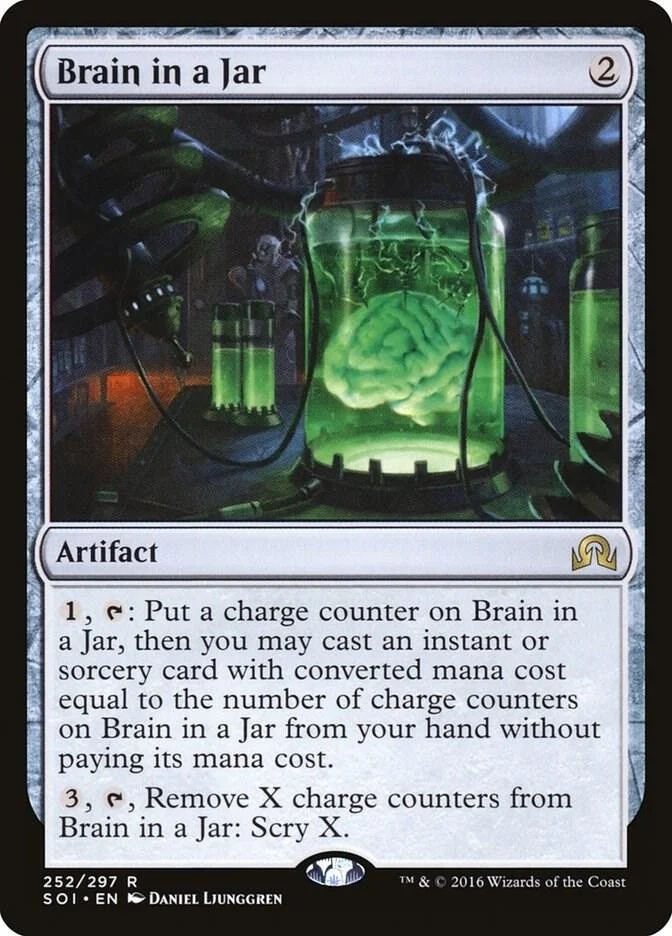
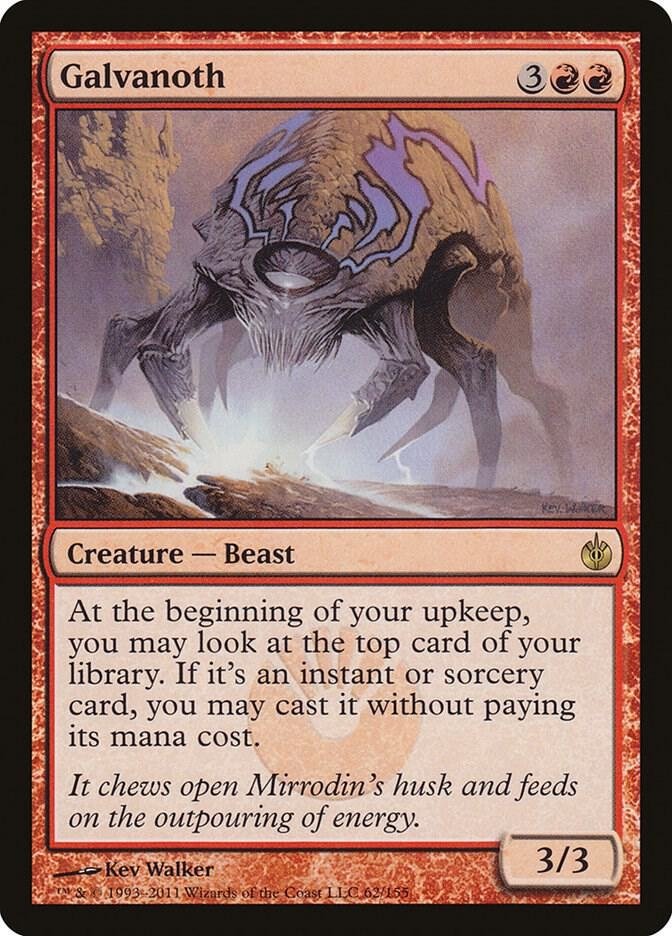
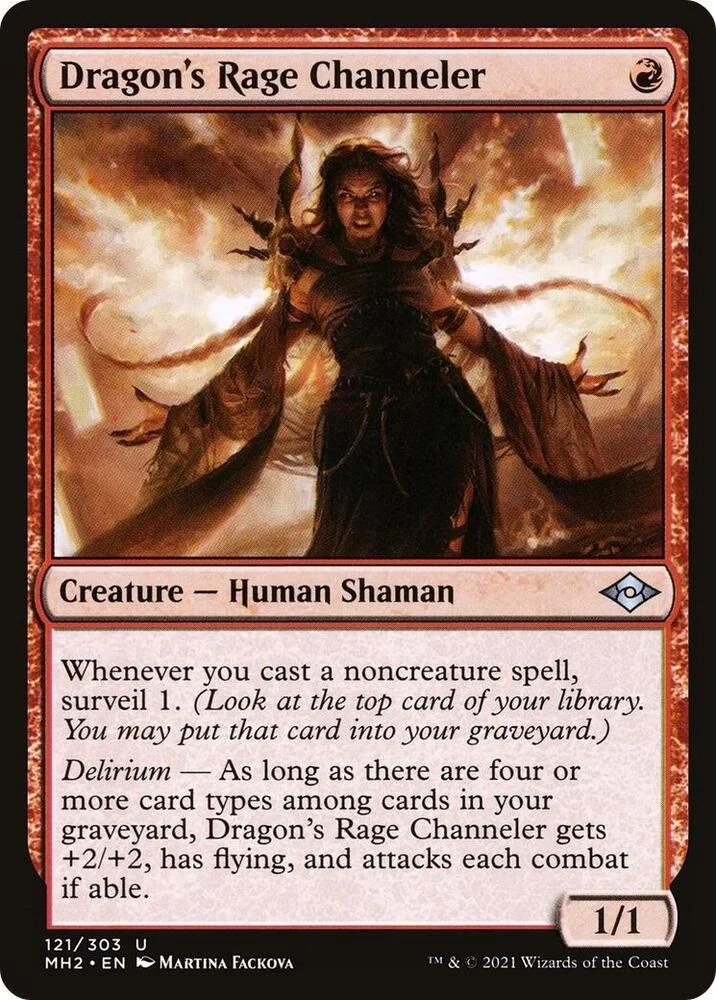
That is why this deck runs cards like Brain in a Jar, Galvanoth, Cait Sith, Fortune Teller, Burning Prophet, Dragon’s Rage Channeler, Tablet of Discovery, Library of Leng, and Planetarium of Wan Shi Tong. You want to know what is coming, move the right cards into place, and make sure your biggest spells are hitting at the right moment.
There is also a discard theme running through the deck. Cards like Alchemist’s Greeting, Fiery Temper, Avacyn’s Judgment, Abandon Reason, Bloodmad Vampire, Brallin, Skyshark Rider, Surly Badgersaur, and Monument to Endurance help make discard feel like part of the engine instead of a cost you are being punished for.
Lorehold is not the cleanest or simplest Elder Dragon to build, but that is part of what makes it interesting. This is a deck about setup, timing, and turning one well-placed draw or discard into a massive swing.
Main Deck Strategy
The main goal of a Lorehold, the Historian deck is to manipulate the top of your deck, cast huge spells through Miracle or alternate timing, and use aggressive pressure to keep opponents from getting comfortable.
Deck Manipulation
The most important part of the deck is making sure your draws matter. Miracle gets much stronger when you can see or control what is sitting on top of your library. Without that setup, you are mostly hoping to get lucky. With it, Lorehold becomes much more consistent.
The more control you have over the top of your deck, the less Lorehold feels like a gamble and the more it feels like you are setting up a historical disaster for everyone else at the table.
Cast Big Spells with Miracle
The deck is packed with large spells that can create huge moments. The Miracle plan is all about making these massive effects more realistic. If you can set up your draws, you can cast spells for much less than their printed cost and completely change the course of the game. Some of these cards create mana, some deal huge damage, some steal the table’s creatures, and some simply threaten to win outright.
This is where the deck gets its personality. Lorehold is not just attacking with efficient creatures. It is trying to create those big Commander moments where one card makes the whole table stop and read what just happened.
Use Discard as a Resource
One of the more interesting parts of this list is that discard is not just a downside. Several cards actively reward you for discarding or give you something useful to do with cards that would otherwise be stuck in hand.
This gives Lorehold another angle. If you cannot cast the spell the traditional way, maybe you can discard it for value, set it back up with Library of Leng, or use the discard trigger to pressure opponents.
Be Aggressive
Even though this deck has a lot of big spells and topdeck manipulation, it is still Boros. You cannot spend the whole game only setting up and never applying pressure. You are casting a lot of noncreature spells, so token makers and spell-damage payoffs are especially useful.
This is not a pure aggro deck, but it should feel threatening before the huge Miracle turns happen. The best Lorehold games are the ones where opponents are already under pressure, then you drop a massive spell that either finishes the game or puts you so far ahead that they cannot recover.
Best Cards for a Lorehold, the Historian Commander Deck
For Lorehold, the best cards fall into a few major categories: topdeck manipulation, Miracle and big-spell payoffs, discard payoffs, and aggressive spell support.
Best Deck Manipulation Cards
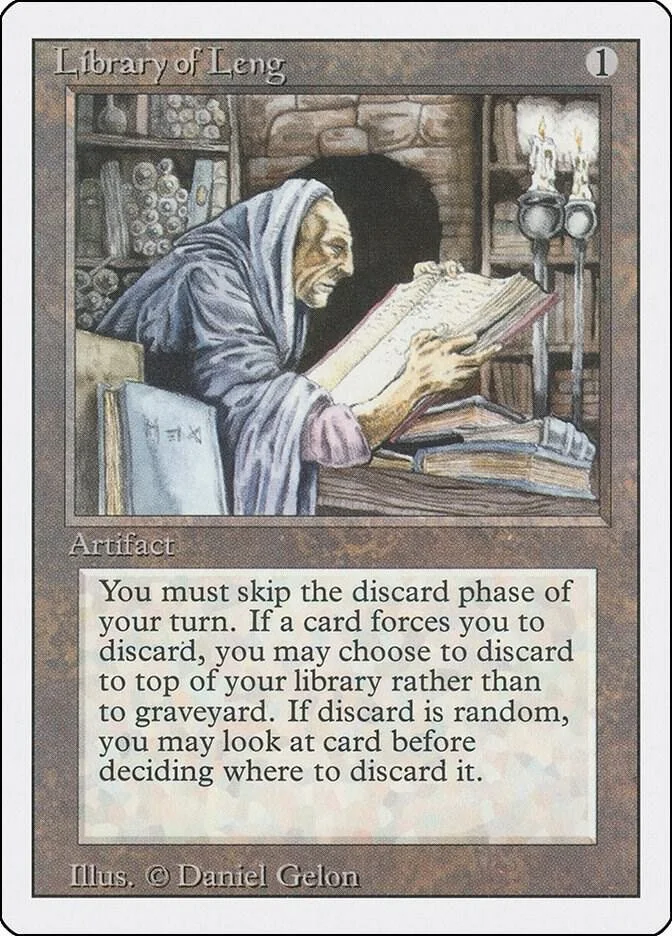
Library of Leng - This is one of the sneakiest cards in the deck. Being able to put discarded cards on top of your library is huge when you are trying to set up Miracle draws or reuse cards that would otherwise be lost.
Brain in a Jar - Brain in a Jar helps cheat on timing and mana, which is exactly what Lorehold wants. It also gives the deck another way to cast spells without always paying full price.
Galvanoth - Galvanoth lets you look at the top card of your library and potentially cast instants or sorceries for free. In a deck full of huge spells, that can turn into a major advantage quickly.
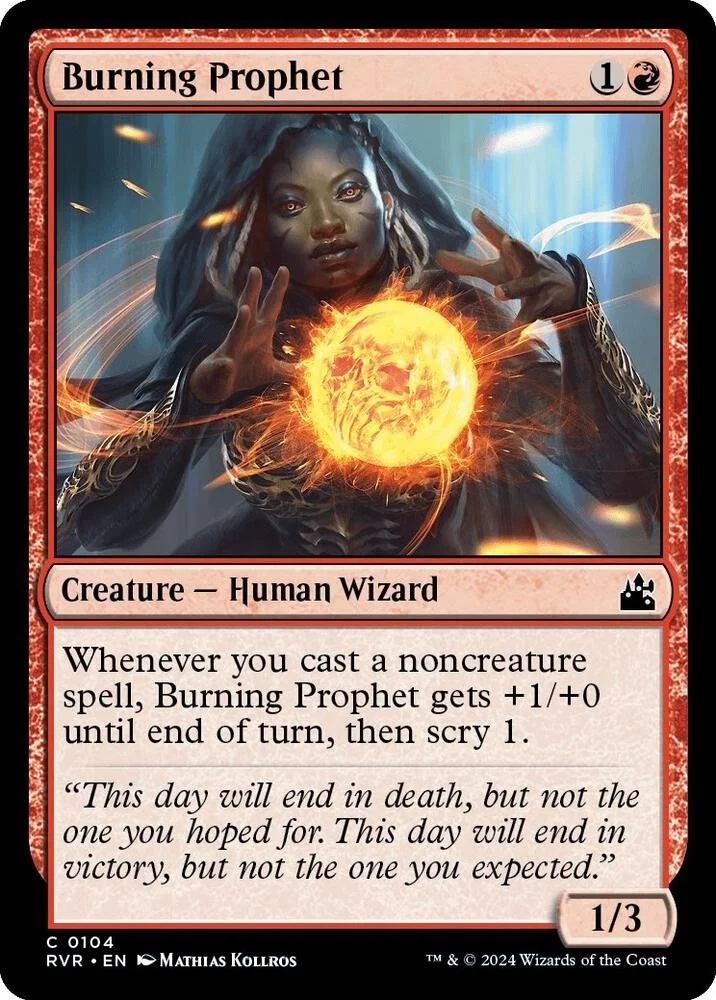
Burning Prophet - A cheap creature that helps smooth your draws whenever you cast noncreature spells. The scry effect is simple, but it matters a lot in a deck trying to line up the right card at the right time.
Dragon’s Rage Channeler - Surveil helps filter through the deck and set up better draws. It also gives you an early threat that can grow into a real attacker once the graveyard is stocked.
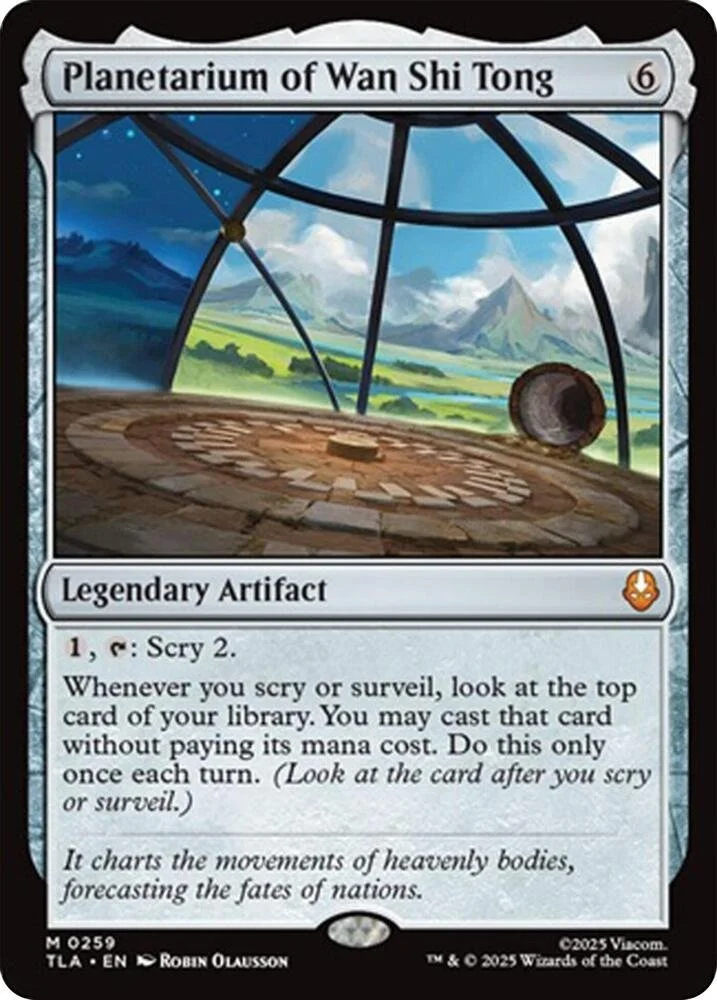
Planetarium of Wan Shi Tong - This fits the deck’s game plan by helping with card selection and setup. Lorehold wants as many ways as possible to control what is coming next.
Best Miracle Hits
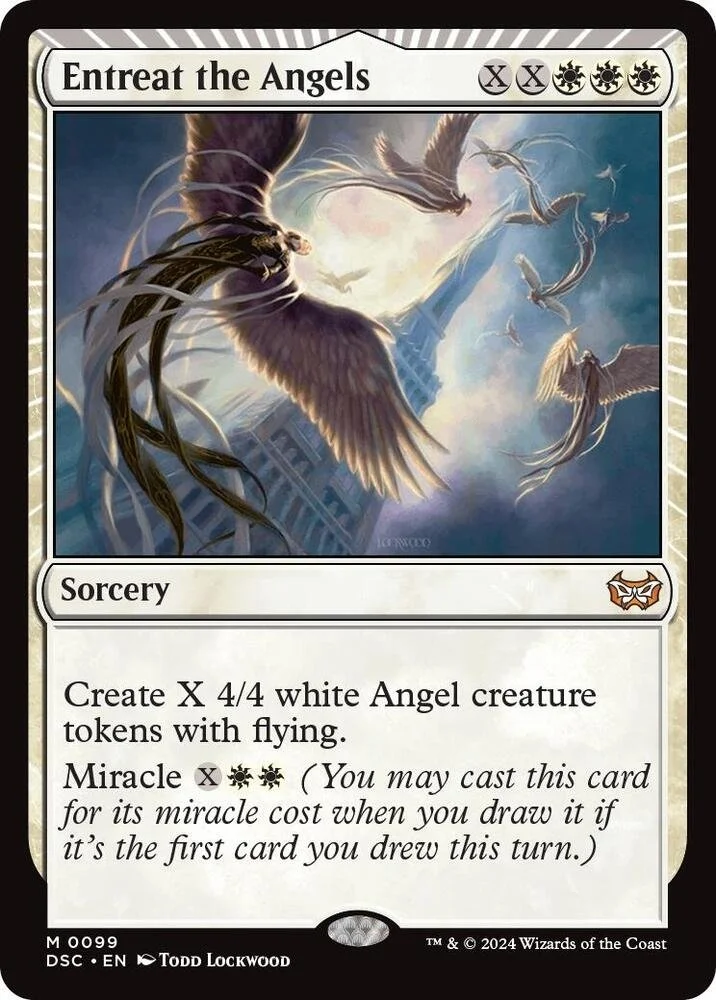
Entreat the Angels - One of the cleanest Miracle payoffs in the deck. It can create a massive flying army and immediately put opponents under pressure.
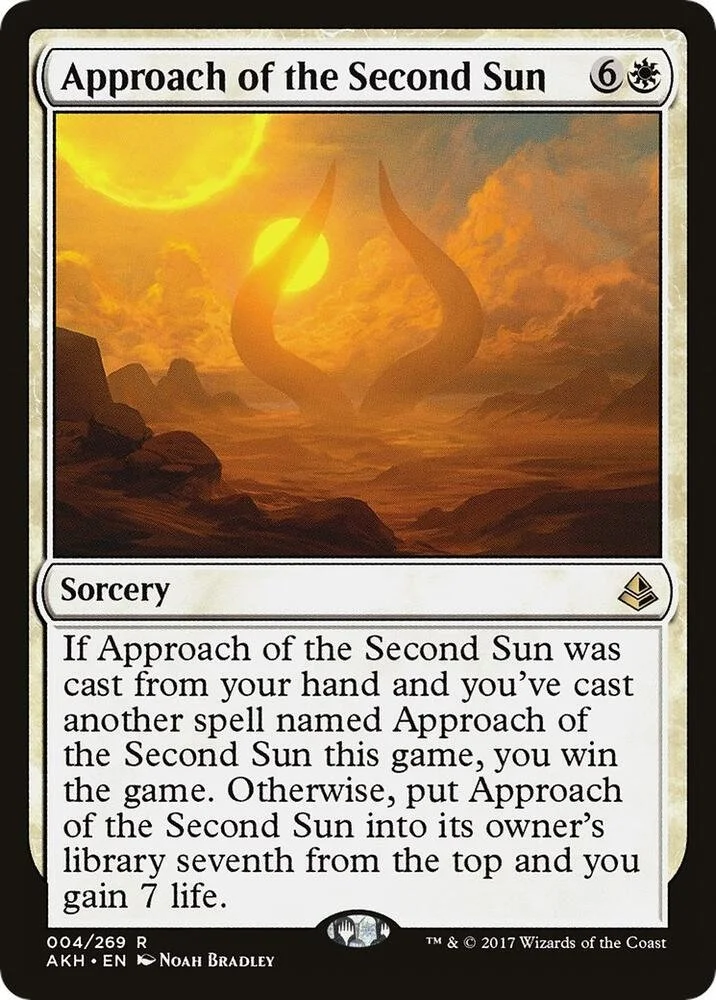
Approach of the Second Sun - Approach gives the deck an alternate win condition and works especially well with topdeck manipulation. Once the first Approach resolves, the deck’s ability to dig, scry, surveil, and manipulate draws becomes even more important.
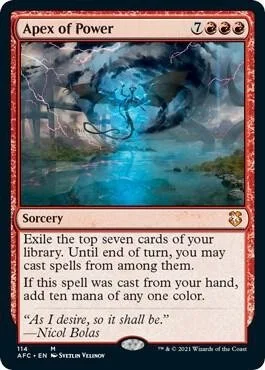
Apex of Power - This is a huge spell that can refill your options and generate mana to keep the turn going. If you can cast it at the right time, it can lead to an explosive chain of plays.
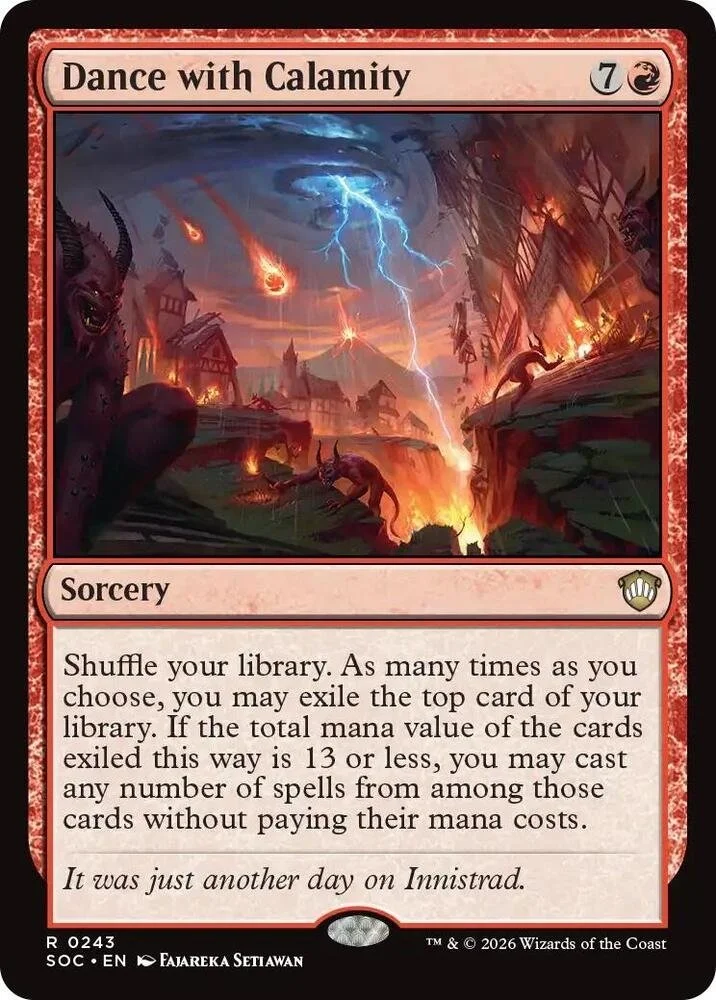
Dance with Calamity - This is exactly the kind of wild, high-impact spell that makes the deck fun. It gives Lorehold a huge, dramatic effect that can completely change the texture of the game.
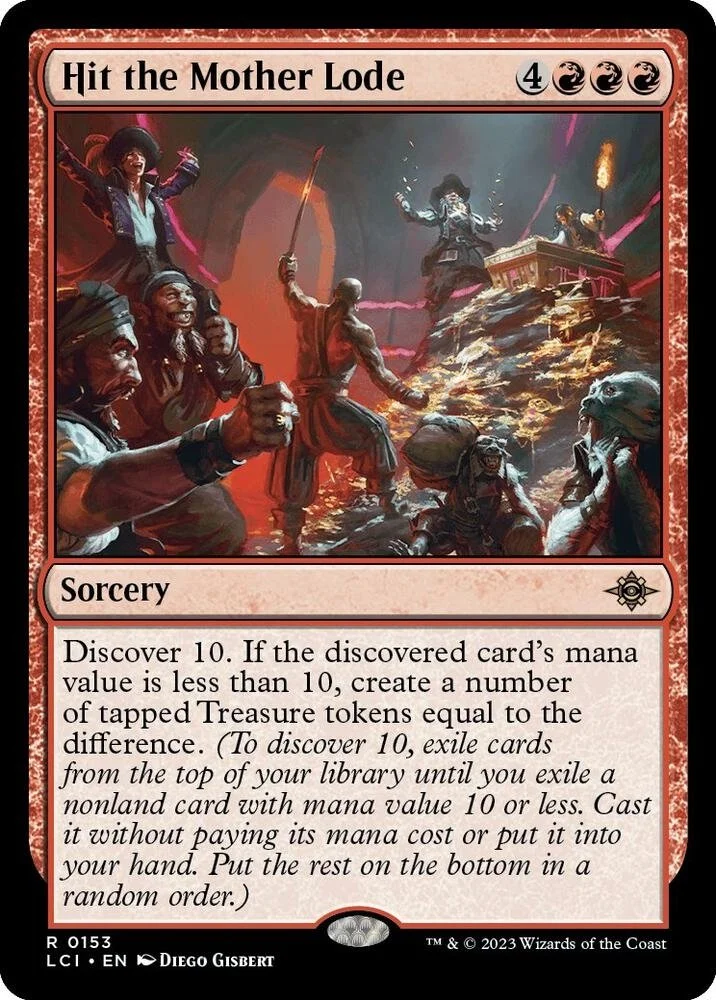
Hit the Mother Lode - A massive spell that can generate a huge amount of Treasure and help fuel the rest of your turn. It is expensive, but this deck is interested in exactly this kind of payoff.
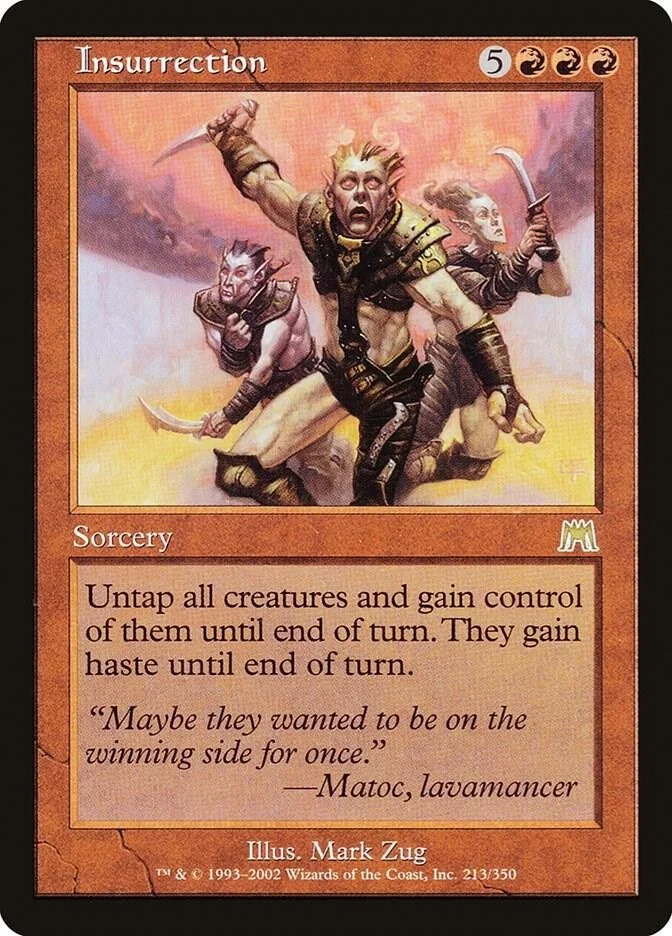
Insurrection - Still one of the most dramatic ways to end a Commander game. If the table has built up a board, Insurrection can turn everyone’s creatures into your win condition.
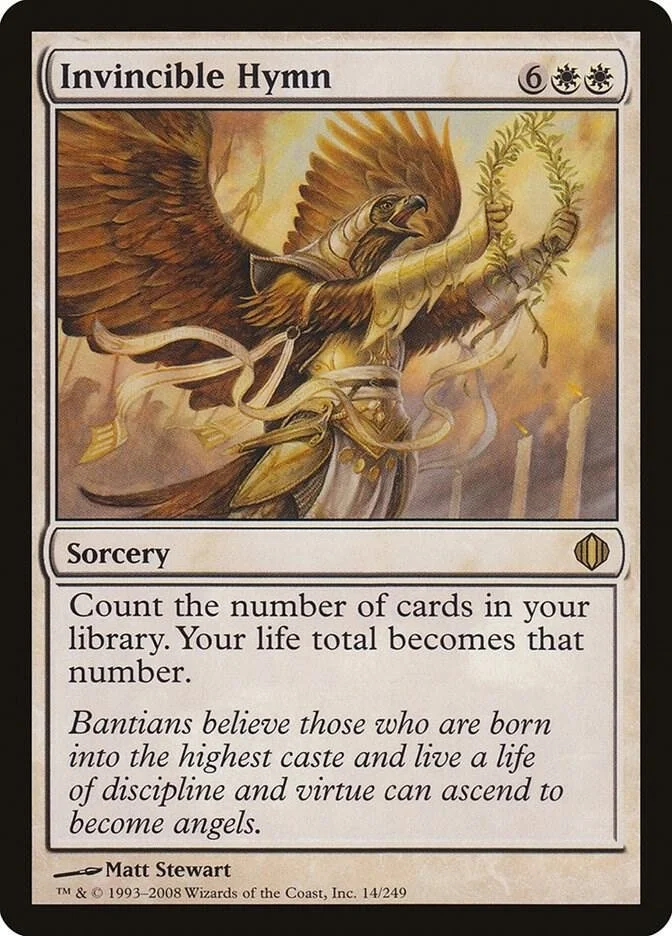
Invincible Hymn - This is not a normal Boros finisher, but it can swing your life total so far out of reach that aggressive decks may have a hard time finishing you off.
Best Cards to benefit from Discard
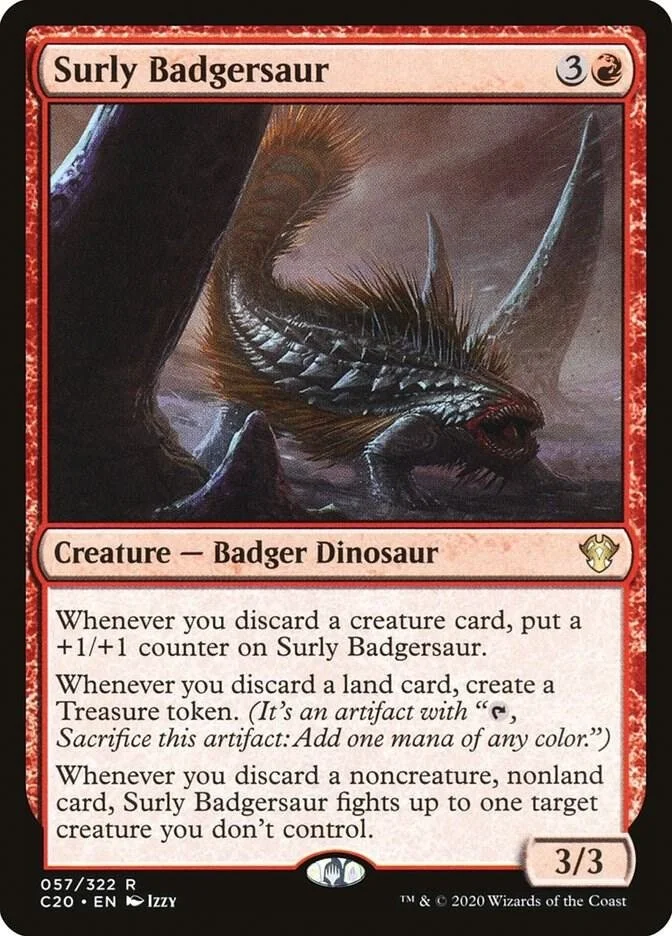
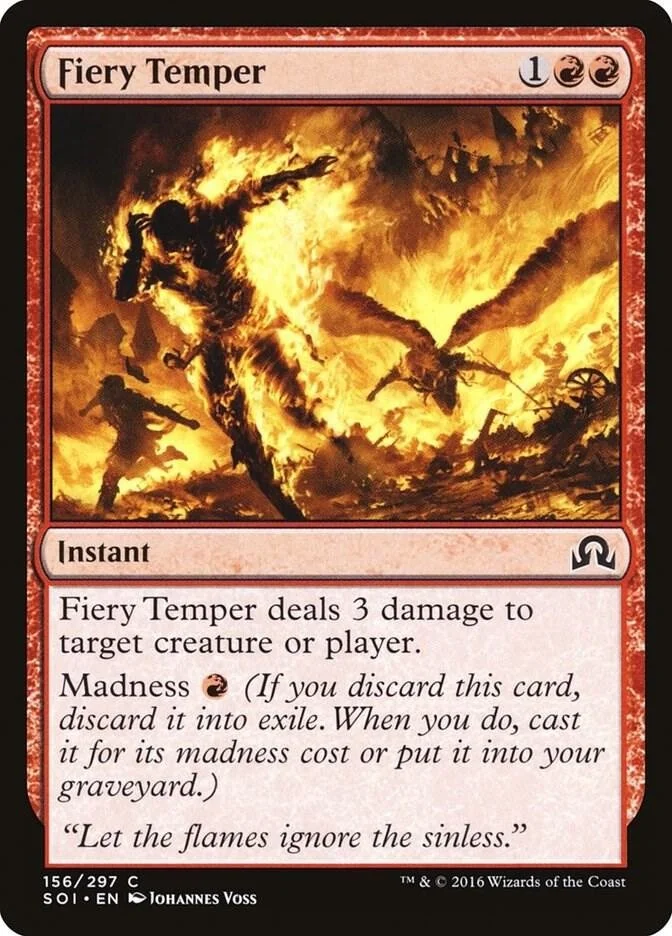
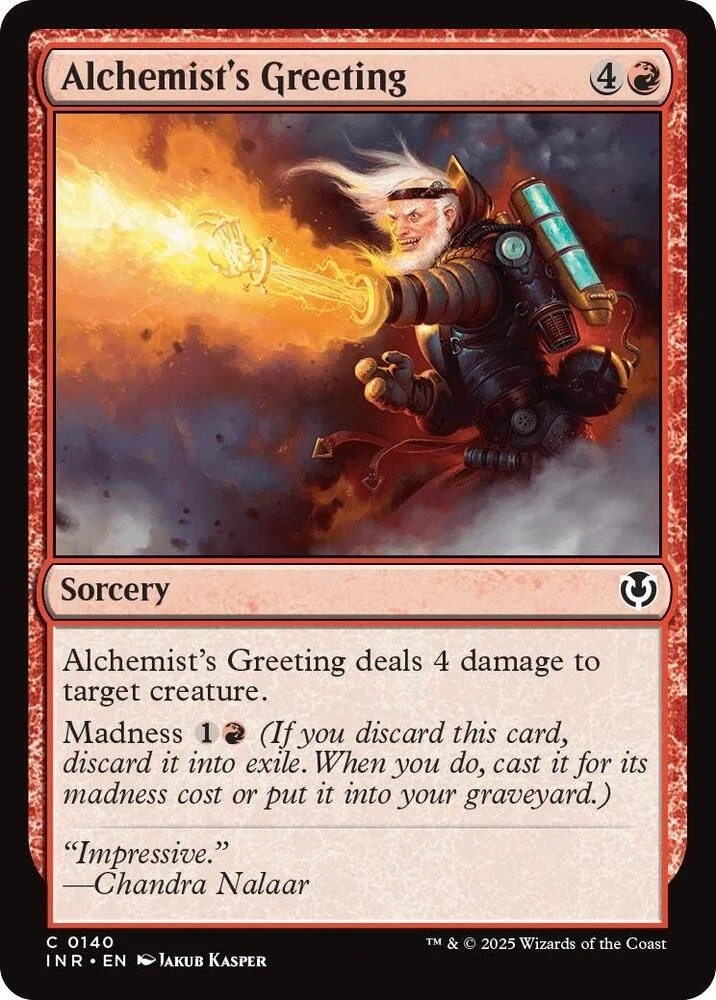
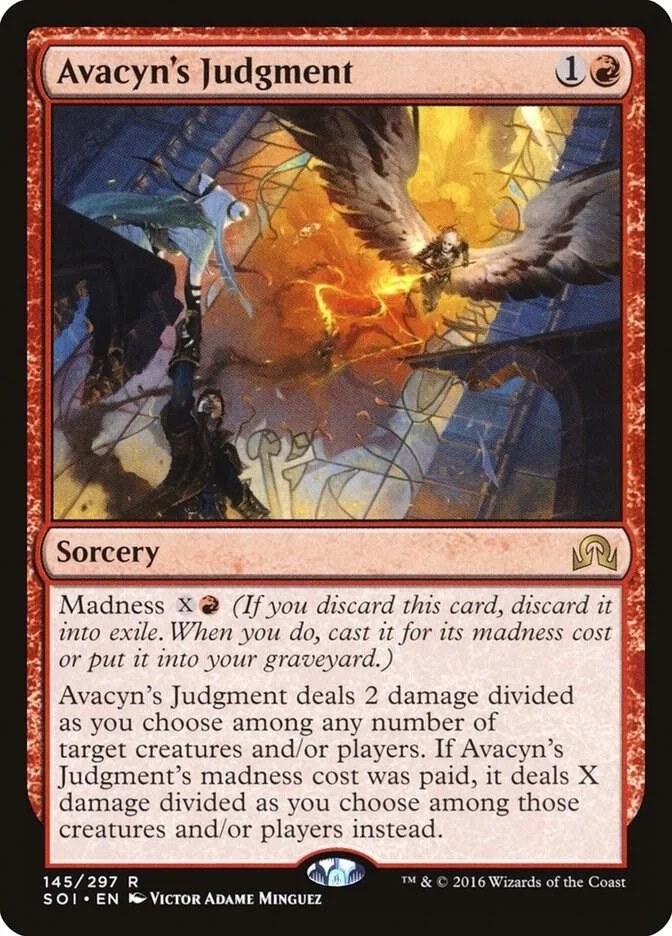
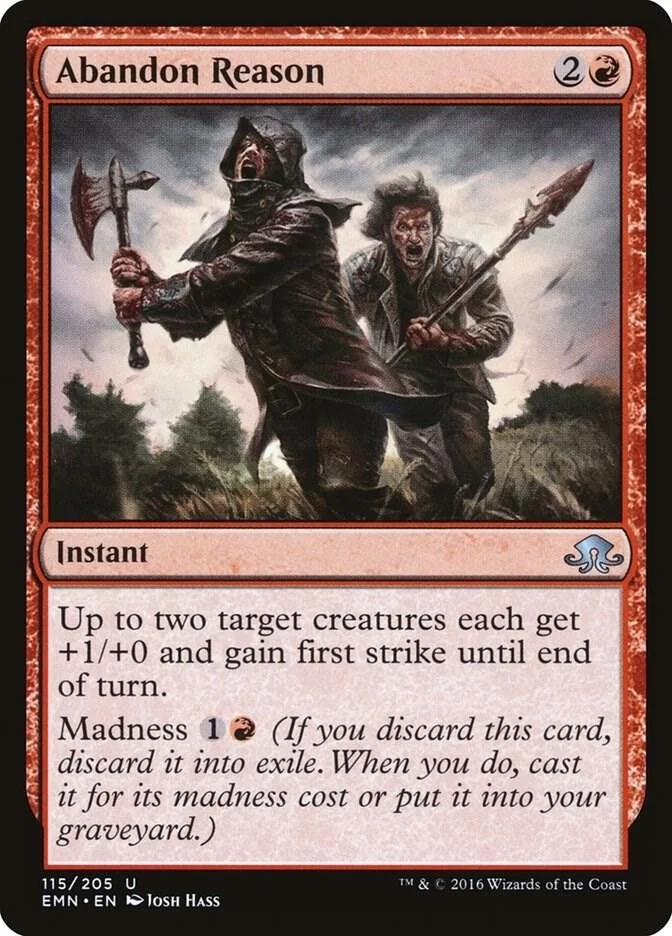
Surly Badgersaur - This is one of the best discard payoffs in the deck. Depending on what you discard, it can create Treasure, deal damage, or make creature tokens. That flexibility is exactly what this strategy wants.
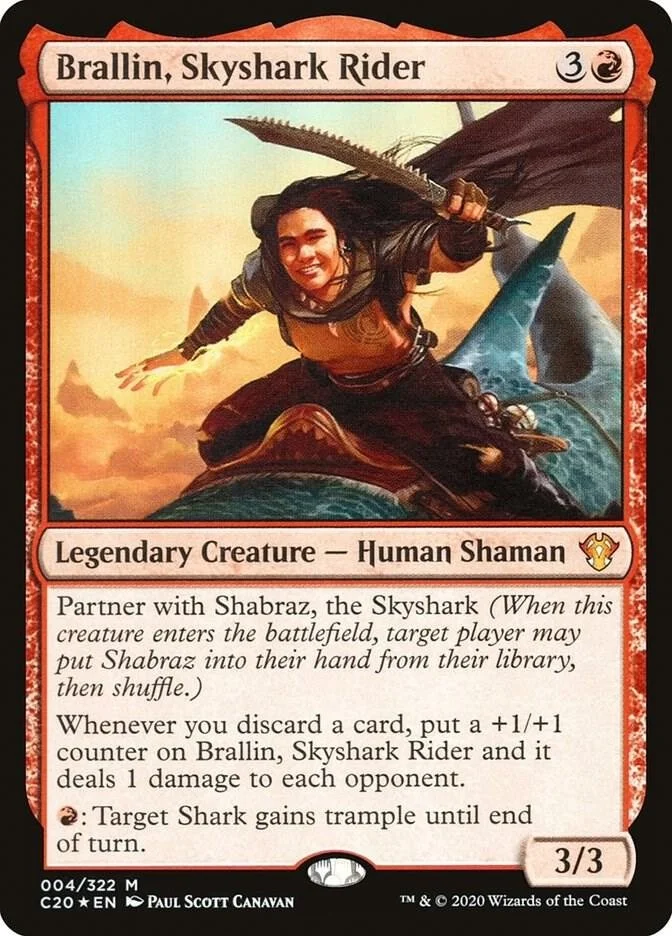
Brallin, Skyshark Rider - Brallin turns discard into damage, giving the deck a way to pressure life totals while cycling through cards or triggering Madness.
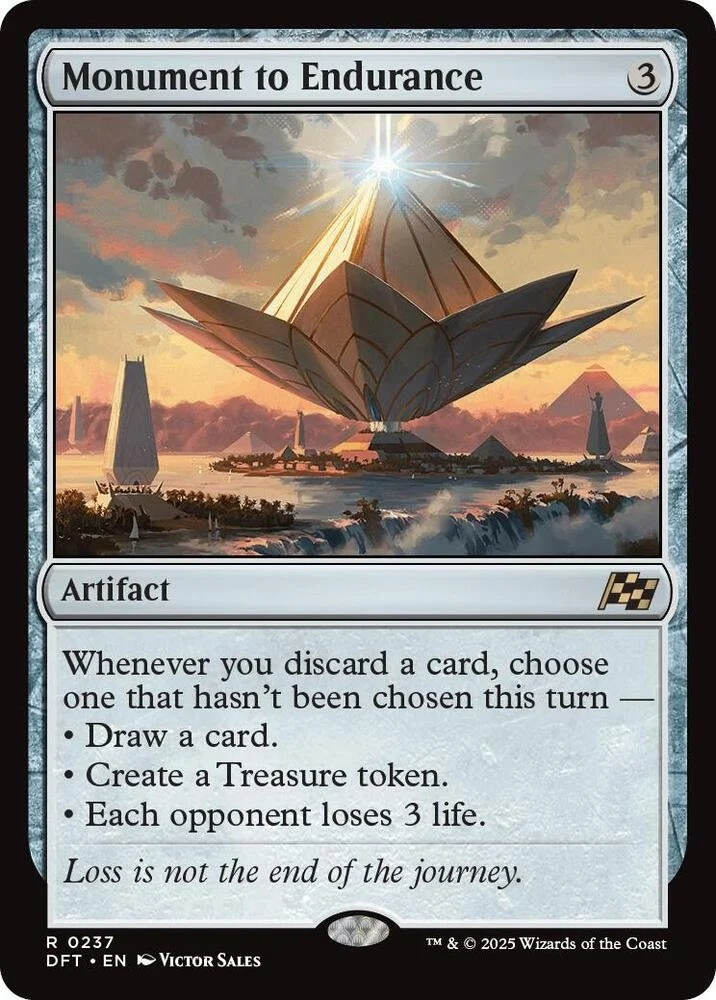
Monument to Endurance - A great value piece for a deck that wants to discard. It helps make sure your discard effects are actually advancing your game plan.
Fiery Temper - A classic Madness card that turns discard into cheap removal or direct damage.
Alchemist’s Greeting - Another Madness spell that gives the deck useful damage while supporting the discard package.
Avacyn’s Judgment - This is one of the better Madness payoffs because it can scale and spread damage across multiple targets when you have mana available.
Abandon Reason - A combat trick that can be used through Madness and help push damage when opponents are not expecting it.
Best Aggro Spell Payoff
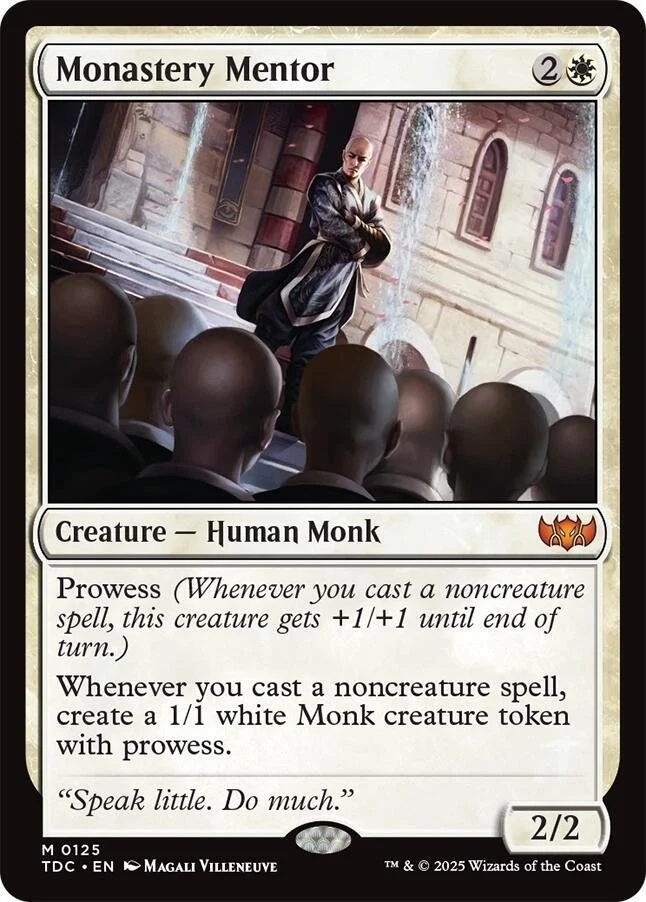
Monastery Mentor - One of the best cards in the deck if you are casting a lot of noncreature spells. Mentor can build a board quickly and turn your spell-heavy plan into real combat pressure.
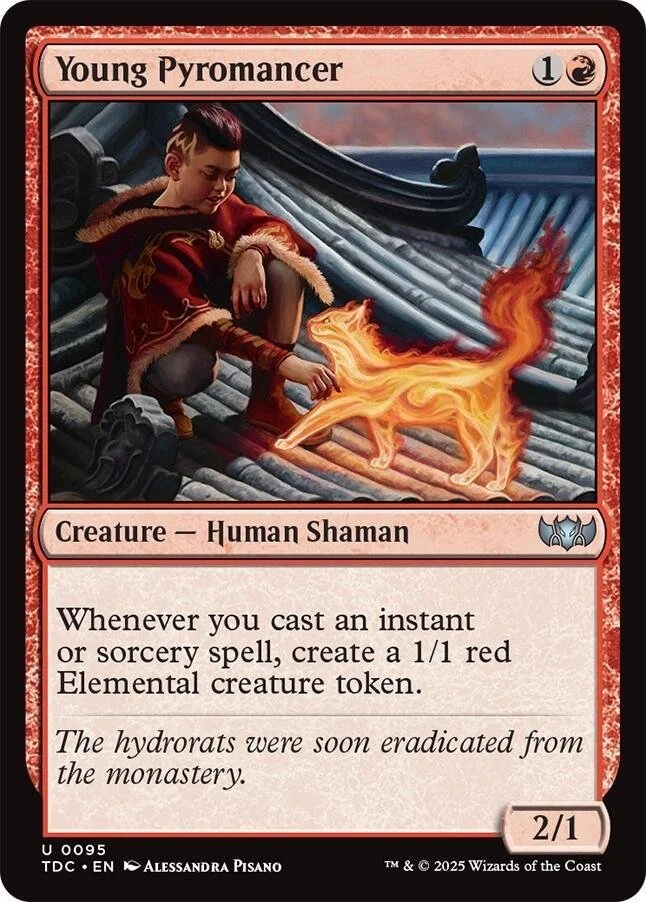
Young Pyromancer - A cheaper version of the same idea. Every instant or sorcery becomes another body, which helps you defend yourself and pressure opponents.
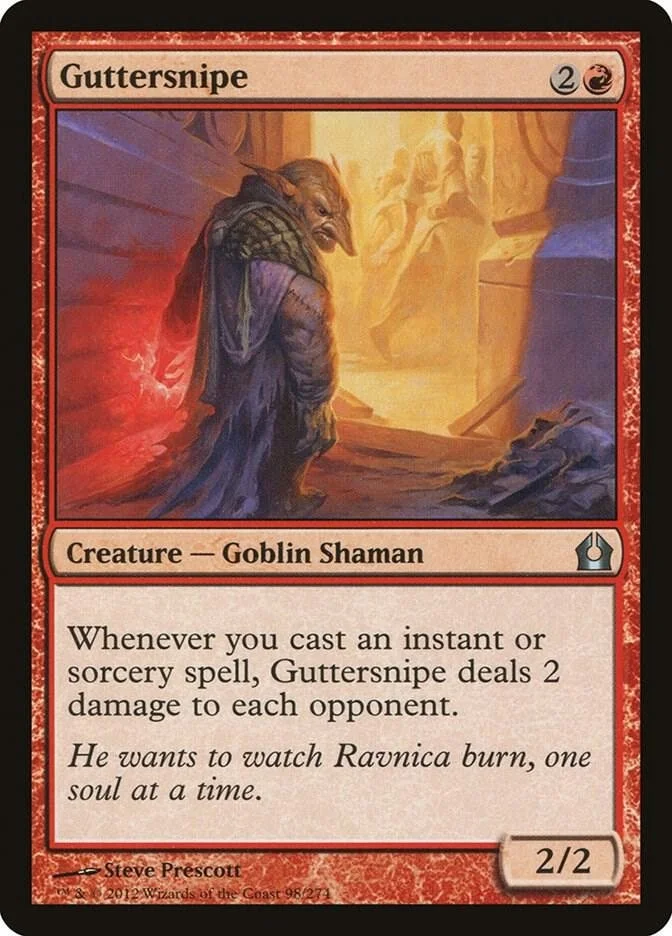
Guttersnipe - Guttersnipe turns your instant and sorcery plan into direct damage. It is especially nice when you are chaining multiple spells in a turn.
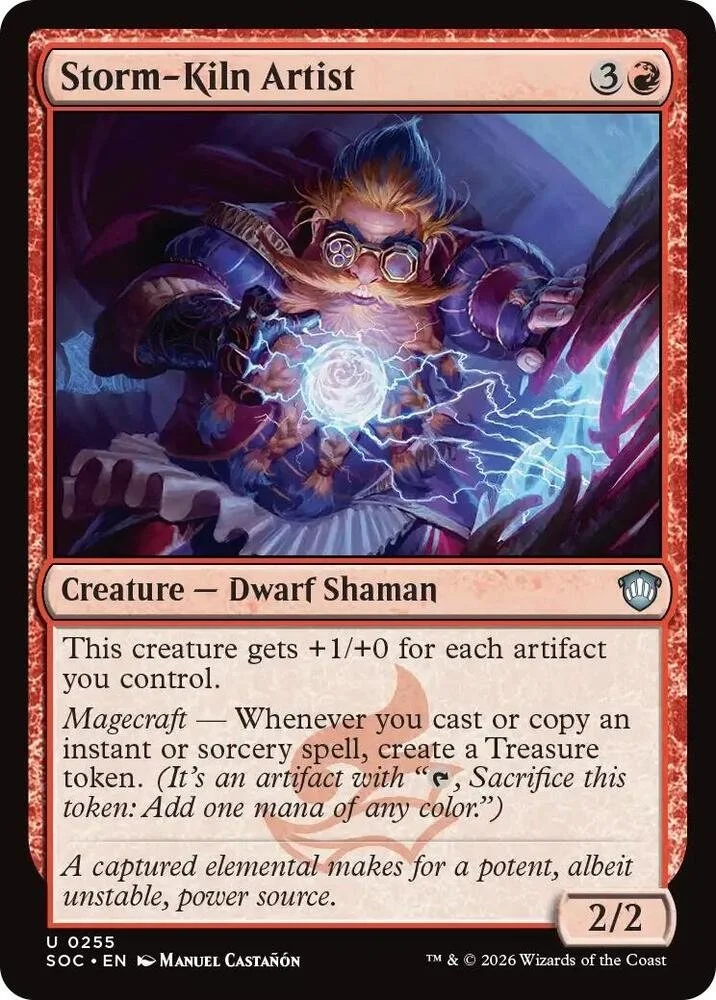
Storm-Kiln Artist - This card is excellent in any spell-heavy red deck. It makes Treasures as you cast or copy instants and sorceries, helping fuel your larger turns.
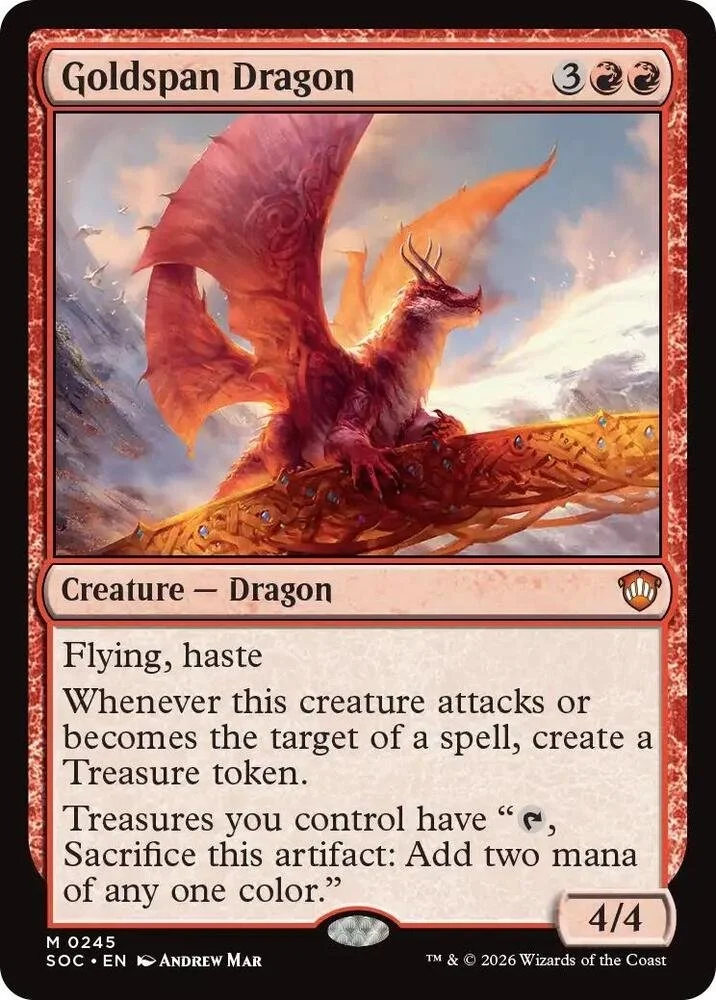
Goldspan Dragon - Goldspan gives you mana acceleration, pressure in the air, and stronger Treasure production. It is one of the best aggressive ramp pieces in the deck.
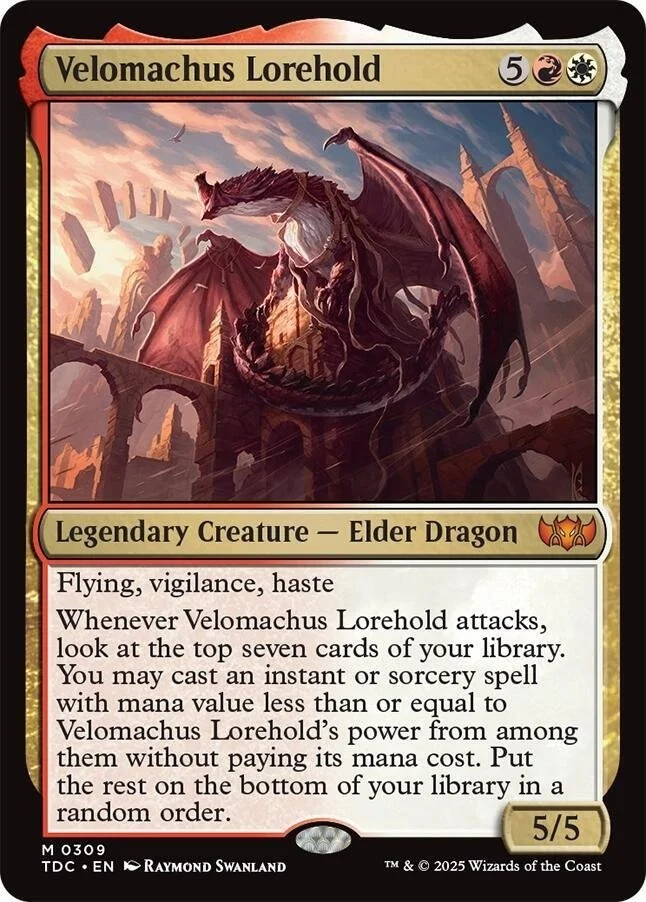
Velomachus Lorehol - Velomachus gives the deck another way to attack and cast spells for free. It fits the big Boros spell identity perfectly.
Key Synergies And Combos
Lorehold is less about one clean combo and more about assembling engines that make your big turns feel unfair. The deck wants to use its topdeck tools, discard payoffs, and spell support to create a chain of value.
Library of Leng + Miracle Cards
Approach of the Second Sun becomes much scarier when you can manipulate your draws. After the first Approach resolves, it goes seventh from the top. In a normal deck, you have to wait and draw naturally. In Lorehold, you can use scry, surveil, extra draw, and topdeck manipulation to find it faster.
This gives the deck a real alternate win condition that fits naturally into the strategy.
Monastery Mentor / Young Pyromancer + Spell Chains
When you start casting multiple instants and sorceries in a turn, Monastery Mentor and Young Pyromancer turn those spells into bodies. Those tokens help you defend yourself, pressure opponents, and make your big spell turns feel even more overwhelming.
If the table lets either one stick around, the deck can build a threatening board without needing to commit many actual creature cards.
Storm-Kiln Artist + Big Spell Turns
Storm-Kiln Artist helps generate the mana needed to keep your explosive turns going. Every instant or sorcery you cast or copy creates Treasure, which can then be used to cast even more spells.
This is especially strong with cards like Double Vision, Chandra, Hope’s Beacon, and Invoke Calamity, since copied spells and repeated spellcasting can quickly turn into a pile of Treasure.
Guttersnipe + Multiple Spells
Guttersnipe is simple, but it does real work. If you are casting several instants and sorceries in a turn, Guttersnipe can deal a surprising amount of damage to every opponent. This gives the deck a noncombat way to pressure the table while still playing its normal game.
Chandra, Hope’s Beacon + Big Instants And Sorceries
Chandra, Hope’s Beacon is a major payoff in this deck because copying your first instant or sorcery each turn can make your big spells even more devastating. Copying a massive burn spell, value spell, or Treasure-generating spell can completely change the game.
Budget Options for a Lorehold, the Historian Commander Deck
A budget Lorehold deck should focus on three things: cheap ways to manipulate the top of your deck, high-mana-value spells you would not normally play, and finishers that can close the game without needing expensive staples.
Creatures and Spells that Scry or Surveil
You do not need the most expensive topdeck manipulation pieces to make Lorehold work. Cards that scry, surveil, loot, or rummage can all help set up your draws and make Miracle more consistent.
Budget-friendly cards like Burning Prophet, Dragon’s Rage Channeler, Cait Sith, Fortune Teller, Thrill of Possibility, Faithless Looting, Cathartic Reunion, Magma Jet, and Witching Well can all help smooth your draws or set up future plays.
The key is making sure your cheap setup pieces still do something useful. You do not want cards that only manipulate the top of your deck and nothing else. The best ones also draw, discard, deal damage, or trigger your spell payoffs.
High CMC Cards you wouldn’t traditionally use
Lorehold lets you consider cards that many Boros decks would never touch. Expensive spells become more interesting when you can Miracle them, cheat them with topdeck effects, copy them, or use them as dramatic finishers.
Cards like Volcanic Vision, Searing Wind, Apex of Power, Brass’s Bounty, Invoke Calamity, and Dance with Calamity are not cards every deck wants, but here they fit the plan. You want big, swingy cards that make your setup worth it.
Budget builds can lean into this even harder by using splashy spells that are powerful but overlooked because of their normal mana costs.
Budget Finishers
If you do not want to rely on expensive staples, Boros still has plenty of ways to close the game. Entreat the Angels, Insurrection, Approach of the Second Sun, Volcanic Vision, Apex of Power, and Guttersnipe can all help end games in different ways.
You can also lean more into token finishers if you are running Monastery Mentor, Young Pyromancer, and other spell-based token makers. The deck does not always need one giant spell to win. Sometimes it just needs to cast enough spells that the board becomes impossible to manage.
High-Power Cards For a Lorehold, the Historian Commander Deck
If you want to push Lorehold harder, you want cards that increase consistency, improve topdeck control, or give the deck more explosive mana.
Tutors
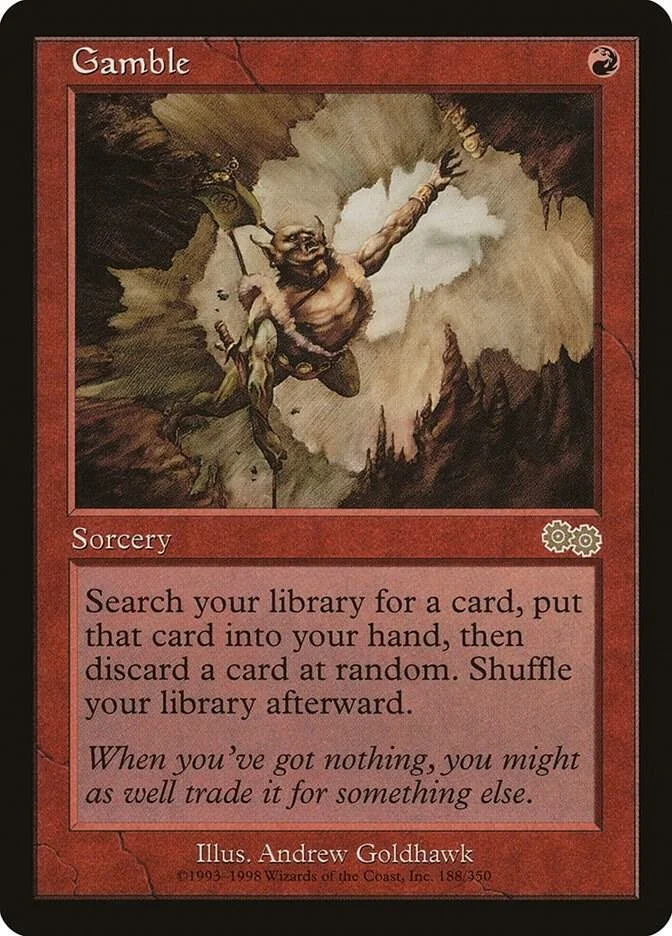
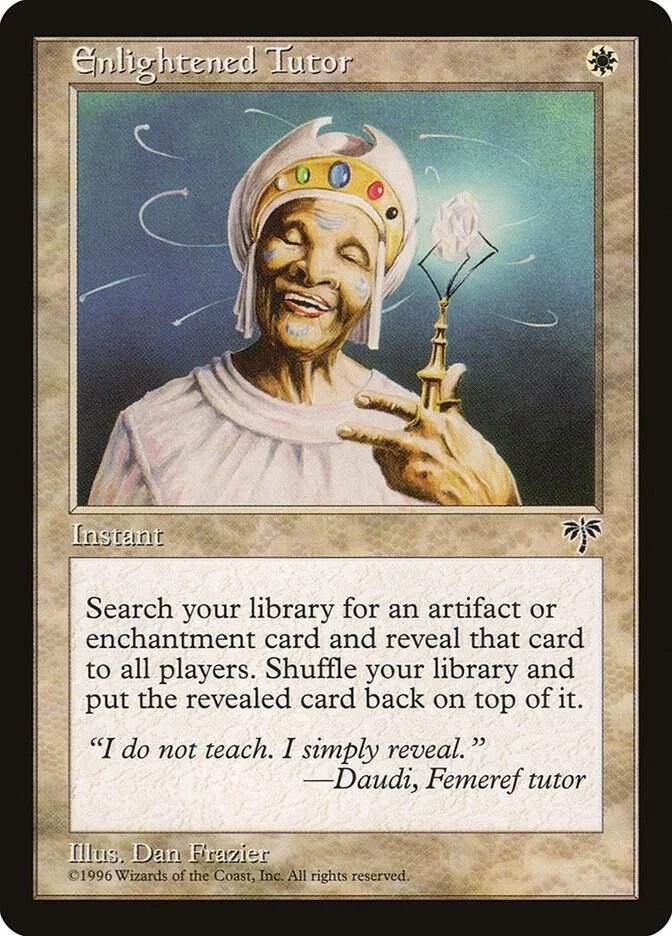
The more you can find your key cards, the better. Enlightened Tutor can find important artifacts and enchantments, while other tutor effects can help locate your best setup pieces or finishers.
In this deck, tutors are especially strong because they do not just find powerful cards. They can also help set up Miracle or put the right card exactly where you need it.
Topdeck Control
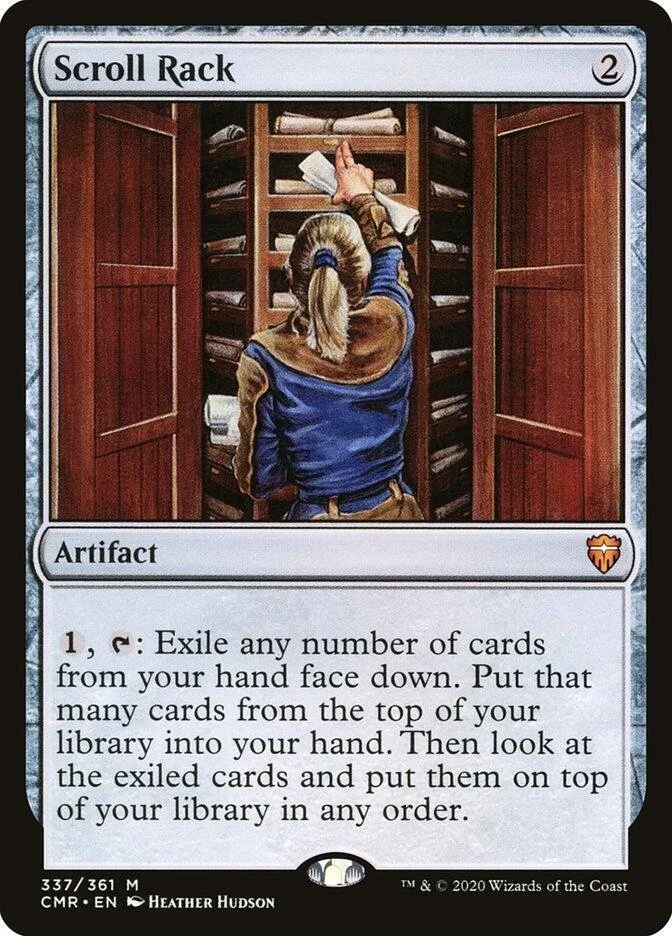
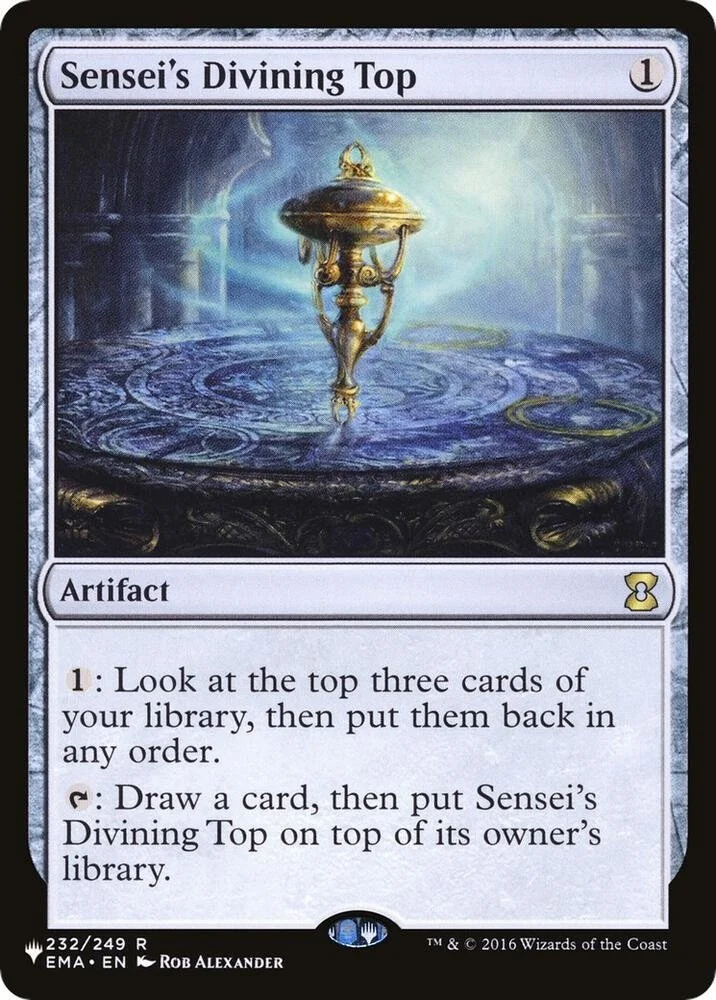
Because Lorehold cares so much about what you are drawing, the stronger topdeck manipulation cards become very valuable.
Scroll Rack and Sensei’s Divining Top are obvious upgrades because they give you much more control over your next draws. Scroll Rack can also put Miracle cards from your hand back into the library, which is exactly the kind of setup this deck wants.
Game Changers
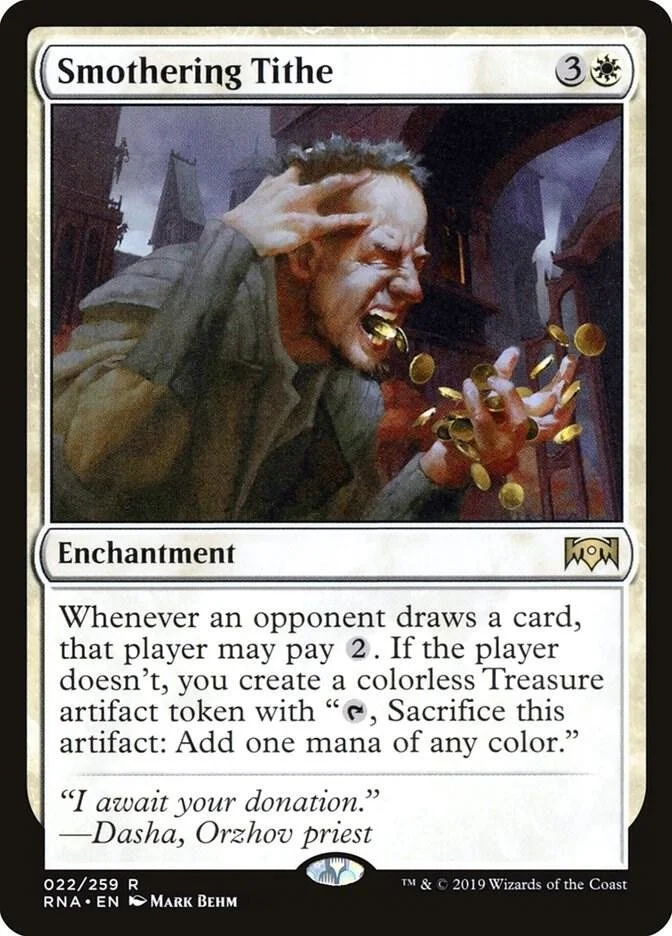
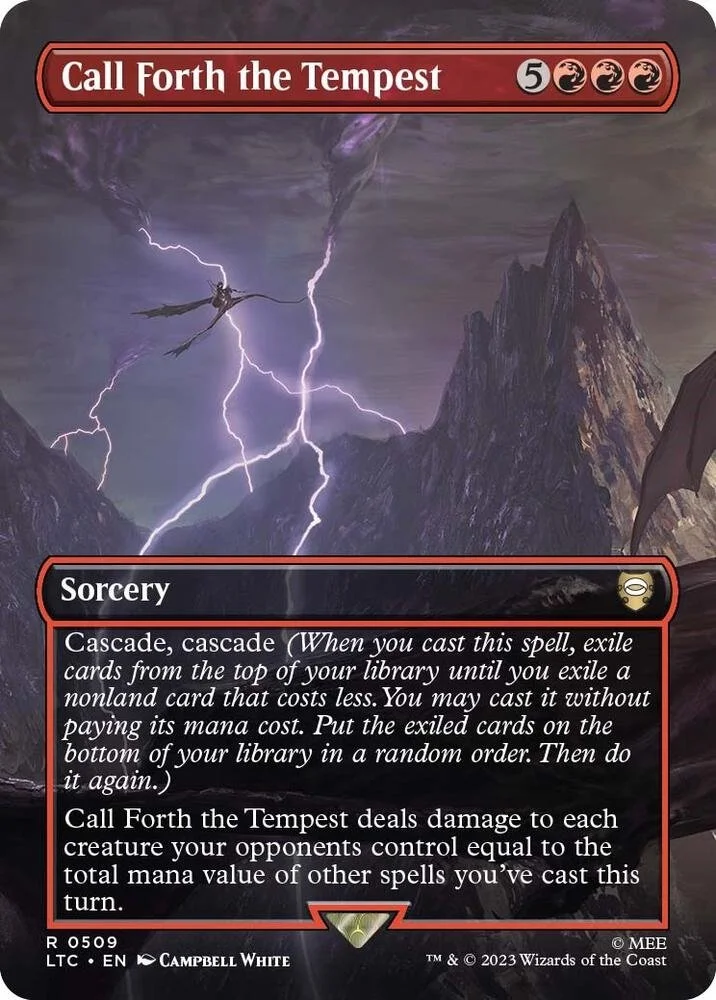
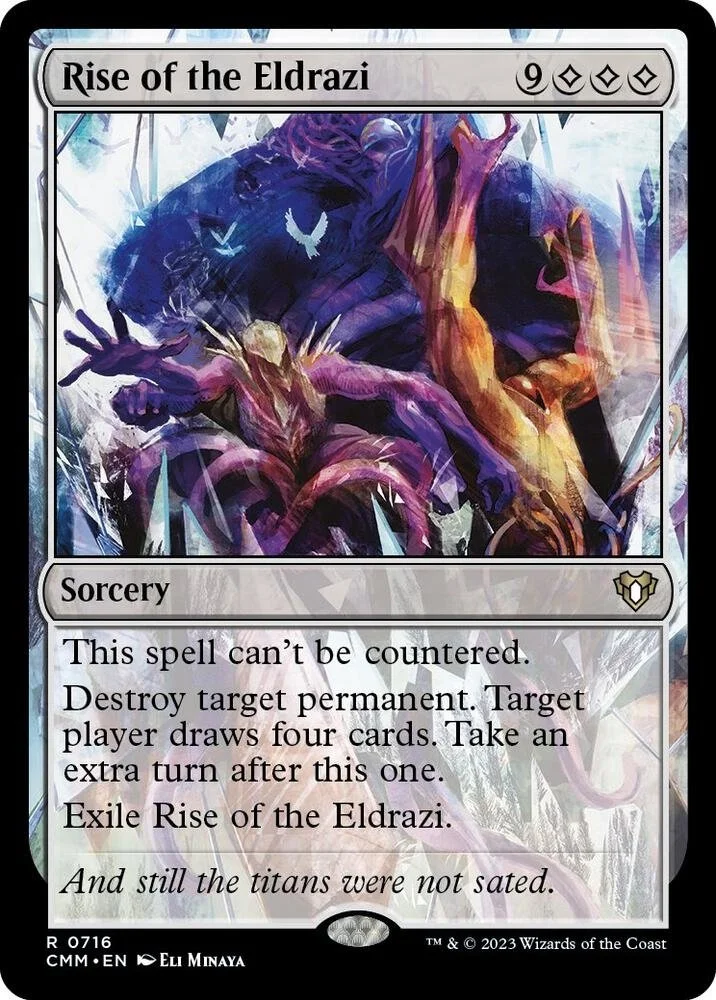
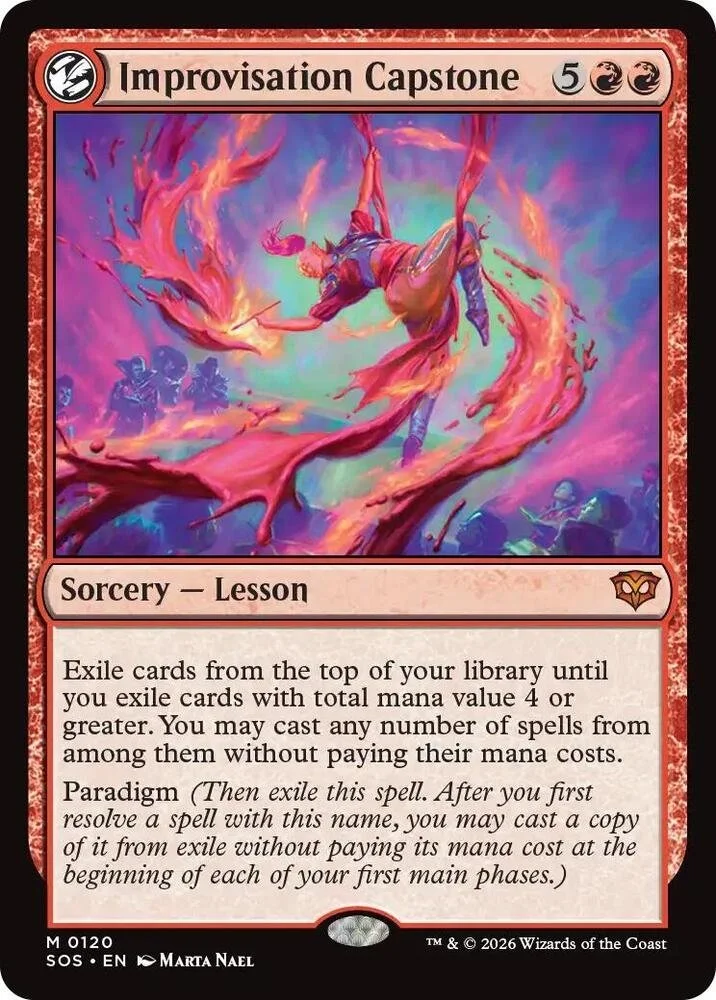
Smothering Tithe gives the deck a huge mana boost and helps cast the expensive spells that make Lorehold exciting.
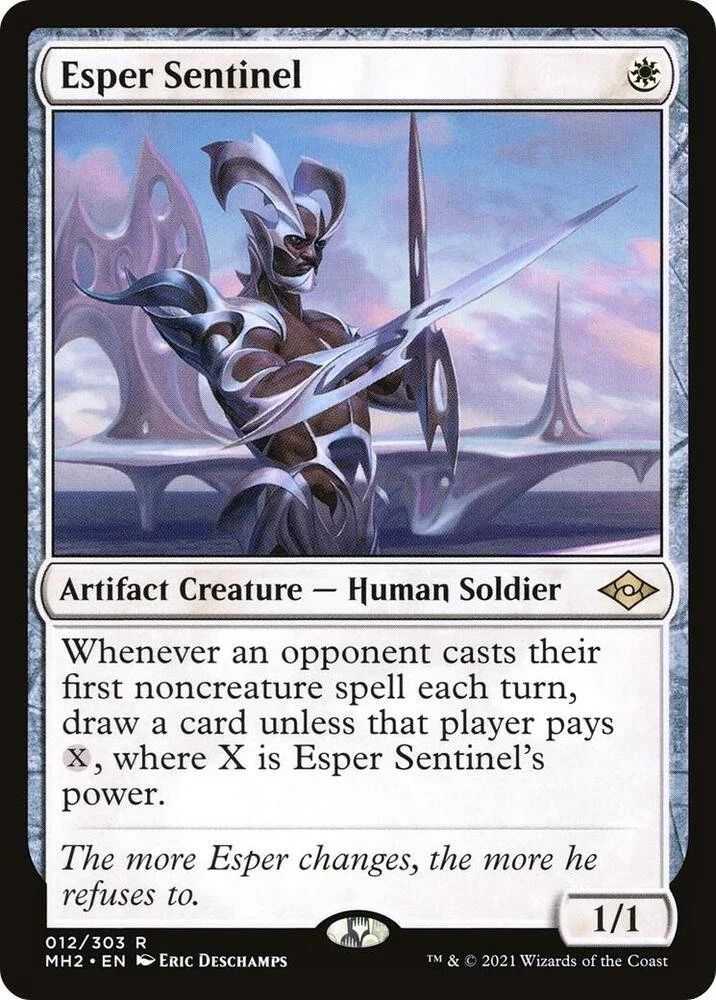
Esper Sentinel gives Boros some much-needed card advantage while applying early pressure.
Call Forth the Tempest, Rise of the Eldrazi, and Improvisation Capstone are the kind of huge, splashy cards that can push the deck into a much higher power range if your table is ready for that kind of game.
The more high-power cards you add, the more Lorehold shifts away from “fun Miracle Boros” and toward a deck that can set up huge turns much more consistently.
Traps to avoid when building for Lorehold, the Historian
Lorehold can be a very fun commander, but it also has some easy deckbuilding traps. Because the deck cares about timing, topdeck setup, and specific spell types, you need to be careful about what you include.
Cards that make you Mill
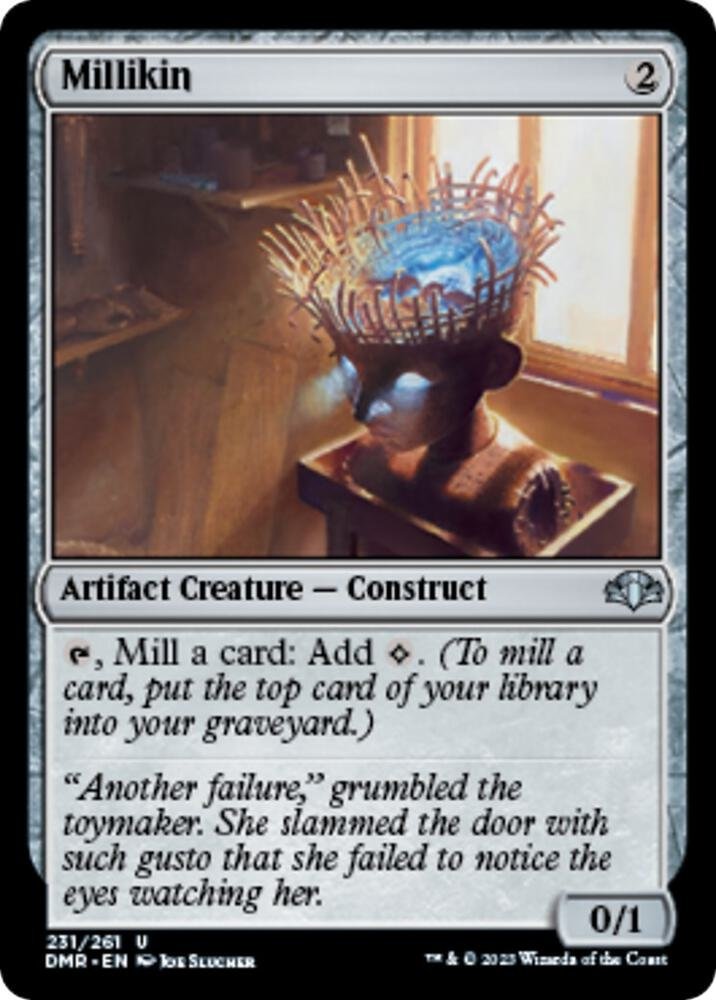
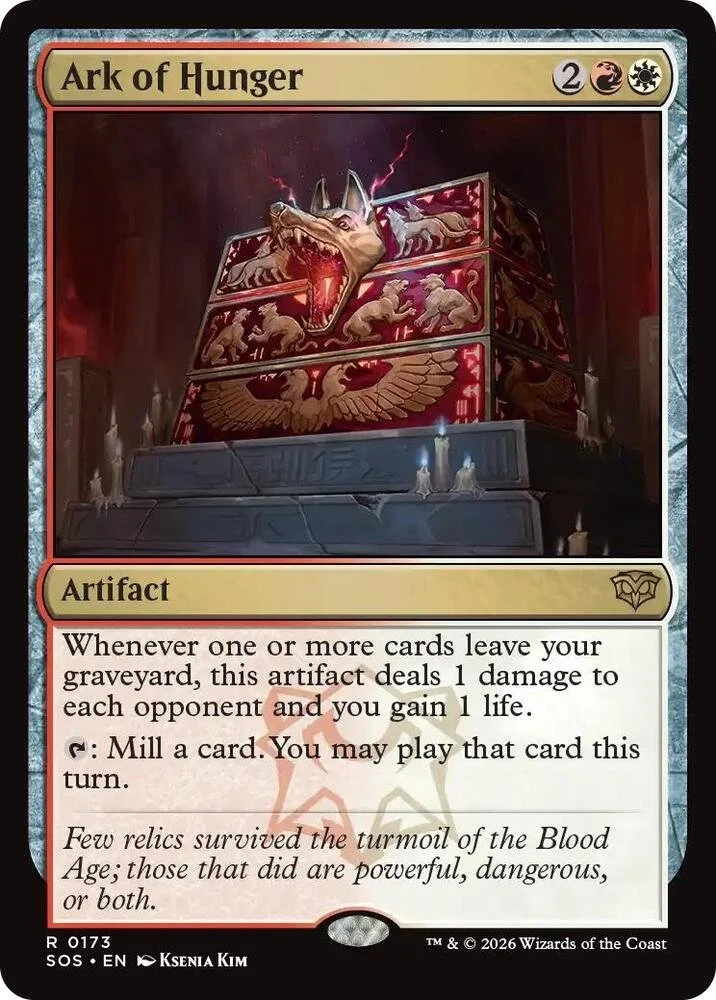
Unlike the precon commander, milling yourself can be awkward in a Miracle deck. Surveil is useful because it gives you a choice, but blind mill can accidentally throw away the exact card you were trying to set up.
This does not mean graveyard synergies are bad, but Lorehold is not Witherbloom. You are not trying to fill your graveyard as quickly as possible. You are trying to control your draws. If a card mills you without giving you control, it can work against the main plan.
Don’t overload on Enchantments/Sorceries save room for Instant speed
This deck wants powerful enchantments and sorceries, but you still need room for instant-speed plays. Miracle cares about the first card you draw each turn, not just on your own turn. If you can draw on opponents’ turns, you can potentially Miracle at instant speed and create much more surprising plays.
That means you do not want the deck to become too slow or too locked into sorcery-speed setup. Leave room for instants, protection, and flexible plays.
Cards where timing matters
Some cards are powerful only when cast at the exact right time. That can be dangerous in a deck trying to cheat spells, copy spells, or cast things off the top. If a card is terrible outside of one narrow window, it might not be worth the slot.
This is especially true for overly narrow interaction. You still need answers, but the best ones should be flexible enough to matter in multiple situations.
Expensive Spells That Do Not Change The Game
Lorehold wants big spells, but they still need to justify the cost. A card being expensive does not automatically make it good. If a high-mana-value spell does not draw cards, make mana, create a board, remove threats, deal meaningful damage, or help win the game, it is probably just clunky.
How This Deck Wins
Lorehold, the Historian wins by setting up one massive turn and making sure the table cannot recover.
Sometimes that means casting Approach of the Second Sun twice and winning through the alternate win condition. Sometimes it means using Entreat the Angels to create a huge flying army. Sometimes it means casting Insurrection and ending the game with everyone else’s creatures. Other times, you win by chaining spells together with Storm-Kiln Artist, Chandra, Hope’s Beacon, Double Vision, Guttersnipe, Monastery Mentor, and Young Pyromancer.
The deck can win through combat, spell damage, alternate win conditions, or one enormous haymaker. That is what makes Lorehold fun. You are not just playing Boros aggro. You are setting up a story where the ending is either incredibly dramatic or incredibly rude.
Lorehold, the Historian Miracle Decklist
Example decklist available here: Lorehold, the Historian Miracle decklist
Final Thoughts
Lorehold, the Historian is one of the more unusual Elder Dragons from Secrets of Strixhaven, and that is what makes it stand out. Boros does not always get commanders that care about the top of the library, discard value, Miracle timing, and giant spell payoffs all at once, so Lorehold gives the color pair a very different kind of deck to explore.
This is not the kind of commander that plays itself. You need to think about what you are drawing, what you are discarding, and when to commit your biggest spells. The deck rewards patience, setup, and knowing when to turn the corner from preparation to chaos.
When it works, Lorehold feels explosive in a way that Boros does not always get to be. You can pressure the table early, manipulate the top of your deck, and then suddenly win with a Miracle spell, a copied haymaker, or a massive combat swing. It is aggressive, weird, swingy, and exactly the kind of Commander deck that can create memorable games.
If competitive Magic is not your thing, you can also check out our Secrets of Strixhaven Horde Mode guide for a more casual way to enjoy the set. You can also keep up with every major TCG, tabletop, board game, and TTRPG release by checking out our 2026 TCG and Tabletop Gaming Release Calendar, which we update throughout the year with new sets, expansions, and upcoming releases.