After watching Spider-Man: Brand New Day, I immediately wanted to play the Insomniac Games’ Marvel’s Spider-Man series. The movie reminded me just how much I enjoy spending time with these characters, but playing the games also made something else very clear: Insomniac’s take on Spider-Man still holds up incredibly well.
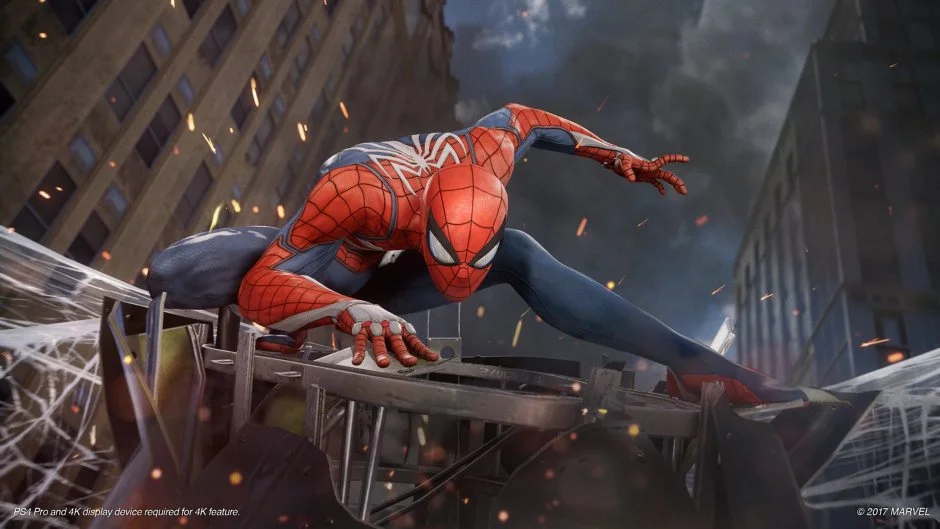
The original Marvel’s Spider-Man was released back in 2018, yet it remains one of the best adaptations of the character across any medium. Its version of Peter Parker feels experienced without losing the humor, compassion, and occasional awkwardness that make him Spider-Man. More importantly, the game understands that Peter’s personal life is just as essential as the superhero action.
That balance is also one of the strengths of Brand New Day. The movie follows a Peter Parker who has dedicated himself to being Spider-Man in a New York City that no longer remembers who he is. While the movie and games tell very different stories, they both understand the pressure that comes with Peter constantly trying to protect the city while his personal life falls apart around him.
Insomniac Created One of the Best Versions of Peter Parker
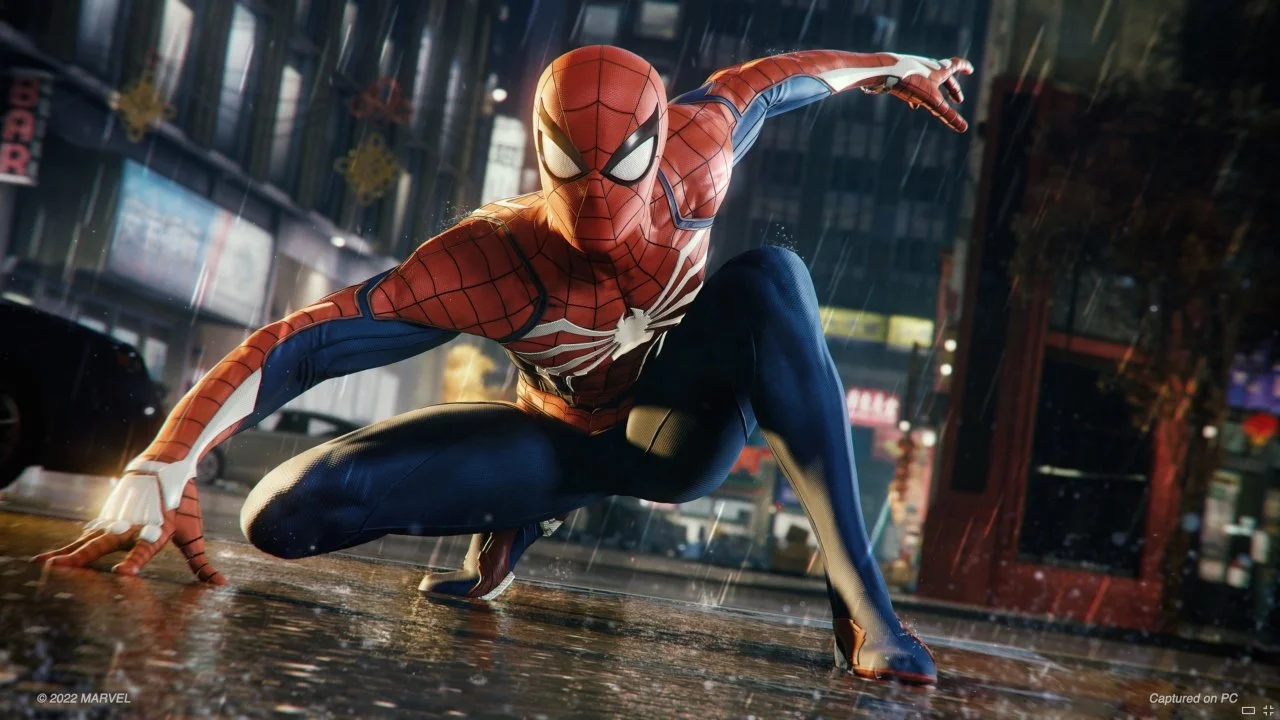
What stands out most when returning to the first game is how complete Insomniac’s version of Peter already feels.
This is not an origin story. Peter has been Spider-Man for years, he already has relationships with many of his major villains, and he has developed a strong connection with the people of New York. At the same time, he is still struggling to maintain a career, pay his bills, help Aunt May, and repair his relationship with Mary Jane.
Insomniac allows Peter to be confident while wearing the mask but considerably less certain when dealing with his personal problems. That contrast makes the larger emotional moments work because the game gives players enough time to care about Peter Parker rather than treating him as the person Spider-Man becomes when the action stops.
The first game’s combat remains satisfying, but the web-swinging is the part that has aged particularly well. Swinging through Manhattan still feels fast, fluid, and genuinely fun. Even after later games improved the traversal system, there is something special about simply moving across the city in the original.
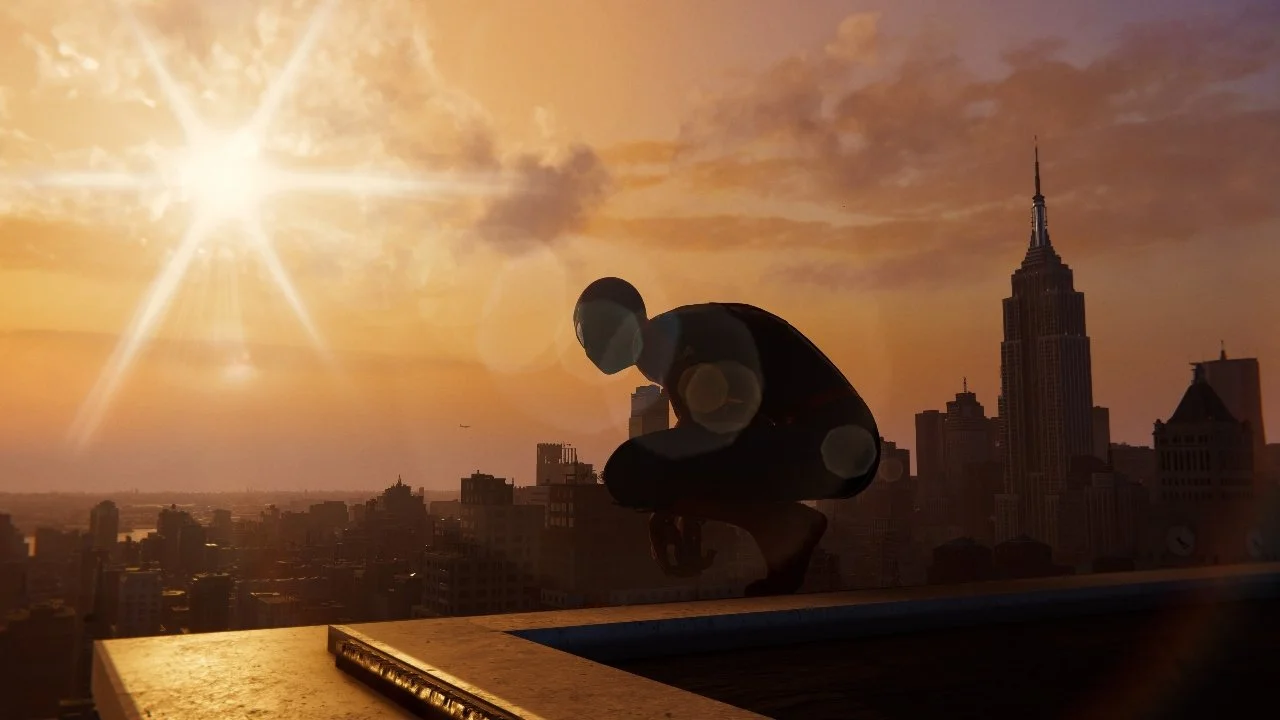
The remastered version also helps the game remain visually competitive. It may not match every technical feature found in Marvel’s Spider-Man 2, but its New York City still looks fantastic, especially while swinging between buildings at sunset or navigating the streets during one of the game’s larger story sequences.
Miles Morales Feels Especially Relevant Right Now
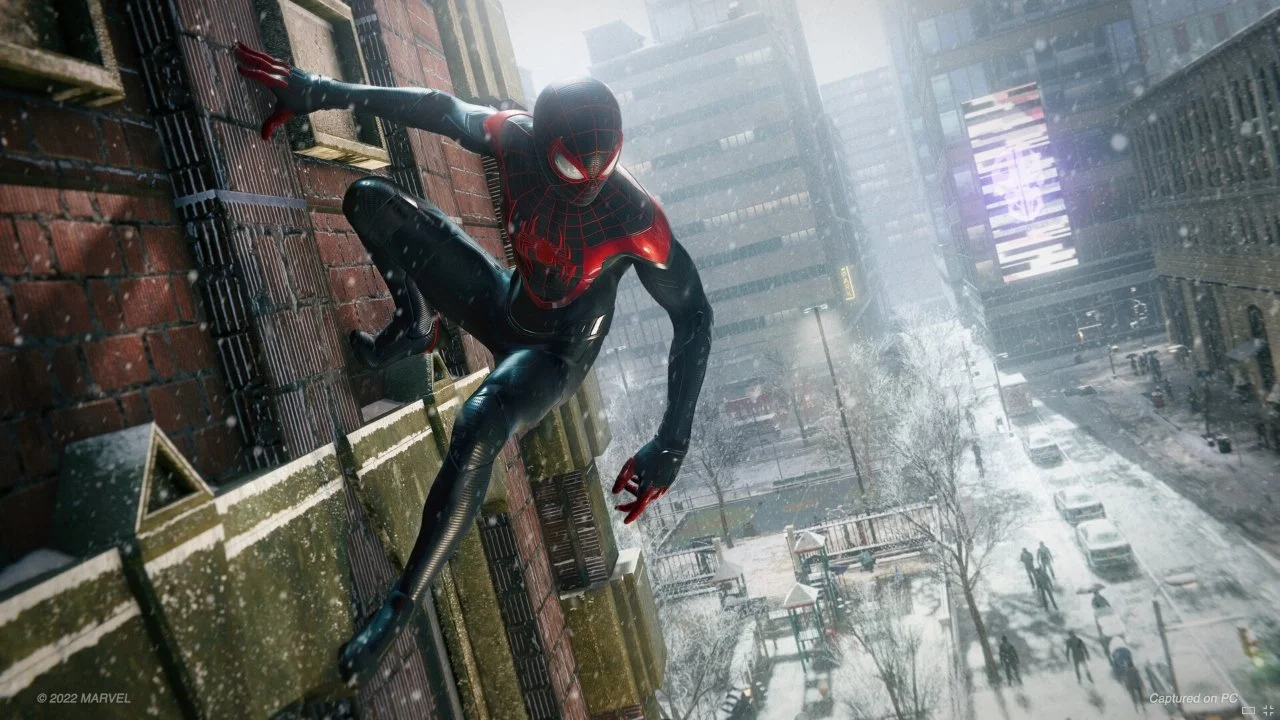
While replaying the series after Brand New Day, Marvel’s Spider-Man: Miles Morales might be the most appropriate game to revisit.
There continues to be plenty of discussion surrounding when Miles will receive his proper live-action debut and who could eventually play him. Tom Holland has also repeatedly discussed the possibility of Peter passing the Spider-Man mantle to a younger Miles Morales in the future, even though that casting has not officially been announced.
Until that happens, Insomniac’s version remains one of the best interpretations of Miles outside of the animated Spider-Verse films.
The game follows Miles as he adjusts to his new home and attempts to follow in Peter Parker’s footsteps as another Spider-Man. What makes the story work is that Miles does not simply become a replacement Peter. He has his own family, neighborhood, friendships, music, animation style, and approach to being a hero.
His venom abilities also give the combat a noticeably different rhythm. Peter generally relies on gadgets and experience, while Miles can overwhelm enemies with bioelectric attacks and use camouflage to reset encounters. Those abilities help the game feel different even though it reuses much of the original map and mechanical foundation.
Of course, Miles Morales remains one of the more divisive entries in the series. Its shorter length led some players to argue that it should have been released as an expansion or DLC rather than as a separate game. That criticism is understandable. The story can be completed much faster than either of the main entries, and several of its systems are carried over directly from the first game.
However, describing it as something that should have “just been DLC” also undersells what the game accomplishes.
The smaller scale gives Miles’ story room to remain personal. Rather than attempting to match the original game’s massive collection of villains and citywide threats, it focuses on Miles protecting Harlem, supporting his family, and deciding what kind of Spider-Man he wants to become.
It may be closer to a large standalone expansion than a full sequel, but it is still an important chapter in the series. With Miles’ live-action future becoming an increasingly popular topic among Spider-Man fans, now feels like the perfect time to experience—or revisit—his first starring game.
Marvel’s Spider-Man 2 Improves the Superhero Fantasy
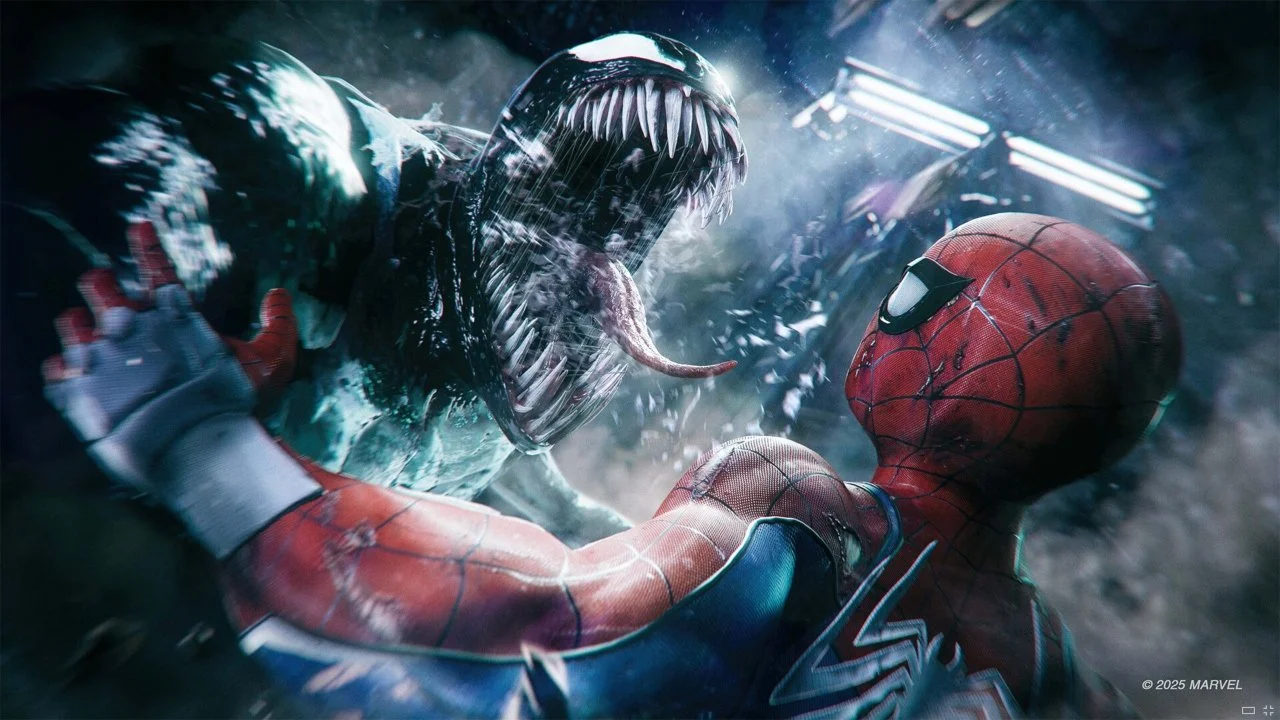
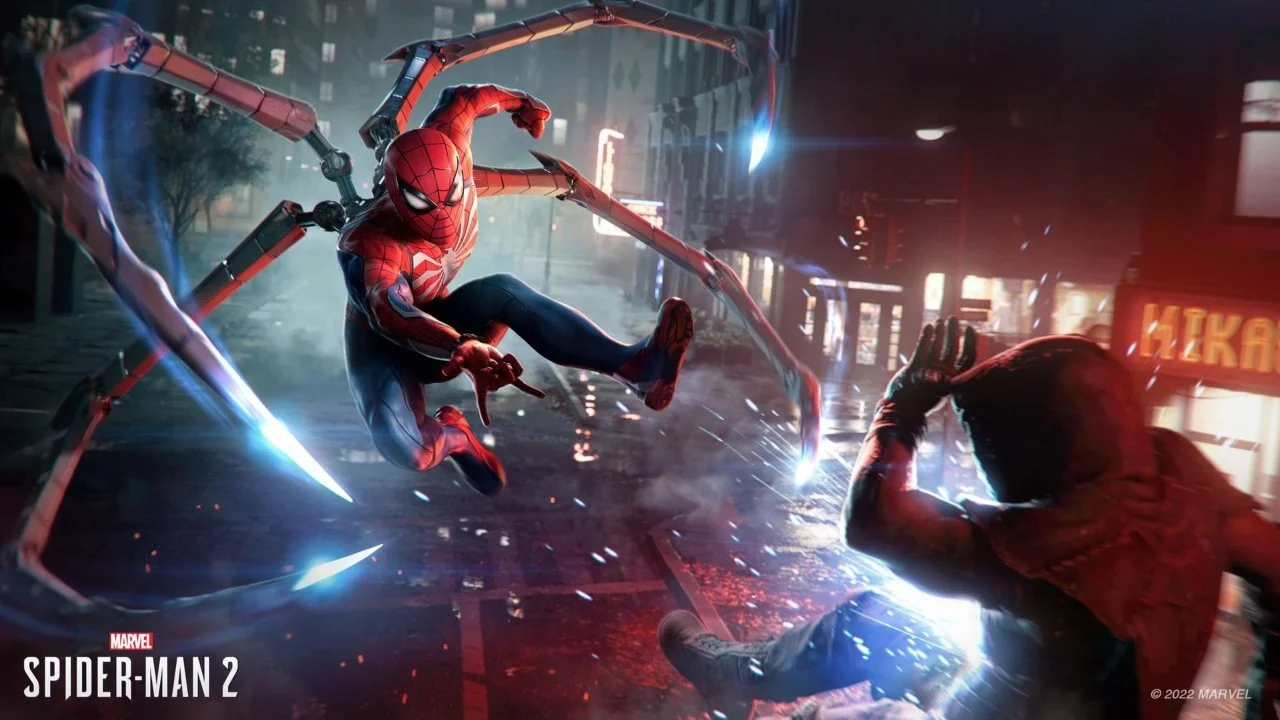
While I still prefer certain parts of the original game’s story, Marvel’s Spider-Man 2 offers the best overall superhero gameplay in the series.
Being able to switch between Peter and Miles gives the sequel much more variety. Each Spider-Man has unique abilities, animations, missions, and personal conflicts, but both remain connected to the same central story.
The expanded map and web wings dramatically improve traversal, while the faster swinging speed makes moving around New York more exciting than ever. Combat is also more aggressive, with Peter’s symbiote abilities and Miles’ evolved venom powers making both characters feel considerably stronger.
The sequel was released for PlayStation 5 in October 2023 and was later enhanced for the PS5 Pro. Despite being the newest game in the series, its biggest strength is how it builds on relationships established across the previous two entries.
Peter and Miles are not competing to be the “real” Spider-Man. They support one another, make mistakes, and gradually recognize that neither of them needs to protect the city alone. That relationship gives Insomniac’s universe its own identity and demonstrates why there is room for both characters to exist simultaneously.
That is something I would love to see reflected when Miles eventually enters the live-action Spider-Man films.
The Insomniac Spider-Man Games Still Understand the Character
Revisiting these games after Spider-Man: Brand New Day reminded me that great Spider-Man stories do not depend entirely on recognizable villains, elaborate suits, or connections to a larger cinematic universe.
Those elements are certainly fun, but Spider-Man works best when the person underneath the mask matters just as much as the hero wearing it.
Insomniac understands that Peter and Miles are defined by their relationships, responsibilities, failures, and willingness to keep helping people even when doing so makes their own lives more difficult. Each game presents that idea differently, but it remains the foundation of the entire series.
The first Marvel’s Spider-Man delivers the strongest standalone Peter Parker story. Miles Morales offers a smaller and more personal coming-of-age adventure. Marvel’s Spider-Man 2 brings both heroes together and delivers the most refined gameplay in the series.
There are areas where the games show their age, and not every mission or side activity is equally memorable. However, the important parts have held up remarkably well.
After seeing Spider-Man return to theaters in Brand New Day, this is a great time to return to Insomniac’s New York. Whether you are replaying the entire series or finally giving Miles Morales a chance, these games remain some of the best Spider-Man experiences available.