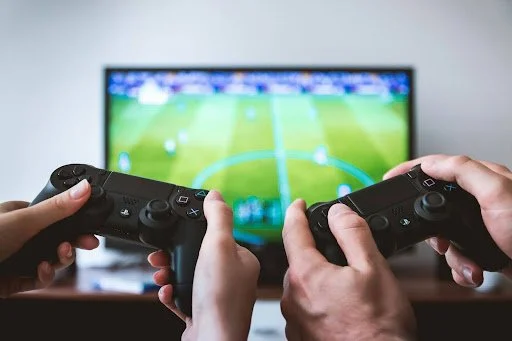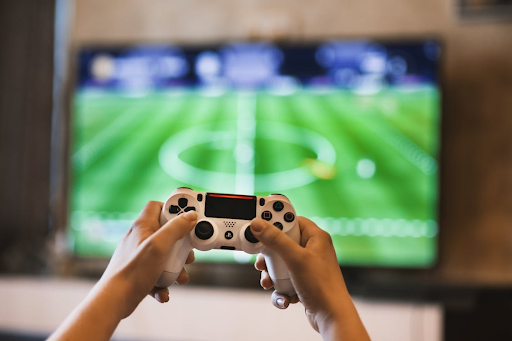
When you are rested and clearheaded, games take on a different pace because small surprises feel sharper, quick decisions draw you in, and shifts in play become easier to catch. That balance between control and chance is what keeps people engaged, whether they are chasing a last-second 3-pointer in NBA2K, working through a tough puzzle, or spinning through rounds in a place that leaves room for both luck and timing.
The Samba Slots review points to an environment built on that rhythm, where easy entry, streamlined offers, and swift payouts create enough space to engage without slowing down. It offers a real balance: sessions can be brief, but they stay crisp, keeping players tuned in without slipping into drag or routine. It is the kind of setup that respects your time while still offering enough spark to make each visit count.
Short Sessions Hit Harder Than You Expect
Sit down for just a few spins, and you will notice something: the rush from a sudden win or a near miss hits the same, no matter how long you have been at it. A study in Nature Neuroscience shows something even more powerful: when rewards come quickly and by surprise, the brain turns on almost instantly.
That burst of dopamine does not just fuel the moment — it stamps it into memory. Even after the game ends, the charge stays with you, keeping the mind tilted toward the next hit.
Why Players Keep Coming Back
What pulls people in again often has little to do with chasing wins:
Rewards land in random patterns, keeping players engaged.
Watching others hit big quietly sparks the thought — maybe it’s my turn next.
Time-limited offers create a quiet push that makes jumping in feel pressing, even when the session is brief.
Progress bars build a sense of movement session after session.
Sound and motion cues nudge players back in before they even decide.
The ease of re-entry turns brief sessions into a rhythm that can pull players back at any moment.
New Tech Is Changing the Feel of Play
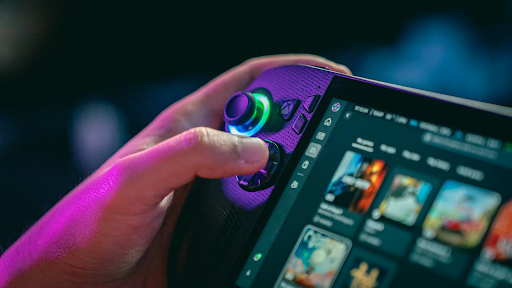
Apple, Meta, Google, and Disney are no longer just watching the rise of virtual and mixed-reality spaces — they are building them into everyday entertainment. Games are evolving into full-body experiences, with motion, sound, and visual depth coming together to pull players into spaces where every reaction feels immediate and every action feels tangible.
It goes beyond holding a controller or watching a screen — voice, glance, movement, and instinct now blend into the flow of play.
Recent research on extended reality points to a 30% increase in focus when multiple senses are involved, showing how even short bursts of play leave a stronger mark. As VR hardware becomes lighter, faster, and easier to access, quick gaming sessions turn into immersive events, where the memory of the moment lasts longer and the pull to return strengthens without conscious thought.
When Play Stays With You
What draws people back rarely comes from time spent or prizes collected. It comes from how each moment lands — the sudden turns, the tension, the way a game feels alive in your hands or through a headset.
As virtual and mixed-reality experiences continue to grow, the gap between quick sessions and full immersion keeps narrowing, changing what play means and how it sits in the mind.
The result is an experience that does not fade the moment it ends. It lingers quietly, leaving a trace that keeps attention circling back, ready to step in again.