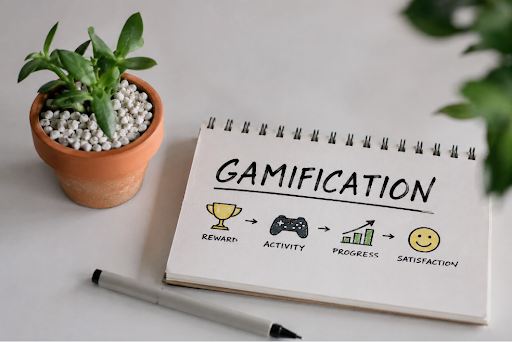
Positive feedback loops are one of the most effective mechanisms in modern game design. They are the systems that reward players for action in a way that encourages continued participation, learning, and emotional investment. Unlike negative feedback, which slows players down to maintain balance, positive loops accelerate engagement by reinforcing successful behavior. From my experience analyzing player retention models, games that apply these loops thoughtfully outperform those that rely only on content volume or visual quality.
At their core, positive feedback loops work by creating a sense of momentum. A small success leads to a reward, that reward makes the next action easier or more exciting, and the player feels progress. This can appear as leveling up, unlocking features, earning bonuses, or gaining access to new challenges. When designed well, these systems feel motivating rather than manipulative, because the player clearly understands why progress is happening.
The effect becomes especially visible when users register, interact with reward mechanics and build session momentum on win spirit casino, where engagement systems are structured to reinforce confident decisions and continued play. Each successful action feeds into the next opportunity, creating a smooth emotional curve instead of abrupt stops. I often explain that players don’t stay because they win every time; they stay because the system acknowledges effort. Even modest rewards, when delivered consistently, train the brain to associate participation with progress. This is why feedback loops are not about constant winning, but about visible response. When a platform reacts to player behavior in a clear and positive way, motivation grows naturally. Over time, this builds habits, loyalty, and a sense of mastery that keeps engagement stable rather than spiky.
How Positive Feedback Loops Are Built
Designers construct feedback loops using layered systems rather than single rewards. Each layer reinforces the others.
Common elements of positive feedback loops
immediate rewards following player actions
progression systems that unlock new possibilities
visual or audio cues confirming success
Together, these elements create a sense of flow that keeps players active.
Why Feedback Loops Increase Retention
Players are more likely to return when they feel progress is ongoing. A good feedback loop answers a simple question: “What do I get if I keep playing?” When that answer is clear, uncertainty disappears.
From my professional observations, engagement improves when:
progress is visible within short sessions
rewards scale with commitment, not just luck
players feel smarter or stronger over time
These factors reduce frustration and increase confidence.
Positive vs Neutral Game Systems
| Aspect | Neutral Systems | Positive Feedback Loop Systems |
|---|---|---|
| Player Motivation | Short-lived | Sustained over time |
| Sense of Progress | Minimal | Clear and measurable |
| Emotional Response | Flat | Encouraging and reinforcing |
| Learning Curve | Slow | Accelerated through rewards |
| Long-Term Engagement | Inconsistent | Stable |
The comparison shows why modern games rarely rely on neutral systems alone.
The Psychology Behind Reinforcement
Positive feedback loops work because they align with basic learning principles. When an action leads to a positive outcome, the brain flags it as worth repeating. Importantly, the reward does not need to be large. Consistency matters more than size.
I’ve seen platforms fail by over-rewarding early and collapsing later. The best systems grow gradually, allowing players to build trust and expectation without burnout.
Balancing Engagement and Control
While positive loops drive engagement, they must be paired with transparency and control tools. Clear rules, visible limits, and honest pacing prevent overload. Responsible design respects the player’s agency rather than pushing constant acceleration.
Good systems:
slow progression naturally over time
encourage breaks after intense sessions
avoid hiding conditions behind rewards
This balance protects long-term trust.
Future of Feedback Loops in Games
As data analysis improves, feedback loops will become more adaptive. Systems will respond to individual play styles, offering reinforcement that matches personal pace instead of one-size-fits-all rewards. This personalization will make engagement feel supportive rather than mechanical.
Final Thoughts
Positive feedback loops are powerful because they turn participation into progress. When players feel acknowledged, rewarded, and guided, engagement becomes sustainable rather than forced. Games that master this balance create environments where motivation grows naturally, decisions feel meaningful, and players return not out of habit, but because the experience continues to evolve with them.