Counter-Strike skins have evolved into one of gaming’s most active digital economies. What started as simple cosmetic items has become a marketplace driven by rarity, demand cycles, player sentiment, and collector behavior. Today, experienced traders are not just swapping items for looks—they are managing inventories like assets.
If you want to grow your collection, upgrade efficiently, or capitalize on pricing inefficiencies, learning how to trade CSGO skins strategically is essential. Modern trading platforms now make the process faster, safer, and more efficient than traditional peer-to-peer trades.
The Modern CSGO Skin Economy
The skin market is influenced by several moving factors:
Active player population
Esports tournaments and team popularity
Game updates and weapon meta shifts
Limited supply of discontinued cases
Collector demand for rare patterns and floats
Seasonal spikes in marketplace activity
Because of these variables, skin prices are dynamic. Successful traders understand that value is rarely static.
Why Experienced Players Trade CSGO Skins
For advanced users, skin trading goes beyond cosmetic preference. It becomes a method of portfolio optimization.
1. Converting Idle Inventory Into Liquid Value
Unused skins hold trapped value. Rather than leaving items untouched, traders rotate them into higher-demand assets.
2. Upgrading With Minimal Cash Input
By combining multiple lower-tier items, players can move into premium categories such as knives, gloves, or rare covert skins.
3. Arbitrage Opportunities
Price gaps often exist between marketplaces, direct trades, and automated exchange platforms. Traders who monitor spreads can gain value through timing.
4. Long-Term Holding
Some discontinued or legacy skins appreciate over time due to shrinking supply and rising nostalgia demand.
Advanced Strategies to Trade CSGO Skins Successfully
Understand Liquidity vs Prestige
A high-value skin is not always the best trading asset. Some rare items are expensive but slow to move. Liquid skins with constant demand can be more practical.
Examples of liquid items include:
AK-47 Redline
AWP Asiimov
Glock Fade
M4A1-S Printstream
Popular Doppler knives
Track Float Value Premiums
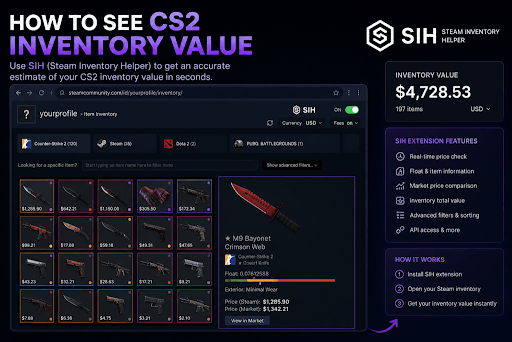
Many traders overlook float data. Yet two skins with the same name can have significantly different values depending on wear range.
Factory New low-float items, clean Minimal Wear skins, and niche float ranges often attract premiums.
Monitor Case and Supply Trends
When cases become less opened, contained skins often rise in price due to lower incoming supply. This creates medium-term opportunities.
Use Bundled Upgrades Smartly
Trading several mid-tier items into one premium item can simplify inventory management and improve resale flexibility.
Why Automated Platforms Dominate in 2026
Manual trading once required Discord groups, Steam comments, and slow negotiations. That model created friction and scam risks. Advanced users now prefer modern trading systems because they offer:
Speed
Trades can be completed in minutes instead of waiting for counterparties.
Transparent Valuation
You can compare incoming and outgoing values instantly.
Massive Inventory Access
Instead of relying on one trader, you gain access to a broad pool of skins.
Lower Operational Risk
Reduced exposure to impersonators, fake middlemen, and bait-switch offers.
Risk Management for Serious Traders
Even experienced users lose value through poor discipline. Protect your inventory with these principles:
Never Trade Emotionally
Impulse upgrades often lead to overpaying.
Diversify Inventory
Holding only one expensive item can expose you to category-specific price swings.
Verify Every Offer
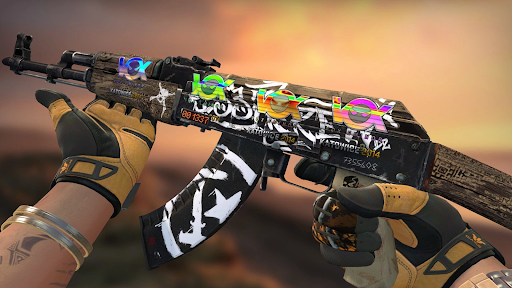
Check item wear, stickers, StatTrak status, and pattern indexes before confirming.
Protect Account Security
Use Steam Guard, strong passwords, and avoid suspicious API links.
Best Categories to Watch in 2026
Several categories continue attracting strong demand:
Doppler and Gamma Doppler knives
Fade finishes
Clean glove skins
Legacy operation collections
Printstream series
Esports-iconic stickered weapons
These segments often maintain stronger trading velocity than random low-demand skins.
Common Advanced Trading Mistakes
Many traders plateau because they repeat these errors:
Overvaluing sentimental items
Ignoring liquidity metrics
Chasing hype after price spikes
Holding weak skins too long
Accepting convenience losses repeatedly
Underestimating fees across multiple swaps
Small inefficiencies compound over time.
Is Trading CSGO Skins Still Profitable?
Yes—but profitability now favors informed traders. The easy gains of early years are rarer, but opportunities still exist through better timing, smarter upgrades, and understanding demand behavior.
Players who combine market knowledge with secure trading tools consistently outperform casual traders.
Final Thoughts
To trade CSGO skins effectively in 2026, think beyond cosmetics. Treat your inventory like a portfolio. Focus on liquidity, timing, float premiums, and efficient exchanges. With the right strategy and a trusted trading platform, you can turn stagnant skins into stronger assets while building an inventory that performs as well as it looks.