Disclosure: This is a paid guest post. The author or an affiliated third party paid for its publication, and the article may contain promotional links. The views and opinions expressed are those of the author and do not necessarily reflect those of GameTyrant or its editorial staff.
Disclaimer: The following content contains references to gambling, casinos, and related topics.

A player opens a loot box 50 times without getting a rare item. They're furious. They calculate the probability: with a stated 2% drop rate, they should have gotten at least one by now. The math checks out. Yet they got zero. They accuse the game of rigging odds, of lying about percentages. They're right to feel unlikely outcomes are frustrating. They're wrong about the cause. Understanding how randomness actually works—and how games adjust for player psychology—matters whether you're playing video games or assessing odds on platforms like دانلود اونجا بت.
The mismatch between how randomness feels and how randomness functions creates perpetual confusion. Players expect that 2% rates mean "roughly one in 50." They're shocked when they don't get one in 100. This is a failure of intuition, not game design. But game designers know this intuition failure is real. They've incorporated systems to mitigate it. Understanding what these systems do—and what they can't do—reveals something important about the difference between true randomness and fair perception of randomness.
Why Random Results Often Feel Wrong
Independent random events don't distribute evenly across attempts. If you flip a fair coin 100 times, you won't get exactly 50 heads and 50 tails. You'll get something like 48 heads and 52 tails, or 45 and 55. Larger deviations occur regularly. This isn't a sign the coin is unfair. It's a property of randomness. Variability is baked in.
When a game has a 2% drop rate, that means each attempt has a 2% probability of success. But that doesn't mean attempts 1-50 include exactly one success. You could get zero successes in 50 attempts—unlikely but possible. The probability of zero successes in 50 attempts with a 2% rate is roughly 37%. Nearly four in ten players trying to get one drop in 50 attempts will fail. This isn't rare. It's normal.
The problem is psychological. Players compare their actual results to an imagined distribution where results are perfectly smooth. In their mind, 50 attempts with a 2% rate should yield exactly one drop. Anything else feels like deviation from the rules. But no rules were broken. The deviation is expected.
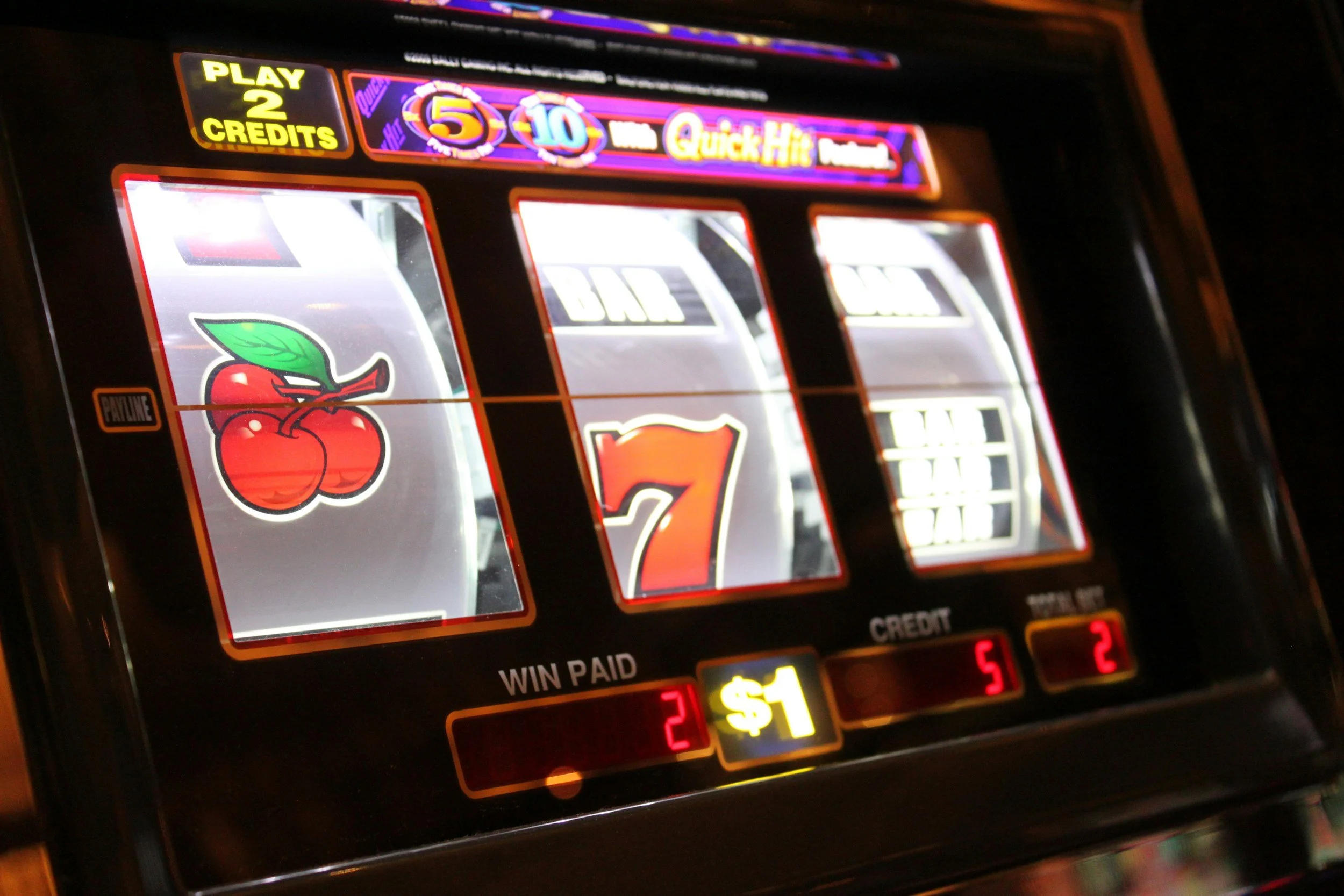
This psychological mismatch is universal. Slot machine players feel cheated after losing 100 times in a row, unaware that losing streaks of that length are statistically inevitable given enough plays. Lottery players feel robbed when their number doesn't come up, unaware that any specific number is equally likely to not come up. The games are working as intended. The human intuition about randomness is broken.
Game designers recognize this. They know players will feel cheated by legitimate randomness. They know a 2% drop rate that produces zero drops in 50 attempts will generate support tickets, bad reviews, and accusations of fraud—even though nothing went wrong. So they've implemented systems to reduce this friction.
How Games Limit Streaks of Bad Luck
Many modern games use pity systems. Instead of true randomness, the game tracks failure streaks. If you fail 50 times in a row, the next attempt is guaranteed to succeed. This guarantees that you cannot exceed a certain "bad luck" threshold. It's not true randomness. It's randomness with a maximum loss.
Pity systems address real psychological needs. They eliminate the nightmare scenario where you spend 200 attempts without one success, when the stated rate suggests you should get roughly four. Some players would literally never play if they experienced that bad luck. The pity system protects against it.
Other systems use soft pity: the drop rate increases as you fail. The first 40 attempts have a 2% rate, but attempts 41-50 have a 5% rate. This biases the distribution toward more even spreading. Instead of a legitimate but traumatizing possibility of zero drops in 50 attempts, you're almost guaranteed at least one.
These systems are deliberate design choices, not bugs. They sacrifice mathematical fairness for psychological fairness. A true 2% rate is fairer in the mathematical sense—everyone has identical odds. But it feels unfair in the psychological sense when legitimate randomness produces awful streaks. The game designers chose psychological fairness.
This choice has consequences. With a pity system, you know the maximum you can go without success. You can plan your engagement. You can trust the game respects your time investment. Without it, you're vulnerable to statistical outliers that feel like fraud.
What Players Should Check Before Assuming the Odds
When you encounter a game with stated drop rates, ask: are these guaranteed over some interval? Is there a pity system, and what does it look like? Is the rate truly independent randomness or biased randomness?
Many games disclose this. "The drop rate is 2%. After 50 failed attempts, the rate increases to 5%." This is transparency. You can plan accordingly.
Some games don't disclose it. "The drop rate is 2%" with no mention of pity systems or rate adjustments. This is either a truly independent random system or a hidden pity system. You won't know without testing extensively.
The way to test: document your attempts. After 500 attempts with a stated 2% rate, you should have roughly 10 successes, with a normal range of 5-15. If you have zero, something unusual is happening. If you have exactly 10, you should be suspicious—true randomness is unlikely to hit expected value so precisely. If you have 3-7, you're in the normal range.
Multiple players testing together provides stronger evidence. If 100 players each attempt 50 times and 95 of them succeed at least once (hitting the rate's expected value) while 5 get zero, that suggests a pity system protecting against mathematical outliers. If the distribution is natural variability, you'd expect different results across players.
The critical distinction: mathematical randomness is fair but feels unfair. Biased randomness (pity systems) feels fairer but technically isn't. Reputable game designers choose the latter because keeping players engaged matters more than mathematical purity.
Moving Forward: Distinguishing Mechanics from Fraud
The next time you experience bad luck—zero drops in 50 attempts, losing streaks, unfavorable outcomes—resist the assumption that the game is rigged. Legitimate randomness produces exactly these results regularly.
Check if the game discloses pity systems or rate adjustments. If yes, you understand the mechanics and can predict bad luck ceilings. If no, you're in a true random system. You have no guarantee against outlier experiences. This is fair mathematically and unfair psychologically.
The distinction between cheating and random mechanics matters. A true 2% rate that happens to miss 50 times is not cheating—it's randomness. A game that secretly caps bad luck at 50 attempts is not cheating either—it's design. What would be cheating: claiming a 2% rate while actually running a 0.5% rate. Claiming no pity system while secretly implementing one.
As a player, your responsibility is understanding what you signed up for. If the game is transparent about mechanics, you can make informed decisions about engagement. If it's opaque, you're gambling on trust. Understanding this distinction protects you from false accusations and unreasonable expectations.
Note on Game Mechanics and Fairness: Video game randomness systems often include pity mechanics that ensure players don't experience extreme outlier bad luck. This differs from casino and betting games, which operate on true independent random events. Never assume game mechanics apply to games of chance. If betting is involved, understand that true randomness applies and extreme bad luck is always possible.