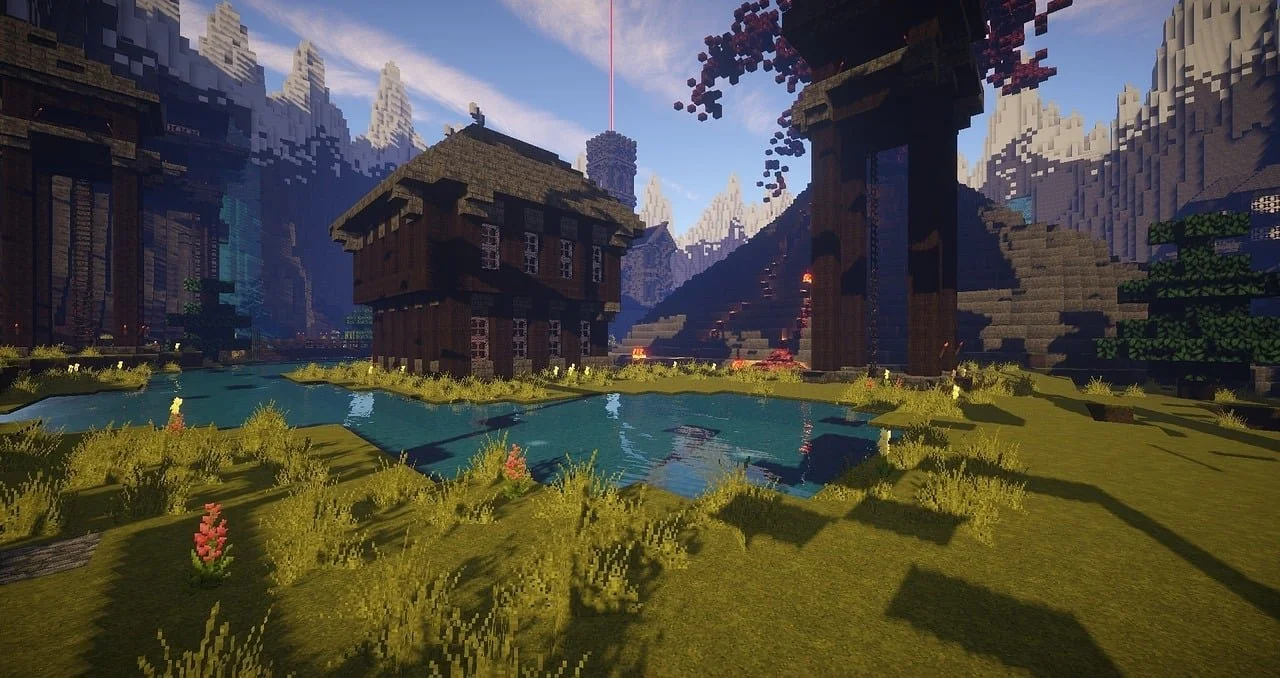
NVIDIA’s DLSS 5, introduced as a significant advancement in graphics software, has generated debate among fans and developers. Unlike earlier versions that predictably improved resolution and frame rates, DLSS 5 relies on real-time neural rendering and AI-driven upscaling. Many players report inconsistent visual quality, artifacts, over-sharpening, and ghosting during fast scenes, while developers are concerned that AI-generated frames could encourage studios to release poorly optimized games and mask it using DLSS 5.
The risks of neural rendering undermining artistic control
The discussion extends beyond performance to how algorithms interpret light, motion, and shapes in visually complex games. Some argue that DLSS 5’s neural rendering can alter a game’s artistic intent, particularly when the AI misinterprets detail or motion. Integrating the latest NVIDIA SDK with engines such as Unreal and Unity requires additional testing and tuning to prevent flickering, blurred textures, or input lag, increasing the workload for development teams.
Generative visual processes and high-definition texture reconstruction can enhance scene richness and motion smoothness, but they also add complexity and potential failure points. Some studios report having to adjust their designs to accommodate DLSS 5’s limitations, often sacrificing post-processing effects or fine detail due to imperfect upscaling. Others are concerned that marketing pressures may require them to promote DLSS 5 support even when it does not provide meaningful improvements, reducing a technical feature to a checklist item rather than a deliberate design choice.
However, there is no doubt intelligent rendering is transforming digital entertainment experiences, and most companies will need to adapt in the long run. Nvidia’s DLSS 5 and other real-time neural rendering softwares are enabling AI to manage lighting, shadows, and materials, resulting in smoother motion and clearer visuals, even in complex, high-resolution scenes. Established brands such as the Gaming Club game providers will have updated their software, so the new DLSS system can enhance the graphical quality of these casino games while maintaining smooth performance, even on mid-range hardware. As they’ll deliver sharper textures, cleaner text, and more realistic lighting, the hyper-realistic graphics it enables can deepen immersion without sacrificing clarity or usability, reinforcing both player comfort and trust in the platform.
The balance between visual precision and player trust
Many technology enthusiasts recognize that this upgrade supports smooth refresh rates, even in demanding 4K environments with active ray tracing, but feel that the associated trade-offs are not always communicated clearly. DLSS 5 serves as a bridge between game design and final output, but it can blur the distinction between native image quality and AI-generated frames.
When trailers and promotional materials do not specify the extent of image reconstruction, players may feel misled when experiencing the game on their own hardware.
Developers also worry that the neural process may subtly alter their carefully crafted materials and lighting, potentially undermining their artistic intent, and raising questions about who ultimately controls the final look and feel of a game.
This tension has led to louder calls for clearer labeling, standardized benchmarks, and side‑by‑side comparisons that transparently show the impact of DLSS 5. Without these safeguards, even technically impressive innovations risk eroding long‑term confidence, as players grow wary of marketing claims around AI‑assisted image quality.