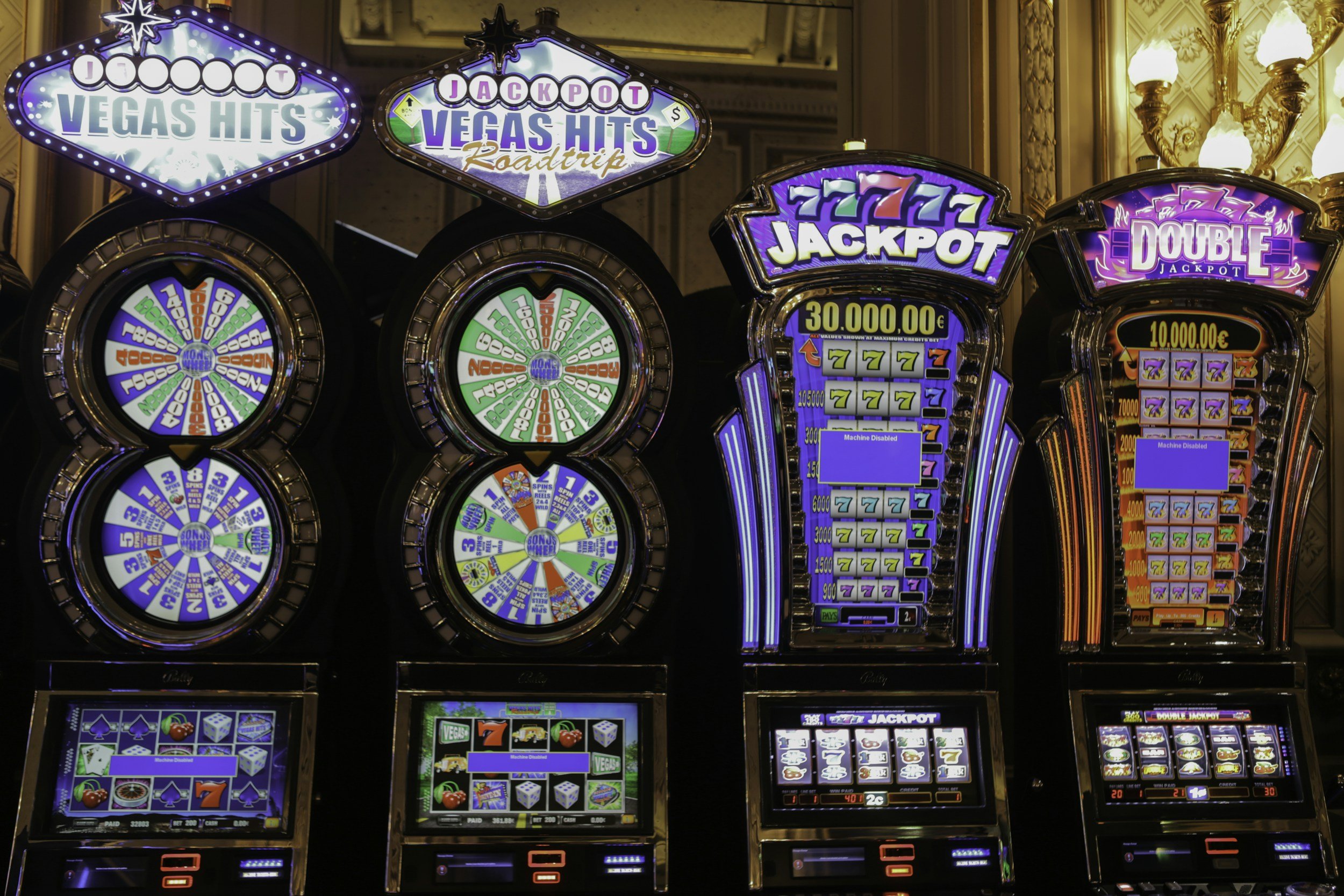
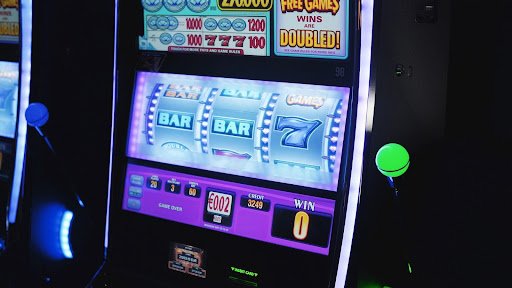
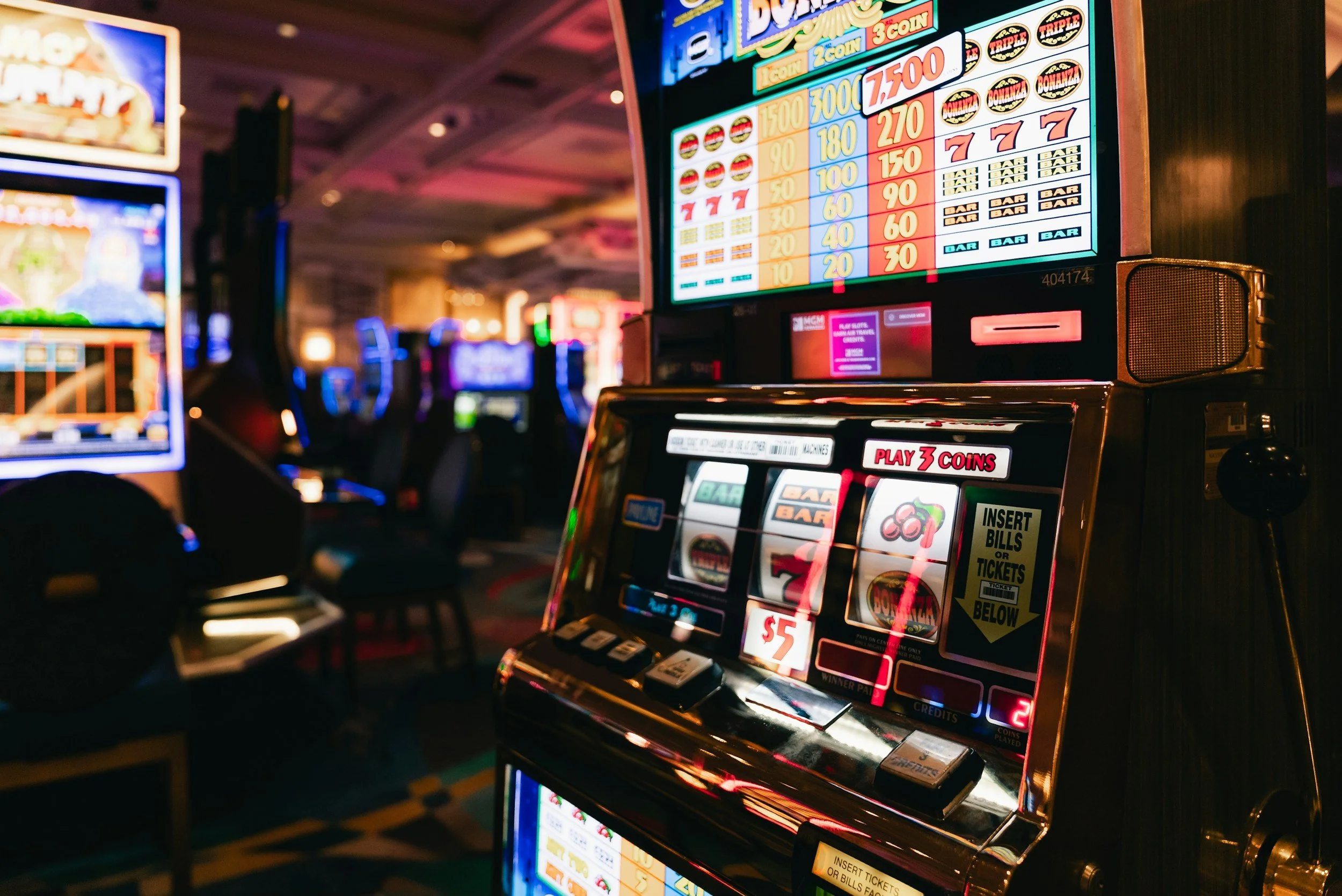
A slot used to ask one simple question: did the symbols line up or not? That model still exists, but it no longer explains how many modern games are built. Over time, slot design absorbed ideas from other genres, especially role-playing games. The shift is easy to spot for anyone who studies game loops. Many titles now use progression meters, unlockable features, layered objectives, and persistent rewards that carry across sessions. The spin remains the core action, yet the surrounding structure feels closer to a character journey than a stand-alone wager. That change matters because it reshapes how players read value, pace, and engagement inside the game itself.
Why Localized Platforms Matter Before Progression Can Work
Progression systems only work well when the platform around them feels stable, relevant, and familiar to the player. That is why high-quality casino platforms built for local markets have become so important. A progression mechanic may be smart on paper, but it loses impact when the interface feels generic, the payment flow feels disconnected, or the content mix does not reflect how a local audience actually plays. Strong regional platforms create the right context for these systems to matter. They support the pacing, clarity, and trust needed for layered game design to land properly.
This is where access to well-curated online casino games becomes part of the broader design discussion, not just a product category. A local-facing platform can present progression-heavy games in a way that makes their systems easier to understand and more relevant to the player base. It can also align game selection with regional preferences, which helps more advanced mechanics feel natural instead of imported. For experienced observers of the sector, this is one of the clearest signs that casino content has matured. Distribution and design now influence each other much more directly.
From Spin Loops to Progress Loops
RPGs built their staying power on structured advancement. Players return because something develops over time, whether that is a level, a skill tree, or access to new areas. Slots borrowed that logic and adapted it to a simpler framework. Instead of building a character, the player often builds a position within a game system. A meter fills. A feature stage unlocks. A modifier improves the next bonus sequence. The important part is not the visual wrapping. It is the feeling that a session has direction.
This changes how engagement works. Traditional slots rely heavily on instant resolution. Each spin begins and ends with minimal memory. Progression systems create memory between spins. One outcome can shape the next phase of play, and that continuity gives the game more design depth. In practice, this can appear as map-based unlock paths, collection mechanics tied to symbols, or multi-stage bonus rounds that reward sustained interaction. Many providers now design their best-performing releases around this idea because it adds structure without forcing the player to learn a completely new genre.
The Psychology of Advancement Without Complexity
What makes RPG-inspired slots effective is their ability to borrow depth while keeping the interface simple. Good designers know that players do not need a dense ruleset to feel advancement. They need visible momentum and meaningful thresholds. A progress bar is powerful because it turns scattered outcomes into a story of movement. An unlockable feature matters because it changes expectations. Even a modest collection mechanic can increase focus when each symbol feels connected to a larger objective.
Experienced readers in this space already know that retention is rarely about raw novelty alone. It often comes from cadence and anticipation. Progression systems support both. They give players intermediate goals between major feature triggers, and they smooth the emotional rhythm of the session. That is a lesson lifted almost directly from RPG design. The player stays engaged because the game keeps offering the next step. It is a controlled form of forward pull, and it works especially well in titles built around seasonal themes, adventure framing, or campaign-style bonus structures.
Why This Design Shift Fits Market Growth
In the second half of the market’s development cycle, growth tends to reward formats that hold attention longer and justify stronger product differentiation. That is one reason progression-based design fits the broader expansion of the online casino sector that is expected to reach USD 169.22 billion by 2030. As the market grows, operators and studios need games that stand out through structure as much as theme. A familiar fantasy skin or mythology concept is no longer enough on its own. The internal architecture of the game has to create a more distinctive experience.
That demand supports progression systems because they extend the design vocabulary of slots without abandoning the format’s accessibility. They also give studios more room to build product identity. One title may lean into mission-based advancement, while another may focus on evolving bonus states. This helps diversify portfolios in a market where content libraries keep expanding. From a business perspective, that matters. From a design perspective, it matters even more because it shows that casino games are increasingly built as systems with continuity rather than isolated rounds of chance.
The Real Lesson Slots Took from RPGs
The most important lesson slots learned from RPGs is that reward feels stronger when it has context. A result carries more weight when it pushes a larger arc forward. That is why progression systems matter so much. They give shape to the session. They turn repetition into development. They create a sense of trajectory that older slot formats rarely attempted to deliver.
For anyone watching where casino game design is heading, this trend says a lot about the future. The next wave of standout titles will likely keep refining progression, persistent states, and unlock-driven structures. The goal is clear: make the player feel that each interaction belongs to a wider system. In that model, the real jackpot is not only the outcome of one spin. It is the sense that the game keeps opening up as play continues.